
Reviewed · TEMPLE & SHRINE TOURS
Tokyo: Meiji Jingu, Yoyogi Park & Takeshita Street Tour
Tokyo does not make you choose between old and new on this three-hour walk. You move from the quiet forest of Meiji Jingu to Harajuku’s loud, playful Takeshita Street, with Yoyogi Park and polished Omotesando filling in the space between.
I like two things here: the route gives you a clear feel for Tokyo’s sharp contrasts, and the small-group format leaves room for questions and changes of pace. Guides including Ritsuko, Aska, and Chit Ng Li have been praised for explaining Japanese customs with warmth and good humor. The main drawback is simple: this is a walking tour, and three hours is not enough for a slow look at every stop.
In This Review
- Key points to know before you book
- Why this Harajuku route works so well
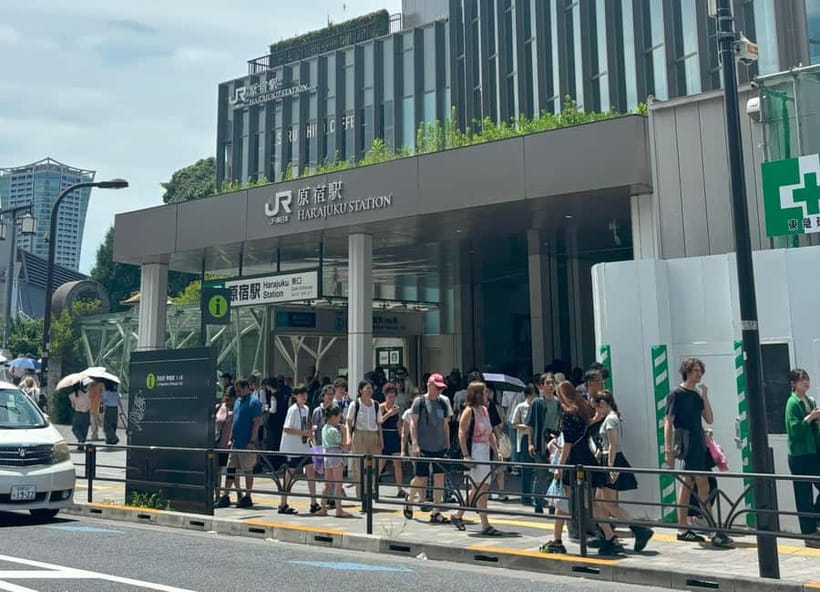
- Starting at JR Harajuku Station
- Meiji Jingu: Tokyo’s forested Shinto shrine
- Yoyogi Park: a useful pause after the shrine
- Takeshita Street and Harajuku youth culture
- Omotesando: a polished finish
- What the guide adds to the afternoon
- Is $36 a fair price?
- Who should book this walking tour?
- My call: book it for contrast, not depth
- FAQ
- How long does the Tokyo Harajuku walking tour last?
- Where does the tour meet?
- Is the tour conducted in English?
- Is the Meiji shrine museum admission included?
- What should I bring?
- Can I cancel the booking?
Key points to know before you book
- Meiji Jingu takes the largest share of the tour: Plan on about 90 minutes for the shrine, its forest paths, and cultural explanations.
- The route changes mood fast: Yoyogi Park offers a quiet break before Takeshita Street brings shops, snacks, and youth fashion.
- Small groups can make the afternoon feel personal: Guides can respond to your interests instead of delivering a fixed speech.
- Omotesando adds Tokyo style: The final shopping area is known for modern buildings, boutiques, and cafes.
- The price is $36 per person: That is fair if you want a guide to connect the sites and explain rituals, not just point them out.
- Bring proper walking gear: Comfortable shoes, water, sun protection, and an umbrella matter, especially in warm or wet weather.
Why this Harajuku route works so well
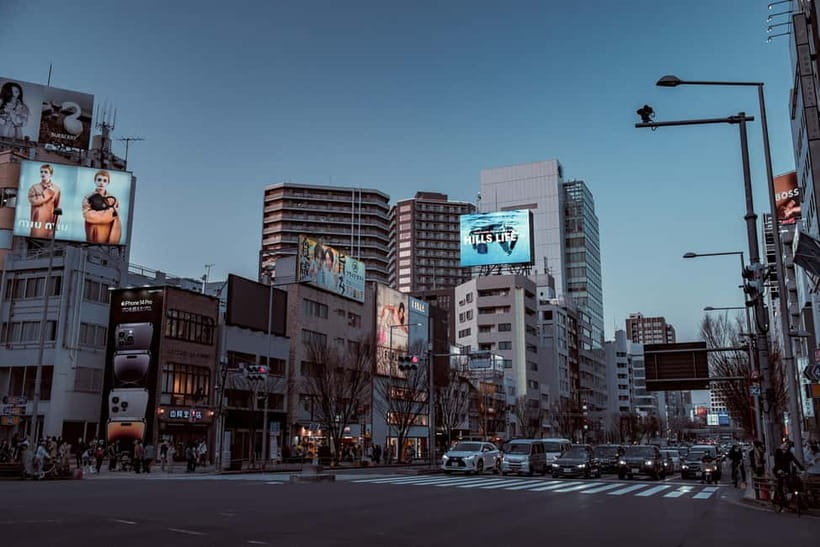
Harajuku is one of the best places in Tokyo to see several sides of the city in a short time. At JR Harajuku Station, you are close to a major Shinto shrine, a broad public park, youth fashion streets, and one of Tokyo’s smartest shopping avenues.
That range gives the tour its purpose. You are not simply ticking off four nearby places. You are watching the city change from sacred and quiet to casual and youthful, then polished and design-focused.
I especially like the order. Meiji Jingu comes first, when you can give the shrine your full attention. Yoyogi Park then offers a gentler walk before the visual and retail overload of Takeshita Street. Omotesando finishes the route with a more grown-up version of Harajuku style.
The guide matters here. The strongest guide experiences in the supplied feedback came from Ritsuko, Aska, and Chit Ng Li, with particular praise for clear explanations, friendly conversation, and the ability to adjust the tour to the group. You should still understand that guides can vary, but the format is set up for interaction rather than a silent march from stop to stop.
More temples and shrines near Tokyo:
- Tokyo: Meiji Shrine, Asakusa, Skytree Bus Tour and Cruise
★ 4.7 · 1,986 reviews - Tokyo: Asakusa Walking Tour with Sensoji Temple Visit
★ 4.8 · 1,583 reviews - Nikko: Kegon Falls, Lake Chuzenji & Toshogu Temple
★ 4.6 · 1,577 reviews
Starting at JR Harajuku Station
Your meeting point is the West Exit of JR Harajuku Station. Look for a guide wearing a TripGuru shirt or holding a TripGuru sign, and arrive at least 10 minutes early.
This is not the place to cut things close. The guide waits a maximum of 10 minutes before starting the tour, so a late arrival could mean missing the group entirely. Give yourself time to find the correct exit and locate the guide in a busy station area.
The station is a useful starting point because the surrounding district changes almost immediately. You begin in a transport hub, then move toward trees, shrine gates, and quieter paths. That quick shift helps you understand why this part of Tokyo works so well for a walking tour.
Meiji Jingu: Tokyo’s forested Shinto shrine
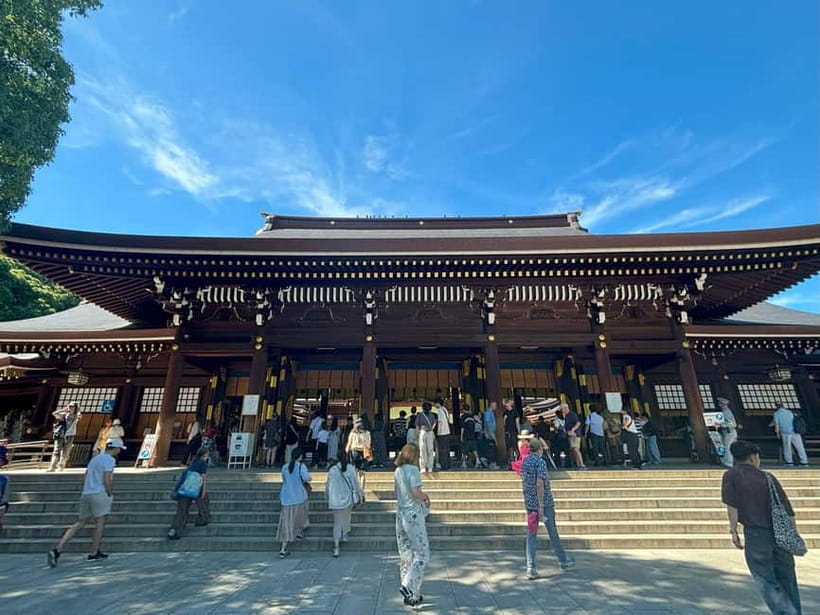
Meiji Jingu receives about 90 minutes, making it the central stop. The shrine is dedicated to Emperor Meiji and Empress Shoken, and it is one of Tokyo’s best-known Shinto sites.
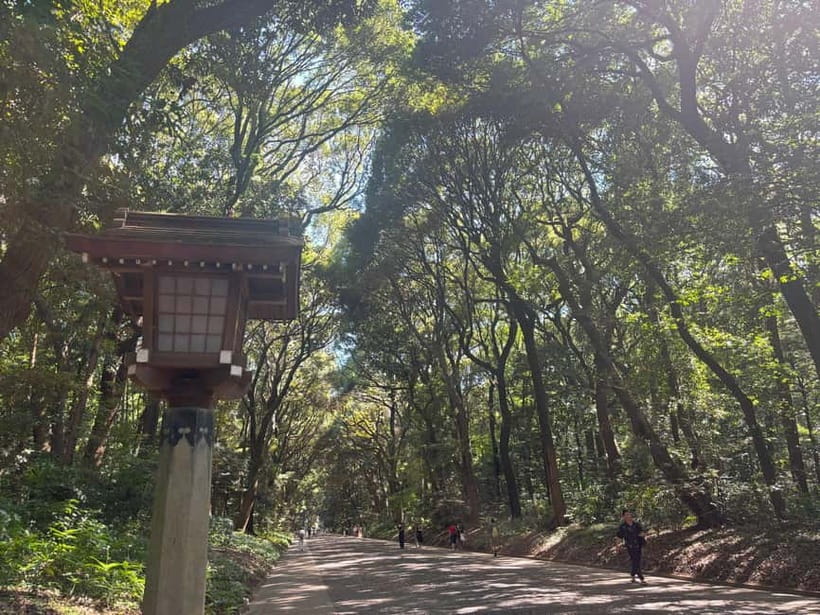
The striking feature is the setting. A large forest surrounds the shrine, creating a strong break from the city nearby. You can expect a calm walk through greenery, with your guide explaining the meaning of the shrine and the customs connected to a visit.
This is where an English-speaking guide adds real value. Shinto rituals can look simple if you do not know what you are seeing. A guide can explain the respectful way to approach the shrine, how visitors take part in basic customs, and why the site matters in Japanese culture. Ritsuko was particularly praised for making these traditions easy to understand and for explaining them with care.
You should not treat Meiji Jingu like a quick photo stop. The forest approach and the quiet atmosphere are part of the experience. Keep your voice down, follow the guide’s instructions, and allow the setting to do some of the work.
There is also a Meiji shrine museum connected with the experience, but its entrance fee is not included. The extra cost is 1,000 yen per person. Ask your guide how it fits the schedule and decide if the museum interests you, since the main guided visit already takes much of the three-hour outing.
The shrine is also the point where practical footwear matters most. The tour information does not promise flat, easy access throughout the walk, and the route includes a substantial amount of time on foot. Anyone who dislikes walking should think carefully before booking.
Yoyogi Park: a useful pause after the shrine
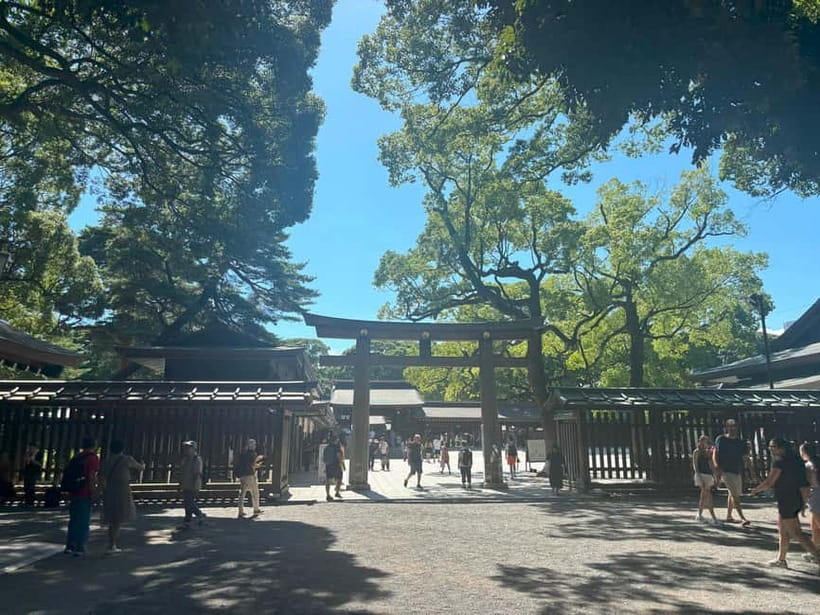
The tour gives Yoyogi Park about 30 minutes. That is enough for a pleasant walk and a look at one of central Tokyo’s favorite open green spaces, but not enough for a full park visit.
The park works as a change of pace. After the formal atmosphere of Meiji Jingu, you can enjoy a less structured setting where people come to relax and spend time outdoors. Seasonal scenery can add interest, though the exact appearance depends on the date of your visit.
I like this stop because it prevents the tour from becoming a chain of buildings and shopping streets. The park lets you breathe, take photos, and ask your guide follow-up questions while the shrine experience is still fresh.
Keep your expectations in check. Thirty minutes is a short visit, so you will not explore every corner or linger for long. Think of Yoyogi Park as a green bridge between Meiji Jingu and Harajuku’s retail streets, not as a separate park excursion.
More Harajuku wanders:
- Tokyo Go-Kart Tour Shibuya-Harajuku-Shinjuku (*IDP Required)
★ 5.0 · 217 reviews - Tokyo: Guided Go Kart Tour from Harajuku to Shibuya Crossing
★ 4.5 · 166 reviews - Shibuya & Harajuku: Hidden Gems & Highlights Private Tour
★ 4.7 · 139 reviews - Harajuku Kawaii Fashion and Pop-Culture Tour
★ 5.0 · 94 reviews
Takeshita Street and Harajuku youth culture
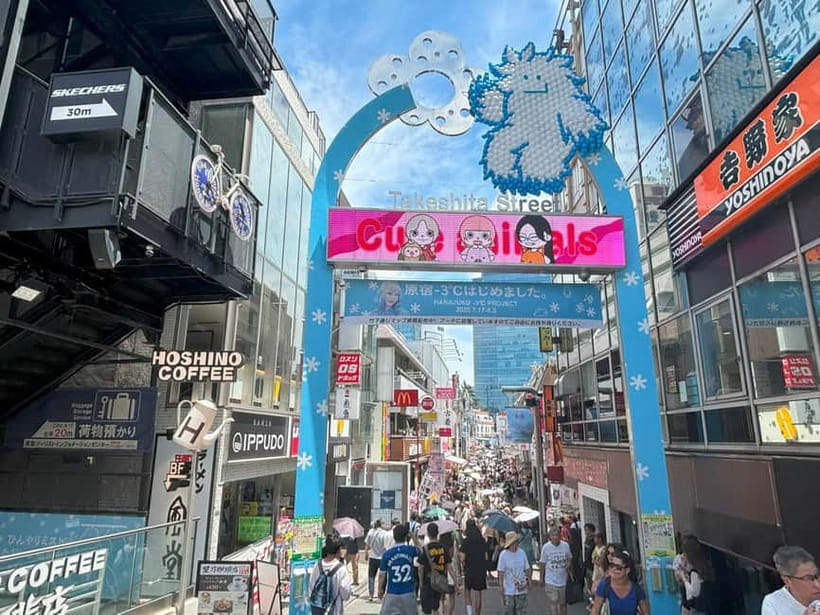
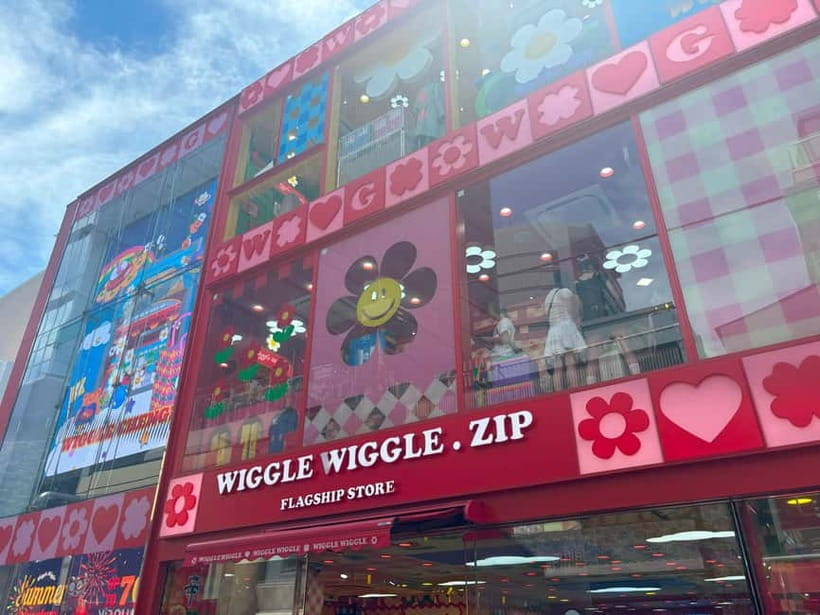
Takeshita Street gets about an hour, and the mood changes at once. This is the part of the route built around quirky shops, street food, unusual fashion, and Harajuku pop culture.
The street is famous for its youthful style, so it can feel crowded and visually busy. That is part of the point, but it may not suit you if you prefer quiet lanes and slow browsing. Stay close to your group, since a busy shopping street can make it easy to lose sight of a guide.
A guided hour is useful here because the street can feel like a wall of signs and storefronts when you first arrive. Aska was praised for taking a family group to streets and shops they would not have found alone, including a gallery promoting local artists. That detail hints at the best version of this tour: not just the obvious snack shops, but smaller places that match the group’s interests.
You will have time for shopping and personal expenses are not included, so bring a payment method you plan to use in Japan. Meals and drinks are also your responsibility. The tour does not promise a set food tasting, so do not book it expecting lunch or a snack package.
The guide can help you read the area as more than a shopping street. Takeshita Street shows how Tokyo’s younger culture expresses itself through clothes, sweets, store design, and changing trends. It is a useful counterpoint to the shrine, where custom and ritual shape the visitor experience.
Omotesando: a polished finish
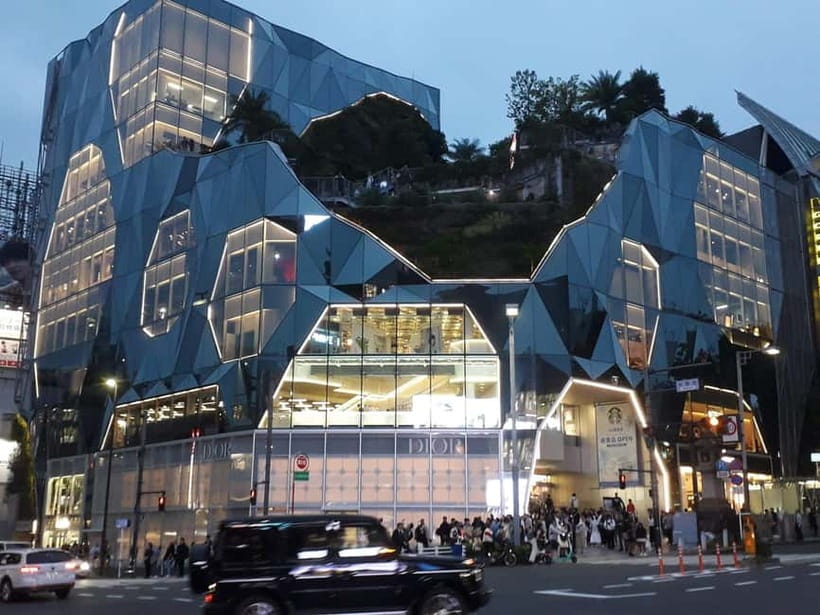
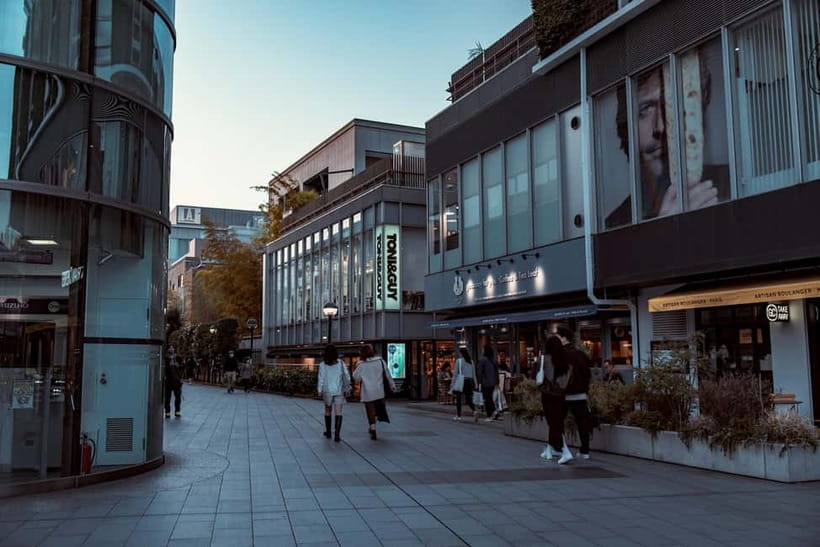
The final part of the route takes you toward Omotesando, Tokyo’s stylish shopping and lifestyle district. The timing is listed as about 30 minutes, so you should expect a guided introduction rather than a long shopping session.
Omotesando is known for modern architecture, boutique stores, and upscale cafes. It offers a different kind of Tokyo style from Takeshita Street. Takeshita is playful and youthful; Omotesando feels more restrained, design-led, and expensive.
That contrast makes the ending worthwhile. You can see how the same district serves very different tastes within a short walk. If you enjoy architecture, window displays, cafes, or fashion, you may want to return later with more time.
The final itinerary entry does not name a separate attraction, so treat Omotesando as the likely closing area rather than expecting a specific museum or landmark. Your guide may shape the last 30 minutes around the group’s interests, particularly in a private or small-group format.
What the guide adds to the afternoon
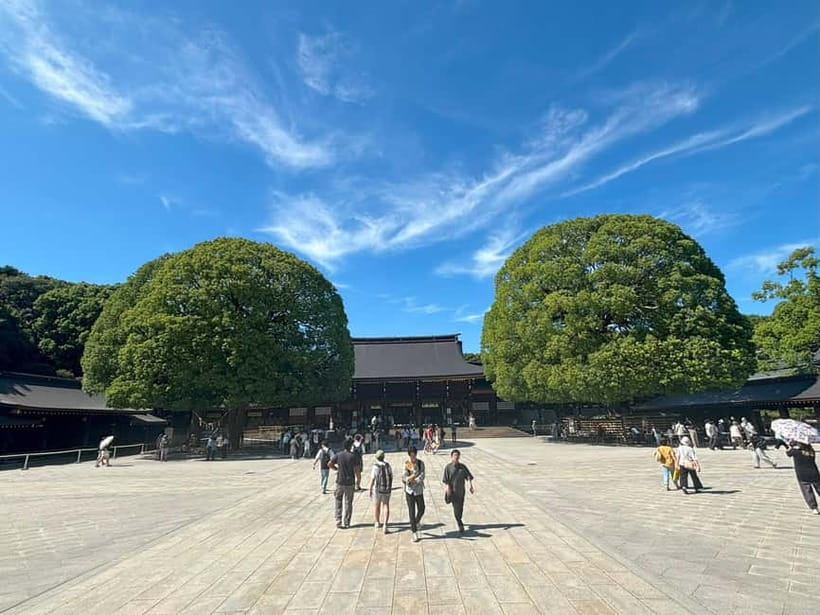
This experience depends more on the guide than on admission tickets. The shrine and streets are available to explore independently, but a good guide connects what you see to Japanese customs, local life, and the changes between each neighborhood.
Ritsuko received praise for explaining culture and shrine traditions in a way that felt clear and personal. Aska was singled out for strong English, humor, detailed answers, and a good connection with a family group. Chit Ng Li was described as competent, friendly, and professional. Those are the qualities you want here: a guide who can explain without turning the walk into a lecture.
The small-group option matters. One supplied experience specifically praised the freedom to decide what the group wanted to visit. That does not mean every stop can be skipped or extended, but it suggests the tour can feel less rigid than a large coach excursion.
Ask questions. This route gives you natural openings to do so, from shrine rituals to Harajuku shops and local art. If you prefer a guide who talks nonstop while you follow, a larger fixed tour may be enough. If you want conversation and personal attention, choose the small-group or private option if available for your date.
Is $36 a fair price?
At $36 per person, the tour is reasonably priced for a three-hour English-guided walk in central Tokyo. You are paying for the guide’s time, local context, and route planning rather than transport or expensive entry tickets.
The value is strongest for a first visit. You get four connected parts of Harajuku without having to work out the route yourself, and the guide helps explain why the shrine, park, youth street, and luxury avenue belong in the same afternoon.
The price is less attractive if you only want to browse shops or take photos. Meiji Jingu and the public areas can be visited without a tour, and personal expenses, food, drinks, and the 1,000 yen shrine museum admission cost extra.
For many people, the guide’s explanations justify the fee. You are buying a useful introduction to the area, not a full-day cultural program. I would see it as a good first-afternoon orientation, especially if you want to return to Takeshita Street or Omotesando later on your own.
Who should book this walking tour?
This tour suits first-time visitors who want a quick, well-organized look at Harajuku. It also works for families, couples, and small groups who want both cultural context and time in shopping districts.
You will get the most from it if you:
- Enjoy walking for three hours with several stops
- Want an English-speaking guide
- Like mixing shrines, green space, shopping, and architecture
- Prefer a small or private group
- Want a short introduction before exploring Harajuku alone
- Are comfortable paying separately for food, drinks, shopping, and museum entry
The activity is not suitable for pregnant women, people with mobility impairments, people with respiratory issues, or people with high blood pressure. It also may not suit anyone seeking a slow, specialist shrine visit, a dedicated food tour, or a full shopping day.
Wear comfortable shoes. Sunglasses, sunscreen, an umbrella, and a reusable water bottle are sensible additions. Tokyo weather can change, and the route places you outdoors for most of the afternoon.
You can cancel up to 24 hours in advance for a full refund, and the reserve-now, pay-later option keeps the booking flexible. Check the available starting times before you commit, since the exact schedule is not fixed in the details provided.
My call: book it for contrast, not depth
I would book this tour if I had limited time in Tokyo and wanted a clear introduction to Harajuku’s many personalities. The route moves from shrine rituals and forest paths to park life, youth fashion, local art, boutiques, and cafes. That is a lot of variety in three hours.
The strongest reason to choose it is the guide-led context. Ritsuko, Aska, and Chit Ng Li are examples of the warm, flexible style you should hope for, and the small-group setup can make the afternoon feel personal.
I would skip it if you already know Harajuku well, need step-free access, or want to spend most of the day shopping. For everyone else, $36 is a sensible way to get your bearings, understand the cultural details, and decide which parts of the district deserve a second look.
FAQ
How long does the Tokyo Harajuku walking tour last?
The tour lasts three hours, including guided visits to Meiji Jingu, Yoyogi Park, Takeshita Street, and Omotesando.
Where does the tour meet?
Meet at the West Exit of JR Harajuku Station. Look for a guide wearing a TripGuru shirt or holding a TripGuru sign.
Is the tour conducted in English?
Yes. The tour includes a live English-speaking guide.
Is the Meiji shrine museum admission included?
No. Admission to the Meiji shrine museum costs 1,000 yen per person and is not included in the tour price.
What should I bring?
Bring comfortable shoes, sunglasses, an umbrella, sunscreen, and a reusable water bottle. Meals, drinks, and personal expenses are not included.
Can I cancel the booking?
Yes. You can cancel up to 24 hours before the activity for a full refund. The reserve-now, pay-later option lets you book without paying immediately.
New on our Tokyo list
- Sumi-e Experience in a relaxing green tea shop in Tokyo★ 5.0 · 3 reviews
- Tokyo : Kamikaze Street Drift Ride★ 5.0 · 3 reviews
- Private Zen Meditation in English in Shinjuku, Tokyo★ 5.0 · 3 reviews
- Onsen Spa in Tokyo and Asakusa Bar Hopping with Local Guide★ 5.0 · 3 reviews
- Easy for everyone! Now you can play handmade mini shamisen and show off to everyone! Musical instruments, sweets and live music★ 5.0 · 3 reviews
- Tokyo: Private Tsukiji Street Food & Sake with Local Guide★ 5.0 · 3 reviews
- Mt Fuji Exploration Tour with Free Japanese Kusa Mochi from Tokyo★ 4.5 · 3 reviews
- Tokyo Tsukiji Fish Market Walking and Exploring Hidden Gems Tour★ 5.0 · 3 reviews
Temple & Shrine Tours, compared.
Meiji Shrine, Asakusa, Skytree Bus Tour and Cruise
Read our review →
Asakusa Walking Tour with Sensoji Temple Visit
Read our review →
Kamakura & Enoshima Day Trip including Temple Tickets
Read our review →
Nikko Toshogu Shrine and Kegon Waterfall Tour
Read our review →
Tokyo Panoramic 1 Day: Meiji Shrine, Asakusa, Odaiba and SKYTREE®
Read our review →
Mt. Fuji Heritage Tour: Traditional Villages, Lakes & Shrine
Read our review →Browse the lists this tour appears in