
Reviewed · CYCLING TOURS
Tokyo Night Bike Tour: From Shibuya to Tokyo Tower via Roppongi
Tokyo looks different from a bicycle at 8 p.m. The train map fades away, traffic thins in places, and you can connect Tokyo Tower, Roppongi, Omotesando, and Jingu Gaien in one brisk ride. Guides such as Taichi and Ikeda keep the group moving while adding local detail you would miss from a taxi window.
I like two things here: the small maximum group of six, which makes it easier to ask questions and stay together, and the route through Aoyama Cemetery and Jingu Gaien, areas that do not fit neatly into a normal sightseeing loop. The main catch is simple: this is real city cycling, not a gentle park ride. You need to handle traffic lights, tight spaces, and a steady 15 km/h pace.
In This Review
- Five things to know before you book
- Why a night bike ride works so well in Tokyo
- Starting near Yoyogi, close to Shinjuku
- Tokyo Tower: the big first visual reward
- Meiji Jingu Gaien: open space in a dense city
- Omotesando: polished streets and after-dark energy
- Roppongi Keyakizaka Dori and Roppongi
- Azabujuban: a different side of central Tokyo
- Aoyama Cemetery after sunset
- Nishiazabu and the route back
- Safety, guides, and the small-group advantage
- What $56.01 buys you
- Weather and practical preparation
- Who should book this ride?
- Should you book the Tokyo night bike tour?
- FAQ
- Where does the Tokyo night bike tour start?
- What time does the tour begin?
- Which places does the bicycle tour visit?
- Are bicycles and helmets included?
- How fast do I need to ride?
- Is dinner included, and what happens if the weather is poor?
Five things to know before you book
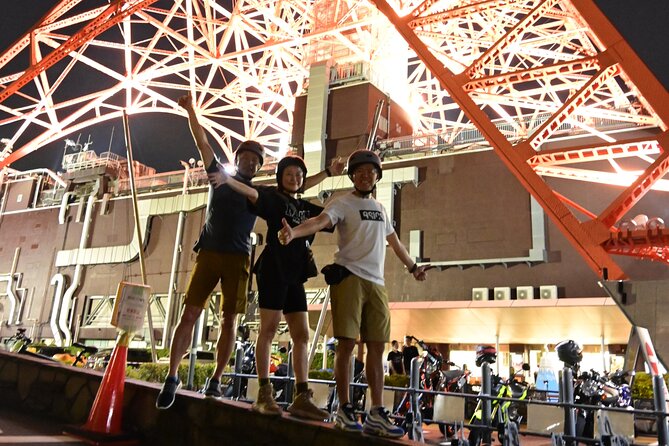
- Tokyo after dark: Cooler air, illuminated streets, and a different look at Shibuya, Roppongi, and Tokyo Tower.
- A genuinely small group: The tour takes no more than six people, allowing closer attention from the guide.
- A local-led route: Taichi and Ikeda have been praised for safety, English conversation, city knowledge, and good photo stops.
- You must be a confident cyclist: The bikes suit riders from 155 to 185 centimeters, and you should be comfortable riding on pavements and through traffic.
- Good value at $56.01: Bicycles, helmets, guiding, and two hours of sightseeing are included, but dinner is not.
Why a night bike ride works so well in Tokyo
Tokyo is easy to explore by train, but rail travel can chop the city into separate pieces. You arrive at one station, walk a few blocks, board another train, and repeat the process. A bicycle gives you the connections between those places.
That matters on this route. You move from the Yoyogi area toward elegant Aoyama streets, then on to Roppongi, Azabujuban, and Tokyo Tower. You see how quiet residential lanes sit close to major shopping roads and nightlife districts. That contrast is one of the best reasons to choose this tour instead of another observation deck or fixed walking route.
The 8 p.m. start is also practical. Tokyo’s summer heat is less punishing after sunset, and the city’s lights provide the main scenery. You will not get a full panoramic view of every district, but you will get a changing series of street-level views, with the added pleasure of moving through the city under your own power.
The ride lasts about two hours. At roughly 15 kilometers per hour, it is active but not an endurance event for a fit cyclist. Still, the pace is steady. You cannot stop every few minutes to study a shopfront or take a long photograph, so bring a clear idea of what this experience is: a guided city ride with sightseeing stops, not a slow photographic walk.
More Shibuya plans:
- Official Street Go-Kart in Shibuya
★ 5.0 · 3,435 reviews - Tokyo: Street Kart Experience in Shibuya
★ 4.9 · 1,484 reviews - Shibuya Meltdown Nightlife Tour: All-You-Can-Drink Bar Hopping
★ 5.0 · 1,058 reviews
Starting near Yoyogi, close to Shinjuku
The meeting point is Umayamichi Park at 5-chome-24-11 Sendagaya, Shibuya. It is about one minute from Yoyogi Station and roughly ten minutes from Shinjuku Station, making the start convenient if you are staying around either major rail hub.
Arrive with enough time to find the park and get settled. The supplied bicycle and helmet are included, which keeps the preparation simple. The bikes are intended for people between 155 and 185 centimeters tall. If you fall outside that range, this may not be the right booking.
The group size is a real advantage at the start. With a maximum of six riders, the guide can keep an eye on the group and answer questions without turning the ride into a crowded procession. The tradeoff is that groups of four or more should contact the organizer directly, so larger parties need a little extra planning.
The tour returns to the same meeting point. That is useful because you do not need to arrange a late-night pickup from another neighborhood. It also means you can leave luggage or other plans around the starting area, though the tour information does not promise luggage storage, so you should not count on that service.
Tokyo Tower: the big first visual reward
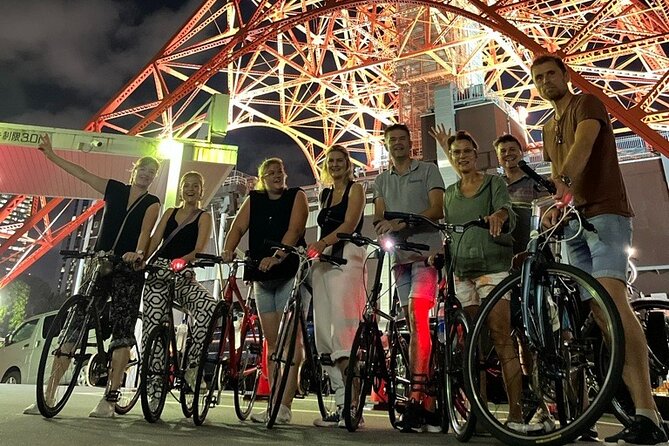
Tokyo Tower is the route’s clearest landmark. Its orange structure takes on a different character at night, especially when approached by bicycle through the city streets rather than viewed from a distant platform.
You should expect a stop for sightseeing and photographs, with the guide helping you find a useful viewpoint. The ride is not presented as a Tokyo Tower admission visit, so do not expect entry to the tower itself. This is an outside view and a city ride built around it.
I like this stop because it gives the evening a strong anchor. Tokyo can feel enormous and hard to place, but the tower helps you understand where you are. It also provides a natural moment to pause after the first part of the ride.
Meiji Jingu Gaien: open space in a dense city
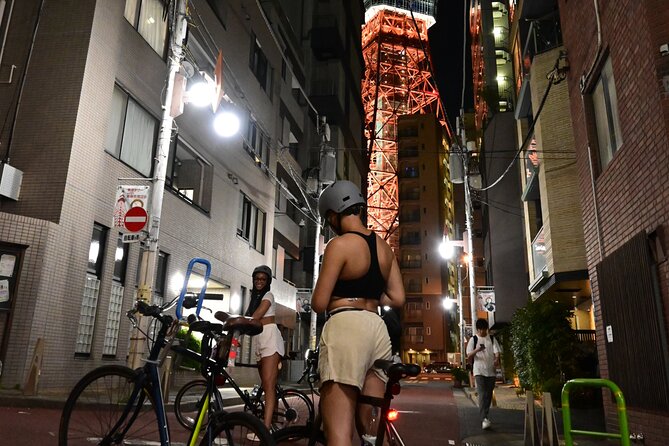
Meiji Jingu Gaien offers a change of mood. After Tokyo’s commercial streets and bright signs, this area gives you more breathing room and a calmer ride. It is one of the places that can be awkward to reach as part of a conventional public transport sightseeing plan, especially if you want to connect it directly with Aoyama and Roppongi.
The appeal is not a single famous attraction. It is the shift in scale and atmosphere. You get a sense of how Tokyo protects broad, open areas amid its dense central districts.
At night, details may be subtler than during the day. That is worth knowing. You are choosing the evening ride for atmosphere, cooler temperatures, and illuminated streets, not for close inspection of every tree or building.
A few more Tokyo bookings worth comparing
- Tokyo Guided Small-Group Biking Tour
★ 5.0 · 1,250 reviews - Tokyo Great Cycling Tour
★ 5.0 · 811 reviews - Tokyo Top Highlights 3h Guided E-bike Tour
★ 5.0 · 714 reviews - 3h Tokyo E-Bike Tour: Hidden Gems, and Local Life with guide
★ 5.0 · 670 reviews
Omotesando: polished streets and after-dark energy
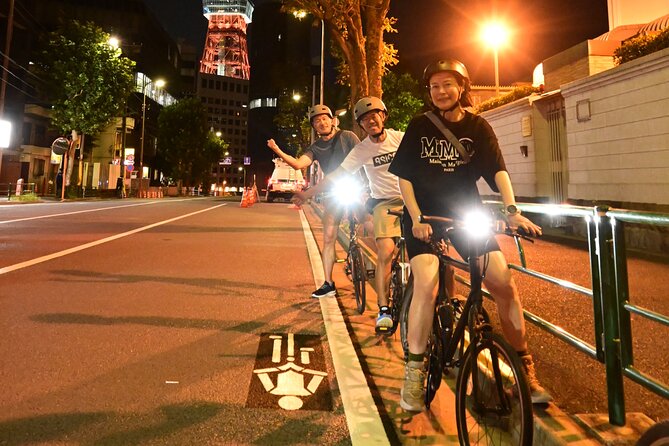
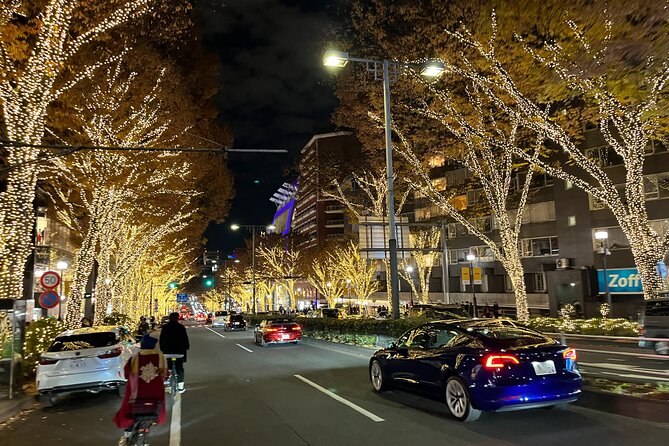
Omotesando brings the ride back into a more fashionable urban setting. Its broad avenue and high-end shops make a sharp contrast with the quieter corners of Gaien and the cemetery route.
A bicycle lets you cover the district without committing to a long walk. You can take in the architecture, shop lighting, and steady city movement, then continue before the area begins to feel repetitive. The guide’s local commentary is especially useful here because the value lies in understanding the district’s character, not simply ticking off a shopping street.
Do keep your expectations in check. This is not a shopping tour, and there is no time built in for browsing stores. If your goal is to shop Omotesando, come back on another day. If you want to see how the district fits into the wider central Tokyo route, the bike is a smart way to do it.
Roppongi Keyakizaka Dori and Roppongi
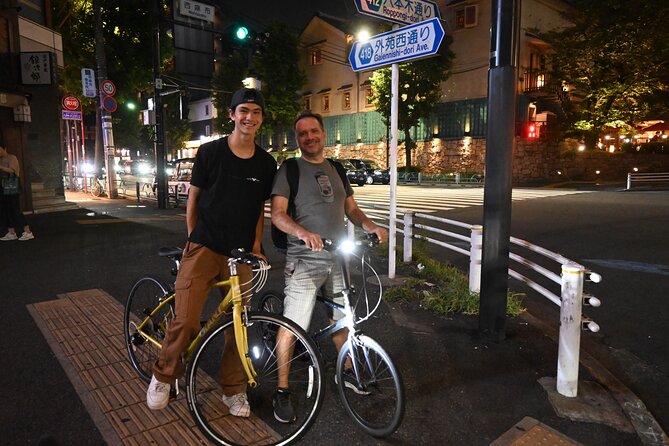
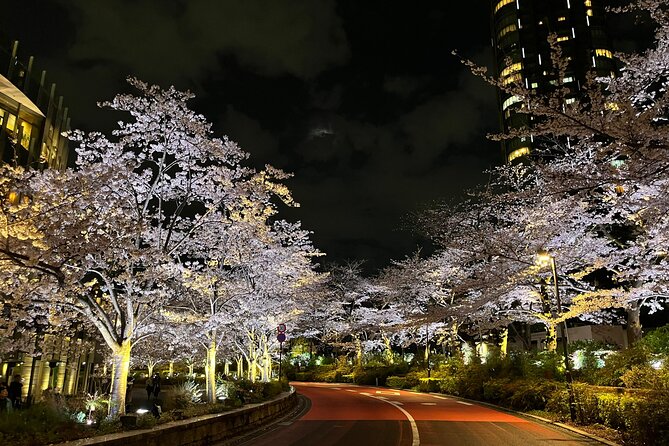
Roppongi Keyakizaka Dori is one of the route’s strongest nighttime scenes. Its lights and polished surroundings offer the kind of city view many people hope for from a Tokyo night outing.
The ride then includes Roppongi itself, a district known for restaurants, bars, and late-night activity. The experience does not stop for dinner, so eat before you meet the group. You can bring a snack, but there is no meal included and no scheduled restaurant break.
That detail matters more than it may seem. Two hours on a bicycle can leave you hungry, particularly in warm weather. Have dinner before the 8 p.m. start, or carry something small that will not interfere with cycling.
Roppongi also shows why a guide helps. The area can be confusing, with large roads, smaller side streets, and plenty of visual noise. A guide who knows the route can keep the group moving and point out the streets that are worth your attention.
Azabujuban: a different side of central Tokyo
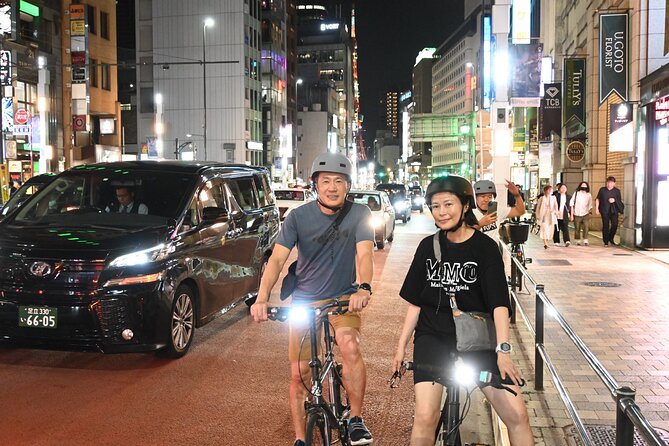
Azabujuban adds a neighborhood feel to the evening. It is a useful counterpoint to the large-scale lights of Roppongi and Tokyo Tower.
The route description emphasizes streets and places that are less obvious by public transport. That is the strength of this portion of the ride. You are not only traveling between headline sights. You are also seeing how central Tokyo changes from major entertainment district to local street life within a fairly short distance.
Because the tour keeps a steady speed, you will get an overview rather than a detailed neighborhood study. If you want to spend an hour sampling shops or restaurants in Azabujuban, plan a separate visit. Here, the point is the connection and the contrast.
Aoyama Cemetery after sunset
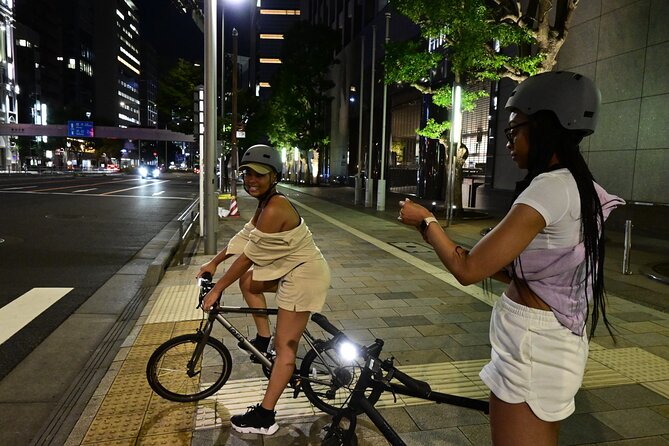
Aoyama Cemetery is an unusual stop, and that is exactly why it works. It is not the standard Tokyo sightseeing choice, yet it offers a quieter setting between the brighter districts.
At night, the cemetery gives the ride a pause. The city lights remain nearby, but the mood changes. This sort of stop helps the experience feel less like a checklist of famous places and more like a guided look at Tokyo’s varied streets.
Some people may find a nighttime cemetery setting less appealing than a busy shopping area. That is a fair consideration. If you want constant neon and action, this stop may feel slow. If you appreciate unusual city spaces and a little calm, it may be one of the evening’s most memorable parts.
Nishiazabu and the route back
Nishiazabu completes the western Roppongi section of the ride before the group returns to the starting point. It continues the theme of moving through districts that sit just outside the most obvious tourist circuit.
The value here is cumulative. You see a number of neighborhoods in one outing, with the guide handling the route and keeping the pace organized. You are not spending the evening figuring out which turn leads to the next district.
This is also where your cycling ability matters. The tour requires confidence on pavements, at cross traffic lights, and in crowded or narrow spaces. You should be able to ride at about 15 kilometers per hour without hesitation. The guide can lead, but cannot remove the demands of urban cycling.
Safety, guides, and the small-group advantage
Safety receives strong emphasis in the experience, and the small group supports that. Guides including Taichi are praised for making riders feel secure, explaining the surroundings clearly, and taking photographs at good stops. English conversation is available with Taichi, which helps if you want to ask about Tokyo while riding.
That does not mean the tour is risk-free. Tokyo streets can be busy, and the route includes cross traffic and tight spaces. You should already be comfortable cycling in a city. This is not the place to learn how to balance, brake, or judge traffic.
The group format also affects the social side. You may be riding with a family, a solo visitor, or a small party. The experience has been suitable for different ages, including a 15-year-old, but the important test is cycling confidence rather than age alone.
The guide’s role goes beyond pointing at landmarks. The strongest part of the experience is the local context: why a street feels different, what lies beyond the main tourist route, and how separate districts connect. You may also get useful photos, since the guides have been praised for taking pictures at scenic points.
What $56.01 buys you
At $56.01 per person, the price is reasonable if you want an active introduction to several central Tokyo districts. You are paying for two hours of route planning, a bicycle, a helmet, and a guide in a group capped at six. The small group is important here because a private guide would normally cost much more, while a large cycling group can feel impersonal.
The value is strongest for a first visit. You can cover ground quickly, get a sense of where Roppongi, Aoyama, Omotesando, and Tokyo Tower sit in relation to one another, then return to any area that catches your interest.
It is less useful if you already know these neighborhoods well or if you want a food-focused night. Dinner is not included, and the tour does not stop for a meal. You also need to factor in the physical effort and the possibility that weather could affect the schedule.
Group discounts are available, and mobile tickets make the booking process easy. The experience is commonly booked about six days ahead, so you do not necessarily need to reserve months in advance. Still, the six-person limit means popular dates can fill.
Weather and practical preparation
The tour proceeds in light rain, but sudden weather changes can lead to cancellation. If poor weather cancels the ride, you can choose another date or receive a full refund.
You can cancel for a full refund up to 24 hours before the 8 p.m. start time. Changes or cancellations inside that 24-hour window are not accepted for a refund. Cutoff times use Tokyo local time, so check the clock carefully if you are booking from another country.
Wear clothes that let you pedal comfortably and prepare for a cooler ride after dark, especially outside the warmer summer months. Eat first, carry water, and keep your belongings secure while riding. The tour provides the bicycle and helmet, but no food.
Who should book this ride?
I would choose this tour if you want to see Tokyo actively, prefer small groups, and already feel comfortable riding in traffic. It is especially useful early in a Tokyo visit because it gives you a practical sense of several central neighborhoods in one evening.
It suits solo riders, couples, families with capable cyclists, and people who like local conversation as much as landmark views. The feedback gives particular weight to Taichi’s calm guidance, friendly manner, English skills, cultural conversation, and attention to safety.
I would not choose it if you dislike cycling, struggle with crowded streets, need frequent stops, or want a relaxed dinner outing. The pace is fixed, the route covers real city roads, and the two-hour format leaves little room for lingering.
Should you book the Tokyo night bike tour?
Book it if the idea of seeing Tokyo by bicycle sounds more appealing than another train ride or observation deck. For $56.01, you get a well-planned route, central sights, quieter districts, a supplied bike and helmet, and a guide-led evening with no need to navigate alone.
The best reason to go is the mix: Tokyo Tower and Roppongi provide the lights, while Jingu Gaien, Azabujuban, Aoyama Cemetery, and Nishiazabu add quieter views. Just eat before you arrive and be honest about your cycling ability. If you can ride confidently at 15 km/h, this is a lively and efficient way to get your bearings after dark.
FAQ
Where does the Tokyo night bike tour start?
The tour starts at Umayamichi Park, 5-chome-24-11 Sendagaya, Shibuya, Tokyo 151-0051. The meeting point is about one minute from Yoyogi Station and about ten minutes from Shinjuku Station.
What time does the tour begin?
The tour starts at 8:00 p.m. and lasts approximately two hours.
Which places does the bicycle tour visit?
The route includes Tokyo Tower, Meiji Jingu Gaien, Omotesando, Roppongi Keyakizaka Dori, Azabujuban, Aoyama Cemetery, Roppongi, and Nishiazabu.
Are bicycles and helmets included?
Yes. The tour includes the use of a bicycle and helmet. The bicycles are suitable for people between 155 and 185 centimeters tall.
How fast do I need to ride?
Participants are expected to ride confidently at about 15 kilometers per hour. You should be comfortable cycling on pavements, crossing traffic lights, and riding through crowded or tight spaces.
Is dinner included, and what happens if the weather is poor?
Dinner is not included, and the tour does not stop for a meal, so eat beforehand or bring a snack. The ride proceeds in light rain but can be canceled after sudden weather changes or due to poor weather. In that case, you will be offered another date or a full refund.
More Evening Experiences in Tokyo
- Tokyo Night Foodie Tour in Shinjuku – Seasonal Sushi, Wagyu Beef
★ 5.0 · 1,161 reviews - Tokyo: Daikoku JDM Car Meet & Night Car Culture Tour
★ 4.8 · 626 reviews - Tokyo After 5: Authentic Japanese Food & Drink Night Tour
★ 4.5 · 560 reviews - EVO, WRX, Skyline – JDM Night Run to Daikoku Car Meet
★ 4.9 · 478 reviews
New on our Tokyo list
- From Tokyo: Mount Fuji & Hakone Full Day Private Tour★ 4.9 · 25 reviews
- Tokyo Spectacular View Day-Cruise in 90 Minutes★ 5.0 · 25 reviews
- Real Tokyo Runner Club : Daikoku Car Meet Night Tour with JDM Car★ 5.0 · 25 reviews
- 2.5 Hour-Guided Cycle Tour in the Central Tokyo★ 5.0 · 25 reviews
- Ramen Making from Scratch +Akihabara Tour –Cooking Class★ 5.0 · 25 reviews
- [Self-Drive] Tokyo & Daikoku Custom Car Driving Tour★ 4.9 · 25 reviews
- Tokyo: 2-Hour Night Bike Tour of the City’s Hidden Gems★ 4.9 · 25 reviews
- Samurai themed Entertainment show in Shinjuku★ 4.5 · 25 reviews
Cycling Tours, compared.
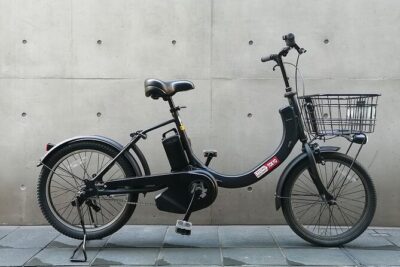
3h Tokyo E-Bike Tour: Hidden Gems, and Local Life with guide
Read our review →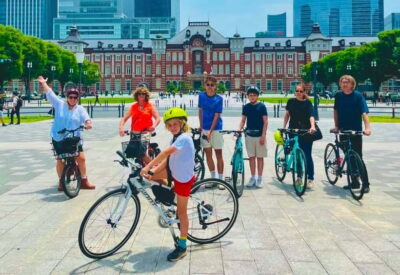
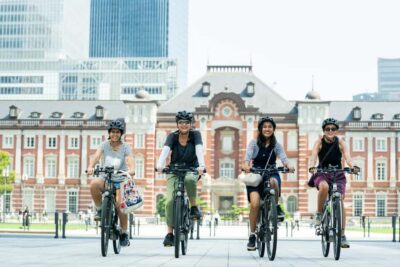
3-hour Guided E-Bike Tour of the City’s Hidden Gems
Read our review →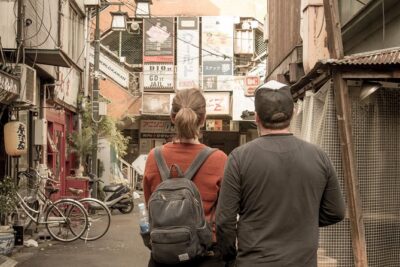
3-Hour Bike/E-Bike Tour of the City’s Highlights
Read our review →Browse the lists this tour appears in