
Reviewed · SAMURAI & NINJA EXPERIENCES
Tokyo: Samurai Sword Academy in the Hometown of Last Samurai
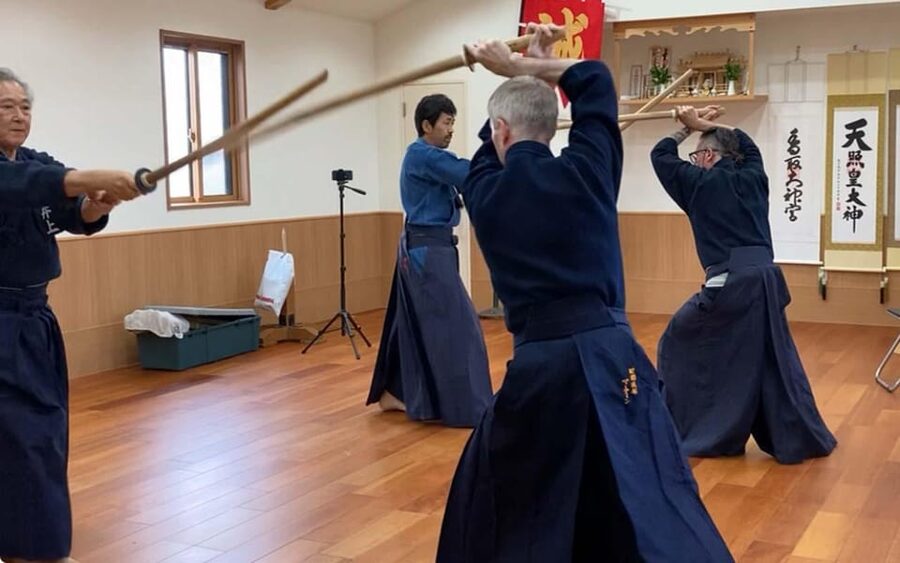
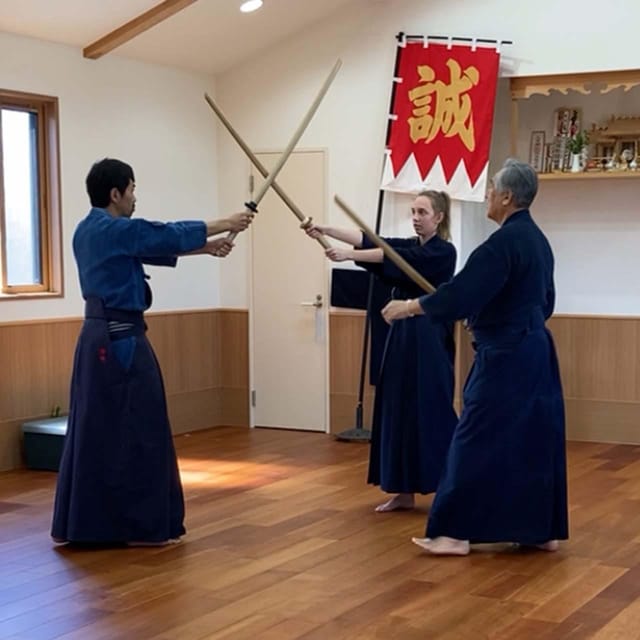
The most striking part of this experience is that you train in an actual Tennen Rishin-ryu dojo, not a stage set made for tourists. In Hino, the hometown of several Shinsengumi swordsmen, Masao Inoue, a descendant of Shinsengumi executive Genzaburo Inoue, leads a small class in the same tradition practiced since the Edo period.
I like the careful build-up from posture and footwork to kata and real sword handling. I also like the four-person limit, since the instructors can watch your movements closely and keep the session friendly. The main drawback is the trip from central Tokyo to Hino, plus the physical demands. This is not a passive photo stop, and it is not suitable for children under 18 or people with several listed health and mobility concerns.
In This Review
- Key points before you book
- Why this Hino dojo feels different from a samurai photo session
- From Hino Station to the Inoue Genzaburo Museum
- Getting dressed as a Shinsengumi student
- The first lesson: posture, footwork, and wooden sword drills
- Kata practice and the feel of real technique
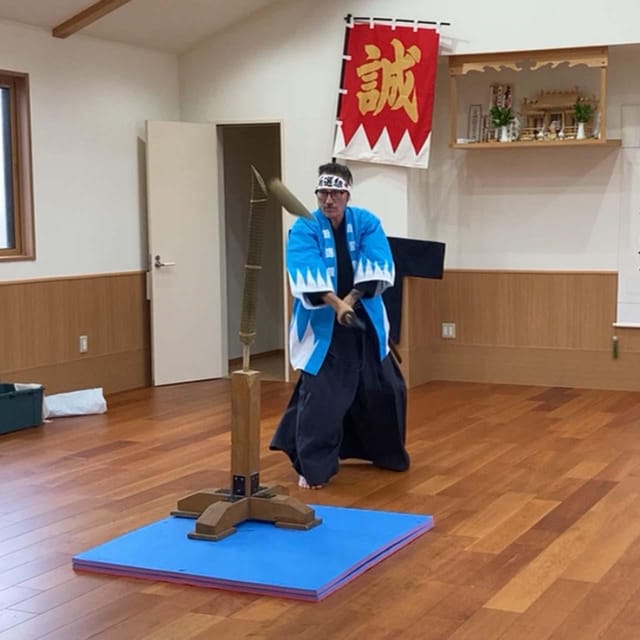
- Handling a Japanese sword and cutting tatami
- Meeting Masao Inoue and hearing the Hino connection
- What the two hours are really worth
- Who should book this sword experience
- A practical two-hour plan
- Should you book the Tennen Rishin-ryu experience?
- FAQ
- Where does the sword experience take place?
- How long does the activity last?
- Who teaches the class?
- Is the experience offered in English?
- What equipment and clothing are included?
- Who cannot take part?
Key points before you book
- Train in Hino, the Shinsengumi’s hometown: The setting gives the sword lesson a direct link to the group often called the Last Samurai.
- Learn Tennen Rishin-ryu basics: Your session covers posture, footwork, wooden sword movements, kata, and practical handling.
- Meet Masao Inoue: The dojo chairman is a descendant of Genzaburo Inoue, a Shinsengumi executive.
- Wear traditional practice clothing: A dogi, hakama, and Shinsengumi-style dandara baori are supplied.
- Handle a real Japanese sword: The lesson builds toward controlled work with a Japanese sword and cutting tatami mats.
- Keep the group tiny: With no more than four participants, instruction is personal rather than rushed.
Why this Hino dojo feels different from a samurai photo session
Many Tokyo cultural activities give you a costume, a quick demonstration, and a picture. This one takes a slower and more serious path. You put on practice clothing, learn how to stand, place your feet, and move safely before the sword becomes the main event.
That order matters. A sword is not just a prop here. The instructors treat it as a weapon with weight, balance, and risk, so the first lesson is control. You are taught why foot placement matters and how poor movement can lead to injury. The result is less flashy at the start, but far more useful.
The room itself adds to the experience. You train on the second floor of the Inoue Genzaburo Museum, just a five-minute walk from Hino Station on the JR Chuo Line. The dojo is described as spacious and well kept, with proper equipment rather than a collection of costume-shop props.
The connection to the Shinsengumi is also unusually direct. Swordsmen from Hino practiced Tennen Rishin-ryu and later formed the Shinsengumi, the late-Edo-period group known for its loyalty to the Tokugawa shogunate and its reputation as a powerful band of swordsmen. You are not simply hearing about that past in a museum. You are learning a surviving martial tradition in the town tied to it.
More samurai and ninja sessions:
- Tokyo: Samurai Ninja Museum Guided tour and Experience
★ 4.6 · 1,010 reviews - Tokyo: Samurai Sword & Archery Class from Samurai Descendant
★ 5.0 · 603 reviews - Best Samurai Experience in Tokyo
★ 5.0 · 458 reviews
From Hino Station to the Inoue Genzaburo Museum
The meeting point is easy to reach once you arrive in Hino. The venue is on the second floor of the Inoue Genzaburo Museum, about five minutes on foot from Hino Station on the JR Chuo Line.
That makes this a practical half-day addition to a Tokyo itinerary, though the wider trip takes longer than the two-hour lesson itself. Hino is outside the central sightseeing core, so allow enough time for the train ride and for finding the museum without arriving breathless.
The short walk from the station is helpful. You do not need a private vehicle or a complicated transfer at the final stage. The activity page lists English and Japanese instruction, so you can book even if you do not speak Japanese, but keep in mind that the amount of English explanation may depend on the instructor working with your small group.
The museum location is part of the appeal. You are not being sent to an anonymous rental studio. The venue connects the lesson to Genzaburo Inoue and to the local Shinsengumi story before you even begin the physical work.
Getting dressed as a Shinsengumi student
The instructors provide the clothing and equipment. You receive a dogi and hakama for practice, along with the dandara baori associated with the Shinsengumi. That removes one common worry with cultural activities: you do not need to arrive with special clothing or buy a costume.
The uniform also changes the mood. Once dressed, you are expected to behave like a student in a dojo, not a customer waiting for a staged show. That means listening closely, moving with care, and respecting the space and equipment.
The included wooden sword is important at this stage. It lets you learn the basic shape of each movement without immediately managing the danger and balance of a sharpened Japanese sword. This staged approach received especially strong praise from people who had never learned kata before.
Do not expect to master the entire style in two hours. Tennen Rishin-ryu is a traditional school with a long practice system, and this experience offers an introduction. The useful goal is to understand the discipline behind the movements and gain a feel for how the sword is handled.
The first lesson: posture, footwork, and wooden sword drills
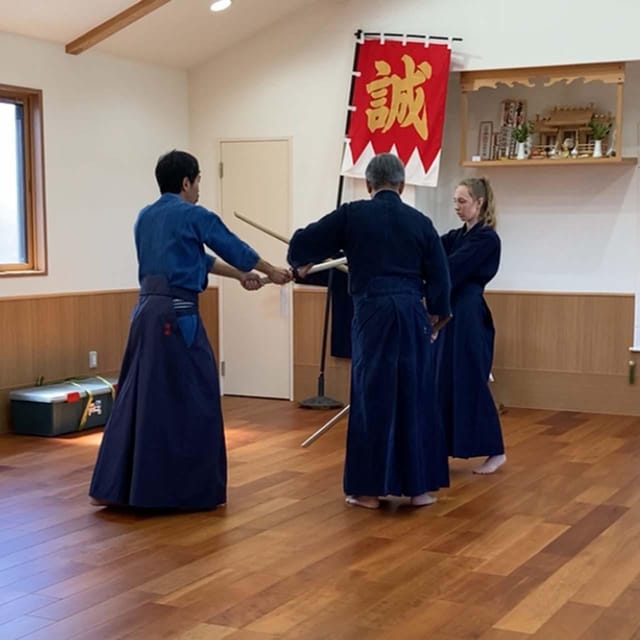
The opening section focuses on fundamentals. You learn correct posture, stance, foot placement, and basic movements with a wooden sword. This can feel simple at first, but it is where the real lesson happens.
Good sword work begins with the body. The instructors explain not only what to do but why. Correct foot placement helps protect you from injury and gives the movement a stable base. Your arms may attract your attention, but your balance and lower body control shape the entire action.
The teaching style is patient and encouraging. If you are slow to learn a kata, the instructors repeat and adjust the lesson rather than pushing you through a fixed performance. That is especially valuable in a group of only four, where the teachers can notice small errors and give direct corrections.
You may find this part more demanding than expected. A sword drill is not simply waving a long object through the air. You must remember the sequence, keep your posture, coordinate your feet, and stay aware of the people around you. The pace is staged, though, and the friendly instruction keeps the pressure low.
A few more Tokyo bookings worth comparing
- Mt Fuji and Hakone 1-Day Bus Tour Return by Bullet Train
★ 5.0 · 26,383 reviews - 1-Day Tokyo Bus Tour
★ 5.0 · 14,250 reviews - Tokyo: TOKYO SKYTREE® Admission ticket
★ 4.5 · 11,192 reviews - Tokyo: teamLab Planets TOKYO Digital Art Museum Entry Ticket
★ 4.6 · 9,779 reviews
Kata practice and the feel of real technique
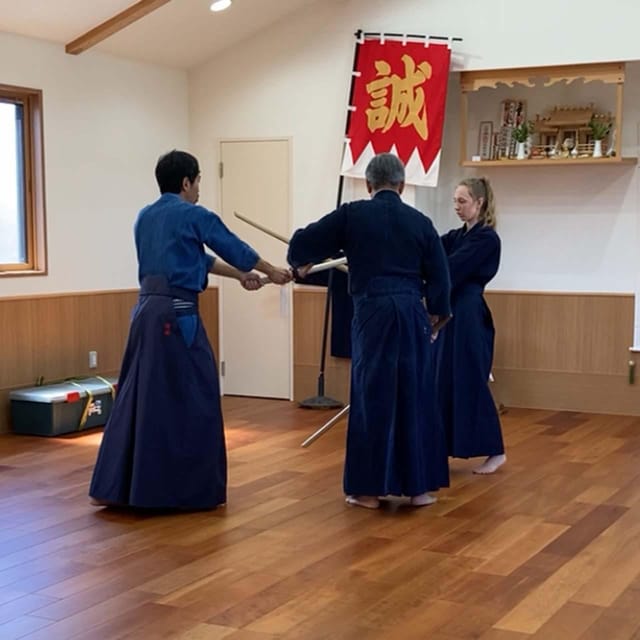
Once the basic movements make sense, the lesson moves to kata. These are set forms that teach timing, distance, body position, and control. You practice with the wooden sword before moving on to the next stage.
Kata can be the most revealing part of the experience. It shows why traditional swordsmanship is a discipline rather than a collection of dramatic strikes. The movements have an order, and the order matters. Your body must finish one action in the right position for the next one.
This is also where the small-group format earns its price. With a maximum of four participants, you are not lost in a crowd while an instructor demonstrates at the front. You have a better chance to receive corrections and to ask for a movement to be shown again.
The English and Japanese language arrangement is worth considering. The experience is offered in both languages, and the physical demonstrations help bridge any gap. Still, sword instruction depends on precise timing and body position, so listen carefully and copy only after the instructor gives the signal.
Handling a Japanese sword and cutting tatami
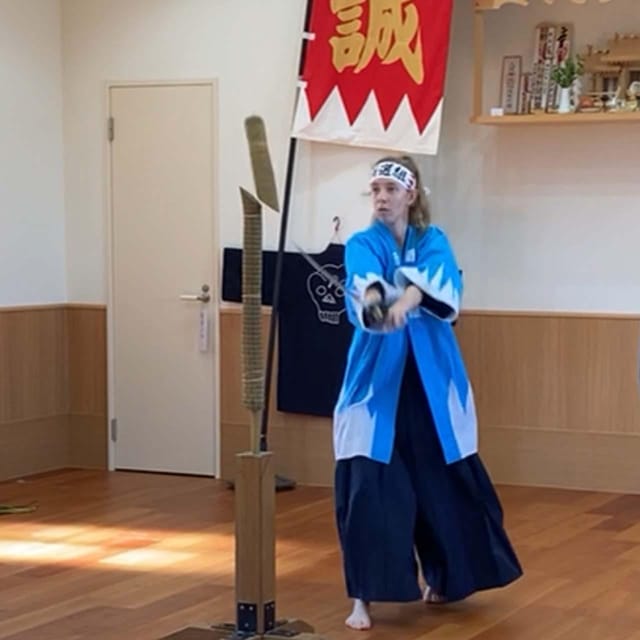
The session builds toward handling a Japanese sword. This is the moment many people book the experience for, but it works because the earlier practice has prepared you for it.
You are not handed a sword at the door and told to swing. The preceding work gives you a basic sense of stance, movement, and control. That makes the real sword feel more meaningful and helps you understand why safety and restraint come first.
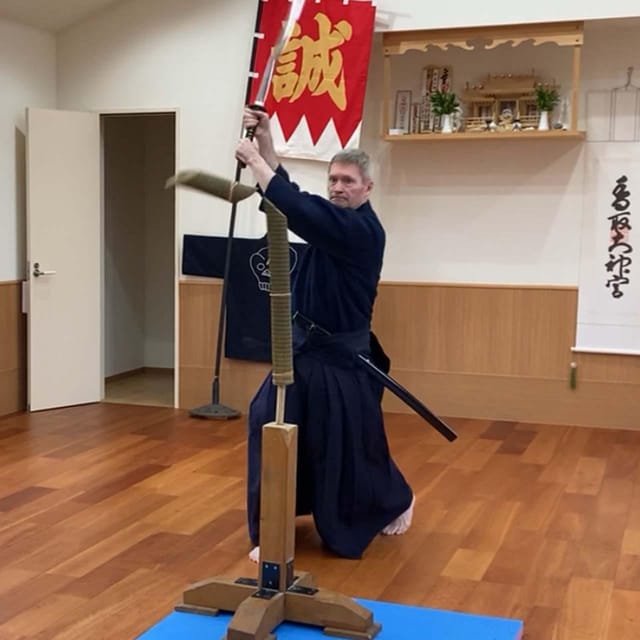
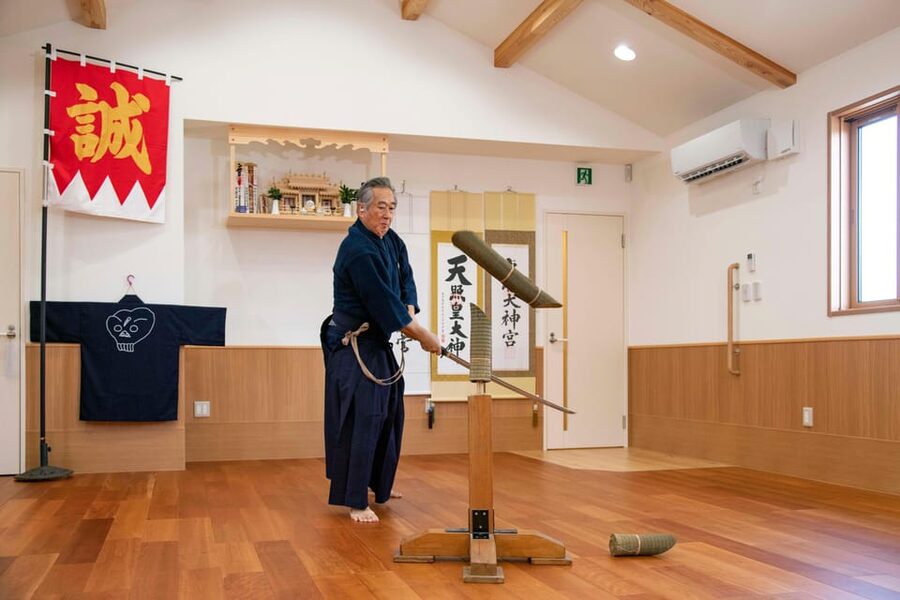
The final practical exercise includes cutting tatami mats with a Japanese sword. This is a memorable way to see how alignment and movement affect the blade. It is also a point where you should pay close attention to every instruction and avoid treating the exercise like a stunt.
The cutting segment is not a guarantee of instant success. Your result will depend on how well you follow the form, and the point is the technique rather than brute force. If you rush, the sword will not magically fix your posture. The instructors guide you through the process, but you still need to stay calm and precise.
One useful feature is the clear progression from wooden sword practice to the real blade. You get the excitement of handling a Japanese sword without skipping the foundation that makes the activity responsible.
Meeting Masao Inoue and hearing the Hino connection
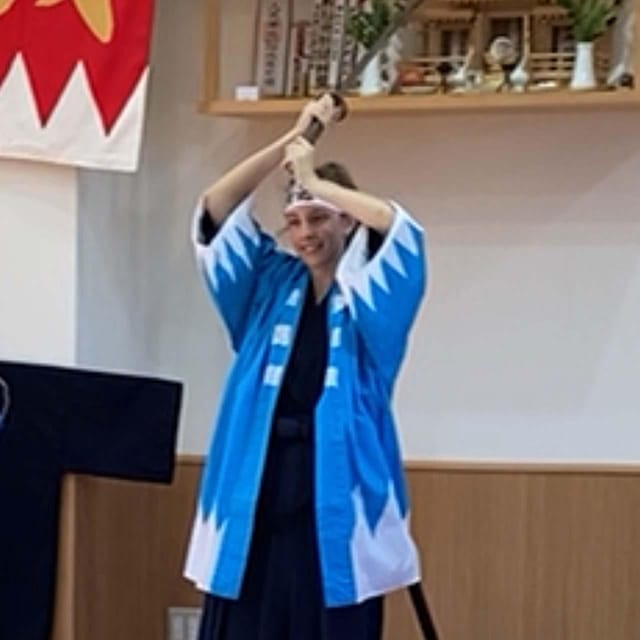
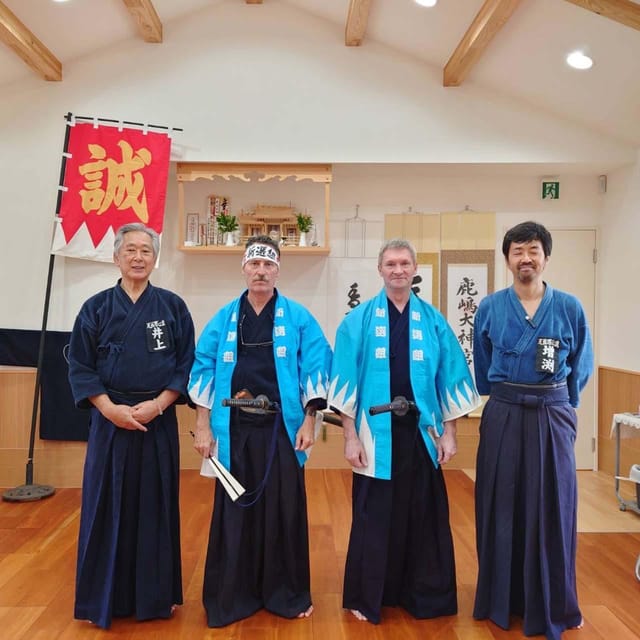
Masao Inoue, chairman of the Tennen Rishin-ryu Hino Dojo, leads the program. His family connection gives the class an added layer: he is a descendant of Genzaburo Inoue, an executive of the Shinsengumi.
That does not turn the session into a lecture, and it should not. The value is in the combination of personal connection, physical practice, and place. You learn about the tradition while standing in a dojo where students still train.
Historical context is woven into the activity rather than separated from it. You learn why Hino matters, how Tennen Rishin-ryu connects to the Shinsengumi, and why the group is associated with the end of the samurai era. A Shinsengumi map showing important local sites may also be provided, giving you a useful way to continue exploring Hino after the lesson.
The map is a small but worthwhile touch. If you have extra time, it can help turn the sword class into a wider local history visit. If you are rushing back to central Tokyo, you can still leave with a clearer sense of the town’s role.
What the two hours are really worth
At $116 per person, this is not a bargain activity in the usual Tokyo sense. You are paying for a private-feeling class with a maximum of four participants, a master and instructor, traditional clothing, wooden and Japanese swords, access to a real dojo, and a guided connection to the Shinsengumi story.
The value depends on what you want. If you only want to hold a sword for a photograph, this costs more than necessary. If you want a serious introduction with instruction, equipment, historical context, and a final cutting exercise, the price is easier to justify.
I especially like that you do not need to rent or purchase anything separately. The dogi, hakama, dandara baori, wooden sword, and Japanese sword are included. The two-hour length also keeps the activity focused. You get enough time to learn, practice, and try the final exercise without turning the day into an exhausting martial arts course.
The small group matters more than a flashy extra. Individual corrections are useful when you are learning footwork and kata, and they help the class remain controlled when real blades are involved.
Who should book this sword experience
This is a strong choice for adults who want a hands-on cultural activity with real instruction. It suits you particularly well if you have an interest in Japanese history, martial arts, traditional crafts, or the Shinsengumi.
You do not need prior sword experience. The lesson starts with basic movements and builds gradually. You should, however, have enough fitness for standing, stepping, and repeated practice. The activity is not suitable for pregnant women, people with back, heart, mobility, or balance problems, people with vertigo, people with recent surgeries, or people with a low level of fitness.
It is also not suitable for children under 18 or people over 75. A cold is listed as a reason not to participate, as are altitude sickness and related health concerns. These restrictions are worth taking seriously because the session involves physical movement and sword handling.
You should also be comfortable with the fact that this is a real dojo. The mood is friendly, but the practice is respectful and structured. If you want a loud, theatrical samurai show, choose another kind of activity. If you want to learn why stance and footwork matter, this is a better fit.
A practical two-hour plan
Plan on this general sequence:
- Meet at the Inoue Genzaburo Museum near Hino Station.
- Change into the supplied dogi, hakama, and Shinsengumi-style outer garment.
- Hear an introduction to Tennen Rishin-ryu, Hino, and the Shinsengumi.
- Learn posture, stance, footwork, and basic wooden sword handling.
- Practice kata under the instructors’ guidance.
- Progress to handling a Japanese sword.
- Try cutting tatami mats with the real sword.
- Finish with the closing part of the program and any additional surprise or local history material provided by the instructors.
The exact timing can vary, but the important point is the progression. You begin with control and finish with the activity’s most memorable test.
Free cancellation is available up to 24 hours before the start time, and you can reserve now and pay later. That helps if your Tokyo schedule is still shifting. The activity lasts two hours, but you should budget extra time for getting to Hino and returning to the city.
Should you book the Tennen Rishin-ryu experience?
Book it if you want authentic instruction in a real dojo, a direct link to the Shinsengumi, and more than a costume photograph. The patient teaching, tiny class size, traditional clothing, and progression toward tatami cutting make this one of the more substantial samurai activities available near Tokyo.
Think twice if Hino feels too far from your plans, if you have limited mobility or fitness, or if you prefer a short demonstration with no physical effort. The $116 price is fair for the personal instruction and included equipment, but it only pays off if you value the learning as much as the final sword moment.
For an adult who wants to connect Japanese history with actual practice, I would make the trip to Hino. The setting, family link, and careful teaching give the experience a sense of purpose that a standard tourist performance cannot match.
FAQ
Where does the sword experience take place?
It takes place on the second floor of the Inoue Genzaburo Museum, about a five-minute walk from Hino Station on the JR Chuo Line.
How long does the activity last?
The swordsmanship experience lasts two hours.
Who teaches the class?
Masao Inoue, chairman of the Tennen Rishin-ryu Hino Dojo and a descendant of Shinsengumi executive Genzaburo Inoue, leads the program with instructors.
Is the experience offered in English?
Yes. Instruction is available in English and Japanese.
What equipment and clothing are included?
The experience includes a master, instructor, swordsmanship instruction, a wooden sword, a Japanese sword, a dogi and hakama practice uniform, and a dandara baori associated with the Shinsengumi.
Who cannot take part?
The activity is not suitable for pregnant women, people with back, heart, mobility, balance, or recent surgery concerns, people with a cold, people with a low level of fitness, children under 18, or people over 75. Wheelchair users are also listed as unable to participate.
New on our Tokyo list
- Sumi-e Experience in a relaxing green tea shop in Tokyo★ 5.0 · 3 reviews
- Tokyo : Kamikaze Street Drift Ride★ 5.0 · 3 reviews
- Private Zen Meditation in English in Shinjuku, Tokyo★ 5.0 · 3 reviews
- Onsen Spa in Tokyo and Asakusa Bar Hopping with Local Guide★ 5.0 · 3 reviews
- Easy for everyone! Now you can play handmade mini shamisen and show off to everyone! Musical instruments, sweets and live music★ 5.0 · 3 reviews
- Tokyo: Private Tsukiji Street Food & Sake with Local Guide★ 5.0 · 3 reviews
- Mt Fuji Exploration Tour with Free Japanese Kusa Mochi from Tokyo★ 4.5 · 3 reviews
- Tokyo Tsukiji Fish Market Walking and Exploring Hidden Gems Tour★ 5.0 · 3 reviews
Samurai & Ninja Experiences, compared.
Samurai Ninja Museum Guided tour and Experience
Read our review →
Samurai Sword & Archery Class from Samurai Descendant
Read our review →
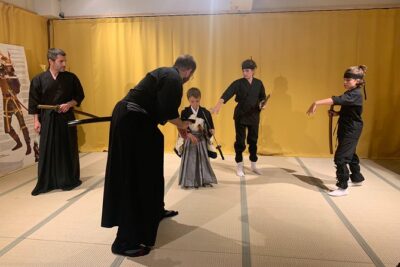
Ninja Experience (Family Friendly) at Samurai Ninja Museum TOKYO
Read our review →
Samurai Entertainment Night Show in Kanda Shrine
Read our review →
Tokyo Sword Experience – includes Museum Ticket/Ninja Experience
Read our review →
Samurai Ninja Museum Asakusa: Samurai Sword Lesson & Tour
Read our review →
Ninja Samurai 2-hour hands-on lesson by Japanese master in Tokyo
Read our review →Browse the lists this tour appears in