
Reviewed · SAMURAI & NINJA EXPERIENCES
Tokyo: Samurai Sword Academy in the Hometown of the Last Samurai
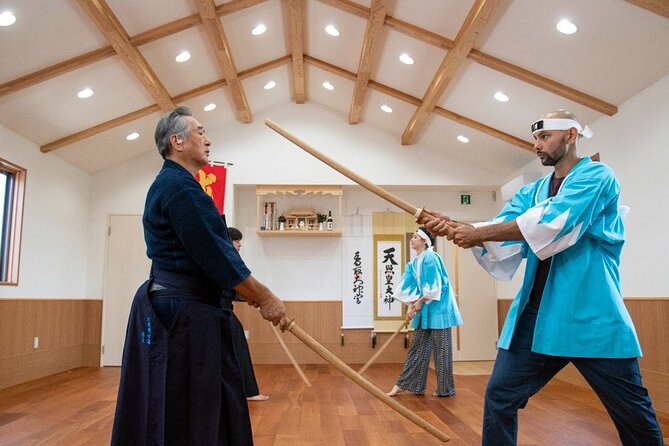
Hino City is not just a backdrop for this sword lesson. It is the hometown of the Shinsengumi, the late Edo-period swordsmen often called the Shogun’s Last Samurai. At the Tennen Rishin-ryu Hino Dojo, you learn basic forms in the school linked to that group and handle a Japanese sword in a real dojo setting.
I like the small group of up to four, which gives this two-hour session a serious, personal feel. I also like the direct link to the Inoue family: Masao Inoue, a descendant of Shinsengumi executive Genzaburo Inoue, leads the program. The main consideration is that this is training, not a theatrical show, so expect discipline, concentration, and moderate physical effort.
In This Review
- Key points
- Why Hino matters to this sword lesson
- Entering a real dojo, not a stage set
- Learning from the Inoue family connection
- What happens during the two hours
- Why the four-person limit matters
- Is $118.60 a fair price?
- Who will enjoy this most?
- Practical details before you go
- The atmosphere: serious, personal, and rewarding
- Should you book this Hino sword experience?
- FAQ
- Where does the swordsmanship experience take place?
- What time does the activity begin?
- How long does the experience last?
- Who leads the sword lesson?
- Do I need previous swordsmanship experience?
- How many people can join the activity?
- What is the cancellation policy?
Key points
- Practice in Hino, the Shinsengumi’s hometown, rather than at a staged tourist venue.
- Learn Tennen Rishin-ryu basics, including sword posture, etiquette, and forms.
- Meet Masao Inoue, a descendant of Shinsengumi executive Genzaburo Inoue.
- Work with a Japanese sword, with the program including a serious sword-handling experience.
- Keep the group intimate, with a maximum of four participants.
- Plan for about two hours, beginning at 1 p.m. and ending back at the meeting point.
Why Hino matters to this sword lesson
If you have come to Tokyo for neon streets and department-store towers, Hino offers a different kind of afternoon. This city in western Tokyo Prefecture is closely tied to the Shinsengumi, the powerful band of swordsmen active near the end of the Edo period.
The Shinsengumi were formed by swordsmen from Hino and nearby areas. Their name is linked with the final years of the shogunate, when Japan was moving toward the Meiji era and the old samurai order was fading. That setting gives this activity more weight than a generic sword demonstration.
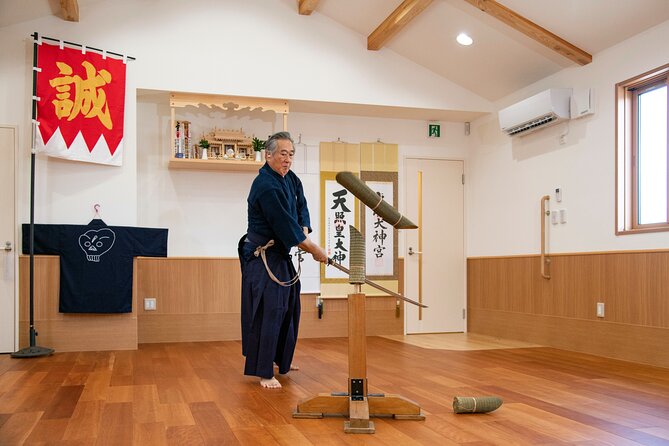
You are not simply learning how to hold a prop in a room decorated with samurai images. You are visiting a dojo where students still practice Tennen Rishin-ryu, the sword school associated with the Shinsengumi. The connection is central to the experience, and it is the reason to make the trip out to Hino.
The meeting point is listed at Genzaburo Inoue Shiryokan, at 4-chome 1112 Hinohonmachi, Hino, Tokyo 191-0011. The activity begins at 1 p.m. and returns to that same meeting point. Since the session is near public transportation, you can reach it without needing a private car, though you should allow enough time to find the exact location before the start.
More samurai and ninja sessions:
- Tokyo: Samurai Ninja Museum Guided tour and Experience
★ 4.6 · 1,010 reviews - Tokyo: Samurai Sword & Archery Class from Samurai Descendant
★ 5.0 · 603 reviews - Best Samurai Experience in Tokyo
★ 5.0 · 458 reviews
Entering a real dojo, not a stage set
The program is built around a functioning dojo. That changes the mood from the first bow. You should expect a setting where manners, form, and attention matter as much as the sword itself.
The instruction begins with the basics of Tennen Rishin-ryu. Available details point to lessons in etiquette, the correct way to stand, how to hold the sword, and basic kata, or formal movement patterns. These are not flashy film techniques. The value is in learning why a movement is done in a certain order and how control shapes the practice.
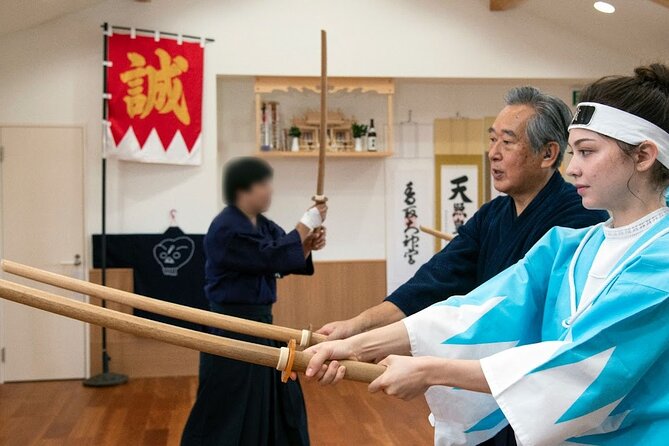
That slower approach suits beginners. You do not need to arrive with martial arts experience, and the experience is open to anyone able to manage moderate physical activity. Still, do not treat it as a quick photo stop. The program describes itself as real swordsmanship training, and the small group size helps preserve that serious tone.
You may feel tense at first. That is part of the point. Handling a Japanese sword, described in the program as the soul of the samurai, demands care. The lesson gives you a direct physical connection to an art that is usually encountered only in museums, books, or period dramas.
Learning from the Inoue family connection
Masao Inoue, chairman of the Tennen Rishin-ryu Hino Dojo, leads the experience. He is a descendant of Genzaburo Inoue, one of the Shinsengumi executives, so the family link is not a decorative detail added to the tour description. It helps explain why this particular dojo and this particular city were chosen.
The program also includes English guidance from Yu Ma, according to the experience details. That matters if you are worried about missing instructions during a physical lesson. Sword forms rely on small corrections, and clear communication is important when you are learning posture and movement.
One of the strongest features of the session is the chance to learn directly under a teacher connected to the tradition. You will not leave as a trained swordsman after two hours, of course. What you can gain is a better feel for the discipline behind the art and a clearer sense of how the Shinsengumi’s sword practice fits into Hino’s past.
The instruction appears to be patient and hands-on. The provided comments describe two teachers, careful guidance, and a lesson that covers many elements without losing its serious atmosphere. That is especially useful for first-time participants who might otherwise feel awkward in a dojo.
What happens during the two hours
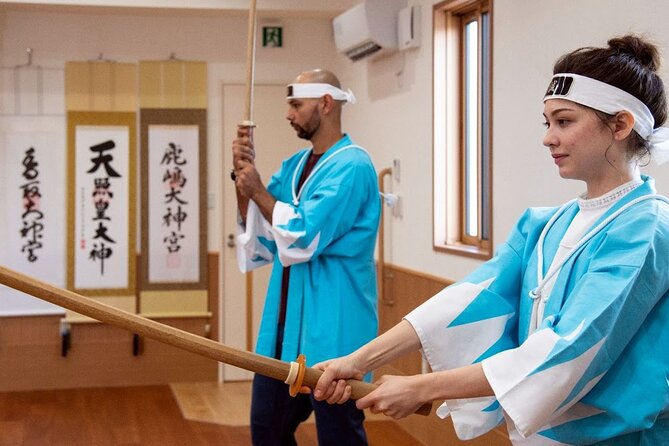
The experience has one listed stop, Genzaburo Inoue Shiryokan, and ends at the original meeting point. The lack of several scheduled sights is not a weakness here. The dojo session is the attraction, and the limited itinerary leaves room for practice instead of rushing from one photo opportunity to another.
You can expect the session to move through several connected stages:
- An introduction to the Tennen Rishin-ryu tradition and its link with the Shinsengumi.
- Instruction in dojo etiquette and respectful conduct.
- Guidance on stance, posture, and holding the sword.
- Practice of basic forms and kata.
- Time to handle a Japanese sword under supervision.
- A more serious sword experience that may include trial cutting, as described in the supplied program feedback.
The last point deserves care. Trial cutting is a meaningful part of the experience described by one Japanese participant, but the available information does not spell out every condition or guarantee that every booking follows the same sequence. If this is the feature you most want, confirm the exact arrangement before you go.
The lesson is short enough to fit into a half-day plan, but do not pack it between two distant Tokyo attractions. Hino is outside the city center, and the 1 p.m. start means you should plan your morning and transport with some margin. Afterward, you return to the meeting point rather than being dropped at another Tokyo sight.
A few more Tokyo bookings worth comparing
- Mt Fuji and Hakone 1-Day Bus Tour Return by Bullet Train
★ 5.0 · 26,383 reviews - 1-Day Tokyo Bus Tour
★ 5.0 · 14,250 reviews - Tokyo: TOKYO SKYTREE® Admission ticket
★ 4.5 · 11,192 reviews - Tokyo: teamLab Planets TOKYO Digital Art Museum Entry Ticket
★ 4.6 · 9,779 reviews
Why the four-person limit matters
A maximum of four people is unusually small for a bookable Tokyo activity. Here, that limit has real value. Sword instruction works better when the teacher can see each person’s stance, hand position, and movement.
A crowded class would make it harder to ask questions or receive corrections. In a group of four, you have a better chance to watch the instructor closely and then practice without feeling lost in a line of identical movements.
The small size also supports the dojo atmosphere. You are less likely to feel like part of a parade of visitors passing through for a quick samurai photograph. The format encourages concentration and makes the cultural link feel more personal.
The trade-off is availability. This experience is booked about 31 days ahead on average, and the group can fill quickly because only four places are offered. If the date matters to you, booking early is sensible. The price is listed at $118.60 per person, which is not cheap for a two-hour activity, but the limited group, specialist instruction, and family connection make it a different purchase from a standard sightseeing tour.
Is $118.60 a fair price?
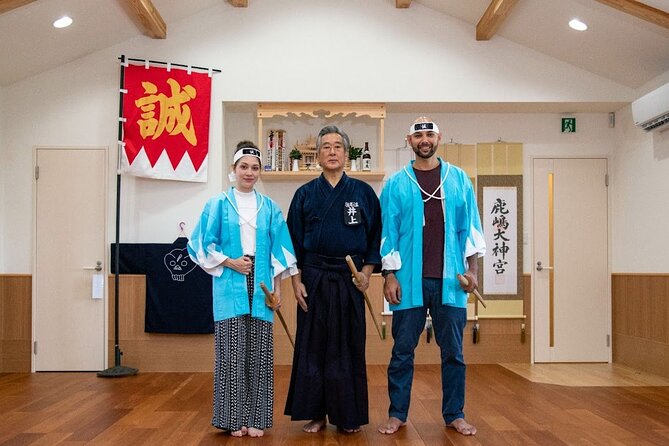
At first glance, $118.60 for two hours may seem steep. You are not paying for a full day of sightseeing, a meal, or a long list of attractions. The value comes from access and instruction.
Your fee covers a lesson at an actual dojo, a rare chance to practice a traditional sword school, a maximum group size of four, and leadership from Masao Inoue. It also places you in Hino, where the Shinsengumi story is tied to the local setting rather than added as a general samurai theme.
I would consider it good value if you have a strong interest in Japanese martial arts, the Edo period, or the Shinsengumi. It is less convincing if you only want a quick, low-cost cultural activity or a staged sword fight. In that case, a shorter demonstration might suit you better, though this program offers more participation.
The price also reflects the unusual nature of the session. You are paying for a specialist experience that cannot be easily reproduced at a large attraction. The smaller class means the cost is not spread across dozens of people, and the lesson requires an instructor’s close attention.
Who will enjoy this most?
This is a good choice for adults and older children who can listen carefully, follow instructions, and handle moderate physical activity. The emphasis is on learning and respect, so it suits people who enjoy taking part in a tradition rather than simply watching one.
It should appeal especially to:
- People fascinated by the Shinsengumi and the final years of the shogunate.
- Beginners who want a first introduction to Japanese swordsmanship.
- Martial arts students looking for a direct experience of Tennen Rishin-ryu.
- Couples or small groups who prefer private-feeling cultural activities.
- Visitors willing to travel beyond central Tokyo for a more local setting.
You may want to skip it if you dislike structured instruction, physical practice, or formal etiquette. The activity is not described as a casual play session. It asks for attention and a moderate level of fitness.
The program also may not suit anyone expecting a polished stage performance. The appeal is the real dojo setting and the chance to learn basic forms. That means the pace may feel measured, and some of the work may require repetition.
Practical details before you go
The start time is 1 p.m., and the activity lasts about two hours. The end point is the same as the start point, so you can plan onward transport from Hino after the session.
The meeting location is near public transportation, but the address is specific enough that you should save it before leaving your hotel: Japan, 191-0011 Tokyo, Hino, Hinohonmachi, 4-chome 1112. A mobile ticket is provided, and booking confirmation arrives at the time of reservation.
Wear something that allows comfortable movement. The supplied information does not set out a dress code, but a sword lesson involving stance and forms is better suited to practical clothing than restrictive clothes or unstable footwear.
You should also arrive with the right frame of mind. The sword is a real object with cultural and physical importance, not a toy. Listen closely, follow the instructor’s handling directions, and let the teachers set the pace.
Free cancellation is available until 24 hours before the local start time. If you cancel or request changes within that final 24-hour period, you will not receive a refund and changes will not be accepted.
The atmosphere: serious, personal, and rewarding
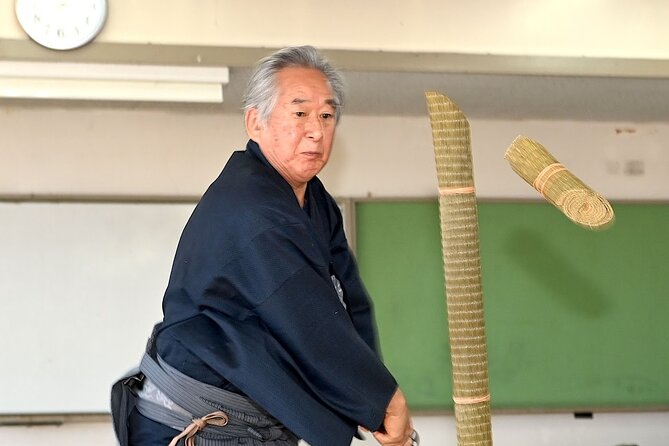
The strongest part of this experience is its tone. It gives you a chance to step away from the polished, fast-moving side of Tokyo and spend time with an older discipline that depends on patience.
The personal teaching is important. The provided comments describe a fun lesson with two excellent teachers, careful instruction, and a sense that the material was substantial rather than rushed. Another account describes a tense, unusual experience that included etiquette, sword posture, kata, and trial cutting. Those details suggest a program with enough variety to hold your attention while still keeping the central focus on swordsmanship.
The small class should also make the experience less intimidating. You can ask questions, watch the instructor, and repeat a movement without being hidden in a large crowd. If you are nervous, that close guidance is likely to help.
Do not expect to master Tennen Rishin-ryu in one visit. A better goal is to learn the basic shape of the art, understand the respect built into the practice, and leave with a stronger connection to the Shinsengumi story.
Should you book this Hino sword experience?
Book it if you want a hands-on samurai experience with real historical ties, not a generic Tokyo attraction. The combination of Hino’s Shinsengumi connection, Tennen Rishin-ryu instruction, a four-person maximum, and Masao Inoue’s family link gives the session a clear identity.
The $118.60 price is easiest to justify when swordsmanship is one of your main interests. If you are uncertain, ask yourself whether you would value two hours of careful instruction more than a longer sightseeing tour. If the answer is yes, this is a strong choice.
I would book well ahead because the group is tiny and the average booking lead time is about a month. Arrive ready to listen, move, and respect the setting. You will not get a broad tour of Tokyo, but you can get something more focused: a direct introduction to the sword tradition of the Shinsengumi’s hometown.
FAQ
Where does the swordsmanship experience take place?
It takes place at the Tennen Rishin-ryu Hino Dojo in Hino City, Tokyo, with the meeting point listed at Genzaburo Inoue Shiryokan, 4-chome 1112 Hinohonmachi, Hino, Tokyo 191-0011.
What time does the activity begin?
The experience begins at 1 p.m.
How long does the experience last?
The activity lasts about two hours and ends back at the meeting point.
Who leads the sword lesson?
Masao Inoue, chairman of the Tennen Rishin-ryu Hino Dojo and a descendant of Shinsengumi executive Genzaburo Inoue, leads the program. English guidance is also provided by Yu Ma.
Do I need previous swordsmanship experience?
No previous experience is stated as a requirement. The program is open to anyone, but you should have a moderate level of physical fitness and be ready to follow dojo instruction.
How many people can join the activity?
The experience has a maximum of four participants.
What is the cancellation policy?
You can cancel up to 24 hours before the local start time for a full refund. Cancellations or changes made less than 24 hours before the start are not accepted and are not refunded.
New on our Tokyo list
- Sumi-e Experience in a relaxing green tea shop in Tokyo★ 5.0 · 3 reviews
- Tokyo : Kamikaze Street Drift Ride★ 5.0 · 3 reviews
- Private Zen Meditation in English in Shinjuku, Tokyo★ 5.0 · 3 reviews
- Onsen Spa in Tokyo and Asakusa Bar Hopping with Local Guide★ 5.0 · 3 reviews
- Easy for everyone! Now you can play handmade mini shamisen and show off to everyone! Musical instruments, sweets and live music★ 5.0 · 3 reviews
- Tokyo: Private Tsukiji Street Food & Sake with Local Guide★ 5.0 · 3 reviews
- Mt Fuji Exploration Tour with Free Japanese Kusa Mochi from Tokyo★ 4.5 · 3 reviews
- Tokyo Tsukiji Fish Market Walking and Exploring Hidden Gems Tour★ 5.0 · 3 reviews
Samurai & Ninja Experiences, compared.
Samurai Ninja Museum Guided tour and Experience
Read our review →
Samurai Sword & Archery Class from Samurai Descendant
Read our review →
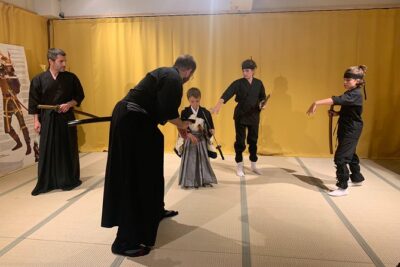
Ninja Experience (Family Friendly) at Samurai Ninja Museum TOKYO
Read our review →
Samurai Entertainment Night Show in Kanda Shrine
Read our review →
Tokyo Sword Experience – includes Museum Ticket/Ninja Experience
Read our review →
Samurai Ninja Museum Asakusa: Samurai Sword Lesson & Tour
Read our review →
Ninja Samurai 2-hour hands-on lesson by Japanese master in Tokyo
Read our review →Browse the lists this tour appears in