
Reviewed · WALKING TOURS
Tokyo: Shibuya Vending Machine Adventure Walking Tour
Japan’s vending machines sell far more than cold soda. On this 90-minute walk through Shibuya, you might find hot corn soup, miso broth, vitamin jelly, dessert drinks, and even a bottle containing a whole flying fish for making soup stock. That oddness is the main attraction. It turns a quick drink purchase into a small lesson in Japanese daily life.
I like two things here. First, you learn how to read useful labels such as attakai for hot and tsumetai for cold, then put that knowledge to work at a real machine. Second, the walk goes beyond the famous crossing, with stops at Miyashita Park and lesser-known machine locations that are easy to miss on your own. The main consideration is cost: at $41 per person, you still pay separately for every drink or snack you buy.
In This Review
- Key points at a glance
- Why Shibuya’s vending machines make a good tour
- Starting under Hachiko’s watch
- Finding the unusual machines away from the main road
- Reading hot and cold labels like a local
- Crossing Shibuya and changing pace at Miyashita Park
- Three smaller stops that make the route worthwhile
- What the private format adds at $41
- Accessibility and simple planning tips
- Who should book this Shibuya walk
- Should you book the vending machine adventure?
- FAQ
- How long does the Tokyo vending machine tour last?
- Where does the tour begin?
- What language is the tour conducted in?
- Are drinks and snacks included?
- What types of vending machines might I see?
- Is the activity wheelchair accessible?
- Can I cancel the booking?
Key points at a glance
- Try Japan’s unusual canned foods: Look for hot soups, dessert drinks, vitamin jellies, and the famous flying-fish dashi machine.
- Learn practical vending Japanese: A short katakana lesson helps you recognize product names and hot or cold settings.
- See several sides of Shibuya: The route links Hachiko Square, Shibuya Crossing, Miyashita Park, and quieter stops away from the main road.
- Expect a personal English-language walk: This is a private group experience, with guides including Kanta and Mitsuki.
- Bring a small purchase budget: Most drinks cost ¥120 to ¥200, while novelty items can cost more.
- Keep plans flexible: You can cancel up to 24 hours before the start for a full refund and reserve without paying on the day of booking.
Why Shibuya’s vending machines make a good tour
Japan has more than 4 million vending machines, and their popularity says something about the country’s habits. They are practical, reliable, and often placed where a quick purchase solves a real need. A machine can offer a hot drink on a cold day, a chilled bottle in summer, or a snack when a shop is not close by.
This tour gives that ordinary system a cultural angle. Instead of walking past the machines as background scenery, you learn what they sell, how the buttons work, and why such a wide range of products can be offered in public spaces.
I especially like the contrast between familiar and strange. You may begin with a normal bottled tea and end up examining a mystery can with no clear label. The point is not to buy everything. It is to notice how vending fits into Japanese life and how much information is packed into a small illuminated cabinet.
The experience also gives you a reason to look beyond the biggest sights. Shibuya Crossing is worth seeing, but the machine hunt adds a more local, everyday subject to the famous district. That makes this a useful choice if you want something lighter and less formal than a museum visit.
More Shibuya plans:
- Official Street Go-Kart in Shibuya
★ 5.0 · 3,435 reviews - Tokyo: Street Kart Experience in Shibuya
★ 4.9 · 1,484 reviews - Shibuya Meltdown Nightlife Tour: All-You-Can-Drink Bar Hopping
★ 5.0 · 1,058 reviews
Starting under Hachiko’s watch
The meeting point is the Hachiko Statue at Shibuya Station. This is a sensible place to begin because it is easy to identify, but it can be crowded and noisy, especially around the station exits. Give yourself enough time to find the statue and locate your guide before the start.
The first stop is Hachiko Square, where you spend about 10 minutes on a guided introduction and photo stop. You get your bearings here while learning how the vending machine theme connects with the area around you.
This opening is short, which is a good thing. The tour has several stops packed into 90 minutes, so it does not linger too long at the station. Your guide can also explain how to spot the right hot and cold labels before you begin making purchases.
The tour is offered in English, and Kanta and Mitsuki are among the guides who lead it. The available feedback points to clear English, friendly conversation, and strong explanations of both the machines and Shibuya itself. That matters because the experience depends on questions. You will get more from it if you ask why a product is sold, how a machine works, or what a Japanese label means.
Finding the unusual machines away from the main road
After Hachiko Square, the route includes a tucked-away stop for about 20 minutes. This is where the hunt becomes more interesting. The experience is designed to take you off the obvious path to machines you might not notice during a standard Shibuya visit.
One featured example is the dashi machine. It sells soup stock containing a whole flying fish in a bottle. That product may sound startling if you are used to vending machines selling only drinks, but it also shows how machines can handle specialty food products in Japan.
You may also encounter a mystery can with no clear label. The tour presents it as a small challenge rather than a required purchase. If you are curious, you can press the button and see what comes out. If you prefer to know what you are buying, simply treat it as a photo and conversation stop.
Your guide also explains the difference between retro machines and newer equipment. Old coin-operated machines have a simple, hands-on feel. Newer machines may use large digital screens and AI-powered signage, especially around Shibuya Stream. Seeing both types helps you understand that vending in Japan is not one fixed style.
Reading hot and cold labels like a local
A useful part of the walk is the mini-lesson on katakana product names. You will not become fluent in Japanese in 90 minutes, but you can learn enough to make better choices at a machine.
The labels attakai and tsumetai are especially useful. The first identifies a hot drink and the second identifies a cold one. This detail is easy to miss if you only recognize the product logo, and it matters when the weather is cold or when you need water in summer.
The tour also introduces drinks that may not be familiar to you, including canned corn soup, miso soup, onion soup, hot lemon, dessert drinks, and vitamin jellies. The selection changes by season, so the advice is practical: prioritize hydration during summer, and look for hot lemon or corn soup in winter.
You pay for any items yourself. Most drinks cost about ¥120 to ¥200, which keeps sampling fairly manageable, though novelty and premium products can cost more. I would carry a few coins or a small vending budget, especially if you want to test more than one machine.
The activity includes photo challenges, so you are not simply walking from one purchase to the next. You may be asked to photograph an unusual machine, a product label, or a small detail that helps you remember the experience. A flattened can label or capsule toy can serve as your personal vending stamp, giving you a simple souvenir without buying anything expensive.
More walking routes in Tokyo:
- Tokyo Tsukiji Fish Market Food and Culture Walking Tour
★ 5.0 · 3,184 reviews - Tokyo: Imperial Palace and Shogun Historical Walking Tour
★ 5.0 · 2,251 reviews - Tokyo: Shinjuku Local Bar and Izakaya Guided Walking Tour
★ 4.9 · 1,794 reviews - Tokyo: Tsukiji Fish Market Food and Walking tour
★ 5.0 · 1,724 reviews
Crossing Shibuya and changing pace at Miyashita Park
The route then reaches Shibuya Crossing for about 10 minutes. This is the most famous setting on the walk and a natural photo stop. You get a chance to take in the crossing while your guide adds context about the district and points out how the vending theme fits into a busy urban area.
The crossing is crowded, so do not expect a quiet pause. It is also not the place for a long machine lesson. Think of this section as a visual reset between the more focused vending stops.
The next major stop is Miyashita Park, where the tour spends about 20 minutes. This section combines a visit, guided commentary, and shopping time. It gives you a different side of Shibuya, with room to compare the public machines you have already seen with the newer retail and digital setting around the park.
This is also a useful place to buy a drink if you have not already done so. You can apply the label-reading lesson, check whether a drink is hot or cold, and choose something seasonal. The shopping element is optional, and the cost is not included.
The route covers a fair amount of ground in a short time. Wear comfortable shoes and expect to keep moving. Since the activity lasts only 90 minutes, the guide will likely keep the group on schedule rather than allowing long breaks at every stop.
Three smaller stops that make the route worthwhile
After Miyashita Park, the route continues to three shorter stops, each lasting about 15 minutes. Their exact machine selection may vary, but the purpose is clear: to show you more unusual examples and take you to places you might not find by simply searching around Shibuya Station.
These stops are where a private group can be especially useful. You can ask questions without waiting for a large crowd to move on, and your guide can adjust the conversation to your interests. If you enjoy technology, ask about the newer screens and payment systems. If food is your interest, focus on soup stock, seasonal drinks, and novelty products.
The short timing keeps the outing lively, but it also means you should not expect a long explanation at every machine. This is a sampler of Shibuya’s vending culture, not a full-day study of Japanese retail technology.
You finish back at the Hachiko Statue. Returning to the starting point is convenient if you have dinner plans, a train to catch, or another Shibuya sight on your list. It also makes the tour easy to fit into a larger Tokyo day.
What the private format adds at $41
The price is $41 per person. That is more than the cost of wandering through Shibuya and buying a drink on your own, so the value depends on what you want from the outing.
If you only want a cold tea and a photo of a vending machine, this tour is not the economical choice. You can do that independently for a few hundred yen. The fee pays for a guide, a planned route, explanations of the machines, help with Japanese labels, photo challenges, and access to unusual locations that may be hard to identify by yourself.
The private group format strengthens that value. You are not sharing the walk with a large public group, and you can ask direct questions throughout. The available feedback gives particular emphasis to guide conversation, clear English, and explanations that connect vending machines with wider Japanese culture.
I would book it for a first or second day in Tokyo if you want an easy introduction to Shibuya. It helps you get oriented while giving you a small set of practical Japanese words and habits to use during the rest of your trip.
I would skip it if your schedule is tight and you already know Shibuya well, or if you prefer to explore entirely on your own. The route covers several stops, but it does not offer a long break or extended time at each machine.
Accessibility and simple planning tips
The activity is wheelchair accessible. Curb cuts and elevators are available at each stop, and machines marked with wheelchair icons have lower buttons. If you need a specific accessibility arrangement, confirm the details when booking, but the stated route is designed to accommodate wheelchair users.
WhatsApp is required for tour updates. Full details are sent the day before, so install the app and watch for the message. If the information does not arrive, contact the provider.
Bring a phone for the photo challenges and wear shoes suited to walking. Have a small amount of yen available for drinks or snacks, though purchases are optional. In summer, make hydration your priority. In winter, hot lemon or corn soup can make the walk more comfortable.
The tour is conducted in English. Cancellation is free up to 24 hours before the start, and the reserve-now, pay-later option can help if your Tokyo schedule is still changing.
Who should book this Shibuya walk
This experience suits curious first-time visitors, families with older children, couples, and anyone who likes food, technology, or small cultural details. It is also a good fit if you have already seen Shibuya Crossing and want a fresh reason to walk through the district.
You will get the most from it if you enjoy asking questions and trying unfamiliar products. The machines are the hook, but the wider value comes from learning why they are trusted, how they are used, and what they reveal about daily life in Japan.
The format is less suitable for someone seeking a long food tour. You may buy several small items, but there is no included tasting menu, and all drinks and snacks cost extra. It is also not a broad Tokyo sightseeing tour. The focus remains Shibuya, vending culture, and the nearby route.
Should you book the vending machine adventure?
Book it if you want a short, personal Shibuya experience with a clear theme and plenty of conversation. The dashi machine, hot soups, mystery can, retro equipment, and newer digital displays give the walk enough variety to justify more than a casual stroll.
At $41, the tour makes sense when you value a guide who can explain what you are seeing and lead you to machines you might miss. Kanta and Mitsuki are named guides associated with the experience, and the strongest praise focuses on clear English, friendly conversation, and useful cultural explanations.
Skip it if your main goal is simply to buy inexpensive drinks or if you would rather spend 90 minutes inside major attractions. For everyone else, this is an amusing, practical way to see Shibuya through an everyday Japanese invention.
FAQ
How long does the Tokyo vending machine tour last?
The tour lasts 90 minutes and returns to the Hachiko Statue at Shibuya Station.
Where does the tour begin?
The meeting point is the Hachiko Statue at Shibuya Station, in Hachiko Square.
What language is the tour conducted in?
The live tour is conducted in English.
Are drinks and snacks included?
No. Drinks and snacks are not included. You purchase anything you want directly, with most drinks costing about ¥120 to ¥200.
What types of vending machines might I see?
You might see machines selling hot soups, dessert drinks, vitamin jellies, and dashi with a whole flying fish in the bottle. The route also compares retro coin machines with newer digital machines.
Is the activity wheelchair accessible?
Yes. The activity is wheelchair accessible, with curb cuts and elevators available at each stop. Machines with wheelchair icons have lower buttons.
Can I cancel the booking?
Yes. You can cancel up to 24 hours in advance for a full refund. A reserve-now, pay-later option is also available.
New on our Tokyo list
- Sumi-e Experience in a relaxing green tea shop in Tokyo★ 5.0 · 3 reviews
- Tokyo : Kamikaze Street Drift Ride★ 5.0 · 3 reviews
- Private Zen Meditation in English in Shinjuku, Tokyo★ 5.0 · 3 reviews
- Onsen Spa in Tokyo and Asakusa Bar Hopping with Local Guide★ 5.0 · 3 reviews
- Easy for everyone! Now you can play handmade mini shamisen and show off to everyone! Musical instruments, sweets and live music★ 5.0 · 3 reviews
- Tokyo: Private Tsukiji Street Food & Sake with Local Guide★ 5.0 · 3 reviews
- Mt Fuji Exploration Tour with Free Japanese Kusa Mochi from Tokyo★ 4.5 · 3 reviews
- Tokyo Tsukiji Fish Market Walking and Exploring Hidden Gems Tour★ 5.0 · 3 reviews
Walking Tours, compared.
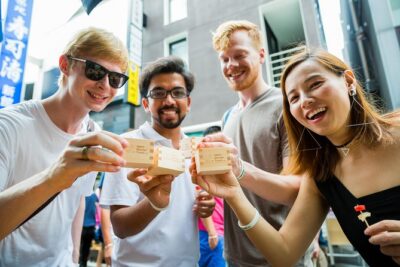
Tokyo Tsukiji Fish Market Food and Culture Walking Tour
Read our review →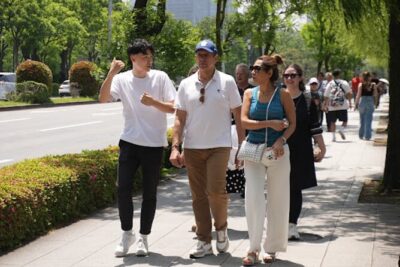
Imperial Palace and Shogun Historical Walking Tour
Read our review →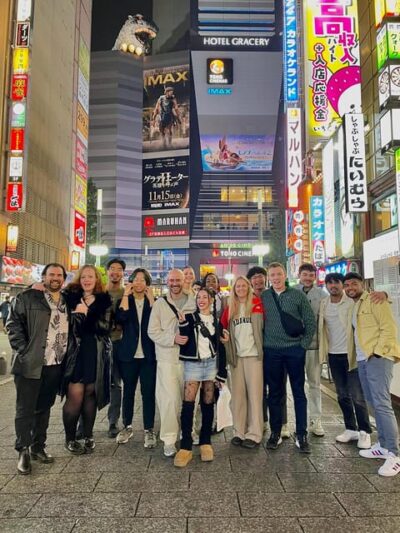
Shinjuku Local Bar and Izakaya Guided Walking Tour
Read our review →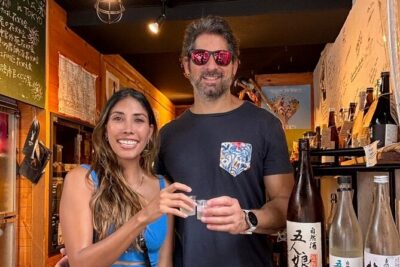
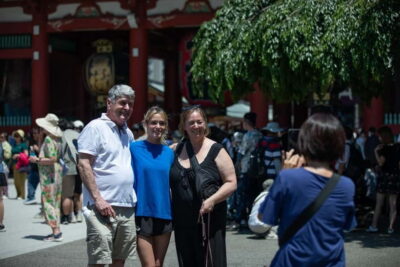
Asakusa Walking Tour with Sensoji Temple Visit
Read our review →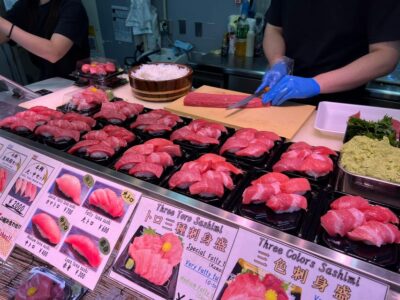
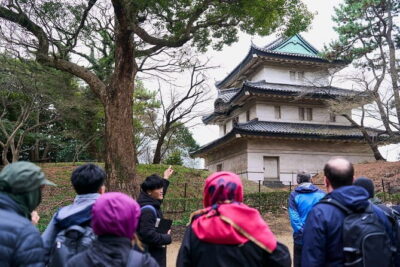
Tokyo Castle & Imperial PalaceーShogun Walking Tour
Read our review →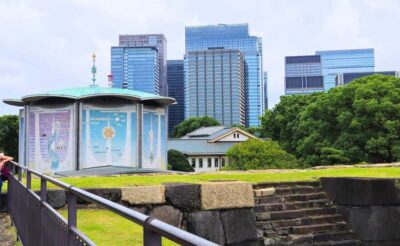
Browse the lists this tour appears in