
Reviewed · SHOPPING TOURS
Tokyo Shopping Street Hopping Private Tour with Government Licensed Guide
Tokyo shopping is not confined to department stores. Some of the city’s best browsing happens along a shotengai, a local shopping street where residents buy food, household goods, snacks, and small gifts. This private tour lets you connect several very different streets in one day, with a licensed guide helping you choose what fits your interests.
I like two things here: the itinerary is flexible, and the guide can shape the day around cooking tools, anime, fashion, food, or old Tokyo neighborhoods. I also like the practical help with subway navigation and shop translation, details that can save time and prevent a small purchase from becoming a puzzle.
The main drawback is that the price does not include transportation, lunch, or entrance fees. You also visit only three or four of the possible areas, so this is not a grand tour of all eight stops. You are paying for personal planning and guidance, not for a vehicle or a long list of admissions.
In This Review
- Key points at a glance
- A shopping tour built around your priorities
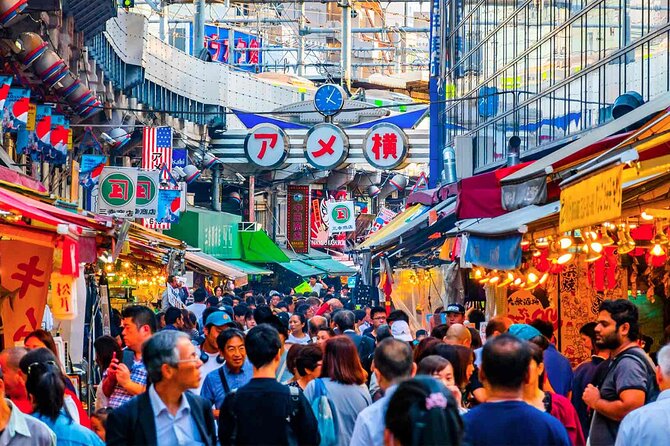
- Ameyoko: market energy beside the railway tracks
- Kappabashi: Tokyo’s kitchenware address
- Yanaka Ginza: a slower look at old Tokyo
- Tsukiji: food, browsing, and a flexible stop
- Cat Street and Takeshita Street: two versions of Harajuku and Shibuya
- Shibamata: old-school Tokyo away from the center
- Akihabara: electronics, anime, and pop culture
- What the private guide adds to the day
- Six hours, walking, and the real cost
- Who will get the most from this Tokyo tour
- Should you book it?
- FAQ
- How long does the Tokyo shopping tour last?
- How many shopping areas can I visit?
- Which areas can I choose?
- Is hotel pickup included?
- Are transportation fees included?
- Is lunch included?
- Can I cancel for a full refund?
Key points at a glance
- Choose three or four shopping areas: Mix markets, traditional lanes, kitchenware shops, youth fashion, anime, and old-town Tokyo.
- Start on foot with hotel pickup: The guide meets you at your hotel or another agreed point within the designated Tokyo area, but private transport is not included.
- Get practical shopping help: Guides can help with shop translation, subway navigation, and finding food that suits your group.
- See contrasting sides of Tokyo: Ameyoko and Tsukiji feel commercial and food-focused, while Yanaka Ginza and Shibamata offer a slower old-town mood.
- Expect a private six-hour outing: Only your group participates, so the pace and shopping priorities are yours.
- Budget for extras: Train fares, meals, entrance fees, and personal purchases come separately from the $154.37 per-person price.
A shopping tour built around your priorities
The smart way to use this experience is to decide what you want to buy before the morning begins. Tokyo is too large to cover casually in six hours, and the possible stops are spread across the city. A private guide can help turn a vague wish such as I want Japanese souvenirs into a workable plan.
You can ask for cooking tools at Kappabashi, food and market browsing at Ameyoko or Tsukiji, youth fashion around Harajuku and Shibuya, anime and electronics in Akihabara, or an older neighborhood feel in Yanaka and Shibamata. The supplied choices also make it possible to mix interests, such as kitchenware in the morning and pop culture later.
The tour is designed for three or four sites, not every place on the list. That limit is useful. It gives you enough time to browse, ask questions, eat something, and move between areas without turning the day into a race from one station to the next.
Several morning start times are available. A morning departure is a good fit if you want shopping guidance early in your Tokyo stay, especially if you need help learning the train system. It also leaves your evening free, though the exact atmosphere at food markets and shopping lanes can change with the time of day.
A few more Tokyo bookings worth comparing
- Tokyo Tsukiji Fish Market Food and Culture Walking Tour
★ 5.0 · 3,184 reviews - Tokyo: Tsukiji Fish Market Food and Walking tour
★ 5.0 · 1,724 reviews - Tokyo: Tsukiji Fish Market Guided Walking Tour
★ 4.9 · 1,397 reviews
Ameyoko: market energy beside the railway tracks
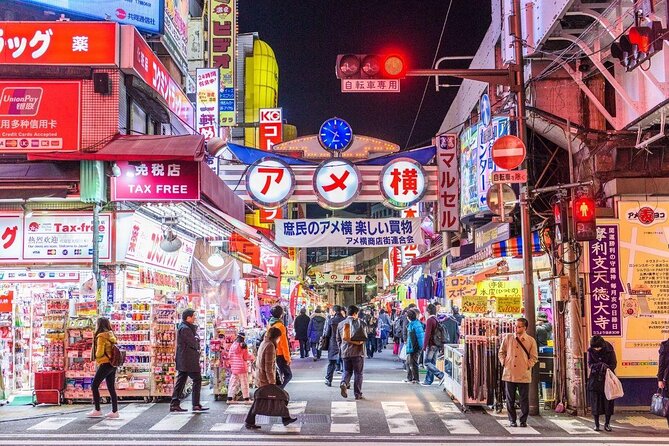
Ameyoko runs between Okachimachi and Ueno stations along the Yamanote Line tracks. Its name is often linked to Ameya Yokocho, or candy store alley, and the street has a strong market character.
This is a useful first stop if you want food, inexpensive gifts, and the feel of a busy local shopping strip. The area is less polished than a major department store, which is part of its appeal. You can browse stalls and small shops while your guide explains what you are seeing and helps you decide where to spend your time.
The scheduled stop is listed as about 30 minutes, so you should clarify how much browsing time you want. Thirty minutes is enough for a quick look, but it may feel short if you hope to shop carefully. Since the tour is customizable, your guide can help you decide if Ameyoko deserves a longer share of the day.
Ameyoko works well with Ueno or Asakusa-area plans. It is less useful for someone seeking only designer fashion or quiet streets. Pick it for food-market atmosphere and everyday shopping, not for a calm stroll.
Kappabashi: Tokyo’s kitchenware address
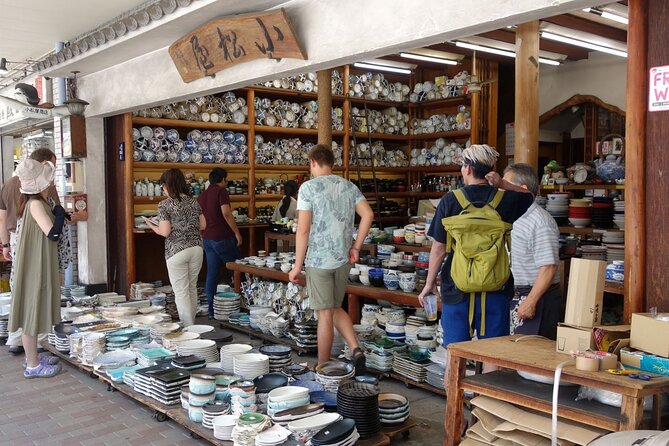
Kappabashi Dogugai sits between Ueno and Asakusa and is lined with shops serving restaurant owners and home cooks. This is the stop to choose if your idea of a Japanese souvenir is a knife, bowl, teapot, pan, chopstick set, or another piece of kitchen equipment.
The appeal is focused rather than broad. You are not simply wandering through general souvenir shops. You are looking at a whole street devoted to the tools and objects used in Japanese cooking and dining. A guide can be especially useful here because product differences, materials, sizes, and shop labels may not be obvious.
The tour information does not promise included purchases or special access, so your shopping budget is separate. Transportation to the area is also extra. Still, if cooking is one of your main interests, this may be one of the best uses of a private guide. One booking specifically combined cooking-related shopping in one part of Tokyo with anime shopping elsewhere, using the subway between them.
Allow room in your luggage. That is practical advice, not a minor detail. Kitchenware can be heavy, fragile, or awkward to carry through several more stops.
Yanaka Ginza: a slower look at old Tokyo
Yanaka Ginza is presented as one of Tokyo’s best shopping streets for its preserved shitamachi atmosphere. Shitamachi refers to the older, lower-lying parts of the city traditionally associated with working neighborhoods and local commerce.
This stop changes the tone of the day. Instead of focusing on electronics, fashion, or restaurant supplies, you get a more nostalgic shopping street with small businesses and a neighborhood feel. It is a good choice if you want to see how Tokyo can feel modest and local despite its enormous size.
The word nostalgic should not lead you to expect a museum. Yanaka Ginza is still a functioning shopping street. That is exactly why it has value. You can look at ordinary goods and snacks while seeing a side of the city that is different from the giant crossings and modern towers.
Thirty minutes may be enough to sample the atmosphere, but not enough for a slow, detailed browse. If this is your main interest, tell the guide early. The private format gives you a better chance of protecting time for it than a fixed group schedule would.
Same corner of Tokyo, a completely different plan:
- Mt Fuji and Hakone 1-Day Bus Tour Return by Bullet Train
★ 5.0 · 26,383 reviews - 1-Day Tokyo Bus Tour
★ 5.0 · 14,250 reviews - Tokyo: TOKYO SKYTREE® Admission ticket
★ 4.5 · 11,192 reviews - Tokyo: teamLab Planets TOKYO Digital Art Museum Entry Ticket
★ 4.6 · 9,779 reviews
Tsukiji: food, browsing, and a flexible stop
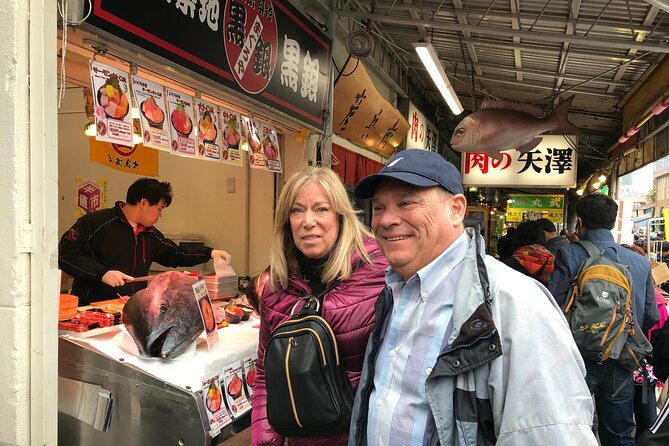
Tsukiji Fish Market is another food-centered option. The tour description frames this stop as part of an efficient day in which you meet at your hotel and move to the areas you want to see.
Tsukiji suits you if you want to browse food shops, look for edible gifts, or add a market stop to a day that also includes another type of shopping. It can pair well with Kappabashi for a food-focused itinerary, though the two stops offer different experiences: one centers on cooking tools, the other on market goods and food browsing.
Do not assume that lunch is included. It is not. If you want to eat at Tsukiji, that expense comes from your own budget, and meal time will use part of your six hours. That is not a problem, but you should tell the guide if food is a priority rather than treating lunch as an afterthought.
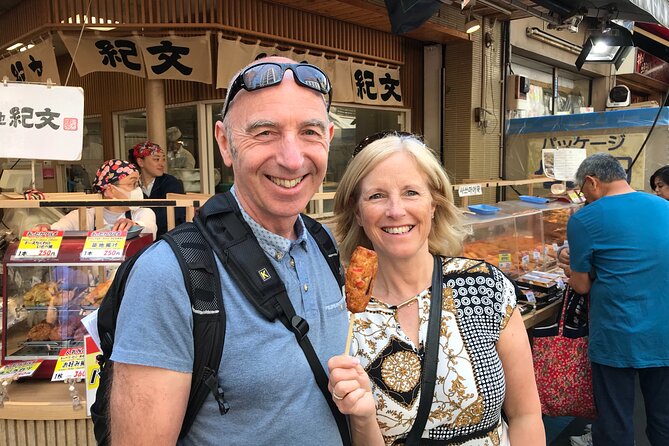
One guide helped a family find a lunch place with options for a picky teenager. That points to a real benefit of the private format: the guide can adjust the day to your group instead of expecting everyone to accept the same meal and pace.
Cat Street and Takeshita Street: two versions of Harajuku and Shibuya
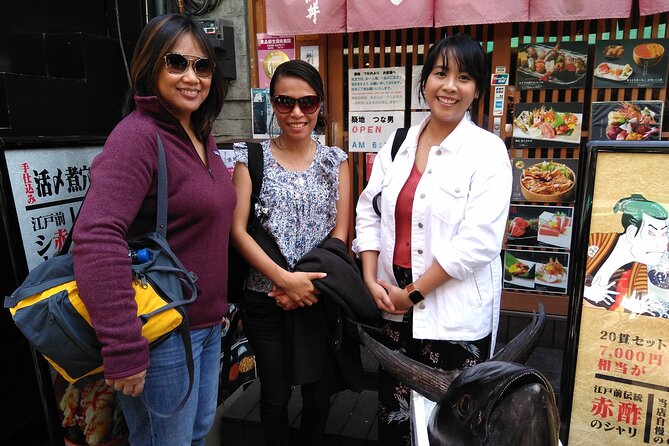
Cat Street runs between Harajuku and Shibuya and is mostly pedestrianized. It is associated with youth fashion and hip culture, making it a natural choice if you want clothing, accessories, and a younger Tokyo mood.
Takeshita Street, in Harajuku, is a different kind of shopping experience. The street is known for youth culture, colorful snacks, crepes, candy floss, and Calbee chips. It is more playful and snack-oriented than Kappabashi or Ameyoko.
You can combine Cat Street and Takeshita Street if fashion and Harajuku are your main goals, but remember that they count as separate choices within the three or four-site plan. Using two stops in the same broad area gives you depth, while choosing distant districts gives you more contrast. Ask yourself which matters more.
These streets are a good fit for families with teenagers and anyone looking for youth fashion or novelty snacks. They may be less appealing if you want traditional crafts or quiet neighborhood shopping. The guide can help you avoid wasting half a day on streets that do not match your taste.
Shibamata: old-school Tokyo away from the center
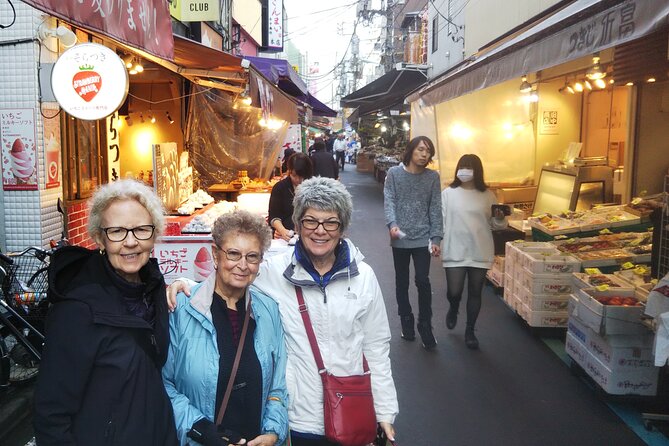
Shibamata lies at Tokyo’s eastern edge near the Edogawa River and keeps an old-style charm. It is a particularly useful choice for someone who has already seen central Tokyo and wants a neighborhood with a different pace.
Shibamata is not the obvious pick for a shopping checklist. Its value is the setting and atmosphere, along with the chance to see a less polished, less central side of the city. If you choose it, think of the stop as a neighborhood outing with shopping rather than a concentrated retail district.
That distinction matters when planning the day. Shibamata is farther from the central cluster of Ameyoko, Kappabashi, Yanaka, and Akihabara. Because transportation is not included and train fares are extra, ask the guide to explain the route and the time involved before settling on a widely spread itinerary.
Choose Shibamata if old Tokyo matters more to you than maximizing the number of shops. It is a better fit for a relaxed, place-based day than for someone trying to buy specific items in several central districts.
Akihabara: electronics, anime, and pop culture
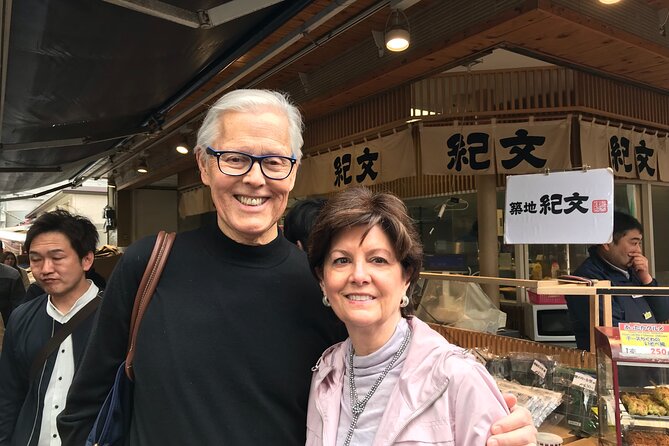
Akihabara is famous for electronics shops and has also become a center for Japanese pop culture and anime. This is the clear choice for manga, anime-related goods, electronics, and the modern side of Tokyo’s shopping scene.
A guide can make this stop more useful if you already know what you want. Tell the guide whether you are looking for electronics, anime items, or general browsing. The experience is private, so you can spend time on your interests instead of following a preset group route.
Akihabara also illustrates why translation help can matter. Product descriptions, compatibility details, and shop rules may require careful attention. A guide who can explain and translate is more helpful than someone who simply points toward a store.
Pair Akihabara with Kappabashi for a shopping day focused on practical Japanese goods, or with Takeshita Street for a strong contrast between technology and youth fashion. Train fares remain separate, as do all purchases.
What the private guide adds to the day
The guide is a government-licensed local English-speaking professional. The actual guide may be Izumi, Sam, Noripy, Steve, Hiro, Ayako, Kappa, Kazuo, or another member of the agency’s team, so you should not book expecting a particular person unless the provider confirms it.
The strongest part of the service is the planning conversation at the beginning. Izumi has been described as sitting down with a family to explain the choices and then shaping the route around what they wanted to see. Kazuo was noted for preparing in advance, including checking the meeting place and the planned areas.
That preparation matters in Tokyo. A shopping street can be easy to enjoy once you are there, but choosing the right combination of districts is harder. The guide can also help with station navigation, which is especially useful when your route crosses several parts of the city.
The guides have also been praised for warmth, punctuality, clear communication, and adapting to specific needs. Those qualities matter more here than a long lecture. This is a practical walking day, and the best guide is one who listens, keeps the route moving, and knows when to let you browse.
Six hours, walking, and the real cost
The experience costs $154.37 per person. For a private six-hour tour, that can be fair value if you are traveling with several people and want help planning a difficult shopping day. The cost pays for the guide’s time, route planning, local explanation, and personal attention.
It is less attractive if you only want a short orientation or already feel comfortable using Tokyo’s trains. You must add subway or other transportation fares, lunch, entrance fees, and personal shopping expenses. Private transportation is not provided, so do not read hotel pickup as a car transfer.
Pickup is on foot within the designated Tokyo area. In practical terms, the guide meets you at your hotel or an agreed meeting point and begins the day from there. The tour is private, and only your group participates, which gives you control over pace and interests.
The listed stops are each shown at about 30 minutes, but the tour itself is roughly six hours and includes movement between areas. Treat those stop times as a basic outline, not a promise that you will visit all eight places for half an hour each. The included plan is three or four sites chosen from the options.
A group discount is available, though the exact amount is not provided. If you are traveling as a family or small party, check the final price for your group rather than judging the per-person figure alone.
Who will get the most from this Tokyo tour
I would recommend this experience to you if you want to shop for something specific and do not want to lose time finding the right district. It is also a strong choice for a first visit when Tokyo’s size and train system feel intimidating.
Families can benefit from the flexible pace. The guide can balance adult interests with a teenager’s food or pop-culture priorities, and the private format makes it easier to stop for a suitable lunch.
It also suits repeat visitors. You can skip the obvious sights and ask for Yanaka Ginza or Shibamata, then add a focused shopping area such as Kappabashi or Akihabara.
I would be cautious about booking it if you want a fixed sightseeing tour with all costs included. It is not a private car tour, not an all-admissions package, and not a promise to cover every neighborhood listed. You need to participate in the planning.
Booking confirmation is provided at the time of purchase. Most people can take part, and service animals are allowed. You can cancel up to 24 hours before the local start time for a full refund, but changes or cancellations inside that window are not accepted.
Should you book it?
Book this tour if personal shopping advice is worth more to you than a rigid list of sights. The best value comes from choosing a clear theme, such as kitchenware and food, anime and electronics, or old Tokyo neighborhoods, then letting the guide build a sensible three or four-stop route.
Skip it if you prefer to explore independently or want private transport and included meals. For everyone else, this is a practical way to connect very different Tokyo streets in one day, with enough flexibility to make the outing feel like your own.
FAQ
How long does the Tokyo shopping tour last?
The tour lasts approximately six hours.
How many shopping areas can I visit?
You can customize the tour around three or four sites selected from the available options.
Which areas can I choose?
The choices include Ameyoko Shopping Street, Kappabashi Street, Yanaka Ginza Shopping Street, Tsukiji Fish Market, Shibuya Cat Street, Takeshita Street, Shibamata, and Akihabara.
Is hotel pickup included?
Pickup is offered on foot within the designated area of Tokyo. Private transportation is not included.
Are transportation fees included?
No. Transportation fees, including travel between areas, are paid separately.
Is lunch included?
No. Lunch and other personal expenses are not included.
Can I cancel for a full refund?
Yes. You can cancel at least 24 hours before the experience start time for a full refund. Cancellations or changes made less than 24 hours before the start time are not accepted.
New on our Tokyo list
- Sumi-e Experience in a relaxing green tea shop in Tokyo★ 5.0 · 3 reviews
- Tokyo : Kamikaze Street Drift Ride★ 5.0 · 3 reviews
- Private Zen Meditation in English in Shinjuku, Tokyo★ 5.0 · 3 reviews
- Onsen Spa in Tokyo and Asakusa Bar Hopping with Local Guide★ 5.0 · 3 reviews
- Easy for everyone! Now you can play handmade mini shamisen and show off to everyone! Musical instruments, sweets and live music★ 5.0 · 3 reviews
- Tokyo: Private Tsukiji Street Food & Sake with Local Guide★ 5.0 · 3 reviews
- Mt Fuji Exploration Tour with Free Japanese Kusa Mochi from Tokyo★ 4.5 · 3 reviews
- Tokyo Tsukiji Fish Market Walking and Exploring Hidden Gems Tour★ 5.0 · 3 reviews
Shopping Tours, compared.
Tokyo Tsukiji Fish Market Food and Culture Walking Tour
Read our review →
Tsukiji Fish Market Guided Tour and Sushi Making with Pro Chef
Read our review →Tsukiji Fish Market Food and Culture Walking Tour
Read our review →
Tsukiji Fish Market: Street Food & Culture Walking Tour
Read our review →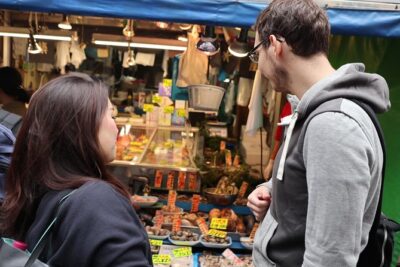
Tsukiji Fish Market Small-Group Food Walking Tour
Read our review →
Tsukiji Fish Market Sushi Making Class with Pro Chef
Read our review →Browse the lists this tour appears in