
Reviewed · TOKYO FOOD TOURS
Tokyo Street Food Tour – 7 Japanese Foods
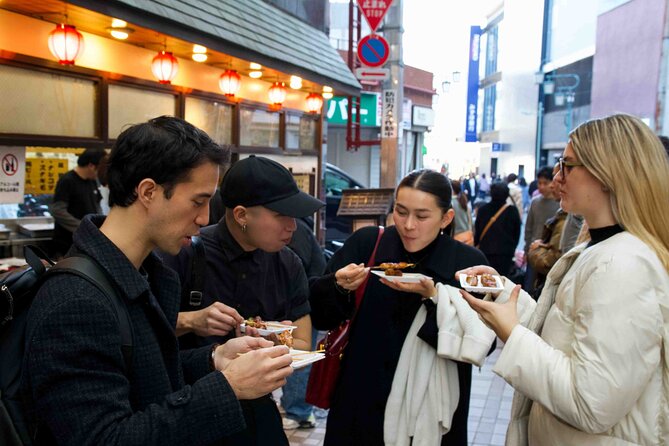
Tokyo’s best food stops are not always the famous ramen counters or sushi bars. This tour takes you through Musashi Koyama and Togoshi Ginza, two local shopping streets where small shops serve the foods people actually grab during an ordinary day in Tokyo. You walk, snack, and hear the story behind each bite instead of sitting through one long restaurant meal.
I like the small group limit of eight, which makes it easier to ask questions and keep up with the guide. I also like the variety: crispy karaage, charcoal-grilled yakitori, filled onigiri, curry bread, pudding, and other sweets give you a useful taste of Japan beyond sushi and ramen. The main thing to consider is the generous amount of food. Pace yourself, especially if you are joining at lunchtime.
In This Review
- Key points at a glance
- Why this Tokyo food walk feels different
- Starting at Musashi Koyama Shopping Street Palm
- Karaage, yakitori, and the savory opening
- Onigiri with more than 40 filling choices
- Curry bread and Japanese pudding
- Reaching Togoshi Ginza Shopping Street
- What the guide adds to the food
- Price, portions, and overall value
- Who should book this food tour?
- Practical details before you reserve
- Should you book the Togoshi Ginza food walk?
- FAQ
- How long does the Tokyo Street Food Tour last?
- How many foods are included?
- What foods might I try?
- Where does the tour begin?
- Where does the tour finish?
- Is hotel pickup included?
- How large is the group?
- Is the tour suitable for people with limited mobility?
- Can I cancel for a full refund?
Key points at a glance
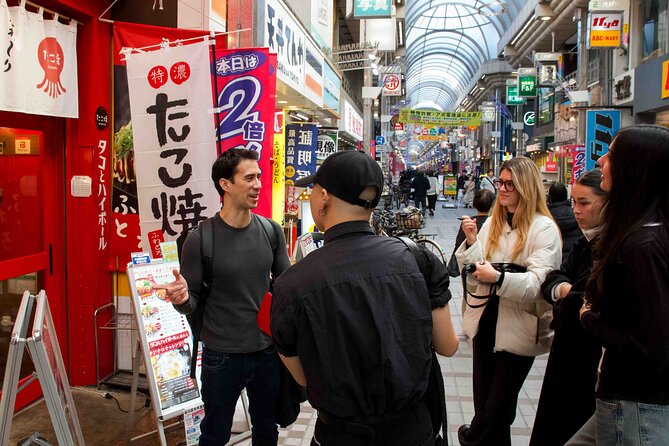
- Seven Japanese foods in about two hours: You sample savory snacks, fried food, grilled chicken, rice, bread, dessert, and a drink.
- Two local shopping streets: The route begins at Musashi Koyama Shopping Street Palm and finishes at Togoshi Ginza.
- A maximum of eight people: The group size suits visitors who want conversation and access to the guide.
- Named guides with different strengths: Makayla, Bunga, Sahori, and Frank have led this experience, with food knowledge and friendly conversation praised repeatedly.
- A meal rather than a nibble: Portions can be large enough to fill you, so avoid arriving after a heavy breakfast.
- Useful transport setup: The tour starts at Park City Musashikoyama THE MALL and ends at Togoshi Ginza Shopping Street, with no hotel pickup or drop-off.
Why this Tokyo food walk feels different
The appeal here is simple: you leave the usual central Tokyo circuit. Togoshi Ginza is in Shinagawa City, away from the busiest sightseeing zones, and the route gives you a look at local shopping streets rather than a parade of places built for international visitors.
That matters because Japanese street food is tied closely to neighborhood life. You are not only tasting dishes. You are seeing the kind of arcades where residents buy lunch, snacks, and quick treats. The guide helps connect the food to the shops and the area, which gives each stop more meaning than a random snack picked from a convenience store.
The group limit also changes the feel of the outing. With no more than eight people, you can usually hear the guide and ask about ingredients, customs, or the next stop. Some departures have been very small, including a Sunday outing with only a mother and daughter, so the atmosphere may feel closer to a private walk than a standard group tour.
The tradeoff is that this is not a slow, sit-down tasting menu. You move between storefronts, eat on the go or near the shops, and keep a reasonable walking pace. The tour is listed at about two hours, though one description from a participant places the walking and grazing portion closer to an hour and a half. Plan for roughly two hours overall.
More Tokyo food crawls:
- Tokyo: Shinjuku Food Tour (13 Dishes at 4 Local Eateries)
★ 5.0 · 6,603 reviews - Tokyo: Shinjuku Food Tour (15 Dishes and 4 Eateries)
★ 4.9 · 2,033 reviews - Best of Shinjuku: Izakaya Food Tour (4 Stops, 14+ Tastings)
★ 5.0 · 1,863 reviews
Starting at Musashi Koyama Shopping Street Palm
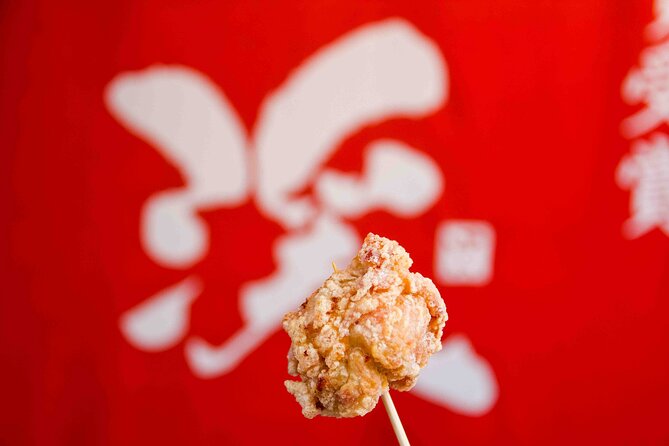
The meeting point is Park City Musashikoyama THE MALL, at 3-chōme-15-1 Koyama in Shinagawa City. From here, the route passes through Musashi Koyama Shopping Street Palm, a covered arcade that has served the area for decades.
This first stretch is useful because it eases you into Tokyo food culture before you reach the main shopping street. You get your first samples from local stalls, and the guide takes you to selected vendors rather than leaving you to guess which counter is worth your time.
The arcade setting also gives you a sense of scale. Tokyo is not only towers, department stores, and neon signs. Much of daily life happens in long covered shopping streets, where small food shops sit beside ordinary neighborhood businesses. If this is your first day in Tokyo, the route offers an easy introduction to that side of the city.
The exact order of the food stops can vary, so think of this section as the opening part of a moving meal. You will want comfortable shoes, an appetite, and enough attention left to listen while eating.
Karaage, yakitori, and the savory opening
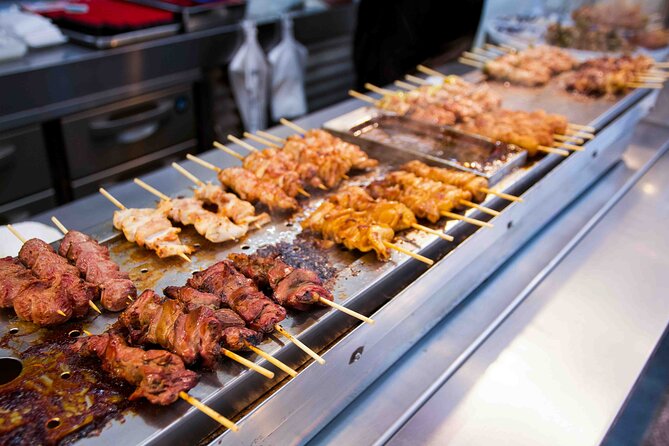
One of the strongest stops is karaage, Japanese fried chicken. The portion is described as crispy, and the shop is an award-winning vendor. That combination makes this more than a generic fried snack: you get to try a familiar food at a place selected for its quality.
Next comes yakitori, chicken grilled over charcoal. The restaurant has been operating since 1926, adding a sense of continuity to the stop. Yakitori is a good food for a walking tour because it is compact, easy to share, and built around simple ingredients treated well.
These two bites also show the range of Japanese casual food. Karaage is crunchy and rich. Yakitori brings smoke and savory flavor. You are not eating seven versions of the same thing, which is important when the tour is short and the portions are substantial.
Several guides have been praised for explaining the background of the dishes and the places serving them. Makayla is described as personable and well informed, while Frank has been credited with giving useful context about both the food and the venues. If you enjoy asking questions, this is the point where the small group can make a real difference.
Onigiri with more than 40 filling choices
The onigiri stop is one of the more distinctive parts of the route. These hand-made rice balls come with more than 40 filling choices, ranging from spicy tuna to bacon and cream cheese.
That range gives you a quick lesson in how traditional foods adapt to modern tastes. Onigiri is an old and practical format, but the fillings are not limited to one narrow set of classics. The choice of bacon and cream cheese beside spicy tuna shows how a familiar Japanese snack can cover a wide range of flavors.
You may not get to choose from every filling, since the food selections are arranged by the tour, but the shop itself sounds like a good place to ask about what locals prefer. It is also a useful stop if you want to understand why onigiri is such a common part of Japanese food culture. Rice, filling, and portable wrapping make it an ideal meal for school, work, or a day out.
This is another reason to arrive hungry but not ravenous. Rice is filling, and it comes before the bread, pudding, sweets, and remaining samples.
A few more Tokyo bookings worth comparing
- Mt Fuji and Hakone 1-Day Bus Tour Return by Bullet Train
★ 5.0 · 26,383 reviews - 1-Day Tokyo Bus Tour
★ 5.0 · 14,250 reviews - Tokyo: TOKYO SKYTREE® Admission ticket
★ 4.5 · 11,192 reviews - Tokyo: teamLab Planets TOKYO Digital Art Museum Entry Ticket
★ 4.6 · 9,779 reviews
Curry bread and Japanese pudding
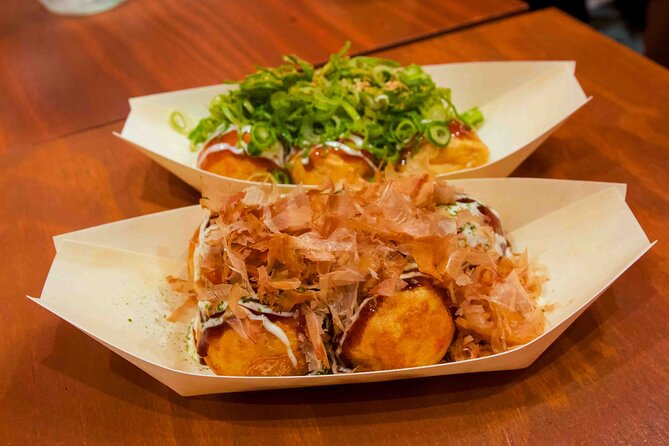
Curry bread gives the tour a different texture and flavor. It is fresh bread filled with Japanese beef curry, combining a crisp or baked outer layer with a warm, savory center.
For many visitors, curry bread is an especially practical discovery. It feels familiar enough to approach easily, yet it is distinctly Japanese in the way curry is used as a bread filling. If you are looking beyond the standard list of sushi, ramen, and tempura, this is exactly the kind of everyday food worth seeking out.
The pudding stop shifts the mood toward dessert. The Japanese pudding is described as especially creamy, and it provides a soft contrast to fried chicken, grilled meat, rice, and bread. The progression keeps the tasting from becoming too heavy in one direction, although you will still be eating a full meal in snack-sized stages.
The tour includes seven food types in total, while the route details specifically identify several of them, including karaage, yakitori, onigiri, curry bread, pudding, and a final sweet stop. The precise final selections can depend on the shops and the guide, so do not treat the food list as a rigid restaurant menu.
Reaching Togoshi Ginza Shopping Street
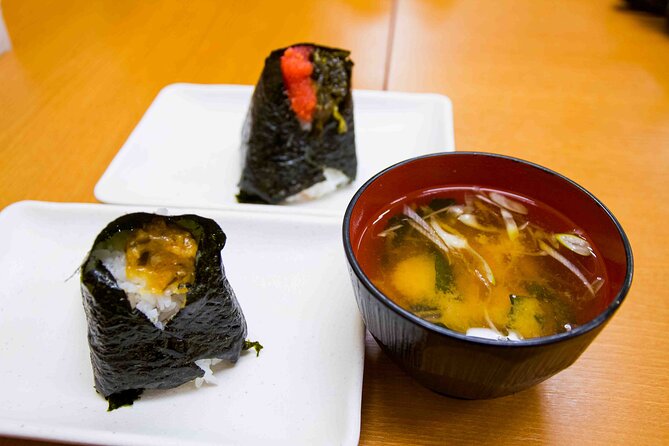
After walking from Musashi Koyama, you arrive at Togoshi Ginza Shopping Street, the main setting for the second part of the tour. The street is lined with small shops and food counters, making it a natural place for a neighborhood tasting walk.
This is where the experience feels least like a conventional sightseeing tour. You are not stopping for a posed view or a famous landmark. Instead, you are moving through a local commercial street and sampling food from several storefronts. That may sound modest, but it is often the most useful kind of introduction to a city.
The tour ends at Togoshi Ginza Shopping Street, at the shopping street association hall in Togoshi, Shinagawa City. Since the start and finish are different, you should allow time to orient yourself afterward. Hotel pickup and drop-off are not included, so you are responsible for getting to the first meeting point and continuing on from the end.
The route is near public transportation, but the provided details do not specify a particular station or train line. Check the meeting point carefully when you book and use the exact address rather than relying only on the neighborhood name.
What the guide adds to the food
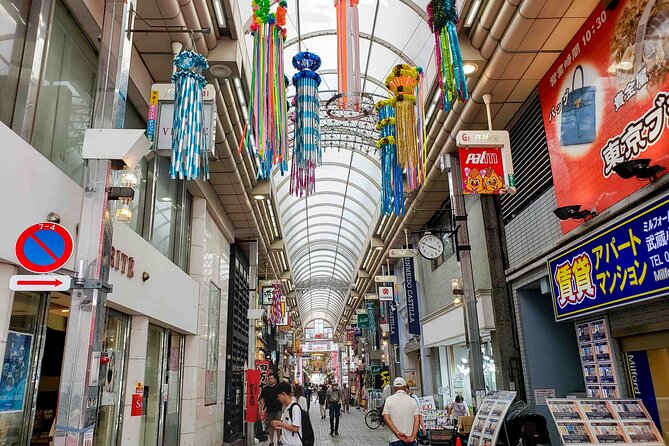
Food tours depend heavily on the person leading them, and this experience has been led by Makayla, Bunga, Sahori, and Frank. The strongest pattern in the feedback is not a single dish. It is the quality of the guiding and conversation.
Makayla has been singled out for being personable, friendly, and well informed about the food and area. Bunga made one first visit to Tokyo especially enjoyable through varied food choices and conversation. Sahori led a small group through less touristy streets, and Frank was praised for choosing good places and explaining the background of the dishes.
That variety of guides means your exact tone may differ from one departure to another. Still, the experience is designed around a guide who does more than point at food. You get explanations about the dishes, the venues, and the history of the area. The best value comes from paying attention between bites.
English ability has also been praised, including a guide described as having excellent English. That is helpful when you want to ask about ingredients or understand why one shop matters. As with any scheduled tour, the individual guide affects the pace and personality of the day.
Price, portions, and overall value
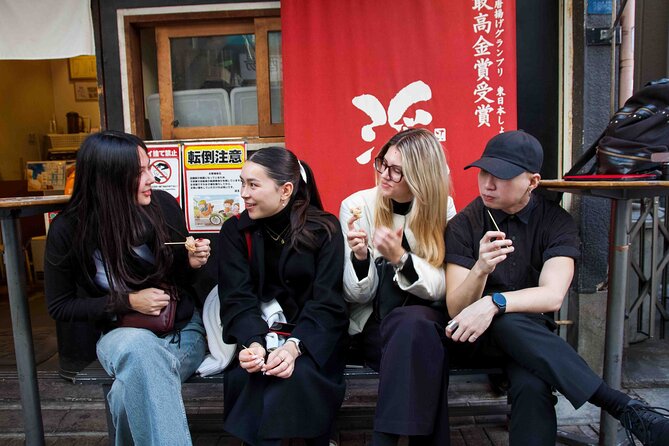
At $91.45 per person, this is not the cheapest way to buy lunch in Tokyo. You could spend far less by choosing snacks on your own, especially in a city where convenience stores and casual food counters are everywhere.
The price makes more sense if you value the guidance. You are paying for seven food samples, one free soft drink, a small group, a planned route, and explanations that help you understand what you are eating. You also avoid spending time comparing unfamiliar shops in an area you may not otherwise visit.
Portions appear generous. One account describes roughly an hour and a half of walking and grazing, with enough food that some people had trouble finishing everything. I would treat this as lunch, not as a warm-up before lunch. If you are traveling with a family, you may find it easy to share, but the food can still add up quickly.
The value is strongest for first-time visitors who want a clear introduction to ordinary Japanese snacks. It is weaker for confident Tokyo eaters who already know these shopping streets and prefer choosing each dish independently.
Who should book this food tour?
I would choose this outing if you want to:
- Try several types of Japanese food in one sitting
- See a less tourist-focused part of Tokyo
- Learn the background of dishes and local shops
- Walk at a moderate pace while eating
- Keep the group small enough for real conversation
- Have a guide help with food choices and local context
Families can work well here, and one departure included a parent and child. Food lovers will appreciate the range, especially if you want more than sushi and ramen. The tour also suits solo visitors, since the group format gives you an easy way to talk with the guide and other people.
You should think twice if you have strict dietary restrictions, though the available details do not state how allergies or special diets are handled. You should also be comfortable walking for about two hours and eating several generous portions. Service animals are allowed, and the tour is near public transportation.
The experience is capped at eight people, but that does not guarantee a full group. A very small departure can feel personal, while a larger one may have more group energy. Either way, the format is more relaxed than a large bus excursion.
Practical details before you reserve
The price is $91.45 per person, and the experience is booked an average of 52 days in advance. That advance-booking figure suggests you should not wait until the last minute if your Tokyo dates are fixed, especially if you want a particular day.
You receive a mobile ticket, and confirmation is provided when you book. The tour begins at Park City Musashikoyama THE MALL and ends at Togoshi Ginza Shopping Street. Since there is no hotel transportation, build in time for your own journey to the start.
Free cancellation is available if you cancel at least 24 hours before the local start time. Cancellations or changes made inside that 24-hour window are not accepted for a refund.
Wear shoes you can walk in and avoid planning a major meal immediately before the tour. The experience has a moderate physical requirement, and the repeated stops mean you need to keep moving while carrying what you have eaten.
Should you book the Togoshi Ginza food walk?
Book it if you want a guided taste of everyday Tokyo, not a checklist of famous sights. The combination of two shopping streets, seven foods, a small group, and local stories gives you a useful look at neighborhood eating.
I especially like this tour for a first or second visit, when you want a friendly guide to steer you beyond the usual food districts. The main caution is value: $91.45 is a serious lunch budget, and the route is not designed for people who want a quiet, seated meal.
If you arrive hungry, wear good walking shoes, and care about local food more than headline attractions, this is a strong choice. If you prefer to browse and choose on your own, save the money and explore a shopping street independently.
FAQ
How long does the Tokyo Street Food Tour last?
The tour lasts approximately two hours. The walking and food tasting portion has also been described as about an hour and a half, so you should allow roughly two hours overall.
How many foods are included?
Seven types of Japanese street food are included, along with one free soda or other soft drink.
What foods might I try?
The food examples include crispy karaage, charcoal-grilled yakitori, hand-made onigiri, beef curry bread, creamy Japanese pudding, and sweets such as dango. The exact selection may vary by stop and guide.
Where does the tour begin?
The meeting point is Park City Musashikoyama THE MALL, 3-chōme-15-1 Koyama, Shinagawa City, Tokyo 142-0062, Japan.
Where does the tour finish?
The tour ends at Togoshi Ginza Shopping Street, Japan, 142-0041 Tokyo, Shinagawa City, Togoshi, 1-chōme-15-16, at the shopping street association hall.
Is hotel pickup included?
No. Hotel pickup and drop-off are not included, so you need to arrange your own transportation to the start and from the end point.
How large is the group?
The maximum group size is eight people.
Is the tour suitable for people with limited mobility?
The activity requires a moderate level of physical fitness and includes walking between food stops. The available details do not provide a specific accessibility assessment.
Can I cancel for a full refund?
Yes, if you cancel at least 24 hours before the experience start time. Cancellations or changes made less than 24 hours before the start are not accepted for a refund.
New on our Tokyo list
- Sumi-e Experience in a relaxing green tea shop in Tokyo★ 5.0 · 3 reviews
- Tokyo : Kamikaze Street Drift Ride★ 5.0 · 3 reviews
- Private Zen Meditation in English in Shinjuku, Tokyo★ 5.0 · 3 reviews
- Onsen Spa in Tokyo and Asakusa Bar Hopping with Local Guide★ 5.0 · 3 reviews
- Easy for everyone! Now you can play handmade mini shamisen and show off to everyone! Musical instruments, sweets and live music★ 5.0 · 3 reviews
- Tokyo: Private Tsukiji Street Food & Sake with Local Guide★ 5.0 · 3 reviews
- Mt Fuji Exploration Tour with Free Japanese Kusa Mochi from Tokyo★ 4.5 · 3 reviews
- Tokyo Tsukiji Fish Market Walking and Exploring Hidden Gems Tour★ 5.0 · 3 reviews
Tokyo Food Tours, compared.
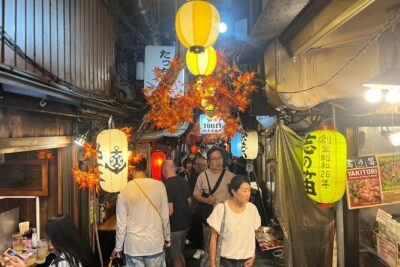
Shinjuku Food Tour (13 Dishes at 4 Local Eateries)
Read our review →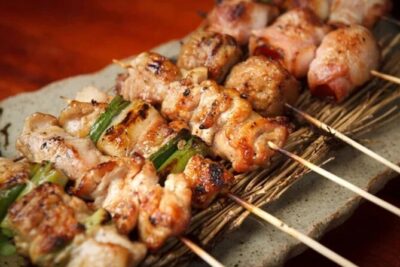
Shinjuku Food Tour (15 Dishes and 4 Eateries)
Read our review →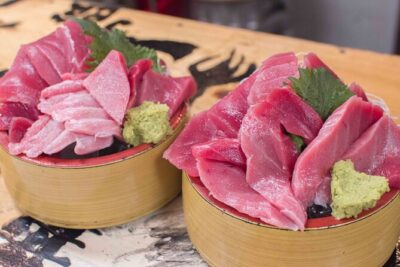
Best of Shinjuku: Izakaya Food Tour (4 Stops, 14+ Tastings)
Read our review →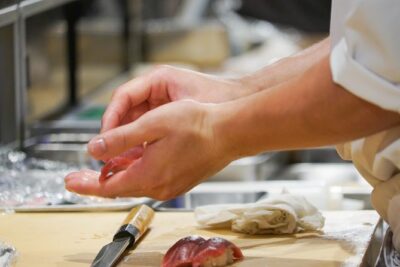
Tokyo Night Foodie Tour in Shinjuku – Seasonal Sushi, Wagyu Beef
Read our review →
Eat and Drink Like a Local: Tokyo Ueno Food Tour-Taverns&Ramen
Read our review →
Tsukiji Fish Market: Street Food & Culture Walking Tour
Read our review →Shinjuku Food Tour – 15 Dishes, 3 Drinks, 4 Eateries
Read our review →Browse the lists this tour appears in