
Reviewed · YANAKA & OLD TOKYO WALKS
Tokyo Time Machine Exploring Old School Monzen Nakacho
Monzen-Nakacho gives you a side of Tokyo that neon-heavy districts rarely show. This six-hour outing moves from red torii and temple fire rituals to tiny bars, old food shops, and local drinks, with a guide translating the details that would otherwise pass you by.
I like the small maximum of six people, which makes it easier to ask questions and fit into cramped neighborhood places. I also like the broad mix: shrine, temple, heritage food, mochi, plum wine, sake, and dinner. The main consideration is the drink focus. If you are not keen on sake or alcohol, you may find part of the tasting less appealing.
In This Review
- Key details at a glance
- Why Monzen-Nakacho makes a good Tokyo detour
- Tsurugaoka Hachimangu Shrine and its sumo connection
- Fukagawa Fudodo and the Goma fire ritual
- Tatsumi Shindo, a narrow lane of old Tokyo bars
- What the food portion is really worth
- The guides make the difference
- Pace, meeting point, and practical planning
- Who will enjoy this most
- Should you book Tokyo Time Machine?
- FAQ
- Where does the tour start?
- What time does the tour begin?
- How long does the experience last?
- Where does the tour end?
- How many people can join?
- What food and drinks are included?
- Is private transportation included?
- Can I cancel for a full refund?
Key details at a glance
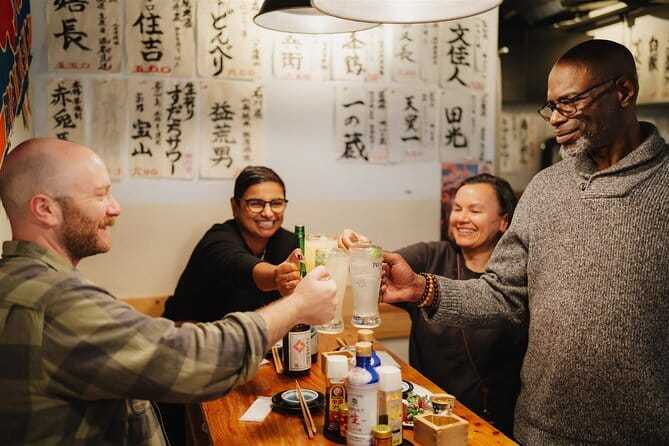
- Showa-era bar alley: Spend about two hours around Tatsumi Shindo, a lane of roughly 30 tiny bars with karaoke, yakitori, and motsu-nikomi.
- Two contrasting religious stops: See Tsurugaoka Hachimangu Shrine and Fukagawa Fudodo, including the latter’s famous Goma fire rituals and wooden statues.
- Food and drinks are included: Coffee or tea, snacks, dinner, and alcoholic beverages are part of the experience.
- Very small group: A maximum of six people gives this tour a personal feel and helps with seating in small neighborhood venues.
- Guided translation: Your guide handles the language gap while explaining food, customs, and local history.
- Six hours from 1 p.m.: You begin at Monzen-nakacho Station and finish back at the meeting point.
Why Monzen-Nakacho makes a good Tokyo detour
Tokyo is easy to reduce to Shibuya crossings, Shinjuku towers, and Asakusa temples. Monzen-Nakacho offers a slower, more local-feeling alternative, with places built around neighborhood habits rather than sightseeing checklists.
The appeal is not one giant attraction. It is the sequence. You begin with a shrine, move to a temple, then spend a long stretch around a narrow drinking alley. Along the way, food and drink give you a reason to pause and talk rather than simply take photos and move on.
I especially like the way the day joins culture with ordinary life. A fire ceremony and wooden temple statues tell you something about Japanese religious practice. A small bar, a bowl of heritage food, or a plum wine tasting shows how people eat and socialize. Neither side makes much sense without the other.
The guide is important here. Monzen-Nakacho is the kind of neighborhood where a sign, menu, or shop custom may not explain itself in English. Translation lets you ask what you are eating, understand the role of each place, and speak with shopkeepers instead of simply pointing at a menu.
More old-Tokyo backstreet walks:
- The Old Quarter of Tokyo – Yanaka Walking Tour
★ 4.5 · 590 reviews - Yanaka Walking Tour: Historic and Traditional District of Tokyo
★ 5.0 · 530 reviews - Tokyo: Old Quarter Yanaka Walking Tour
★ 4.8 · 406 reviews
Tsurugaoka Hachimangu Shrine and its sumo connection
The first stop is Tsurugaoka Hachimangu Shrine, described as Tokyo’s largest Hachiman shrine and founded in 1627. You have about an hour here, with no separate admission charge.
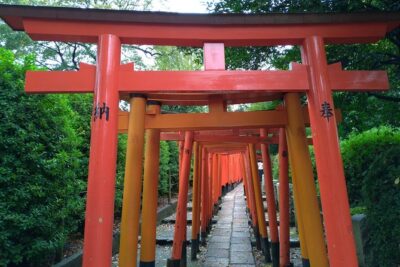
The approach is marked by red torii, giving you a clear visual shift from the station area into a more ceremonial setting. The shrine also has a connection to sumo history, including a yokozuna stele. That detail gives the visit a local angle beyond the usual shrine routine.
Monthly markets held on the first, 15th, and 28th can add a festive feel when your visit matches one of those dates. The tour does not promise that the market will be running, so do not book solely for that feature. Still, it is a useful reason to check your calendar before choosing a date.
An hour is enough for an introduction, though it is not a long shrine study. You will get the atmosphere, the major points of interest, and context from the guide, then move on before the religious portion takes over the day.
Fukagawa Fudodo and the Goma fire ritual
Fukagawa Fudodo provides a different religious experience. Where the shrine brings red gates and sumo associations, this temple is known for Goma fire rituals, large wooden statues, and small fox Inari shrines along the approach.
The fire ceremony is one of the most distinctive elements in the six-hour plan. It gives you something active to watch rather than a silent walk through a temple compound. The presence of monks and the ritual setting can make this stop feel more memorable than a quick temple photo stop.
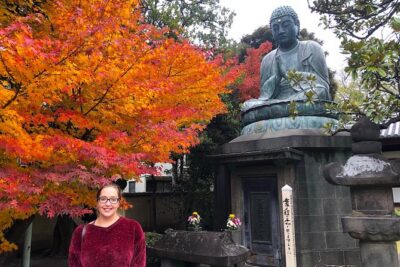
The wooden statues add another layer. Ask your guide to explain what you are seeing, since the meaning and style may not be obvious at first glance. The fox shrines on the approach are smaller and more intimate, offering a nice change from the main temple structures.
You are allotted about an hour here as well. That keeps the pace varied, but it also means the tour is an introduction rather than a detailed religious tour. If temple architecture is your main interest, you may wish for more time. If you want a cultural pause before the food portion, the timing works well.
Tatsumi Shindo, a narrow lane of old Tokyo bars
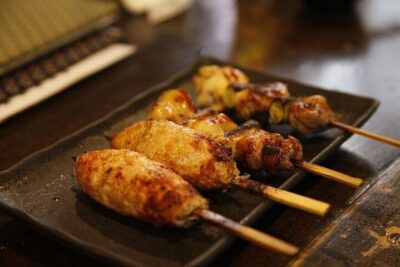
The longest stop is Tatsumi Shindo, where around 30 small bars preserve a Showa-era mood. You spend roughly two hours in this area, with opportunities for karaoke, yakitori, motsu-nikomi, and drinks.
This is where the tour becomes most social. The tiny scale of the bars matters. A large modern restaurant can serve Japanese food, but it will not give you the same sense of how a neighborhood drinking lane works. The guide helps you enter places that could feel difficult to approach on your own, then translates the menu and conversation.
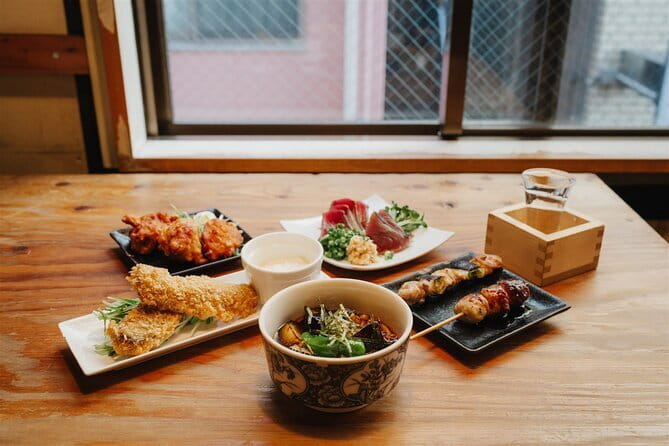
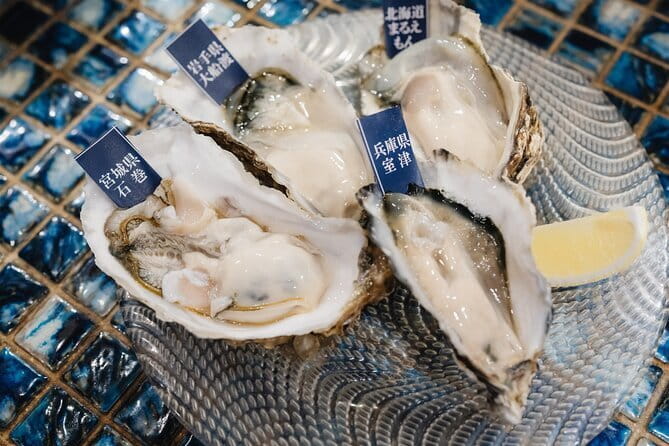
The food range can be broad. Past visits have included traditional dishes, warming fisherman’s clam broth with rice stew, mochi, and other small plates. The exact lineup can change, so think of the tour as a guided sampling rather than a fixed tasting menu.
Drinks may include sake, plum wine, gin, and other alcoholic options. Coffee or tea is also included, which helps if you want a nonalcoholic choice, but the drink element is clearly part of the experience. One practical point matters here: a guest who dislikes sake may find the balance less satisfying, even if the food and neighborhood atmosphere still appeal.
The two-hour period should not be read as two hours in one bar. It is time set aside for several local stops and tastings around the alley. The compact group helps because seating and movement can be tight in places this small.
A few more Tokyo bookings worth comparing
- Mt Fuji and Hakone 1-Day Bus Tour Return by Bullet Train
★ 5.0 · 26,383 reviews - 1-Day Tokyo Bus Tour
★ 5.0 · 14,250 reviews - Tokyo: TOKYO SKYTREE® Admission ticket
★ 4.5 · 11,192 reviews - Tokyo: teamLab Planets TOKYO Digital Art Museum Entry Ticket
★ 4.6 · 9,779 reviews
What the food portion is really worth
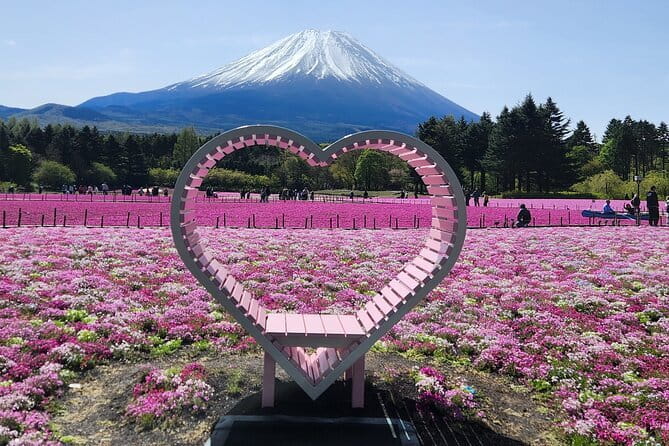
At $195 per person, this is not a cheap snack walk. It is a full half-day experience with a guide, translation, dinner, snacks, and drinks, plus visits to two cultural sites.
The value depends on what you would otherwise do. If you only want a few inexpensive bites, you can spend far less by ordering on your own. If you want access to small local places, help with menus, cultural explanation, and a meal with drinks included, the price becomes easier to justify.
I would also count the time saved. You do not need to research which old-school bars accept newcomers, work out what to order, or guess how much food is enough. The guide brings structure to a neighborhood that could otherwise be hard to read.
The strongest value comes from the combination. A standard food tour may give you dishes but little sense of place. A temple tour may explain rituals but leave you hungry. This outing links both, then adds a small-group evening in Tatsumi Shindo.
The exact food and drink selection can vary, so do not treat the $195 as a guarantee of specific dishes or bottles. You are paying for the overall route, interpretation, tastings, and access to a side of Tokyo that is not obvious to a first-time visitor.
The guides make the difference
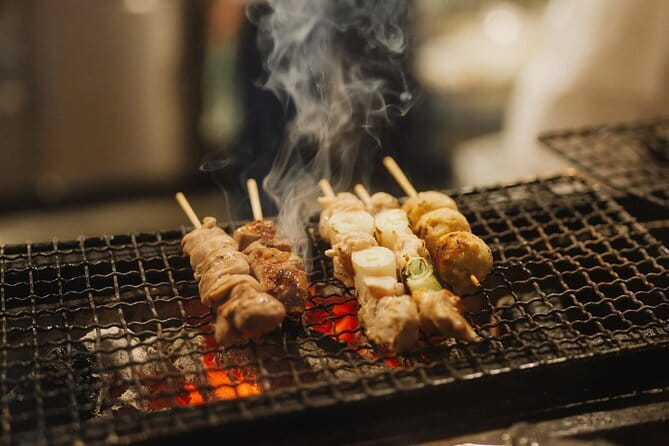
A guide can make or break a food tour, and this one depends heavily on that person’s skill. The experience has been led by guides including Diana, Michelle, Nicole, Chika, and Mairi, among others.
Diana is associated with explanations of Japanese food, history, and culture, along with tastings ranging from classic dishes to newer versions of old favorites. Michelle’s approach has included personal attention, cultural explanation, and food such as clam broth with rice stew and plum wine. Nicole has been praised for making the range of stops feel fun and varied.
Chika has guided guests through foods and places they might not have tried without help. Mairi has also led the tour, with attention to the neighborhood’s food shops and local connections.
Because guides can change, you should not book on the assumption that one named person will lead your departure unless the operator confirms it. The useful point is the guide’s role: translation, pacing, food explanation, and helping you understand why each stop matters.
The small group makes that role stronger. With no more than six people, you can ask about an unfamiliar dish, request help with a drink choice, or discuss what you see at the temple without competing with a large crowd.
Pace, meeting point, and practical planning
The tour starts at 1 p.m. outside Monzen-nakacho Station, at 2 Chome-4 Monzennakacho in Koto City. It lasts about six hours and ends back at the same meeting point.
That start time shapes the day. You begin in the afternoon with the shrine and temple, then reach the bar area later as the neighborhood’s evening character becomes more relevant. You do not need separate private transport, and the meeting point is near public transportation.
Wear shoes and clothing suited to several hours of walking and standing. The supplied details do not give a precise walking distance, so I would not plan a demanding activity immediately afterward. Dinner and drinks are included, but it is still smart to arrive ready for a long afternoon and evening.
Most people can take part, and the tour has accommodated a guest with limited mobility by adjusting the experience. Still, because the route includes temples, alleys, and tiny bars, you should discuss specific mobility needs with the provider before booking rather than assume every space will be easy to enter.
A mobile ticket makes arrival simple. Confirmation is provided at booking, so keep the ticket available on your phone and allow time to locate the station meeting point.
Who will enjoy this most
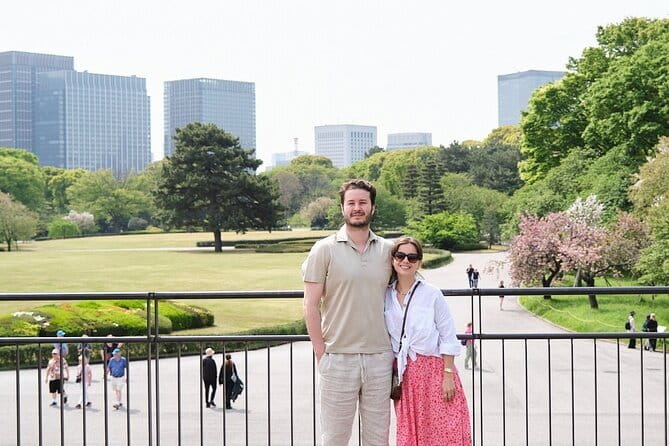
This is a strong choice if you want Tokyo beyond its famous districts. It suits you if you enjoy trying unfamiliar food, asking questions, and spending time in ordinary neighborhood places rather than moving quickly between major sights.
It is also useful early in a Tokyo visit. A good guide can point you toward foods, districts, and customs worth exploring during the rest of your stay. The neighborhood recommendations alone may add value if you use them afterward.
The tour is less suited to you if you want a strict culinary class, a fixed menu, or a sightseeing route centered on famous monuments. It is also not the best match if you avoid alcohol entirely, since alcoholic drinks and sake-related experiences are part of the plan.
Families and mixed-interest groups may appreciate the balance of shrine, temple, food, and local bars, but the late portion has a clear adult social setting. The available information does not specify a minimum age, so confirm that point if you are booking with children.
Should you book Tokyo Time Machine?
Book it if your ideal Tokyo day includes small food stops, local translation, and a neighborhood bar alley rather than a famous landmark parade. The maximum of six, included dinner and drinks, and the unusual Monzen-Nakacho route make this more personal than a large group food walk.
Think twice if you dislike sake, prefer to choose every dish yourself, or feel that $195 is too much for a guided meal. You can explore Tokyo independently for less money, but you will need to solve the language, access, and ordering problems yourself.
For most curious eaters, the best reason to book is the range. One afternoon gives you shrine customs, a Goma fire ritual, old food traditions, plum wine, snacks, and a Showa-era bar lane. That mix is hard to reproduce without a guide.
Free cancellation is available up to 24 hours before the 1 p.m. start time. Changes or cancellations inside that window are not accepted for a refund, so check your plans before the deadline.
FAQ
Where does the tour start?
It starts at Monzen-nakacho Station, at 2 Chome-4 Monzennakacho, Koto City, Tokyo 135-0048, Japan.
What time does the tour begin?
The start time is 1 p.m.
How long does the experience last?
The tour lasts approximately six hours.
Where does the tour end?
It ends back at the original meeting point.
How many people can join?
The group has a maximum of six travelers.
What food and drinks are included?
Coffee or tea, snacks, dinner, and alcoholic beverages are included.
Is private transportation included?
No. Private transportation is not included.
Can I cancel for a full refund?
Yes. You can cancel at least 24 hours before the experience start time for a full refund. Cancellations or changes made less than 24 hours before the start are not accepted for a refund.
New on our Tokyo list
- From Tokyo: Mount Fuji & Hakone Full Day Private Tour★ 4.9 · 25 reviews
- Tokyo Spectacular View Day-Cruise in 90 Minutes★ 5.0 · 25 reviews
- Real Tokyo Runner Club : Daikoku Car Meet Night Tour with JDM Car★ 5.0 · 25 reviews
- 2.5 Hour-Guided Cycle Tour in the Central Tokyo★ 5.0 · 25 reviews
- Tokyo: 2-Hour Night Bike Tour of the City’s Hidden Gems★ 4.9 · 25 reviews
- Ramen Making from Scratch +Akihabara Tour –Cooking Class★ 5.0 · 25 reviews
- [Self-Drive] Tokyo & Daikoku Custom Car Driving Tour★ 4.9 · 25 reviews
- Samurai themed Entertainment show in Shinjuku★ 4.5 · 25 reviews
Yanaka & Old Tokyo Walks, compared.
Yanaka Walking Tour: Historic and Traditional District of Tokyo
Read our review →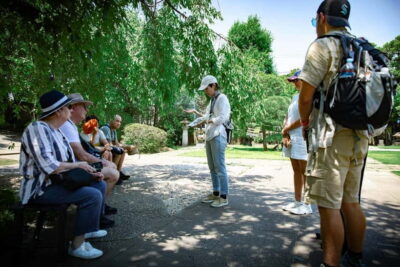
Small Town in the Big City: Tasting Tokyo’s Kichijoji
Read our review →
Stroll in Old traditional culture towns~Yanaka & Nezu
Read our review →
Yanaka Historical Walking Tour in Tokyo’s Old Town
Read our review →
Private Home Cooking in Yanaka – Local Flavors in a Warm Setting
Read our review →
Browse the lists this tour appears in