
Reviewed · YANAKA & OLD TOKYO WALKS
Tokyo Time Machine: Exploring Old School Monzen-Nakacho
Monzen-Nakacho gives you a side of Tokyo that most first-time visitors miss: tiny food shops, local pubs, and temple rituals tucked into ordinary neighborhood streets. This is not a quick sampling walk. It is a five-to-six-hour afternoon of eating, drinking, and learning how food, sake, work, and faith fit together here.
I especially like the included meals and drinks, since you can focus on the experience instead of counting yen at every stop. I also like the small group, capped at six, and the guides’ personal ties to the neighborhood. The main drawback is the price, $195 per person, which is a serious outlay if you only want a few snacks and one drink.
In This Review
- Key points at a glance
- Why Monzen-Nakacho works for a food tour
- Meeting the guide at 1 p.m.
- Starting with sushi and fukagawa meshi
- Fukagawa Fudodo and the Buddhist fire ceremony
- From temple grounds to neighborhood watering holes
- The hidden tachinomi experience
- What the $195 price really covers
- Food needs, drinking, and comfort
- What makes the guides important
- Who should book Tokyo Time Machine
- Should you book it?
- FAQ
- Where does the Tokyo Time Machine tour begin?
- What time does the tour start?
- Where does the tour end?
- How long does the experience last?
- What food and drinks are included?
- Is transportation included?
- How many people can join the tour?
- Is there an age requirement?
Key points at a glance
- Fukagawa meshi starts the food story: Try Monzen-Nakacho’s local clam-and-rice specialty at a classic neighborhood eatery.
- Fukagawa Fudodo adds a spiritual dimension: You may witness a dramatic Buddhist fire ceremony rather than simply passing a temple façade.
- Food and drink are included: Dinner, snacks, alcoholic drinks, coffee, and tea are covered in the tour price.
- The group stays very small: A maximum of six people makes tiny izakayas and standing bars more workable.
- Guides bring local connections: Michelle, Elly, and Mairi are among the guides praised for their background in Tokyo and relationships with small businesses.
- The pace favors conversation: Plan on a relaxed afternoon that ends back at Monzen-Nakacho Station, not a rushed checklist of sights.
Why Monzen-Nakacho works for a food tour
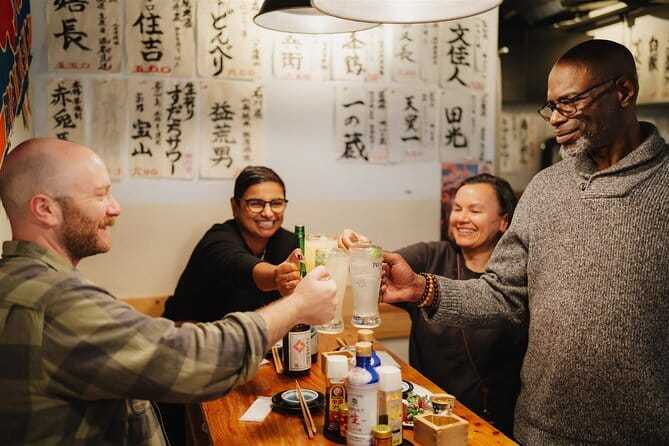
Tokyo has plenty of famous food districts, but famous usually means crowded, photographed, and easy to find without help. Monzen-Nakacho offers a different reward. You walk through backstreets, enter small establishments that can be hard to approach without Japanese, and let a guide explain what belongs on the table and why.
The neighborhood’s appeal is not one spectacular sight. It is the combination of everyday places: a classic shop serving clam rice, a temple where religion and sake meet, a specialist focused on Japanese spirits, an oyster shucker with a strong connection to fishermen, and a tachinomi, or standing bar, with a tiny kitchen.
That mix makes the tour more than a standard tasting crawl. You get food, but you also get context. The guide helps you understand customs, ingredients, local businesses, and the role of alcohol in Japanese social and religious life.
The 1 p.m. start is useful. You begin in daylight, eat a proper early meal, then move toward drinks and smaller bites as the afternoon turns into evening. You will want to arrive ready to eat, but not stuffed.
More old-Tokyo backstreet walks:
- The Old Quarter of Tokyo – Yanaka Walking Tour
★ 4.5 · 590 reviews - Yanaka Walking Tour: Historic and Traditional District of Tokyo
★ 5.0 · 530 reviews - Tokyo: Old Quarter Yanaka Walking Tour
★ 4.8 · 406 reviews
Meeting the guide at 1 p.m.
The tour starts at Monzen-Nakacho Station, at 2 Chome-4 Monzennakacho in Koto City. It ends at the same meeting point, which simplifies the rest of your day. You do not need to arrange private transportation, and the starting point is near public transit.
The group limit of six matters here. Small neighborhood bars often have little room, so a large group could easily change the experience. With six or fewer people, you have a better chance of fitting into compact spaces and hearing the guide without shouting over the room.
The guide makes a major difference. Michelle is Canadian and has lived in Japan for 20 years. Elly has been praised for explaining both the food and the area’s past, while Mairi is noted for her long connection to Tokyo and local food businesses. Guides can vary, but the experience depends on having someone who can introduce you naturally and explain what you are seeing.
You must be at least 18 to join. The tour is confirmed at booking, and most people can participate. Since the food stops and alcohol are central to the day, this is best for an adult who wants a long, social food experience rather than a short sightseeing walk.
Starting with sushi and fukagawa meshi
The first food stop introduces you to local cooking rather than generic Tokyo fare. Expect a classic neighborhood place for sushi and fukagawa meshi, a dish of clams served over rice.
Fukagawa meshi is especially useful as an opening dish because it connects the neighborhood to its waterside working past. You are not simply sampling another rice bowl. You are tasting something identified with this part of Tokyo, served in a setting that feels tied to local daily life.
One account described the clam dish as a comforting fisherman’s broth with rice, suggesting that the preparation may be more stew-like than the simple phrase clam rice implies. Exact dishes can change, so think of the meal as an introduction to the area’s clam tradition, not a guaranteed single recipe.
The pace is another strength. You are not hurried through one bite before being pushed to the next address. The food and drinks are timed across the afternoon, giving you room to listen, ask questions, and notice how each stop differs from the last.
Fukagawa Fudodo and the Buddhist fire ceremony
After the opening meal, the route leads toward Fukagawa Fudodo. This is where the tour shifts from food to belief.
The temple is known for a multisensory religious ceremony involving sacred fire. The experience gives the guide a chance to explain the spiritual side of sake drinking and its place in Japanese culture and religion. This makes the temple stop feel connected to the food stops rather than tacked on as a sightseeing pause.
A fire ritual can be intense and memorable, but you should approach it respectfully. You are entering an active religious setting, not a stage show created for a tour group. The exact ceremony details and timing are not specified, so the guide’s explanation will help you understand what you are watching.
This stop is one reason I would choose this walk over a basic food tour. You learn that eating and drinking in Japan do not exist in a separate box from custom and faith. The day gives you a chance to see those links in place.
A few more Tokyo bookings worth comparing
- Mt Fuji and Hakone 1-Day Bus Tour Return by Bullet Train
★ 5.0 · 26,383 reviews - 1-Day Tokyo Bus Tour
★ 5.0 · 14,250 reviews - Tokyo: TOKYO SKYTREE® Admission ticket
★ 4.5 · 11,192 reviews - Tokyo: teamLab Planets TOKYO Digital Art Museum Entry Ticket
★ 4.6 · 9,779 reviews
From temple grounds to neighborhood watering holes
After Fukagawa Fudodo, the afternoon turns toward bars and small food businesses. The shift is well judged. You have had a substantial beginning, some cultural background, and now you can settle into the social side of Monzen-Nakacho.
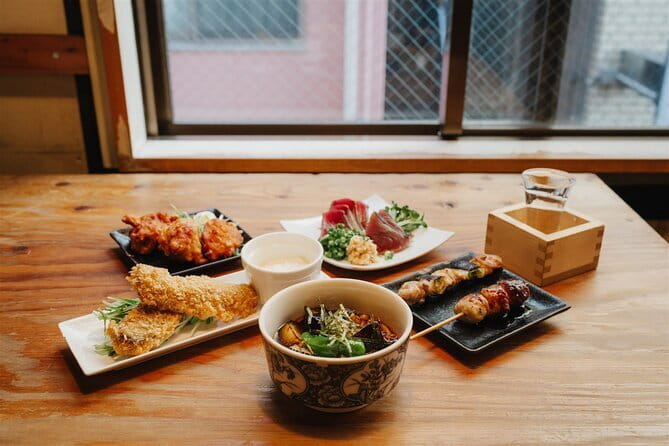
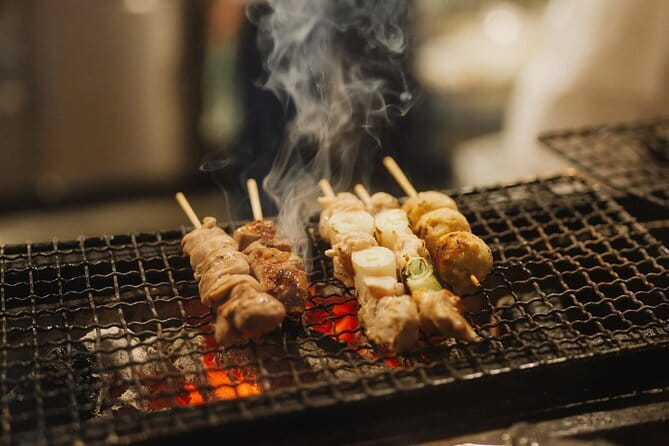
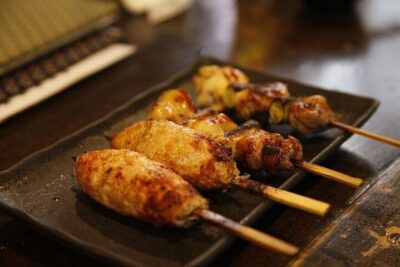
The route includes expertly prepared bites served with drinks. The descriptions point to local beer, sake, BBQ, oysters, and other small dishes, though the exact lineup may depend on the day and the businesses open. You should expect variety rather than one large restaurant meal.
One stop is a sake specialist. This is a chance to taste different expressions of Japan’s traditional spirit while learning how sake fits into the neighborhood’s drinking culture. Because the drink is part of the price, you can sample without repeatedly reaching for your wallet, although you should still pace yourself over several hours.
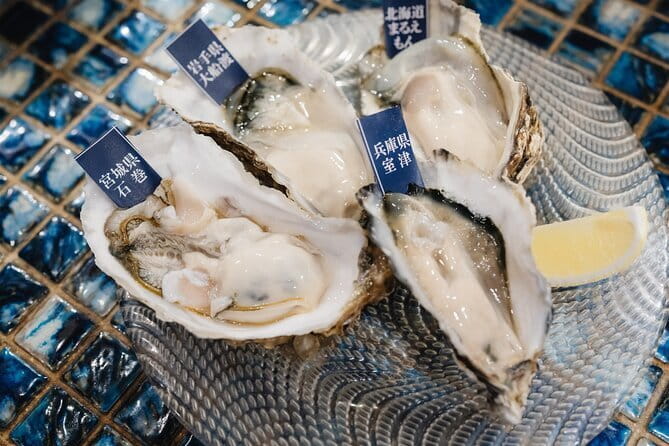
Another stop features an oyster shucker who buys bivalves directly from fishermen working to recover from the effects of the 2011 tsunami. That detail gives the stop a human and economic angle. You are not only eating oysters. You are hearing how one small business supports producers and keeps a connection between the coast and Tokyo’s dining rooms.
The hidden tachinomi experience
The tachinomi may be the most distinctly local-feeling stop. The word refers to a standing bar, usually a compact place where people drink, eat quick dishes, and move on rather than settle in for a long formal meal.
The setting is part of the point. A small kitchen producing good food in limited space shows you a practical side of Japanese bar culture. You may find the room tight, the menu unfamiliar, and the pace different from a restaurant designed for international diners. That is also why a guide helps.
Do not expect a quiet table and a long explanation at every stop. The appeal is the quick exchange, the small plates, and the sense that you are stepping into places you might not identify or enter on your own.
The walk also includes more neighborhood bars before the group returns to the starting point. Since the total duration runs five to six hours, the evening portion may feel like a gradual transition from guided tasting to a useful list of places you could revisit later.
What the $195 price really covers
At $195 per person, this is not a budget walking tour. Its value depends on how much you want included and how much help you need navigating small local businesses.
The price includes alcoholic beverages, dinner, snacks, coffee, and tea. That matters because a full afternoon of food and drink in Tokyo can add up quickly, especially when you visit several places. You also pay for a guide who handles the language barrier, timing, introductions, explanations, and route.
The included dinner is important. This is not just three sample bites followed by suggestions to find your own meal. The schedule is designed around enough food to carry you through the afternoon and evening, although appetites differ and the exact portions are not stated.
I would see the tour as good value for someone who wants a ready-made introduction to local food and drink, especially on a first Tokyo visit. It is less compelling for an experienced Tokyo diner who speaks Japanese, enjoys choosing bars independently, and would rather spend $195 across several separate meals.
The maximum group size of six also helps support the price. You are buying a more personal outing, not a large bus-style food circuit. Still, if you do not drink alcohol or eat much, some of the included value disappears.
Food needs, drinking, and comfort
The food is central, so tell the operator about dietary needs before booking. One account specifically described the tour as suitable for celiac and gluten-free dining, but that should not be treated as a universal guarantee. Japanese sauces, seasonings, and shared preparation can matter, and the supplied details do not promise a dedicated gluten-free menu.
The tour includes alcohol, but coffee and tea are included too. If you do not drink, ask in advance how the included tastings can be handled. The data does not specify nonalcoholic substitutions, so it is better to clarify than assume.
You will be walking between stops and spending time in small eateries, bars, and temple grounds. Wear comfortable shoes and expect the group to move through ordinary neighborhood streets rather than polished tourist avenues.
The day is relaxed according to the schedule and food timing, but five to six hours is still a long outing. It suits you if you enjoy lingering over several tastes and conversations. It may not suit you if you need a quick meal, dislike standing, or prefer to control every stop.
What makes the guides important
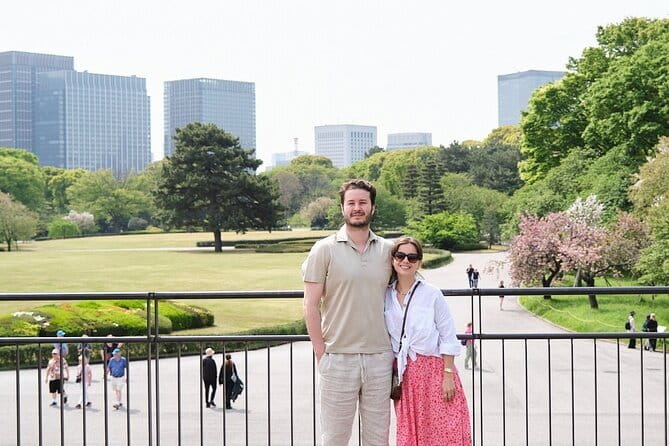
This experience relies heavily on the person leading it. Michelle’s 20 years living in Japan give her a long view of the city, while Elly and Mairi bring their own connections and explanations. The descriptions of their guiding style point to warm conversation, local history, food knowledge, and personal relationships with restaurant owners.
That relationship is not a minor extra. In a small izakaya or tachinomi, an introduction changes how comfortable the visit feels. The guide can help you order, explain what arrives, and keep the group moving without making the stop feel mechanical.
Guides also explain the less visible parts of the day. Why this clam dish belongs to Monzen-Nakacho. How sake relates to religion. Why a particular oyster business buys directly from fishermen. Those details turn a series of tastings into a picture of a neighborhood.
The guide assigned to your date may not be Michelle, Elly, or Mairi, so do not book on the assumption that one particular person will lead your group. The experience information names them as guides, but it does not guarantee a specific assignment.
Who should book Tokyo Time Machine
I would recommend this tour to you if you want:
- A food-focused afternoon away from Tokyo’s best-known tourist districts
- A small group with a maximum of six people
- Help entering tiny Japanese pubs and family-run food shops
- A mix of food, sake, local beer, oysters, BBQ, and tea or coffee
- Cultural explanation alongside eating and drinking
- A guided introduction to Monzen-Nakacho before exploring it alone
I would be cautious if you want a low-cost tasting tour, dislike alcohol, have strict dietary requirements that have not been confirmed, or prefer major sights over neighborhood streets.
The tour is often booked about 93 days ahead, so planning early is sensible if your Tokyo dates are fixed. Free cancellation is available up to 24 hours before the 1 p.m. start for a full refund. Changes or cancellations inside that window are not accepted for a refund.
Should you book it?
Book Tokyo Time Machine if you want food to be your route into Tokyo culture, not just a series of restaurant stops. The strongest parts are the small group, included food and drinks, the Fukagawa Fudodo ceremony, and access to places that can be awkward to approach alone.
At $195, it asks for a real commitment. But the cost includes dinner, tastings, a guide, and several hours of local interpretation. For an adult who values personal introductions and wants Monzen-Nakacho rather than another famous Tokyo district, it is a sensible splurge.
FAQ
Where does the Tokyo Time Machine tour begin?
It begins at Monzen-Nakacho Station, at 2 Chome-4 Monzennakacho, Koto City, Tokyo 135-0048, Japan.
What time does the tour start?
The tour starts at 1 p.m.
Where does the tour end?
The activity ends back at the meeting point.
How long does the experience last?
The tour lasts approximately five to six hours.
What food and drinks are included?
The price includes alcoholic beverages, dinner, snacks, coffee, and tea.
Is transportation included?
Private transportation is not included. The meeting point is near public transportation.
How many people can join the tour?
The maximum group size is six people.
Is there an age requirement?
Yes. You must be at least 18 years old to participate.
New on our Tokyo list
- Tokyo Spectacular View Day-Cruise in 90 Minutes★ 5.0 · 25 reviews
- From Tokyo: Mount Fuji & Hakone Full Day Private Tour★ 4.9 · 25 reviews
- Real Tokyo Runner Club : Daikoku Car Meet Night Tour with JDM Car★ 5.0 · 25 reviews
- 2.5 Hour-Guided Cycle Tour in the Central Tokyo★ 5.0 · 25 reviews
- Ramen Making from Scratch +Akihabara Tour –Cooking Class★ 5.0 · 25 reviews
- [Self-Drive] Tokyo & Daikoku Custom Car Driving Tour★ 4.9 · 25 reviews
- Tokyo: 2-Hour Night Bike Tour of the City’s Hidden Gems★ 4.9 · 25 reviews
- Samurai themed Entertainment show in Shinjuku★ 4.5 · 25 reviews
Yanaka & Old Tokyo Walks, compared.
Yanaka Walking Tour: Historic and Traditional District of Tokyo
Read our review →
Small Town in the Big City: Tasting Tokyo’s Kichijoji
Read our review →
Stroll in Old traditional culture towns~Yanaka & Nezu
Read our review →
Yanaka Historical Walking Tour in Tokyo’s Old Town
Read our review →
Private Home Cooking in Yanaka – Local Flavors in a Warm Setting
Read our review →
Browse the lists this tour appears in