
Reviewed · DINNER EXPERIENCES
Tokyo: Traditional Japanese Performing Arts Show and Dinner
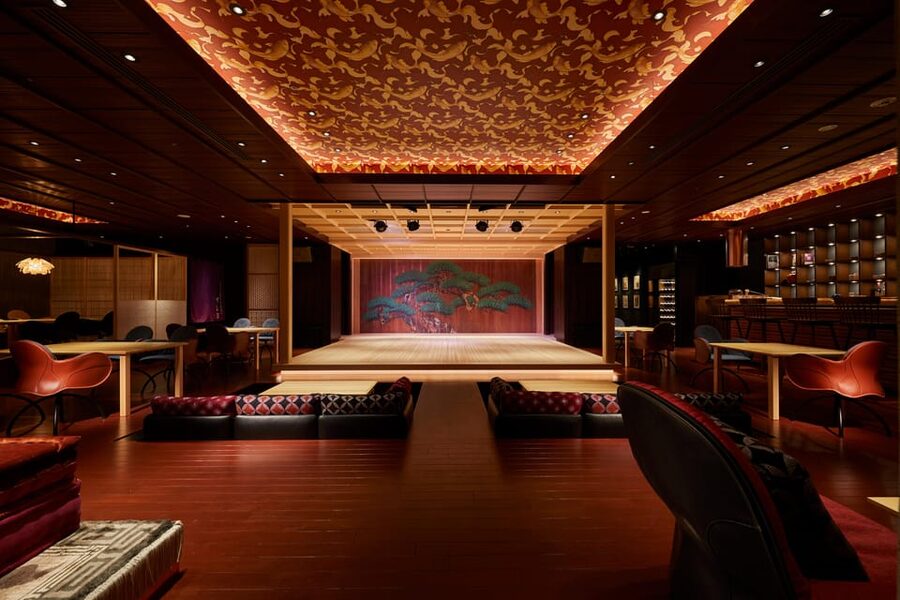
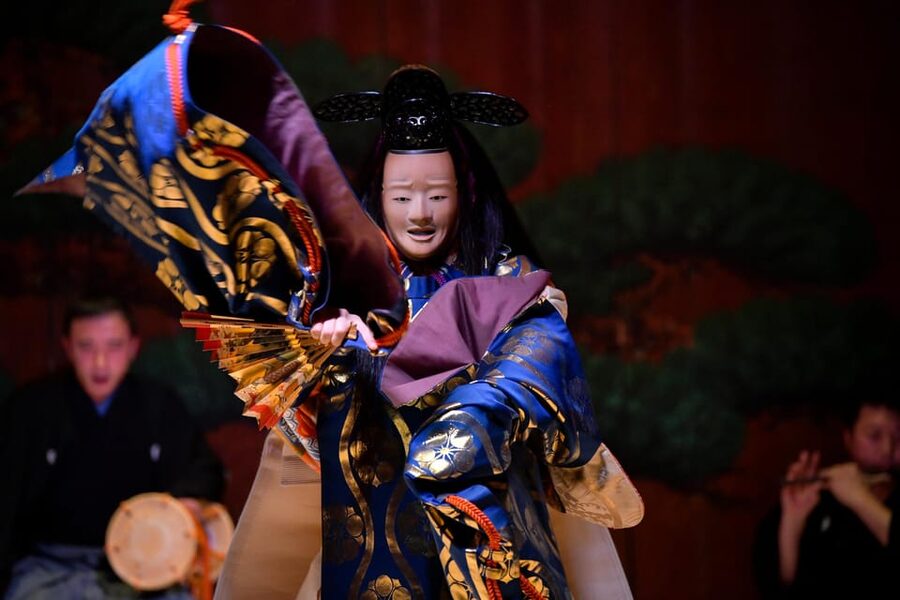
At the foot of historic Fukutoku Shrine, SUIGIAN pairs a carefully served Japanese course dinner with live traditional arts. You eat beneath a Noh-style stage, backed by an old pine tree, while performers present either kagura, ancient Shinto dance and music, or nihon-buyo, traditional Japanese dance.
I like the setting, which feels polished yet rooted in Japanese craft, and I like the calm pace of the meal. The old trays and dishes, inherited from a Nagasaki restaurant and more than 350 years old, give dinner a real sense of place. The main consideration is that the performances are short: three segments of about 10 minutes each, so the dinner is the larger part of the evening.
In This Review
- Key points
- Dinner and theater beneath Fukutoku Shrine
- Choosing between kagura and nihon-buyo
- A Noh-style stage viewed from four seating choices
- The seasonal omakase meal
- How the service shapes the evening
- Finding SUIGIAN in Nihonbashi
- Price, timing, and who gets the best value
- The main strengths and limitations
- Should you book the SUIGIAN dinner show?
- FAQ
- Where is the traditional arts dinner held?
- How do I reach SUIGIAN by subway?
- How far is SUIGIAN from Tokyo Station?
- How long does the dinner show last?
- What type of performance will I see?
- How many performances are included?
- What food is included?
- Are drinks included with the meal?
- Can dietary requirements be accommodated?
- Is the experience suitable for children?
Key points
- Three short live performances: The program is either kagura or nihon-buyo, depending on the date.
- Seasonal omakase dinner: The chef chooses the menu, with fresh ingredients, bonito broth, Japanese beef, rice, dessert, matcha, and dry sweets.
- Four seat options: Your selected seating category determines your place near the Noh-style stage.
- English explanations: Staff explain the food and performance elements, helping you follow the evening without Japanese-language skills.
- Fukutoku Shrine setting: SUIGIAN sits below the greenery and sculptures of Fukutoku Garden in central Nihonbashi.
- A slow, special-occasion meal: Plan on 2 to 3 hours, not a quick dinner before another booking.
Dinner and theater beneath Fukutoku Shrine
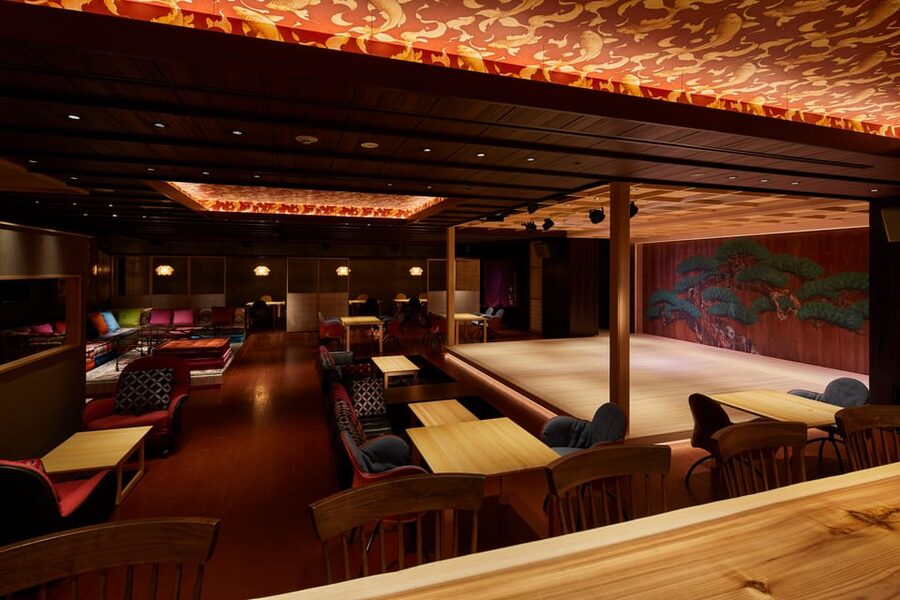
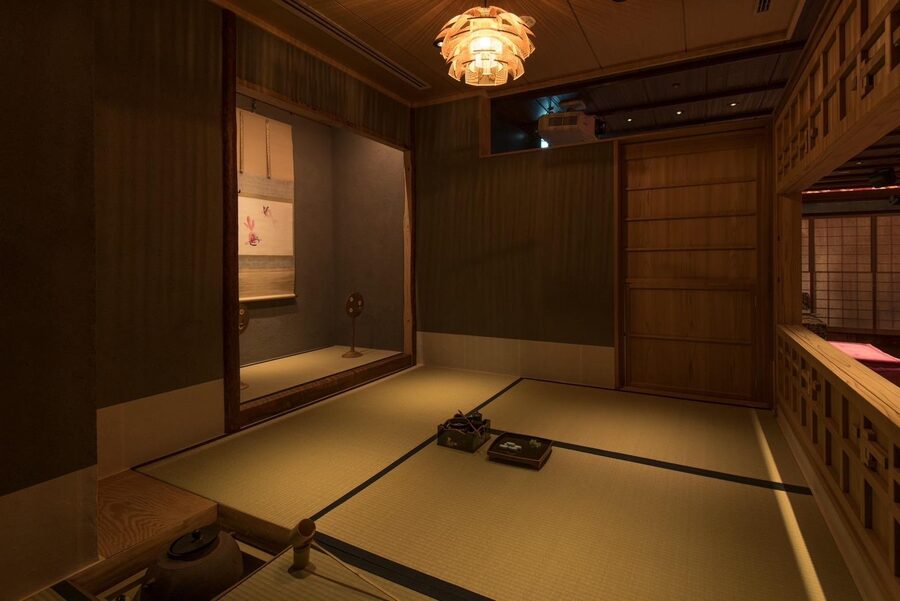
SUIGIAN is in Nihonbashi, one of Tokyo’s central districts, but its entrance is easy to miss. The restaurant and lounge are below Fukutoku Shrine and Fukutoku Garden, beneath the street-level city scene. You descend toward a room designed to feel more like a traditional theater than an ordinary restaurant.
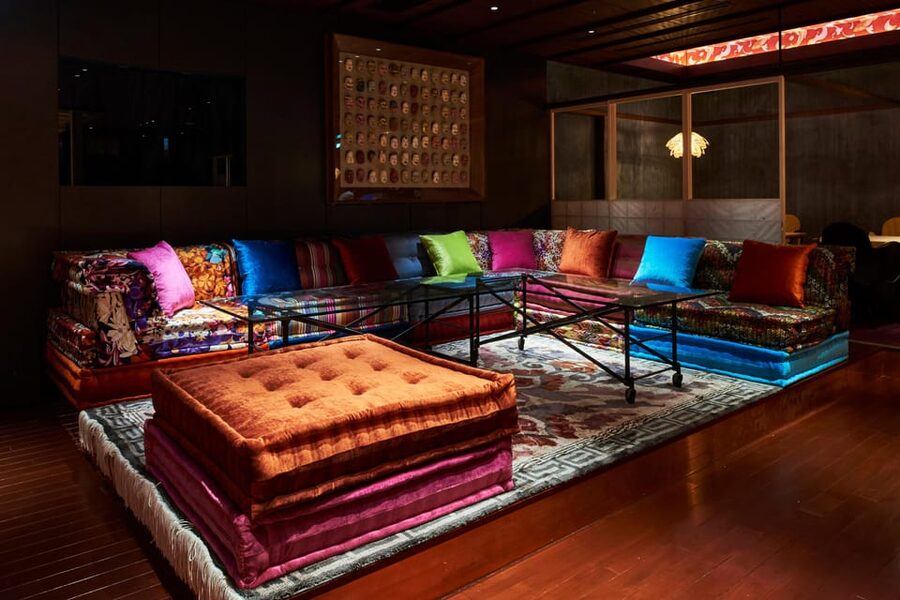
Inside, the decor does much of the cultural work before the performers even appear. Japanese artwork, carefully chosen furnishings, heritage tableware, and the old pine backdrop create a formal setting without making the evening feel stiff. The room combines traditional details with a clean, modern finish.
I find this combination useful for first-time visitors who want more context than a meal alone can offer. You are not simply eating Japanese food in a decorated restaurant. The stage, dishes, music, clothing, and service all point toward different parts of Japanese cultural life.
The evening usually lasts between two and three hours. That time includes the full-course dinner and three performance sections, each lasting about 10 minutes according to the scheduled program. The entertainment is placed between courses, so you can watch without rushing through the meal.
A few more Tokyo bookings worth comparing
- Tokyo Bar Hopping Tour in Shinjuku (All-You-Can-Drink + Dinner)
★ 5.0 · 3,587 reviews - Tokyo: Sumo Show and Dining Experience
★ 4.8 · 2,742 reviews - Sumida River: Japanese Traditional Yakatabune Dinner Cruise
★ 4.6 · 779 reviews
Choosing between kagura and nihon-buyo
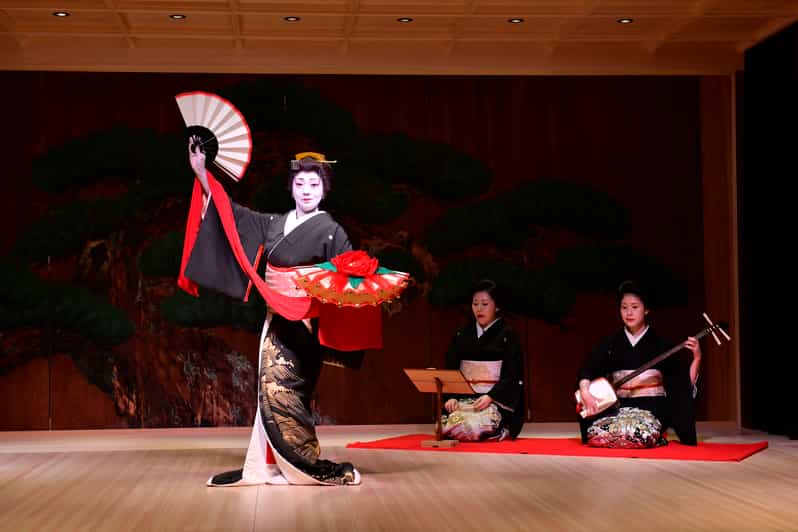
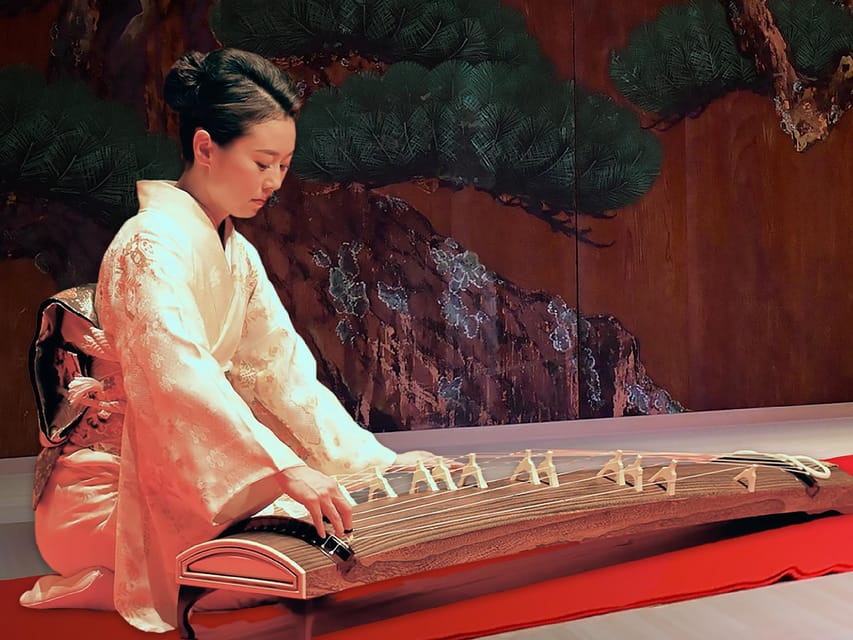
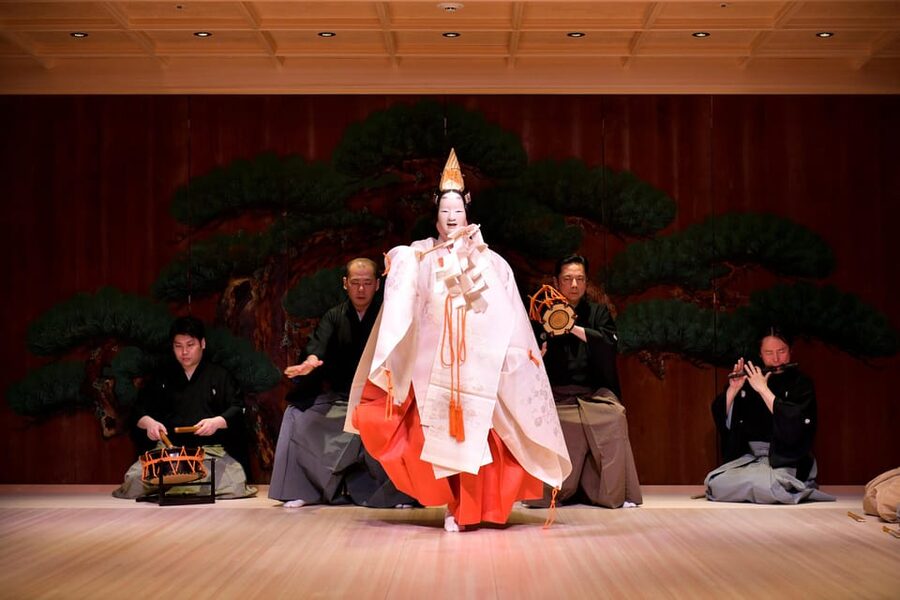
The performance depends on the date you select. On the listed February 5, 10, 17, and 25 dates, along with March 10, 17, and 24, the program is regular kagura. On other February and March dates, the scheduled art is nihon-buyo.
Kagura refers to ancient Shinto music and dance. Its connection to shrine tradition makes it a fitting choice for a performance held beneath Fukutoku Shrine. If you want an evening tied closely to religious ceremony and old Japanese folklore, check the date for kagura.
Nihon-buyo is traditional Japanese dance. It tends to place more emphasis on controlled movement, gesture, costume, and storytelling through the body. You do not need to understand every word or musical phrase to follow the mood and broad action.
The format is concise. Three short performances give you several glimpses of the art rather than one long theatrical production. That is helpful if you are new to traditional Japanese performance, since the evening offers variety without asking you to sit through a full-length show in an unfamiliar style.
It can also leave you wanting more. If you are booking mainly for live entertainment, remember that the food and hospitality take up much of the evening. The show is a carefully timed part of dinner, not the whole event.
Some performances include a dancer alongside shamisen and vocal music. Certain dates may also feature performers described as geisha in the program or evening experience. The exact content and price can change by day, so check the chosen date before you book.
A Noh-style stage viewed from four seating choices
The stage is arranged in Noh style, with an old pine tree painted on the backdrop. That simple image is important: it gives the room a strong visual focus and connects the performance to one of Japan’s best-known theater traditions.
You can choose from four available seat options. The exact names and layouts are not provided, but your seat assignment follows the category selected at booking. The best reason to pay attention here is sightline. One person specifically valued being close enough to see the performance clearly, and the room is designed for an intimate view rather than a distant auditorium experience.
For a special occasion, I would compare the seating options carefully before paying. A closer category may matter more to you than a small difference in menu or service, since the performers use controlled gestures and detailed movements that are easier to appreciate from near the stage.
The performance is not presented as a large-scale spectacle. Its appeal is the direct view of traditional arts in a small restaurant setting. You can watch the dancer, musician, or vocalist at close range, then return to your meal without changing venues.
English explanations are available for the food and performance. This is a practical advantage, especially when the music, costumes, and movements do not come with an obvious plot. The explanations help connect what you see with Japanese customs and artistic forms.
The seasonal omakase meal
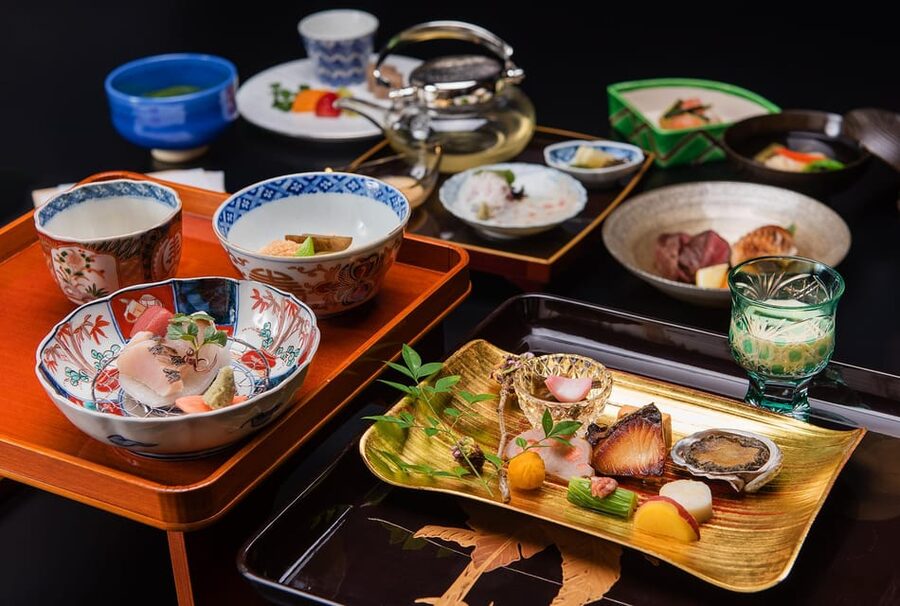
Dinner is a full-course Japanese meal, with the menu left to the chef. This is known as omakase, so the selection changes with the season and the ingredients available that day.
A typical course may include:
- An appetizer
- A first seasonal platter
- Soup made with bonito broth
- A later seasonal platter
- A grilled Japanese beef dish
- Rice
- Dessert
- Matcha green tea and dry sweets
Do not treat this as a standard Western-style dinner with a main course and side dishes. The meal arrives in stages, and each plate is part of a larger sequence. Seasonal ingredients and presentation matter as much as sheer quantity.
The pace is deliberately slow. Staff serve the courses with care, and performances appear between parts of the meal. I would allow the entire three-hour window rather than planning a tight connection afterward. This is a good format after a long day of sightseeing, when you want to sit down and let the evening unfold.
The meal can be adventurous. Seafood appears frequently, and the course may include several seafood servings, fish soup, and tea or dessert flavors that are unfamiliar to some Western palates. If you prefer simple food or avoid seafood, this may not be the right dinner.
The food is served on trays and dishes with a reported history of more than 350 years in Nagasaki. That does not turn the meal into a museum visit, but it gives the tableware unusual importance. You are eating from objects connected to a long Japanese dining tradition, not disposable restaurant plates.
Several diners praised the artful plating and the quality of the food, comparing it favorably with expensive kaiseki meals elsewhere in Japan. That is subjective, of course, but it points to the experience’s central strength: the dinner is not an afterthought added to a show.
Same corner of Tokyo, a completely different plan:
- Mt Fuji and Hakone 1-Day Bus Tour Return by Bullet Train
★ 5.0 · 26,383 reviews - 1-Day Tokyo Bus Tour
★ 5.0 · 14,250 reviews - Tokyo: TOKYO SKYTREE® Admission ticket
★ 4.5 · 11,192 reviews - Tokyo: teamLab Planets TOKYO Digital Art Museum Entry Ticket
★ 4.6 · 9,779 reviews
How the service shapes the evening
Service here is formal, attentive, and gentle. Staff explain dishes, answer questions, and help keep the meal moving at a relaxed pace. English-language assistance is available, which makes a major difference when the menu includes ingredients or techniques you may not recognize.
The tone is closer to being carefully hosted than quickly served. If you are hungry and want dinner finished in 45 minutes, you will find the rhythm frustrating. If you enjoy being looked after and want a quiet meal with cultural detail, the pace works in your favor.
Staff have also helped with practical needs after dinner, including calling a taxi and waiting until it arrived. That level of care is useful in Tokyo, especially if you are tired or unsure of the best way back to your hotel.
A commemorative photo with the performers is included as part of the experience. The timing and format may vary, but it gives you a simple way to mark the evening without turning the event into a photo session.
Finding SUIGIAN in Nihonbashi
The official address is Fukutoku Garden B1F, 2-5-10 Nihonbashi Muromachi, Chuo-ku, Tokyo. By train, take the Tokyo Metro Ginza or Hanzomon Line to Mitsukoshi-mae Station and use Exit A6. From there, the walk is about one minute.
You can also reach the venue in about six minutes from JR Shin-Nihombashi Station on the Sobu Line Rapid. Tokyo Station is about a 10-minute walk from the Nihombashi exit, or roughly six minutes by taxi, with an estimated fare of ¥600.
The directions deserve attention. The restaurant is under Fukutoku Garden, but the entrance can be confusing because it is connected with the Coredo Muromachi 2 basement level. Look for the corner entrance to the park and the SUIGIAN restaurant rather than expecting a large street-front theater sign.
If you arrive by car, the venue is about six minutes from the Kyobashi exit of the Inner Circular Route. Public transport is simpler for most people, since the restaurant is close to several rail and subway stations.
Price, timing, and who gets the best value
The listed price is $140 per group up to one person. Because the wording presents the rate as a group price, check the final booking total carefully if you are booking for more than one person or comparing dates. The performance content and price can vary by day.
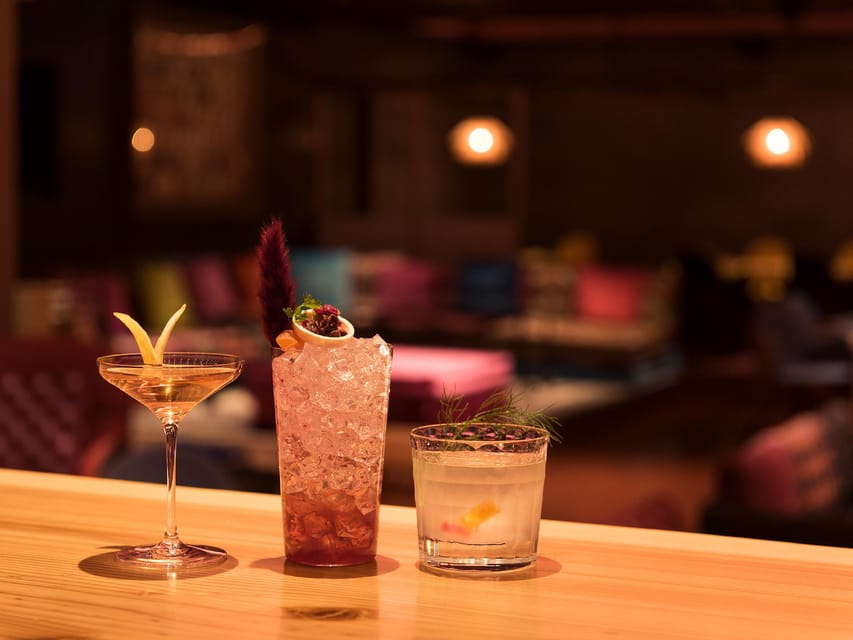
At first glance, this is a costly dinner. You are paying for a seasonal course meal, a central Tokyo venue, attentive service, traditional performances, selected seating, and the setting itself. Drinks beyond water are not included, so budget separately if you want something else with dinner.
I think the price makes the most sense for a birthday, anniversary, date, or final evening in Tokyo. It is less convincing if you are mainly seeking a cheap introduction to Japanese dance or a quick meal. You can find less expensive food and cultural performances separately, but this combines them in one carefully managed evening.
The experience is aimed at adults and is not suitable for children under 10. It is wheelchair accessible, though the venue’s below-ground setting means you should confirm the practical arrangements when booking if a member of your party has specific mobility needs.
Food restrictions must be shared in advance. The chef chooses the seasonal menu, and the restaurant may not be able to handle allergies, vegetarian requirements, gluten-free needs, or other restrictions after you arrive. One group received successful help with a gluten-free request, but you should not rely on a last-minute adjustment.
The main strengths and limitations
The strongest point is the balance between cultural presentation and comfort. You get traditional music and dance, but you also get a polished room, a long meal, English explanations, and attentive staff.
The food receives especially strong praise for presentation and quality. Still, seafood is a recurring part of the meal, and the menu is not designed around personal choice. Omakase is part of the point, but it also means you need an adventurous palate.
The show is beautiful and close, yet brief. Three 10-minute sections provide a clear sample of the arts. If you expect an all-evening theater production, the program may feel lighter than anticipated.
The location is excellent for a central Tokyo evening, but the entrance is not obvious. Give yourself extra time, especially if you are arriving directly from Tokyo Station or meeting your party at the venue.
Should you book the SUIGIAN dinner show?
Book this experience if you want one refined evening that joins Japanese food, traditional performance, historic tableware, and careful hospitality. It is particularly well suited to adults celebrating something, couples looking for a memorable date, and first-time visitors who want cultural explanation along with the meal.
I would skip it if your priority is low cost, a fast dinner, a child-friendly activity, or a long theatrical performance. I would also think twice if you dislike seafood or need extensive dietary changes that were not arranged ahead of time.
For the best match, check whether your chosen date features kagura or nihon-buyo, select the seat category that fits your budget, and allow the full two to three hours. With those expectations in place, SUIGIAN offers a polished and unusually personal way to spend an evening in central Tokyo.
FAQ
Where is the traditional arts dinner held?
It is held at Theater Style Restaurant & Lounge SUIGIAN in Fukutoku Garden B1F, 2-5-10 Nihonbashi Muromachi, Chuo-ku, Tokyo.
How do I reach SUIGIAN by subway?
Take the Tokyo Metro Ginza or Hanzomon Line to Mitsukoshi-mae Station. Use Exit A6, then walk about one minute to the venue.
How far is SUIGIAN from Tokyo Station?
The venue is about a 10-minute walk from Tokyo Station’s Nihombashiguch Exit. By taxi, it takes about six minutes, with an estimated fare of ¥600.
How long does the dinner show last?
Plan on approximately two to three hours, depending on the day’s program and meal service.
What type of performance will I see?
The program is either kagura, ancient Shinto music and dance, or nihon-buyo, traditional Japanese dance. The scheduled art depends on the date.
How many performances are included?
The program includes three performances. Each is approximately 10 minutes long.
What food is included?
A Japanese full-course dinner is included. It usually features seasonal appetizers and platters, soup, a grilled Japanese beef dish, rice, dessert, matcha green tea, and dry sweets.
Are drinks included with the meal?
The included meal does not cover drinks other than water.
Can dietary requirements be accommodated?
You must inform the restaurant about allergies, vegetarianism, gluten-free needs, or other restrictions when you reserve. Requests made after arrival may not be possible to accommodate.
Is the experience suitable for children?
The experience is not suitable for children under 10 years old.
More Show in Tokyo
- Mt Fuji & Hakone Cruise, Drum Show Bullet Train 1 Day from Tokyo
★ 4.0 · 7,413 reviews - Tokyo: Sumo Show Experience with Chicken Hot Pot and a Photo
★ 4.8 · 6,678 reviews - the SUMO show
★ 5.0 · 1,960 reviews - Tokyo Shinjuku Sumo Show & Experience with Photo
★ 5.0 · 1,750 reviews
New on our Tokyo list
- From Tokyo: Mount Fuji & Hakone Full Day Private Tour★ 4.9 · 25 reviews
- Tokyo Spectacular View Day-Cruise in 90 Minutes★ 5.0 · 25 reviews
- Real Tokyo Runner Club : Daikoku Car Meet Night Tour with JDM Car★ 5.0 · 25 reviews
- 2.5 Hour-Guided Cycle Tour in the Central Tokyo★ 5.0 · 25 reviews
- Ramen Making from Scratch +Akihabara Tour –Cooking Class★ 5.0 · 25 reviews
- [Self-Drive] Tokyo & Daikoku Custom Car Driving Tour★ 4.9 · 25 reviews
- Tokyo: 2-Hour Night Bike Tour of the City’s Hidden Gems★ 4.9 · 25 reviews
- Buddha, Bamboo & Zen – Bespoke Kamakura Private Walking Tours★ 5.0 · 25 reviews
Dinner Experiences, compared.

Tokyo Bar Hopping Tour in Shinjuku (All-You-Can-Drink + Dinner)
Read our review →
Sumida River: Japanese Traditional Yakatabune Dinner Cruise
Read our review →
Tokyo Bay Yakatabune Dinner/Day Cruise with Japan Show and Drinks
Read our review →
Shinjuku Bar Hopping with All-You-Can-Drink & Dinner
Read our review →
Tokyo Dinner Cruise & Tradition Show & Drinks & Tokyo Tower
Read our review →
Tokyo Bay: Traditional Japanese Yakatabune Dinner Cruise
Read our review →
Authentic Geisha Performance with Dinner in Tokyo
Read our review →Browse the lists this tour appears in