
Reviewed · TSUKIJI & TOYOSU MARKET TOURS
Tokyo Tsukiji Food & Culture 4hr Private Tour with Licensed Guide
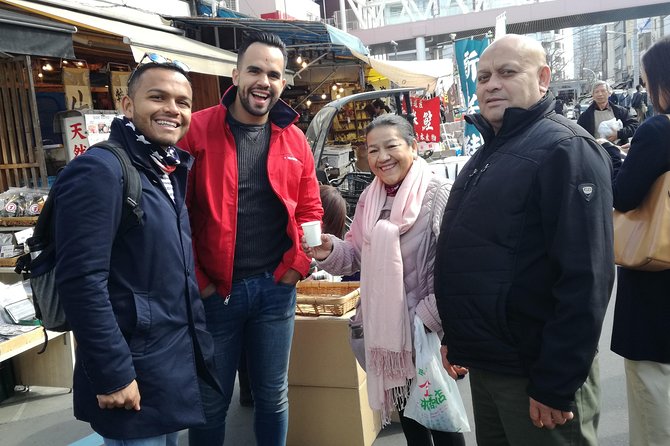
Tokyo Tsukiji Food & Culture 4hr Private Tour is really two experiences in one: a guided food hunt through the old Tsukiji district, plus a flexible look at Tokyo’s temple streets, markets, and kitchenware shops. I like the private format, which lets you set the pace, and I like having a licensed local guide who can explain unfamiliar foods and help you navigate the city’s trains. The chance to try several small bites at Tsukiji, sometimes 13 stalls with a guide such as Toru Higaki, is a fine reason to book.
The catch is time. Four hours is enough for two or three sites, not the entire eight-stop wish list. Too much train travel can eat the morning, and an 8:00 start may miss the auction and much of the market activity, so you need to agree on a tight plan before setting out.
In This Review
- Key points to know before booking
- What this four-hour tour really offers
- Tsukiji Outer Market: Tokyo’s best food stop
- Toyosu Market: useful context, tricky timing
- Asakusa, Senso-ji, and Nakamise Street
- Ameyoko and Ueno shopping
- Kappabashi: the kitchenware district
- Tsukishima and monjayaki
- Yanaka Ginza and old Tokyo atmosphere
- What the guides add to the experience
- Time, transport, and the real cost
- Who should book this private Tokyo tour
- Final call: book it for guidance, not for a checklist
- FAQ
- How long does the Tokyo Tsukiji Food & Culture tour last?
- Is the tour private?
- How many locations can I visit?
- Is hotel pickup included?
- Are train fares included?
- Is food included?
- Is Toyosu Market open every day?
- Can I see the fish auction?
- What is the cancellation policy?
Key points to know before booking
- Tsukiji is the food heart of the tour: Sample sushi, seafood, wagyu, tamagoyaki, crab, beef bowls, and other market treats, with food costs paid separately.
- You choose two or three stops: The listed locations are options, not a promise that all eight will fit into four hours.
- Toyosu has limited operating days: It is closed Wednesdays, Sundays, and occasionally on irregular closure days, with some Tsukiji shops also affected.
- Your guide can make Tokyo easier: Guides such as Hiromi, Shuji, Masa, and Koba have helped visitors use trains, understand food customs, and find suitable shops.
- The tour is on foot and by public transit: Hotel pickup is a walking meetup, and train fares are not included.
- The $109.01 per-person price buys flexibility: It can be good value for a small group that wants personal help, but meals, admission fees, and transport add to the bill.
What this four-hour tour really offers
This is not a fixed bus circuit. You meet your licensed English-speaking guide on foot within the designated Tokyo pickup area, then choose a practical route from the available neighborhoods.
The experience can focus heavily on food, with Tsukiji and Toyosu as the main anchors. It can also become a broader Tokyo introduction that pairs a market with Senso-ji, Yanaka Ginza, Kappabashi, or another nearby cultural stop.
That choice matters. Tokyo’s districts are spread out, and each train transfer costs time. A well-planned pair such as Tsukiji and Asakusa gives you food, temple culture, shopping, and plenty of conversation without turning the tour into a race.
You should discuss your priorities before the guide arrives. If you want sushi and seafood, say so. If you care more about temples, traditional streets, or cooking tools, make that clear. The strongest part of the experience is the guide’s ability to shape the day around you, but that only works when the route is realistic.
More market mornings in Tokyo:
- Tokyo Tsukiji Fish Market Food and Culture Walking Tour
★ 5.0 · 3,184 reviews - Tokyo: Tsukiji Fish Market Food and Walking tour
★ 5.0 · 1,724 reviews - Tokyo: Tsukiji Fish Market Guided Walking Tour
★ 4.9 · 1,397 reviews
Tsukiji Outer Market: Tokyo’s best food stop
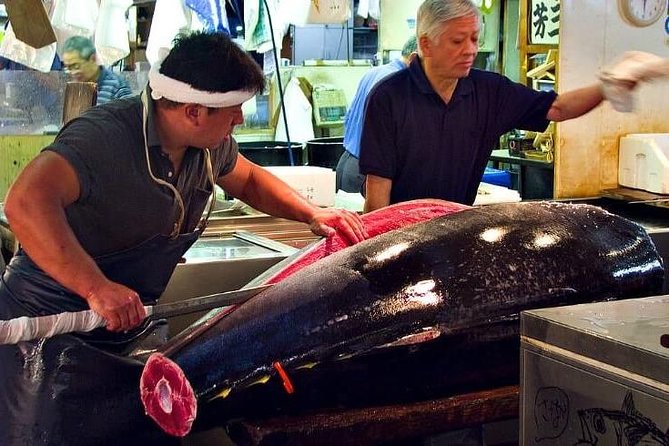
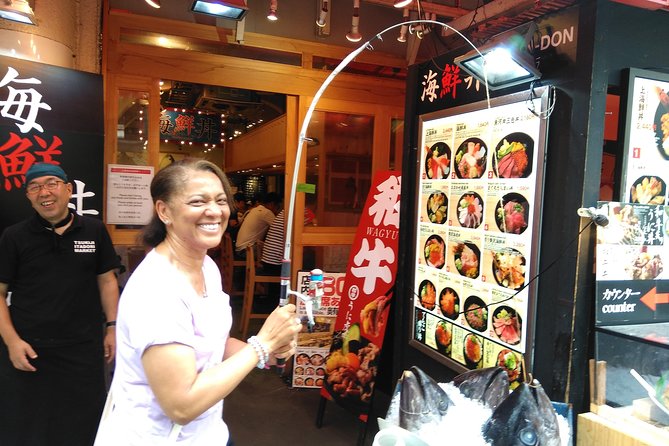
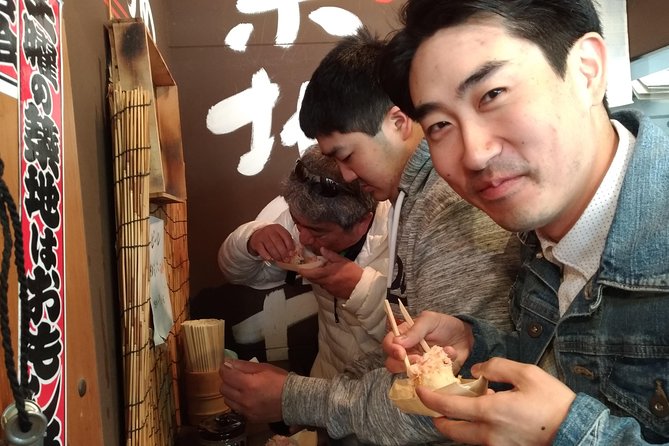
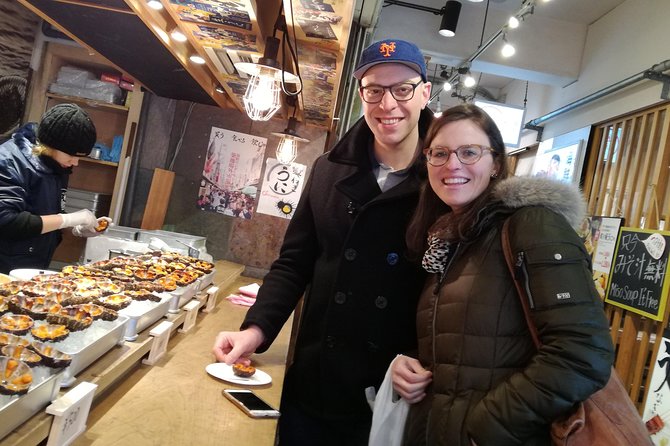
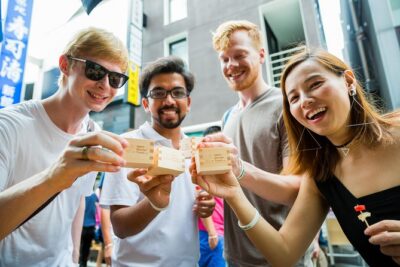
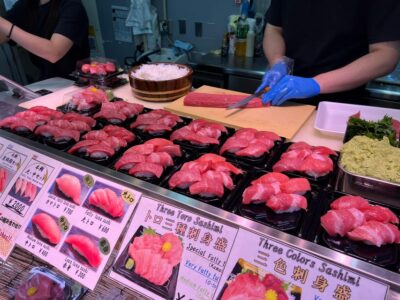
Tsukiji is the old fish-market district, and its outer market remains one of the most rewarding places in Tokyo for small food purchases. The market is not only about raw fish. You might find sushi, sea urchin, wagyu beef, beef bowls, egg rolls, crab, oysters, and other foods prepared for immediate eating.
I like this stop because a guide can make an unfamiliar market less confusing. Maki, for example, helped identify foods, explain how they are used, and point out which samples were worth trying. A guide can also help you understand local eating manners and choose portions when every stall looks tempting.
The best approach is to graze rather than plan a full lunch at one restaurant. One small bite here, another there, gives you a better sense of the market. Food is not included, so bring room in your budget and appetite. You may want to ask the guide how many items you should try before the tour begins.
The market can be crowded, and the tour involves walking and standing. It is also important to understand that the old wholesale market moved to Toyosu. Tsukiji now functions mainly as an outer-market food and shopping area, not the full wholesale operation many people remember from older Tokyo photographs.
Toyosu Market: useful context, tricky timing
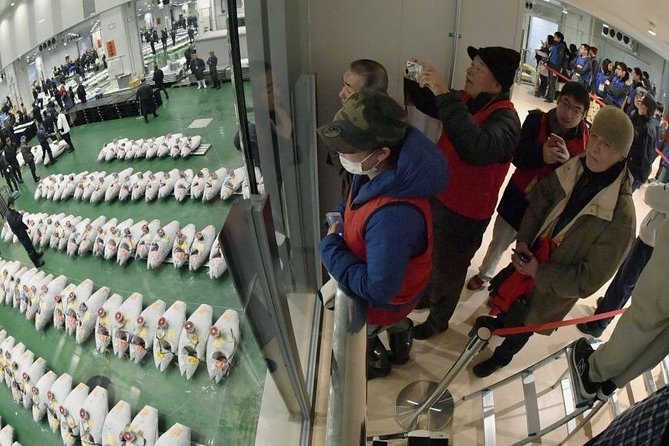
Toyosu Market is Tokyo’s newer wholesale fish market. The stop is listed for about 30 minutes, and admission is not included.
Toyosu can be a good choice if you want to understand how Tokyo’s modern fish trade works. It is also the place to consider if seeing the wholesale market matters more to you than browsing Tsukiji’s food stalls.
Timing is the main concern. One poor experience came from an 8:00 start, after the auction had finished and many shops were closed. The guide was not blamed for that problem, but the lesson is plain: ask exactly what will be open at your chosen start time. If the tuna auction is your main goal, do not assume this four-hour tour automatically provides it.
Toyosu is closed Wednesdays and Sundays, with occasional irregular closures. Since many Tsukiji shops also close when Toyosu is closed, check the operating day before you book. A closed market can weaken the food side of the tour considerably.
Asakusa, Senso-ji, and Nakamise Street
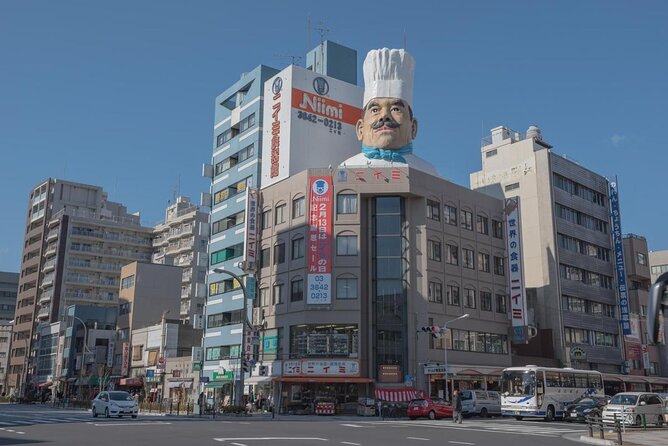
Pairing Tsukiji with Asakusa gives the day a useful change of rhythm. Senso-ji is one of Tokyo’s best-known Buddhist temples, with roughly 1,300 years of history and the large red lantern at Kaminarimon Gate.
The temple itself is free to enter, and the approach through Nakamise Shopping Street is part of the appeal. This 250-meter street is lined with stalls selling traditional souvenirs, snacks, and small gifts. It is touristy, but it remains a practical place to see how temple approaches work in Japan and to pick up easy-to-carry mementos.
Sally received praise for arranging an Asakusa visit around a visitor’s interests and explaining the temple clearly. Kay was also able to make a Tsukiji and Asakusa route friendly and informative. The point is not that every guide will follow the same script. The point is that a good guide can turn a famous site into a more understandable visit.
Allow enough time for Senso-ji. A rushed 20-minute photo stop will not give you much beyond the gate and lantern. If the temple matters to you, make it one of your two or three chosen stops rather than adding it as an afterthought.
A few more Tokyo bookings worth comparing
- Mt Fuji and Hakone 1-Day Bus Tour Return by Bullet Train
★ 5.0 · 26,383 reviews - 1-Day Tokyo Bus Tour
★ 5.0 · 14,250 reviews - Tokyo: TOKYO SKYTREE® Admission ticket
★ 4.5 · 11,192 reviews - Tokyo: teamLab Planets TOKYO Digital Art Museum Entry Ticket
★ 4.6 · 9,779 reviews
Ameyoko and Ueno shopping
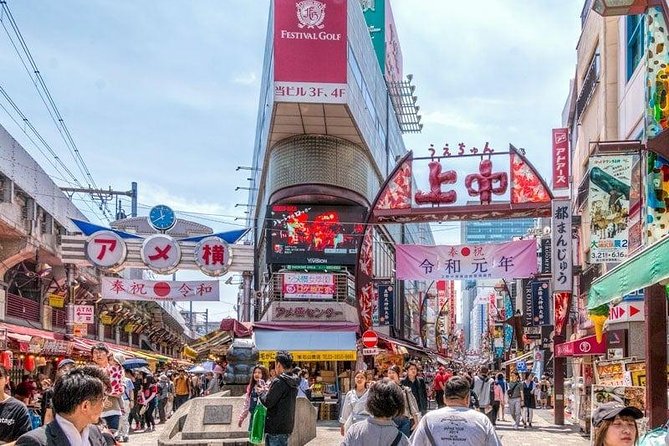
Ameyoko Shopping Street near Ueno is a practical stop for browsing food, everyday goods, and souvenirs. The area is known for deals and a broad selection, making it more useful for shopping than for formal sightseeing.
This is a good choice if you want to buy edible gifts or compare Japanese products with the help of a local guide. It can also work well for families and mixed-age groups because the focus is casual browsing rather than a long historical explanation.
The drawback is distance. Combining Ameyoko with Tsukiji, Asakusa, and Toyosu may require several train rides. In four hours, each transfer reduces time for eating and exploring. Choose Ameyoko when shopping is a top priority, not simply because it appears on the possible route.
Kappabashi: the kitchenware district
Kappabashi Street is a long shopping area between Ueno and Asakusa, packed with stores selling supplies for restaurant operators. You might find knives, dishes, cookware, utensils, and other kitchen goods.
This is one of the tour’s more distinctive options. Many visitors see the finished food in Tsukiji, but Kappabashi shows the tools and presentation behind Japanese cooking. It is especially suitable if you cook, collect tableware, or want a souvenir that is more useful than a standard magnet.
Remember that purchases are personal expenses. Ask about luggage space and transport before buying anything large or fragile. The street is also a better fit for a focused half-day route with Asakusa than for a rushed market-hopping plan.
Tsukishima and monjayaki
Tsukishima is associated with monjayaki, a runny griddled dish made from a thin batter with flour and dashi. Its appearance can be messy, but the dish is a local specialty worth considering if you want something beyond sushi.
This stop works best for an adventurous eater who wants a sit-down food experience. Admission is not charged, but the meal is not included. Since the tour lasts only four hours, confirm whether the planned visit includes time to eat or only a look at Monja Street.
I would not choose Tsukishima alongside every other food district. Tsukiji already offers plenty of sampling, so combining the two makes sense only if monjayaki is a specific goal.
Yanaka Ginza and old Tokyo atmosphere
Yanaka Ginza Shopping Street offers a quieter side of Tokyo, with an old-town Shitamachi feel. It is a useful contrast to the market districts and the large temple approach in Asakusa.
You can browse small shops, snacks, and everyday goods while seeing a neighborhood that feels less focused on major attractions. Koba helped one couple enjoy shopping for daily-use items here, showing how this stop can work when you want practical souvenirs and local atmosphere.
Yanaka is not the best match for a seafood-centered morning. It is better paired with a visitor who has already seen the major sights and wants a slower, more residential-feeling stretch of Tokyo.
What the guides add to the experience
The guide is the reason to choose this tour instead of simply visiting Tsukiji alone. Several guides have helped with more than directions. Hiromi taught visitors how to use the metro and made food sampling at Tsukiji easy. Masa explained the fish auction system and guided a route through both fish-market areas.
Shuji helped a family with teenagers build a custom day that included Tsukiji, a shrine, and Shibuya Crossing. Hideki combined market explanations with history and practical Tokyo advice. Koji adjusted a plan to include both fish markets and a temple.
You should not expect every guide to deliver the same itinerary or personality. The provider assigns different guides, including Nori, Michie, Maki, Kay, Yumiko, and others. That variety is normal for an agency-based private tour, so the smartest move is to communicate your interests early and ask the guide to confirm the route.
The guides can also help with small matters that make a big difference in Tokyo: choosing a food stall, reading the situation at a market, finding a train connection, or explaining customs. Koba even carried practical supplies such as wet wipes, chopsticks, and maps. Those details are especially helpful when you are eating while walking or managing a family group.
Time, transport, and the real cost
The advertised price is $109.01 per person. For a private four-hour tour, that can be fair value if you are traveling as a small group and want personal help with food choices and navigation.
The price does not cover train fares, entrance fees, lunch, market food, or other personal spending. There is no private vehicle. Hotel pickup means meeting the guide on foot within the designated area, then walking and using public transit.
That cost structure favors visitors who value guidance more than a packaged meal. If you simply want to wander Tsukiji and buy a few snacks, visiting on your own will cost less. If you want to taste many unfamiliar foods, understand what you are buying, and connect several Tokyo districts without sorting out every train route yourself, the guide may justify the fee.
Group discounts are available, but multiple tour groups cannot be combined. The activity is private, so only your party participates. Most people can take part, and service animals are allowed, but you should be comfortable walking for much of the four hours.
Who should book this private Tokyo tour
I would recommend it to first-time Tokyo visitors who want a friendly introduction to food culture without joining a large group. It also suits families, couples, and small groups with different priorities, since the route can include eating, shopping, temples, and transit practice.
Food-focused visitors should request Tsukiji early and ask for a realistic tasting plan. People interested in the auction need to discuss start time and Toyosu’s operating calendar before booking. Shoppers should consider Kappabashi or Ameyoko, while visitors looking for old Tokyo atmosphere should choose Yanaka Ginza.
I would be cautious if you expect to visit all eight listed locations. Four hours cannot comfortably cover Toyosu, Tsukiji, Ameyoko, Senso-ji, Nakamise, Kappabashi, Tsukishima, and Yanaka. The provider itself describes the practical limit as two or three sites, and you should treat that as the firm rule.
There was also one serious service failure in which a guide did not arrive and communication was poor. The provider stated that the guide had an accident and that a refund was processed, but this remains a reminder to keep your phone available on the morning of the tour and know how to contact the agency. It was an isolated problem among otherwise strong guide experiences, but it is fair to include in your decision.
Final call: book it for guidance, not for a checklist
Book this tour if you want Tokyo explained as you eat it. The strongest plan is simple: choose Tsukiji plus Asakusa for a first visit, Tsukiji plus Kappabashi for a food-and-cooking day, or Tsukiji plus Yanaka for food followed by old-town streets.
Do not book it expecting a full market tour, auction viewing, and six more neighborhoods in one morning. Confirm the guide, start time, Toyosu closure schedule, and two or three-stop plan before you go. With those expectations in place, the private format and local food help make the $109.01 price a sensible choice for visitors who want confidence, context, and a more personal first taste of Tokyo.
Free cancellation is available up to 24 hours before the start time. Changes or cancellations made within 24 hours are not accepted for a refund.
FAQ
How long does the Tokyo Tsukiji Food & Culture tour last?
The tour lasts approximately four hours.
Is the tour private?
Yes. Only your group participates, and multiple tour groups cannot be combined.
How many locations can I visit?
The practical plan includes two or three sites chosen from the available locations. The tour does not promise visits to all eight stops.
Is hotel pickup included?
A walking meetup is included within the designated area of Tokyo. There is no private vehicle pickup.
Are train fares included?
No. Transportation fees are not included in the tour price.
Is food included?
No. Lunch, market food, and other personal expenses are paid separately.
Is Toyosu Market open every day?
No. Toyosu Market is closed Wednesdays, Sundays, and occasionally on other irregular closure days. Some Tsukiji shops may also close when Toyosu is closed.
Can I see the fish auction?
The tour information does not guarantee auction viewing. An 8:00 start may be too late because the auction can already be over, so confirm timing with the provider before booking.
What is the cancellation policy?
You can cancel at least 24 hours before the start time for a full refund. Cancellations or changes made less than 24 hours before the start time are not refunded or accepted.
New on our Tokyo list
- From Tokyo: Mount Fuji & Hakone Full Day Private Tour★ 4.9 · 25 reviews
- Tokyo Spectacular View Day-Cruise in 90 Minutes★ 5.0 · 25 reviews
- Real Tokyo Runner Club : Daikoku Car Meet Night Tour with JDM Car★ 5.0 · 25 reviews
- 2.5 Hour-Guided Cycle Tour in the Central Tokyo★ 5.0 · 25 reviews
- Ramen Making from Scratch +Akihabara Tour –Cooking Class★ 5.0 · 25 reviews
- [Self-Drive] Tokyo & Daikoku Custom Car Driving Tour★ 4.9 · 25 reviews
- Tokyo: 2-Hour Night Bike Tour of the City’s Hidden Gems★ 4.9 · 25 reviews
- Buddha, Bamboo & Zen – Bespoke Kamakura Private Walking Tours★ 5.0 · 25 reviews
Tsukiji & Toyosu Market Tours, compared.
Tokyo Tsukiji Fish Market Food and Culture Walking Tour
Read our review →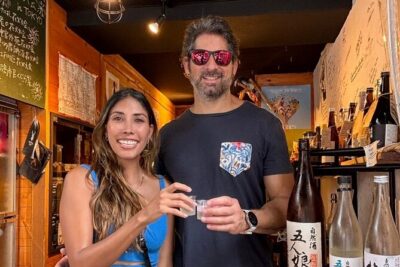
Tokyo Sushi Making Class in Tsukiji with Professional Chef
Read our review →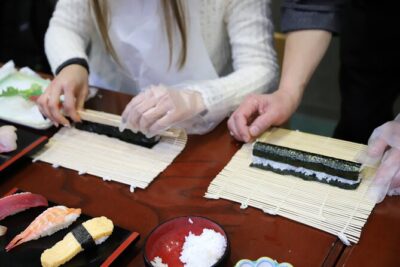
Tsukiji Fish Market Guided Tour and Sushi Making with Pro Chef
Read our review →Tsukiji Fish Market Food and Culture Walking Tour
Read our review →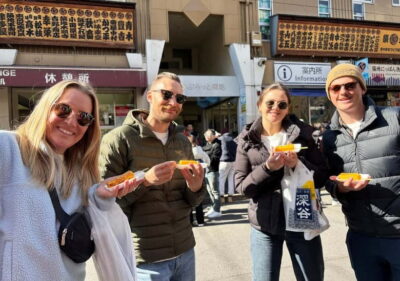
Tsukiji Fish Market: Street Food & Culture Walking Tour
Read our review →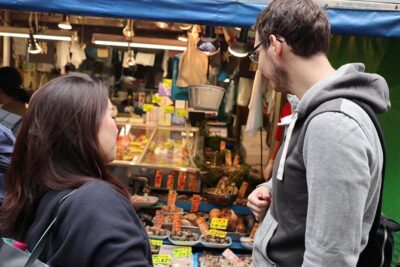
Tsukiji Fish Market Small-Group Food Walking Tour
Read our review →Browse the lists this tour appears in