
Reviewed · TSUKIJI & TOYOSU MARKET TOURS
Tokyo Tsukiji Food & Culture 6hr Private Tour with Licensed Guide
Tokyo’s food story is bigger than one market. This six-hour private tour links Toyosu or Tsukiji with old shopping streets and Asakusa temples, giving you a useful slice of the city without forcing you to plan every train, turn, and snack stop yourself. Your guide may be Taka, praised for patient food guidance and practical help with chopsticks, though the assigned guide can vary.
I like the custom route and the undivided attention that comes with a private booking. I also like the mix of raw-market atmosphere, everyday shopping, temple sights, and local dishes such as monjayaki. The tradeoff is clear: $154.84 per person is a serious price before lunch, transport, and personal purchases, and you visit only three or four of the possible stops.
In This Review
- Key points to know before booking
- A private route through Tokyo’s food districts
- Toyosu Market: Tokyo’s modern wholesale center
- Tsukiji: street food, shops, and a useful meeting point
- Ameyoko Shopping Street for deals and daily Tokyo
- Senso-ji and the great red lantern of Asakusa
- Nakamise: souvenirs on the way to the temple
- Kappabashi Street and Tokyo’s kitchen-shopping side
- Tsukishima and the case for monjayaki
- Yanaka Ginza for old-town atmosphere
- What the $154.84 price really buys you
- The guide makes the biggest difference
- Walking, transport, and practical limits
- Who should choose this six-hour tour?
- Should you book it?
- FAQ
- How long is the Tokyo Tsukiji Food and Culture Tour?
- Is this a private tour?
- How many sites can I visit?
- Does the tour include a private vehicle?
- Are transportation fees included?
- Is lunch included?
- Which market replaced Tsukiji’s wholesale operations?
- Can I cancel for a full refund?
Key points to know before booking
- Toyosu and Tsukiji are different stops: Toyosu took over wholesale operations in 2018, while Tsukiji remains a food and shopping district.
- You choose three or four places: The long list of possible stops is not an eight-stop promise.
- The guide meets you on foot: No private vehicle is included, and transport fees are extra.
- Food is purchased separately: Lunch, market bites, and monjayaki are not covered in the tour price.
- Asakusa offers the strongest culture break: Senso-ji and Nakamise add temples, souvenirs, and traditional snacks to the market time.
- A private guide helps most with food and navigation: Taka, one named guide associated with the experience, is especially good for travelers who want patient help at the table.
A private route through Tokyo’s food districts
The appeal here is not simply seeing famous places. It is having someone help you connect them. Tokyo’s food districts can feel confusing at first, especially when a market street, a wholesale market, a temple approach, and a shopping arcade all sit in different parts of the city.
You begin by choosing three or four stops from the available list. That choice matters. A food-focused day might pair Toyosu, Tsukiji, and Tsukishima. A first visit to old Tokyo might work better with Tsukiji, Senso-ji, Nakamise, and Kappabashi. You can also select Ameyoko or Yanaka Ginza if shopping and local neighborhood character appeal more than another market.
The guide’s role is practical. You do not have to study a map, work out every turn, or decide which stall or street fits your interests. Since this is a private activity, you can ask questions as you go and spend more time on the parts that hold your attention.
The six-hour length is useful, but it is not unlimited. Tokyo’s distances add up, and the tour includes walking between sights plus time for food, shopping, and conversation. Choose your three or four stops before the day begins so you do not waste the morning trying to fit everything in.
More market mornings in Tokyo:
- Tokyo Tsukiji Fish Market Food and Culture Walking Tour
★ 5.0 · 3,184 reviews - Tokyo: Tsukiji Fish Market Food and Walking tour
★ 5.0 · 1,724 reviews - Tokyo: Tsukiji Fish Market Guided Walking Tour
★ 4.9 · 1,397 reviews
Toyosu Market: Tokyo’s modern wholesale center
Toyosu Market receives about two hours when selected, making it the biggest single stop on the possible route. It opened on October 11, 2018, on a man-made island in Tokyo Bay and took over the wholesale business from the older Tsukiji Market.
That distinction is important. Many people still use Tsukiji as shorthand for Tokyo’s fish market, but the wholesale operation moved to Toyosu. Toyosu is the place to choose if you want to understand the modern market system and see where the city’s wholesale food business now operates.
The admission ticket is not included. The exact visitor experience can also depend on what is open and available on the day, so I would treat Toyosu as a market visit with context rather than a guaranteed behind-the-scenes food show.
Two hours gives your guide time to explain the market’s role without turning the stop into a rushed photo break. It also leaves room for questions about seafood, market customs, and how Toyosu differs from Tsukiji. If your main goal is small food stalls and easy browsing, Tsukiji may suit you better.
Tsukiji: street food, shops, and a useful meeting point
The tour meets in the morning at Tsukiji Honganji Temple, just outside the market’s main gate. That is a sensible meeting place, since Tsukiji’s lanes can be confusing and the temple is easy to identify.
You receive about an hour here. That is enough for an introduction to the market district, but not enough to inspect every food shop, linger over a long meal, and browse every side street. Go in with one or two priorities.
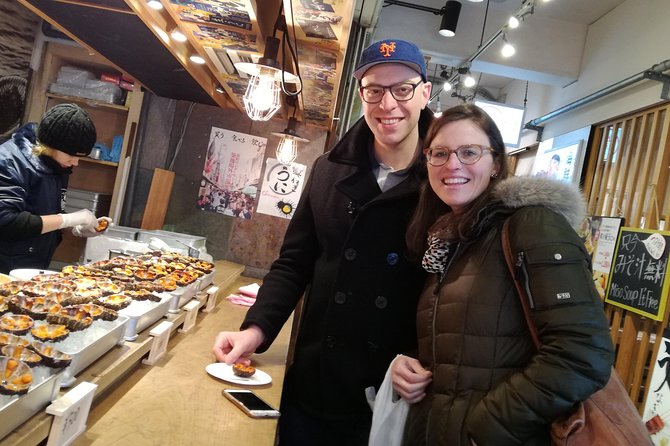
Tsukiji is now best understood as a food-focused district rather than the city’s current wholesale center. You may find seafood shops, prepared foods, kitchen goods, and places to eat. A guide can help explain what you are looking at and point out the difference between a quick market bite and a full meal.
Food costs extra, so budget for purchases. This is also where a private guide may earn much of the tour’s value. You can ask what a dish is, how to eat it, and which foods match your comfort level instead of guessing at every counter.
Ameyoko Shopping Street for deals and daily Tokyo
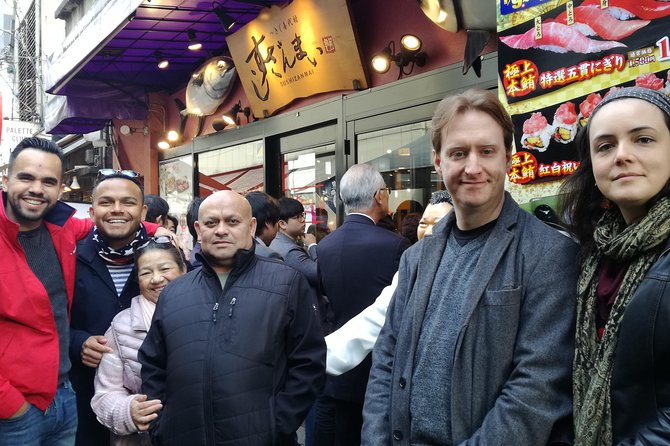
Ameyoko gets about 30 minutes when chosen. The area is associated with souvenir shopping, food, and deals, making it a practical stop if you want gifts or a less polished shopping street.
Half an hour is a short visit. I would choose Ameyoko for a quick look and focused purchases, not for a long shopping session. Tell your guide what you are seeking before arriving, since you will have little time to compare every shop.
This stop works well for people who want a contrast with Ginza-style shopping. You can look for food items and souvenirs while seeing a more ordinary commercial side of Tokyo. It is less useful if your main interest is temples, market education, or a sit-down meal.
A few more Tokyo bookings worth comparing
- Mt Fuji and Hakone 1-Day Bus Tour Return by Bullet Train
★ 5.0 · 26,383 reviews - 1-Day Tokyo Bus Tour
★ 5.0 · 14,250 reviews - Tokyo: TOKYO SKYTREE® Admission ticket
★ 4.5 · 11,192 reviews - Tokyo: teamLab Planets TOKYO Digital Art Museum Entry Ticket
★ 4.6 · 9,779 reviews
Senso-ji and the great red lantern of Asakusa
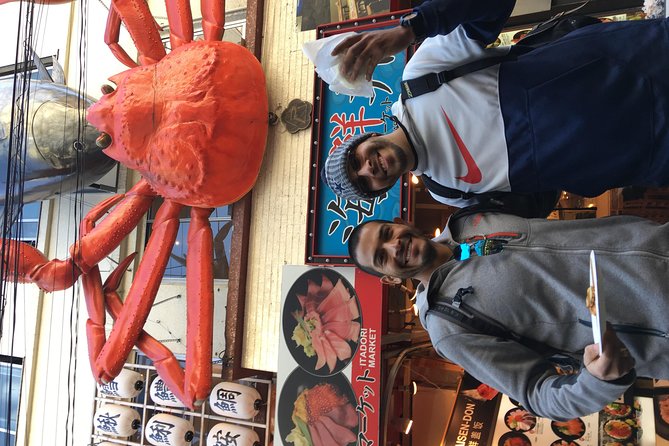
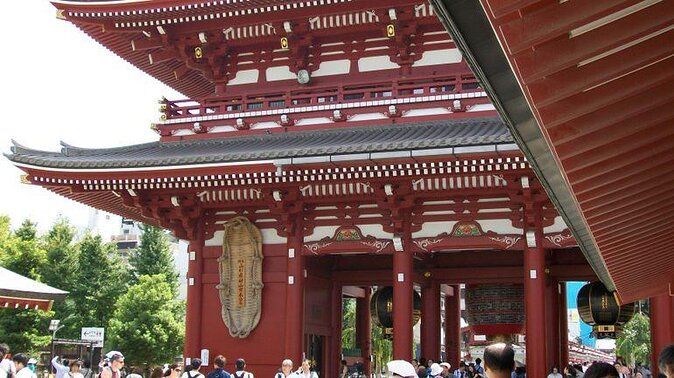
Senso-ji receives about 30 minutes, which gives you time to see one of Tokyo’s best-known temples and learn the basic story of the site. Its history reaches back about 1,300 years, and the Kaminarimon entrance gate is marked by its huge red lantern.
This is the clearest culture stop on the route. After the food-heavy markets, Senso-ji changes the pace. You get architecture, religious customs, and a famous public space rather than another row of food counters.
Thirty minutes will feel brief if you want to study every building or take your time with temple rituals. Still, a guide can make the short visit more useful by explaining what you are seeing and how the temple fits into Asakusa.
The temple itself has no admission fee listed here. Keep in mind that the tour price does not cover every possible guide entry fee, although the provided details say guide entry fees are covered for sights listed in the selected route. Ask your guide about any specific paid attraction before entering.
Nakamise: souvenirs on the way to the temple
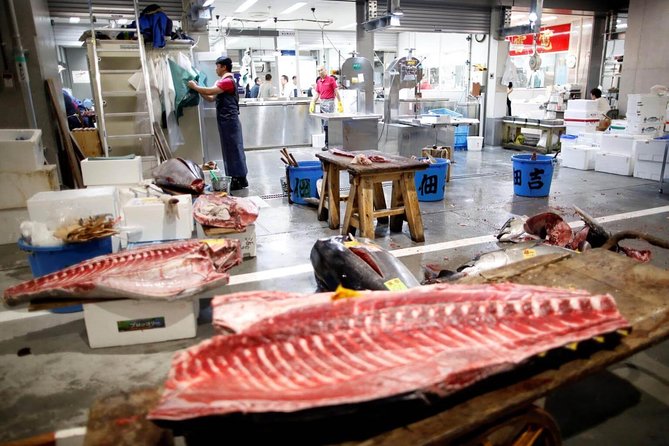
Nakamise Shopping Street runs about 250 meters along the approach to Senso-ji. Shops sell traditional souvenirs, snacks, and small gifts, so it is an easy companion to the temple stop.
The tour allows about 30 minutes here. That is enough to browse and buy a few items, but not enough for leisurely shopping if you like to inspect every store. I would save Nakamise for small souvenirs rather than major purchases.
One amusing detail from the supplied experience is the story of a guest who bought three sets of chopsticks here after practicing during the food tour. That tells you something useful about the tone of the experience: food guidance can become hands-on, and Nakamise provides a natural place to continue the theme with practical gifts.
Nakamise can be crowded, especially around the main approach, so keep your group together and watch your purchases. The guide’s presence is valuable when you want help identifying a snack or choosing a gift without relying only on packaging.
Kappabashi Street and Tokyo’s kitchen-shopping side
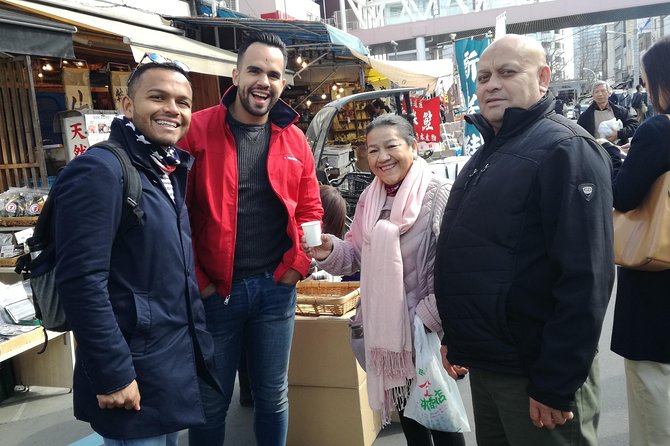
Kappabashi Street, also called Kappabashi Dogugai, lies between Ueno and Asakusa. Its shops serve restaurant operators and sell the tools and supplies needed for professional kitchens.
You receive about 30 minutes here if you select it. That makes Kappabashi a good choice for a targeted visit, especially if you want Japanese kitchen goods, cooking tools, or unusual food-related souvenirs. It is not enough time to browse every shop along the street.
I like this stop because it shows a working side of Tokyo that is easy to miss. You are not only looking at tourist souvenirs. You are seeing a commercial district built around the equipment behind restaurants.
Choose Kappabashi over Ameyoko if you prefer useful objects to general shopping. Choose it over another market if cooking is one of your main interests. Your guide can help you understand what belongs in a professional kitchen and what makes a practical gift.
Tsukishima and the case for monjayaki
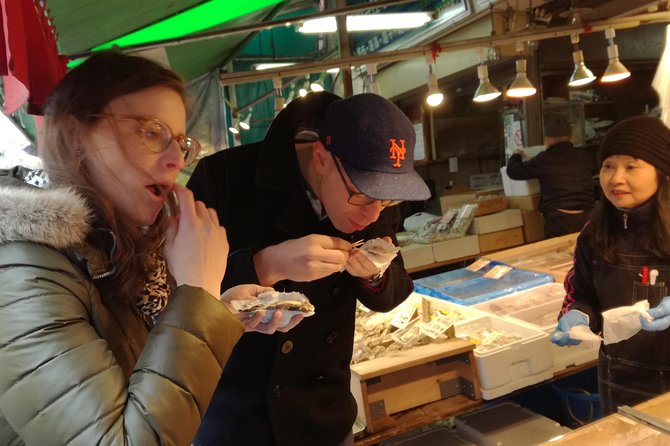
Tsukishima Monjya Street receives about 30 minutes. The local specialty is monjayaki, a loose, hot dish made with a thin flour-and-dashi batter.
Monjayaki can look unusual, even unappealing, if you expect a firm pancake. The texture is part of the point. You cook and eat it hot, and the dish is closely tied to Tsukishima’s food identity.
The food itself is not included, so plan to pay separately. Thirty minutes may be enough for a taste, but it is a tight window for a relaxed meal if the restaurant is busy or you need time to learn how to handle the dish.
This is one of the best choices for an adventurous eater who wants more than familiar sushi. It is less suitable if you need a full lunch included in the price or prefer a quiet, extended restaurant meal. Tell the guide your food preferences before selecting this stop.
Yanaka Ginza for old-town atmosphere
Yanaka Ginza offers a different view of Tokyo. The shopping street is known for its preserved old-town, or Shitamachi, atmosphere and a quieter neighborhood setting.
The visit lasts about 30 minutes. That is enough for a short walk and a few purchases, but you will not have time to explore the wider Yanaka area in depth. If you want a slower neighborhood day, this stop may feel too brief.
Yanaka Ginza is the right pick when you have already seen major central sights and want a more nostalgic side of the city. It also pairs well with Tsukiji or Toyosu because the contrast is strong: modern wholesale food business on one side, small-scale neighborhood shopping on the other.
What the $154.84 price really buys you
At $154.84 per person, this is not a cheap way to get from one Tokyo sight to another. You still pay for transport, lunch, market food, entrance fees, and personal purchases. There is no private car, and the pickup is an on-foot meeting arrangement within a designated Tokyo area.
The price buys a private English-speaking licensed guide and a custom route for your group. That can be good value when you are a couple, family, or small group with different interests. A private guide also removes the pressure of keeping up with strangers and lets you ask basic questions without embarrassment.
Group discounts are offered, which may improve the per-person cost for a larger private party. You cannot combine separate tour groups, so this is not a way to join another booking and split the price.
The tour is currently rated 4.9 from 25 reviews, with a 100 percent recommendation figure. Those numbers are encouraging, but I would focus on the practical reason this experience earns praise: the guide can make food, etiquette, and navigation easier in places that can feel confusing on your own.
A rainy-day outing can still work. One account describes a rainy food tour where the guide added a boat activity and kept the day interesting, though that particular addition should not be treated as a standard inclusion. The useful lesson is to bring weather-ready clothing and confirm the day’s exact plan if rain is expected.
The guide makes the biggest difference
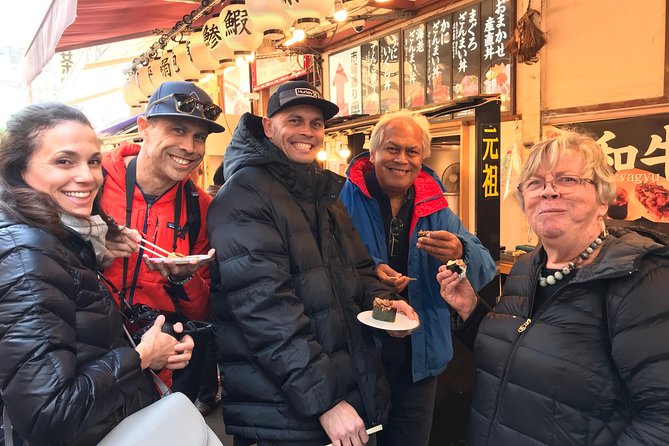
The guide is the main reason to book this instead of visiting the same neighborhoods independently. Taka is one named guide connected with the experience, and the available account describes patient help with sushi and chopsticks. The guide even encouraged continued practice, which is the kind of small personal touch that can make a food outing less awkward.
You should not assume Taka will lead every departure. The experience provides a licensed local English-speaking guide, and the assigned person may vary. Still, the format gives you a chance to explain your interests early: seafood, cooking tools, sweets, temples, souvenirs, or a particular neighborhood mood.
The guide also helps you use limited time wisely. With only 30 minutes at several stops, you need someone who can keep the route moving without making you feel hurried. A private booking gives you more room to adjust, but it does not create extra hours.
Walking, transport, and practical limits
This is a walking tour. Pickup is offered on foot within the designated area of Tokyo, and no private vehicle is included. Transportation fees are your responsibility, so build train, subway, or other local transport into your budget.
The tour is near public transportation, which helps, but the listed stops are spread across different districts. Toyosu, Tsukiji, Asakusa, Kappabashi, Tsukishima, Ameyoko, and Yanaka Ginza are not one compact cluster. Your selected combination will affect how much time feels like sightseeing and how much feels like getting around.
Most people can participate, and service animals are allowed. Confirmation arrives when you book. You can cancel for a full refund up to 24 hours before the local start time, but changes or cancellations inside that window are not accepted and are not refunded.
Who should choose this six-hour tour?
I would recommend it to first-time visitors who want food and culture in the same day but do not want to build the route alone. It also suits families and private groups with mixed interests, since one person can favor markets while another prefers temples or shopping.
Food-focused visitors should select Tsukiji, Toyosu, or Tsukishima. Shoppers should consider Nakamise, Kappabashi, Ameyoko, or Yanaka Ginza. If you want a classic first look at Tokyo, combine a food district with Senso-ji.
I would hesitate if you want an inexpensive guided walk, a full meal included, or a slow visit to every district listed. The tour covers only three or four stops, and the short 30-minute visits demand clear priorities.
Should you book it?
Book this tour if you value personal guidance more than a low price. The strongest combination is the custom route, the private format, and help making sense of Tokyo’s food streets and local customs.
Before booking, decide which three or four stops matter most and ask about the meeting point, transport, and food budget. Choose Toyosu for the modern wholesale market story, Tsukiji for food browsing, Senso-ji and Nakamise for classic Asakusa, Kappabashi for kitchen goods, Tsukishima for monjayaki, Ameyoko for quick shopping, or Yanaka Ginza for old Tokyo atmosphere.
If you plan carefully, this can be a useful six-hour introduction rather than a rushed checklist. If you want to see all eight places, book independent days instead. This tour works best when you let it focus on your interests.
FAQ
How long is the Tokyo Tsukiji Food and Culture Tour?
The tour lasts approximately six hours.
Is this a private tour?
Yes. Only your group participates, and the guide gives your party undivided attention.
How many sites can I visit?
You choose a customized route of three or four sites from the available options.
Does the tour include a private vehicle?
No. This is a walking tour, and no private vehicle is included.
Are transportation fees included?
No. Transportation fees are not included in the tour price.
Is lunch included?
No. Lunch, food purchases, and other personal expenses are separate.
Which market replaced Tsukiji’s wholesale operations?
Toyosu Market took over Tsukiji’s wholesale business when it opened on October 11, 2018.
Can I cancel for a full refund?
Yes. You can cancel at least 24 hours before the experience start time for a full refund. Cancellations or changes made less than 24 hours in advance are not accepted.
New on our Tokyo list
- Sumi-e Experience in a relaxing green tea shop in Tokyo★ 5.0 · 3 reviews
- Tokyo : Kamikaze Street Drift Ride★ 5.0 · 3 reviews
- Private Zen Meditation in English in Shinjuku, Tokyo★ 5.0 · 3 reviews
- Onsen Spa in Tokyo and Asakusa Bar Hopping with Local Guide★ 5.0 · 3 reviews
- Easy for everyone! Now you can play handmade mini shamisen and show off to everyone! Musical instruments, sweets and live music★ 5.0 · 3 reviews
- Tokyo: Private Tsukiji Street Food & Sake with Local Guide★ 5.0 · 3 reviews
- Mt Fuji Exploration Tour with Free Japanese Kusa Mochi from Tokyo★ 4.5 · 3 reviews
- Tokyo Tsukiji Fish Market Walking and Exploring Hidden Gems Tour★ 5.0 · 3 reviews
Tsukiji & Toyosu Market Tours, compared.
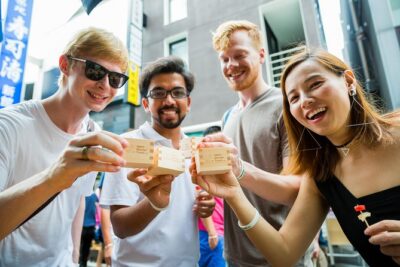
Tokyo Tsukiji Fish Market Food and Culture Walking Tour
Read our review →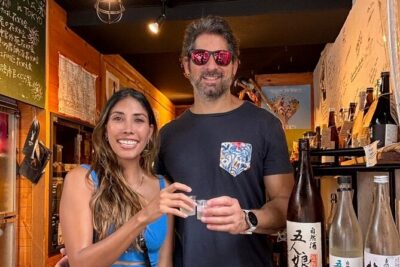
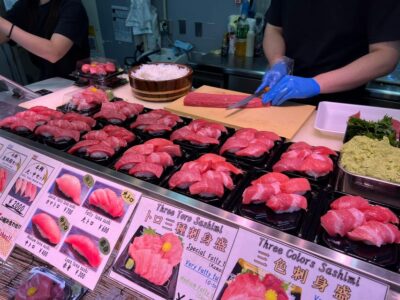
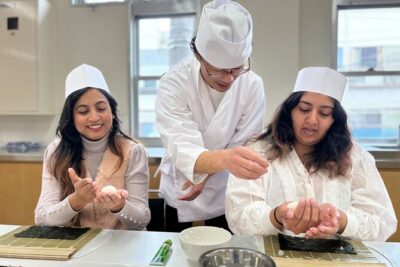
Tokyo Sushi Making Class in Tsukiji with Professional Chef
Read our review →
Tsukiji Fish Market Guided Tour and Sushi Making with Pro Chef
Read our review →Tsukiji Fish Market Food and Culture Walking Tour
Read our review →
Tsukiji Fish Market: Street Food & Culture Walking Tour
Read our review →
Tsukiji Fish Market Small-Group Food Walking Tour
Read our review →Browse the lists this tour appears in