
Reviewed · TSUKIJI & TOYOSU MARKET TOURS
Tokyo Tsukiji Food & Culture Private Tour Licensed Guide
Tokyo’s food story begins at the market, and this private tour gives you a useful way to read it. You can compare Toyosu’s modern wholesale setting with the older shops and snack stalls around Tsukiji, then add places such as Kappabashi or Asakusa. I like the freedom to choose the stops, and I like having a licensed local guide explain the customs behind the food.
The strongest part is the personal help: guides such as Kenji Kasama, Fumiko, Michio Akutsu, Naomi, and Katsu have helped with train cards, food choices, Japanese manners, and route planning. The catch is that food, drinks, admission fees, and transport cost extra, and fitting several distant areas into six hours means you must accept a brisk pace.
In This Review
- Key points to know before booking
- Why this private Tokyo food tour works
- Meeting your guide and shaping the day
- Toyosu Market: Tokyo’s modern fish center
- Tsukiji’s outer market: small bites and food shopping
- Kappabashi Street: Tokyo’s kitchenware treasure hunt
- Asakusa and the street-food side of Tokyo
- Monja Street and Yanaka Ginza
- Ueno’s Ameyoko and other custom stops
- What the guides add beyond directions
- Walking, transport, weather, and extra costs
- Who should book the six-hour option
- Booking details worth checking
- Should you book this Tokyo food tour?
- FAQ
- How long is the Tokyo food and culture tour?
- Where does the guide meet me?
- Which places can I choose?
- Is food included in the tour price?
- Are transportation costs included?
- Is the tour offered in English?
- Can I cancel the booking?
Key points to know before booking
- Two market experiences in one day: See the modern Toyosu Market and the outer Tsukiji market, which offer very different food-shopping settings.
- You choose the route: A four-hour tour usually covers two or three sites, while six hours allows three or four.
- A private licensed guide: Your guide can adjust the day around food interests, shopping requests, walking ability, and cultural questions.
- Useful help with Tokyo transport: Guides can accompany you on trains and explain how to buy a train card, but you pay transport costs separately.
- Food tasting is not included: You buy your own meals and snacks, which gives you control but makes the final cost higher than the tour price.
- A flexible culture-and-shopping day: Add Kappabashi kitchenware, Asakusa street food, Tsukishima Monja Street, or Yanaka Ginza croquettes to the market stops.
Why this private Tokyo food tour works
At $141 per person, this is not a cheap market walk. It is a private six-hour service with a government-licensed English-speaking guide, hotel or station pickup in Tokyo’s 23 wards, and a route shaped around your interests.
The value depends on your group size and priorities. If you are traveling with family or friends, the private format can make the price easier to justify because the guide is working only with your party. If you are a solo visitor, the cost is harder to overlook, but you gain something that can save time and frustration: personal help in a city where market locations, train connections, food customs, and shopping choices can be confusing.
I would think of the tour as a guided introduction to Tokyo’s food culture rather than a food-inclusive excursion. You pay for the guiding, planning, translation, and local context. You then decide what to eat and buy.
The high rating of 4.9 from 28 bookings fits the pattern of the experience. The strongest feedback centers on patient guides, flexible itineraries, useful transport help, and food recommendations. One guide helped a family adjust plans and find a memorable steak restaurant. Another arranged requested locations and patiently handled public transportation. These are practical benefits, not just pleasant conversation.
More market mornings in Tokyo:
- Tokyo Tsukiji Fish Market Food and Culture Walking Tour
★ 5.0 · 3,184 reviews - Tokyo: Tsukiji Fish Market Food and Walking tour
★ 5.0 · 1,724 reviews - Tokyo: Tsukiji Fish Market Guided Walking Tour
★ 4.9 · 1,397 reviews
Meeting your guide and shaping the day
Your guide meets you in your hotel lobby or at a train station you request, usually 10 minutes before the scheduled pickup. From there, you set off on foot and use public transportation or private taxis as needed.
You should send your preferred sites after booking. The available choices are:
- Toyosu Market
- Tsukiji Old Fish Market and its outer market
- Kappabashi Street
- Tsukishima’s Monja Street
- Yanaka Ginza
The route can also include Asakusa, Ueno’s Ameyoko area, and other local places when they fit your plan. The key point is to tell the guide what matters most before the day begins. If you want market food above all else, say so. If kitchenware, street snacks, art, or a certain neighborhood matters more, say that early.
A four-hour tour covers two or three sites. The six-hour option covers three or four. That sounds generous, but Tokyo’s neighborhoods are spread out. A plan combining Toyosu, Tsukiji, Asakusa, and Kappabashi involves transport and walking, so you will not have unlimited time at every stop.
Toyosu Market: Tokyo’s modern fish center
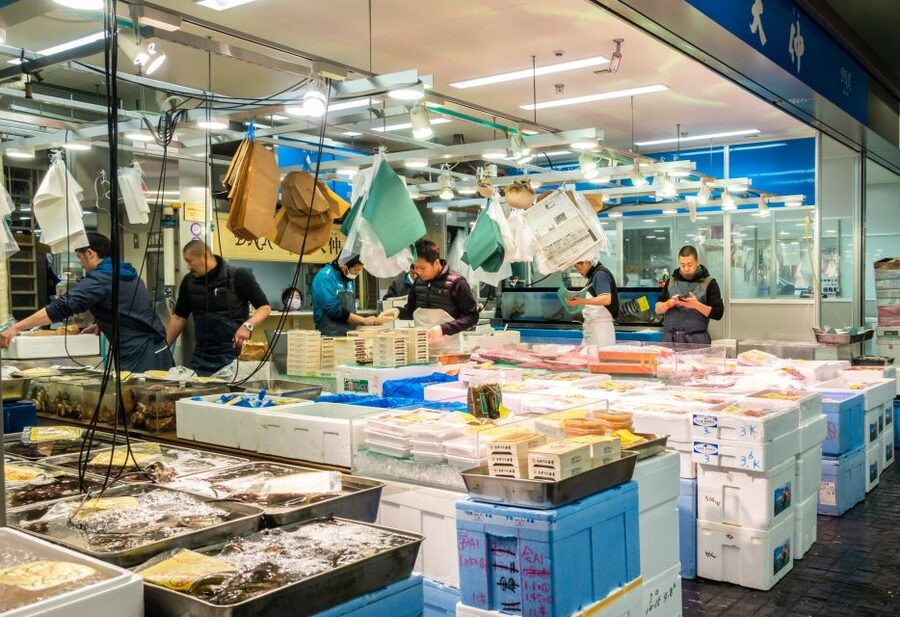
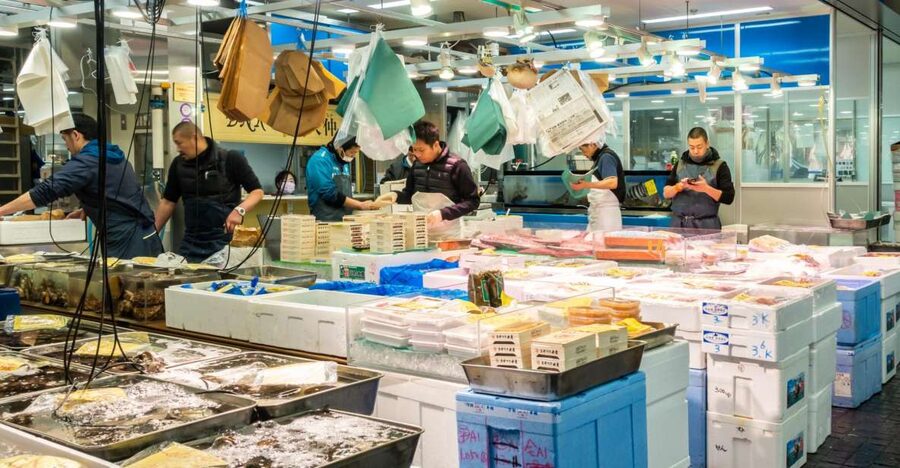
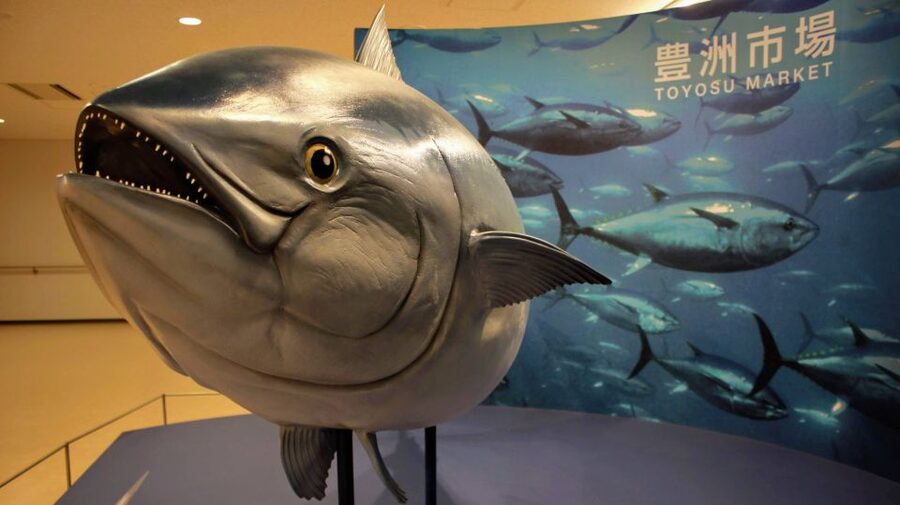
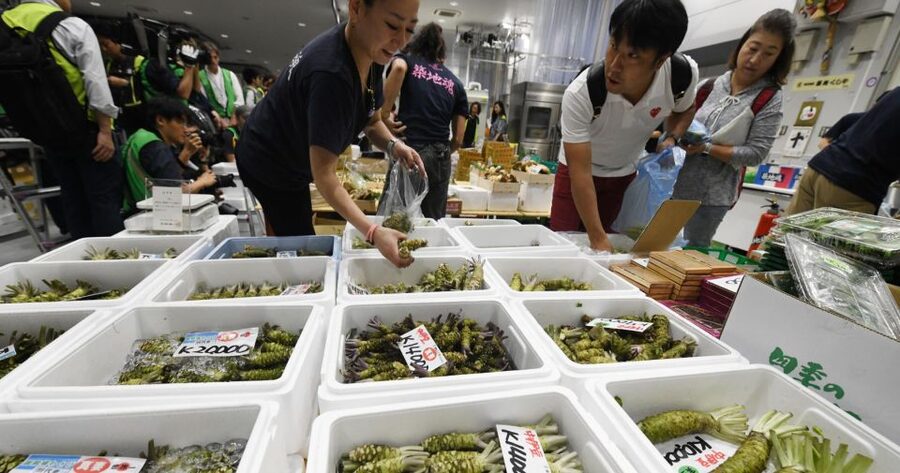
Toyosu gives you the modern side of Tokyo’s seafood trade. It replaced the inner Tsukiji wholesale market and is one of the tour’s main anchors.
Here, your guide can explain how the market fits into Tokyo’s food system and help you understand what you are seeing. The appeal is less about wandering through an old maze of stalls and more about seeing a purpose-built market environment connected to the city’s famous seafood culture.
If you want the clearest contrast between old and new, choose Toyosu with Tsukiji. The two locations are not interchangeable. Toyosu represents a newer market setting, while Tsukiji’s outer area offers a more shop-lined, snack-friendly visit.
Toyosu may be less satisfying if your main goal is spontaneous street eating. The tour description does not include meals or tastings, and the market experience is shaped by what is open and available at the time of your visit. I would choose it for market context and comparison, not as the only stop for a food-focused day.
Tsukiji’s outer market: small bites and food shopping
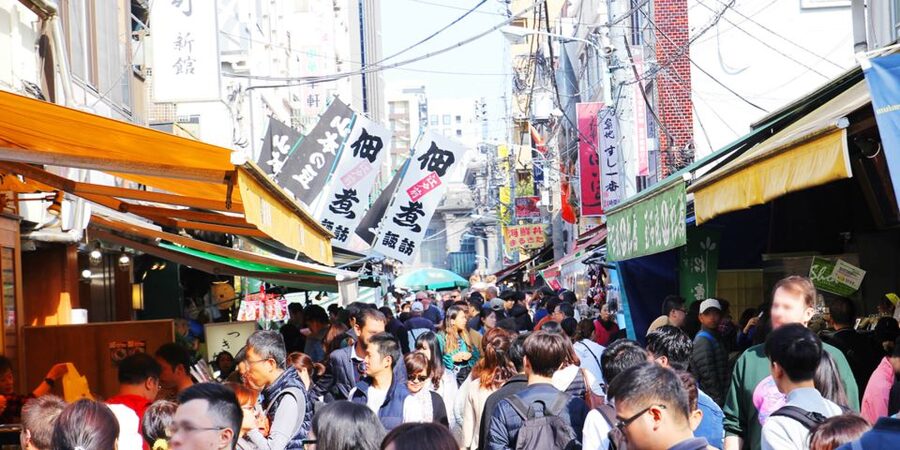
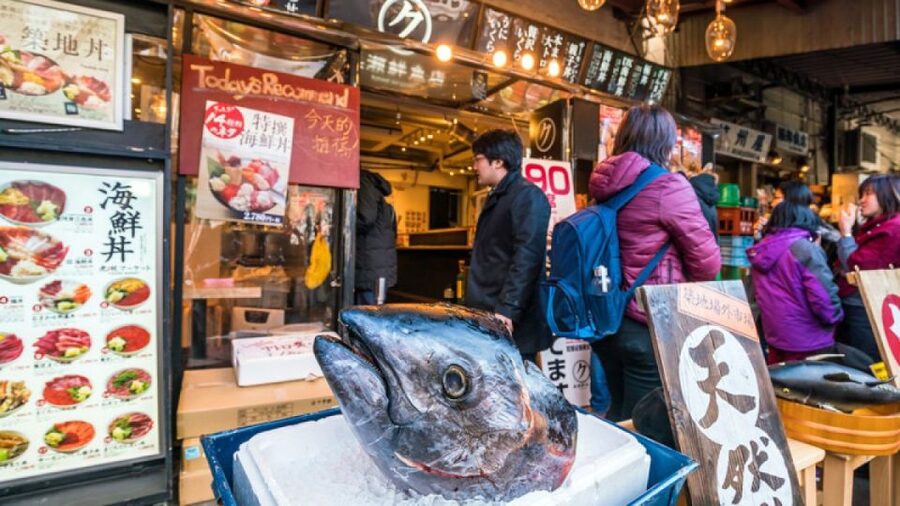
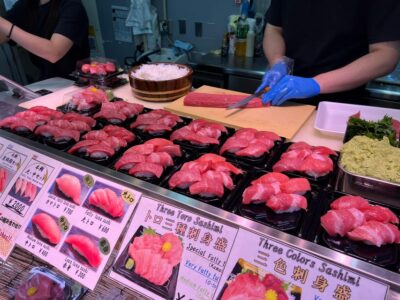
The outer Tsukiji market is likely the most natural fit for anyone who wants to browse food shops and sample something along the way. It has the atmosphere many people expect from a traditional Tokyo food market, with seafood, prepared foods, and small shops packed into a compact area.
Your guide can help you move through the busy streets, explain unfamiliar ingredients, and make it easier to buy food politely. A guide named Yoshii was specifically praised for patiently leading a group through both outer Tsukiji and Toyosu, a useful combination if you want to compare the two.
This is also where the tour’s food-and-culture theme becomes most practical. Japanese food customs can be subtle, and your guide can explain behavior around ordering, eating, and shopping. Ilze’s experience with Katsu included food tasting and lessons about Japanese cuisine and manners, which points to the kind of local explanation you can request.
Keep your food budget separate. The $141 price does not cover food or drinks. That is a drawback if you expect an all-inclusive tasting tour, but it can be an advantage if you have allergies, strong preferences, or a particular appetite. You choose what to purchase instead of paying for a fixed menu.
A few more Tokyo bookings worth comparing
- Mt Fuji and Hakone 1-Day Bus Tour Return by Bullet Train
★ 5.0 · 26,383 reviews - 1-Day Tokyo Bus Tour
★ 5.0 · 14,250 reviews - Tokyo: TOKYO SKYTREE® Admission ticket
★ 4.5 · 11,192 reviews - Tokyo: teamLab Planets TOKYO Digital Art Museum Entry Ticket
★ 4.6 · 9,779 reviews
Kappabashi Street: Tokyo’s kitchenware treasure hunt
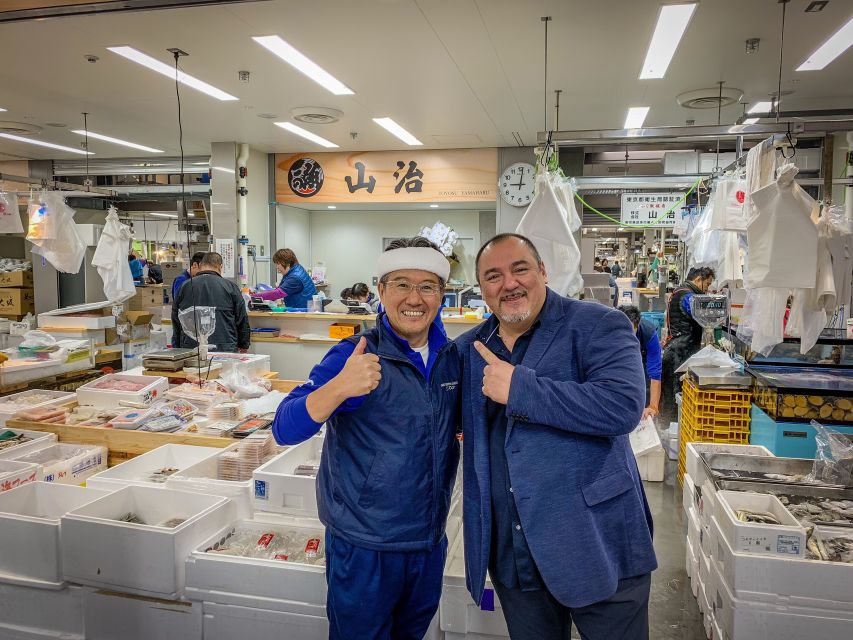
Kappabashi is the right choice if you like cooking, restaurant design, Japanese tableware, or odd souvenirs. This shopping street is known for kitchen supply shops and the realistic plastic food displays used outside restaurants.
The fake food samples are a highlight because they connect shopping with a familiar part of Japanese dining culture. You might find knives, dishes, cooking tools, restaurant signs, or display pieces, depending on the shops you enter. The tour information does not promise a particular purchase, so treat Kappabashi as a browsing stop rather than a guaranteed shopping list.
A private guide is useful here because you can explain what you want before entering the shops. You may need help comparing products, understanding labels, or speaking with shop staff. If you have limited luggage space, mention that before the day so the guide can help you keep the shopping plan sensible.
Kappabashi is not primarily a tasting stop. Pair it with Tsukiji or Asakusa if food is your main reason for booking. Pair it with Toyosu if you want a day that looks at both the production and presentation of Japanese food.
Asakusa and the street-food side of Tokyo
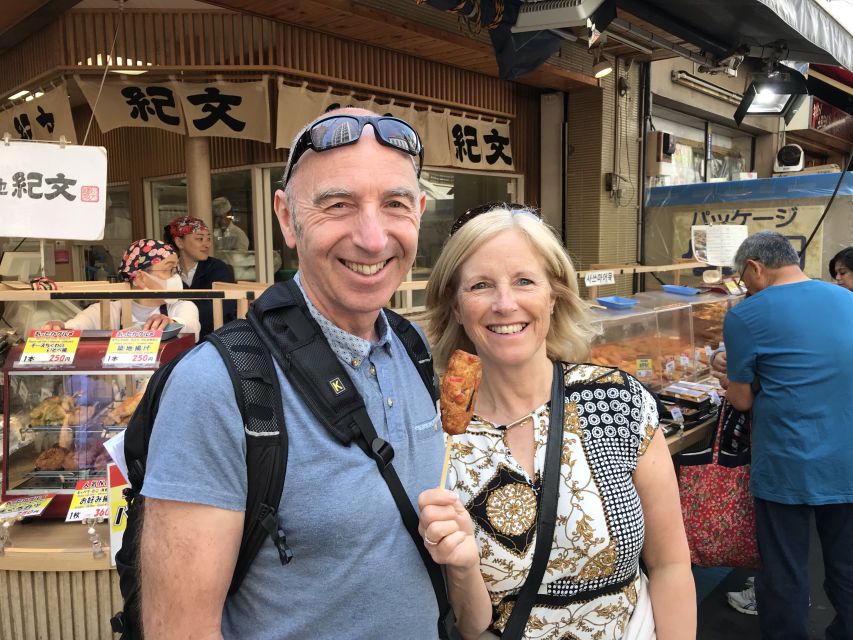
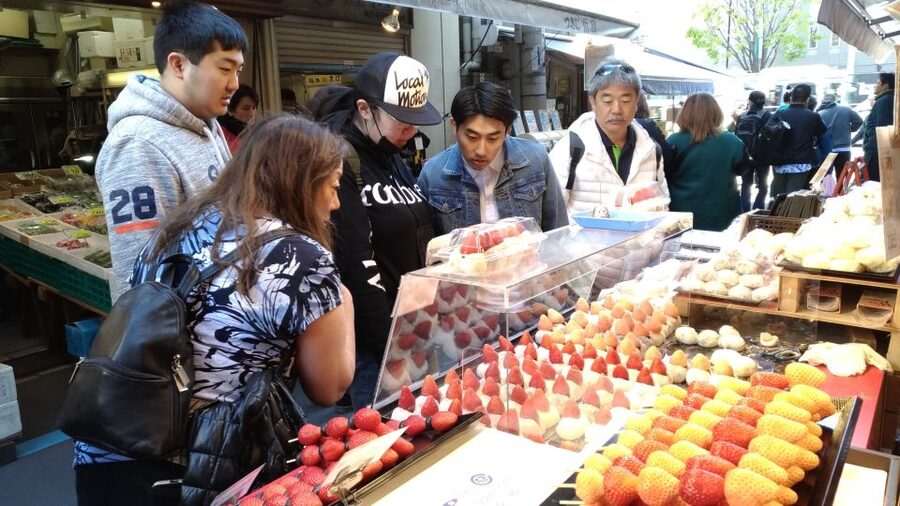
Asakusa adds old Tokyo atmosphere, shopping, and street food to the day. Its shopping street is described as a place for authentic Tokyo snacks, so it works well after a market visit.
The private format matters in a busy shopping area. Your guide can point out foods worth trying, explain how to eat them, and help you avoid spending your limited time at random. Guides also bring cultural context to the neighborhood, so the day is not just a sequence of purchases.
Asakusa is a good choice for first-time visitors who want food plus a recognizable Tokyo district. It may be less appealing if you want only fish markets and seafood. Since the tour allows three or four sites in six hours, you should decide if neighborhood sightseeing matters more than adding another food-shopping street.
Monja Street and Yanaka Ginza
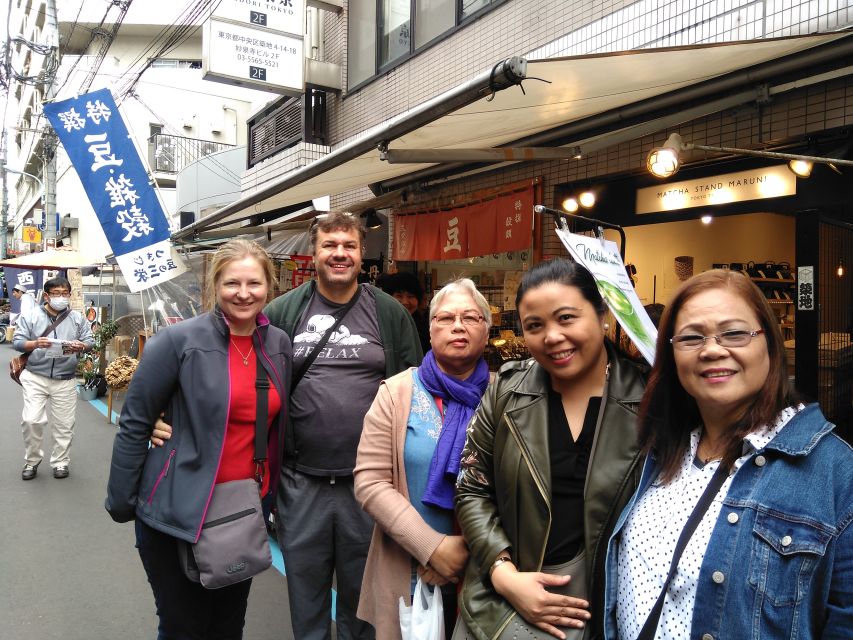
Tsukishima’s Monja Street offers a different kind of food experience. Monjayaki is a local Tokyo specialty cooked on a hot plate, and Monja Street is the place to focus on it. The tour details do not specify a restaurant or meal, so your guide can help with the area, while you pay for any food separately.
This stop is best for you if you want to try a dish strongly tied to Tokyo rather than simply eat familiar sushi or grilled seafood. It also gives the day a local neighborhood angle.
Yanaka Ginza offers another change of pace. The shopping street is known for fried croquettes and has a more everyday feel than the major market districts. If you want small snacks and a neighborhood walk, it is a sensible pick. If you want cooking tools or wholesale-market context, Kappabashi or Toyosu will serve you better.
These two stops are especially useful for repeat visitors who have already seen Asakusa. They are also good choices when your group wants food but not a full day centered on seafood.
Ueno’s Ameyoko and other custom stops
Ueno’s Ameyoko area is included among the possible local areas, alongside Asakusa and Kappabashi. The information does not set out a fixed route through Ameyoko, so you should ask the guide what fits your interests and the day’s timing.
The major advantage of this tour is that the route is not locked. One family asked for an art museum and found it became the highlight of a rainy day. That example is useful: the experience can move beyond the listed food stops when the guide agrees and the schedule allows.
You should not assume every requested site will fit. A private tour is flexible, not limitless. Tokyo travel times, weather, opening hours, and your walking speed all affect the plan. A good conversation with the guide before pickup will help you choose three or four stops that work together.
What the guides add beyond directions
The guide is the reason to book this rather than follow a market map on your phone. Several guides have been singled out for different strengths.
Kenji Kasama created a route around specific requests and helped a family manage Tokyo’s public transportation. Fumiko planned the day carefully and shared cultural insights at each stop. Michio Akutsu adjusted plans, recommended a good sushi lunch, explained Japanese history, and handled a family group with patience.
Naomi helped explain how to buy a train card during a cold, rainy outing and adjusted the plan to include an art museum. Show was praised for detailed explanations and for looking after a child in hot weather. Sekimoto-san helped with Japanese-language shopping and took a visitor along both tourist and less familiar routes.
These details show why you should communicate clearly. Tell the guide your food interests, fitness level, children’s needs, shopping goals, and preferred pace. English and Japanese are offered, but the individual guide you receive is not guaranteed in advance. The local partner contacts you before the experience to confirm the arrangements.
Walking, transport, weather, and extra costs
This is a walking tour that uses trains, public transportation, or private taxis. Transport is not included, so carry a separate budget for fares or taxi costs. The guide can help you navigate the railway system, but you still pay your own way.
Six hours is a long outing. You may walk a lot, transfer between districts, and spend much of the day on your feet. One experience included extensive walking, so comfortable shoes are a practical choice. The tour runs rain or shine, and a cold, wet day can change what feels enjoyable.
The experience is wheelchair accessible, but the exact route should be discussed with the guide before the day. Different combinations of markets, shopping streets, trains, and taxis may create different practical demands.
The $141 price also excludes entrance fees. Most of the listed food and shopping areas are approached as streets and markets, but any paid attraction added to the plan is your responsibility. Add your food, drinks, transport, shopping, and possible admissions to the advertised price when setting your budget.
Who should book the six-hour option
Choose six hours if you want to combine markets with a neighborhood or shopping stop. A strong plan might be Toyosu, Tsukiji, Asakusa, and Kappabashi, though you should expect a full day with transport and walking.
The six-hour tour suits families, first-time visitors, food-focused explorers, and anyone who wants personal help with Tokyo’s train system. It also suits people who have a short stay and want one carefully arranged day.
The four-hour version makes more sense if you want a lighter outing or only two main areas. You will have less room for detours, but a focused Tsukiji and Asakusa plan may feel more relaxed than trying to cross the city.
This tour is less suitable if you want a fixed tasting menu, a slow restaurant lunch, or a fully prepaid experience. It is also not ideal if you prefer to wander alone and make every choice without a guide. The private service earns its keep through planning and personal help, not through included food.
Booking details worth checking
The tour is not fully confirmed until a guide accepts it and contacts you. Most guides make contact within seven days, but the provider continues looking for a guide until 24 hours before the start if needed. If no guide is available, you are informed, and cancellation is possible without a fee when made at least 24 hours in advance.
You can cancel up to 24 hours before the start for a full refund, and you can reserve now while paying later. The guide meets you at your hotel lobby or requested station in the 23 wards of Tokyo.
I would send your preferred route soon after booking. State your top choice, backup choice, food restrictions if any, and how much walking your group can manage. That gives the guide a useful starting point instead of leaving the entire day undecided.
Should you book this Tokyo food tour?
Book it if you want a private local guide who can connect food, shopping, manners, history, and transport in one day. The flexible plan is the main attraction, and the strongest guide experiences involve patient route planning, food advice, and help with Japanese customs.
I would especially recommend it for families, solo visitors who feel unsure about Tokyo’s rail system, and people who want more than a standard market visit. Guides such as Kenji, Fumiko, Michio, Naomi, and Katsu have shown the range of help this format can provide, though a specific guide cannot be promised.
Skip it if you expect meals, train fares, and admissions to be included in the $141 price, or if you want to stay in one neighborhood at a very slow pace. For everyone else, send a clear wish list, budget extra for food and transport, and use the six hours to compare Tokyo’s markets with its everyday food streets.
FAQ
How long is the Tokyo food and culture tour?
The tour is available for four or six hours. The four-hour option usually covers two to three sites, while the six-hour option usually covers three to four sites.
Where does the guide meet me?
Your guide can meet you in your hotel lobby or at a train station you request within Tokyo’s 23 wards. The guide is scheduled to arrive 10 minutes before pickup, and you then set off on foot.
Which places can I choose?
You can request Toyosu Market, Tsukiji Old Fish Market, Kappabashi Street, Tsukishima’s Monja Street, or Yanaka Ginza. The route may also include areas such as Asakusa and Ueno’s Ameyoko, depending on your plan and timing.
Is food included in the tour price?
No. Food and drinks are not included. You pay separately for anything you choose to eat or drink during the day.
Are transportation costs included?
No. Public transportation and private taxi costs during the tour are separate. Your guide can accompany you and help with the railway system.
Is the tour offered in English?
Yes. Live guiding is available in English and Japanese. The experience uses a private group format and includes a licensed local guide.
Can I cancel the booking?
You can cancel up to 24 hours before the start time for a full refund. The tour is not confirmed until a guide accepts it and contacts you, and the local partner communicates with you before the experience to confirm the details.
New on our Tokyo list
- From Tokyo: Mount Fuji & Hakone Full Day Private Tour★ 4.9 · 25 reviews
- Tokyo Spectacular View Day-Cruise in 90 Minutes★ 5.0 · 25 reviews
- Real Tokyo Runner Club : Daikoku Car Meet Night Tour with JDM Car★ 5.0 · 25 reviews
- 2.5 Hour-Guided Cycle Tour in the Central Tokyo★ 5.0 · 25 reviews
- Ramen Making from Scratch +Akihabara Tour –Cooking Class★ 5.0 · 25 reviews
- [Self-Drive] Tokyo & Daikoku Custom Car Driving Tour★ 4.9 · 25 reviews
- Tokyo: 2-Hour Night Bike Tour of the City’s Hidden Gems★ 4.9 · 25 reviews
- Samurai themed Entertainment show in Shinjuku★ 4.5 · 25 reviews
Tsukiji & Toyosu Market Tours, compared.
Tokyo Tsukiji Fish Market Food and Culture Walking Tour
Read our review →
Tokyo Sushi Making Class in Tsukiji with Professional Chef
Read our review →
Tsukiji Fish Market Guided Tour and Sushi Making with Pro Chef
Read our review →Tsukiji Fish Market Food and Culture Walking Tour
Read our review →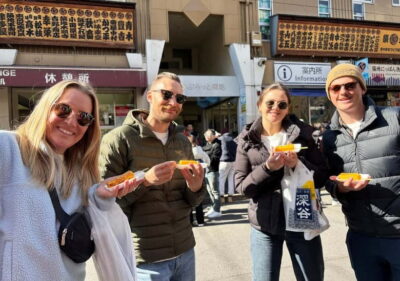
Tsukiji Fish Market: Street Food & Culture Walking Tour
Read our review →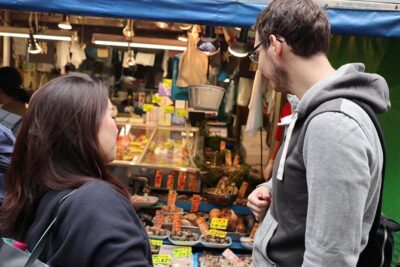
Tsukiji Fish Market Small-Group Food Walking Tour
Read our review →Browse the lists this tour appears in