
Reviewed · TEMPLE & SHRINE TOURS
Tokyo Zen Meditation at Private Temple with Monk
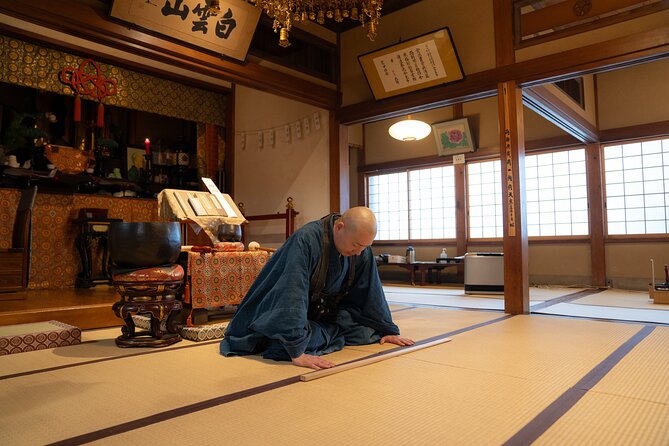
At Kinryu-ji, a private temple in Asakusa with more than 400 years of history, you get something Tokyo rarely offers: time to sit, ask questions, and speak with a monk. The 90-minute visit combines zazen meditation, calligraphy, a short tea ceremony, and a chance to pray inside the temple.
I like the small-group setting, capped at 15 people, and the fact that English support makes Zen practice approachable even if you know nothing about Buddhism. I also like the warm human side of the visit: guides such as Kazu and Tamami help with translation and photos, while the monk welcomes questions with humor and patience.
The main drawback is the meeting-point confusion reported by one couple. The address can lead you toward the wrong Family Mart, so I would confirm the exact spot with Travel Japan Together Tokyo before you leave and arrive early.
In This Review
- Key points about the Kinryu-ji Zen visit
- Entering a private temple in Asakusa
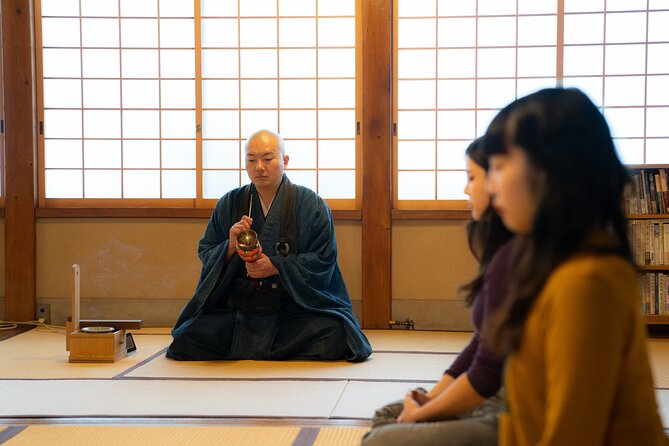
- How the monk introduces zazen
- Calligraphy and sutra tracing as quiet practice
- Matcha, sweets, and an open talk
- A guide makes the experience work in English
- What the 90 minutes feel like
- Is $56.16 a fair price?
- Who should book this experience?
- Practical tips before you go
- Should you book the Kinryu-ji Zen experience?
- FAQ
- Where does the Zen meditation experience take place?
- How long does the experience last?
- Is Kinryu-ji Temple open to the general public?
- Will an English-speaking guide be present?
- Do I need previous meditation or Buddhism experience?
- What activities are included?
- Can I ask the monk questions?
- Is transportation included?
- What is the cancellation policy?
Key points about the Kinryu-ji Zen visit
- A private temple setting: Kinryu-ji is not open to the general public, giving this visit a more personal feel than a standard temple stop.
- Direct time with a monk: You can ask questions about meditation, Buddhism, temple customs, and daily practice.
- More than seated meditation: The session may include zazen, sutra tracing or calligraphy, formal prayer, matcha tea, and Japanese sweets.
- English help throughout: An English-speaking guide explains the setting and interprets the monk’s teaching.
- Easy city location: The temple is in Asakusa and near public transportation, with no private transport included.
- Flexible cancellation: You can receive a full refund if you cancel at least 24 hours before the start time.
Entering a private temple in Asakusa
The experience takes place at Kinryu-ji Temple, listed at 2-chome Kotobuki in Taito City. Asakusa is one of Tokyo’s best areas for traditional culture, but this visit gives you a quieter corner of it. You are not simply walking through a public temple courtyard with a guide. You are entering a place reserved for this arranged experience.
That difference matters. A public temple visit can be beautiful but brief. Here, the focus is conversation and participation. You have time to hear about Zen, learn how seated meditation works, and notice how rituals fit into Japanese religious life.
Your meeting point is given as Japan, 111-0042 Tokyo, Taito City, Kotobuki, 2-chome 1-13, Kairaku Building. The activity ends back at the meeting point. Since one booking confirmation reportedly pointed to the wrong Family Mart, check the location before setting out. This is especially important if you are coming from another part of Tokyo and have a fixed schedule afterward.
The group can include up to 15 people. That is not an intimate one-on-one lesson, but it is still a manageable size for a temple visit with interpretation and group practice. If you want complete silence or a private retreat, this is not that. If you want a gentle introduction without committing to a full-day religious program, the format makes sense.
More temples and shrines near Tokyo:
- Tokyo: Meiji Shrine, Asakusa, Skytree Bus Tour and Cruise
★ 4.7 · 1,986 reviews - Tokyo: Asakusa Walking Tour with Sensoji Temple Visit
★ 4.8 · 1,583 reviews - Nikko: Kegon Falls, Lake Chuzenji & Toshogu Temple
★ 4.6 · 1,577 reviews
How the monk introduces zazen
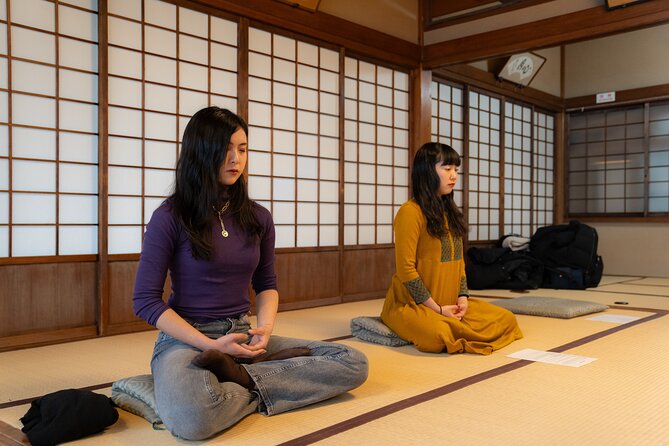
The central part of the visit is zazen, or seated meditation. Before you practice, the monk explains its principles and techniques. The guide provides English support, so you do not need Japanese language skills or previous meditation experience.
That beginner-friendly approach is one of the strongest reasons to book. You are not expected to arrive with Buddhist knowledge. The session gives you a basic frame for understanding posture, breathing, and the purpose of sitting quietly. One participant described the experience as a first meditation lesson, while another highlighted the explanation of proper breathing and meditation.
The exact pace may vary with the group and the monk’s teaching, but you can expect instruction followed by time to sit and practice. This is not advertised as a long silent retreat, and its 90-minute length keeps the commitment modest. You get a taste of the discipline without giving up half a day of sightseeing.
The setting also adds weight to the exercise. Sitting in a temple with a monk, rather than following a meditation video in your hotel room, connects the practice to the culture that shaped it. You may not leave transformed into a Zen practitioner, but you will better understand why stillness, breath, posture, and ritual matter.
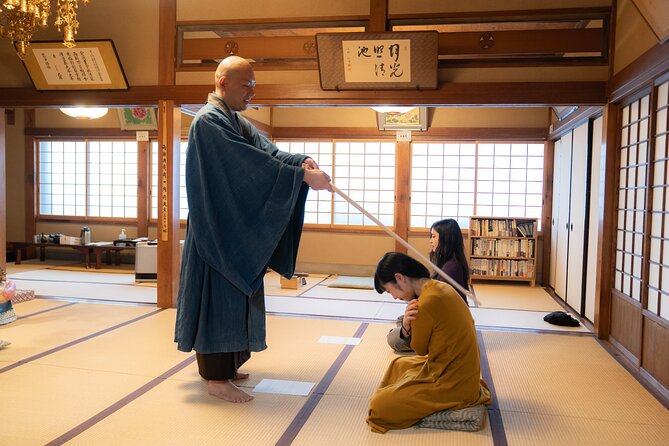
Some visitors also describe a ceremonial tap from the monk during meditation. This can be part of traditional temple instruction, but it is worth understanding that it is not presented as a punishment. If that possibility worries you, ask the guide about it before the session begins.
Calligraphy and sutra tracing as quiet practice
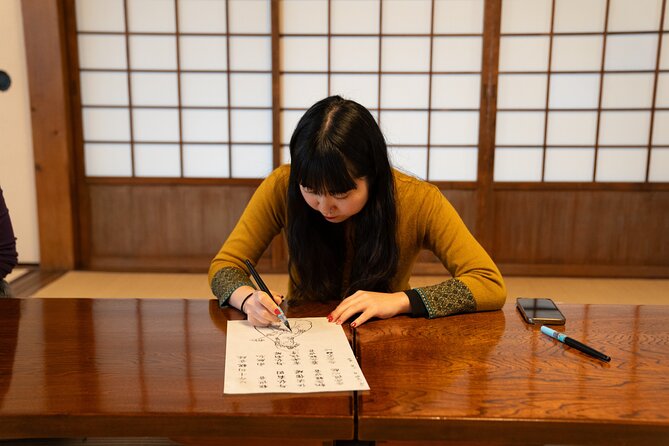
The visit may also include calligraphy or copying Buddhist sutras. This is more than a craft activity. Writing slowly gives you another way to settle your attention, especially if seated meditation feels unfamiliar.
You do not need artistic skill. The point is the careful movement of the brush and the focus required to copy the characters. Several parts of the experience can be understood as forms of concentration: sitting, writing, listening, and preparing or receiving tea.
The activity information specifically includes Zen meditation and matcha, while multiple participants also describe calligraphy or sutra tracing as part of their session. Because the exact order may vary, think of it as a possible part of the temple program rather than a guaranteed standalone class with a set number of characters.
This section can work well for families and couples. Children or first-time meditators may find writing easier to approach than extended silence. You also leave with a personal record of the visit, though the supplied details do not specify whether materials or a finished piece are provided for you to take home.
Matcha, sweets, and an open talk
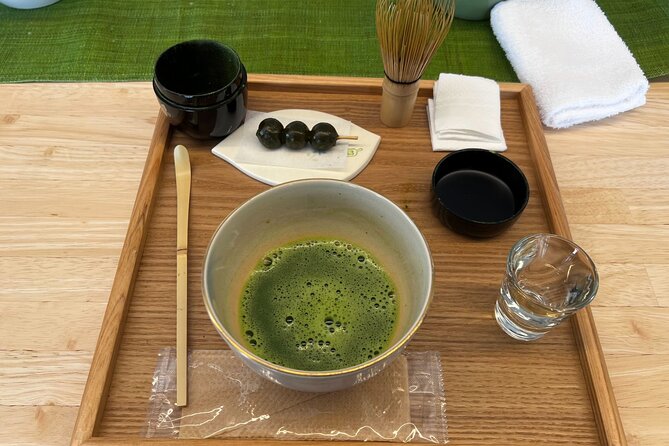
The experience closes with matcha tea and snacks, followed by time for questions. This is a short tea ceremony rather than a full tea-school lesson, so book it for the calm exchange and cultural setting, not for an advanced study of tea preparation.
The tea gives the session a natural change of pace. After sitting and writing, you can relax, taste matcha, and talk with the monk through the guide. Questions can go beyond meditation. The program allows conversation about Zen Buddhism, temple customs, prayer, and Japanese culture.
That open question period may be the most valuable part for curious visitors. A prepared lecture can explain basic ideas, but a direct answer to your own question is easier to remember. The monk is described as approachable, humorous, and willing to discuss a broad range of subjects.
Matcha and sweets are included. Treat this as a modest refreshment rather than a meal. If you need lunch afterward, plan to eat elsewhere in Asakusa.
A few more Tokyo bookings worth comparing
- Mt Fuji and Hakone 1-Day Bus Tour Return by Bullet Train
★ 5.0 · 26,383 reviews - 1-Day Tokyo Bus Tour
★ 5.0 · 14,250 reviews - Tokyo: TOKYO SKYTREE® Admission ticket
★ 4.5 · 11,192 reviews - Tokyo: teamLab Planets TOKYO Digital Art Museum Entry Ticket
★ 4.6 · 9,779 reviews
A guide makes the experience work in English
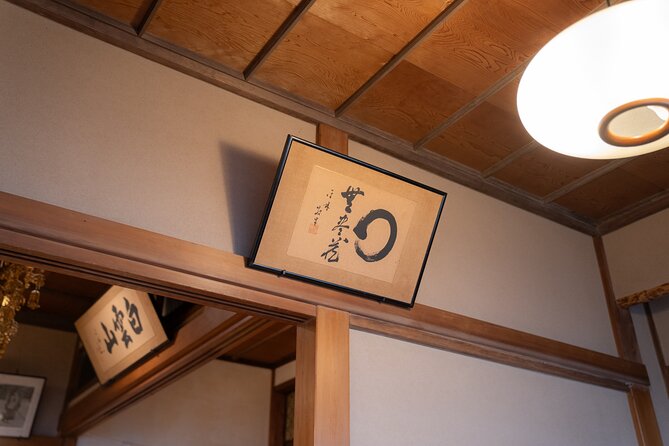
The English-speaking guide is not just there to point out the temple. The guide links the monk’s words to your questions and explains customs that might otherwise pass without context.
Kazu and Tamami are the names most often associated with especially warm and effective guiding in the supplied feedback. Tamami is described as upbeat, helpful, and attentive with photos. Kazu is described as warm and clear in English, with a strong ability to make the monk’s explanations accessible.
Guide assignments can change, so you should not book solely expecting one particular person. Still, the role itself is important. Zen teachings can be difficult to translate word for word, and the guide helps explain the meaning rather than leaving you with a string of unfamiliar terms.
Photos with the monk and inside the temple are possible. This is useful if you want a keepsake, but remember that a temple is a religious space first. Follow the guide’s instructions about where and when photography is suitable. The guide may take photos for you, which is helpful for couples and families who do not want to rely on a stranger.
What the 90 minutes feel like
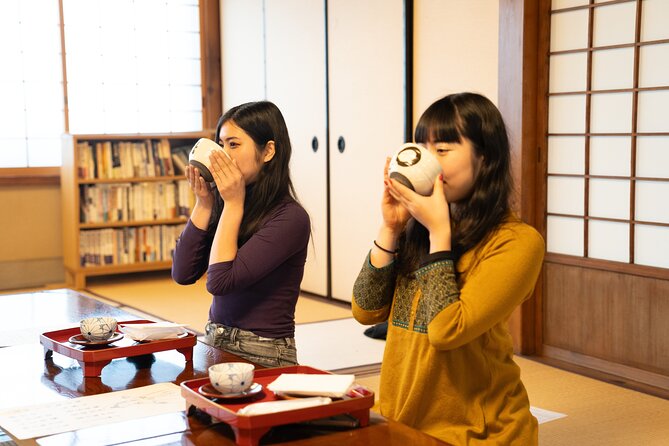
Ninety minutes is long enough to give the visit shape but short enough to fit into a Tokyo sightseeing day. A typical flow includes:
- An introduction to the temple, Japanese culture, and Zen
- Instruction from the monk on zazen
- Seated meditation practice
- Calligraphy or sutra copying, when included in the session
- Matcha tea and sweets
- Questions and informal conversation with the monk
- Photos and, in some sessions, a chance to pray
Do not expect every minute to follow a rigid public-tour script. The free conversation means the group’s questions can influence the final portion. That flexibility is a strength if you like personal exchanges, though it can feel less structured if you prefer a tightly timed itinerary.
The experience is also not a sightseeing tour of several temples. Kinryu-ji is the one listed stop, and the value comes from access and participation rather than the number of places visited. You are paying for time in a normally restricted setting, interpretation, instruction, and a personal exchange.
Is $56.16 a fair price?
At $56.16 per person, this is not the cheapest cultural activity in Tokyo. You can visit many public temples for free or for a small entrance fee. The price needs to be judged against what is included: a private temple visit, an English-speaking guide, entrance, instruction from a monk, meditation practice, matcha, snacks, and the chance to take photos with the monk.
For me, the price is reasonable if you value access and conversation. A public temple visit can show you architecture and ritual from the outside. This experience lets you ask why people pray in certain ways, what zazen involves, and how Buddhist practice fits into the temple setting.
The value is weaker if you mainly want a long meditation session or a formal tea ceremony. The program is an introduction that combines several activities. You are sampling Zen practice, calligraphy, prayer, and tea rather than studying one of them in depth.
The maximum group size of 15 also affects the calculation. You are not guaranteed a completely private appointment, but the group remains limited enough for questions and shared instruction. For a first encounter with Zen in Japan, that balance will suit many people.
Who should book this experience?
I would recommend it to first-time visitors who want a cultural activity with some quiet time. It suits couples, families, solo visitors, and anyone curious about Buddhism but unsure how to enter a temple respectfully.
It is also a good choice if you have limited time in Tokyo. The visit lasts about 90 minutes, stays within the city, and is near public transportation. You do not need to arrange private transport, and most people can participate.
You may especially like it if:
- You want direct conversation with a monk
- You prefer hands-on culture to a standard walking tour
- You need English interpretation
- You are curious about meditation but have never tried it
- You would enjoy calligraphy, matcha, and temple photography
- You want a calm break during a busy Tokyo itinerary
I would think twice if you dislike group activities, have no interest in religious settings, or want a highly formal tea ceremony. The experience also asks you to be respectful of the temple, so it is not the place for loud joking or casual sightseeing behavior.
Practical tips before you go
Confirm the meeting point directly with the provider. The listed address includes the Kairaku Building in Kotobuki, but one participant received directions that led to the wrong convenience store. A quick message before the day of the visit can prevent a stressful start.
Allow time to find the building and arrive early. The tour ends where it begins, so you can continue around Asakusa afterward, but avoid booking a train, restaurant, or ticketed attraction immediately after the scheduled finish.
Wear clothing that lets you sit comfortably. The supplied details do not state a formal dress code, but you are entering a Buddhist temple and taking part in meditation and prayer. Modest, respectful clothing is the sensible choice.
Keep your expectations clear. This is an authentic cultural introduction with English help, not a promise of enlightenment or a substitute for regular meditation practice. Its best moments come from attention, questions, and willingness to take part.
Free cancellation is available until 24 hours before the experience start time. Cancellations or changes made within 24 hours are not refundable, and the cut-off follows Tokyo local time.
Should you book the Kinryu-ji Zen experience?
Book it if you want a personal cultural encounter that goes beyond temple photographs. The combination of seated meditation, calligraphy, matcha, and conversation with a monk gives you several ways to connect with Japanese Buddhist practice in a short period.
At $56.16, the cost is justified by the private access and English support, especially for first-time visitors. Just confirm the meeting location, accept that the session may vary slightly in order and content, and come ready to sit quietly and ask sincere questions.
If that sounds like your kind of Tokyo morning or afternoon, this is a thoughtful choice. If you want only sightseeing or a longer meditation retreat, spend your money elsewhere.
FAQ
Where does the Zen meditation experience take place?
The experience takes place at Kinryu-ji Temple in Asakusa, Tokyo. The listed meeting address is Japan, 111-0042 Tokyo, Taito City, Kotobuki, 2-chome 1-13, Kairaku Building.
How long does the experience last?
The experience lasts approximately 1 hour and 30 minutes.
Is Kinryu-ji Temple open to the general public?
The temple used for this experience is not open to the general public, according to the activity details.
Will an English-speaking guide be present?
Yes. An English-speaking guide is included to explain the temple, Japanese culture, and the monk’s meditation instruction.
Do I need previous meditation or Buddhism experience?
No previous experience is stated as a requirement. The monk explains the principles and techniques of zazen before you practice.
What activities are included?
The experience includes a Zen session, entrance to the temple, matcha tea, snacks, photos with the monk, and an English-speaking guide. Calligraphy, sutra tracing, and prayer are also described as parts of the session.
Can I ask the monk questions?
Yes. The experience includes free conversation with the monk after the meditation and tea ceremony. Questions can cover Zen, Buddhism, meditation, and other subjects.
Is transportation included?
Private transportation is not included. The temple is near public transportation, and the activity begins and ends at the meeting point.
What is the cancellation policy?
You can cancel for a full refund up to 24 hours before the experience start time. Cancellations or changes made less than 24 hours before the start are not accepted for a refund.
New on our Tokyo list
- Tokyo Spectacular View Day-Cruise in 90 Minutes★ 5.0 · 25 reviews
- From Tokyo: Mount Fuji & Hakone Full Day Private Tour★ 4.9 · 25 reviews
- Real Tokyo Runner Club : Daikoku Car Meet Night Tour with JDM Car★ 5.0 · 25 reviews
- 2.5 Hour-Guided Cycle Tour in the Central Tokyo★ 5.0 · 25 reviews
- Ramen Making from Scratch +Akihabara Tour –Cooking Class★ 5.0 · 25 reviews
- [Self-Drive] Tokyo & Daikoku Custom Car Driving Tour★ 4.9 · 25 reviews
- Tokyo: 2-Hour Night Bike Tour of the City’s Hidden Gems★ 4.9 · 25 reviews
- Samurai themed Entertainment show in Shinjuku★ 4.5 · 25 reviews
Temple & Shrine Tours, compared.
Meiji Shrine, Asakusa, Skytree Bus Tour and Cruise
Read our review →
Asakusa Walking Tour with Sensoji Temple Visit
Read our review →
Kamakura & Enoshima Day Trip including Temple Tickets
Read our review →
Nikko Toshogu Shrine and Kegon Waterfall Tour
Read our review →
Tokyo Panoramic 1 Day: Meiji Shrine, Asakusa, Odaiba and SKYTREE®
Read our review →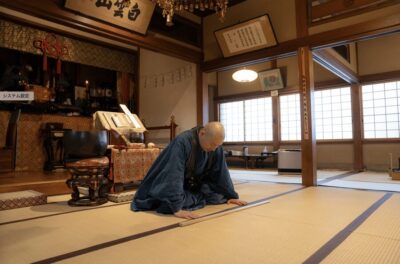
Mt. Fuji Heritage Tour: Traditional Villages, Lakes & Shrine
Read our review →Browse the lists this tour appears in