
Reviewed · KIMONO EXPERIENCES
Turn Antique Kimono into Take-Home Interior Art
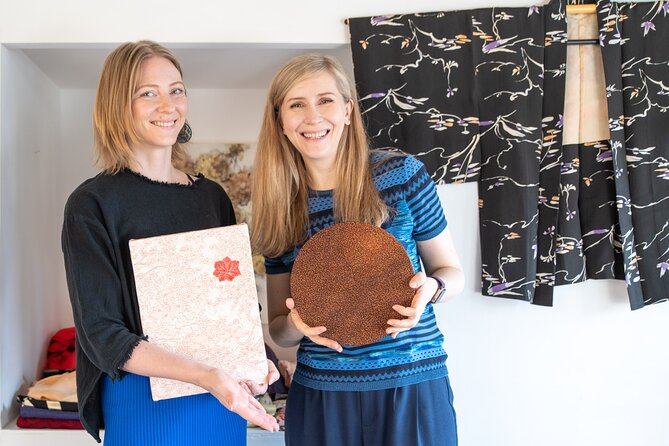
The best part of this Tokyo workshop is the choice. You browse more than 200 antique kimonos, looking for the color, pattern, and mood that speak to you. Lena then explains the design’s symbolism and helps you turn a small section of that fabric into a finished interior-art panel.
I like two things here: you learn why the pattern matters, rather than simply sticking pretty cloth onto a board, and you do the hands-on work yourself. The intimate gallery setting on Meguro Interior Street adds a pleasant design focus. The one consideration is the price, $97.73 per person, which is fair for a guided craft class and finished artwork, but more than a casual souvenir.
In This Review
- Key points to know
- Choosing an antique kimono on Meguro Interior Street
- Why the fabric matters beyond color and pattern
- Selecting a round or rectangular art panel
- Mounting the kimono with traditional backing methods
- A 90-minute craft class with a real souvenir
- What your $97.73 includes
- The strongest reasons to book
- Points to consider before you reserve
- Who will enjoy this Meguro kimono workshop?
- Should you book Turn Antique Kimono into Take-Home Interior Art?
- FAQ
- Where does the kimono art workshop take place?
- How long does the activity last?
- How many people can join?
- What do I make during the workshop?
- Can I choose the kimono fabric?
- Can I choose the shape of the finished artwork?
- Are tools and materials included?
- Can I take the finished artwork home?
- Is transportation included?
- What is the cancellation policy?
Key points to know
- Choose from more than 200 antique kimonos: Your fabric selection is personal, and no two finished pieces need look alike.
- Lena guides the design and craft work: She explains dyeing, weaving, hand-painting, seasonal imagery, and the meaning behind patterns.
- Make a round or rectangular panel: You select the panel style before attaching the kimono fabric with traditional Japanese backing methods.
- Take home the completed artwork: Materials, tools, kimono fabric, panel, and finished piece are included.
- Small-group setting: The workshop accepts a maximum of five people, making it easier to get individual help.
- Plan about 90 minutes in Meguro: The class begins and ends at Atelier + Gallery QUADROJapan, near public transportation.
Choosing an antique kimono on Meguro Interior Street
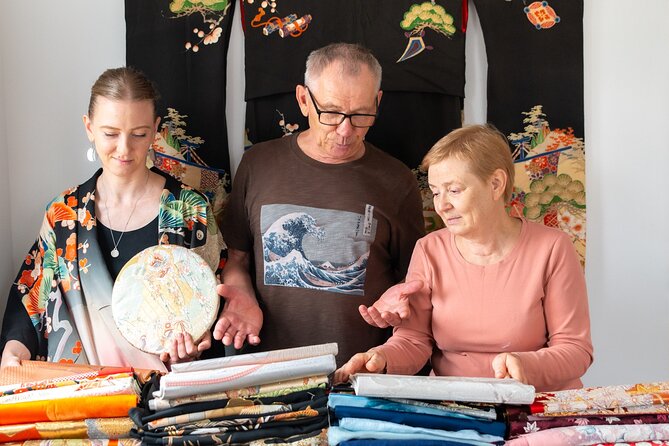
This is not a class where you are handed a fixed design and told to copy it. Your first real task is to look.
The workshop takes place at Atelier + Gallery QUADROJapan, an art gallery at 6-chome Shimomeguro in Tokyo’s Meguro City. The gallery sits on Meguro Interior Street, an area known for shops and spaces devoted to home design. That location gives the activity a useful context. You are not just making a craft in a generic classroom. You are choosing material for something meant to live on a wall, shelf, or office interior.
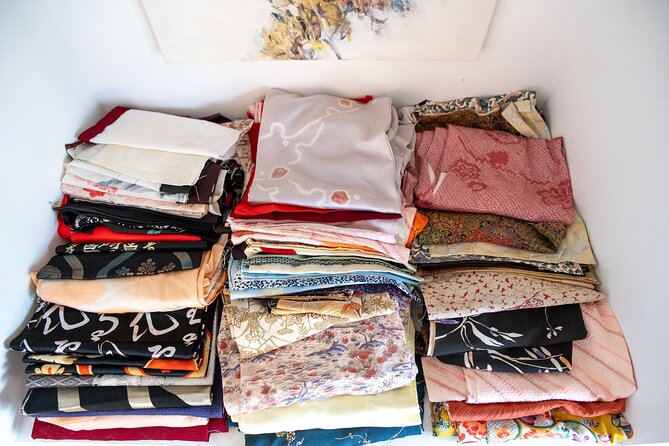
You can examine more than 200 antique kimonos before settling on a favorite. Look for more than a color you like. Notice how the motifs are arranged, where the strongest image sits, and how much of the pattern might fit a round or rectangular panel.
This part may take longer than expected, especially if several fabrics catch your eye. That is a good problem, but the 90-minute schedule means you should not treat the selection as an open-ended shopping session. Once you choose, the rest of the workshop turns that decision into a finished object.
The selection also gives you a personal connection to the piece. A mass-produced print can be attractive, but it has no selection story beyond the store shelf. Here, the artwork begins with the moment you notice one particular kimono among hundreds. That fits the Japanese idea of ichigo ichie, the practice of valuing an encounter as something that happens only once.
More kimono fittings and strolls:
- Let’s make kimono !(Kimono is a gift for you
★ 5.0 · 252 reviews - Tokyo: Matcha and Kimono Experience
★ 4.7 · 219 reviews - Tokyo: Asakusa Kimono Dressing and Matcha Experience
★ 4.9 · 173 reviews
Why the fabric matters beyond color and pattern
Kimono fabric can carry several layers of meaning. During the workshop, Lena introduces traditional methods used in kimono making, including dyeing, weaving, and hand-painting. You also learn about the historical background of your chosen design and the symbolic meaning of its pattern.
Seasonal references are part of that lesson. Japanese design often uses flowers, plants, animals, and other images to suggest a particular season or quality. The supplied information does not specify which motifs will be available on your date, so you should expect the explanation to depend on the kimono you choose.
This is one of the strongest reasons to book the class instead of simply buying an old kimono textile. The story gives the finished panel a place in Japanese culture. When you see it at home later, you can remember not only the colors but also why that image was used and what season it evokes.
Lena’s role matters here. She has extensive experience with kimono fabric and its history, and she offers design advice without taking the choice away from you. That balance is important. You get help when you need it, but the final piece remains your decision.
Selecting a round or rectangular art panel
After choosing your fabric, you select the shape of your finished panel. The available choices include a round canvas and a rectangular canvas.
A round panel can work well when the strongest part of the kimono design sits within a compact area. A rectangular panel may suit a longer border, a sweeping line, or a pattern that needs more horizontal space. The right choice depends on the fabric you select, so it makes sense to consider the composition before you commit to the frame style.
This is where Lena’s design advice becomes practical. She can help you decide which part of the kimono will read best once mounted. You are not simply cutting out an image at random. You are thinking about balance, edges, and how the pattern will look as interior decoration.
The scale is also worth considering before you book. The supplied details confirm that you take home a finished panel, but they do not give exact dimensions. If you need a piece for a particular wall or shelf, ask the provider about the final size before reserving.
Mounting the kimono with traditional backing methods
The hands-on portion uses the selected kimono fabric, a panel, and the necessary tools and materials. You attach the fabric to the panel with traditional Japanese backing techniques, while Lena explains each step and offers tips along the way.
This is a guided craft session, not a demonstration where you watch someone else do all the work. You create the piece yourself. That gives the souvenir more meaning, but it also means you should expect to spend part of the 90 minutes concentrating on the process.
The finished look depends on how carefully you handle the fabric and position the design. Do not rush the placement simply because you are eager to see the result. The fabric may look one way when held loosely and another once stretched across the panel.
The small group size helps. With a maximum of five participants, Lena can give direct assistance as you work. That is especially useful if you are unsure how to position a pattern or need a tip during the backing process. The workshop is designed so most people can participate, and service animals are allowed.
Still, this is not a professional textile-making course. The focus is on creating one finished decorative artwork during a short visit. You receive enough instruction to complete the panel, along with an introduction to the techniques and cultural ideas behind the fabric.
A few more Tokyo bookings worth comparing
- Mt Fuji and Hakone 1-Day Bus Tour Return by Bullet Train
★ 5.0 · 26,383 reviews - 1-Day Tokyo Bus Tour
★ 5.0 · 14,250 reviews - Tokyo: TOKYO SKYTREE® Admission ticket
★ 4.5 · 11,192 reviews - Tokyo: teamLab Planets TOKYO Digital Art Museum Entry Ticket
★ 4.6 · 9,779 reviews
A 90-minute craft class with a real souvenir
The full activity lasts about one hour and 30 minutes. It begins and ends at Atelier + Gallery QUADROJapan, so there is no separate transport between stages. You arrange your own transportation to and from the gallery, but the venue is near public transportation.
The timing makes this easy to fit into a Tokyo itinerary. It is short enough to pair with other time in Meguro, but substantial enough to feel like a proper activity rather than a ten-minute photo stop. You might schedule it near the end of your Japan trip, when a handmade object can serve as a final memory of the country.
Several strong points from the available feedback center on the atmosphere and personal guidance. The gallery is described as intimate, warm, and cozy, with attractive artwork on display. That setting may appeal to you if you prefer a quiet creative hour to a packed sightseeing stop.
The class also seems especially suited to pairs. One shared design can become a joint keepsake, or each person can select a different kimono pattern. If you are visiting alone, the small group and individual guidance should make the process manageable, though the experience is still built around making a physical object rather than touring the gallery.
What your $97.73 includes
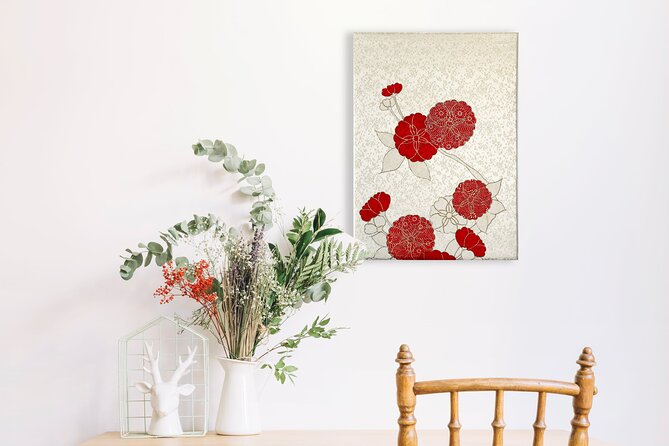
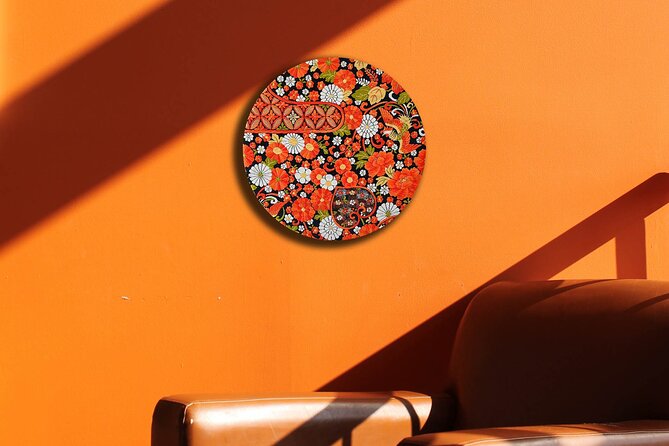
At $97.73 per person, this is a premium souvenir activity rather than a low-cost craft lesson. Your fee includes the antique kimono fabric, panel, tools, other materials, instruction, and the finished artwork you create.
That package changes the value calculation. You are not paying only for 90 minutes of entertainment. You are also receiving a piece of textile art, access to a large fabric selection, cultural explanation, design help, and a completed object that can decorate your home or office.
The value will depend partly on how much you care about the making process. If you want a cheap object to pack into your suitcase, this is not the right choice. If you would otherwise buy an art print, textile, or framed Japanese souvenir, the workshop gives that purchase a personal story and a creative component.
Transportation is not included. You must reach the gallery yourself and return afterward. Since the meeting point is in Meguro and near public transportation, that is a manageable arrangement, but leave enough time to find the exact building. A mobile ticket is provided, which keeps the booking simple.
The activity is commonly booked about 17 days ahead. That is a useful planning clue, especially because the maximum group size is only five people. If this workshop fits a fixed Tokyo schedule, reserve before your final days fill up.
The strongest reasons to book
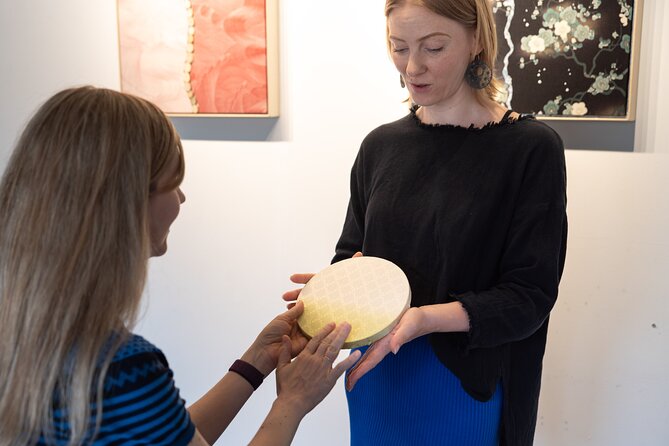
I would choose this activity for the fabric selection and the sense of ownership. You do not simply buy something made by someone else. You choose the textile, decide on the panel shape, and take part in the mounting process.
The cultural explanation is the other major strength. Learning about dyeing, weaving, hand-painting, pattern symbolism, and Japanese seasons makes the final artwork easier to appreciate. Without that context, an antique kimono panel could be beautiful but distant. With it, the object has a clear connection to the culture that produced it.
The guidance also receives especially strong praise. Lena is patient and friendly, and she offers thoughtful design suggestions while allowing you to remain involved. That is the right approach for a short workshop. Too little help would leave you frustrated; too much would make the result feel like hers instead of yours.
The gallery itself adds another layer. If you are interested in interiors, textiles, or Japanese design, the Meguro setting makes more sense than a hotel meeting room. You can treat the class as both a craft session and a small encounter with Tokyo’s design culture.
Points to consider before you reserve
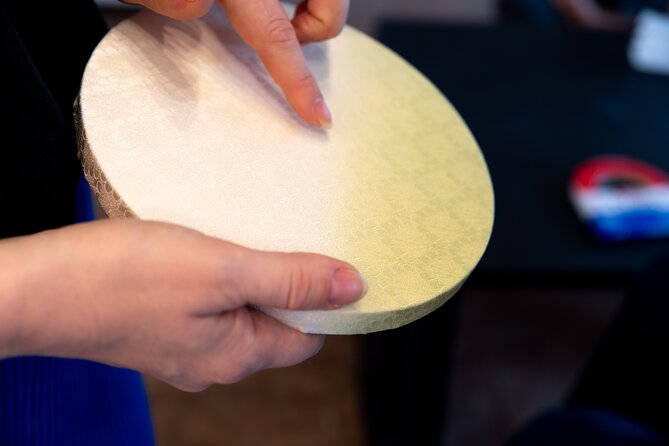
The experience is brief. Ninety minutes is enough to choose fabric, hear an explanation, and create a panel, but not enough to explore every aspect of kimono construction. If you want an advanced lesson in textile conservation, tailoring, or historical costume, this workshop will feel limited.
Your finished item is also a decorative panel, not a wearable kimono. The activity gives an old garment a new use as interior art. That is appealing if you want something easy to display, but less suitable if your main goal is to learn how to dress in kimono or make clothing.
The exact fabric available on the day cannot be predicted. You may find a pattern that immediately works for you, or you may need to choose among several good options. The freedom is part of the charm, but anyone who wants a particular flower, color, or period style should not assume it will be available.
The price may be high for families, particularly if several people book together. The small group and included materials help justify it, but the best value goes to someone who wants both the activity and the finished art. If you would be satisfied with a ready-made souvenir, shop elsewhere.
Finally, think about packing. The completed panel is designed to go home with you, but the provided information does not specify its dimensions or weight. Ask about size if you are traveling with limited luggage or flying soon after the class.
Who will enjoy this Meguro kimono workshop?
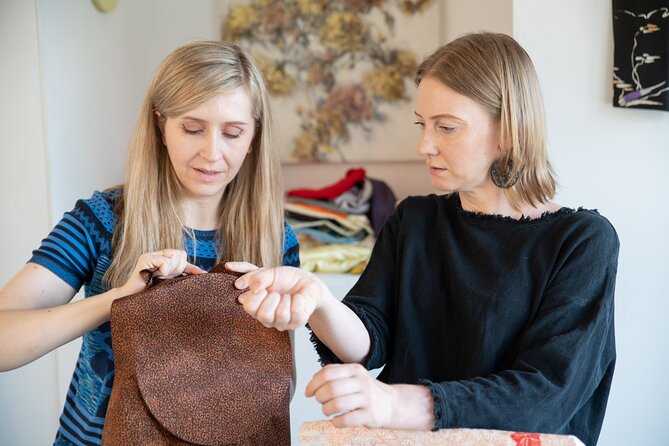
This suits you if you like handmade souvenirs, Japanese design, fabric, or quiet cultural activities. It is a strong choice for couples, solo visitors, and small groups who want to make something personal rather than collect another standard souvenir.
It also works well for an end-of-trip plan. The finished panel can bring back memories of Tokyo long after the trip, and the design story gives you something to explain when you display it at home.
You may want to skip it if you dislike hands-on crafts, have no interest in interior decoration, or need an activity with a very low price. It is also not the best fit if you want a long, formal lecture about kimono history. The emphasis is on choosing, making, and taking home.
Free cancellation is available if you cancel at least 24 hours before the local start time. Changes or cancellations inside that window are not accepted for a refund, so check your schedule before booking.
Should you book Turn Antique Kimono into Take-Home Interior Art?
Book it if you want a personal Tokyo souvenir and enjoy making things with your hands. The combination of more than 200 antique kimonos, Lena’s pattern guidance, traditional backing methods, and a finished round or rectangular panel gives you more than a simple shopping stop.
I especially recommend it for anyone who wants a compact cultural activity with a lasting result. At $97.73, it is not an impulse buy, but the fee covers the complete project and the material itself. Skip it only if the price outweighs the value of a handmade keepsake, or if your luggage and itinerary leave no room for a finished panel.
FAQ
Where does the kimono art workshop take place?
It takes place at Atelier + Gallery QUADROJapan, 1F, Shimomeguro 6-chome, Meguro City, Tokyo 153-0064. The venue is on Meguro Interior Street.
How long does the activity last?
The workshop lasts approximately one hour and 30 minutes.
How many people can join?
The maximum group size is five participants.
What do I make during the workshop?
You select antique kimono fabric and attach it to a panel to create an original piece of interior art.
Can I choose the kimono fabric?
Yes. You choose your favorite colors and patterns from more than 200 antique kimonos.
Can I choose the shape of the finished artwork?
The available choices include a round canvas and a rectangular canvas.
Are tools and materials included?
Yes. The kimono fabric, panel, tools, and other materials needed for the activity are included.
Can I take the finished artwork home?
Yes. The completed original artwork is included and you can take it home as a souvenir or use it as interior decoration.
Is transportation included?
No. Transportation to and from the workshop venue is not included. The activity begins and ends at the meeting point, which is near public transportation.
What is the cancellation policy?
You can cancel at least 24 hours before the local start time for a full refund. Cancellations or changes made less than 24 hours before the start time are not accepted for a refund.
New on our Tokyo list
- Sumi-e Experience in a relaxing green tea shop in Tokyo★ 5.0 · 3 reviews
- Tokyo : Kamikaze Street Drift Ride★ 5.0 · 3 reviews
- Private Zen Meditation in English in Shinjuku, Tokyo★ 5.0 · 3 reviews
- Onsen Spa in Tokyo and Asakusa Bar Hopping with Local Guide★ 5.0 · 3 reviews
- Easy for everyone! Now you can play handmade mini shamisen and show off to everyone! Musical instruments, sweets and live music★ 5.0 · 3 reviews
- Tokyo: Private Tsukiji Street Food & Sake with Local Guide★ 5.0 · 3 reviews
- Mt Fuji Exploration Tour with Free Japanese Kusa Mochi from Tokyo★ 4.5 · 3 reviews
- Tokyo Tsukiji Fish Market Walking and Exploring Hidden Gems Tour★ 5.0 · 3 reviews
Kimono Experiences, compared.




Tokyo Asakusa: Traditional Kimono Rental Experience at Wargo
Read our review →
Tokyo Asakusa: Miu Kimono Rental and Optional Photoshoot
Read our review →
Tokyo Authentic Kimono Rental in Asakusa with Photography Option
Read our review →Browse the lists this tour appears in