Reviewed · GUIDED
Unlock Hidden Tokyo: Private Custom Tour with a Local guide
Tokyo is a city of grand shrines, quiet palace grounds, department stores, food stalls, and neon streets. This private tour lets you connect several very different parts of the city in one day, with a guide handling the route and explaining what you are seeing. The custom plan is the main attraction, especially if you have limited time or want help making sense of Tokyo’s size.
I like two things here: your group gets the guide’s full attention, and the route can be adjusted to suit your interests. Ryo receives repeated praise for being punctual, polite, flexible, and good with families, though you should request him rather than assume he will be assigned. The main drawback is time. Seven listed stops in five hours means short visits and little room for slow meals, long shopping sessions, or unexpected traffic.
In This Review
- Key points at a glance
- Why a private Tokyo route can save your day
- Imperial Palace: a calm opening in central Tokyo
- Senso-ji Temple and the old face of Tokyo
- Tsukiji Outer Market: Tokyo through food
- Ginza: luxury shopping in a compact visit
- Takeshita Street: Harajuku’s playful side
- Meiji Jingu: forest, shrine, and a slower pace
- Shibuya Crossing: Tokyo’s famous final scene
- Ryo’s role and the value of a private guide
- Timing, transport, and the tradeoff between coverage and depth
- Who gets the most from this tour
- Booking value and cancellation terms
- Should you book this Tokyo tour?
- FAQ
- How long does the private Tokyo tour last?
- How many people can join the private tour?
- What is included in the price?
- Is lunch included?
- Can the itinerary be customized?
- Is pickup available?
- Can I request guide Ryo?
- What is the cancellation policy?
Key points at a glance
- A private group price of $280: Up to six people can share the cost, making this more attractive for families or friends than for a solo visitor.
- Seven very different Tokyo stops: The route can include the Imperial Palace, Senso-ji, Tsukiji Outer Market, Ginza, Takeshita Street, Meiji Jingu, and Shibuya Crossing.
- Ryo is a guide to request: His service is repeatedly praised for punctuality, safe driving, clear directions, and adapting the day to the group.
- Five hours requires smart choices: You can cover a lot, but the 30-minute stops are introductions rather than full visits.
- Pickup is offered: Confirm the exact pickup point and transport plan before you book, since the meeting details are not fully specified.
- Food is not included: You can eat or drink during the day, but those costs are yours.
Why a private Tokyo route can save your day
Tokyo is not difficult because its sights are obscure. It is difficult because the city spreads in every direction, and each district has its own feel, rhythm, and best use of time. A private guide helps you avoid spending half the day deciding what to do next.
This is most useful if you want a broad first look at Tokyo. You can move from imperial grounds to an old Buddhist temple, then on to a food market, luxury shopping street, youth fashion district, major shrine, and famous crossing. That range gives you a better sense of the city than spending five hours in one neighborhood.
The price is $280 per group of up to six, not $280 per person. A full group pays about $47 each, which is fair for a private five-hour service with an English-speaking guide. A couple pays more per person, but still gains a tailored day and direct help with navigation.
The practical question is how much customization you really want. If you already know Tokyo well and only need a ride between fixed stops, this may offer more guiding than you need. If you are visiting for the first time, have children, or want to combine sights that would be hard to arrange alone, the value is stronger.
A few more Tokyo bookings worth comparing
- Mt Fuji and Hakone 1-Day Bus Tour Return by Bullet Train
★ 5.0 · 26,383 reviews - 1-Day Tokyo Bus Tour
★ 5.0 · 14,250 reviews - Tokyo: TOKYO SKYTREE® Admission ticket
★ 4.5 · 11,192 reviews
Imperial Palace: a calm opening in central Tokyo
The Imperial Palace offers a useful counterpoint to Tokyo’s crowded streets. It has served as the official residence of Japan’s Emperors since 1868, and the grounds represent the modern nation’s imperial center.
The scheduled visit is about one hour, with admission listed as included. That gives you time to take in the setting without treating the palace as just another quick photo stop. Ask your guide to explain what you are seeing, since the meaning of the grounds matters as much as the buildings themselves.
Keep your expectations sensible. This is not a visit to every part of the Imperial Residence. The palace area is best understood as a formal, historic opening to the day, not as a long museum tour.
Senso-ji Temple and the old face of Tokyo
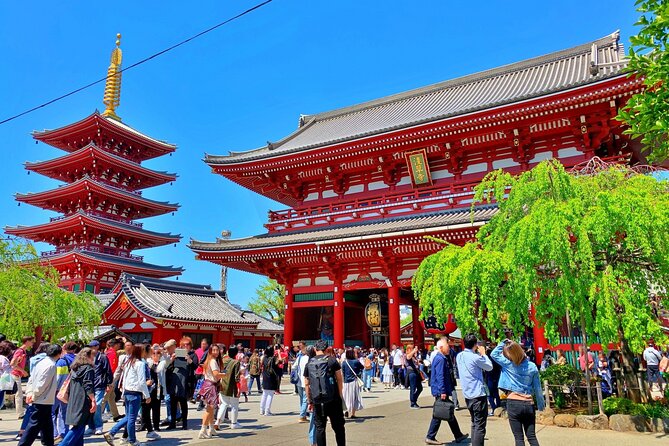
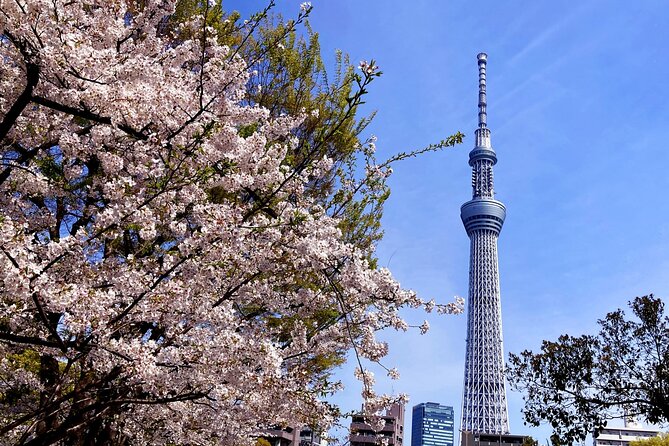
Senso-ji in Asakusa is one of Tokyo’s essential stops. More than 1,400 years old, it is Japan’s most visited temple and draws more than 20 million visitors each year. The setting gives you a strong look at Tokyo’s Buddhist traditions and the city’s long connection to religious pilgrimage.
You have about an hour here, with admission listed as included. That is enough time to approach the temple, look at the surrounding religious details, and ask questions about customs and background.
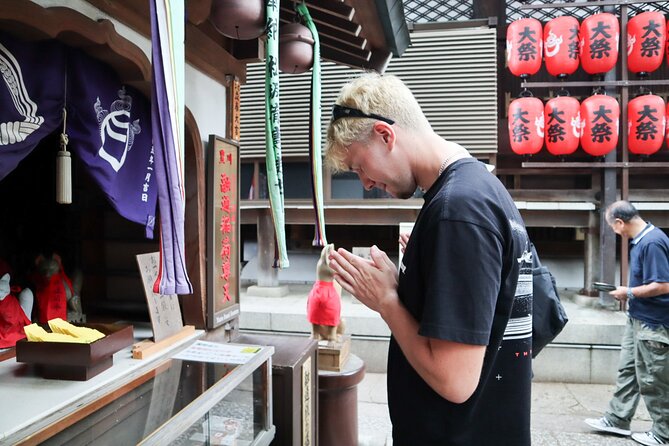
This is also one of the stops where a guide earns their keep. A local guide can point out entrances and explain what deserves your attention, rather than leaving you to wander through a large complex without context. Ryo is repeatedly praised for making entrances clear and helping groups avoid getting lost.
Asakusa can be crowded, and the temple’s fame is part of the experience. If you want quiet photographs or a slow look at every detail, one hour may feel short. Still, paired with the Imperial Palace, Senso-ji gives the morning a useful contrast: imperial Tokyo first, older religious Tokyo next.
Tsukiji Outer Market: Tokyo through food
Tsukiji Outer Market is often called Japan’s Food Town. The wholesale fish market moved elsewhere, but the outer market remains a lively food district filled with traditional Japanese food shops and a mix of wholesale and retail businesses.
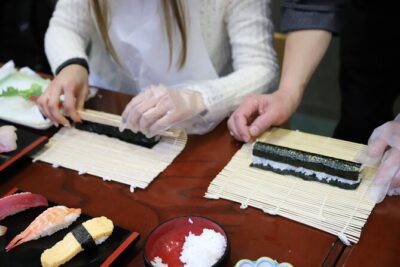
The visit lasts about an hour. This is the place to pause for something to eat if your schedule allows. Lunch is not included, and anything you choose to eat or drink must be paid for separately, so bring a payment method and allow room in both your budget and your timetable.
I like having Tsukiji in the middle of a sightseeing route because it breaks up the temples and shopping streets with a direct taste of daily food culture. You can ask your guide what looks worth trying and how to approach the market respectfully.
The limitation is simple: one hour is not much time for a market. If you want a full meal, careful shopping, and plenty of small tastings, you may need to shorten another stop. Tell the guide before the day begins if food is one of your main goals.
Same corner of Tokyo, a completely different plan:
- Tokyo: teamLab Planets TOKYO Digital Art Museum Entry Ticket
★ 4.6 · 9,779 reviews - Mt Fuji & Hakone Cruise, Drum Show Bullet Train 1 Day from Tokyo
★ 4.0 · 7,413 reviews - Tokyo: Sumo Show Experience with Chicken Hot Pot and a Photo
★ 4.8 · 6,678 reviews - Tokyo: Shinjuku Food Tour (13 Dishes at 4 Local Eateries)
★ 5.0 · 6,603 reviews
Ginza: luxury shopping in a compact visit
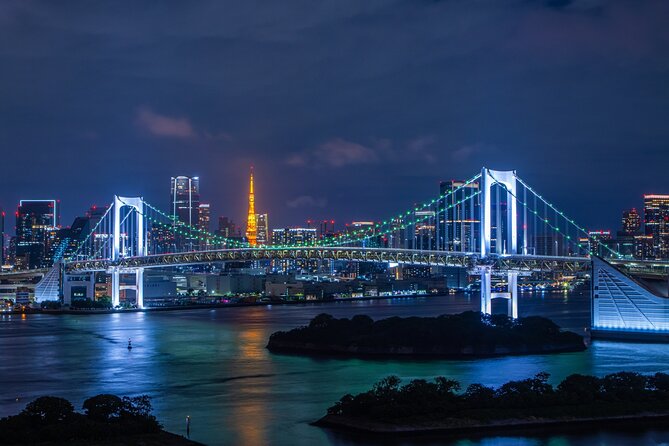
Ginza is Tokyo’s top district for luxury shopping, flagship stores, upscale malls, and polished department stores. It is a useful stop if you want to see the city’s high-end commercial side, even if you do not plan to buy anything.
The planned visit is only 30 minutes, and admission is free. Treat this as an orientation walk, not a serious shopping session. You can see the character of the district, identify stores you might return to, and compare Ginza’s refined style with the younger energy of Harajuku.
This short stop works well for a group with mixed interests. Shoppers get a preview, while everyone else can experience one of Tokyo’s most famous commercial areas without giving up a large part of the day.
Takeshita Street: Harajuku’s playful side
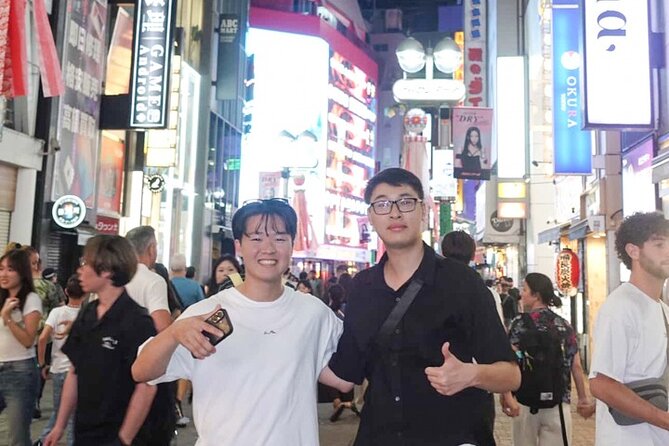
Takeshita Street in Harajuku is known for youth fashion, unusual boutiques, cute goods, and a style that is far removed from the formal atmosphere around the Imperial Palace. It is one of the quickest ways to see Tokyo’s pop-culture side.
You have about 30 minutes here, with admission listed as included. That is enough for a first look and perhaps a brief browse, but it will not satisfy someone planning a serious shopping trip. If your main interests are fashion and small shops, ask for more time and consider dropping another stop.
I would not treat Takeshita Street as a quiet cultural visit. It is a commercial street built around novelty, fashion, and youthful self-expression. That contrast is exactly why it belongs on a broad Tokyo route, but it can feel rushed in a half-hour.
Meiji Jingu: forest, shrine, and a slower pace
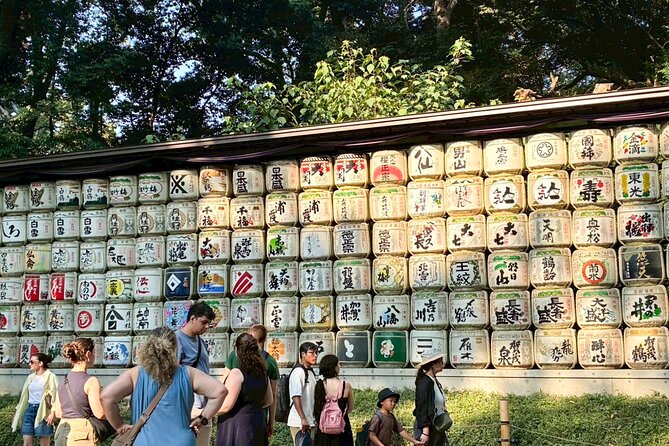
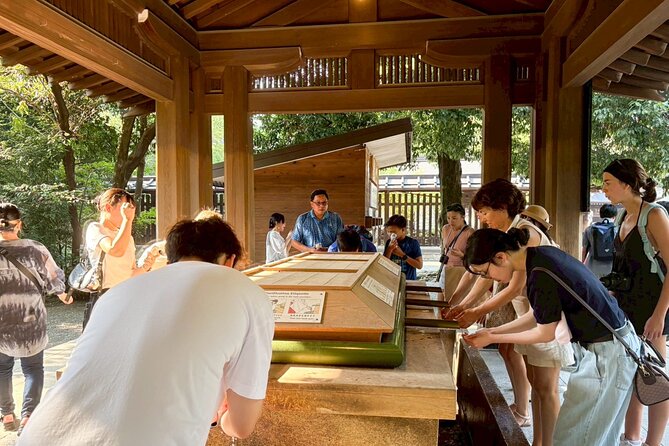
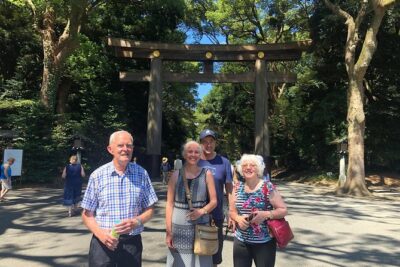
Meiji Jingu gives the tour a needed pause. The shrine sits in a forest of more than 100,000 trees in central Tokyo and is dedicated to Emperor Meiji and Empress Shoken. Its setting feels far removed from the nearby shops and major roads.
The scheduled visit is about 30 minutes. You can see the approach, get a sense of the shrine’s scale, and learn about the customs connected with Shinto worship. The short visit will not allow much unhurried wandering, but it provides a valuable change of mood after Takeshita Street.
This is a good example of why the guide’s commentary matters. Without context, a shrine can look like a beautiful path and a wooden structure. With explanation, you can better understand how the site fits into Japan’s religious and national story.
The forest path may also require more walking than the 30-minute estimate suggests, depending on where you begin and how the route is arranged. If anyone in your group walks slowly, mention that when discussing the plan.
Shibuya Crossing: Tokyo’s famous final scene
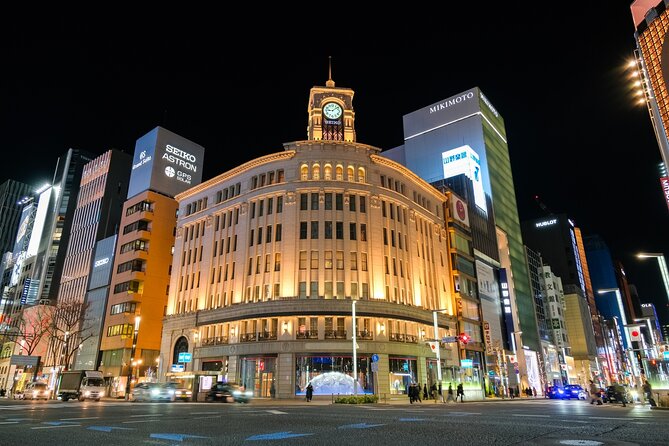
Shibuya Crossing is one of the world’s busiest pedestrian intersections. About 2,500 people may cross during a single light change, making it an easy place to feel Tokyo’s scale and energy in a few minutes.
The scheduled time is 30 minutes, with admission listed as included. You do not need a long visit to understand the appeal. Watching the crossing, walking through it, and getting oriented in Shibuya can make a satisfying finish to the day.
The crossing itself is free, but the challenge is timing. Traffic, crowds, and the distance between districts can affect how long you actually have at each stop. A private guide can help you reach the right entrance and avoid confusion, but cannot remove Tokyo’s traffic or pedestrian flow.
If you want time for shops, cafés, or a particular view of the crossing, say so before the route is finalized. The standard plan is designed for coverage, not an extended Shibuya visit.
Ryo’s role and the value of a private guide
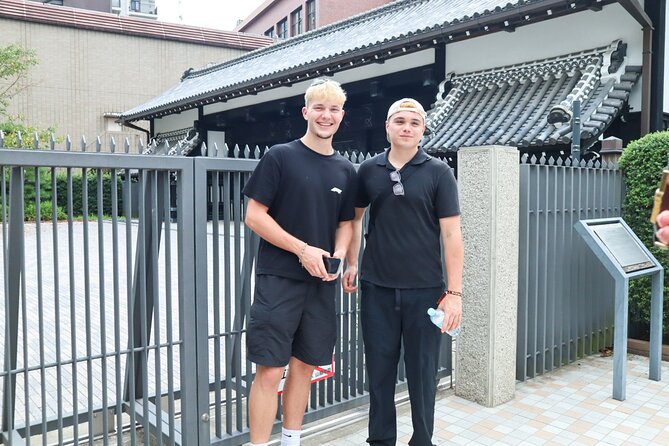
Several parts of the guide service receive especially strong praise. Ryo is described as friendly, kind, punctual, professional, and careful behind the wheel. He is also credited with offering useful background stories, pointing out entrances, and helping groups move through the city without getting lost.
That combination matters. Tokyo’s transport network is excellent, but a first visit can still involve confusing station exits, large intersections, and districts that look similar on a map. A guide who gets you to the correct entrance and keeps the day moving can save real time.
Ryo also receives praise for working well with children and for adjusting the route to match a group’s interests. One especially useful feature is the ability to add places that were not originally planned, when time permits. Do not assume every request can fit, though. The day still has only about five hours.
The guide’s exact availability is not guaranteed. If Ryo is important to your decision, request him at booking and confirm before the tour. The included city map is a small but useful extra for remembering where you went and planning the rest of your stay.
Timing, transport, and the tradeoff between coverage and depth
The seven-stop plan adds up to five hours: one hour each at the Imperial Palace, Senso-ji, and Tsukiji, followed by 30 minutes at Ginza, Takeshita Street, Meiji Jingu, and Shibuya Crossing. On paper, that is neatly organized. In real Tokyo, travel between districts and getting in and out of vehicles will shape the day.
Pickup is offered, and the experience is private. The available information does not spell out the exact vehicle arrangement or pickup location, so confirm those details before the tour. The service operates from 9:00 a.m. to 11:00 p.m. during the stated booking period, giving you some choice over start time.
I would use the private format to make firm choices. For example:
- Keep all seven stops if your goal is a broad first look.
- Drop Ginza if shopping is not important to you.
- Drop Takeshita Street if youth fashion is not on your list.
- Protect Tsukiji time if food is a priority.
- Ask for longer at Senso-ji or Meiji Jingu if culture matters more than checking off districts.
The strongest version of this tour is not necessarily the version with every stop. It is the version that uses the guide’s flexibility to match your priorities.
Who gets the most from this tour
This experience suits first-time Tokyo visitors who want a quick framework for the city. It also works well for families, since the private setting lets you move at your own pace and gives the guide a chance to pay attention to children. The repeated praise for Ryo’s patience and helpful manner is especially relevant here.
It is a practical choice for a group of friends with different interests. One person can see a shrine, another can sample food, and another can get a look at Ginza or Harajuku. The guide can help balance those wishes better than a fixed group excursion.
It is less suitable if you want a slow, specialist tour of one subject. A food-focused day at Tsukiji, a detailed temple visit, or a full shopping itinerary would need more time than this broad route provides.
The tour allows service animals, is near public transportation, and is described as suitable for most participants. Still, ask about the specific walking and vehicle arrangements if your group has mobility concerns, since the stops include large temple grounds, shrine paths, markets, and crowded streets.
Booking value and cancellation terms
At $280 for up to six people, the cost makes the most sense when shared. A family of six receives a private guide for roughly the price of a modest individual excursion, while a couple pays more per person for the same personal service.
The strongest value comes from the time saved and the ability to shape the route. The price is harder to justify if you plan to spend most of the five hours browsing shops or eating, since the standard schedule gives you only short blocks for those activities.
You receive an English-speaking guide and a city map. Lunch and drinks are separate. Confirmation is provided at booking, and you can cancel for a full refund if you do so at least 24 hours before the local start time. Cancellations or changes inside that window are not refunded or accepted.
Should you book this Tokyo tour?
Book it if you want a private overview with real flexibility, especially on a first visit, with children, or with a group of up to six. Request Ryo if possible, and send your top two or three priorities before the day begins. That gives the guide a better chance to build a useful route instead of simply racing through every listed stop.
Skip it if your idea of a good Tokyo day is a slow market lunch, extended shopping, or a detailed visit to one temple or shrine. Five hours and seven stops favor variety over depth.
For most people, I would keep the private format but treat the published route as a menu, not a command. Choose the places that matter most to you, leave time for food, and accept that Tokyo is too large to finish in one afternoon.
FAQ
How long does the private Tokyo tour last?
The experience lasts approximately five hours.
How many people can join the private tour?
The price covers one private group of up to six people. Only your group participates.
What is included in the price?
An English-speaking guide and a city map are included. Admission is listed as included for the scheduled stops.
Is lunch included?
No. Any food or drinks you purchase during the tour must be paid for separately.
Can the itinerary be customized?
Yes. The route is fully customizable around interests such as shopping, cultural attractions, and less familiar areas. Potential areas include Asakusa, Harajuku, and Shibuya.
Is pickup available?
Pickup is offered. Confirm the exact pickup arrangement and meeting point when booking.
Can I request guide Ryo?
You can request Ryo, whose service is praised for punctuality, clear directions, flexibility, and safe driving. His assignment is not guaranteed unless confirmed by the provider.
What is the cancellation policy?
You can receive a full refund if you cancel at least 24 hours before the experience start time. Cancellations or changes made less than 24 hours before the start are not accepted and are not refunded.
New on our Tokyo list
- Tokyo : Kamikaze Street Drift Ride★ 5.0 · 3 reviews
- Private Zen Meditation in English in Shinjuku, Tokyo★ 5.0 · 3 reviews
- Sumi-e Experience in a relaxing green tea shop in Tokyo★ 5.0 · 3 reviews
- Onsen Spa in Tokyo and Asakusa Bar Hopping with Local Guide★ 5.0 · 3 reviews
- Easy for everyone! Now you can play handmade mini shamisen and show off to everyone! Musical instruments, sweets and live music★ 5.0 · 3 reviews
- Tokyo: Private Tsukiji Street Food & Sake with Local Guide★ 5.0 · 3 reviews
- Mt Fuji Exploration Tour with Free Japanese Kusa Mochi from Tokyo★ 4.5 · 3 reviews
- Tokyo Tsukiji Fish Market Walking and Exploring Hidden Gems Tour★ 5.0 · 3 reviews
Guided, compared.
Tokyo 6hr Private Tour with Government-Licensed Guide
Read our review →
Shinjuku Local Bar and Izakaya Guided Walking Tour
Read our review →
Private City Highlights Tour with Local Guide
Read our review →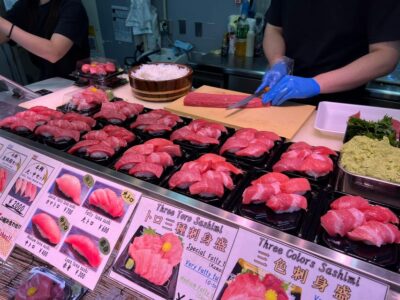
Tokyo 4hr Private Tour with Government-Licensed Guide
Read our review →
Samurai Ninja Museum Guided tour and Experience
Read our review →