
Reviewed · TOKYO FOOD TOURS
Yummy Harajuku Colorful Family Food Tour Kids Free by Expert
Harajuku is where Tokyo lets its hair down, and this private tour uses food to make the district easy for families to enjoy. You can move from rainbow cotton candy and crepes to savory snacks, then pause at Meiji Jingu Shrine or Kiddy Land while your guide explains the local quirks.
I like the custom food stops, especially if your children are selective eaters or your group has food restrictions. I also like the help with crowded streets and ordering, something guide Hiromi did particularly well. The main consideration is price: at $185 per person, this makes the most sense when you value private guiding and a flexible family route rather than simply buying snacks on your own.
In This Review
- Key points to know before you book
- Why Harajuku works so well for a family food tour
- Starting at Omotesando with Tokyo’s polished side
- Harajuku Bridge and the first taste of local pop culture
- Meiji Jingu: a quiet reset beside the city
- Takeshita Street: sweet snacks and controlled chaos
- Kiddy Land for character-loving children and teenagers
- Owl Village and the question of animal cafes
- Ota Memorial Museum of Art and a glimpse of ukiyo-e
- Four to five food stops, with room for family preferences
- What the $185 price really buys you
- Who will enjoy this Harajuku outing most
- Practical details for a smooth day
- Should you book the Yummy Harajuku Colorful Family Food Tour?
- FAQ
- How long does the Harajuku food tour last?
- What time does the tour start?
- Where does the tour begin?
- Where does the tour end?
- Is this a private tour?
- How many food stops are included?
- What food is included?
- Are alcoholic drinks included?
- Does the tour include hotel pickup and drop-off?
- Can I cancel for a full refund?
Key points to know before you book
- Private family format: Only your group takes part, so the guide can shape the food stops around children, teenagers, and dietary needs.
- Four to five tastings: Crepes, biscuit custard, bottled water, and other Japanese street snacks are included, while the exact food choices can change.
- Harajuku in one half-day: The route may include Omotesando, Harajuku Bridge, Meiji Jingu, Takeshita Street, Kiddy Land, an owl cafe, and the Ota Memorial Museum of Art.
- Guides who help with the busy streets: Hiromi and Midori are named guides associated with particularly positive experiences, including help with navigation and finding lunch.
- A walking tour with a food focus: The food is the hook, but the four hours also give you a first look at Harajuku’s fashion, shrine culture, shops, and youth scene.
- Simple meeting plan: Meet at Harajuku Station at 11:00 a.m. and finish back at the same meeting point.
Why Harajuku works so well for a family food tour
Harajuku can feel like several Tokyo neighborhoods packed into one short walk. On one side, Omotesando brings polished shops and broad avenues. On the other, Takeshita Street serves sweet snacks, character goods, and youth fashion at close range. Meiji Jingu offers a quieter change of pace nearby.
That contrast is the real strength of this experience. Your children do not have to sit through a long lecture about Tokyo. They can taste something colorful, see a strange shop display, visit a shrine, and ask questions as the guide connects each stop to daily life in Japan.
The private format matters here. A family with young children may want more sweets and fewer museum minutes. Teenagers may prefer Takeshita Street and Kiddy Land. A group with food restrictions may need a proper lunch stop, as Midori did for one family at Sakura, where hibachi food could be adjusted to their needs.
The tour runs for about four hours and begins at 11:00 a.m. That timing is useful because it turns breakfast into a light meal and carries you into lunch. You should arrive ready to walk and snack rather than expecting one large restaurant meal.
More Tokyo food crawls:
- Tokyo: Shinjuku Food Tour (13 Dishes at 4 Local Eateries)
★ 5.0 · 6,603 reviews - Tokyo: Shinjuku Food Tour (15 Dishes and 4 Eateries)
★ 4.9 · 2,033 reviews - Best of Shinjuku: Izakaya Food Tour (4 Stops, 14+ Tastings)
★ 5.0 · 1,863 reviews
Starting at Omotesando with Tokyo’s polished side
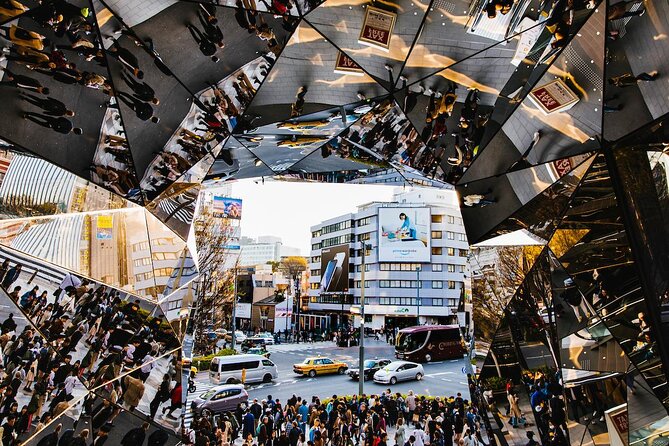
The first listed stop is Omotesando, about 30 minutes. This is one of Tokyo’s most expensive shopping areas, with a more refined feel than the snack-packed lanes nearby. It gives you a useful opening contrast: Harajuku is not only about cartoon characters and giant sweets.
For parents, Omotesando can provide a calmer introduction before the crowds tighten around Takeshita Street. For older children and teenagers, the architecture and fashion shops show another side of Tokyo’s style culture. The stop itself has no admission fee, but the area is designed for browsing, not bargain shopping.
Do not expect this part to be a food tasting on its own. Its value is orientation. Your guide can help you understand how Omotesando fits beside Harajuku, and the walking time lets you settle into the pace of the day.
Harajuku Bridge and the first taste of local pop culture
Harajuku Bridge crosses the train tracks near Harajuku Station and is sometimes called Jingu Bashi or the Harajuku Cosplay Bridge. It has long been associated with Harajuku’s youth and costume culture.
The bridge is a natural photo stop and a quick way to explain why Harajuku became known for unusual fashion and self-expression. It is also a practical landmark near the station, so beginning or ending around here makes sense.
Conditions can change from day to day. The area may be crowded, and a short bridge stop will not guarantee that you see people in elaborate costumes. Still, it gives children a clear visual link between Tokyo’s train network, local street life, and the fashion identity they may already associate with Harajuku.
Meiji Jingu: a quiet reset beside the city
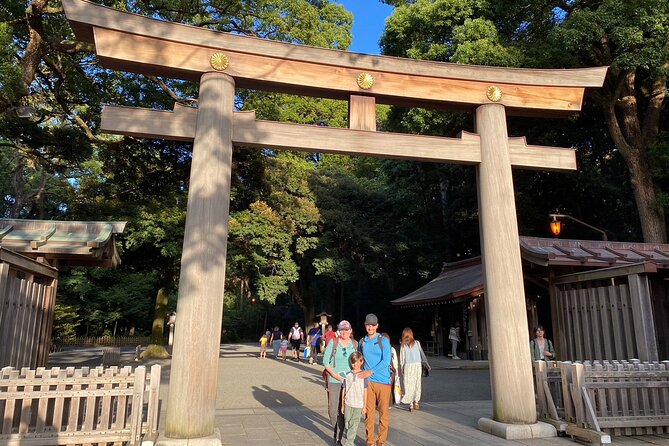
Meiji Jingu is dedicated to Emperor Meiji and Empress Shoken. The shrine sits beside Harajuku Station, yet the experience feels very different from the shopping streets.
The planned stop is about 30 minutes. That is enough time for a brief look at the shrine grounds and an explanation of basic customs, but it is not a full shrine visit. Your guide can help with cultural questions that children often ask, such as why people bow, how offerings work, and why shrine spaces are treated with care.
This pause is important for the tour’s balance. Without it, the day could become a parade of sugar, toys, and crowded shops. Meiji Jingu gives you a little context and a quieter stretch between food stops.
Families should also note that the tour is primarily a walking experience. The information provided does not promise a vehicle or hotel transport. You meet at Harajuku Station and return there, so plan your day around that central location.
More Harajuku wanders:
- Tokyo Go-Kart Tour Shibuya-Harajuku-Shinjuku (*IDP Required)
★ 5.0 · 217 reviews - Tokyo: Guided Go Kart Tour from Harajuku to Shibuya Crossing
★ 4.5 · 166 reviews - Shibuya & Harajuku: Hidden Gems & Highlights Private Tour
★ 4.7 · 139 reviews - Harajuku Kawaii Fashion and Pop-Culture Tour
★ 5.0 · 94 reviews
Takeshita Street: sweet snacks and controlled chaos
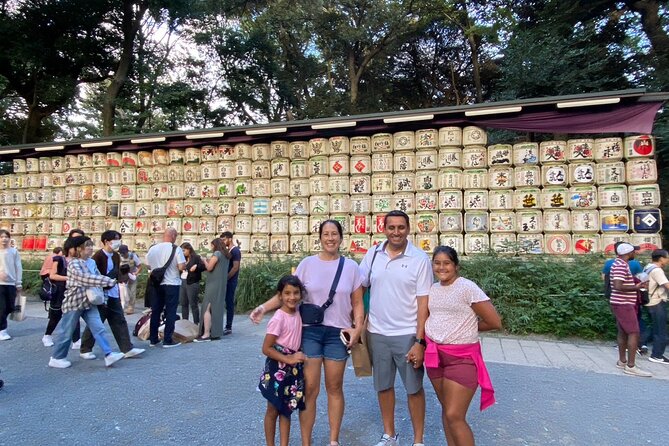
Takeshita Street is the food-and-shopping heart of the outing. It is packed with clothing shops, character merchandise, and snack counters aimed at young shoppers. This is where the tour’s colorful side comes fully forward.
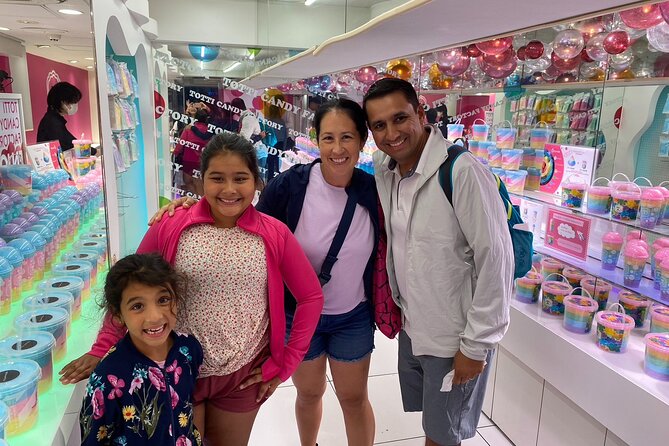
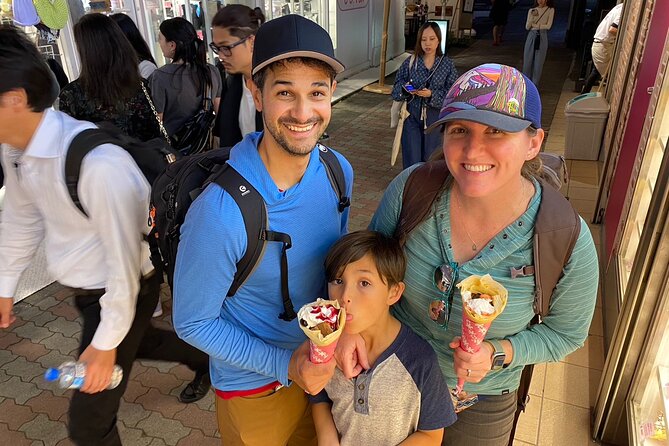
The included food can include a crepe and biscuit custard, along with other snacks selected by the guide. A giant cotton candy stop was also part of one family’s enjoyable day. These are not merely pretty foods. They are part of Harajuku’s playful food culture, where appearance matters almost as much as flavor.
Your guide’s help is valuable here because the street can be confusing and crowded. A family may spend too much time standing in line, miss a shop, or struggle to work out what an unfamiliar snack contains. The guide can help you move through the area and keep the day from becoming a tiring search for food.
The tradeoff is that Takeshita Street is commercial and busy. If you want a quiet, traditional Tokyo food experience, this is not it. If your children want eye-catching sweets and a strong taste of modern Japanese youth culture, it is likely to be one of the best parts.
Kiddy Land for character-loving children and teenagers
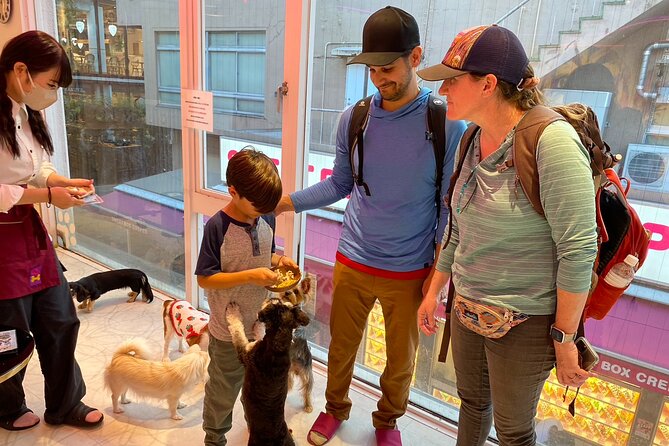
Kiddy Land Harajuku is a Tokyo landmark for animated character goods. Its different sections focus on characters such as Snoopy and Hello Kitty, and the flagship shop carries some exclusive items.
The stop is listed as about 30 minutes and has no separate admission fee. That makes it easy to browse without committing to a long museum visit. It also gives children a break from food while keeping the theme firmly connected to Japanese pop culture.
You should set a spending limit before entering. The tour price does not include shopping, and character stores are built to encourage impulse purchases. For some families, browsing is enough. For others, this becomes the moment when the snack budget turns into a souvenir budget.
Owl Village and the question of animal cafes
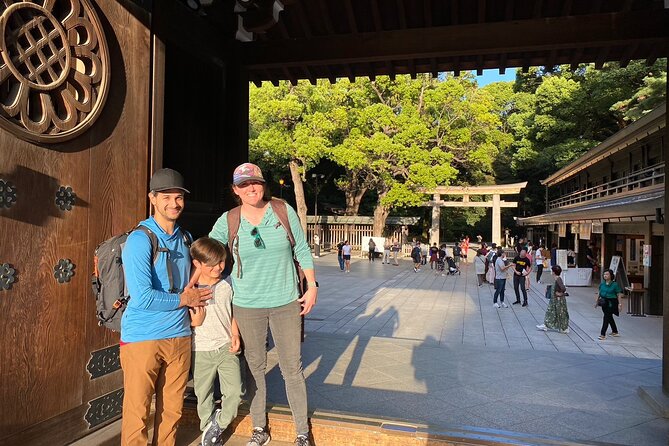
The route information names Owl Cafe and Bar Owl Village, Harajuku. Staff introduce the owls and explain how to touch them, with staff present for safety. A visit is listed as about 30 minutes.
This is an unusual stop, especially for children who have never been close to an owl. It also shows the wider range of Japanese cafe culture, where the attraction may be an animal rather than a menu.
There is one important point to clarify before booking: one family experience described a cat cafe, while the planned stop here names an owl cafe. That tells you the exact cafe choices may vary, or that different versions of the family route use different venues. If this matters to your group, ask the provider before the tour whether the day includes Owl Village, a cat cafe, or another cafe stop.
Animal cafes are not a perfect fit for every child. Some children love the novelty; others may find the setting uncomfortable. Since the visit is part of a private tour, your guide may be able to discuss alternatives, but the provided details do not guarantee a substitute.
Ota Memorial Museum of Art and a glimpse of ukiyo-e
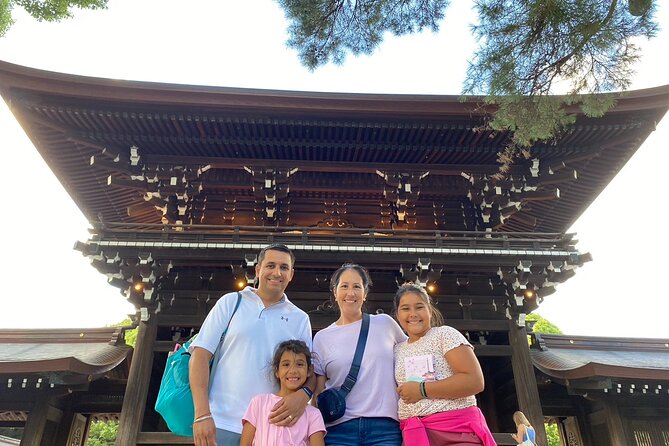
The Ota Memorial Museum of Art focuses on ukiyo-e, the Japanese woodblock print tradition. It presents rotating exhibitions from a collection of more than 12,000 works.
The museum is listed as a 30-minute stop. That is a short visit, so think of it as an introduction rather than a full art appointment. A guide can make the stop more useful for children by pointing out the bold lines, theatrical poses, landscapes, and daily-life scenes that make ukiyo-e easy to discuss.
This is also the stop most likely to appeal more to adults or older children than to very young kids. The route tries to balance modern Harajuku with traditional Japanese art, but not every family will want equal time for both. Tell the guide early if food and pop culture are your priorities.
Four to five food stops, with room for family preferences
The tour includes four to five food stops chosen by the local guide. The named inclusions are a crepe, biscuit custard, snacks, and bottled water. Other choices can be shaped around your group’s tastes.
That flexibility is more useful than a fixed menu. One child may want sweet food, another may prefer savory snacks, and parents may want an actual lunch. Midori helped one family find hibachi at Sakura while working around food restrictions, which suggests you should share dietary needs at booking and again at the start.
Do not assume that every stop is a full serving. Street food tours often work best when you share and sample rather than treat each stop as a meal. The tour description does not provide a complete menu, portion sizes, or a guarantee of specific brands or vendors.
Alcohol is not included, though it can be purchased. Bottled water is included, which is a small but welcome detail during four hours of walking and eating.
What the $185 price really buys you
At $185 per person, this is not a low-cost way to eat in Harajuku. You can buy many snacks yourself for far less. The price is easier to justify if you value a private guide, language help, route planning, and a family day that does not require you to research every stop in advance.
The guide is the main product. Hiromi was praised for being polite, friendly, and helpful in navigating crowded streets. Midori found a lunch solution for a family with food restrictions. Those details point to the practical value: you are paying for a person who can adjust the day while it is happening.
The private setup also changes the pace. You do not have to match another group’s walking speed or food preferences. For a family of several people, the cost may feel more reasonable because everyone receives the same tailored attention.
Still, you should book with clear expectations. The tour does not include hotel pickup, alcoholic drinks, shopping, or guaranteed admission to every named attraction. The seven listed sightseeing stops are each marked at about 30 minutes, but the experience includes only four to five food stops and may adjust its route.
Who will enjoy this Harajuku outing most
I would choose this tour for families who want food to lead the sightseeing. It suits children and teenagers who enjoy sweets, character shops, unusual cafes, and pop culture more than formal historical tours.
It also suits parents who want backup with ordering, navigation, and food restrictions. A private guide can make Harajuku less stressful when the streets are crowded and the menu choices are unfamiliar.
You may want another type of tour if your group wants a serious culinary lesson, a long sit-down meal, or a tightly fixed list of famous restaurants. The food stops are selected around the family, so the lack of a set menu is both the appeal and the uncertainty.
The four-hour length is well judged for families. It is long enough to see several sides of Harajuku but short enough to leave room for an afternoon elsewhere in Tokyo. Since the tour ends at Harajuku Station, you can continue shopping, visit another neighborhood, or return to your hotel by public transport.
Practical details for a smooth day
Meet at Harajuku Station at 11:00 a.m. The exact meeting point provided is Harajuku Station, 1-chōme-18 Jingūmae, Shibuya, Tokyo 150-0001, Japan. The tour returns to the same meeting point.
A mobile ticket is provided, and confirmation arrives when you book. The activity is near public transportation, and most people can participate. No hotel pickup or drop-off is included.
Because this is a private activity, only your group takes part. Free cancellation is available if you cancel at least 24 hours before the local start time. Changes or cancellations made inside that 24-hour window are not accepted for a refund.
Should you book the Yummy Harajuku Colorful Family Food Tour?
Book it if your family wants a cheerful, low-pressure introduction to Harajuku, and if having a local guide is worth more to you than saving money on individual snacks. The strongest reasons are the private format, flexible food choices, help with crowded streets, and the mix of sweets, shrine culture, character shops, and modern Tokyo style.
Before paying, confirm the food plan and cafe stop, especially if anyone has allergies, strict dietary needs, or a strong preference for an owl cafe versus a cat cafe. If your children would rather taste colorful treats than study museums, this four-hour outing should fit well. If your priority is a serious food itinerary at the lowest possible cost, explore Harajuku on your own instead.
FAQ
How long does the Harajuku food tour last?
The tour lasts approximately four hours.
What time does the tour start?
The tour starts at 11:00 a.m.
Where does the tour begin?
You meet your guide at Harajuku Station, 1-chōme-18 Jingūmae, Shibuya, Tokyo 150-0001, Japan.
Where does the tour end?
The activity ends back at the meeting point at Harajuku Station.
Is this a private tour?
Yes. Only your group takes part in the activity.
How many food stops are included?
The tour includes four to five food stops selected by the local guide.
What food is included?
The included food can include a crepe, biscuit custard, other snacks, and bottled water. The exact food choices are selected by the guide.
Are alcoholic drinks included?
No. Alcoholic drinks are not included, though they are available to purchase.
Does the tour include hotel pickup and drop-off?
No. Hotel pickup and drop-off are not included.
Can I cancel for a full refund?
Yes, if you cancel at least 24 hours before the experience start time. Cancellations or changes made less than 24 hours before the start are not accepted for a refund.
New on our Tokyo list
- Sumi-e Experience in a relaxing green tea shop in Tokyo★ 5.0 · 3 reviews
- Tokyo : Kamikaze Street Drift Ride★ 5.0 · 3 reviews
- Private Zen Meditation in English in Shinjuku, Tokyo★ 5.0 · 3 reviews
- Onsen Spa in Tokyo and Asakusa Bar Hopping with Local Guide★ 5.0 · 3 reviews
- Easy for everyone! Now you can play handmade mini shamisen and show off to everyone! Musical instruments, sweets and live music★ 5.0 · 3 reviews
- Tokyo: Private Tsukiji Street Food & Sake with Local Guide★ 5.0 · 3 reviews
- Mt Fuji Exploration Tour with Free Japanese Kusa Mochi from Tokyo★ 4.5 · 3 reviews
- Tokyo Tsukiji Fish Market Walking and Exploring Hidden Gems Tour★ 5.0 · 3 reviews
Tokyo Food Tours, compared.
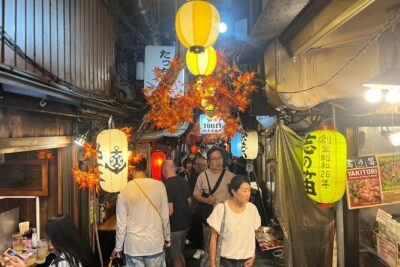
Shinjuku Food Tour (13 Dishes at 4 Local Eateries)
Read our review →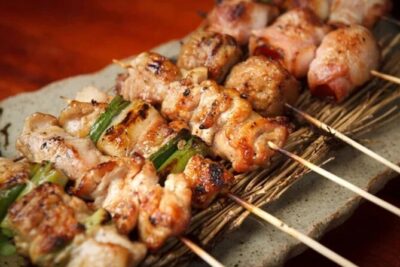
Shinjuku Food Tour (15 Dishes and 4 Eateries)
Read our review →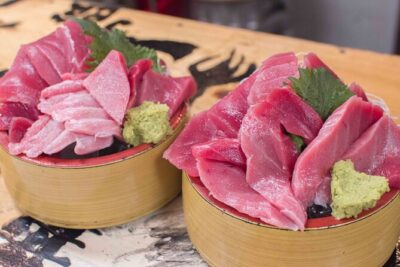
Best of Shinjuku: Izakaya Food Tour (4 Stops, 14+ Tastings)
Read our review →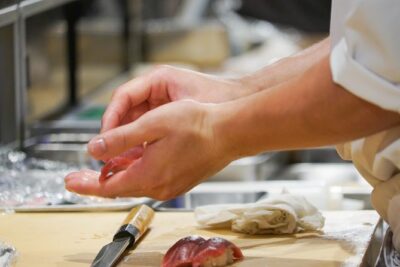
Tokyo Night Foodie Tour in Shinjuku – Seasonal Sushi, Wagyu Beef
Read our review →
Eat and Drink Like a Local: Tokyo Ueno Food Tour-Taverns&Ramen
Read our review →
Tsukiji Fish Market: Street Food & Culture Walking Tour
Read our review →Shinjuku Food Tour – 15 Dishes, 3 Drinks, 4 Eateries
Read our review →Browse the lists this tour appears in