
Reviewed · SAKE & WHISKY TASTINGS
7 Kinds of Sake Tasting with Complementary Foods
At 6:15 pm, you sit down to a guided tour of Japan in seven small pours. Each sake comes from a different part of the country, and each is matched with a Japanese or Western dish. The session moves from what sake is to how rice, brewing methods, sweetness, and serving style affect the glass.
I like the clear beginner-friendly structure and the fact that the food is more than decoration. I also like the chance to ask a certified sake instructor direct questions, with Micki named by one participant as a warm and engaging sake-master. The main consideration is price: at $107.50, this is not a casual drink stop, and the setting, a basement room in an office building near Tokyo Tower, may feel plain.
In This Review
- Key points
- Seven pours that make sake less mysterious
- The first lesson covers rice, brewing, and sake culture
- Seven dishes turn the tasting into a meal
- The instructor keeps the tone friendly and personal
- The unusual meeting place is part of the practical picture
- Is $107.50 a fair price?
- Who will get the most from this tasting?
- Timing, booking, and small practical matters
- What I would remember after the final pour
- Should you book the 7 Kinds of Sake Tasting?
- FAQ
- Where does the sake tasting take place?
- What time does the experience start?
- How long does the sake tasting last?
- How many kinds of sake will I taste?
- Is food included?
- Can I cancel my booking for a refund?
Key points
- Seven distinct sake styles: Taste a selected range that includes sparkling, sweet, and dessert-pairing sake.
- Seven matching dishes: The food is designed to show how sake changes with Japanese and Western flavors.
- A nationally accredited instructor: Learn how sake is made, served, and assessed from a trained guide.
- A useful first lesson: The format helps you work out what you like before ordering sake elsewhere in Japan.
- A 75-minute evening plan: The 6:15 pm start fits neatly before or after other plans in Minato City.
- Near Tokyo Tower: The meeting point is in Shibakoen, close to public transportation and a major Tokyo landmark.
Seven pours that make sake less mysterious
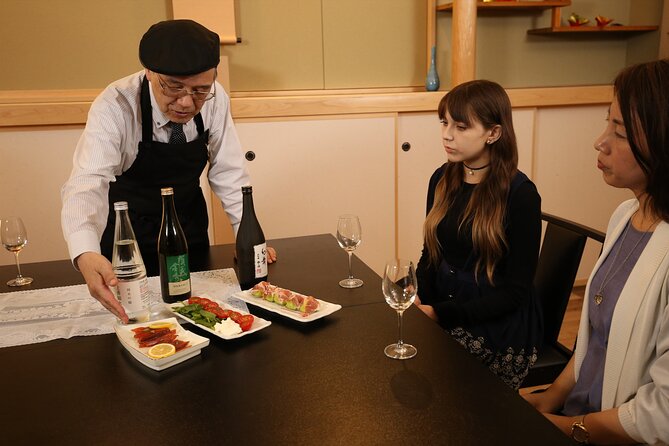
Sake can be confusing at first. Menus often list terms without explaining what they mean, and two bottles that look alike can taste very different. This tasting gives you a sensible way in: try seven kinds in one sitting, then compare them while the instructor explains the differences.
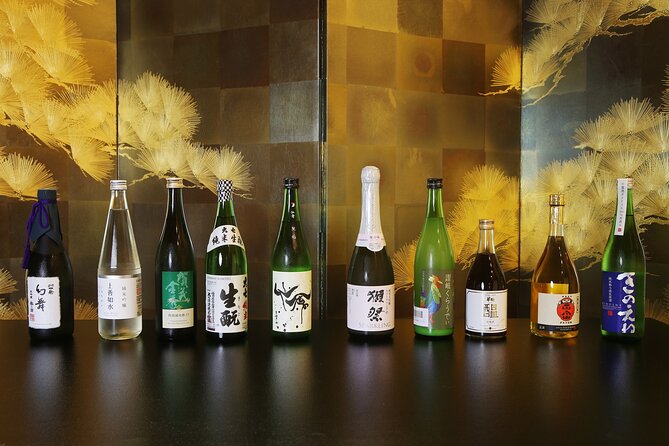
The selection includes sparkling sake, sweet sake, and pours suited to dessert. That range matters because many first-time drinkers assume all sake tastes similar. Here, you get a chance to notice how one style may feel light and playful, while another works better with a savory dish or a sweet finish.
You will also taste sake from seven regions of Japan. The experience does not turn this into a geography lecture, but the regional spread gives the tasting a national frame. You are not simply sampling seven random glasses. You are hearing how broad the sake world can be within Japan.
I would pay attention to your own reactions as much as the formal explanations. Do you prefer sweet or dry flavors? Do you like something sparkling, or do you prefer a fuller pour with food? A tasting like this is most useful when you leave with a few words to describe your taste.
More sake and whisky sessions:
- Ramen and Sushi Cooking Class with Sake Pairing Set in Tokyo
★ 5.0 · 291 reviews - Sake Tasting Masterclass in Shinjuku (8+ Varieties with a Pro)
★ 5.0 · 271 reviews - Sake Omakase in Tokyo: Guided Tasting by Certified Sommeliers
★ 5.0 · 239 reviews
The first lesson covers rice, brewing, and sake culture
The session begins with an introduction to the culture and history of Japanese sake. The instructor explains how sake is produced, including the basic methods behind the drink and the varieties available.
You do not need prior experience. The point is to give you enough background to understand what sits in front of you. That makes the tasting more useful than simply being handed seven glasses with no context.
The production discussion is one of the strongest reasons to book this experience. Sake is made from rice, but the finished drink is not just rice wine in a simple sense. Rice preparation, fermentation, and brewing choices shape the final character. You will not become a sake brewer in 75 minutes, but you should come away with a clearer sense of why bottles differ.
I also like that the instructor connects production to drinking. The lesson is not only about how sake is made. It is about how those choices affect flavor, food matches, and your buying decisions later.
Seven dishes turn the tasting into a meal
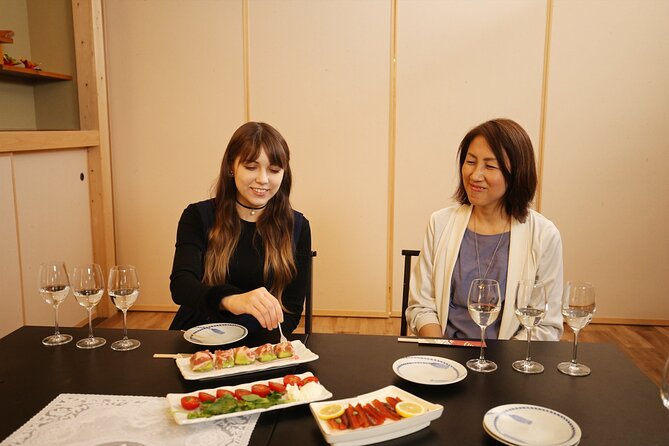
Each of the seven sakes is served with a complementary dish. The food includes Japanese and Western items, with the pairings arranged to show how sake behaves alongside different flavors.
The exact dishes can vary, so you should not book this expecting a fixed menu of named specialties. What is clear is that the meal includes several courses rather than a single snack plate. One participant found the food substantial enough to count as supper, while another described the small bites and pairings as a major part of the evening.
That distinction matters at this price. If you were paying $107.50 only for seven small pours, the value would be harder to defend. The included dishes make the session a complete evening activity, especially if you are looking for an early dinner with a lesson attached.
The pairing advice is the heart of the food portion. You learn why a certain sake works with a particular dish, and you may notice a flavor change when you take a sip before and after eating. This is practical information you can use at an izakaya, restaurant, or department-store food hall later in your trip.
The menu is not described in enough detail to confirm vegetarian, vegan, gluten-free, or allergy-friendly options. Tell the provider about dietary requirements before the session. Extra food and drinks are not included.
The instructor keeps the tone friendly and personal
A certified sake sommelier or nationally accredited sake instructor leads the session. The formal credential is useful, but the teaching style matters just as much. This is designed as an introductory program, not a technical examination.
Micki is specifically named as a sake-master in one account of the experience. The description of her session points to clear explanations, friendly service, and thoughtful food matches. Other accounts also describe the hosts as attentive and willing to answer questions in detail.
That personal contact is valuable for beginners. You can ask the questions that might feel too basic in a formal restaurant: How should I choose a sake? What does sweet mean here? Why does one bottle work with dessert? What is the difference between the styles in front of me?
The atmosphere has also been described as homely, with instructors who make the class feel relaxed rather than stiff. I would still keep expectations realistic. The activity can accept up to 100 people, so the exact group size may vary. A small private lesson is possible in some cases, but the maximum means you should not assume an intimate table setting.
A few more Tokyo bookings worth comparing
- Tokyo Bar Hopping Tour in Shinjuku (All-You-Can-Drink + Dinner)
★ 5.0 · 3,587 reviews - Best of Shinjuku: Izakaya Food Tour (4 Stops, 14+ Tastings)
★ 5.0 · 1,863 reviews - Tokyo: Shinjuku Local Bar and Izakaya Guided Walking Tour
★ 4.9 · 1,794 reviews - Shibuya Meltdown Nightlife Tour: All-You-Can-Drink Bar Hopping
★ 5.0 · 1,058 reviews
The unusual meeting place is part of the practical picture
The meeting point is Kikai Shinko Kaikan, at 3-chome-5-8 Shibakoen in Minato City. The activity ends at the same location, and it is near public transportation.
The building is described as a basement office setting across from Tokyo Tower. That may sound less romantic than a traditional sake brewery or a polished tasting bar. I would not choose this activity for atmosphere alone. You are paying for instruction, tasting, and food, not for a historic cellar.
The location does have a useful advantage. Shibakoen is close to Tokyo Tower, so you can combine the tasting with sightseeing in the area. Plan your route carefully and allow enough time to find the building, since an office complex can be less obvious than a street-front restaurant.
The 6:15 pm start gives the evening a clear shape. You can visit Tokyo Tower or nearby Minato before the session, then treat the tasting as dinner. Since the activity lasts about one hour and 15 minutes and returns you to the meeting point, it does not take over your entire night.
Is $107.50 a fair price?
At $107.50 per person, this experience is a splurge by Tokyo tasting standards. The price becomes easier to justify if you value three things together: expert instruction, seven sake samples, and seven food pairings.
You are also paying for convenience. Instead of researching sake bars, choosing unfamiliar bottles, and ordering food one plate at a time, you receive a planned progression. For a first sake experience, that removes much of the guesswork.
The value is strongest for people who would otherwise spend an evening trying to understand a sake menu. You learn the basic production story, compare styles from seven regions, and practice pairing. That is a useful foundation for the rest of your Japan trip.
The value is weaker if you already know sake well or mainly want a large volume of alcohol. This is a lesson with food, not an all-you-can-drink evening. Extra food and drinks cost more, and the listing does not include anything beyond the seven sakes and seven dishes.
Group discounts may be available, which could help if you are booking for friends or family. The activity is often reserved about 24 days ahead, so I would not leave it until the last week if the date matters to you.
Who will get the most from this tasting?
This is a strong fit for a first-time sake drinker, a couple looking for an unusual evening activity, or a small group that wants food and learning in one booking. It also suits anyone who enjoys Japanese cuisine but does not yet know which sake styles to order.
The experience can help you if you feel unsure about pronunciation, labels, or tasting vocabulary. You do not need to arrive with a favorite brewery or a firm opinion. The seven-pour format gives you room to discover what suits you.
Food-focused visitors should also consider it. The pairings are not an afterthought, and the session includes both Japanese and Western dishes. If you enjoy noticing how a drink changes a meal, you will have plenty to compare.
I would be more cautious if you want a traditional brewery visit, a walk through a rural production area, or a highly atmospheric restaurant. None of those features is promised. The setting is a basement room in an office building, and the session focuses on teaching rather than sightseeing.
Large groups should confirm expectations before booking. The maximum capacity is 100 people, and group discounts are listed, but there is no promise that a large booking will feel private or especially quiet.
Timing, booking, and small practical matters
The start time is 6:15 pm, and the total duration is approximately 75 minutes. The activity begins and ends at Kikai Shinko Kaikan, so you do not need to arrange a separate return transfer.
Mobile tickets are accepted, and confirmation is sent within 48 hours of booking, subject to availability. Since the activity is near public transportation, you can reach it without making a special private-vehicle plan.
Most people can participate. If you have dietary requirements, tell the provider in advance rather than waiting until you sit down. The available information does not list specific substitutions, so early notice is the sensible step.
Free cancellation is available until 24 hours before the local start time. Canceling or changing the booking later does not qualify for a refund, so check your Tokyo schedule before committing.
What I would remember after the final pour
The best result of this tasting is not memorizing seven labels. It is learning how to approach sake with less hesitation. You get a basic production lesson, a regional comparison, a range of sweetness and serving styles, and food to show why pairing matters.
I especially like the inclusion of dessert-friendly sake. It widens the lesson beyond the usual idea of sake with sushi or salty snacks. The sparkling and sweet pours also make the session approachable for someone who does not normally order sake.
The food can make this feel like dinner, but you should still treat the event as a guided tasting first. The menu is not fully specified, and the setting is functional rather than picturesque. Those are fair tradeoffs if your main goal is to learn and sample a broad range in one sitting.
Should you book the 7 Kinds of Sake Tasting?
Book it if you want a structured first lesson, appreciate food pairings, and are willing to pay for guidance rather than simply ordering drinks. The 4.9 rating from 11 ratings and 100 percent recommendation figure suggest a consistently strong experience, especially for beginners, though the sample is small.
I would book several weeks ahead, particularly for a fixed evening in Tokyo. Choose it as an early trip activity if you want a better sense of what to order during the rest of your Japan visit. Skip it if you already have strong sake expertise or want a brewery tour and traditional setting.
For most curious newcomers, the combination of seven sakes, seven dishes, and a certified instructor makes this a practical way to start.
FAQ
Where does the sake tasting take place?
The meeting point is Kikai Shinko Kaikan, 3-chome-5-8 Shibakoen, Minato City, Tokyo 105-0011, Japan. The location is near public transportation and close to Tokyo Tower.
What time does the experience start?
The tasting starts at 6:15 pm.
How long does the sake tasting last?
The activity lasts approximately one hour and 15 minutes.
How many kinds of sake will I taste?
You will taste seven different kinds of Japanese sake, including styles such as sparkling sake, sweet sake, and sake suited to dessert pairings.
Is food included?
Yes. Seven complementary Japanese dishes are included, with Japanese and Western items served alongside the sake. Extra food and beverages are not included.
Can I cancel my booking for a refund?
You can cancel at least 24 hours before the local start time for a full refund. Cancellations or changes made less than 24 hours before the start time are not accepted for a refund.
New on our Tokyo list
- Sumi-e Experience in a relaxing green tea shop in Tokyo★ 5.0 · 3 reviews
- Tokyo : Kamikaze Street Drift Ride★ 5.0 · 3 reviews
- Private Zen Meditation in English in Shinjuku, Tokyo★ 5.0 · 3 reviews
- Onsen Spa in Tokyo and Asakusa Bar Hopping with Local Guide★ 5.0 · 3 reviews
- Easy for everyone! Now you can play handmade mini shamisen and show off to everyone! Musical instruments, sweets and live music★ 5.0 · 3 reviews
- Tokyo: Private Tsukiji Street Food & Sake with Local Guide★ 5.0 · 3 reviews
- Mt Fuji Exploration Tour with Free Japanese Kusa Mochi from Tokyo★ 4.5 · 3 reviews
- Tokyo Tsukiji Fish Market Walking and Exploring Hidden Gems Tour★ 5.0 · 3 reviews
Sake & Whisky Tastings, compared.
Ramen and Sushi Cooking Class with Sake Pairing Set in Tokyo
Read our review →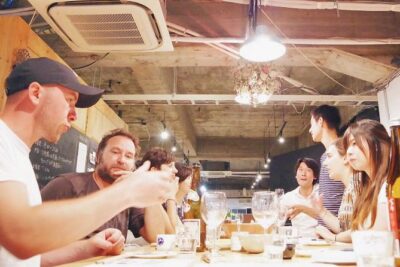
Sake Tasting Masterclass in Shinjuku (8+ Varieties with a Pro)
Read our review →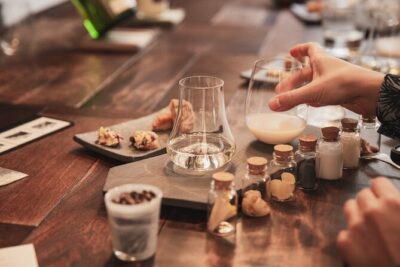
Sake Omakase in Tokyo: Guided Tasting by Certified Sommeliers
Read our review →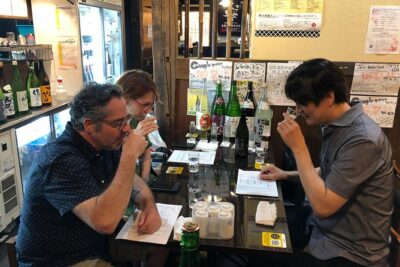
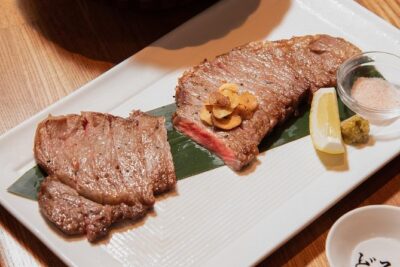
Wagyu & Sake Pairing in Shinjuku – Steak, Shabu-Shabu & More
Read our review →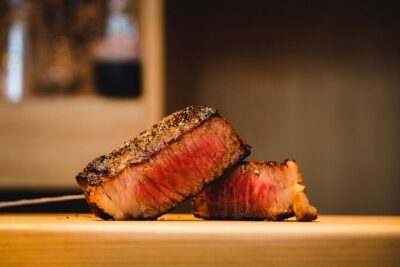
Tokyo Wagyu & Sake Pairing Tasting Experience with Local Flavors
Read our review →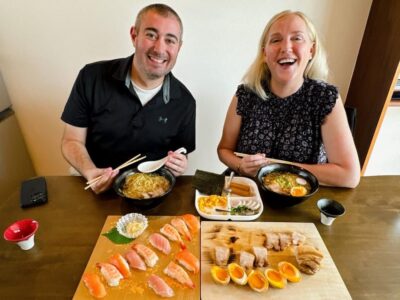
Sushi and Ramen Cooking Class with Sake Pairing Set
Read our review →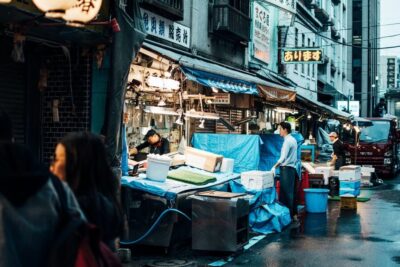
Tsukiji: Outer Market Walking Tour & Sake Tasting Experience
Read our review →Browse the lists this tour appears in