
Reviewed · SAKE & WHISKY TASTINGS
Sake Omakase in Tokyo: Guided Tasting by Certified Sommeliers
The clever part of this Tokyo tasting is that it treats sake as a drink with many faces, not one mysterious cup of alcohol. In about two hours, you sample seven Japan-only selections through four themed courses, with the same sake presented at different temperatures or in different vessels. The tasting is led in English by certified sommeliers, including Eric, Aaron, Frank, and Phillip.
I especially like the tiny group limit of six and the thoughtful food pairings. Pickles, cheese, cured meats, and dessert give you something to eat as the flavors change, while the hosts make room for questions. The main consideration is alcohol: seven sakes with free-flow refills can add up quickly, so this is not the place to arrive thirsty and race through every pour.
In This Review
- Key points at a glance
- A sake lesson built around tasting, not lecture
- Four courses, seven sakes, and a changing set of comparisons
- Course one: comparing the rice
- Course two: one sake at five temperatures
- Course three: spice and herb infusions
- Course four: the drinking vessel changes the taste
- Why the food pairings matter
- A designer tasting room with a Tokyo story
- What the small group changes
- English, Japanese, and Chinese guidance
- Is the $79.52 price fair?
- Who should book this tasting?
- Booking and cancellation details worth knowing
- Should you book Sake Omakase in Tokyo?
- FAQ
- How long does the sake tasting last?
- Where does the activity begin and end?
- How many people can join the tasting?
- How many sakes are included?
- What food is included?
- Is the tasting available in English?
Key points at a glance
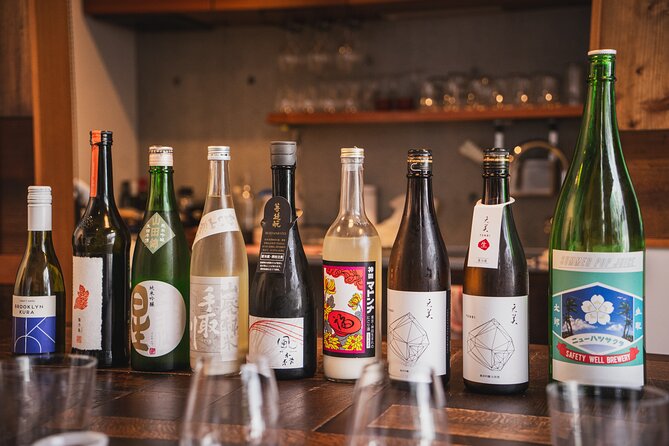
- Seven Japan-exclusive sakes: Taste a broad range of styles rather than one standard sake.
- Four themed courses: Compare rice, serving temperatures, spice and herb infusions, and drinking vessels.
- Small six-person group: The format gives you time to ask about flavor, brewing, and food pairings.
- English-speaking certified sommeliers: Eric, Aaron, Frank, and Phillip are among the hosts named in the experience.
- Showa-era setting: A designer tasting room centers on a beautiful table made from reclaimed wood.
- About $79.52 per person: The price includes sake, free-flow refills, and snacks, but not transportation.
A sake lesson built around tasting, not lecture
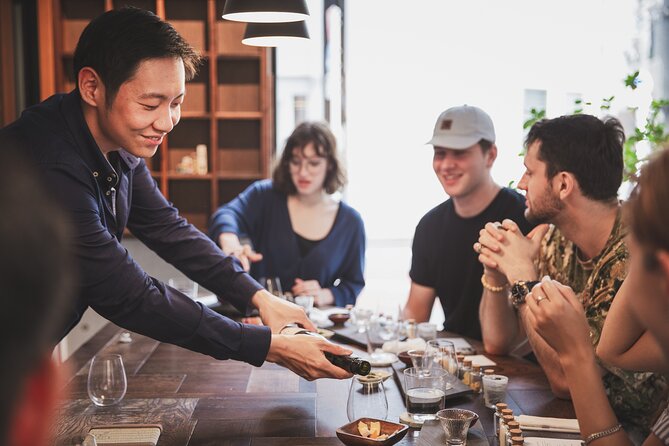
Many visitors first meet sake as a short drink poured beside sushi. This session gives you a more useful starting point. You taste several styles side by side, then see how temperature, food, herbs, and glassware can change your impression.
That format matters because sake labels can be hard to read and sake vocabulary can feel technical. Instead of trying to memorize categories, you can notice what you actually like. Maybe you prefer a soft, fragrant pour. Maybe you like something drier, fuller, warmer, or more savory. The hosts help connect those reactions to the drink in your glass.
The experience is hosted by certified sommeliers with more than 2,500 tasting sessions behind them. That does not mean the tone is stiff. The strongest descriptions of the session point to easy conversation, clear explanations, and hosts who make beginners feel comfortable. Eric is singled out for guiding the seven-sake tasting in a thorough but relaxed way, while Aaron, Frank, and Phillip are also named as engaging presenters.
You do not need to arrive with sake knowledge. The session works particularly well if you have tried sake only once or twice and want to understand why one bottle appeals to you more than another. Experienced drinkers can use the time to test new comparisons and ask more specific questions.
More sake and whisky sessions:
- Ramen and Sushi Cooking Class with Sake Pairing Set in Tokyo
★ 5.0 · 291 reviews - Sake Tasting Masterclass in Shinjuku (8+ Varieties with a Pro)
★ 5.0 · 271 reviews - Tasting All Types of Sake with Sommelier
★ 5.0 · 151 reviews
Four courses, seven sakes, and a changing set of comparisons
The tasting is arranged as a four-course progression. It is not a full meal, so think of the food as small bites designed to sharpen the drink rather than fill you up.
The exact bottle lineup can change, but the structure gives you a clear idea of what you will be doing.
Course one: comparing the rice
The first theme looks at rice, one of the basic building blocks of sake. Rice is polished, treated, and fermented in ways that affect the final drink, so comparing sakes through this lens gives you a practical way to understand differences that may otherwise seem vague.
You might notice contrasts in aroma, sweetness, texture, or finish. The point is not to turn you into a brewer in one sitting. It is to give you a simple question to carry into future tastings: what changes when the rice and brewing approach change?
Small snacks accompany the course. Pickles are especially useful in this setting because their sharp, salty character can reset your palate. The food also keeps the first portion of the session from feeling like a series of disconnected pours.
Course two: one sake at five temperatures
This is the most striking teaching idea in the program. A sake can taste different when served chilled, at room temperature, or warm, and the session explores one selection at five different temperatures.
This comparison turns a common piece of sake advice into something you can test yourself. A cooler pour may seem cleaner or more aromatic, while warmth can bring out a different texture or make certain flavors more apparent. You do not have to agree with a standard rule about how a sake should be served. You can decide which temperature suits your palate.
For anyone who normally drinks sake cold, this course alone may justify the booking. It gives you a direct lesson in serving style, and it may change how you order sake at an izakaya or restaurant later in your trip.
A few more Tokyo bookings worth comparing
- Tokyo Bar Hopping Tour in Shinjuku (All-You-Can-Drink + Dinner)
★ 5.0 · 3,587 reviews - Best of Shinjuku: Izakaya Food Tour (4 Stops, 14+ Tastings)
★ 5.0 · 1,863 reviews - Tokyo: Shinjuku Local Bar and Izakaya Guided Walking Tour
★ 4.9 · 1,794 reviews - Shibuya Meltdown Nightlife Tour: All-You-Can-Drink Bar Hopping
★ 5.0 · 1,058 reviews
Course three: spice and herb infusions
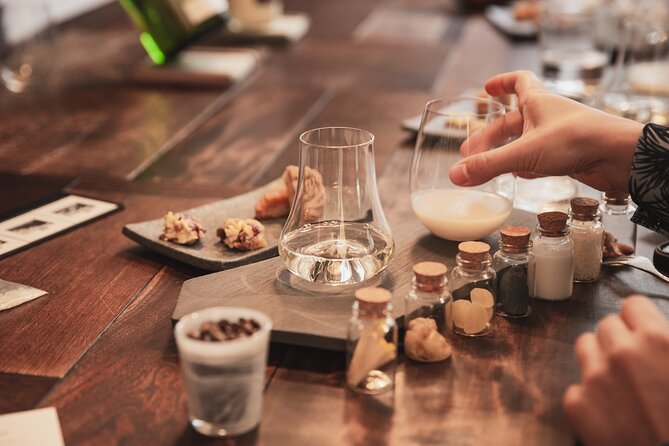
The third theme adds spice and herbs to the tasting. This is not simply about novelty. It shows how aroma and flavor can be shaped by ingredients beyond the sake itself.
The pairings may help you notice whether a particular sake has enough body to handle stronger flavors or whether a lighter style works better with delicate food. You can also ask which combinations make a sake taste sweeter, drier, brighter, or more fragrant.
This part should appeal to people who enjoy food pairing as much as drinks. The snacks include cheese and cured meats, giving the course a wider range of salty, fatty, and savory flavors than a standard bar tasting. It is a useful reminder that sake does not belong only with Japanese dishes.
Course four: the drinking vessel changes the taste
The final theme examines the effect of the vessel. A sake served in different cups or glasses can give you a different sense of aroma, temperature, and texture.
The vessel may direct the smell toward your nose or change the way the drink reaches your tongue. Those details can sound minor until you compare them directly. This course helps explain why presentation is part of sake service, not just decoration.
Dessert is included among the small bites, which gives the last course a gentle change of pace. You can finish by considering which sake you would order again and which serving style made the biggest difference.
Why the food pairings matter
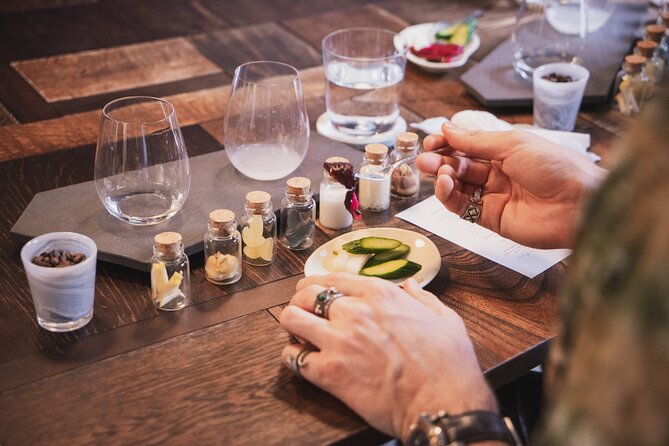
The snacks are modest, but they are not an afterthought. Pickles, cheeses, cured meats, and dessert are served with the courses to help you test how sake interacts with food.
I like this approach because it keeps the lesson practical. You are not only being told that a sake is dry or aromatic. You can take a bite, take a sip, and see whether the food softens the alcohol, brings out sweetness, or makes the finish seem sharper.
The pairings also make the two-hour session more comfortable. Still, you should not mistake the snacks for dinner. One useful tip is to eat a small meal beforehand, especially if you are not used to tasting several alcoholic drinks in one sitting. The experience includes free-flow refills, so a little food in your stomach is sensible.
There is also a social benefit. With only six people, the table encourages conversation, and the shared snacks give the group an easy way to compare reactions. You may arrive focused on sake and leave with a few new dinner suggestions or friends to join for another drink.
A designer tasting room with a Tokyo story
The tasting takes place at Sake Studio, at 1-9-9 Kanda Ogawamachi in Chiyoda City. The room is designed around a striking table made from reclaimed wood from a Showa-era building.
That table is more than a photo prop. It gives the session a central meeting place and helps the tasting feel personal rather than like a quick stop at a crowded counter. The room is intended for conversation, teaching, and careful service.
The setting also fits the subject. Sake has a long place in Japanese food culture, but this experience presents it in a contemporary way. You get traditional ingredients and brewing ideas, paired with a modern tasting format and multilingual instruction.
The atmosphere should suit you if you prefer a calm indoor activity during a busy Tokyo itinerary. It is also a good option on a rainy day or when you want an evening plan that does not involve navigating a large restaurant menu.
What the small group changes
The maximum group size is six. That is a meaningful detail, not just a line in the booking information.
In a larger tasting, you may hesitate to interrupt or lose track of which bottle you are sampling. Here, the format gives the sommeliers room to answer personal questions, including what sake best matches your palate. You can ask about brewing methods, serving temperature, food combinations, or how to choose a bottle in Japan.
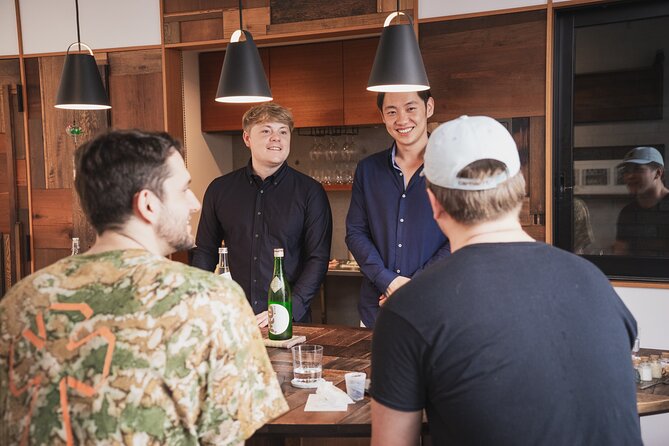
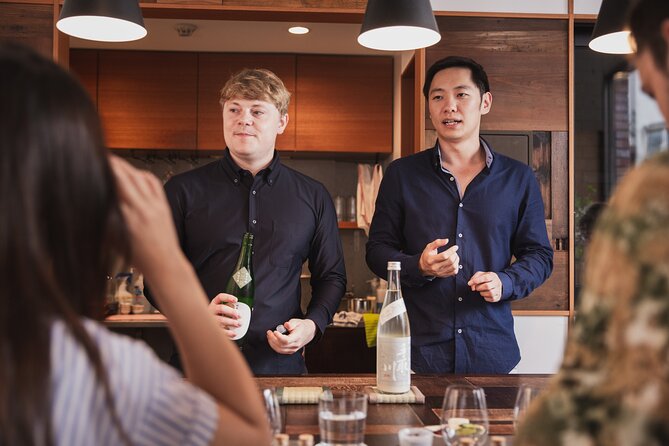
A small group also makes the hosts’ teaching style more important. The descriptions of Eric, Aaron, Frank, and Phillip point to a relaxed presentation that keeps the material friendly. That matters for beginners, who often worry about using the wrong words or missing a key distinction.
The tradeoff is that the experience depends on the people at your table. A group of six can be lively and social, but it is still a shared session rather than a private consultation. If you want a completely private tasting, this may not be the right format.
English, Japanese, and Chinese guidance
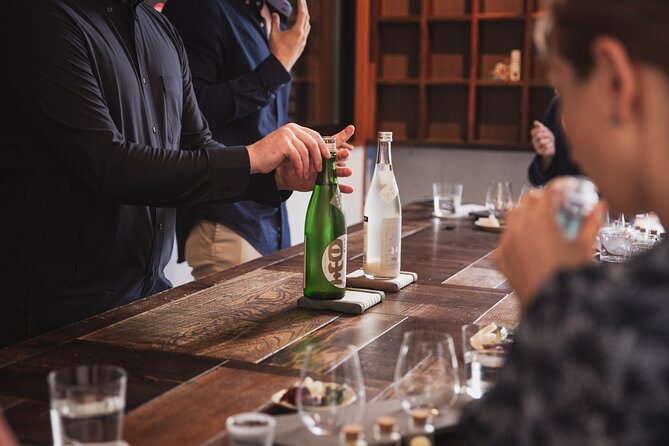
The sommeliers can guide the session in English, Japanese, and Chinese. Native English-speaking hosts are specifically part of the experience, which makes the technical parts easier to follow if English is your preferred language.
That is valuable here because sake terms can be confusing when translated quickly. You will be comparing subtle changes in aroma and texture, and the host needs to explain not only what is in the glass but why it may taste different.
You can also ask direct questions instead of relying on a printed description. If you like one sake more than another, the sommelier can help explain the reason and point you toward similar choices. This is the most useful souvenir from the session: a better sense of your own taste.
Is the $79.52 price fair?
At about $79.52 per person, this is not a cheap bar crawl. It is also more than a basic tasting flight with three or four small pours.
The value comes from the amount of guided comparison. Your booking includes seven Japan-exclusive sake varieties, free-flow refills, four themed courses, and food with each stage. You are paying for instruction, access to selections you may not find outside Japan, and a small-group format in a purpose-designed room.
The free-flow element is worth reading carefully. It means you can have additional pours during the progression, but it should not be treated as a challenge. The point is to taste attentively and discover what suits you, not simply to consume more.
For a sake beginner, the price makes sense if you want a structured introduction rather than trial and error across several bars. For an experienced sake drinker, the value depends on how much you enjoy the temperature, vessel, and infusion comparisons. If you only want a quick drink before dinner, you can spend less elsewhere.
Transportation is not included, so you make your own way to Kanda Ogawamachi. The location is near public transportation, and the activity ends back at the starting point. A mobile ticket is provided, and confirmation arrives when you book.
Who should book this tasting?
I would recommend it most strongly to four kinds of people:
- You are new to sake and want plain explanations.
- You already enjoy sake but want to compare serving temperatures and vessels.
- You like food and drink pairings more than sightseeing from a bus.
- You want a compact Tokyo activity with a small group and English guidance.
It also suits couples and solo visitors. A solo participant can meet people at the table without committing to a full social tour, while couples can compare their favorite pours and learn together.
This is less suitable if you have an alcohol allergy or avoid alcohol entirely. It may also be a poor fit if you need a full meal, dislike group activities, or prefer to choose every bottle yourself.
The session lasts about two hours, so it fits neatly between other plans. You do not need to reserve a whole day, and the central Tokyo setting makes it practical to pair with time in Chiyoda and nearby districts.
Booking and cancellation details worth knowing
The experience requires a minimum number of participants. If that minimum is not met and the session is canceled, you are offered another date or experience, or a full refund.
You can cancel for a full refund up to 24 hours before the local start time. Changes or cancellations made less than 24 hours in advance are not accepted for a refund, so check your Tokyo schedule before booking.
Most people can participate, and the meeting point is near public transportation. There is no hotel pickup or drop-off, so plan your route to Sake Studio in advance.
Should you book Sake Omakase in Tokyo?
Book this if you want to understand sake through direct comparison rather than a long classroom talk. The five-temperature tasting and six-person limit are the strongest reasons to choose it, while the Japan-exclusive bottles and careful small bites add real value.
I would skip it if you are looking for dinner, a private event, or a quick inexpensive drink. Otherwise, the two-hour format gives you a useful Tokyo memory and a practical skill: you leave better able to explain what kind of sake you like and how you want it served.
FAQ
How long does the sake tasting last?
The experience lasts approximately two hours.
Where does the activity begin and end?
It begins and ends at Sake Studio, located at 1-9-9 Kanda Ogawamachi, Chiyoda City, Tokyo 101-0052, Japan.
How many people can join the tasting?
The activity has a maximum of six participants.
How many sakes are included?
The tasting includes seven varieties of sommelier-selected, Japan-exclusive sake. Free-flow refills are served through four themed courses.
What food is included?
Small bites are provided with each course. They include pickles, cheeses, cured meats, and dessert.
Is the tasting available in English?
Yes. Native English-speaking sommeliers lead the experience, and guidance is also available in Japanese and Chinese.
New on our Tokyo list
- From Tokyo: Mount Fuji & Hakone Full Day Private Tour★ 4.9 · 25 reviews
- Tokyo Spectacular View Day-Cruise in 90 Minutes★ 5.0 · 25 reviews
- Real Tokyo Runner Club : Daikoku Car Meet Night Tour with JDM Car★ 5.0 · 25 reviews
- 2.5 Hour-Guided Cycle Tour in the Central Tokyo★ 5.0 · 25 reviews
- Tokyo: 2-Hour Night Bike Tour of the City’s Hidden Gems★ 4.9 · 25 reviews
- Ramen Making from Scratch +Akihabara Tour –Cooking Class★ 5.0 · 25 reviews
- [Self-Drive] Tokyo & Daikoku Custom Car Driving Tour★ 4.9 · 25 reviews
- Samurai themed Entertainment show in Shinjuku★ 4.5 · 25 reviews
Sake & Whisky Tastings, compared.
Ramen and Sushi Cooking Class with Sake Pairing Set in Tokyo
Read our review →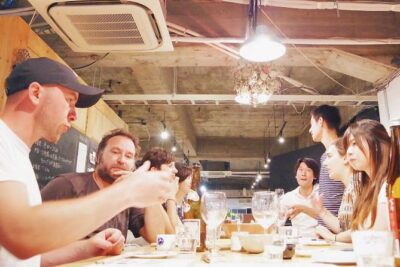
Sake Tasting Masterclass in Shinjuku (8+ Varieties with a Pro)
Read our review →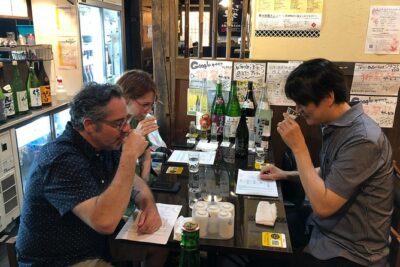
Wagyu & Sake Pairing in Shinjuku – Steak, Shabu-Shabu & More
Read our review →
Tokyo Wagyu & Sake Pairing Tasting Experience with Local Flavors
Read our review →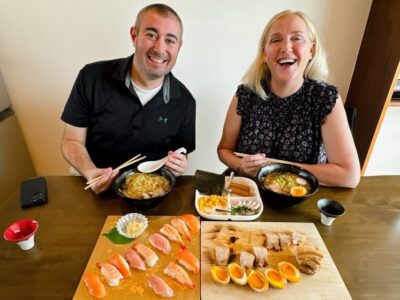
Sushi and Ramen Cooking Class with Sake Pairing Set
Read our review →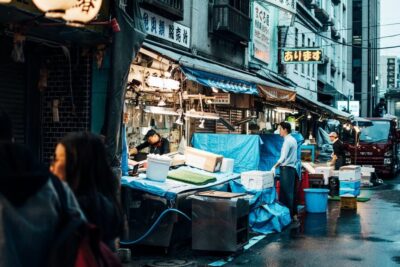
Tsukiji: Outer Market Walking Tour & Sake Tasting Experience
Read our review →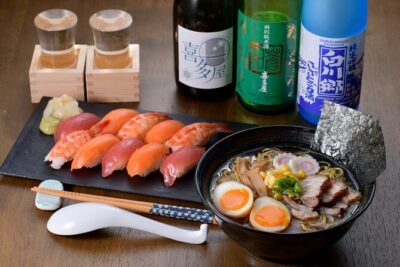
Cozy Tokyo Class: Ramen, Sushi, Sake Pairing & Cultural Exchange
Read our review →Browse the lists this tour appears in