
Reviewed · JAPANESE COOKING CLASSES
Tokyo: Sushi and Ramen Cooking Class with Sake Pairing Set
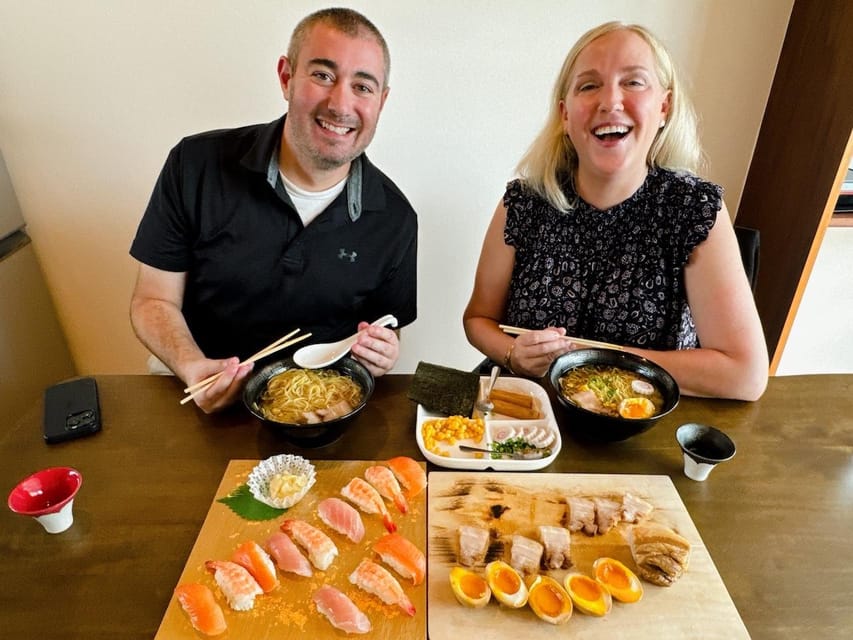
Tokyo’s best food lessons do more than show you how to roll rice. This three-hour class lets you work on ramen broth, chashu pork, and nigiri sushi, then sit down to eat what you made with three selected Japanese sakes. I like the small setting and the way the instructors connect cooking with Japanese food traditions. I also like that the recipes and substitution tips are designed for use at home.
The main caution is simple: this is not a vegan or vegetarian activity, and the $129 price is higher than a basic cooking lesson. You are paying for a full meal, premium ingredients, sake, a small group, and personal instruction, so the value depends on how much you want to learn rather than simply eat.
In This Review
- Key points at a glance
- Why this class works for a Tokyo afternoon
- Arriving at HAUS Tsukishima
- Starting with ramen, broth, and chashu pork
- Learning the shape of nigiri sushi
- Three sake pairings with a certified sommelier
- Food, atmosphere, and the pace of the lesson
- Is $129 a fair price?
- Who should book this cooking class?
- Booking details worth knowing
- Should you book it?
- FAQ
- How long does the sushi and ramen class last?
- Where does the class take place?
- How do I reach the cooking class by train?
- Is the class taught in English?
- How many people can join the class?
- What food will I learn to make?
- Are sake tastings included?
- Is hotel pickup included?
- Can I cancel the booking?
Key points at a glance
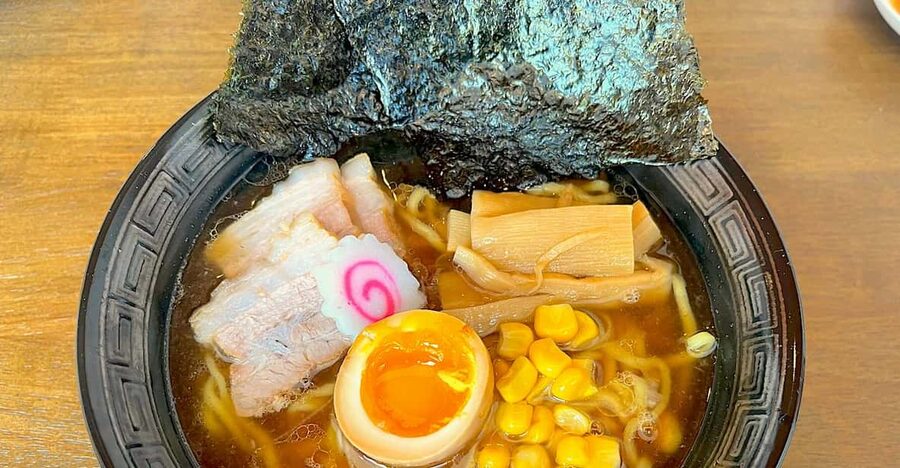
- Make two Japanese staples: Prepare ramen and nigiri sushi in one class, rather than choosing between them.
- Practice chashu and broth: Learn the main elements behind a satisfying bowl of ramen, including tender pork belly.
- Taste three sakes: A certified sake sommelier selects three Japanese sakes to accompany the meal.
- Small-group teaching: The class is limited to eight people, with sessions often feeling closer to a private lesson when attendance is low.
- Take the lesson home: You receive recipes, ingredient substitution advice, and souvenir chopsticks.
- Easy central access: The cooking space is a five-minute walk from Exit 4 of Tsukishima Station.
Why this class works for a Tokyo afternoon
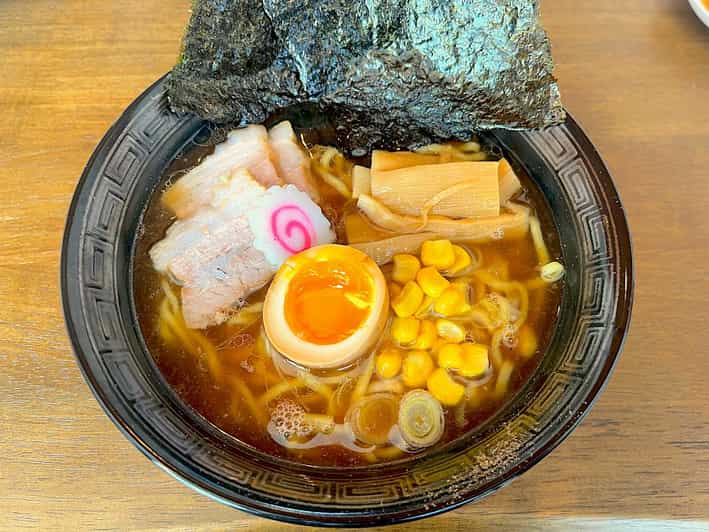
I like this class because it gives you something useful to do with Japanese food beyond ordering another bowl of noodles. You handle ingredients, shape sushi, learn the logic behind ramen, and gain enough practical advice to try the dishes again after your trip.
The format also suits couples, families, and solo visitors. The group limit is eight, and some sessions may have only a few people. That matters in a kitchen class. You have more room to ask questions, correct your technique, and chat with the instructors without waiting behind a large crowd.
The instructors create a friendly, relaxed tone. Sato, Haruko, and Risa have been named as part of the teaching team, while other sessions have included Alex, Alisa, Misa, and Luna. The exact staff can vary, but the teaching style is clearly warm and hands-on. Beginners should feel comfortable, while experienced home cooks still have room to pick up useful tips.
More sake and whisky sessions:
- Ramen and Sushi Cooking Class with Sake Pairing Set in Tokyo
★ 5.0 · 291 reviews - Sake Tasting Masterclass in Shinjuku (8+ Varieties with a Pro)
★ 5.0 · 271 reviews - Sake Omakase in Tokyo: Guided Tasting by Certified Sommeliers
★ 5.0 · 239 reviews
Arriving at HAUS Tsukishima
The class takes place on the second floor of HAUS Tsukishima, at 2-13-5 Tsukuda in Chuo-ku. From Tsukishima Station, use Exit 4 and allow about five minutes on foot.
This location fits neatly into a day around Tokyo Bay and eastern central Tokyo. A taxi takes about six minutes from Tsukiji Fish Market, nine minutes from Ginza, 10 minutes from Tokyo Station, and 11 minutes from teamLab Planets. From Shinjuku, the listed taxi time is about 30 minutes, though Tokyo traffic can change that quickly.
There is no hotel pickup or drop-off, so you need to make your own way there. I would plan to arrive five minutes early, as requested. The address in Japanese is 東京都中央区佃2-13-5 HAUS Tsukishima 2階, which is useful to show a taxi driver.
Wear comfortable clothes that you do not mind getting a little dirty. This is a working class, not a demonstration where you sit back in your best dinner outfit.
Starting with ramen, broth, and chashu pork
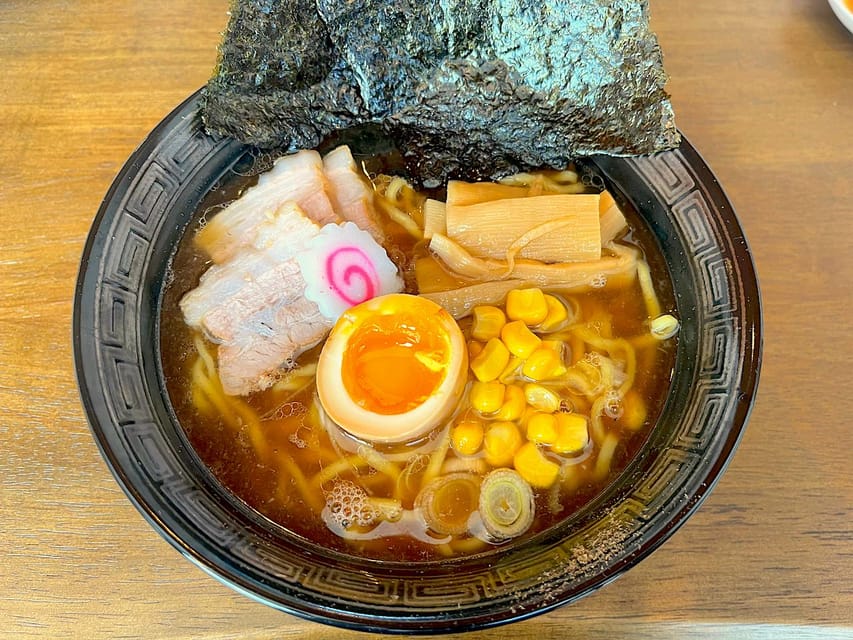
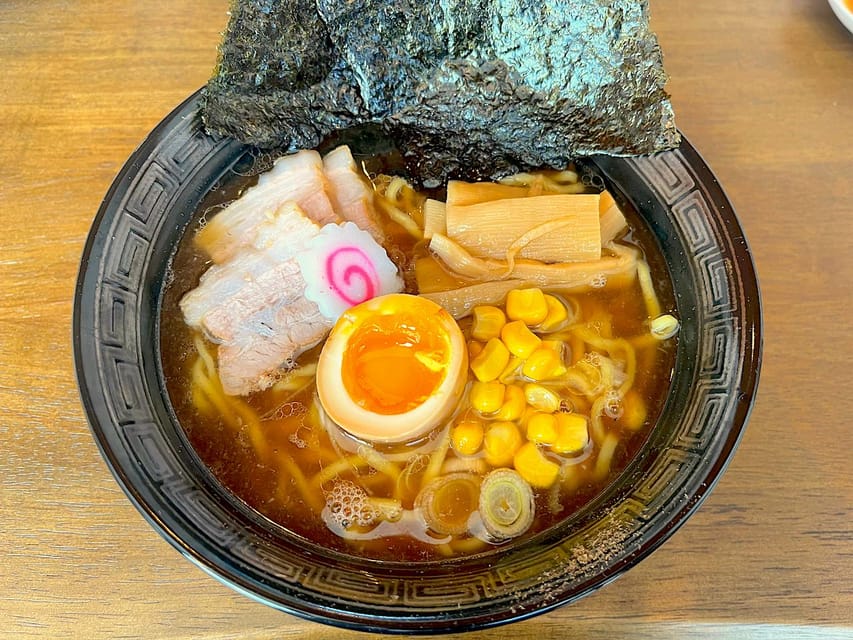
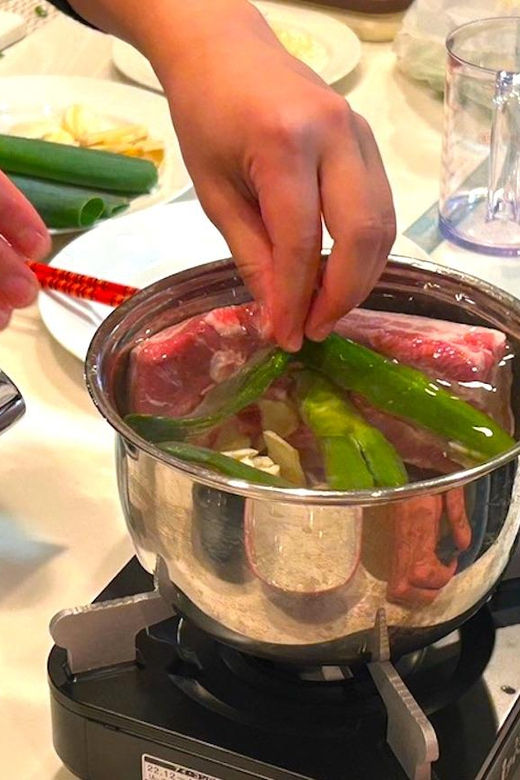
The ramen portion focuses on the parts that make a bowl taste like more than noodles in salty liquid. You learn how the soup is built, how ingredients contribute flavor, and how chashu pork is prepared.
Chashu is the soft, seasoned pork belly commonly served with ramen. Learning to make it gives you a better sense of why ramen takes planning. The pork is not just a topping added at the end. It is part of the dish’s texture, richness, and balance.
The class is three hours long, so not every element can be prepared from raw ingredients during the session. Some cooking steps may be completed ahead of time to make the schedule work. That is a sensible compromise. You still take part in the important techniques, but you are not forced to spend an entire day waiting for broth or pork to finish.
I appreciate this kind of honest structure in a short class. A lesson that claimed to make every component from start to finish in three hours would either rush you or offer a simplified result. Here, the aim is to teach the key methods and let you enjoy a properly finished bowl.
The class also covers ingredient advice for cooking outside Japan. You receive suggestions for substitutions, which is especially helpful if you live somewhere without easy access to Japanese brands or specialty shops. The recipe booklet includes instructions for ramen, gyoza, and sushi, giving you more than one dish to work on at home.
Learning the shape of nigiri sushi
The sushi lesson covers the origins of sushi before moving into nigiri preparation. That cultural background gives the technique some meaning. Sushi is not simply raw fish placed on rice, and nigiri is not as effortless as it looks when an experienced chef forms it in seconds.
You use the provided ingredients and tools to hand-shape the nigiri. The goal is to learn how to handle the rice, form a neat piece, and combine it with the topping in a balanced way. For a first attempt, the result may not look like something from a high-end sushi counter. That is part of the fun, and the instructors are there to guide your hands and explain the process.
Fresh ingredients are sourced from Toyosu Market, according to the class information. That adds value to the meal, because ingredient quality matters greatly in a simple dish such as nigiri. With only rice, topping, and seasoning, there is nowhere for poor ingredients to hide.
The sushi section also helps you understand the difference between watching a chef and doing the work yourself. Once you have tried forming nigiri, you notice the pressure, shape, and texture more clearly the next time you eat it in Tokyo.
More sushi mornings and classes:
- Sushi Making Tokyo Roll and Authentic Japanese Sushi Class
★ 5.0 · 3,971 reviews - Tokyo: Roll and Authentic Sushi Making Class in Asakusa
★ 4.9 · 1,957 reviews - Make Sushi and Create Unforgettable Memories in Tokyo
★ 5.0 · 1,413 reviews - Tokyo: Sushi Making Class in a Happi Coat near a Famous Spot
★ 4.9 · 1,377 reviews
Three sake pairings with a certified sommelier

The sake portion is more than a drink poured alongside lunch. You taste three premium Japanese sakes selected by a certified sake sommelier, and the class explains how the drinks work with the food.
This is a good addition for anyone who finds sake menus confusing. Japanese sake varies in aroma, sweetness, dryness, and weight, but a restaurant menu may not give you much help choosing. Tasting three styles with ramen and sushi gives you a practical point of comparison.
One member of the teaching team comes from a sake brewing family, adding a personal connection to the subject. That does not turn the class into a brewery tour, but it can make the tasting more grounded and conversational.
The alcohol means you should plan your afternoon sensibly. The package is designed as a meal and tasting, not a quick cooking lesson followed by a rushed departure. Some sessions have also offered beer, but the advertised pairing is three sakes, so do not book this expecting a full drinks menu.
Food, atmosphere, and the pace of the lesson
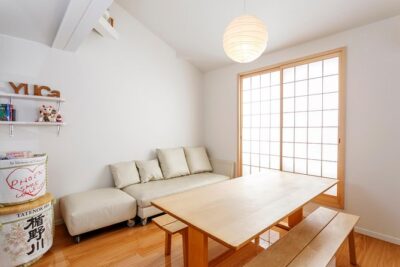
The cooking venue is described as cozy, welcoming, and immaculate. A smaller kitchen can feel more personal, though it may not offer the space of a large cooking school. That is the trade-off: you get closer contact with the instructors, but the room itself is likely modest.
The class balances work and eating. You cook, receive explanations, and then have time to sit down and enjoy the meal. The timing of the ramen and sushi is coordinated so that you are not left with one dish cooling while you are still preparing the other.
The portions are described as plentiful. If you arrive hungry, that is welcome news. If you have been eating your way through Tsukiji, Ginza, and other Tokyo food districts all day, pace yourself.
The atmosphere is especially well suited to people who enjoy conversation. Instructors share food traditions, personal stories, and cultural details along with the recipes. A small class also gives you a chance to meet the other participants, which can make a solo booking feel less solitary.
Is $129 a fair price?
At $129 per person, this is not the cheapest way to eat ramen and sushi in Tokyo. You can find an excellent bowl of noodles or a good sushi lunch for far less.
The comparison is not quite fair, though. The fee includes a three-hour English-language lesson, all necessary ingredients, hands-on sushi and ramen preparation, three sake pairings, a recipe booklet, ingredient substitution advice, and souvenir chopsticks. You also receive a full meal rather than a small tasting.
The small group is the strongest value factor. A large class can teach the same recipes, but personal attention is harder to guarantee. Here, the advertised limit is eight, and a lightly booked session may feel almost private. Solo participants have even received one-on-one instruction when attendance was very low.
I would consider the price fair for couples and families who want an activity with a lasting payoff. It is less compelling if your only goal is to eat cheaply, or if you already cook Japanese food regularly and do not care about instruction.
Who should book this cooking class?
I would recommend it most strongly to:
- First-time visitors who want a hands-on introduction to Japanese food
- Couples looking for a shared afternoon activity
- Families with children old enough to follow kitchen instructions
- Solo visitors who prefer a small, social class
- Home cooks who want recipes they can repeat abroad
- Sushi and ramen fans who want to understand how the dishes are made
The class is friendly to beginners, and the instructors explain techniques step by step. You do not need to arrive with professional kitchen skills.
It is not suitable for vegans or vegetarians. The provided information does not list specific allergy arrangements, so anyone with serious dietary restrictions should ask before booking rather than assume substitutions are available.
Booking details worth knowing
The class lasts three hours, with starting times based on availability. English is the teaching language.
You can cancel up to 24 hours before the activity for a full refund. A reserve-now, pay-later option is also available, which helps if your Tokyo schedule is still moving around.
The experience provider is Sushi Making Japan, Cooking Class in Japan. Since the team can include different instructors, you may not meet every teacher named above. The consistent features are the English instruction, small-group format, ramen and nigiri preparation, sake tasting, and take-home recipes.
Should you book it?
Book this class if you want to turn two familiar Japanese foods into skills you can understand and repeat. The strongest reasons are the personal teaching, fresh Toyosu ingredients, useful recipe booklet, and the chance to compare three sakes with the meal.
Skip it if you are vegetarian or vegan, dislike alcohol, or would rather spend $129 on several restaurant meals. Also think about your schedule. This is a full three-hour commitment, and the best value comes when you take part actively rather than treat it as lunch with a little decoration.
For most food-focused visitors, I would put this on the shortlist. It is practical, social, and firmly tied to everyday Japanese cuisine. You leave with a full stomach, a pair of chopsticks, and a much clearer idea of why good ramen and nigiri require more care than they first appear to.
FAQ
How long does the sushi and ramen class last?
The class lasts three hours.
Where does the class take place?
It takes place on the second floor of HAUS Tsukishima, at 2-13-5 Tsukuda, Chuo-ku, Tokyo 104-0051.
How do I reach the cooking class by train?
The venue is about a five-minute walk from Exit 4 of Tsukishima Station, listed as Y21.
Is the class taught in English?
Yes. The instructor language is English.
How many people can join the class?
It is a small-group activity limited to eight participants. Some sessions may have fewer people.
What food will I learn to make?
You will learn to make ramen, including broth and chashu pork, as well as nigiri sushi. The take-home recipe booklet also includes gyoza.
Are sake tastings included?
Yes. The class includes three premium Japanese sakes selected by a certified sake sommelier.
Is hotel pickup included?
No. You must travel to the meeting point yourself. Hotel pickup and drop-off are not included.
Can I cancel the booking?
Yes. You can cancel up to 24 hours in advance for a full refund. A reserve-now, pay-later option is also available.
More Cooking Classes in Tokyo
- Tokyo: Wagyu and 7 Japanese Dishes Cooking Class
★ 4.9 · 273 reviews - Tokyo Washoku 4-hour Cooking Class: From Market to Table
★ 5.0 · 253 reviews - TokyoSumoShow, ChickenHotPot, and Mochi-Pounding by Pro Wrestlers
★ 5.0 · 226 reviews - Professional Ramen & Gyoza with Ramen Chef in a restaurant!
★ 5.0 · 223 reviews
More Ramen Stops
- Eat and Drink Like a Local: Tokyo Ueno Food Tour-Taverns&Ramen
★ 5.0 · 957 reviews - Ramen & Gyoza Cooking Class in Tokyo with Local Supermarket Visit
★ 5.0 · 823 reviews - Tokyo: Ramen Tasting Tour with 6 Mini Bowls of Ramen
★ 4.9 · 432 reviews - Tokyo: Easy Ramen Cooking Experience in Kabukicho, Shinjuku
★ 4.6 · 321 reviews
New on our Tokyo list
- Tokyo Spectacular View Day-Cruise in 90 Minutes★ 5.0 · 25 reviews
- From Tokyo: Mount Fuji & Hakone Full Day Private Tour★ 4.9 · 25 reviews
- Real Tokyo Runner Club : Daikoku Car Meet Night Tour with JDM Car★ 5.0 · 25 reviews
- 2.5 Hour-Guided Cycle Tour in the Central Tokyo★ 5.0 · 25 reviews
- Ramen Making from Scratch +Akihabara Tour –Cooking Class★ 5.0 · 25 reviews
- [Self-Drive] Tokyo & Daikoku Custom Car Driving Tour★ 4.9 · 25 reviews
- Tokyo: 2-Hour Night Bike Tour of the City’s Hidden Gems★ 4.9 · 25 reviews
- Samurai themed Entertainment show in Shinjuku★ 4.5 · 25 reviews
Japanese Cooking Classes, compared.
Ramen & Gyoza Cooking Class in Tokyo with Local Supermarket Visit
Read our review →
Easy Ramen Cooking Experience in Kabukicho, Shinjuku
Read our review →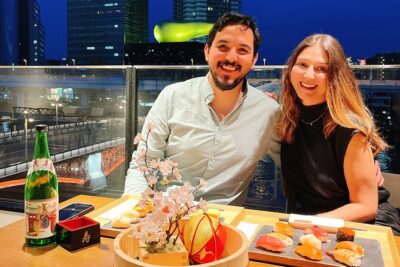
Ramen and Sushi Cooking Class with Sake Pairing Set in Tokyo
Read our review →
Tokyo Washoku 4-hour Cooking Class: From Market to Table
Read our review →
TokyoSumoShow, ChickenHotPot, and Mochi-Pounding by Pro Wrestlers
Read our review →
Professional Ramen & Gyoza with Ramen Chef in a restaurant!
Read our review →
Small-Group Wagyu Beef and 7 Japanese Dishes Tokyo Cooking Class
Read our review →Browse the lists this tour appears in