
Reviewed · SAKE & WHISKY TASTINGS
Tasting All Types of Sake with Sommelier
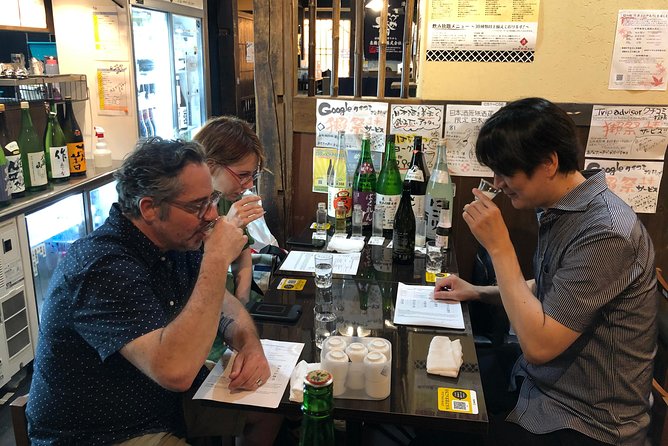
Sake can look simple on a menu, but the range is wide. This Shinjuku tasting gives you a guided sample of six or seven styles, from sparkling and sweet to dry, hot, pasteurized, and unpasteurized. Sommelier Aki, also called Akira, explains what you are drinking and how to order with more confidence later.
I like the practical label-reading lesson, which can save you from choosing a bottle by guesswork. I also like the small sake-bar setting beside Louis Vuitton Shinjuku, where the experience feels more personal than a large group class. The main consideration is alcohol: several pours in 90 minutes can catch up with you, so eat first and treat this as a tasting class, not simply a night of drinking.
In This Review
- Key points to know before booking
- Why this Shinjuku sake tasting is useful
- Meeting Aki near Shinjuku San-chome
- A small bar beside Louis Vuitton Shinjuku
- Tasting sparkling, sweet, dry, hot, and rare sake
- How Aki explains sake production and labels
- Shinjuku, Kabukicho, and Golden Gai after the tasting
- Price, group size, and overall value
- Who will enjoy this tasting most
- Practical details before you go
- Should you book the Shinjuku sake experience?
- FAQ
- Where does the sake tasting start?
- What time does the experience begin?
- How long does the tasting last?
- Where does the main tasting take place?
- How many types of sake will I taste?
- What styles of sake are included?
- Is the experience conducted in English?
- How large is the group?
- Can I cancel for a full refund?
Key points to know before booking
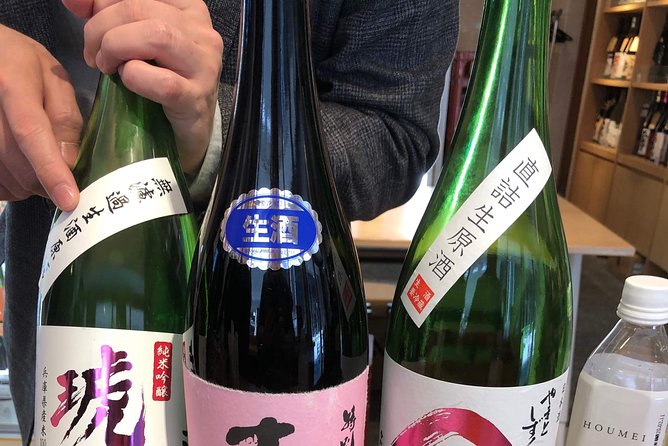
- Six or seven sake styles: Expect a broad first look at Japanese sake, including sparkling, sweet, dry, hot, pasteurized, and unpasteurized examples.
- Aki leads the session: Aki, also referred to as Akira, explains production, flavor, labels, and drinking choices in clear English.
- Small sake-bar setting: The tasting takes place near Louis Vuitton Shinjuku, not in a large formal classroom.
- Useful shopping advice: You learn how to read a sake bottle and choose a style that fits your taste.
- A good first-day activity: The label and ordering advice can help you make better sake choices during the rest of your time in Japan.
- Small group size: The maximum is 12 people, though some sessions may be much smaller.
Why this Shinjuku sake tasting is useful
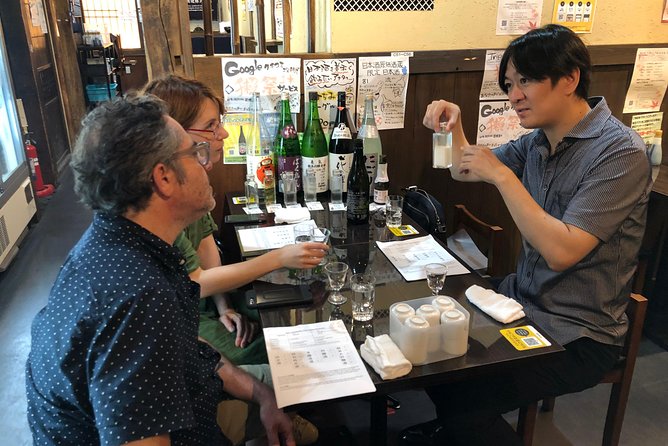
The best reason to book this experience is simple: sake becomes easier to understand after you taste several contrasting styles side by side. On a restaurant menu, terms such as dry, sweet, sparkling, or unpasteurized may not tell you enough. Here, Aki gives those words a flavor and a context.
You are not just handed a glass and left to guess. The session covers how sake is made, the different types available, and what Aki notices in each pour. You also hear about the best way to drink each style and which foods suit it. That last part matters because sake can change character at the table, depending on what you eat.
I especially like that the lesson includes label reading. Japanese sake bottles can be difficult to decode at first, and the experience gives you a basic system for deciding what to buy in a shop or order in a restaurant. It will not turn you into a sake expert in one afternoon, but it can move you from uncertainty to informed curiosity.
A printed handout covers the sake-making process and different categories. It is useful to keep for later, especially if you plan to buy bottles during your trip. One small limitation is that the handout may not list every sake served or give full details such as acidity or pasteurization for each bottle, so take your own notes if those details matter to you.
More sake and whisky sessions:
- Ramen and Sushi Cooking Class with Sake Pairing Set in Tokyo
★ 5.0 · 291 reviews - Sake Tasting Masterclass in Shinjuku (8+ Varieties with a Pro)
★ 5.0 · 271 reviews - Sake Omakase in Tokyo: Guided Tasting by Certified Sommeliers
★ 5.0 · 239 reviews
Meeting Aki near Shinjuku San-chome
The experience begins at 4 pm in front of Shinjuku San-chome, at 3-chome-4-8 Shinjuku. This is a central meeting point near public transportation, but Shinjuku can be confusing, especially around busy station exits and large department stores.
Allow extra time to find the exact spot. Aki keeps communication open and makes an effort to locate the group, which is helpful in an area where a short walk can turn into a maze of streets and entrances. Bring your mobile ticket and keep your phone available before the start.
The first few minutes are spent talking about Shinjuku. You also get a short introduction to Shinjuku 3 Chome, the neighborhood around the meeting point. These stops are brief, about five minutes each, so do not expect a full sightseeing walk. Their real purpose is to set the scene and guide you toward the bar.
That is a sensible use of time. You get a bit of local orientation without losing much of the tasting session. If you are hoping for a major tour of Shinjuku, Kabukicho, or Golden Gai, this is not that. The neighborhood talk supports the sake experience rather than replacing it.
A small bar beside Louis Vuitton Shinjuku
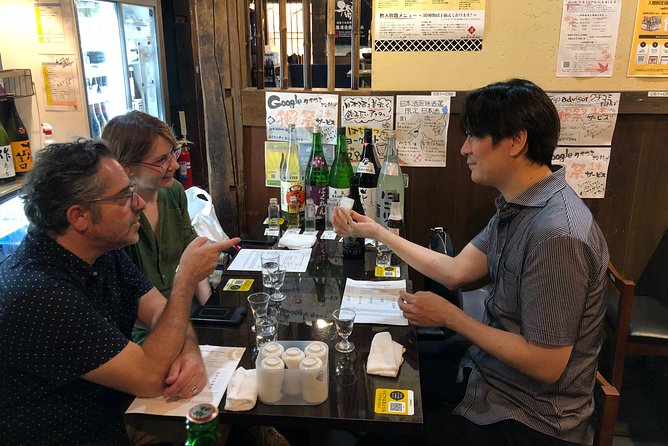
The main tasting takes place at a sake bar right beside Louis Vuitton Shinjuku. This location is easy to identify once you arrive, and it places the session in the middle of one of Tokyo’s most useful evening districts.
The setting is part of the appeal. A small bar gives Aki room to explain the bottles, answer questions, and adjust the conversation to the group. The maximum group size is 12, but some sessions have only a couple of people. A small group can make the class feel almost private, while a full group will naturally allow less time for individual questions.
The activity is scheduled for about 1 hour and 30 minutes. The actual tasting portion is listed at roughly 1 hour and 20 minutes, with the short neighborhood introductions before it. One participant described a session lasting closer to two hours, so leave a little breathing room before your next fixed booking.
The bar is not presented as a meal stop. Food pairings are discussed, but you should eat before arriving. That is practical advice, not a minor detail. Six or seven pours, plus a possible welcome sake, can be a lot on an empty stomach.
Tasting sparkling, sweet, dry, hot, and rare sake
The tasting is designed around contrast. You may sample sparkling sake, sweet and dry styles, hot sake, pasteurized sake, and unpasteurized sake. These categories give you a useful introduction to how temperature, production, and style affect the drink.
Sparkling sake can be an easy starting point if you are new to the category. Sweet sake offers a different path, while dry sake shows why the same drink can work so well with savory food. Hot sake adds another comparison, since temperature changes the aroma and the way the drink feels.
Unpasteurized sake is especially interesting for people who already enjoy nihonshu. Some bottles are hard to find outside Japan because shipping and storage are more difficult. Trying one in Tokyo gives you access to a style you may not often see at home.
The point is not to decide which type is best. It is to notice what suits you. You might prefer a clean dry pour, a sweeter style, or something sparkling and light. Aki helps connect your reaction to the language used on bottles, which makes future ordering less random.
The number of pours is enough to show variety without turning the session into an enormous catalog. You are tasting a selected range, not every possible sake category. That is a good balance for a short afternoon class.
A few more Tokyo bookings worth comparing
- Tokyo Bar Hopping Tour in Shinjuku (All-You-Can-Drink + Dinner)
★ 5.0 · 3,587 reviews - Best of Shinjuku: Izakaya Food Tour (4 Stops, 14+ Tastings)
★ 5.0 · 1,863 reviews - Tokyo: Shinjuku Local Bar and Izakaya Guided Walking Tour
★ 4.9 · 1,794 reviews - Shibuya Meltdown Nightlife Tour: All-You-Can-Drink Bar Hopping
★ 5.0 · 1,058 reviews
How Aki explains sake production and labels
Aki’s role is central to the experience. He explains how sake is produced, why different bottles taste different, and how to make sense of the information on a label. He also discusses sake’s background in Japan and answers questions beyond the basic lesson.
His teaching style appears to be relaxed and social. He uses humor, speaks English well, and makes it easy to ask questions. That matters because sake terminology can become technical quickly. A formal lecture might give you more facts, but a conversational session is often easier to remember.
You will learn about ingredients, brewing, aging, the market, and categories of sake. The handout gives you a framework for reviewing the information later. You can also ask about spirits, wine, Japanese nightlife, or places to visit, though the main focus remains sake.
I would book this early in your Tokyo stay if sake is part of your plans. The lesson can help you choose drinks in restaurants and shops afterward. It also gives you a better chance of recognizing styles that are uncommon outside Japan.
The only caution is that the amount of information may feel dense for someone who wants a quick drink and little explanation. This is an educational tasting. If you prefer a silent flight of samples, you may find the talk more detailed than expected.
Shinjuku, Kabukicho, and Golden Gai after the tasting
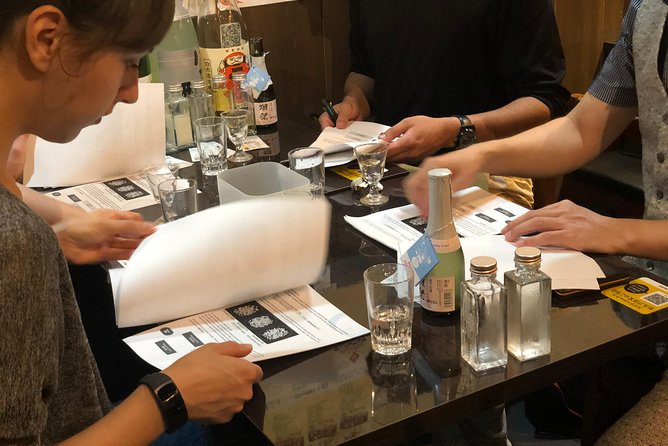
The short neighborhood discussion adds local context. Aki talks about Shinjuku 3 Chome, Kabukicho, and Golden Gai, giving you a starting point for exploring after the session.
Kabukicho is one of Tokyo’s best-known nightlife districts, while Golden Gai is famous for its tiny bars and narrow lanes. The experience does not promise a full guided nightlife crawl, so think of these comments as orientation and advice rather than a separate tour.
This is useful because the tasting ends in a place where you have many options for the evening. You can continue exploring, shop nearby, or use your new sake vocabulary at dinner. Aki also gives general tips about places to visit and things to avoid in Japan.
Do not assume the tour includes drinks or entry at Golden Gai after the tasting. The stated activity ends back at the meeting point, and the neighborhood conversation is part of the tour rather than a promised bar-hopping extension.
Price, group size, and overall value
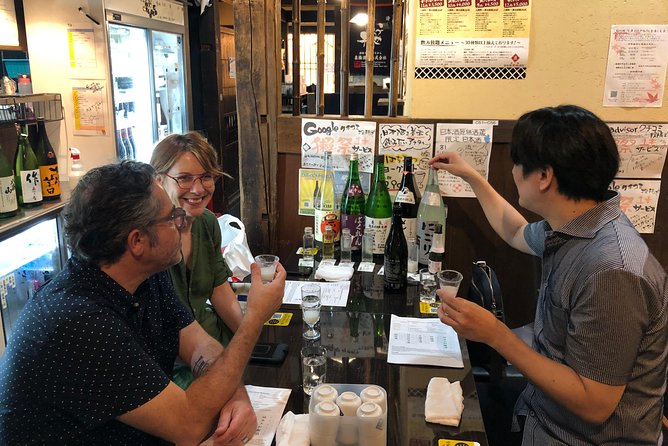
The price is $62.76 per person. That includes the sake tasting and the sommelier-led instruction, making the value depend on how much you want to learn as well as how much you want to drink.
For a casual drinker, the price may feel high compared with ordering one bottle or a few glasses at a bar. But you are paying for six or seven samples, access to styles that may be difficult to find abroad, label guidance, production information, and a host who can answer questions in English.
I think the cost makes the most sense for three kinds of people: first-time sake drinkers who want a clear introduction, sake fans looking for unusual Japanese bottles, and visitors who want a structured afternoon activity in Shinjuku. Families and friends can also enjoy it together, provided everyone drinking is of legal drinking age.
The group cap of 12 keeps the session from becoming a huge lecture. If you want the most personal version, booking when demand is lower may help, though the exact group size is not guaranteed.
The experience is booked an average of 23 days ahead, so do not leave it until the final day if your schedule is tight. At the same time, free cancellation is available up to 24 hours before the 4 pm start, which gives you some flexibility. Changes or cancellations inside that 24-hour window are not refundable.
Who will enjoy this tasting most
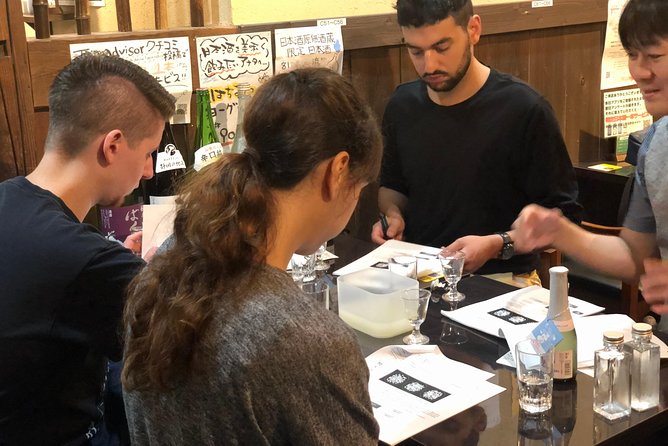
You should consider booking if you want to know what you are ordering instead of choosing a bottle based only on its label design. It is also a strong fit if you enjoy food and drink classes, ask lots of questions, or want a gentle introduction to Japanese nightlife districts.
First-time sake drinkers should find the range helpful because the styles are clearly different. You can compare sweet and dry, hot and chilled, sparkling and still, then use those comparisons later.
Experienced sake drinkers may enjoy the unpasteurized and Japan-only selections. The session is not built as an advanced certification course, but it can still offer access to bottles you cannot easily sample at home.
You might skip it if your schedule is packed, you dislike guided instruction, or you are looking mainly for a full meal. The activity centers on tasting and discussion, with food pairing advice rather than a stated food menu.
Practical details before you go
The experience begins at 4 pm and lasts about 90 minutes. It starts and ends near Shinjuku San-chome, with the main tasting at a bar beside Louis Vuitton Shinjuku.
A mobile ticket is accepted, and confirmation arrives when you book. The meeting point is near public transportation, and most people can take part. The maximum group size is 12.
Eat lunch or a substantial snack first. This is the most useful preparation, since the tasting may include six or seven pours and an additional welcome sake. You should also plan your evening with some flexibility, since one session took about two hours.
Free cancellation applies when you cancel at least 24 hours before the local start time. After that, the price is not refunded.
Should you book the Shinjuku sake experience?
Book it if you want a clear, friendly introduction to sake with enough variety to discover your own taste. Aki’s label advice, practical serving tips, and access to sparkling, hot, sweet, dry, pasteurized, and unpasteurized styles make the $62.76 fee reasonable for anyone who values guidance.
I would place it early in a Tokyo trip, after you have adjusted to the time change and eaten beforehand. You will leave with better questions to ask at restaurants, more confidence in Japanese shops, and a natural starting point for an evening in Shinjuku.
Skip it only if you want a quick drink without instruction or need a full meal included. For curious drinkers, couples, families, and small groups of friends, this is a focused way to make sake less mysterious.
FAQ
Where does the sake tasting start?
It starts in front of Shinjuku San-chome at 3-chome-4-8 Shinjuku, Shinjuku City, Tokyo 160-0022, Japan.
What time does the experience begin?
The start time is 4 pm.
How long does the tasting last?
The stated duration is approximately 1 hour and 30 minutes. The main tasting portion takes about 1 hour and 20 minutes, though one session took closer to two hours.
Where does the main tasting take place?
The tasting takes place at a sake bar beside Louis Vuitton Shinjuku.
How many types of sake will I taste?
You can expect to taste six to seven types of sake, with an additional welcome sake mentioned in one account of the experience.
What styles of sake are included?
The tasting can include sparkling, sweet, dry, hot, pasteurized, and unpasteurized sake.
Is the experience conducted in English?
The guide, Aki or Akira, speaks English and explains sake production, labels, flavors, and serving suggestions.
How large is the group?
The activity accepts a maximum of 12 people.
Can I cancel for a full refund?
Yes. You can cancel at least 24 hours before the local start time for a full refund. Cancellations or changes made less than 24 hours before the start are not accepted for a refund.
New on our Tokyo list
- From Tokyo: Mount Fuji & Hakone Full Day Private Tour★ 4.9 · 25 reviews
- Tokyo Spectacular View Day-Cruise in 90 Minutes★ 5.0 · 25 reviews
- Real Tokyo Runner Club : Daikoku Car Meet Night Tour with JDM Car★ 5.0 · 25 reviews
- 2.5 Hour-Guided Cycle Tour in the Central Tokyo★ 5.0 · 25 reviews
- Ramen Making from Scratch +Akihabara Tour –Cooking Class★ 5.0 · 25 reviews
- [Self-Drive] Tokyo & Daikoku Custom Car Driving Tour★ 4.9 · 25 reviews
- Tokyo: 2-Hour Night Bike Tour of the City’s Hidden Gems★ 4.9 · 25 reviews
- Samurai themed Entertainment show in Shinjuku★ 4.5 · 25 reviews
Sake & Whisky Tastings, compared.
Ramen and Sushi Cooking Class with Sake Pairing Set in Tokyo
Read our review →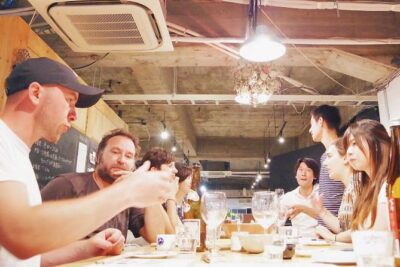
Sake Tasting Masterclass in Shinjuku (8+ Varieties with a Pro)
Read our review →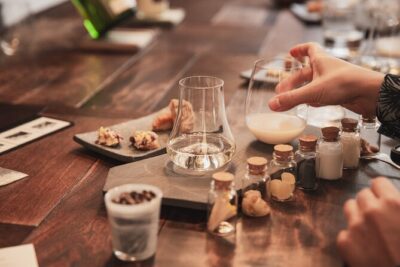
Sake Omakase in Tokyo: Guided Tasting by Certified Sommeliers
Read our review →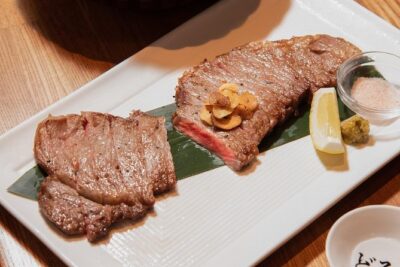
Wagyu & Sake Pairing in Shinjuku – Steak, Shabu-Shabu & More
Read our review →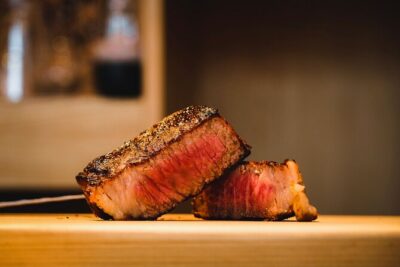
Tokyo Wagyu & Sake Pairing Tasting Experience with Local Flavors
Read our review →
Sushi and Ramen Cooking Class with Sake Pairing Set
Read our review →
Tsukiji: Outer Market Walking Tour & Sake Tasting Experience
Read our review →
Cozy Tokyo Class: Ramen, Sushi, Sake Pairing & Cultural Exchange
Read our review →Browse the lists this tour appears in