
Reviewed · TSUKIJI & TOYOSU MARKET TOURS
Tsukiji: Outer Market Walking Tour & Sake Tasting Experience
Tsukiji is at its best when you know where to look. This three-hour walk starts at Tsukiji Hongwanji Temple, threads through the Outer Market with a food guide, and ends with an unusually generous sake tasting. You may sample 20 or more bottles, with more than 50 to 60 types available.
I like two things right away. First, the market visit is practical: guides such as Kumi, Kyoko, Sarah, and Yuki have helped visitors choose foods and find small shops they might miss alone. Second, the sake session goes well beyond a quick sip. You learn how sake is made, taste it at different temperatures, and compare bottles from breweries across Japan.
The main drawback is that market food is not included, so your final cost depends on how much you buy. The Outer Market is also closed Sundays, national holidays, and some Wednesdays, and the narrow lanes can feel crowded.
In This Review
- Key points to know before you book
- Starting at Tsukiji Hongwanji Temple
- Reading Tsukiji Outer Market with a local guide
- Why the sake tasting deserves the final hour
- How much food and sake do you really get?
- The guides make the difference
- Who will enjoy this Tsukiji afternoon?
- Timing, transport, and useful preparation
- Is the unlimited sake worth it?
- Final verdict: book it if you want food guidance and serious sake tasting
- FAQ
- Where does the Tsukiji tour meet?
- Where does the tour end?
- How long does the experience last?
- What languages are available?
- Is food included in the price?
- Is sake tasting included?
- How many types of sake can I try?
- Can children join the tour?
- Does the tour operate in bad weather?
- Is the Outer Market open every day?
- What should I bring?
- Is hotel pickup included?
- Who cannot take part in the activity?
- Can I cancel for a full refund?
Key points to know before you book
- The tour begins with temple etiquette: Learn how to prepare for prayer and pray at Tsukiji Hongwanji before entering the market.
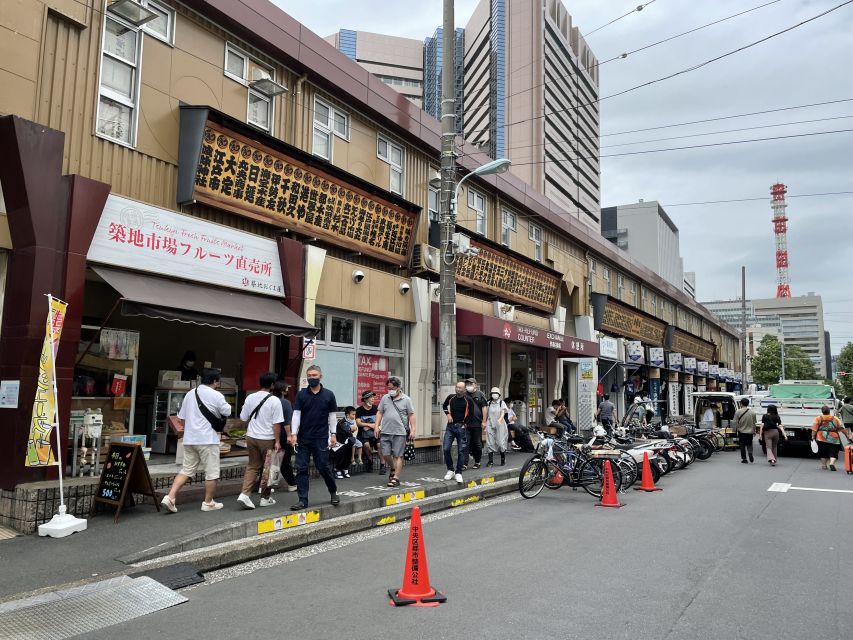
- Market tastings are flexible: Buy only what appeals to you, with food prices paid separately.
- The sake salon is the big finale: Sample unlimited sake from a selection of more than 50 types.
- You taste sake in several ways: Compare different styles, breweries, and serving temperatures with a sommelier.
- Children can join: Kids receive tea or soft drinks and snacks instead of sake.
- Plan around market days: Sunday, national holiday, and some Wednesday departures will not work for the Outer Market portion.
Starting at Tsukiji Hongwanji Temple
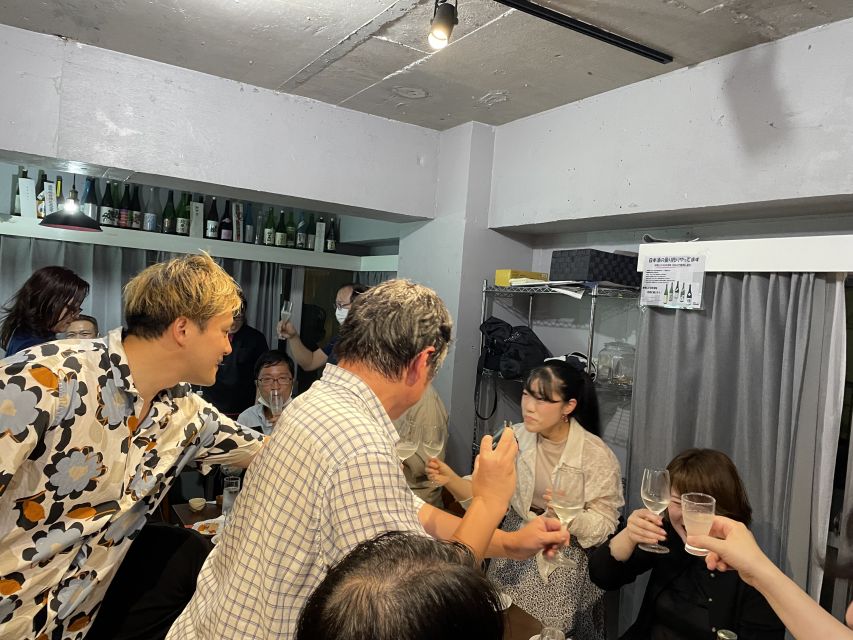
Your meeting point is the main entrance gate of Tsukiji Hongwanji Temple. This makes the start fairly easy to find, and the temple gives the afternoon a useful sense of place before you begin shopping and eating.
The guide explains how to pray like a local, including the basic etiquette for approaching the Buddhist temple. You do not need prior knowledge of Japanese religious customs. The lesson is short, practical, and gives you something meaningful to do instead of treating the temple as a quick photo stop.
The temple also helps frame Tsukiji. The neighborhood is not only a food district. It has long been tied to daily meals, local shopping, and religious life, and beginning here gives you a little context before the market becomes your main focus.
I would arrive with comfortable shoes and a few minutes to spare. The rest of the tour involves walking and standing, and the market lanes are not designed for slow, wide-footed groups. The activity runs rain or shine, so a wet-weather plan matters.
More market mornings in Tokyo:
- Tokyo Tsukiji Fish Market Food and Culture Walking Tour
★ 5.0 · 3,184 reviews - Tokyo: Tsukiji Fish Market Food and Walking tour
★ 5.0 · 1,724 reviews - Tokyo: Tsukiji Fish Market Guided Walking Tour
★ 4.9 · 1,397 reviews
Reading Tsukiji Outer Market with a local guide
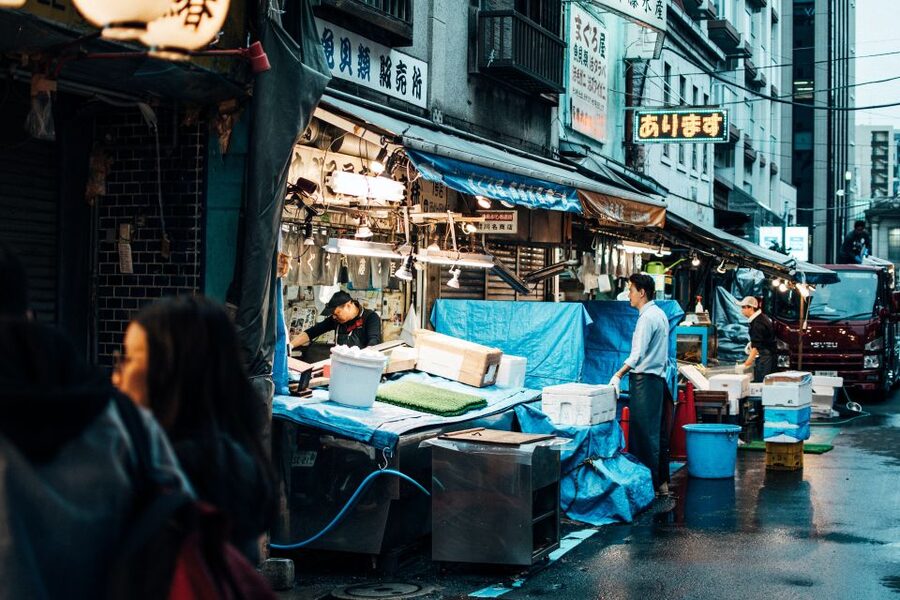
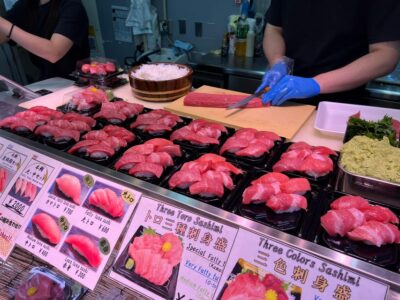
Tsukiji Outer Market is the sort of place where a first visit can turn into a random wander. You see seafood, produce, sweets, meat, cooking goods, and small counters, but it is not always clear which shop deserves your time or how to approach the food.
That is where this tour earns its keep. Your guide leads you through the market and points out stores and foods that are easy to overlook. Guides have also offered practical tips on how locals shop and have written down additional places for people to visit later.
The pace is a walking tour, not a full meal. You can choose to buy items as you go, but those purchases are extra. That arrangement is useful because you control both your appetite and your spending. If you already ate breakfast, you can pick one or two small bites. If you arrive hungry, you can build a more substantial snack stop.
Past participants have sampled items such as wagyu beef, whale meat, seafood, and local sweets. Those examples do not mean every item will be offered on every departure, so treat them as possibilities rather than promises. The better point is the freedom to ask questions and choose foods that suit you.
This setup also helps with dietary preferences. Guides have worked with people who wanted different foods or had different hunger levels. Still, you should tell the guide about allergies or restrictions at the start, and remember that the tour does not include food.
The Outer Market can be crowded. That is part of the setting, but it can make conversation and browsing harder during busy periods. Keep your group close, watch your footing, and do not expect a quiet culinary stroll.
Why the sake tasting deserves the final hour
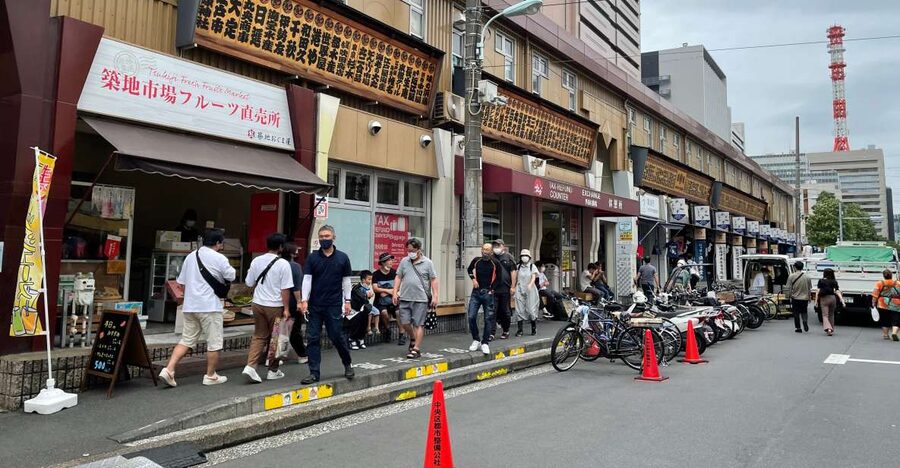
After the market, you walk to a local sake salon a few minutes from Tsukiji Station or Shintomicho Station. The tasting takes place in a private salon rather than at a market counter, giving you time to sit, listen, and compare what is in your glass.
The selection is the tour’s strongest feature. More than 50 to 60 types may be available, and the sake comes from breweries around Japan. Many people taste about 15 to 20 varieties, while one group reached 28. The exact number depends on your pace and how long you stay with each sample.
A sommelier explains the brewery, production method, background, and story behind each bottle before you taste it. You are not simply handed a lineup and left to guess. The session shows how sake can vary in aroma, sweetness, texture, and finish, much as beer and wine change from one producer to another.
The temperature comparison is especially useful. Sake can be served at different temperatures, and the flavor changes with the heat. Tasting the same style in more than one form helps you understand why a bottle you dislike cold might work better warm, or why another is best chilled.
Snacks are provided during the tasting to complement the sake. The market food you purchase can also be brought along, according to the experience described by several participants. This is a smart sequence: you get to taste the market, then continue the food-and-drink theme at the salon.
The tasting is unlimited, but that does not mean you need to race through every bottle. If you find a style you like, you can spend more time with it after the presentation. You may also be able to buy some of the bottles afterward, including less common selections, though availability can change.
One practical warning: pace yourself. The word unlimited can make people lose count, especially after a full afternoon of market snacks. Eat something, drink water when available, and give yourself enough time to enjoy the explanations.
How much food and sake do you really get?
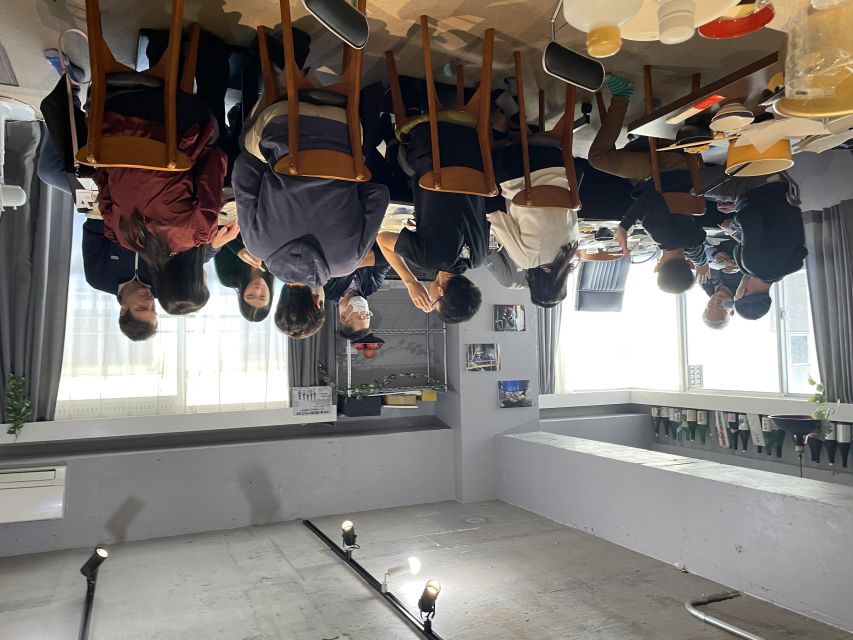
The $70 price is strongest for people who want both instruction and variety. You receive the walking tour, guide service, unlimited sake tasting, and snacks. You do not receive market food, hotel transport, or drinks for adults other than the sake tasting.
For a first visit to Tokyo, the combination is efficient. In three hours, you get temple customs, a guided market orientation, food suggestions, and a serious introduction to sake. You also finish near two train stations, so it is easy to continue your day without arranging a pickup.
The value depends on how you would otherwise spend the afternoon. If you only want to browse Tsukiji for 30 minutes and buy one snack, $70 may feel high. If you want to taste many sake styles and would pay separately for a guided tasting, the price becomes easier to justify.
I especially like that the market spending is optional. You are not pushed into a fixed meal or forced to pay for dishes you do not want. Couples and families can make different choices, although the group will still move at the guide’s pace.
The sake portion is also more generous than a standard tasting flight. You may taste 15 to 28 samples, and the full selection can exceed 50 types. That range makes the fee more attractive for anyone curious about Japanese brewing.
More sake and whisky sessions:
- Ramen and Sushi Cooking Class with Sake Pairing Set in Tokyo
★ 5.0 · 291 reviews - Sake Tasting Masterclass in Shinjuku (8+ Varieties with a Pro)
★ 5.0 · 271 reviews - Sake Omakase in Tokyo: Guided Tasting by Certified Sommeliers
★ 5.0 · 239 reviews - Tasting All Types of Sake with Sommelier
★ 5.0 · 151 reviews
The guides make the difference
The quality of this experience rests heavily on the guide. The names attached to past departures include Kumi, Kyoko, Sarah, Sally, Yuki, and Hatsumi. You should not assume a particular person will lead your tour, but the guide reports show the kind of service to expect: market advice, help choosing foods, clear explanations, and flexibility around personal interests.
Kumi and Kyoko have been praised for their ability to explain the market and suggest places to return to later. Sarah has helped people choose foods based on appetite and dietary preferences. Yuki and Hatsumi have led tours that combined seafood with the sake session. These details matter because Tsukiji is easier to enjoy when someone can explain what you are seeing without turning every stop into a sales pitch.
English and Japanese are the available tour languages. If you book in English, confirm the language option when checking times. One past participant found the experience especially strong with an English-speaking guide, while another described an English-speaking guide as essential to getting the most from the tour.
The sake expert provides a different kind of instruction. You learn about rice, brewing, breweries, and the reasons bottles taste different. You do not need to know sake terms in advance. The session is designed to help you notice what is in the glass, not to test you.
Who will enjoy this Tsukiji afternoon?
This is a strong choice for a first visit to Tokyo, especially if you want food guidance without committing to a large restaurant meal. You will get a quick orientation to one of the city’s best-known food areas and a list of places to explore later.
It also suits people who think they do not like sake. The broad selection makes it possible to move beyond the familiar version often served outside Japan. You may find a dry, fruity, earthy, sweet, or warm style that changes your mind.
Families can join. Children receive soft drinks or tea and snacks during the sake portion, so the activity is not limited to adults. Parents should still decide if a market walk and an alcohol-focused session fit their children’s attention span.
The tour is less suitable if you use a wheelchair, since wheelchair users are excluded from the activity and the market lanes can be tight. Pregnant women should not book because of the sake tasting. Anyone who dislikes seafood or food sampling can still walk through the market, but part of the appeal is trying local items.
It is also a poor match for travelers who want a quiet, private food tour. The market is active and sometimes crowded, and the sake salon is shared as part of a guided experience rather than a private meal.
Timing, transport, and useful preparation
The full activity lasts three hours, with starting times depending on availability. I would choose an afternoon when you can leave a little breathing room afterward. Several people have needed to hurry to a later booking, and the sake session is more enjoyable when you are not watching the clock.
Wear comfortable shoes. You will walk through the market, stand at food counters, and move between the temple and salon. Bring a passport or identification card, with a copy accepted, as this is required for the activity.
Check the calendar before booking. The Outer Market is closed on Sundays and national holidays, and some stores also close on Wednesdays. A tour may still be scheduled, but the market portion will not offer its normal range on those days.
There is no hotel pickup or drop-off. You meet at the temple and finish at the sake salon, a few minutes from Tsukiji Station or Shintomicho Station. That simple point-to-point setup works well if you are already sightseeing in central Tokyo.
Rain does not cancel the tour. Take an umbrella or rain jacket and expect the market visit to continue in wet weather. Good shoes matter even more on a rainy day.
Is the unlimited sake worth it?
For many people, yes, but the value comes from the teaching as much as the alcohol. A standard tasting might let you try a few labels. Here, the sommelier can guide you through a much wider range and explain why each bottle differs.
The strongest comments about the experience focus on discovery. People who knew little about sake came away with a clearer sense of how it is produced and what tasting notes to look for. Brewers and fans of beer may also enjoy the production discussion and the comparison of methods.
There is a small risk of sensory overload. After 15 or 20 samples, the differences may blur, particularly if you rush. Take notes on favorites, ask the sommelier to repeat comparisons, and use the snacks to keep the tasting grounded.
I would also avoid planning a formal dinner immediately afterward unless you leave a generous gap. The tour can include market food, salon snacks, and many sake samples in one afternoon.
Final verdict: book it if you want food guidance and serious sake tasting
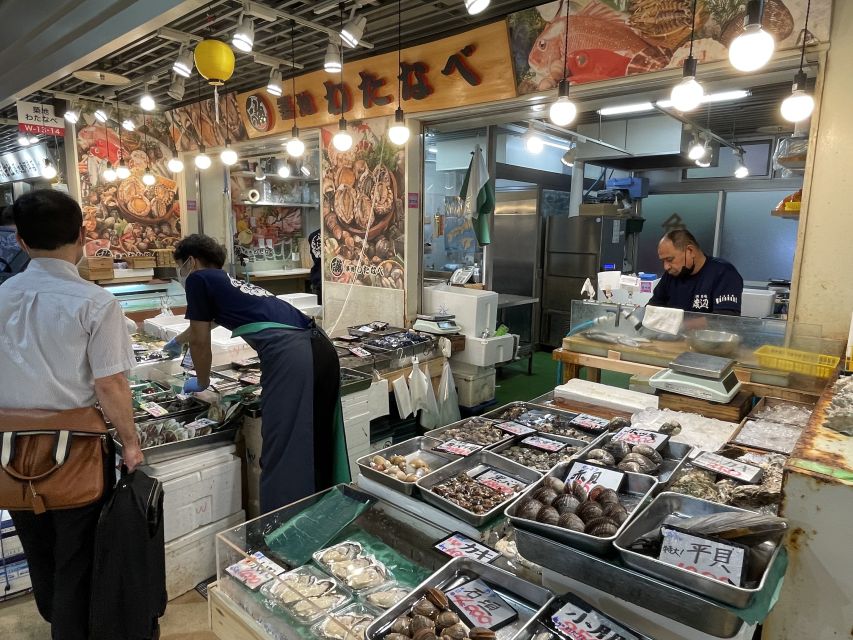
I would book this tour if you want more than a quick look at Tsukiji. The temple opening adds a cultural layer, the market walk helps you make better food choices, and the sake salon offers enough variety to make the $70 fee reasonable for curious drinkers.
Book it especially if you are visiting Tokyo for the first time, want an English-speaking guide, or would rather sample many foods than sit through a fixed meal. It is also a good pick for families, provided children are comfortable with the market and the adults handle the sake portion responsibly.
Skip it if you need wheelchair access, are pregnant, want a food-inclusive price, or plan to visit on Sunday, a national holiday, or a Wednesday when shops may be closed. For everyone else, choose a market day, wear good shoes, arrive hungry but not empty-stomached, and leave time for the sake salon.
FAQ
Where does the Tsukiji tour meet?
Meet your guide in front of the main entrance gate of Tsukiji Hongwanji Temple.
Where does the tour end?
The tour ends at the Tsukiji sake salon, a few minutes from Tsukiji Station or Shintomicho Station.
How long does the experience last?
The experience lasts three hours.
What languages are available?
The live tour guide is available in English or Japanese.
Is food included in the price?
Market food is not included. You can choose to buy local produce or other foods during the walk, and you pay for those purchases separately.
Is sake tasting included?
Yes. Unlimited sake tasting and snacks are included.
How many types of sake can I try?
More than 50 to 60 types may be available. The number you taste depends on your pace, and past sessions have included around 15 to 28 samples.
Can children join the tour?
Yes. Children can attend and receive soft drinks or tea and snacks instead of sake.
Does the tour operate in bad weather?
Yes. The tour takes place rain or shine.
Is the Outer Market open every day?
No. The Outer Market is closed on Sundays and national holidays. Some stores also close on Wednesdays.
What should I bring?
Bring comfortable shoes and a passport or identification card. A copy of the identification document is accepted.
Is hotel pickup included?
No. Hotel pickup and drop-off are not included.
Who cannot take part in the activity?
The activity is not suitable for pregnant women or wheelchair users.
Can I cancel for a full refund?
Yes. You can cancel up to 24 hours in advance for a full refund.
More Markets in Tokyo
- Tsukiji Fish Market Guided Tour and Sushi Making with Pro Chef
★ 5.0 · 775 reviews - Tokyo: Tsukiji Fish Market Food and Culture Walking Tour
★ 4.7 · 757 reviews - Tsukiji Fish Market: Street Food & Culture Walking Tour
★ 5.0 · 669 reviews - Tsukiji Fish Market Small-Group Food Walking Tour
★ 5.0 · 621 reviews
More Drinking Tours in Tokyo
- Tokyo Bar Hopping Tour in Shinjuku (All-You-Can-Drink + Dinner)
★ 5.0 · 3,587 reviews - Best of Shinjuku: Izakaya Food Tour (4 Stops, 14+ Tastings)
★ 5.0 · 1,863 reviews - Tokyo: Shinjuku Local Bar and Izakaya Guided Walking Tour
★ 4.9 · 1,794 reviews - Shibuya Meltdown Nightlife Tour: All-You-Can-Drink Bar Hopping
★ 5.0 · 1,058 reviews
New on our Tokyo list
- From Tokyo: Mount Fuji & Hakone Full Day Private Tour★ 4.9 · 25 reviews
- Tokyo Spectacular View Day-Cruise in 90 Minutes★ 5.0 · 25 reviews
- Real Tokyo Runner Club : Daikoku Car Meet Night Tour with JDM Car★ 5.0 · 25 reviews
- 2.5 Hour-Guided Cycle Tour in the Central Tokyo★ 5.0 · 25 reviews
- Ramen Making from Scratch +Akihabara Tour –Cooking Class★ 5.0 · 25 reviews
- [Self-Drive] Tokyo & Daikoku Custom Car Driving Tour★ 4.9 · 25 reviews
- Tokyo: 2-Hour Night Bike Tour of the City’s Hidden Gems★ 4.9 · 25 reviews
- Samurai themed Entertainment show in Shinjuku★ 4.5 · 25 reviews
Tsukiji & Toyosu Market Tours, compared.
Tokyo Tsukiji Fish Market Food and Culture Walking Tour
Read our review →
Tokyo Sushi Making Class in Tsukiji with Professional Chef
Read our review →
Tsukiji Fish Market Guided Tour and Sushi Making with Pro Chef
Read our review →Tsukiji Fish Market Food and Culture Walking Tour
Read our review →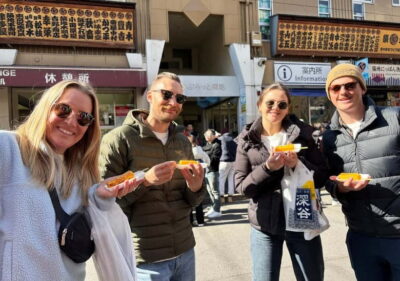
Tsukiji Fish Market: Street Food & Culture Walking Tour
Read our review →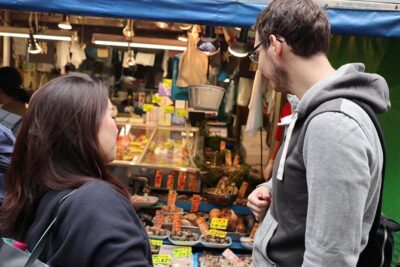
Tsukiji Fish Market Small-Group Food Walking Tour
Read our review →Browse the lists this tour appears in