
Reviewed · TOKYO FOOD TOURS
Wagyu & Sake Pairing in Shinjuku – Steak, Shabu-Shabu & More
The clever part of this Shinjuku evening is the pairing work. You do not simply eat expensive beef and drink sake. You taste several wagyu cuts in different preparations, then match each with a different sake, cocktail, or serving style. A small group of no more than eight keeps the meal personal, and hosts such as Joe, Chi, Andrea, Tadashi, and Miyuki help explain what is on your plate.
I like the full-course variety, which moves from grilled tongue and tataki to sirloin, hotpot, dashi udon, and dessert. I also like the practical food advice: you learn how wagyu grading works, how sake is made, and how to read Japanese menus with more confidence later in your trip. The main caution is the setting. The dining area is compact, and one account found six people sitting fairly close together, so this is a sociable tasting rather than a spacious restaurant dinner.
In This Review
- Key points to know before booking
- Why this Shinjuku dinner is more than a steak meal
- Arriving at Ushinobi Shinjuku at 6 pm
- The opening aperitif and sake lesson
- The wagyu course, from tongue to tataki
- Shabu-shabu, dashi udon, and dessert
- How the sake pairings change the meal
- What the $148.65 price buys you
- Food restrictions and dining fit
- A few practical ways to enjoy the evening
- Should you book the Shinjuku wagyu and sake pairing?
- FAQ
- Where does the wagyu and sake experience begin?
- What time does the experience start?
- How long does the dinner last?
- Where does the experience end?
- How many people can join?
- Is the meal included in the price?
- Are drinks other than sake included?
- What food is served?
- Can dietary restrictions be accommodated?
- Can I cancel for a full refund?
Key points to know before booking
- Several wagyu preparations: Expect tongue, tataki, sirloin, hotpot, udon, appetizers, salad, and dessert, with the exact cuts based on availability.
- A sake pairing with every wagyu dish: Pours may include aged, fermented, nigori, unpasteurized, warm, and craft sake, plus original cocktails.
- A useful Japanese food lesson: The host explains beef grades, regional differences, sake production, and menu terms.
- A maximum of eight people: The small format gives you a better chance to ask questions and talk with the host.
- A substantial three-hour meal: This is not a quick tasting. Arrive ready for a long dinner with generous portions.
- Food restrictions need advance notice: Contact the provider at least one week ahead. Vegan, vegetarian, and gluten-free choices are limited.
Why this Shinjuku dinner is more than a steak meal
Wagyu and sake are both famous Japanese specialties, but they can be hard to approach on your own. A menu may list a beef cut or sake style without explaining why it matters, and a high price does not automatically tell you what makes the food special.
This experience gives you a framework. You learn that wagyu is not one single flavor or texture. Beef from different regions and cuts can vary, and the way it is cooked changes the experience again. The dinner uses traditional preparations alongside more modern dishes, so you can compare rather than simply accept one expensive steak as the final word.
The same approach applies to sake. Instead of one large serving, you receive different styles prepared in different ways. You might taste warm sake with wagyu chuck flap tataki, nigori with sirloin, and unpasteurized sake with a hotpot. This makes the pairing feel like a lesson you can eat.
I see the format as especially useful during a first trip to Japan. You leave with more than a full stomach. You also have a better sense of what to order when you visit an izakaya, steak house, or sake bar later.
More sake and whisky sessions:
- Ramen and Sushi Cooking Class with Sake Pairing Set in Tokyo
★ 5.0 · 291 reviews - Sake Tasting Masterclass in Shinjuku (8+ Varieties with a Pro)
★ 5.0 · 271 reviews - Sake Omakase in Tokyo: Guided Tasting by Certified Sommeliers
★ 5.0 · 239 reviews
Arriving at Ushinobi Shinjuku at 6 pm
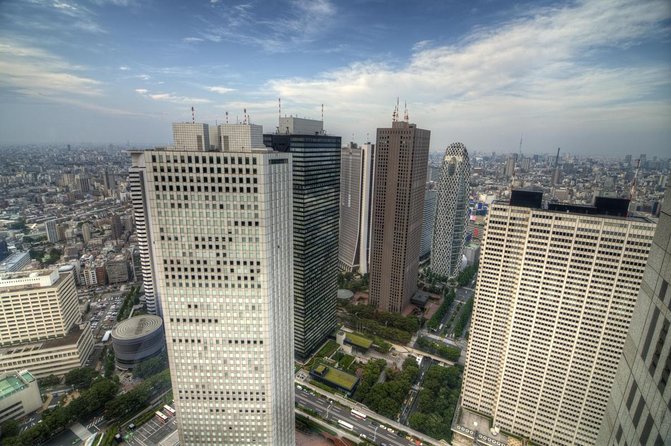
The meeting point is Ushinobi Shinjuku, at the NSK Building, 201, 1-chōme-22-1 Hyakuninchō, Shinjuku City, Tokyo 169-0073. The activity begins at 6 pm and ends at the same place, which is handy if you do not want to work out a new route after a sake-heavy dinner.
The restaurant is near public transportation, but you should still allow enough time to find the building. A mobile ticket is provided, and booking confirmation arrives at the time of booking. Those are small details, but they make an evening appointment easier to manage in an unfamiliar part of Tokyo.
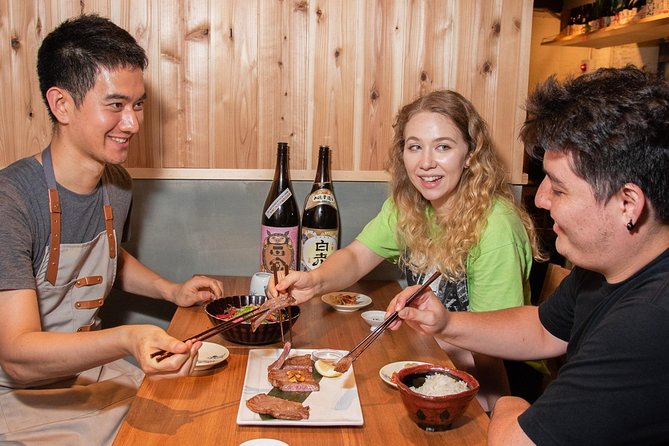
The meal takes place in the provider’s own restaurant. Expect an intimate dining room rather than a grand steak house. That has an upside: the host can address the group directly, and you are close to the cooking and conversation. The downside is limited room. If you prefer quiet dining with lots of personal space, this may not be the right fit.
The opening aperitif and sake lesson
The evening begins with unusual Japanese drinks as an aperitif. This gives the host time to introduce the main subjects before the full meal starts.
You hear about the background and regional differences of wagyu and sake, along with the basics of how sake is made. The lesson is designed for people who may know the names but not the details. You can ask about beef grades, production methods, serving temperatures, and flavor differences as you go.
The hosts bring different strengths. Joe is described as a native English speaker, which may help if you want to ask detailed questions without worrying about language barriers. Chi is noted for an engaging style, while Tadashi helped explain both the meat grading system and sake production. Andrea and Miyuki are also named hosts associated with warm, informative service.
Because the group is capped at eight, you are not lost in a crowd. The small size also means the social side matters. You may share the table with people from other places, and the evening works best if you are happy to talk over dinner.
The wagyu course, from tongue to tataki
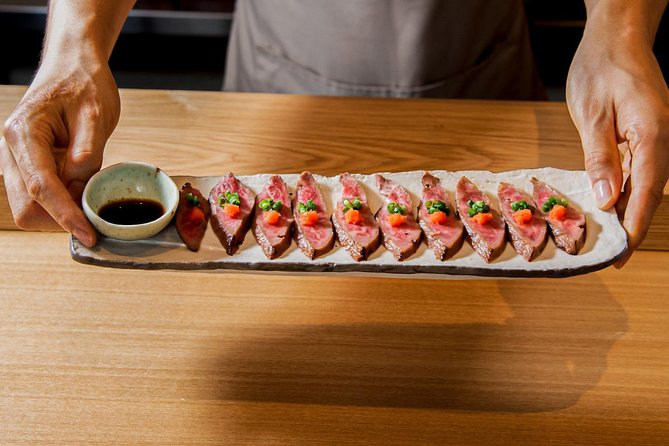
The sample menu opens with two appetizers, then moves to grilled wagyu beef tongue paired with an original sake cocktail. Tongue offers a different texture from the soft, marbled cuts many people expect from wagyu. It is a good early course because it sets up the idea that the experience is about comparing cuts, not just eating sirloin.
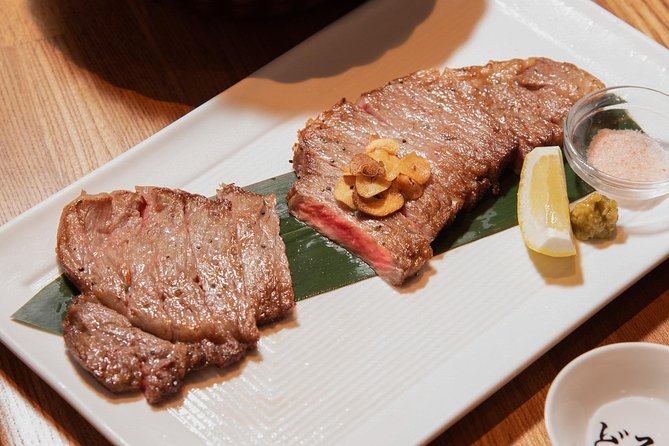
Next comes wagyu chuck flap tataki with warm sake. Tataki is lightly prepared, so the beef itself remains central. Warm sake changes the impression of the drink and gives you a useful comparison with the cooler styles served later.
A seasonal salad breaks up the meat courses. Do not treat it as filler. A fresh course helps keep a long, rich dinner from feeling like one continuous plate of beef. The menu is designed with changes in texture and temperature, not just a parade of similar cuts.
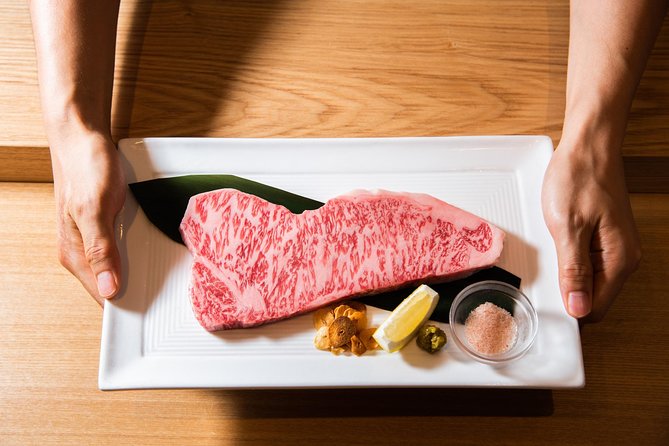
The main steak course is wagyu sirloin with nigori. Nigori is cloudy sake with a fuller appearance and a different mouthfeel from clear sake. Pairing it with sirloin gives you another contrast between a rich beef cut and a distinct drink style.
The exact beef selection is not fixed in advance. The kitchen sources wagyu from several Japanese regions and serves the best cuts available on the date of your visit. That means you should think of the menu as a guide, not a guarantee of one named region or exact grade.
More Tokyo food crawls:
- Tokyo: Shinjuku Food Tour (13 Dishes at 4 Local Eateries)
★ 5.0 · 6,603 reviews - Tokyo: Shinjuku Food Tour (15 Dishes and 4 Eateries)
★ 4.9 · 2,033 reviews - Best of Shinjuku: Izakaya Food Tour (4 Stops, 14+ Tastings)
★ 5.0 · 1,863 reviews - Tokyo Night Foodie Tour in Shinjuku – Seasonal Sushi, Wagyu Beef
★ 5.0 · 1,161 reviews
Shabu-shabu, dashi udon, and dessert
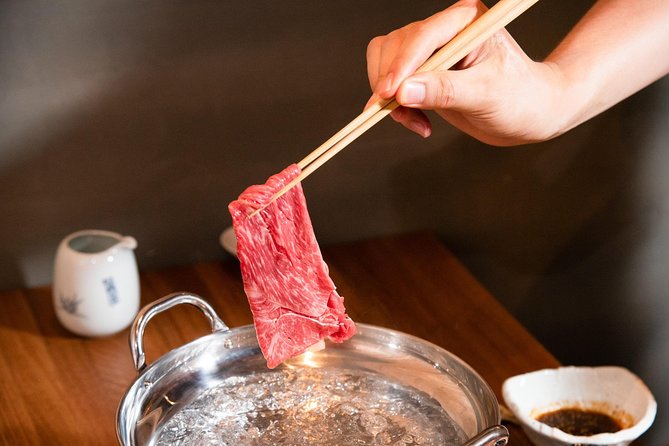
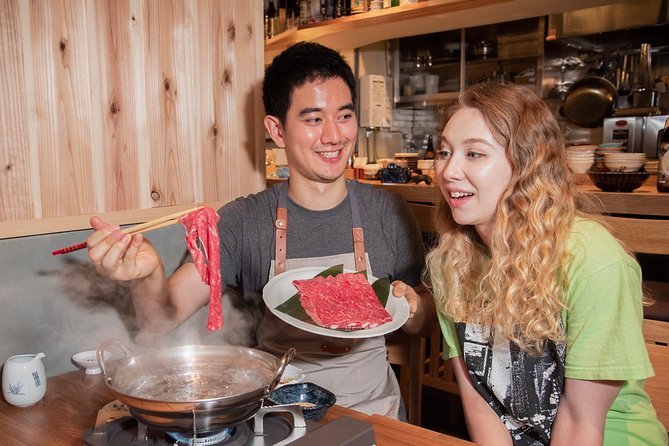
The hotpot course brings wagyu chuck together with unpasteurized sake. This is a valuable part of the meal because it moves away from the standard steakhouse format. You get to experience beef in a communal, more traditional preparation, and the cooking process gives you a hands-on role.
One account specifically highlights the chance to help prepare and cook the food. That makes the dinner more active than a sequence of plates placed in front of you. Still, the exact amount of participation may depend on the course and the kitchen’s plan that evening.
Wagyu dashi udon follows the hotpot. By this point, you have tasted beef in grilled, raw-style, steak, and hotpot preparations. The noodles also help turn the meal into a complete Japanese dinner rather than a Western steak course with sake on the side.
Dessert comes with sake and a surprise. The details are not set out ahead of time, so you should enjoy this as the evening’s final small reveal rather than expect a particular sweet. The full menu includes appetizers, salad, several wagyu courses, noodles, and dessert, so you should arrive hungry.
How the sake pairings change the meal
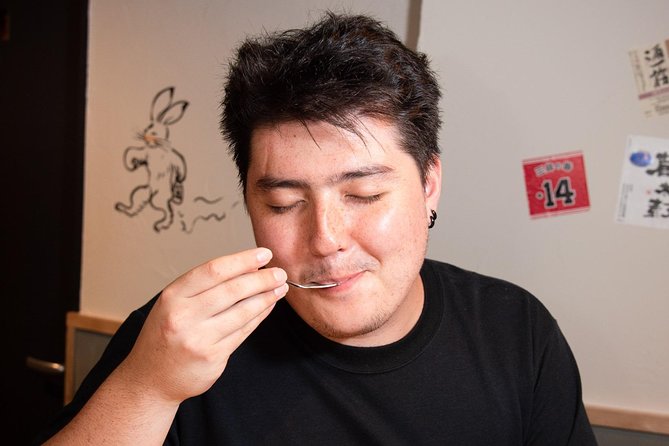
The sake is not an optional extra tacked onto dinner. It is built into the structure of the experience. Each wagyu dish receives a different sake preparation, and some drinks are original cocktails created to work with the beef.
The range can include aged sake, fermented sake, warm sake, nigori, unpasteurized sake, and craft sake. The tasting is therefore useful even if you normally think of sake as one general drink. You get to compare how temperature, texture, age, and production affect the pairing.
A few practical points matter here. The listed price includes the full-course meal and sake pairings, but not additional drinks such as beer. If you want beer or another drink beyond the planned sake service, budget for it separately.
The pours are described as generous, and the meal includes more sake than some diners expect. Pace yourself. The evening lasts about three hours, and several courses are rich. The best way to appreciate the pairings is to taste carefully rather than treat the sake as an unlimited drinking contest.
Joe can also provide guidance for buying sake on your own, and the experience includes practical food advice for the rest of your trip. That may be one of the most useful parts for a first-time visitor. A good pairing dinner should help you make better choices later, not just entertain you for one night.
What the $148.65 price buys you
At $148.65 per person, this is a serious meal expense. You are paying for a full dinner, a range of wagyu cuts, a planned sake flight, instruction, and a small-group format. It is not the budget way to sample Japanese beef.
The value improves if you would otherwise order several separate dishes and multiple sake servings at a high-end restaurant. Here, the pairings are selected for you, and you do not need to guess which drink works with which cut. You also receive explanations that would not necessarily come with an ordinary restaurant bill.
I would book it for a special evening, especially early in a Tokyo stay. The menu guidance can help with later meals, and the meal gives you a clear introduction to two major parts of Japanese food culture. If your priority is simply the largest possible steak for the lowest price, choose a regular restaurant instead.
The high rating of 4.9 from 112 reviews, with 98 percent recommending the experience, fits the strongest points of the format: excellent food, generous sake service, friendly hosts, and a lot of information packed into one sitting. Still, the compact room and limited alternative menus keep this from being an automatic choice for everyone.
Food restrictions and dining fit
You must send food restrictions at least one week before the date. Last-minute requests cannot be accommodated, and vegan, vegetarian, and gluten-free choices are limited.
The information includes one case in which the chef accommodated an allergy, but you should not treat that as a promise that every allergy or dietary pattern can be handled. Contact the provider well in advance and wait for confirmation before booking if your needs are strict.
The experience suits people who eat meat, enjoy sake, and like learning while they dine. It also works well for solo visitors and couples who want a shared table rather than a private meal. A group of six was described as comfortable and easygoing, but the maximum is eight, so the social tone can change with the makeup of the room.
It is less suitable if you want a quiet, private dinner, dislike rich meals, or need a broad range of vegetarian options. The format is centered on wagyu at nearly every stage.
A few practical ways to enjoy the evening
Arrive hungry, but not so hungry that you rush the first courses. There is a lot of food, and the meal is paced across roughly three hours.
Keep your phone or a small note ready for sake names and food terms. The hosts provide useful buying tips, and writing down a favorite style will help you find it again.
Ask questions early. You can ask about the beef grade, the region, the cooking method, or why a particular sake was chosen. The small group makes this easier than at a large food tour.
If you plan to drink beer or another beverage, remember that it is not included. The listed package covers the meal and sake pairings.
Plan your evening around the fixed 6 pm start. Since the activity returns to the meeting point, you can arrange a later Shinjuku plan afterward, but the three-hour duration means you should not schedule anything too close to the start.
Should you book the Shinjuku wagyu and sake pairing?
Book this if you want a guided introduction to wagyu and sake, not just a plate of premium beef. The strongest reasons are the full sequence of preparations, the sake matched to each course, the English-language help with food terms, and the chance to leave with useful ordering advice.
I would especially recommend it for a first visit to Japan, a food-focused evening, or a special occasion when you want the meal to feel like an event. Joe, Chi, Andrea, Tadashi, and Miyuki are all associated with the warm, informative hosting that makes the format work.
Think twice if you need generous personal space, strict dietary flexibility, or a low-cost dinner. The room can feel tight, and the menu is built around meat and sake. For everyone else, this is a well-organized way to taste several sides of Japanese wagyu in one sitting, with enough explanation to make the price easier to justify.
Free cancellation is available up to 24 hours before the 6 pm start time. Changes or cancellations inside that window are not accepted for a refund.
FAQ
Where does the wagyu and sake experience begin?
It begins at Ushinobi Shinjuku, Wagyu & Sake, in the NSK Building, 201, 1-chōme-22-1 Hyakuninchō, Shinjuku City, Tokyo 169-0073, Japan.
What time does the experience start?
The start time is 6 pm.
How long does the dinner last?
The activity lasts approximately three hours.
Where does the experience end?
It ends back at the meeting point at Ushinobi Shinjuku.
How many people can join?
The maximum group size is eight people.
Is the meal included in the price?
Yes. The full-course meal is included.
Are drinks other than sake included?
No. Additional drinks, such as beer, are not included. The planned sake pairings are included.
What food is served?
The sample menu includes two appetizers, grilled wagyu beef tongue, wagyu chuck flap tataki, seasonal salad, wagyu sirloin steak, wagyu chuck hotpot, wagyu dashi udon, and dessert. The exact wagyu cuts may change according to availability.
Can dietary restrictions be accommodated?
You should message the provider at least one week before the tour date. Vegan, vegetarian, and gluten-free options are limited, and last-minute requests cannot be accommodated.
Can I cancel for a full refund?
Yes, if you cancel at least 24 hours before the experience start time. Cancellations made less than 24 hours before the start are not refunded.
More Drinking Tours in Tokyo
- Shibuya Meltdown Nightlife Tour: All-You-Can-Drink Bar Hopping
★ 5.0 · 1,058 reviews - Tokyo: Pub Crawl and Bar Tour
★ 4.5 · 951 reviews - Tokyo: Shinjuku Local Bar & Izakaya Crawl Tour
★ 5.0 · 890 reviews - Tokyo: Shinjuku Bar Hopping with All-You-Can-Drink & Dinner
★ 4.9 · 440 reviews
More Shinjuku Nights and Walks
- Tokyo Bar Hopping Tour in Shinjuku (All-You-Can-Drink + Dinner)
★ 5.0 · 3,587 reviews - Tokyo: Shinjuku Local Bar and Izakaya Guided Walking Tour
★ 4.9 · 1,794 reviews - Tokyo Shinjuku Chopsticks Making Class
★ 5.0 · 1,763 reviews - Tokyo Shinjuku Sumo Show & Experience with Photo
★ 5.0 · 1,750 reviews
New on our Tokyo list
- From Tokyo: Mount Fuji & Hakone Full Day Private Tour★ 4.9 · 25 reviews
- Tokyo Spectacular View Day-Cruise in 90 Minutes★ 5.0 · 25 reviews
- Real Tokyo Runner Club : Daikoku Car Meet Night Tour with JDM Car★ 5.0 · 25 reviews
- 2.5 Hour-Guided Cycle Tour in the Central Tokyo★ 5.0 · 25 reviews
- Ramen Making from Scratch +Akihabara Tour –Cooking Class★ 5.0 · 25 reviews
- [Self-Drive] Tokyo & Daikoku Custom Car Driving Tour★ 4.9 · 25 reviews
- Tokyo: 2-Hour Night Bike Tour of the City’s Hidden Gems★ 4.9 · 25 reviews
- Tokyo: Mt. Fuji, Owakudani, Hakone Shrine, & Open-Air Museum★ 4.7 · 25 reviews
Tokyo Food Tours, compared.
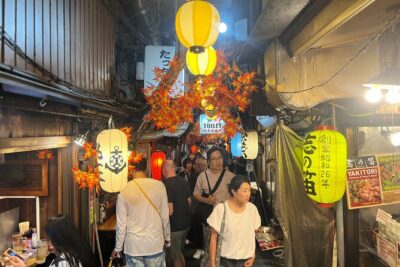
Shinjuku Food Tour (13 Dishes at 4 Local Eateries)
Read our review →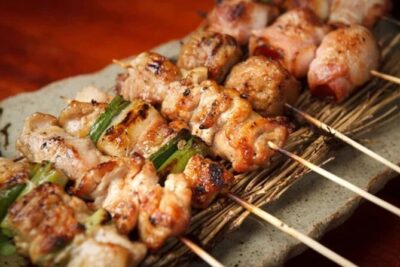
Shinjuku Food Tour (15 Dishes and 4 Eateries)
Read our review →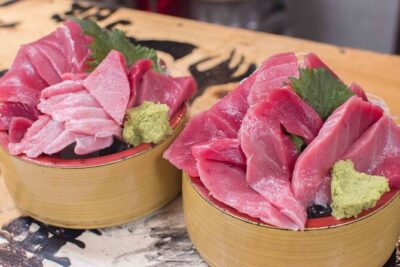
Best of Shinjuku: Izakaya Food Tour (4 Stops, 14+ Tastings)
Read our review →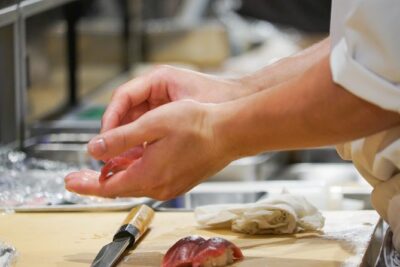
Tokyo Night Foodie Tour in Shinjuku – Seasonal Sushi, Wagyu Beef
Read our review →
Eat and Drink Like a Local: Tokyo Ueno Food Tour-Taverns&Ramen
Read our review →
Tsukiji Fish Market: Street Food & Culture Walking Tour
Read our review →Shinjuku Food Tour – 15 Dishes, 3 Drinks, 4 Eateries
Read our review →Browse the lists this tour appears in