
Reviewed · SAKE & WHISKY TASTINGS
Sake Tasting Masterclass in Shinjuku (8+ Varieties with a Pro)
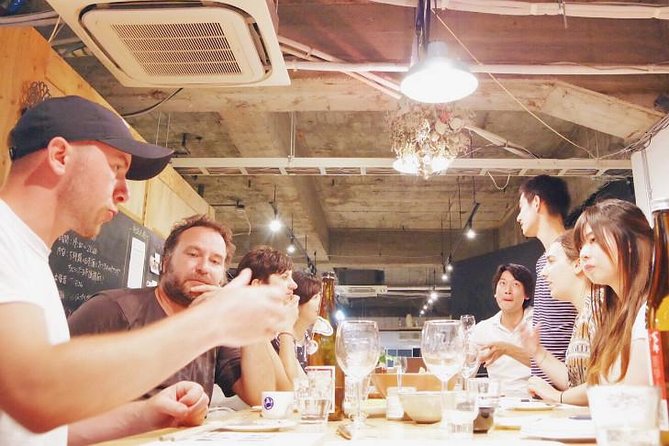
Sake can look like a wall of unreadable labels until someone shows you what matters. This two-hour Shinjuku class turns that wall into a guided tasting, with at least six varieties and often nine or ten, plus snacks chosen to show how sake works with food. You will learn the basics of brewing, styles, labels, and tasting technique from a sake sommelier.
I like the small maximum of eight people, which gives you room to ask questions instead of simply lining up glasses. I also like the practical payoff: you build a tasting chart and learn how to buy or order sake with some confidence. The main caution is simple: this is a generous amount of alcohol, and one first-time participant found ten tastings overwhelming. Eat first, drink water, and pace yourself.
In This Review
- Key points before you book
- Why this class works for first-time sake drinkers
- Meeting in Shinjuku at 1:00 pm
- What happens during the two-hour tasting
- The sake education has a practical purpose
- Snacks, pacing, and the alcohol factor
- Small groups make a real difference
- How much value do you get for $72.29?
- Who should take this class early in a Japan trip?
- A few cautions about the format
- Cancellation and basic booking details
- Is the Shinjuku sake masterclass worth booking?
- FAQ
- Where does the sake tasting take place?
- What time does the class begin?
- How many kinds of sake will I taste?
- Are food and drinks included?
- How old must I be to join?
- What is the cancellation policy?
Key points before you book
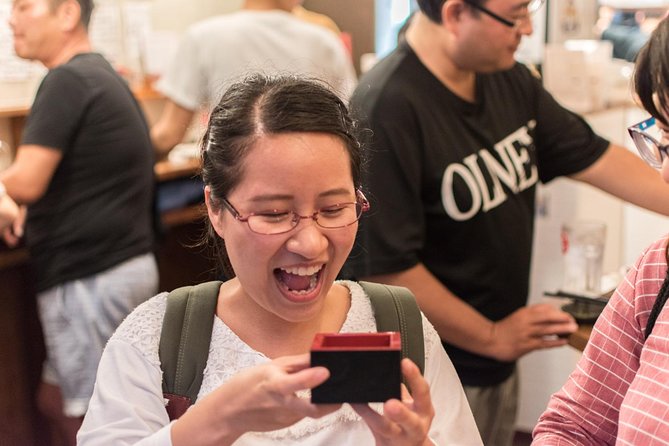
- At least six sake varieties: The tasting usually goes beyond the advertised minimum, with several people trying nine or ten.
- Expert-led Sake 101: Learn brewing methods, history, labels, flavor terms, and tasting strategies.
- Food pairing included: Japanese snacks are served, but this is not a full meal.
- Useful take-home knowledge: You will create a tasting chart and receive practical help choosing sake later.
- Small-group setting: The group is capped at eight, and a very small booking can sometimes become a private session.
- Convenient afternoon timing: The class starts at 1:00 pm and ends back at the same meeting point after about two hours.
Why this class works for first-time sake drinkers
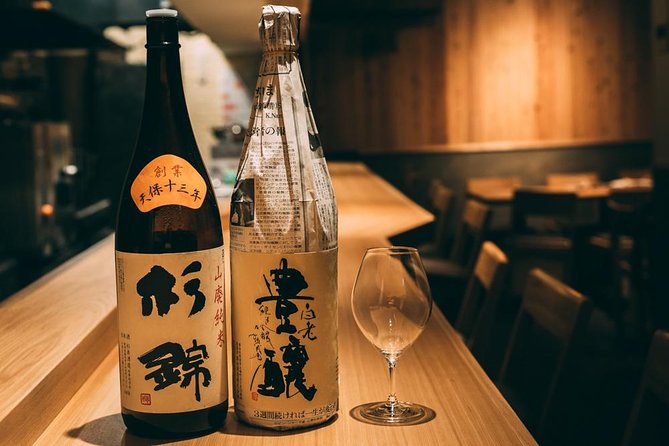
The best thing here is the range. Sake is not one single flavor, just as wine is not one single flavor. A guided tasting lets you compare different types side by side, so you can notice the difference between lighter and fuller styles, modern and traditional approaches, and the qualities described on Japanese labels.
You do not need prior experience. Several hosts, including Max, Joe, Tadashi, Andrea, and Hawaii Joe, are praised for making the subject friendly and easy to approach. The teaching style appears to be conversational rather than stiff. That matters in a tasting class, because you should feel comfortable saying that you prefer one glass over another.
The session covers the essentials of Sake 101: how sake is brewed, how its long tradition developed, and how to read the information on a bottle. You also learn tasting strategies, which can be more helpful than memorizing a long list of Japanese terms.
You will likely leave with a clearer answer to the question most beginners have: what should I order next? One useful goal of the class is helping you identify the styles you enjoy, then use that knowledge at a restaurant or shop.
More sake and whisky sessions:
- Ramen and Sushi Cooking Class with Sake Pairing Set in Tokyo
★ 5.0 · 291 reviews - Sake Omakase in Tokyo: Guided Tasting by Certified Sommeliers
★ 5.0 · 239 reviews - Tasting All Types of Sake with Sommelier
★ 5.0 · 151 reviews
Meeting in Shinjuku at 1:00 pm
The listed starting point is Ushinobi Shinjuku, at the Wagyu & SakeNSK Building, 201, 1-chōme-22-1 Hyakuninchō, Shinjuku City, Tokyo 169-0073. The activity is in the Nishishinjuku area, near public transportation, and finishes back at the meeting point.
I would copy the full address into your phone before leaving your hotel. The location wording can be confusing, and one participant initially went to the wrong place. Give yourself extra time to match the building and venue details rather than relying only on the general reference to Shinjuku.
The 1:00 pm start is useful if you want a relaxed morning for sightseeing. It also gives you time to eat lunch first, which I strongly recommend. The snacks help, but they are not intended to replace a meal.
What happens during the two-hour tasting
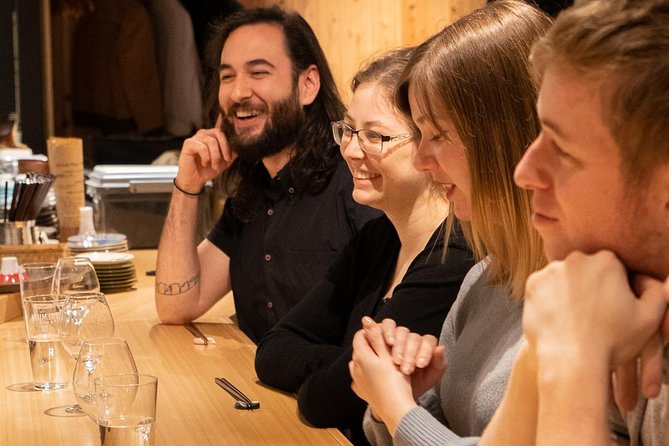
The class begins with an introduction to sake and its place in Japanese food culture. Your host explains how the drink is made and points out the terms and label details that help you understand what is in the bottle.
You then move into the tasting. The supplied information promises at least six types, while multiple participants describe tasting nine or ten. That is a substantial session, especially if you are new to sake. The point is not simply to consume several drinks. You compare them, note what you taste, and work toward identifying your preferences.
A tasting chart helps make the lesson more concrete. Instead of trying to remember every glass later, you can record your reactions as you go. This is especially handy when several varieties arrive in a short period. The pace can feel quick, so take a moment with each sample and ask questions while the glass is in front of you.
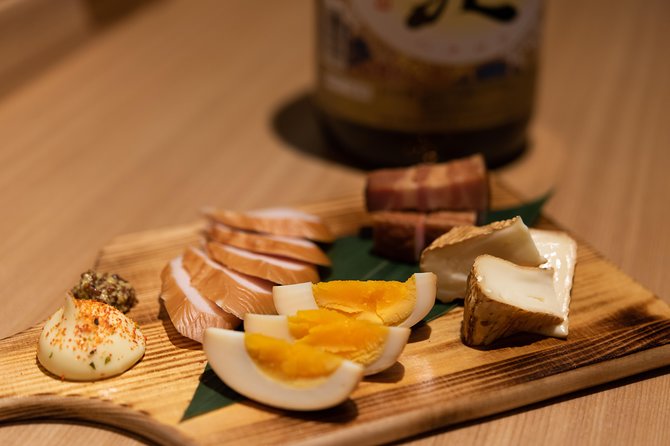
The class also explains how sake pairs with food. Locally sourced snacks are selected to complement the drinks, giving you a practical lesson in how sake can change alongside a bite of food. Since the snacks are small, think of them as pairing examples rather than lunch or dinner.
Hosts may include Max, Joe, Tadashi, Megan, Cassy, or Andrea. The tone can vary slightly by guide, but the strongest pattern is a mix of clear instruction, personal recommendations, and humor. Max is repeatedly praised for combining sake expertise with an entertaining manner. Joe is singled out for explaining technical points while keeping the room relaxed. Tadashi is especially appreciated for helping beginners feel confident.
The sake education has a practical purpose
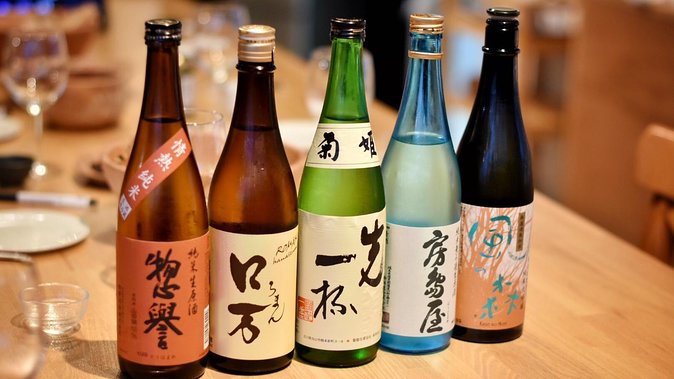
A class like this earns its price when it helps you make better choices after the class. Sake menus can be intimidating, especially when the descriptions are unfamiliar and several bottles seem similar. Learning a few basic terms and tasting categories gives you a way to ask better questions.
You will hear about brewing techniques, the effect of production choices on flavor, and the range of styles available. The lesson also covers what to look for when buying sake. One participant received a reference sheet to take home, and another specifically liked having written guidance for future purchases.
That practical focus is more useful than a lecture packed with facts but disconnected from real meals. You can use the information at a restaurant, in a department-store food hall, or when choosing a bottle to bring home. The class is also a smart early-trip activity because the advice can guide your food and drink choices for the rest of your time in Japan.
Hosts also offer local suggestions beyond the formal lesson. Joe, for example, is described as a food enthusiast who shared ideas for the rest of a Japan visit. Those recommendations are not the official point of the class, so do not book it expecting a full Tokyo food tour. Still, a good conversation with the guide can add useful context to your afternoon.
More Shinjuku nights and walks:
- Tokyo: Shinjuku Food Tour (13 Dishes at 4 Local Eateries)
★ 5.0 · 6,603 reviews - Tokyo Bar Hopping Tour in Shinjuku (All-You-Can-Drink + Dinner)
★ 5.0 · 3,587 reviews - Tokyo: Shinjuku Food Tour (15 Dishes and 4 Eateries)
★ 4.9 · 2,033 reviews - Best of Shinjuku: Izakaya Food Tour (4 Stops, 14+ Tastings)
★ 5.0 · 1,863 reviews
Snacks, pacing, and the alcohol factor
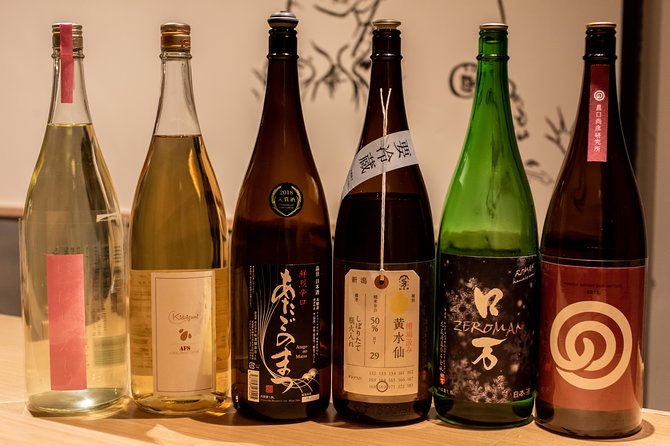
The food pairing is one of the more appealing parts of the class, but you need to understand its limits. Beverages and snacks are included. The snacks are specially chosen to complement the sake, yet the experience does not include a full-size meal.
The tasting may include ten samples. For an experienced drinker, that can feel generous. For a beginner, it can be a lot. Sake is easy to underestimate because the setting feels educational and the portions may arrive in a steady rhythm. Several participants finished the class pleasantly buzzed, while one first-time drinker felt quite intoxicated.
My advice is direct:
- Eat a proper meal before the 1:00 pm start.
- Drink water during the class.
- Tell the host if you need to slow down.
- Do not plan a demanding activity immediately afterward.
- Keep the rest of the afternoon flexible.
The minimum drinking age in Japan is 20. If you do not drink alcohol, or you are unsure about handling several samples, this may not be the best fit. The information provided does not specify an alternative tasting arrangement, so ask before booking if that matters to you.
Small groups make a real difference
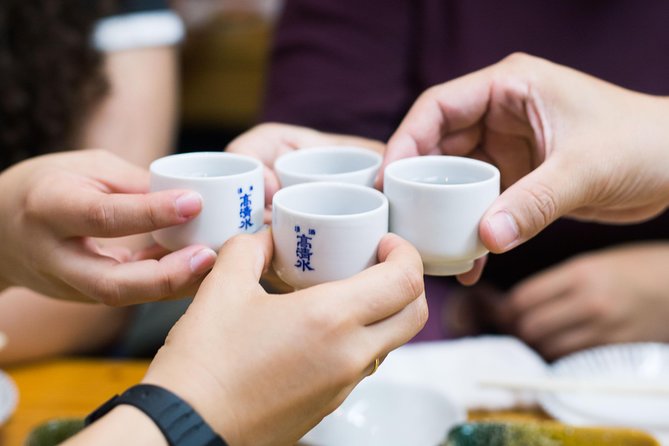
The maximum group size is eight people. That is small enough for direct contact with the host, and it gives you a fair chance to ask about a particular bottle or flavor. A group of six has been described as especially comfortable, with an intimate setting that made questions easy.
The group size can be even smaller. One person booked alone and received what felt like a private tasting, with the session still going ahead. That will not necessarily happen every time, but it shows that the experience can work for solo visitors as well as couples and small groups.
You also have a chance to meet other people who are interested in Japanese food and drink. The social side is part of the appeal, but it remains centered on the sake lesson. If you want a loud nightlife experience, this is not that. If you like learning around a table and sharing discoveries with a few people, the format should suit you.
How much value do you get for $72.29?
At $72.29 per person, this is not a bargain drink stop. It is a structured class with a professional host, several sake samples, snacks, and guidance you can use later. The value depends on how much you want to understand the drink rather than simply try one glass.
The price looks more reasonable if the class reaches nine or ten samples, as it often does. You are also paying for comparison, explanation, and the ability to ask questions. A bar can give you sake, but it may not show you how brewing, labels, food, and flavor fit together in one sitting.
The experience is particularly good value for three types of visitors:
- Someone who has never tried sake and wants a friendly introduction.
- Someone who already drinks sake but does not understand the terminology.
- Someone beginning a Japan trip who wants practical ordering and buying advice.
It is less appealing if you already have strong sake training, dislike group activities, or mainly want a full meal. The snacks are useful, but they do not turn the class into a dinner.
Who should take this class early in a Japan trip?
I would place this activity near the start of your Tokyo stay. The material is basic enough for newcomers, but useful enough to improve later meals and shopping. You can use the tasting chart and take-home references when you see unfamiliar bottles elsewhere.
The class also suits couples and friends with different levels of experience. A beginner can learn the fundamentals, while a more experienced drinker can compare styles and ask more detailed questions. The hosts appear comfortable adjusting their answers to the group, although one participant felt the information moved above a complete beginner’s level.
Solo visitors should not rule it out. The group format gives you a natural way to meet people, and the small size helps prevent the event from feeling anonymous.
A few cautions about the format
The meeting location deserves attention. Use the exact address for Ushinobi Shinjuku and check it before the day of the class. The general Shinjuku label is not enough if you are rushing through a large station area.
The class is also information-heavy. You will hear about brewing, history, labels, production, styles, and pairings within about two hours. That is a lot to absorb while tasting several drinks. Bring your curiosity, but do not worry about remembering every term. Focus on the few words that help you describe what you like.
Food restrictions should be shared at least one week before the tour date. The information does not promise that every restriction can be accommodated, so provide clear details early.
You receive a mobile ticket, and confirmation is provided at booking. Hotel pickup and drop-off are not included, and you are responsible for getting to and from the meeting point.
Cancellation and basic booking details
You can cancel for a full refund up to 24 hours before the local start time. Cancellations or changes made inside 24 hours are not accepted and are not refunded.
The experience lasts about two hours, starts at 1:00 pm, accepts a maximum of eight people, and ends at the original meeting point. The minimum drinking age is 20.
Is the Shinjuku sake masterclass worth booking?
I would book it if you want more than a quick taste. The class gives you a clear introduction to sake, several comparisons in one sitting, food-pairing practice, and advice you can use when ordering later. The strongest hosts, including Max, Joe, and Tadashi, bring warmth and humor to material that could otherwise feel technical.
I would skip it if you need a full meal, want to avoid alcohol, or already know sake well enough to read labels and compare styles without help. For everyone else, this is a useful and sociable way to turn an unfamiliar drink into something you can choose with confidence.
Eat beforehand, bring an open mind, and save the rest of your afternoon for a gentle walk through Shinjuku.
FAQ
Where does the sake tasting take place?
The meeting point is Ushinobi Shinjuku in the Wagyu & SakeNSK Building, 201, 1-chōme-22-1 Hyakuninchō, Shinjuku City, Tokyo 169-0073, Japan. The activity is in the Nishishinjuku area and ends at the same place.
What time does the class begin?
The class starts at 1:00 pm and lasts approximately two hours.
How many kinds of sake will I taste?
You will taste at least six varieties. The experience may include nine or ten different sakes, depending on the session.
Are food and drinks included?
Yes. Beverages and snacks are included. The snacks are selected for pairing, but they are not a full-size meal.
How old must I be to join?
The minimum drinking age is 20.
What is the cancellation policy?
You can cancel at least 24 hours before the start time for a full refund. Cancellations or changes made less than 24 hours before the activity are not accepted and are not refunded.
More Drinking Tours in Tokyo
- Tokyo: Shinjuku Local Bar and Izakaya Guided Walking Tour
★ 4.9 · 1,794 reviews - Shibuya Meltdown Nightlife Tour: All-You-Can-Drink Bar Hopping
★ 5.0 · 1,058 reviews - Tokyo: Pub Crawl and Bar Tour
★ 4.5 · 951 reviews - Tokyo: Shinjuku Local Bar & Izakaya Crawl Tour
★ 5.0 · 890 reviews
New on our Tokyo list
- From Tokyo: Mount Fuji & Hakone Full Day Private Tour★ 4.9 · 25 reviews
- Tokyo Spectacular View Day-Cruise in 90 Minutes★ 5.0 · 25 reviews
- Real Tokyo Runner Club : Daikoku Car Meet Night Tour with JDM Car★ 5.0 · 25 reviews
- 2.5 Hour-Guided Cycle Tour in the Central Tokyo★ 5.0 · 25 reviews
- Ramen Making from Scratch +Akihabara Tour –Cooking Class★ 5.0 · 25 reviews
- [Self-Drive] Tokyo & Daikoku Custom Car Driving Tour★ 4.9 · 25 reviews
- Tokyo: 2-Hour Night Bike Tour of the City’s Hidden Gems★ 4.9 · 25 reviews
- Tokyo: Mt. Fuji, Owakudani, Hakone Shrine, & Open-Air Museum★ 4.7 · 25 reviews
Sake & Whisky Tastings, compared.
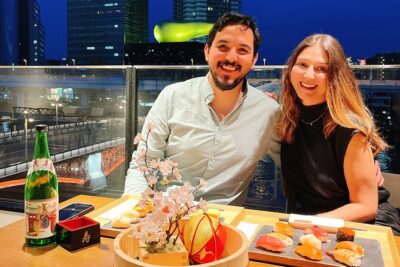
Ramen and Sushi Cooking Class with Sake Pairing Set in Tokyo
Read our review →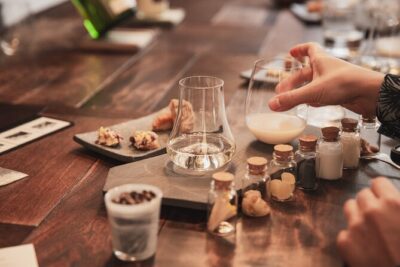
Sake Omakase in Tokyo: Guided Tasting by Certified Sommeliers
Read our review →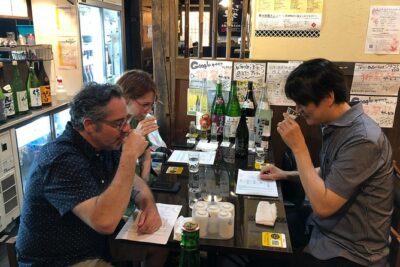
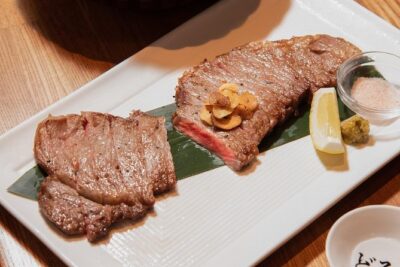
Wagyu & Sake Pairing in Shinjuku – Steak, Shabu-Shabu & More
Read our review →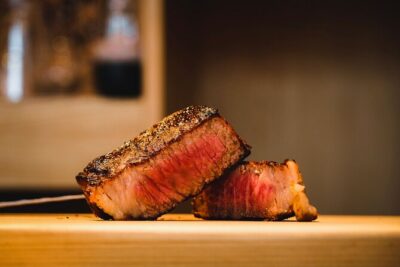
Tokyo Wagyu & Sake Pairing Tasting Experience with Local Flavors
Read our review →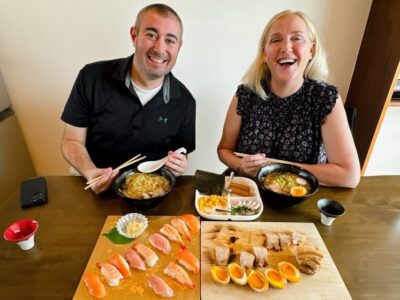
Sushi and Ramen Cooking Class with Sake Pairing Set
Read our review →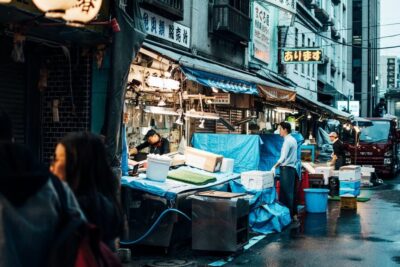
Tsukiji: Outer Market Walking Tour & Sake Tasting Experience
Read our review →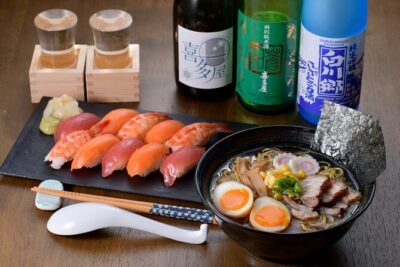
Cozy Tokyo Class: Ramen, Sushi, Sake Pairing & Cultural Exchange
Read our review →Browse the lists this tour appears in