
Reviewed · JAPANESE CULTURE WORKSHOPS
Craft Your Own Elegant Handmade Chopsticks from Scratch
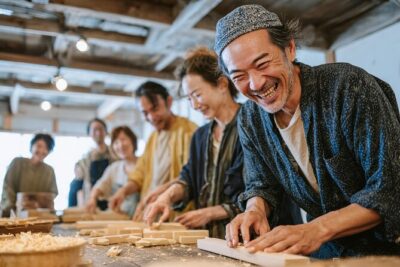
Making chopsticks by hand is a fine way to see Japanese craftsmanship at table level. In a quiet workshop near Shinjuku, you shape a pair from hinoki cypress, adjust the form to your hand, and take home something you will actually use. I like the mix of patient instruction and personal choice. I also like that the workshop explains why Japan has different chopsticks for sushi, tempura, and ramen, rather than treating the craft as a simple souvenir project.
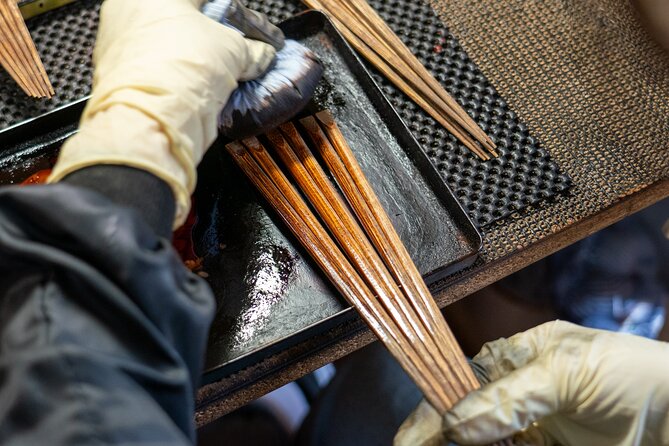
The optional lacquer session adds another layer, with a look inside a normally closed work area and an introduction to lacquer used in daily objects, temples, and shrines. The main consideration is the price: at $97.98 per person, this is not a cheap craft class. The small group, custom-made pair, artisan guidance, and lacquer component make the cost easier to justify, but budget-minded visitors may prefer to buy finished chopsticks at the shop.
In This Review
- Key points before you book
- Why handmade chopsticks are worth two hours in Tokyo
- From Sasazuka Station to Kakehashi
- Shaping hinoki cypress with a craftsman
- Learning why Japan has many kinds of chopsticks
- The optional 25-minute lacquer session
- What the $97.98 price includes
- Who will enjoy this workshop most
- Practical details that can affect your afternoon
- My call: book it if you want a useful souvenir and real craft time
- FAQ
- Where does the chopstick-making experience begin?
- What time does the activity start?
- How long does the experience last?
- How do I reach the workshop?
- Are the chopsticks included in the price?
- Is lacquer coating part of the experience?
- Is English assistance available?
- How many people can join?
- What is the cancellation policy?
Key points before you book
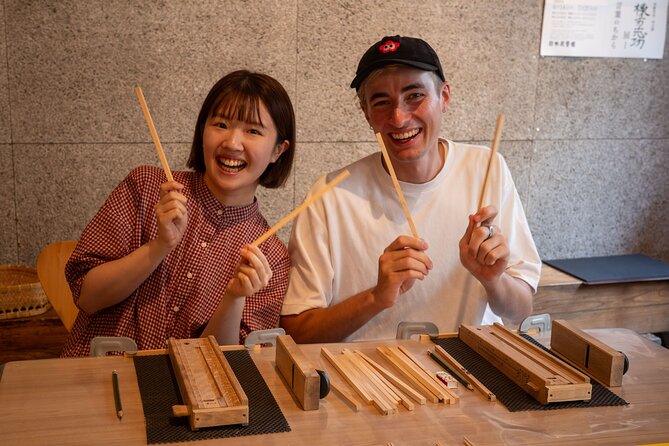
- Carve your own pair from hinoki cypress: You shape the wood with craftsmen’s tools, then refine it with sandpaper.
- Choose a form that suits you: The final chopsticks can reflect your hand size and the food you most often eat.
- Meet at Sasazuka Station: The workshop is about a 10-minute walk from the station, making it practical from the Shinjuku area.
- Add the lacquer experience: You can learn about authentic lacquer and see a normally off-limits work area.
- Small group format: The class requires at least two people and accepts no more than six.
- Take home a useful souvenir: Your custom chopsticks are included in the $97.98 price.
Why handmade chopsticks are worth two hours in Tokyo
Tokyo offers endless shopping, but a handmade object gives your visit a longer life. A pair of chopsticks is small, light, and easy to pack. More important, it connects an ordinary daily act with the care behind Japanese craft.
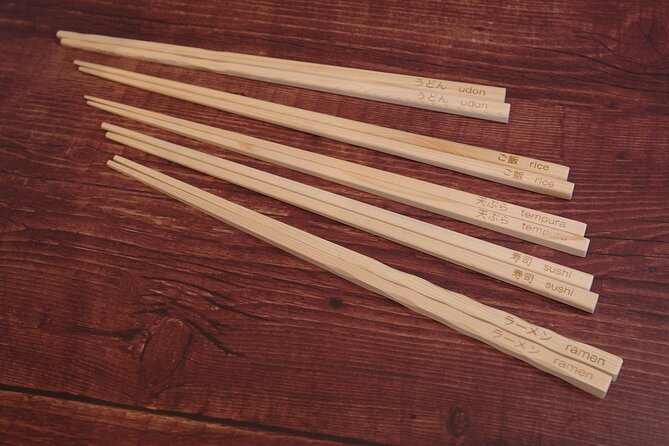
This experience shows you that chopsticks are not all the same. Their length, taper, tips, and finish can suit different foods and different hands. The workshop explains the thought behind these differences, including styles associated with sushi, tempura, and ramen.
I find that useful because it changes the way you look at a basic table item. You are not simply sanding a stick into a shape. You are learning why the shape matters, then making choices based on your own grip and eating habits.
The class also gives you a quiet break from Tokyo’s fast pace. Sasazuka is only a short train ride from Shinjuku, yet the workshop setting is calm and focused. For two hours, your attention stays on the grain of the wood, the angle of the tool, and the feel of the finished surface.
More craft workshops in Tokyo:
- Tokyo Shinjuku Chopsticks Making Class
★ 5.0 · 1,763 reviews - Kintsugi Experience: Art of Golden Joinery in Tokyo
★ 5.0 · 467 reviews - Authentic Pure Gold Kintsugi Workshop with Master Taku in Tokyo
★ 5.0 · 217 reviews
From Sasazuka Station to Kakehashi
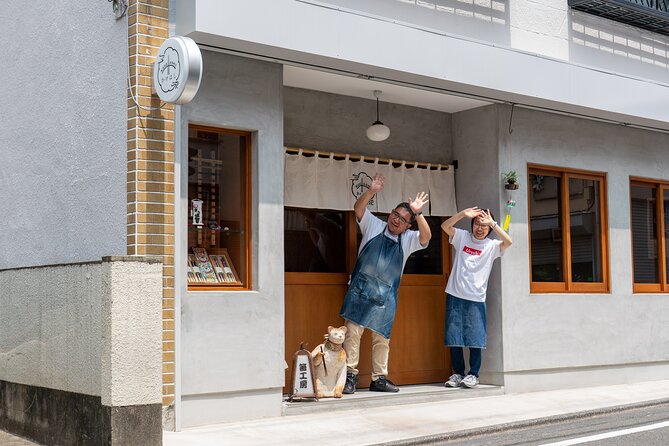
The meeting point is Sasazuka Station at 1:00 pm. You then walk with the guide for about 10 minutes to Kakehashi, the specialty chopstick shop and workshop.
This arrangement is helpful if you do not know the neighborhood. You do not need to search for a small craft studio on your own, and the walk gives you a little time to get acquainted with the guide. The workshop is in a residential part of Tokyo, away from the biggest sightseeing crowds.
The activity ends at the venue rather than back at the station. That detail matters if you have a tight afternoon schedule. From the workshop, you will need to make your own way onward, and the price does not include hotel travel, private transportation, or other transport costs.
Kakehashi also sells chopsticks, so you can see finished examples before or after your work session. This is useful if you want a gift for someone at home, or if your own pair turns out a little more individual than expected. The shop gives you a wider view of the craft than a single classroom table would.
Shaping hinoki cypress with a craftsman
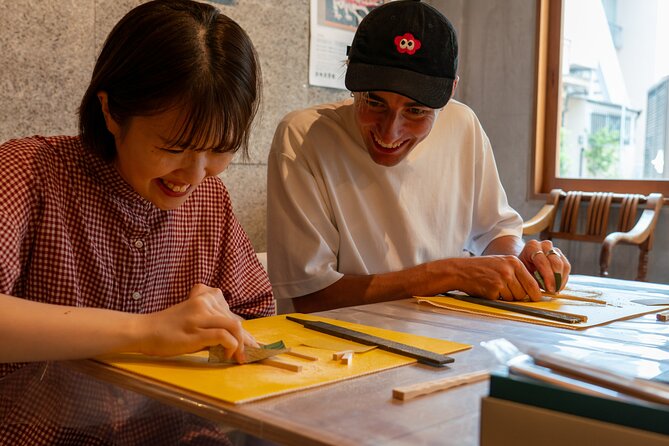
The hands-on chopstick session lasts about 55 minutes. You work with hinoki, also called Japanese cypress, using tools associated with the craft.
The process begins with shaping the wood. The artisan gives you step-by-step instruction, but the class leaves room for your own decisions. You can create a form that feels natural in your hand instead of copying one fixed model.
That balance is one of the best reasons to choose this activity. You receive enough help to avoid feeling lost, but you are not simply watching an expert do the work. The class is designed so that beginners can take part, while the final pair still feels personal.
You then refine the surface with sandpaper. This stage may sound simple, but it is where the shape becomes comfortable. Small changes to the taper and edges affect how the chopsticks rest between your fingers.
The final treatment uses camellia oil. This helps finish the wood and gives the chopsticks a smooth feel. The result is a functional souvenir rather than a decorative item that stays in a drawer.
Keep in mind that handmade work can look handmade. Your pair may not have the precise uniformity of factory-produced chopsticks, and that is part of the point. The class gives you control over the shape, but not the polished sameness of a mass-produced product.
Learning why Japan has many kinds of chopsticks
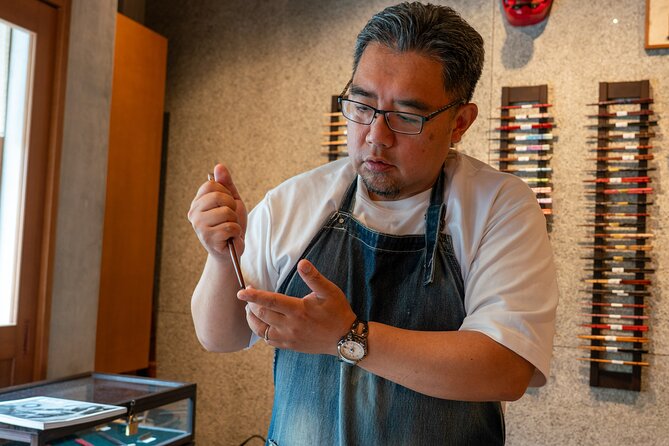
The workshop puts your activity into context with an explanation of chopstick history and use. Japan has many types of chopsticks, and the differences are tied to food, handling, and daily habits.
Sushi, tempura, and ramen each present different practical needs. The exact design choices become easier to understand when you consider what the chopsticks must pick up, separate, or hold.
This information makes the making process more meaningful. You can think about whether you prefer a finer tip, a particular length, or a shape that feels steady with your favorite meals. The point is not to design the perfect pair according to a strict rule. It is to notice how a small tool can be adapted to the person using it.
The explanation is also helpful for anyone who has never considered chopsticks as a form of Japanese craft. They are everyday objects, but they can carry careful choices about wood, balance, finish, and purpose.
English support is available. Amy is specifically praised for translating and explaining the history, and the experience uses English-speaking guidance for accessibility. Since the class involves tools and fine hand movements, clear instruction matters. The available translation support should make it easier to ask questions and follow each stage.
A few more Tokyo bookings worth comparing
- Mt Fuji and Hakone 1-Day Bus Tour Return by Bullet Train
★ 5.0 · 26,383 reviews - 1-Day Tokyo Bus Tour
★ 5.0 · 14,250 reviews - Tokyo: TOKYO SKYTREE® Admission ticket
★ 4.5 · 11,192 reviews - Tokyo: teamLab Planets TOKYO Digital Art Museum Entry Ticket
★ 4.6 · 9,779 reviews
The optional 25-minute lacquer session
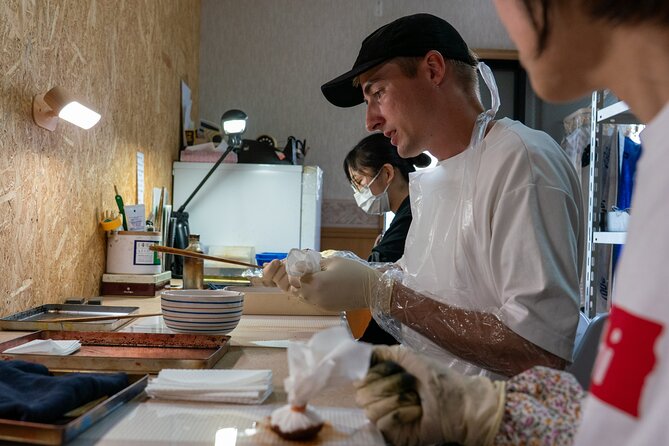
The experience also offers a lacquer-coating component lasting about 25 minutes. The description presents this as optional, while the listed itinerary includes the lacquer session, so you should confirm the exact arrangement when booking if this part is important to you.
This is more than a quick decoration step. You can visit a lacquer workshop that is normally off-limits and learn how lacquer relates to Japanese craft. The session covers lacquerware used in shrines, temples, and everyday life.
You also get a look at craftsmen at work. The workshop environment, including the distinctive scent of lacquer, is part of the lesson. It gives you a sensory connection to a material that can otherwise seem remote or purely ornamental.
The lacquer portion may appeal most to anyone interested in traditional crafts beyond chopsticks. It adds cultural context and makes the two-hour schedule feel fuller. If you want only a simple woodworking class, the extra material may feel less central.
Because lacquer is an authentic traditional material, listen carefully to the instructions and follow the guide’s direction during the hands-on portion. The supplied information does not specify how much of the finished pair can be lacquered or how long any coating needs to cure, so do not assume every participant leaves with a fully lacquered pair unless the provider confirms it.
What the $97.98 price includes
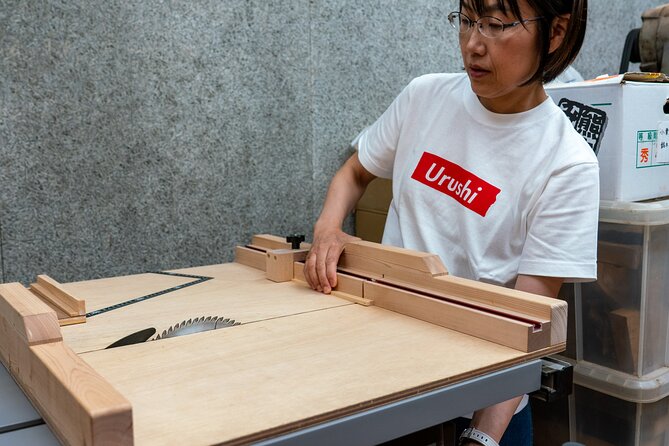
At $97.98 per person, this experience sits in the premium range for a two-hour activity. The price includes your custom-made chopsticks, instruction from a craftsperson, and the workshop experience. It does not include food, drinks, hotel travel, private transport, or general transportation expenses.
The value depends on what you want from a Tokyo activity. If you only need inexpensive chopsticks, Kakehashi’s shop may be a better fit. If you want to understand the craft, use the tools, receive personal guidance, and make a pair shaped to your hand, the price covers more than the object itself.
The group limit helps explain the cost. With a maximum of six people, the artisan can provide more attention than a large demonstration class. A minimum of two people also means this is not designed as a solo drop-in activity.
The take-home item is another practical advantage. Many paid experiences leave you with a photo or a short-lived treat. Here, you leave with chopsticks that can remind you of Tokyo every time you use them. Their usefulness gives the purchase more weight, especially if you choose the pair for your own eating style.
Who will enjoy this workshop most
I would choose this for someone who likes making things with their hands and wants a quieter activity between major Tokyo sights. It suits couples, friends, and small family groups particularly well because the minimum booking is two people.
It is also a good choice for anyone who wants an authentic craft encounter without spending a full day outside the city. The workshop is near Shinjuku by train, the walk from Sasazuka Station is about 10 minutes, and the activity lasts roughly two hours.
Parents should consider the age, patience, and comfort level of their children before booking. The information says most people can participate, but it does not give a minimum age or specific child policy. Since you will use craftsmen’s tools and work on a small object, young children may need close attention.
This is less suitable if you want a fast, polished entertainment stop. The work depends on your own care and concentration. You may produce a pair that is charmingly personal rather than perfectly symmetrical, and the process takes most of the scheduled time.
The experience also works for repeat visitors to Japan. You do not need a long cultural lecture or a major landmark to feel connected to the country. A small workshop can offer a different kind of afternoon, especially if you have already spent several days moving through crowded districts.
Practical details that can affect your afternoon
The scheduled start is 1:00 pm, and confirmation is provided when you book. Mobile tickets make it easy to carry the booking on your phone.
Plan to arrive at Sasazuka Station with enough time to find the meeting point. The activity begins at the station, not at the workshop, and the group walks together to Kakehashi. Since the tour ends at the venue, leave extra time afterward if you have a dinner reservation or another timed attraction.
The group size is capped at six, which is a real advantage for a tool-based class. Still, the class requires at least two participants. If the minimum is not met and the activity is canceled, you will be offered another date or experience, or receive a full refund.
Free cancellation applies when you cancel at least 24 hours before the local start time. A cancellation or change made less than 24 hours before the start is not refunded or accepted. That policy is reasonable for a small workshop, but you should avoid booking it on a day packed with uncertain plans.
The booking is near public transportation, and most people can participate. The supplied details do not describe wheelchair access, age limits, storage, or specific clothing advice, so ask the provider directly if any of those points affect your plans.
My call: book it if you want a useful souvenir and real craft time
I recommend this experience if you value personal instruction, small groups, and an object made by your own hands. The strongest features are the artisan guidance, the freedom to shape the chopsticks to your preferences, and the chance to learn about lacquer in a normally restricted work area.
The price is the main hurdle. At $97.98, you are paying for the time, teaching, materials, and cultural setting, not just two pieces of wood. I would book it for a special Tokyo afternoon, a couple’s activity, or a meaningful gift-making session.
Skip it if you are mainly shopping for low-cost chopsticks or if your schedule cannot spare two hours near Sasazuka. For everyone else, this is a thoughtful way to slow down, learn how a familiar Japanese object is made, and bring home a souvenir with a story attached to it.
FAQ
Where does the chopstick-making experience begin?
It begins at Sasazuka Station, at 1 Chome-57 Sasazuka, Shibuya, Tokyo 151-0073, Japan.
What time does the activity start?
The scheduled start time is 1:00 pm.
How long does the experience last?
The full experience lasts approximately two hours. The chopstick-making portion takes about 55 minutes, and the lacquer-coating portion takes about 25 minutes.
How do I reach the workshop?
You meet the guide at Sasazuka Station and walk about 10 minutes to Kakehashi, the shop and workshop.
Are the chopsticks included in the price?
Yes. Custom-made chopsticks are included.
Is lacquer coating part of the experience?
The lacquer-coating session is described as optional, while the itinerary includes 25 minutes for it. Confirm the exact arrangement when booking if you specifically want to take part.
Is English assistance available?
Yes. An English-speaking guide is available, and translation support is provided during the experience. Amy is named as a guide who helps with translation and explanations.
How many people can join?
The minimum group size is two participants, and the maximum is six.
What is the cancellation policy?
You can cancel for a full refund up to 24 hours before the local start time. Cancellations or changes made less than 24 hours before the start are not refunded or accepted.
New on our Tokyo list
- Sumi-e Experience in a relaxing green tea shop in Tokyo★ 5.0 · 3 reviews
- Tokyo : Kamikaze Street Drift Ride★ 5.0 · 3 reviews
- Private Zen Meditation in English in Shinjuku, Tokyo★ 5.0 · 3 reviews
- Onsen Spa in Tokyo and Asakusa Bar Hopping with Local Guide★ 5.0 · 3 reviews
- Easy for everyone! Now you can play handmade mini shamisen and show off to everyone! Musical instruments, sweets and live music★ 5.0 · 3 reviews
- Tokyo: Private Tsukiji Street Food & Sake with Local Guide★ 5.0 · 3 reviews
- Mt Fuji Exploration Tour with Free Japanese Kusa Mochi from Tokyo★ 4.5 · 3 reviews
- Tokyo Tsukiji Fish Market Walking and Exploring Hidden Gems Tour★ 5.0 · 3 reviews
Japanese Culture Workshops, compared.
Kintsugi Experience: Art of Golden Joinery in Tokyo
Read our review →
Authentic Pure Gold Kintsugi Workshop with Master Taku in Tokyo
Read our review →
KABUKI Show at Kabukiza Theatre Admission Ticket
Read our review →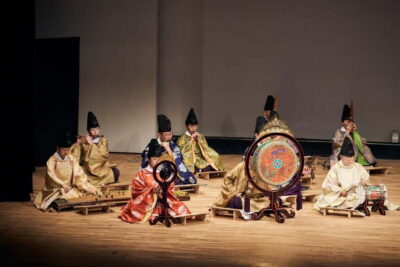
KABUKI, BUNRAKU, etc. presented by National Theatre
Read our review →
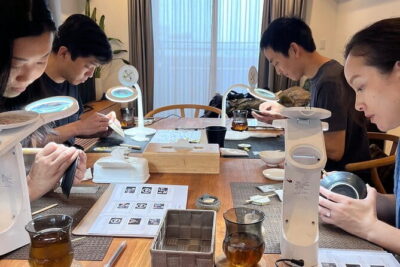
Kintsugi Workshop Class in Shibuya, Tokyo with mon cadeau
Read our review →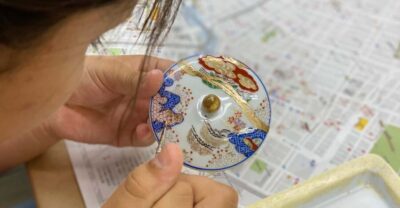
Browse the lists this tour appears in