
Reviewed · JAPANESE CULTURE WORKSHOPS
Tokyo: KABUKI Show at Kabukiza Theatre Admission Ticket
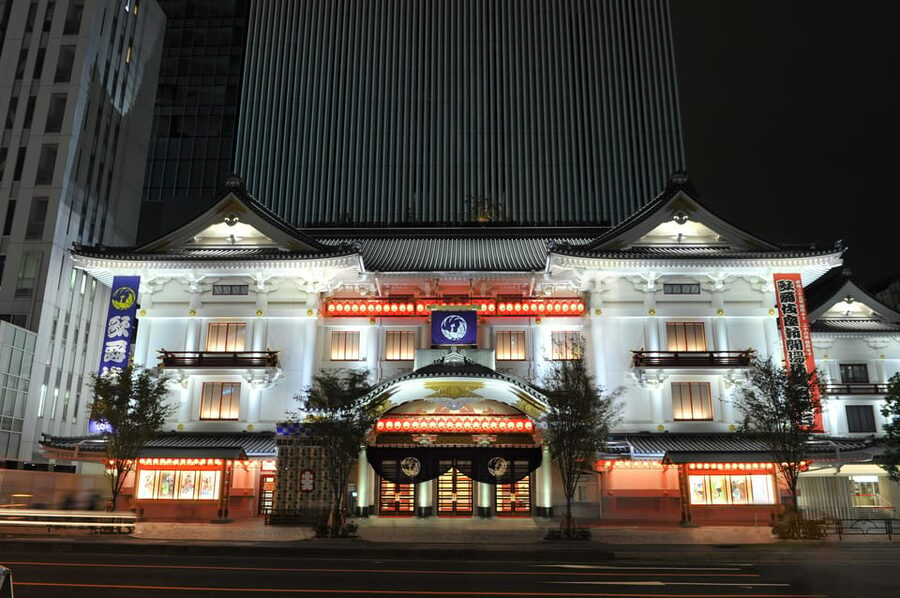
Kabuki is not a quick cultural photo stop. At Tokyo’s Kabukiza Theatre, you settle in for several hours of stylized acting, dance, music, striking costumes, and stories shaped by centuries of Japanese performance. This is the only theater in the world devoted entirely to Kabuki, making the setting part of the experience.
I like the monthly program changes, since the show you see in February will not be the same as the one presented in March. I also like the included English or simplified Chinese caption service, which gives you a real chance to follow the action rather than simply admire the costumes.
The main consideration is time. A performance may run roughly four to four and a half hours, with several sections and intermissions. The seats may feel tight, and you cannot choose your exact seat through this reservation.
In This Review
- Key points to know before booking
- Why Kabukiza is worth your evening
- Four hours of theater, divided into different pieces
- What the performance feels like
- Captions make the stories easier to follow
- Arrive early and exchange the voucher correctly
- Intermissions are part of the experience
- Explore the Kabuki displays and shopping center
- Is $106 a fair price?
- Who should book this Kabukiza experience?
- Tips for getting more from the show
- Should you book Kabukiza?
- FAQ
- Where is Kabukiza Theatre located?
- How do I collect my ticket?
- What time is the box office open?
- Are English captions available?
- How long does the Kabuki performance last?
- Can I choose my seat?
Key points to know before booking
- Monthly programs change: Check the official Kabuki Web schedule before choosing your date.
- Captions are included: English or simplified Chinese captions help explain dialogue and story details.
- The ticket must be exchanged: Present your PDF or mobile voucher at the Basement Level 2 box office. The voucher alone will not admit you.
- Plan for a long theater visit: Performances include intermissions, and food and drinks are allowed inside.
- Ginza location: Kabukiza is at Ginza 4-12-15, Chuo-ku, Tokyo, making it easy to pair with time in Ginza.
- The show mixes forms: Expect drama, dance, singing, live music, elaborate stage pictures, and highly formal movement.
Why Kabukiza is worth your evening
Kabuki can look mysterious at first. The actors use carefully controlled gestures, dramatic poses, stylized voices, and elaborate makeup. Stories may come from historical events, domestic conflicts, romance, folklore, or dance pieces. You are not watching ordinary theater with a few Japanese details added. The entire performance follows its own visual and musical language.
That unfamiliarity is part of the appeal, but it can also make the first act hard to follow. The caption service matters here. It gives you English or simplified Chinese text while the performance continues onstage, helping you understand who is speaking and why a particular confrontation matters.
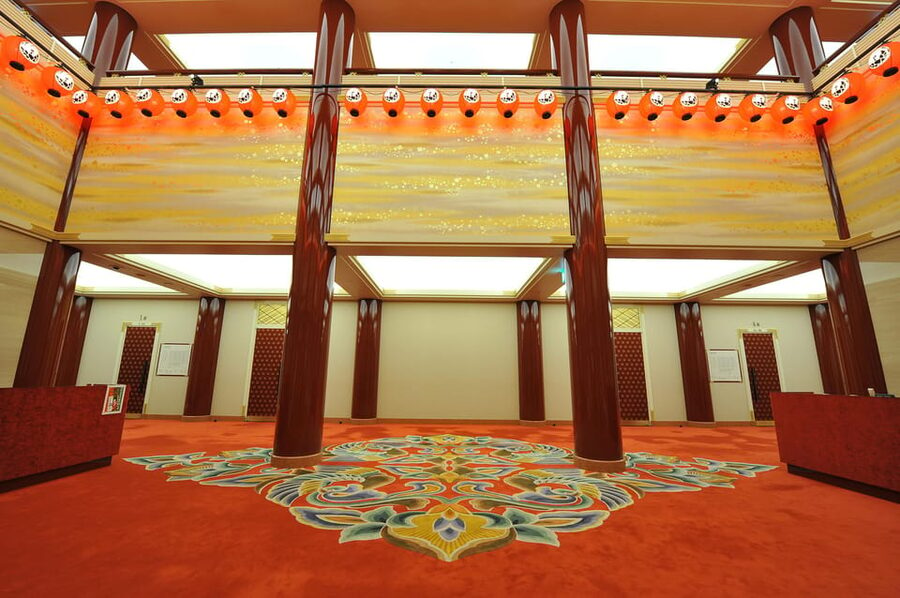
The theater itself adds weight to the evening. Kabukiza is in Ginza, one of central Tokyo’s best-known districts, but once you arrive, the focus shifts from shopping streets to a formal performance house. The building, curtains, screens, sets, and costumes all contribute to a carefully shaped presentation.
I especially like that you are seeing professional Kabuki in a dedicated theater rather than a short demonstration made only for tourists. The program changes each month, so the experience has the feel of a genuine theater visit, not a fixed cultural display.
More craft workshops in Tokyo:
- Tokyo Shinjuku Chopsticks Making Class
★ 5.0 · 1,763 reviews - Kintsugi Experience: Art of Golden Joinery in Tokyo
★ 5.0 · 467 reviews - Authentic Pure Gold Kintsugi Workshop with Master Taku in Tokyo
★ 5.0 · 217 reviews
Four hours of theater, divided into different pieces
The published duration is four hours, but some scheduled programs run longer. For example, one matinee is planned from 11:00 a.m. to 3:21 p.m., while one evening program runs from 4:30 p.m. to 9:02 p.m. Another month’s matinee is scheduled for just over four hours, with the evening performance lasting less.
This difference matters when you are arranging dinner, a train connection, or another reservation. Treat the theater visit as the main event for the afternoon or evening, not as something to squeeze between two tightly timed activities.
The show is usually made up of separate pieces rather than one continuous plot. A program may include a historical play, a domestic drama, and one or more dance performances. That variety helps the long visit feel less repetitive. Each section can have a different mood, cast of characters, musical style, and visual rhythm.
One February program, for example, included a modern Kabuki piece called O-EDO MIYAGE, the dance A Footman and a Kite, the domestic play In front of the Saruwakaza Theatre, and the dance The Snowbound Barrier. The evening program included scenes from The Chronicle of the Battle of Ichinotani, the dance The Fox Praying for Rain, and the modern piece Tanjirō’s Love Triangle.
A March schedule offered a very different shape. The matinee centered on The Return of the Evil Lady-in-Waiting Iwafuji, while the evening included a spring dance and the domestic play Three Thieves Named Kichisa.
These titles are useful examples, but they are not a promise of what you will see. Check the official program for your month, especially if you want historical drama, dance, or a particular kind of story.
What the performance feels like
Kabuki combines several art forms at once. You may watch a performer hold a pose for dramatic effect, hear live shamisen music and narration, then see the mood shift into dance or a tense exchange between characters.
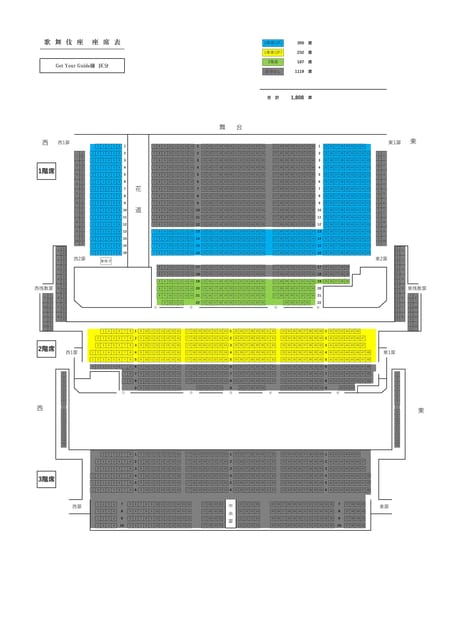
The acting is formal rather than naturalistic. Facial expressions, body angles, costume details, and pauses carry meaning. This is why seat position can affect your experience. One ticket holder wished for a seat closer to the stage because facial expressions are important to the art. If you have a choice outside this booking arrangement, a nearer view may help you catch those details.
The scenery and costumes deserve your attention too. Kabuki uses color, pattern, movement, curtains, screens, and stage sets as part of the storytelling. You may not understand every spoken line, but you can still follow changes in character and mood through the visual design.
Live music gives the theater a special pulse. The sound is not background decoration. It helps set the pace and emotional tone, while narration can provide a bridge between what you see and what you need to understand.
If you enjoy classical theater, opera, ballet, traditional music, or highly formal performance, you may take to Kabuki quickly. If you prefer fast, conversational drama, the deliberate pace may test your patience. I would not choose this as a first theater experience for a child under four, and the activity does not admit children under that age.
Captions make the stories easier to follow

The included caption service is one of the strongest reasons to choose this package if you do not read Japanese. You receive English or simplified Chinese captions, depending on the plan selected. The captions are especially useful for historical stories and older forms of language, where visual clues alone may not explain the plot.
Still, captions require attention. You may find yourself looking down at the screen and then back at the actors. One practical criticism is that the device does not signal clearly whenever the text changes, so you need to manage your eyes between the screen and the stage.
I suggest treating the captions as a guide, not a transcript you must read word for word. Catch the names, relationships, major turns, and key lines, then look back at the actors during the important visual moments. This approach lets you appreciate the performance without spending the entire evening reading.
If you are booking from within Japan, note that this package includes the English or simplified Chinese service. You cannot exchange it for a Japanese earphone guide, and there is no refund for skipping the caption device.
A few more Tokyo bookings worth comparing
- Mt Fuji & Hakone Cruise, Drum Show Bullet Train 1 Day from Tokyo
★ 4.0 · 7,413 reviews - Tokyo: Sumo Show Experience with Chicken Hot Pot and a Photo
★ 4.8 · 6,678 reviews - Tokyo: Sumo Show and Dining Experience
★ 4.8 · 2,742 reviews - the SUMO show
★ 5.0 · 1,960 reviews
Arrive early and exchange the voucher correctly
The most important practical detail is the ticket collection process. Your PDF or mobile GYG voucher is not the admission ticket. You must exchange it for the physical ticket at the Kabukiza box office on the day of the performance.
The box office is on Basement Level 2 and is open from 10:00 a.m. to 6:00 p.m. Give yourself extra time to locate it, collect the ticket, and reach your seat. If you arrive after 6:00 p.m., go directly to the theater entrance as instructed.
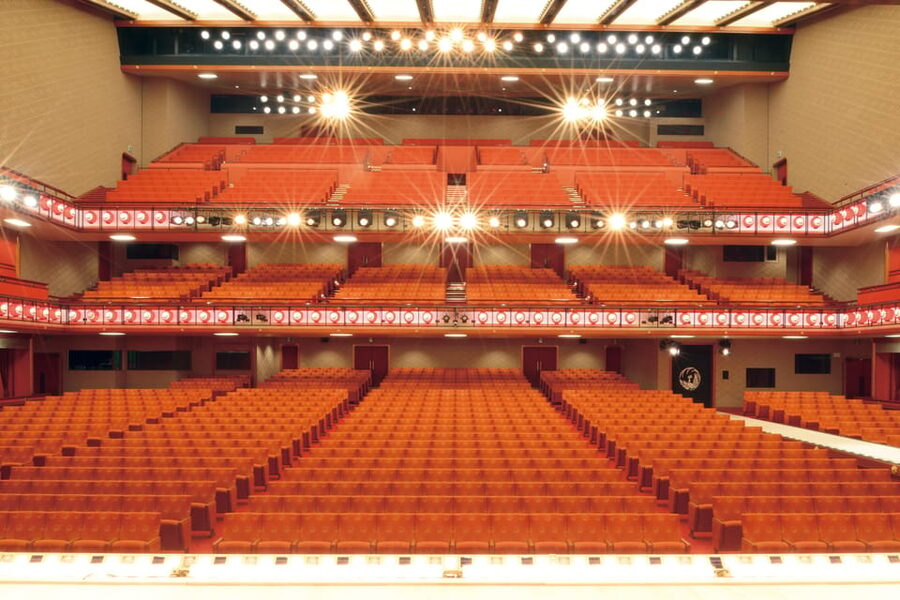
The theater doors open 30 minutes before the performance. That half hour is useful. You can find your seat, examine the auditorium, arrange the caption service, and settle down before the first piece begins.
You cannot specify your seat with this reservation. That is the trade-off for using a prearranged ticket option. If the exact view matters greatly to you, consider this limitation before paying. Even so, the straightforward collection process makes the arrangement manageable as long as you do not mistake the voucher for the ticket.
Intermissions are part of the experience
A long Kabuki program is not four hours without a pause. There are intermissions between sections, and these breaks help you reset before the next story or dance.
Food and drinks are permitted in the theater. Snacks and alcohol are also available for purchase inside. Bringing something to eat can make the experience more comfortable, especially for an evening performance that runs past eight or nine o’clock.
This is not a theater visit where you need to remain rigidly focused from the opening curtain to the final scene. Use the intermissions to stretch, eat, and think about what you have just seen. A small cushion may be worth considering if you find older-style theater seats uncomfortable. One visitor found the seats tight, and another specifically recommended bringing a cushion.
The breaks also help explain why the total time can surprise people. The individual pieces may be manageable, but the full program, with intervals, takes up a substantial part of your day.
Explore the Kabuki displays and shopping center
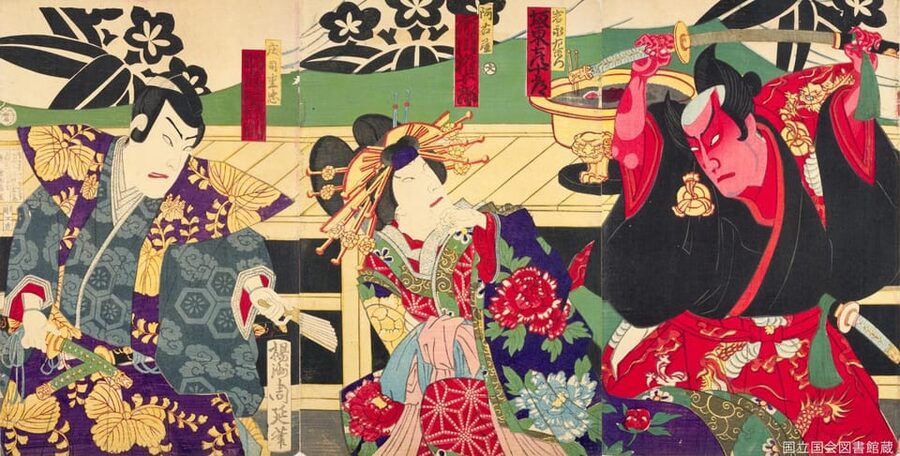
Before or after the show, you can visit the permanent interactive exhibition, which introduces the history and mechanics of Kabuki. This is a useful starting point if the form is new to you. A little context can make the gestures, costumes, stage conventions, and musical cues easier to appreciate.
The shopping center on Basement Level 2 sells Kabuki-related gifts and souvenirs. It is a convenient place to look for a keepsake without adding another stop to your Tokyo schedule.
Pay attention to the opening hours and your exit time. The box office is listed as open until 6:00 p.m., and the shopping center may not be open when an evening performance ends. One visitor was disappointed to find the souvenir shop closed after the show, so shop before the curtain or during a suitable break if you want something specific.
The theater is at Ginza 4-12-15 in Chuo-ku. That central address makes Kabukiza easy to combine with a Ginza afternoon, but avoid planning a tightly timed activity immediately afterward. The published program end time is only an estimate, and the performance length changes with the monthly schedule.
Is $106 a fair price?
At $106 per person, this is not a cheap entertainment option. You are paying for a formal Kabuki program in a major dedicated theater, along with the caption service. The value depends on what you want from Tokyo.
If you only want a short introduction to traditional Japanese performance, a four-hour commitment may be too much. You might prefer a shorter cultural presentation elsewhere. But if you want to see Kabuki as a serious working art form, this ticket offers something more substantial than a brief stage sample.
The monthly change is important to the value. You are not buying the same fixed show every day of the year. The content, length, and balance of drama and dance depend on the date, so checking the schedule before booking helps you decide if the program suits your interests.
I also see value in the caption service. Without it, a visitor unfamiliar with Japanese theatrical language could spend much of the performance guessing at the plot. The captions do not remove every challenge, but they turn a potentially confusing event into a more approachable one.
For a special final night in Tokyo, a major cultural occasion, or a visitor who already enjoys theater, $106 can make sense. For a family trying to keep daily costs low, or for someone uncertain about long classical performances, it is a serious purchase.
Who should book this Kabukiza experience?
I would recommend it most strongly to you if you enjoy:
- Traditional Japanese arts and performance
- Opera, ballet, classical theater, or stylized acting
- Costumes, stage design, live music, and visual storytelling
- Cultural activities that require patience and attention
- Seeing an authentic monthly program in a dedicated theater
You should think twice if you dislike long performances, formal movement, older stories, or theater seats that may feel compact. The experience is not designed around constant action or an English-speaking host explaining every moment.
It also suits solo visitors well. The price may feel easier to justify for one person than for a large family, and the long program gives you a focused cultural evening. Couples and small groups can enjoy it too, but remember that exact seats cannot be selected through this reservation.
Tips for getting more from the show
Check the month’s program before you commit. If you are more interested in dance than drama, or modern Kabuki rather than historical plays, the schedule can guide your choice.
Arrive early enough to collect the physical ticket at Basement Level 2. Keep the PDF or mobile voucher ready, but remember that it is only for exchange.
Plan a relaxed meal strategy. You can buy snacks and alcohol in the theater, or bring food and drinks for the intermissions. Do not assume you can eat a full meal after the show if you are attending the evening program.
Use the caption screen selectively. Follow the story at key moments, then return your eyes to the stage for gestures, expressions, costumes, and movement.
Finally, leave room in your schedule. A planned four-hour duration may become more than four hours depending on the month’s program and intermissions. Kabuki rewards an unhurried approach.
Should you book Kabukiza?
Book this if you want a serious, memorable introduction to Kabuki and are willing to give it most of an afternoon or evening. The dedicated theater, changing monthly program, live music, ornate visual presentation, and included captions make it one of Tokyo’s strongest choices for traditional performance.
Skip it if you want a short activity, need a guaranteed seat location, or have little patience for formal theater. For everyone else, check the current program, plan around the full running time, and arrive early for the ticket exchange. You may not understand every convention at once, but you will see an art form built from movement, sound, costume, and inherited technique.
FAQ
Where is Kabukiza Theatre located?
Kabukiza Theatre is at Ginza 4-12-15, Chuo-ku, Tokyo, in the Ginza area.
How do I collect my ticket?
Present your PDF or mobile GYG voucher at the venue box office on the day of the performance. The box office is on Basement Level 2. The voucher itself does not allow entry to the theater.
What time is the box office open?
The box office is open from 10:00 a.m. to 6:00 p.m. If you arrive after 6:00 p.m., proceed directly to the theater entrance.
Are English captions available?
Yes. This ticket includes an English or simplified Chinese caption service. The caption option cannot be exchanged for a Japanese earphone guide, and unused caption service is not refundable.
How long does the Kabuki performance last?
The activity is listed as four hours, but scheduled programs can run longer or shorter. Examples provided range from about four hours and eight minutes to four hours and 32 minutes, including intermissions.
Can I choose my seat?
No. Exact seats cannot be specified through this reservation.
New on our Tokyo list
- Tokyo Spectacular View Day-Cruise in 90 Minutes★ 5.0 · 25 reviews
- From Tokyo: Mount Fuji & Hakone Full Day Private Tour★ 4.9 · 25 reviews
- Real Tokyo Runner Club : Daikoku Car Meet Night Tour with JDM Car★ 5.0 · 25 reviews
- 2.5 Hour-Guided Cycle Tour in the Central Tokyo★ 5.0 · 25 reviews
- Ramen Making from Scratch +Akihabara Tour –Cooking Class★ 5.0 · 25 reviews
- [Self-Drive] Tokyo & Daikoku Custom Car Driving Tour★ 4.9 · 25 reviews
- Tokyo: 2-Hour Night Bike Tour of the City’s Hidden Gems★ 4.9 · 25 reviews
- Samurai themed Entertainment show in Shinjuku★ 4.5 · 25 reviews
Japanese Culture Workshops, compared.

Kintsugi Experience: Art of Golden Joinery in Tokyo
Read our review →
Authentic Pure Gold Kintsugi Workshop with Master Taku in Tokyo
Read our review →
KABUKI, BUNRAKU, etc. presented by National Theatre
Read our review →
Kintsugi Workshop Class in Shibuya, Tokyo with mon cadeau
Read our review →

Discover the Art of Ikebana in Tokyo’s Historic Yanaka District
Read our review →Browse the lists this tour appears in