
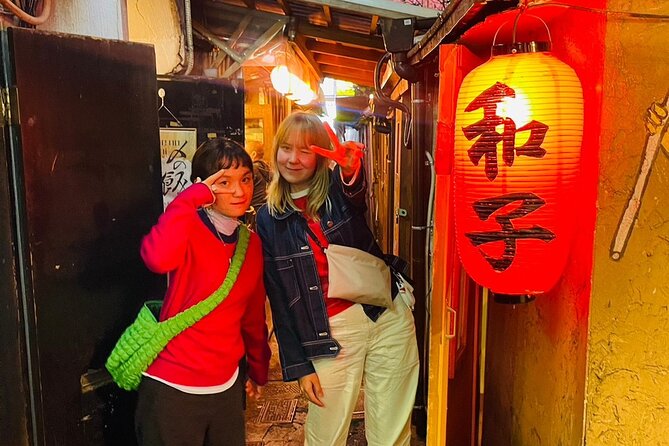
Reviewed · WALKING TOURS
ENJOY-ALL-SHINJUKU《Red Light District Walking》with DEEPest info!
Shinjuku’s neon streets make more sense when someone explains what you’re seeing. This 90-minute walk moves from Omoide Yokocho through Kabukicho, Golden Gai, Hanazono Shrine, and Godzilla Road, mixing famous sights with the everyday details most visitors miss. It is a quick way to get your bearings in one of Tokyo’s most complicated districts.
I like the local food and nightlife tips, which can help you plan dinner or drinks after the walk. I also like the photo help and the chance to ask direct questions about Japanese culture, history, and daily life. The drawback is the brisk pace: with eight stops in 90 minutes, you will see the area broadly rather than linger at each place.
In This Review
- Key points about this Shinjuku walk
- Why Shinjuku is better with a local guide
- Omoide Yokocho begins the story
- Kabukicho puts the tour in context
- Godzilla Road and the giant movie head
- Golden Gai shows a smaller side of Shinjuku
- Noren Street adds food and atmosphere
- Hanazono Shrine provides a quiet pause
- Shopping and a practical finish at Don Quijote
- What the pace and group size mean
- The strongest guide qualities
- Who should book this Shinjuku experience
- Should you book this Shinjuku walking tour?
- FAQ
- How long does the Shinjuku walking tour last?
- Where does the tour begin?
- Where does the tour end?
- Which places are included on the route?
- Is food or drink included?
- Are photographs included?
- Is the tour available in languages besides English?
- How many people can join the tour?
- Can I cancel for a refund?
Key points about this Shinjuku walk
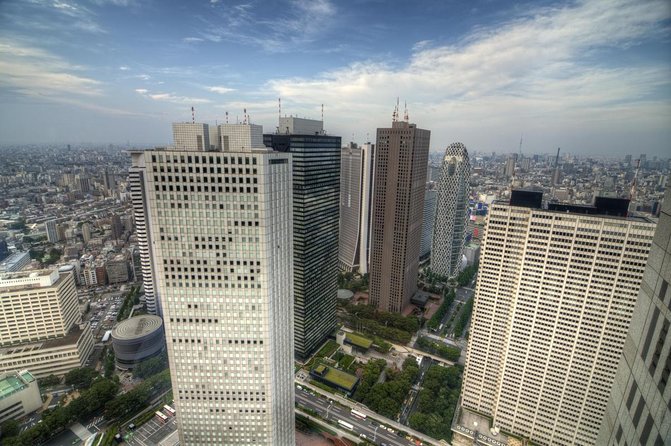
- A fast route through eight well-known locations: You visit Omoide Yokocho, Kabukicho, Godzilla Road, Golden Gai, Noren Street, Hanazono Shrine, Don Quijote, and Toho Cinemas.
- The guide adds context to the red-light district: The focus is not just neon signs and photo stops. You hear about local culture, history, food, nightlife, and the realities of the area.
- A small-group format: The activity can accommodate up to 10 people, although the additional information also allows for a maximum of 20 participants.
- Useful early-trip advice: Dan, Manaka, Suemi, and Aki have each been praised for mixing facts, humor, and practical recommendations.
- Photos and small food-related souvenirs are included: You can ask the guide to take pictures at local photo spots, and the tour includes souvenirs intended to help you enjoy Japanese food after returning home.
- A low-cost introduction to Shinjuku: At $25.04 per person, the value comes from orientation, local advice, and efficient sightseeing rather than long visits inside attractions.
Why Shinjuku is better with a local guide
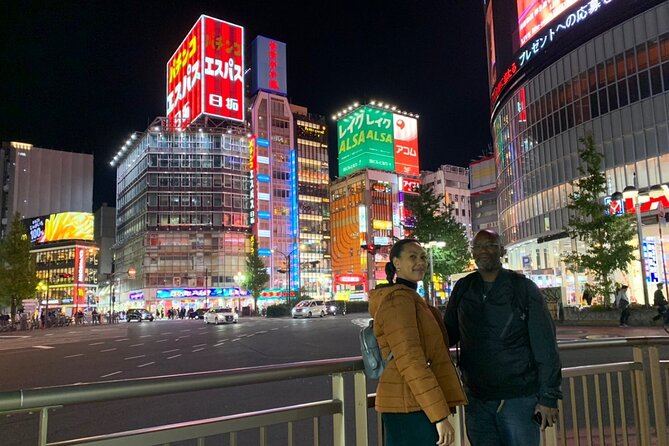
Shinjuku can feel like several cities packed into one. There are huge department stores, railway crowds, narrow lanes, shrines, entertainment streets, tiny bars, restaurants, and signs that give little away if you cannot read Japanese. Kabukicho adds another layer, with nightlife streets that are easy to walk through but harder to understand.
This tour gives you a practical first look. You are not spending hours inside one museum or waiting for a grand view. Instead, you move through the streets and learn what each area is used for, what is worth returning to, and where a first-time visitor should take care.
The phrase red light district may make the walk sound narrowly focused. The route is broader than that. You see the nightlife center of Kabukicho, but also a shrine, food lanes, shopping, cinema architecture, and the older atmosphere of Golden Gai. The guide’s goal is to explain the real city behind the postcard version of Tokyo.
That makes this especially useful at the beginning of a stay. Dan’s advice, in particular, was considered useful enough that one participant wished the tour had been booked earlier. That is sensible advice. If you take the walk near the start of your visit, you can use the restaurant, bar, shopping, and neighborhood suggestions for the rest of your time in Tokyo.
The guides named in the feedback include Manaka, Dan, Suemi, and Aki. You should not assume you will receive a particular guide unless the booking specifically confirms it. What you can expect is a Japanese local guide who can answer questions during the walk and help with photographs.
More Shinjuku nights and walks:
- Tokyo: Shinjuku Food Tour (13 Dishes at 4 Local Eateries)
★ 5.0 · 6,603 reviews - Tokyo Bar Hopping Tour in Shinjuku (All-You-Can-Drink + Dinner)
★ 5.0 · 3,587 reviews - Tokyo: Shinjuku Food Tour (15 Dishes and 4 Eateries)
★ 4.9 · 2,033 reviews
Omoide Yokocho begins the story
The meeting point is the Shinjuku Tourist Information Center at 3-chōme-37-2 Shinjuku. From there, the route heads toward Omoide Yokocho, a narrow food alley with a very different feel from Shinjuku’s wide avenues and giant signs.
This is a useful first stop because it introduces the contrast that defines the district. Shinjuku is not only polished shopping centers and bright entertainment venues. It also has compact lanes where food and drink are part of the street atmosphere.
You will not be paying the guide for meals or drinks, and food is not listed as included. Think of this stop as an orientation to the area, not a dining event. If you see a place you like, ask the guide for advice about returning later.
The route is short, so you may have only enough time for an explanation, a look around, and photographs. That is fine if your goal is to learn the layout. If you want to eat at Omoide Yokocho, plan to return independently.
Kabukicho puts the tour in context
Kabukicho is the central subject of the walk. It is famous for nightlife, entertainment, restaurants, and the signs and streets associated with Tokyo after dark. The guide explains the district while you walk, giving you more context than you would get from simply following a map pin.
The value here is practical. A local can explain the difference between a place worth visiting for dinner, a spot better suited to a quick photograph, and an area where you should simply keep moving. The information provided for this activity also promises candid discussion of Japanese culture, history, and present-day realities.
This is not presented as a lecture. The strongest feedback describes a good mix of information and fun. Manaka was praised for being informative without becoming stiff, while Dan was noted for combining historical material with current advice. Suemi was singled out for interesting stories and an engaging personality.
You can ask questions as you go. That matters in a district where signs, customs, and business types may not be obvious. The guide is also available to offer recommendations for lunch, dinner, drinks, and places known more to locals than to first-time visitors.
Godzilla Road and the giant movie head
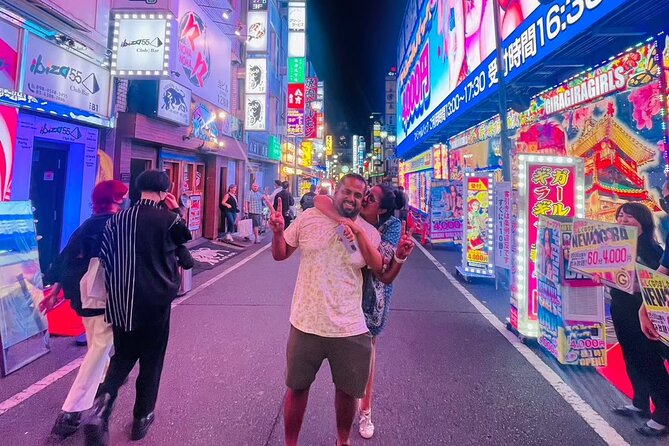
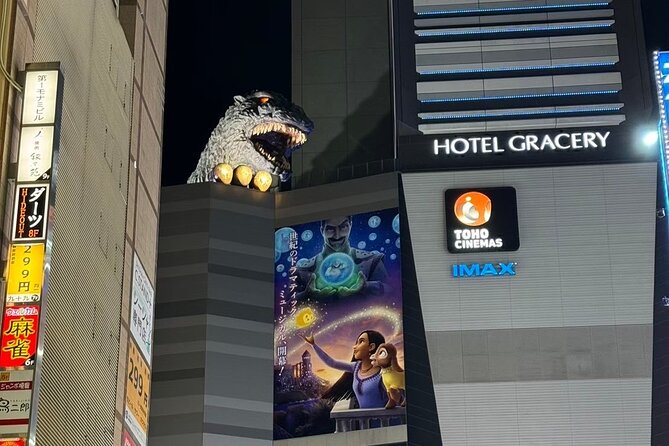
Godzilla Road gives the walk one of its most recognizable photo opportunities. The route then continues to the Godzilla head near Toho Cinemas Shinjuku, where the giant creature looks across the entertainment district.
These stops are easy to enjoy even if you are not a serious film fan. They show how pop culture is built into the streets of Tokyo, not kept only inside a theater or museum. The guide can help you frame photographs, which is useful when you are traveling alone or when your group wants a picture together.
The Godzilla stop is also a good reminder that this tour is not only about serious history. Shinjuku works because old lanes, religious sites, shopping, food, cinema, and nightlife sit close together. The route keeps changing tone, which helps the 90 minutes pass quickly.
Toho Cinemas is included near the end of the route. It reinforces the same theme and gives you another recognizable landmark in the district. You should not expect admission to a film or a cinema tour. This is an exterior walking stop.
More walking routes in Tokyo:
- Tokyo Tsukiji Fish Market Food and Culture Walking Tour
★ 5.0 · 3,184 reviews - Tokyo: Imperial Palace and Shogun Historical Walking Tour
★ 5.0 · 2,251 reviews - Tokyo: Shinjuku Local Bar and Izakaya Guided Walking Tour
★ 4.9 · 1,794 reviews - Tokyo: Tsukiji Fish Market Food and Walking tour
★ 5.0 · 1,724 reviews
Golden Gai shows a smaller side of Shinjuku
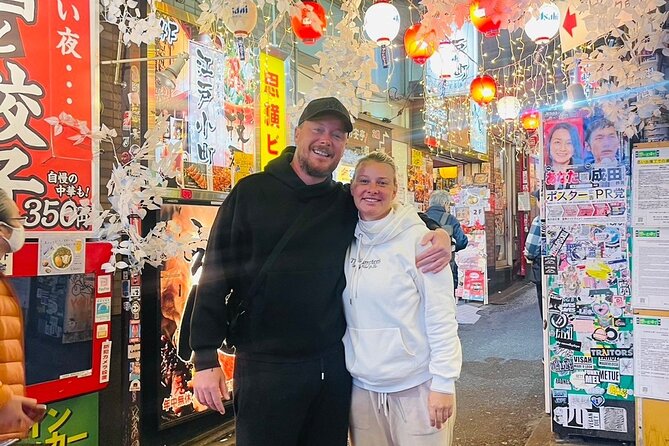
Shinjuku Golden Gai is one of the most distinctive places on the route. Its narrow lanes and tightly packed small bars create a sharp contrast with the scale of the surrounding city.
The guide’s role here is important because the area can be confusing to a first-time visitor. You can learn how it fits into Shinjuku’s nightlife and why it feels so different from the large commercial streets nearby. You may also get advice about places to return to for a drink, although drinks are not included in the tour.
Golden Gai is not necessarily a place to rush through with a large group. The tour can accommodate up to 10 people, while the published information also gives a maximum of 20 participants, so group size may vary by departure. A smaller group should make it easier to hear the guide and move through narrow lanes.
The 90-minute schedule means you will not have time to inspect every bar or settle in for a long evening. That is a limitation, but also a useful design choice. You get an introduction, then you can decide later if the area suits your plans.
Noren Street adds food and atmosphere
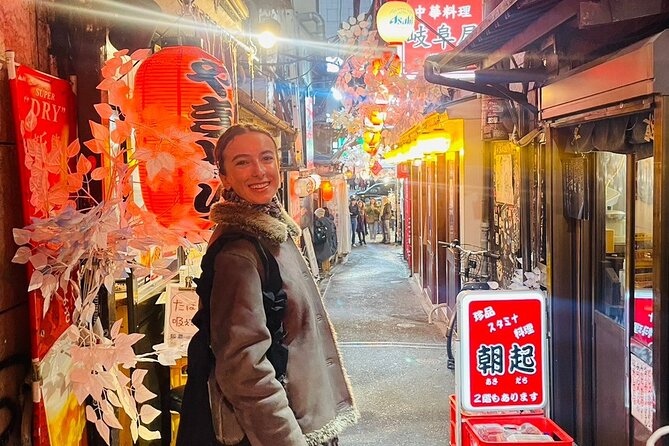
Shinjuku Kabukicho Noren Street is another stop that connects the district with food. The word noren refers to the fabric curtains often seen at the entrance to Japanese restaurants, and the name signals the street’s food-focused character.
This is where the tour’s local recommendations can become especially useful. Ask which meals are suited to your budget, which areas work well for dinner, and what kind of restaurant experience you can expect. The activity is aimed not only at people sightseeing in Shinjuku, but also at those staying nearby, shopping, or looking for lunch or dinner.
The guide may suggest places that are easy to miss if you explore alone. Still, the tour does not include a meal, and no food tasting is promised. You are paying for direction and explanation, not a progressive dinner.
That distinction keeps the price low. At $25.04, the tour costs about what you might spend on a casual meal or a few drinks, while giving you information that can shape several later meals. The value is strongest if you use the advice after the walk.
Hanazono Shrine provides a quiet pause
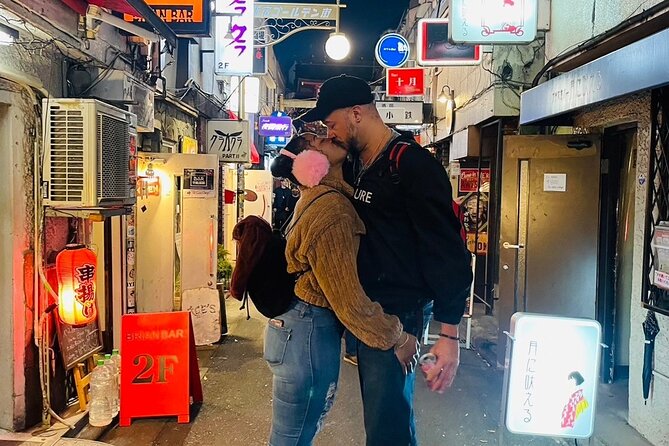
Hanazono Shrine changes the mood again. After the commercial streets and entertainment signs, a shrine offers a calmer place to consider another part of Tokyo’s identity.
The stop matters because it prevents the tour from reducing Shinjuku to nightlife. You get a glimpse of religious and cultural space within the same district, only a short distance from the busiest streets. The guide can explain relevant customs and history, though the exact depth will depend on the pace and the questions you ask.
This is also a useful photo stop. The tour includes photographs taken at places known to locals, and the guide can help capture memories throughout the route. Bring comfortable shoes and be ready to walk between stops, since the activity is entirely on foot.
No special transport is provided. An air-conditioned vehicle is specifically not included, but that should not be a concern for this experience. The point is to move through the streets at walking speed, where you can notice small signs, lanes, entrances, and changes in atmosphere.
Shopping and a practical finish at Don Quijote
Don Quijote Shinjuku Kabukicho is included as a shopping reference point. The store is useful for visitors who want Japanese snacks, everyday goods, souvenirs, or a late-night shopping option, though the activity does not promise purchases or a shopping session.
The guide’s food-related souvenir is included. The description says these are hidden souvenirs intended to help you enjoy Japanese food after returning home. The wording does not specify exactly what you receive, so treat it as a small extra rather than a major part of the price.
This stop can be helpful if you are staying in Shinjuku. You can ask the guide about what to look for, how to use the store, or where else to shop in Tokyo. Again, the strength is local orientation. You are not being guided through every floor.
The route also includes Toho Cinemas Shinjuku before returning to the meeting point. The official end point is the same place where the walk begins, making the activity simple to fit around other plans.
What the pace and group size mean
Ninety minutes is enough for a useful introduction, but not enough for a slow exploration. Eight listed stops in that time mean you should expect short explanations, walking, photographs, and quick transitions.
I would choose this tour if you want structure on your first day in Shinjuku. You can learn the basic layout without spending half a day wandering. It also suits people who enjoy asking questions and collecting ideas for later meals and evenings.
I would not choose it if you want long historical explanations, extended shrine time, or an in-depth visit inside each location. This is a street-level overview. Its strength is range and local conversation.
The group size needs a little clarification. The details say the activity can accommodate up to 10 people, and they also state a maximum of 20 travelers. Since both figures appear in the published information, you should confirm the expected group size when booking if that matters to you. Either way, the tour may include other participants.
Most people can participate, and the meeting point is near public transportation. The activity requires good weather. If poor weather cancels it, you are offered another date or a full refund. Cancellation is free up to 24 hours before the start time, but changes or cancellations inside 24 hours are not refunded.
The strongest guide qualities
The clearest pattern in the feedback is the guide’s role. The most praised qualities are warm conversation, useful advice, and a light sense of humor.
Manaka was praised for balancing information and fun. Dan was singled out for current recommendations as well as history, and for being a favorite guide during a Japan visit. Suemi was praised for interesting stories and an engaging personality, while Aki received strong marks for informative explanations that worked well for a family.
That range suggests the experience depends partly on who leads your departure. You may get a different style from each guide, but the activity is built around questions, stories, and practical suggestions rather than a fixed audio script.
Ask questions. This is one of the best ways to get value from the walk. Ask about a restaurant for that evening, a place for a drink, Japanese customs, local history, or anything that has puzzled you since arriving.
The tour is available in Spanish, Italian, and Korean if you contact the provider before booking. English is implied by the supplied tour information and feedback, but the additional language note is worth checking if you need a specific language.
Who should book this Shinjuku experience
You should consider booking if you are staying in Shinjuku, planning to eat or drink there, or visiting the district for the first time. The route helps you understand how the major streets connect and gives you ideas for returning on your own.
It is also a good match for solo visitors who want a group and a guide while getting their bearings. The photo help is a small but useful benefit, especially when you want a picture at Godzilla Road, Golden Gai, or another street location.
Families can enjoy it too, particularly if older children are interested in pop culture, shopping, food, or unusual city streets. A 90-minute format is easier to manage than a long walking day.
You may want something else if your main goal is nightlife access, food tasting, or a private tour. Meals and drinks are not included, the group may include other participants, and the route moves quickly. It is best viewed as an introduction that helps you plan the rest of your Shinjuku time.
At $25.04 per person, the cost is reasonable for a 90-minute local walk with photography help, a small souvenir, and recommendations you can use afterward. The 100 percent recommendation rate and five-star score from 28 ratings point to a consistently positive experience, though a small sample cannot guarantee that every departure will feel identical.
Should you book this Shinjuku walking tour?
Book it if you want a short, social, locally guided introduction to Kabukicho and the surrounding streets. The mix of Omoide Yokocho, Golden Gai, Godzilla, Hanazono Shrine, food streets, shopping, and cinema landmarks gives you much more range than the red-light-district label suggests.
Book early if your schedule is fixed. The activity is booked an average of 37 days in advance, which signals that popular dates may fill before your arrival.
I would place it near the start of a Tokyo visit, not the final evening. Use the guide’s restaurant, nightlife, shopping, and neighborhood advice for the days that follow. If you prefer slow sightseeing or a private, highly detailed history walk, choose a longer or more specialized experience instead.
FAQ
How long does the Shinjuku walking tour last?
The tour lasts approximately 1 hour and 30 minutes.
Where does the tour begin?
It begins at the Shinjuku Tourist Information Center, 3-chōme-37-2 Shinjuku, Shinjuku City, Tokyo 160-0022, Japan.
Where does the tour end?
The activity ends back at the meeting point.
Which places are included on the route?
The route includes Omoide Yokocho, Kabukicho, Godzilla Road and the Godzilla head, Shinjuku Golden Gai, Shinjuku Kabukicho Noren Street, Hanazono Shrine, Don Quijote Shinjuku Kabukicho, and Toho Cinemas Shinjuku.
Is food or drink included?
Meals and drinks are not listed as included. You do not need to pay for meals or drinks for the guide.
Are photographs included?
Yes. Photos during the tour are included, and the guide can take pictures at local photo spots.
Is the tour available in languages besides English?
Spanish, Italian, and Korean may be available. You should contact the provider before booking if you need another language.
How many people can join the tour?
The information says the activity can accommodate up to 10 people, while also listing a maximum of 20 participants. Confirm the expected group size when booking if this is important to you.
Can I cancel for a refund?
Yes. You can cancel at least 24 hours before the start time for a full refund. Cancellations or changes made less than 24 hours before the start time are not refunded. If poor weather or an insufficient number of participants cancels the activity, you are offered another date or a full refund.
New on our Tokyo list
- From Tokyo: Mount Fuji & Hakone Full Day Private Tour★ 4.9 · 25 reviews
- Tokyo Spectacular View Day-Cruise in 90 Minutes★ 5.0 · 25 reviews
- 2.5 Hour-Guided Cycle Tour in the Central Tokyo★ 5.0 · 25 reviews
- Real Tokyo Runner Club : Daikoku Car Meet Night Tour with JDM Car★ 5.0 · 25 reviews
- Ramen Making from Scratch +Akihabara Tour –Cooking Class★ 5.0 · 25 reviews
- [Self-Drive] Tokyo & Daikoku Custom Car Driving Tour★ 4.9 · 25 reviews
- Tokyo: 2-Hour Night Bike Tour of the City’s Hidden Gems★ 4.9 · 25 reviews
- Samurai themed Entertainment show in Shinjuku★ 4.5 · 25 reviews
Walking Tours, compared.
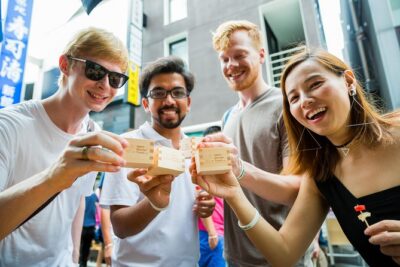
Tokyo Tsukiji Fish Market Food and Culture Walking Tour
Read our review →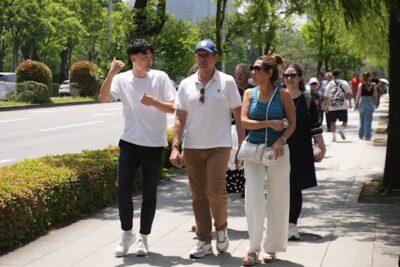
Imperial Palace and Shogun Historical Walking Tour
Read our review →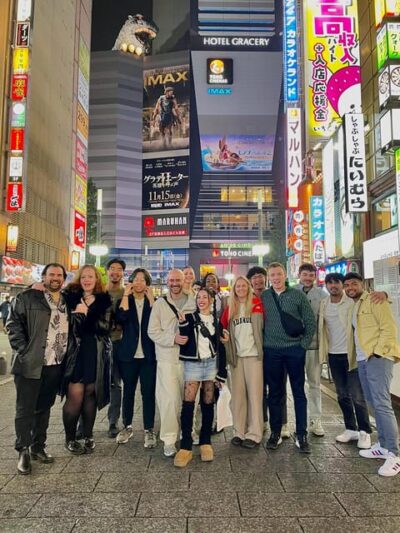
Shinjuku Local Bar and Izakaya Guided Walking Tour
Read our review →
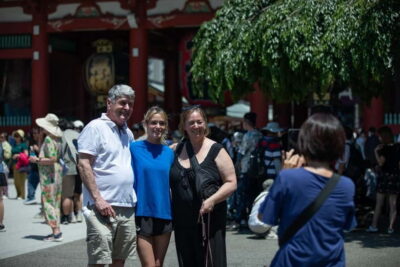
Asakusa Walking Tour with Sensoji Temple Visit
Read our review →
Tokyo Castle & Imperial PalaceーShogun Walking Tour
Read our review →
Browse the lists this tour appears in