
Reviewed · SAKE & WHISKY TASTINGS
Experience a western twist on Japanese sake snacks
Tsukudani is one of Tokyo’s great small food surprises: seafood preserved in a sweet-salty sauce, then served in ways that range from old-school rice topping to modern pairings with pasta and nuts. At Shinbashi Tamakiya, a shop founded in 1782, you get a close look at a food many visitors pass by without noticing.
I like two things right away. First, this is a private tasting, so the session can focus on your group rather than a crowd. Second, the experience connects tradition with practical eating ideas, including sake or wine, rice, furikake, pasta, and nuts. The main consideration is flavor: preserved seafood and a strong sauce may be unfamiliar, so this is better for curious eaters than cautious ones.
In This Review
- Key points
- What tsukudani tells you about Japanese food
- Entering Shinbashi Tamakiya, founded in 1782
- Learning the shop’s secret sauce
- Three signature tsukudani tastings
- Rice, furikake, and the familiar Japanese pairing
- The Western twist: wine, pasta, and nuts
- A 90-minute private session, morning or afternoon
- Is $36.24 a fair price?
- Who will enjoy this tasting most?
- Booking and cancellation details that matter
- Should you book Shinbashi Tamakiya?
- FAQ
- Where does the tsukudani tasting take place?
- How long does the experience last?
- What is included in the price?
- Can I choose between wine and sake?
- Is the experience private?
- Are morning and afternoon times available?
- Is transportation included?
- What is the cancellation policy?
Key points
- Taste Edo-period tsukudani: Learn about a traditional Japanese preserved seafood dish with roots in the Edo period.
- Try three signature preparations: Sample Tamakiya’s tsukudani and its secret sauce before moving into modern combinations.
- Pair seafood with sake or wine: The tasting shows how a strongly seasoned Japanese food can work with Western-style drinks.
- Eat it beyond a rice bowl: Try tsukudani with rice and furikake, then with ingredients such as pasta and nuts.
- Choose your schedule: Morning and afternoon sessions are available, and the experience lasts about 90 minutes.
- Meet at a historic Shinbashi shop: The activity starts and ends at Shinbashi Tamakiya in Minato City.
What tsukudani tells you about Japanese food
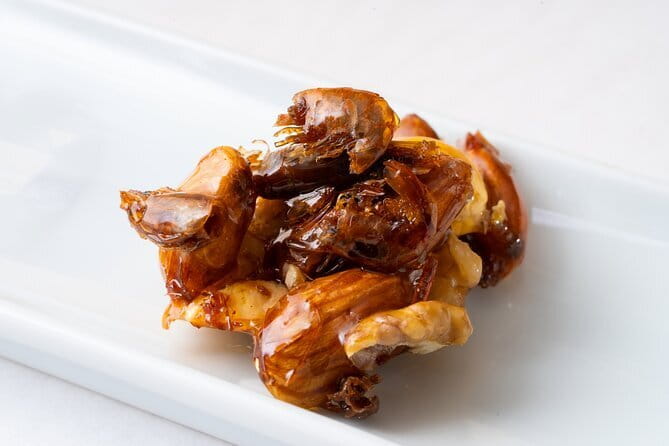
Tsukudani began as a practical food. Seafood is cooked and preserved in a concentrated sauce, traditionally allowing it to keep longer and deliver a strong hit of flavor in a small serving. It is commonly associated with rice, where a little goes a long way.
That practical quality is part of the appeal. You are not being served a large meal built around expensive ingredients. You are learning how Japanese cooks use preservation, seasoning, and restraint to make a modest portion matter.
The name may be new to you, but the eating pattern is easy to understand. A bite of tsukudani can add salt, sweetness, and savory depth to plain rice. The session also shows that the food is not locked in the past. Pairing it with wine, pasta, and nuts gives you a Western twist without losing its Japanese character.
I like this kind of food experience because it explains a dish through use. You do not simply hear that tsukudani is traditional. You see how it fits into a meal and how it can be adapted.
More sake and whisky sessions:
- Ramen and Sushi Cooking Class with Sake Pairing Set in Tokyo
★ 5.0 · 291 reviews - Sake Tasting Masterclass in Shinjuku (8+ Varieties with a Pro)
★ 5.0 · 271 reviews - Sake Omakase in Tokyo: Guided Tasting by Certified Sommeliers
★ 5.0 · 239 reviews
Entering Shinbashi Tamakiya, founded in 1782
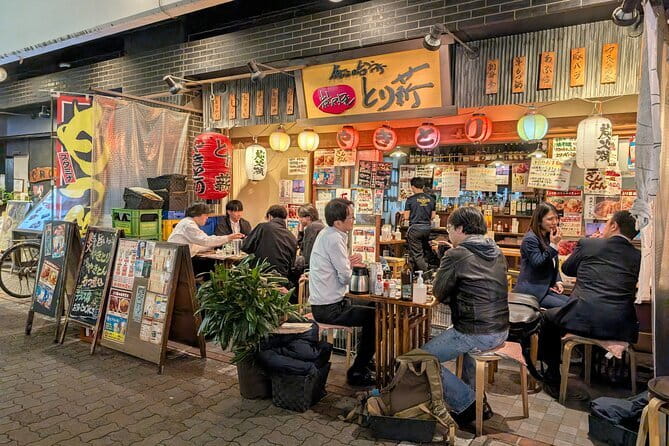
The tasting takes place at Shinbashi Tamakiya, located at 4-chome 25 in Shinbashi, Minato City. The shop was established in 1782, giving the introduction real weight. You are learning about the food in a place with a long connection to the product, rather than in a generic tasting room.
The history matters because tsukudani is closely tied to everyday Japanese eating. A shop specializing in preserved seafood can show you the difference between a dish made for long familiarity and a novelty created for tourists.
Your group meets at the shop, and the activity returns to that same location. That makes the plan simple. There is no separate transfer, restaurant change, or complicated route to follow during the 90-minute session. The meeting point is near public transportation, though the exact route from your hotel is not provided, so you should check the address before setting out.
The experience is private. Only your group participates, which suits anyone who wants to ask questions, compare reactions, or take the tasting at a comfortable pace. It also means the value depends partly on your interest. If you enjoy food history and small details, private attention is useful. If you only want a quick snack, 90 minutes may feel like more than you need.
Learning the shop’s secret sauce
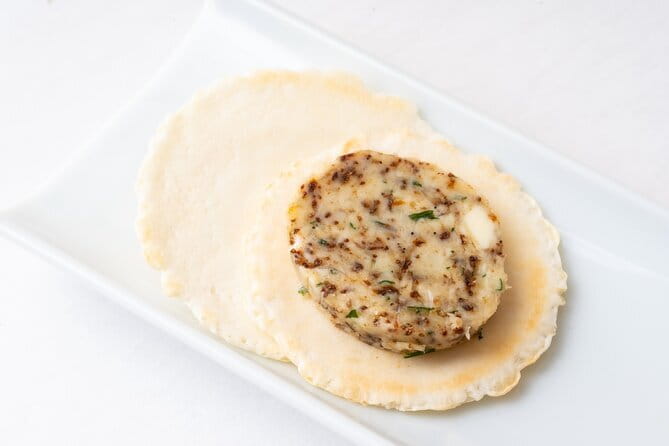
The tasting includes an introduction to the shop’s background and to tsukudani itself. You also taste the secret sauce, which gives you a direct way to understand the base flavor before trying the finished seafood.
That order is smart. Tsukudani can be hard to describe with one English label. Calling it preserved seafood does not tell you how sweet, salty, concentrated, or savory it may taste. Sampling the sauce first lets you connect the seasoning to the final dish.
Do not expect a mild, neutral snack. The point of tsukudani is its concentrated character. A small bite can have plenty of impact, especially beside plain rice. The sauce tasting may be one of the most useful parts for anyone who wants to recognize the dish later in Japan.
The available information does not name an individual guide, so you should not book this expecting a particular host. The session is presented as a personal experience for your group, with the focus on the Tamakiya shop, its methods, and its food.
Three signature tsukudani tastings
After the introduction, you taste three signature tsukudani preparations. This gives you a better sense of the category than a single sample would.
The value is in comparison. You can notice how different seafood, textures, or seasoning choices change the experience, even when the same general preservation style links them. A single bite might seem unusual. Three versions give you a clearer basis for deciding what you like.
This part should appeal to people who want to understand Japanese food rather than simply photograph it. The tasting is small in scale, but it asks a useful question: how does a traditional food remain relevant when people eat in new ways?
You also get a chance to see why tsukudani has remained useful. It can function as a side dish, a topping, or a concentrated seasoning. The shop’s three signature versions make that flexibility easier to grasp.
A few more Tokyo bookings worth comparing
- Tokyo Bar Hopping Tour in Shinjuku (All-You-Can-Drink + Dinner)
★ 5.0 · 3,587 reviews - Best of Shinjuku: Izakaya Food Tour (4 Stops, 14+ Tastings)
★ 5.0 · 1,863 reviews - Tokyo: Shinjuku Local Bar and Izakaya Guided Walking Tour
★ 4.9 · 1,794 reviews - Shibuya Meltdown Nightlife Tour: All-You-Can-Drink Bar Hopping
★ 5.0 · 1,058 reviews
Rice, furikake, and the familiar Japanese pairing
The tasting then includes rice with tsukudani and furikake seasonings. This is likely the most direct introduction to how the food is traditionally enjoyed.
Rice is important here because it softens the power of the sauce. Tsukudani is not usually meant to be eaten in a large portion by itself. Combined with rice, it becomes part of a balanced bite. Furikake adds another layer of seasoning and shows how Japanese meals often build flavor from small additions rather than one heavy centerpiece.
If you have eaten rice with Japanese pickles, seaweed, or other savory toppings, this part may feel easier to understand. If you are new to strongly seasoned seafood, rice gives you a familiar base.
I like that the tasting does not stop at the unusual item. You get the traditional context first, which helps the later modern pairings make sense. Without the rice course, the wine and pasta ideas might seem like a gimmick. With it, you can see what is being changed and what is being preserved.
The Western twist: wine, pasta, and nuts
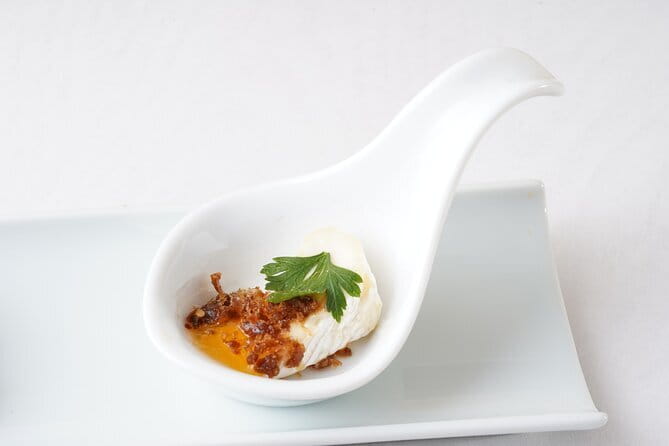
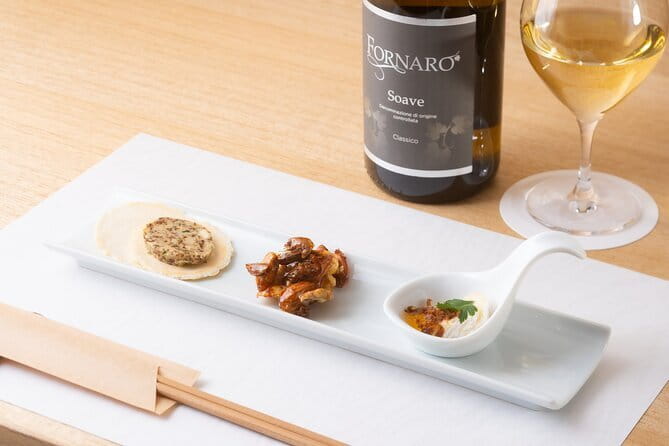
The most distinctive feature is the move from traditional rice to Western-style pairings. Tsukudani is served with wine or sake, and the experience proposes ways to eat it with ingredients such as pasta and nuts.
This is where the tour earns its title. The goal is not to pretend tsukudani is Italian food or to remove its Japanese identity. Instead, you get suggestions for using a traditional ingredient in a modern setting.
Pasta is a particularly clear example. A strongly flavored preserved seafood can act like a seasoning, so it may be used in small amounts rather than treated as the main ingredient. Nuts bring texture and a different kind of richness. Wine changes the way you notice the sauce, while sake keeps the pairing closer to Japanese food culture.
The alcoholic drinks are included, with a choice of wine or sake. That is useful because a drink pairing can make a tasting feel more like a complete food lesson than a series of samples. It also adds value to the price, especially if you would otherwise need to order drinks separately.
Still, keep your expectations sensible. The tour does not promise a full Western meal or a cooking class. You are tasting combinations and learning how to eat tsukudani in new ways. The included food is described as brunch, snacks, rice, and pairings, not as a large lunch.
A 90-minute private session, morning or afternoon
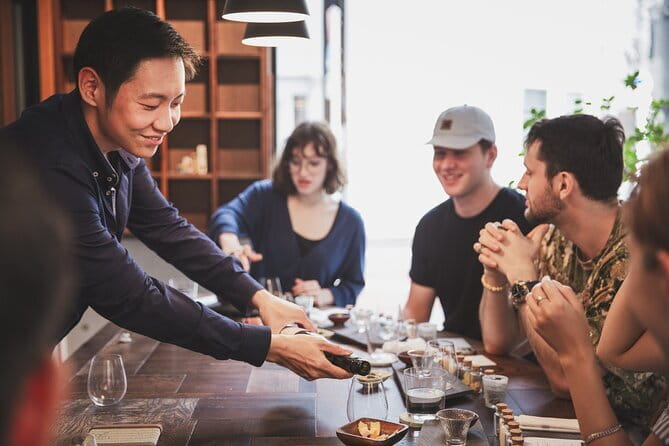
The activity lasts about 1 hour and 30 minutes. You can choose a morning or afternoon tasting, which makes it easier to fit around sightseeing in Tokyo.
A morning session may work well if you want a food-focused start and do not mind alcoholic beverages earlier in the day. An afternoon time can fit better after a morning visit elsewhere, though you should allow enough time to reach Shinbashi.
The private format is a real practical advantage. Your group does not have to match the pace of strangers, and you can spend more time on the flavors that interest you. Families, couples, and small groups with different levels of Japanese food experience may find this especially helpful.
The activity is near public transportation, and most people can participate. Service animals are allowed. The provider confirms bookings within 48 hours, subject to availability, so do not assume that a preferred morning or afternoon slot is secured until confirmation arrives.
The tour is booked, on average, about 59 days ahead. That suggests you should reserve early if your Tokyo dates are fixed, especially if you want a particular time or are traveling with a private group.
Is $36.24 a fair price?
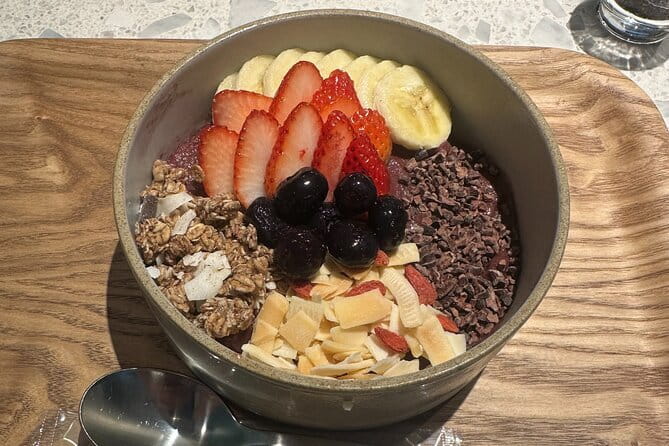
At $36.24 per person, this is not the cheapest way to eat a snack in Tokyo. It is also more than you would pay for a casual rice dish or a small purchase from a food shop.
The comparison is not quite fair, though. The price includes the tsukudani tastings, rice and furikake, snacks, brunch, and alcoholic beverages. You are also paying for the explanation of the food, the shop’s background, and the private format.
I see the strongest value for people who want a focused food experience. In 90 minutes, you sample several versions, learn the traditional context, and test modern pairings. If you are already planning to spend money on sake tastings or specialty food, this gives you a more specific subject than a general drinking stop.
The value is weaker if you dislike seafood, rarely drink alcohol, or prefer a full meal. Since personal expenses beyond the included food and drinks are not covered, you should also budget for anything extra you buy at the shop or elsewhere.
A high satisfaction rating of 4.9 from 32 ratings, with 100 percent recommending it, supports the idea that the session delivers what it promises. The strongest praise focuses on the welcoming teaching style and the food itself. That matters here because the explanation is not decoration. It is what helps an unfamiliar dish make sense.
Who will enjoy this tasting most?
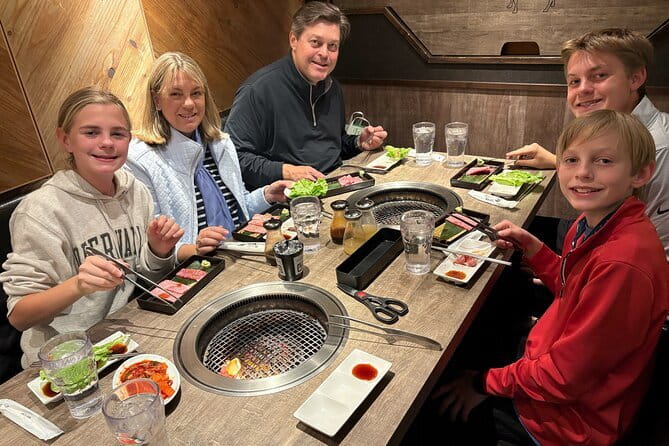
I would choose this for several kinds of visitors:
- Food-focused Tokyo visitors who want something more specific than a general market walk.
- Repeat visitors who have already seen the major sights and want a traditional local food subject.
- Curious drinkers who enjoy comparing sake and wine with strongly seasoned dishes.
- Small private groups that prefer questions and discussion without a large audience.
- Adventurous eaters who are willing to try preserved seafood in several forms.
- Visitors interested in Japanese home-style food rather than only famous restaurant dishes.
I would be more cautious if you are looking for a large meal, a cooking lesson, or a tour with a named English-speaking guide. No guide name or specific language details are provided, so confirm any language needs before booking.
The food itself is the main filter. Tsukudani has a distinctive preserved seafood profile. You may like its concentrated flavor, or you may find it too strong. The range of pairings helps, but it does not turn the dish into something entirely different.
Booking and cancellation details that matter
Free cancellation is available if you cancel at least 24 hours before the local start time. Cancellations or changes made less than 24 hours ahead are not accepted for a refund.
Because the activity is private and advance demand appears strong, check your confirmation carefully once it arrives. The booking confirmation can take up to 48 hours and depends on availability.
Use the mobile ticket and arrive at the listed Shinbashi Tamakiya meeting point. The activity ends back there, so you can plan your next Tokyo stop without arranging a return transfer.
Should you book Shinbashi Tamakiya?
Book it if you want a short, private, detail-focused food experience built around a traditional Japanese ingredient. The best parts are the three signature tsukudani tastings, the secret sauce, the rice and furikake pairing, and the surprising shift to wine, pasta, and nuts.
Skip it if you want a full meal, dislike preserved seafood, or prefer a broad neighborhood tour. For the right eater, $36.24 is a fair price for the amount of tasting and explanation included, especially with drinks and private attention.
I would reserve ahead, choose the time that fits your day, and arrive ready to try small portions with an open mind. Tsukudani is not flashy food. That is exactly why this experience is useful: it gives a quiet old Tokyo specialty a clear place in the modern table.
FAQ
Where does the tsukudani tasting take place?
The experience starts and ends at Shinbashi Tamakiya, at 4-chome 25, Shinbashi, Minato City, Tokyo, Japan, 105-0004.
How long does the experience last?
The tasting lasts approximately 1 hour and 30 minutes.
What is included in the price?
The price includes tsukudani tastings, snacks, brunch, and alcoholic beverages in the form of wine or sake pairings.
Can I choose between wine and sake?
Yes. The experience includes wine or sake pairings.
Is the experience private?
Yes. Only your group participates in the private activity.
Are morning and afternoon times available?
Yes. You can choose a morning or afternoon tasting, subject to availability.
Is transportation included?
No transportation is listed as included. The activity takes place at the Shinbashi Tamakiya meeting point and is near public transportation.
What is the cancellation policy?
You can cancel for a full refund up to 24 hours before the local start time. Cancellations or changes made less than 24 hours before the start time are not accepted for a refund.
New on our Tokyo list
- Tokyo Spectacular View Day-Cruise in 90 Minutes★ 5.0 · 25 reviews
- From Tokyo: Mount Fuji & Hakone Full Day Private Tour★ 4.9 · 25 reviews
- Real Tokyo Runner Club : Daikoku Car Meet Night Tour with JDM Car★ 5.0 · 25 reviews
- 2.5 Hour-Guided Cycle Tour in the Central Tokyo★ 5.0 · 25 reviews
- Ramen Making from Scratch +Akihabara Tour –Cooking Class★ 5.0 · 25 reviews
- [Self-Drive] Tokyo & Daikoku Custom Car Driving Tour★ 4.9 · 25 reviews
- Tokyo: 2-Hour Night Bike Tour of the City’s Hidden Gems★ 4.9 · 25 reviews
- Samurai themed Entertainment show in Shinjuku★ 4.5 · 25 reviews
Sake & Whisky Tastings, compared.
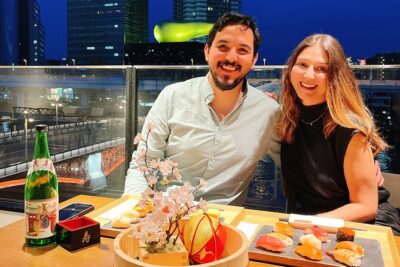
Ramen and Sushi Cooking Class with Sake Pairing Set in Tokyo
Read our review →
Sake Tasting Masterclass in Shinjuku (8+ Varieties with a Pro)
Read our review →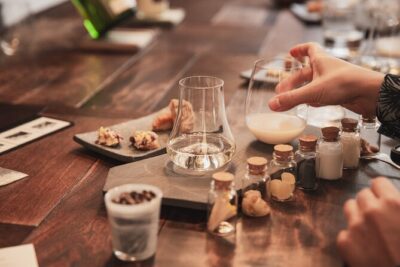
Sake Omakase in Tokyo: Guided Tasting by Certified Sommeliers
Read our review →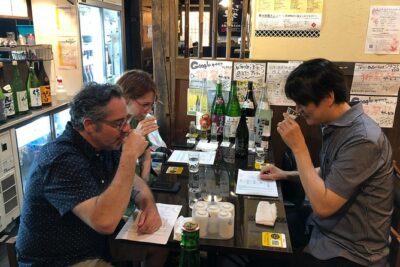
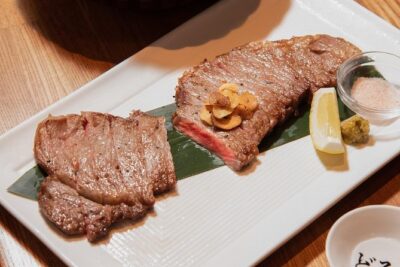
Wagyu & Sake Pairing in Shinjuku – Steak, Shabu-Shabu & More
Read our review →
Tokyo Wagyu & Sake Pairing Tasting Experience with Local Flavors
Read our review →
Sushi and Ramen Cooking Class with Sake Pairing Set
Read our review →
Tsukiji: Outer Market Walking Tour & Sake Tasting Experience
Read our review →Browse the lists this tour appears in