
Reviewed · KAMAKURA TOURS
First time in Kamakura? Enjoy a Tour of All Must-sees!
Kamakura packs a remarkable amount into one day: bamboo groves, a giant bronze Buddha, quiet gardens, an old shrine, and a shopping street full of local food. This private 7.5-hour tour gives you one guide for the whole outing, so you can ask questions, adjust the pace, and get help making sense of the temples rather than simply collecting photographs.
I like the mix of famous sights and smaller cultural stops, especially Hokoku-ji’s bamboo garden and the round window at Meigetsu-in. I also like the practical help: guides such as Yoshi, Akira, and Rumi have helped with delayed trains, prepared printed schedules, and offered food suggestions along the way.
The main thing to consider is the physical demand. You move among seven stops by public transport and on foot, with temple paths, stairs, and plenty of time outdoors. The tour price is $143.71 per person, but you should also budget about 5,300 JPY for transport, admissions, and a meal, plus 660 JPY for an optional experience.
In This Review
- Key points to know before booking
- Why this private Kamakura day works for first-time visitors
- Jomyo-ji and Hokoku-ji: matcha, moss, and bamboo
- Komachi Street: the best place to eat between temples
- Tsurugaoka Hachimangu: Kamakura’s central shrine
- Meigetsu-in: the round window and seasonal flowers
- The Great Buddha: Kamakura’s essential photograph
- Hase-dera: flowers, views, and a final climb
- What the $143.71 price really covers
- Guides and the human side of the day
- The walking, weather, and practical details
- Should you book this Kamakura tour?
- FAQ
- Where does the tour start and finish?
- How long does the tour last?
- Is this a private tour?
- Is transportation included?
- Are admission fees included?
- Is food included?
- Which sights are included in the route?
- Should I bring cash?
- Can I cancel for a full refund?
Key points to know before booking
- Seven major stops in one day: Visit Jomyo-ji, Hokoku-ji, Komachi Street, Tsurugaoka Hachimangu, Meigetsu-in, the Great Buddha, and Hase-dera.
- Private guiding: Your group has the guide’s full attention, with no strangers joining the activity.
- A smart first-day choice: The route covers the classic Kamakura sights and gives you local food advice for later.
- Public transport, not a private van: Transportation is arranged as part of the outing, but a private van and hotel pickup are not included.
- Walking is a real part of the tour: Comfortable clothing and shoes matter, especially if you want to enjoy Hase-dera’s sloping grounds.
- Cash is useful: Some places on the route do not accept credit cards.
Why this private Kamakura day works for first-time visitors
Kamakura is easy to reach from Tokyo, but its sights are spread across town. A first visit can become a map-reading exercise, especially when you are trying to decide which temple deserves your limited time. This tour removes much of that guesswork.
You start at Kamakura Station at 9:00 a.m. and return there at the end. That central meeting point is practical if you are arriving by train, but you need to build in extra time. If you reach the station late, public transport delays can cut into the day and reduce the number of sights you see.
The private format is the strongest feature for many people. You can ask why a shrine matters, pause for a photograph, or request a small change when the day allows it. One guide, Yoshi, has been praised for waiting patiently when a train ran late, while another guide, Akira, made special adjustments for an unusual travel situation. Those details matter more than a polished speech. Good day tours often succeed through small acts of care.
The tradeoff is that this is a busy schedule. Seven stops in seven and a half hours leaves limited room for lingering. If your ideal Kamakura day means sitting quietly in one garden for an hour, this plan may feel rushed. If you want a strong first look at the city, the pace makes sense.
More Kamakura and Enoshima days:
- Tokyo: Kamakura & Enoshima Day Trip including Temple Tickets
★ 4.5 · 1,375 reviews - Tokyo: Mt. Fuji, Kamakura, Big Buddha, & Lake Ashi Day Trip
★ 4.5 · 867 reviews - From Tokyo: Kamakura & Enoshima 1-Day Bus Tour
★ 4.5 · 189 reviews
Jomyo-ji and Hokoku-ji: matcha, moss, and bamboo
The first stop is Jomyo-ji Temple, where you have about 40 minutes. Its appeal is calm rather than spectacle. You can take in the Japanese garden and enjoy matcha while looking out over the grounds. The tea experience offers a simple way to connect the setting with Japanese customs instead of treating the temple as another photo stop.
Admission is not included, and the tour notes an optional experience cost of 660 JPY per person. Confirm with your guide what that cost covers on the day, since optional activities can depend on timing and local conditions.
Next comes Hokoku-ji Temple, with about 20 minutes among its bamboo. The grove is one of Kamakura’s most recognizable scenes, and the tall stalks create a sharp change from the open streets outside. It is an excellent place for photographs, but the short visit means you should not expect a long, slow walk through the grounds.
These two early stops work well together. Jomyo-ji gives you a quiet garden and tea, while Hokoku-ji supplies the striking visual moment. The short schedule also hints at the day ahead: you are sampling several places rather than settling into one.
Komachi Street: the best place to eat between temples
You get about an hour on Komachi Street, the shopping road that runs from Kamakura Station toward Tsurugaoka Hachimangu Shrine. Restaurants, snack counters, and souvenir shops line the route, making this the most informal part of the day.
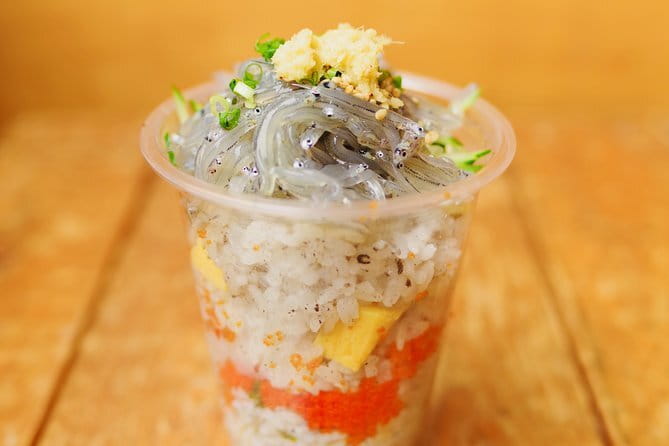
I would treat this hour as a chance to ask your guide targeted questions. What local foods are worth trying? Which items are specific to Kamakura? Where should you return later if you want another snack? The guide’s food advice is one of the tour’s useful extras, since a quick internet search rarely tells you what fits your appetite, budget, or schedule.
Food costs are not included. The estimated allowance is 1,000 JPY per person, but you pay for your own choices. Some shops do not take credit cards, so carry cash in yen. You may find that a few small purchases are easier here than at a formal restaurant, but the tour does not promise a set meal or a particular tasting menu.
Komachi Street can also be the noisiest and most crowded part of the outing. That contrast is valuable. After the stillness of two temples, you see how Kamakura works as a living town, not just an open-air museum.
Tsurugaoka Hachimangu: Kamakura’s central shrine
From Komachi Street, the tour continues to Tsurugaoka Hachimangu, with about 45 minutes at the shrine. This is one of Kamakura’s key cultural sites and has more than 1,000 years of history. It was worshiped by the Genji during the Kamakura era, tying the shrine directly to the city’s political and religious past.
The shrine is often described as a power spot, but I find it more useful to think of it as Kamakura’s central stage. Its scale and importance help explain why the city developed around this area. Your guide can add the context that a signboard cannot, especially if you ask about the shrine’s connection to the Kamakura period.
Admission is free, though food, transport, and other personal costs remain yours. Forty-five minutes should give you a solid orientation, but not enough time to inspect every corner. Keep your expectations realistic: this is a guided overview, not an exhaustive temple study.
Same corner of Kamakura, a completely different plan:
- Kamakura Historical Walking Tour with the Great Buddha
★ 5.0 · 129 reviews - Kamakura Private Tour: Temples, Nature, and the Great Buddha
★ 5.0 · 121 reviews - Kamakura Walking Tour – The City of Shogun
★ 5.0 · 100 reviews - Tokyo:Sea of Mount Fuji, Hakone Ropeway, Ōwakudani, Enoshima
★ 4.9 · 84 reviews
Meigetsu-in: the round window and seasonal flowers

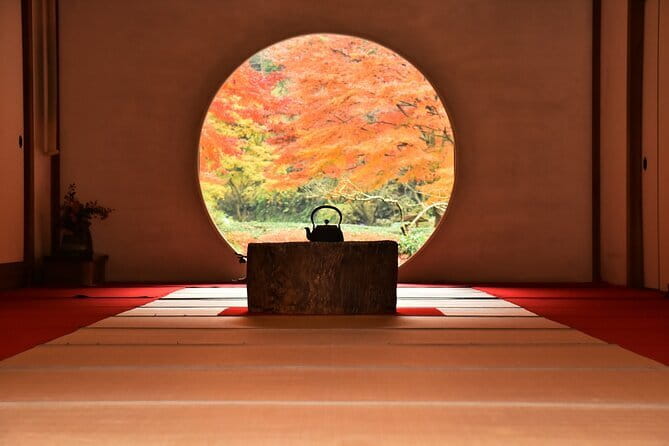
Meigetsu-in, often called Hydrangea Temple, receives about 30 minutes. The best-known feature is a large round window framing a garden beyond it. The shape creates a neatly composed view, with the window acting almost like a painting frame.
The appeal here is quiet and controlled. You look through the window, notice the garden, and feel how the architecture directs your attention. Meigetsu-in is also known for hydrangeas, so the season can affect what you see. The temple’s plants change through the year, but the tour data does not promise a particular bloom display.
Admission is not included. Thirty minutes is enough for the main view and a short look around, though anyone who loves gardens may want more time. One guest found Meigetsu-in especially memorable, which makes sense if you prefer subtle beauty to grand monuments.
This is also one of the stops where the walking begins to matter. You have already visited several sites, and the day is not finished. Take the chance to drink water and adjust your shoes before continuing.
The Great Buddha: Kamakura’s essential photograph
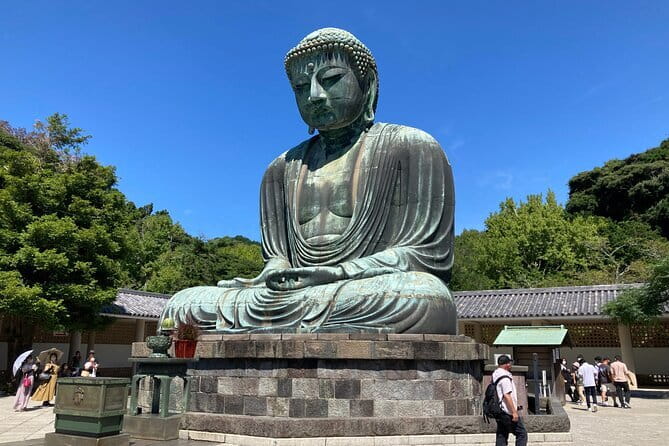
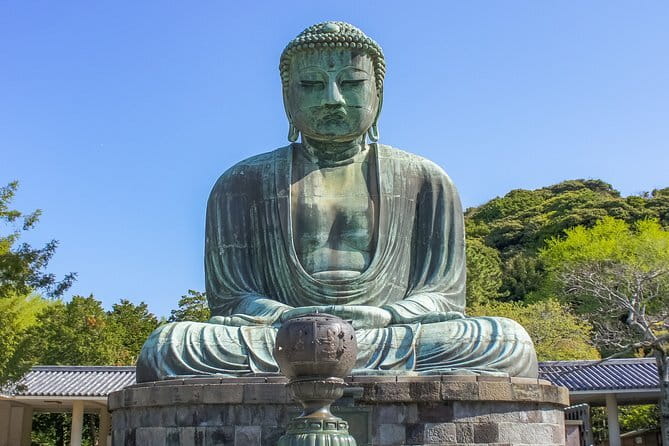
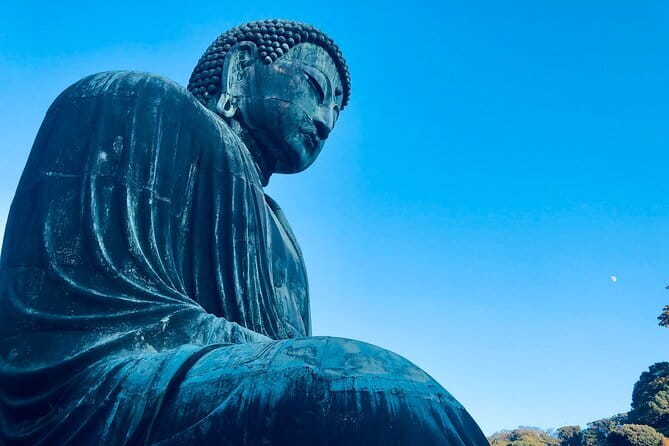
Kotoku-in Temple is home to the Great Buddha of Kamakura, the day’s most instantly recognizable sight. The bronze statue is more than 11 meters high, and you can pay to go inside it. About 35 minutes is scheduled here.
The statue gives the tour a strong centerpiece. After gardens, bamboo, and shrine architecture, you encounter a single monumental figure that is easy to understand even if you know little about Buddhism or Kamakura. Your guide can explain its place in the city’s religious story and help you decide how much time to spend around the statue.
Admission is not included. Going inside the Buddha costs extra, and the optional expense estimate is listed separately from the main admission and transport budget. Bring cash, since not every spot accepts cards.
The short timing is enough for the statue, photographs, and the interior option if you choose it. It is not enough for a long visit to every part of the temple grounds. If the Great Buddha is your top priority, tell your guide early so you can manage the time sensibly.
Hase-dera: flowers, views, and a final climb
Hase-dera is the final major stop, with about 45 minutes. It is also called Flower Temple because its grounds feature plants through all four seasons. The temple complex is large, with several areas to see as you walk uphill.
This stop asks the most from your legs. Paths rise through the grounds, and you may be tired by this point. The reward is variety: gardens, temple buildings, seasonal plants, and changing views as you climb. Wear comfortable shoes and clothing, exactly as the tour instructions advise.
Hase-dera makes a good final stop because it combines scenery with a sense of movement. You do not simply arrive, take one photograph, and leave. You walk through the grounds and see how a temple can use slopes, planting, and open views to create different moods.
The schedule may feel tight for anyone who wants to explore every level. Still, the stop completes the day well, especially after the very focused experience of the Great Buddha.
What the $143.71 price really covers
At $143.71 per person, this is not a budget sightseeing walk. You are paying mainly for a private guide and the convenience of having one person organize a full day across Kamakura.
The listed tour estimate adds about 5,300 JPY per person:
- 900 JPY for transportation
- 2,650 JPY for admission fees
- 1,000 JPY for a meal
- 660 JPY for an optional experience
These figures are estimates, not a prepaid package. You pay your own transport, admission, food, and drink costs as they arise. A private van is not included, and there is no pickup or drop-off service. The tour begins and ends at Kamakura Station.
The value depends on your priorities. For a solo visitor, the cost may feel high. For a family or small group, group discounts can improve the calculation, and the private setup means the guide’s time is devoted only to you. You also avoid spending hours working out how to link distant temples by public transport.
The price is easier to justify if you want background, food suggestions, and help adapting the day. It is harder to justify if you are comfortable using maps, reading temple signs, and choosing your own route.
Guides and the human side of the day
The strongest guiding examples come from the personal touches. Yoshi arrived with a printed itinerary, explained the plan, adjusted it when asked, and helped when a delayed train affected the start. Akira handled questions and unusual needs with confidence. Rumi helped connect the temples and shrines through their history.
That does not mean every guide will have the same style. One account describes a guide who was informed but quiet, responding mainly to questions rather than offering a steady flow of commentary. If you want a running lecture, say so at the beginning. If you prefer conversation and the freedom to ask as you go, the private format gives you room to shape the tone.
The tour has a 4.8 rating from 15 reviews and a 100 percent recommendation figure. That is encouraging, though the sample is small. The clearest pattern is that guides do well when they are attentive, flexible, and ready to explain the places in front of you.
The walking, weather, and practical details
Plan for a full day on your feet. The route includes temple paths, garden walks, station transfers, and the sloping grounds of Hase-dera. One person enjoyed only four of the five temple visits because the walking became tiring, a useful warning for anyone with limited stamina.
Weather can change the experience. If conditions are poor, transportation, destinations, and routes may change. Temporary closures can also lead to substitute stops. This flexibility protects the day, but it means you should not treat every listed sight as an absolute guarantee.
Bring:
- Comfortable walking shoes
- Cash in Japanese yen
- Water and weather-appropriate clothing
- Enough time to reach Kamakura Station before 9:00 a.m.
Most people can participate, and the meeting point is near public transportation. The tour is private, so only your own group joins. Confirmation arrives within 48 hours of booking, subject to availability. Free cancellation is available until 24 hours before the start time, while later cancellations and changes are not accepted.
Should you book this Kamakura tour?
Book it if this is your first visit, you want the major sights in one day, and you value a guide who can explain the temples while handling the practical details. It is especially suitable for small groups and families who prefer a private schedule to a large coach outing.
Think twice if you want a slow garden day, dislike frequent transit, or expect all admissions and meals to be covered by the advertised price. The walking is substantial, and the seven-stop plan leaves little spare time.
For a first look at Kamakura, I like the balance of bamboo, matcha, shrine architecture, local food, the Great Buddha, and Hase-dera. Just arrive early, carry cash, wear good shoes, and view the tour as a well-guided introduction rather than a leisurely study of every temple.
FAQ
Where does the tour start and finish?
The tour starts at Kamakura Station at 9:00 a.m. It ends back at the same meeting point.
How long does the tour last?
The experience lasts approximately 7 hours and 30 minutes.
Is this a private tour?
Yes. Only your group participates, and the tour includes a private guide.
Is transportation included?
The guide’s necessary tour expenses are included, but your transportation costs are not. The estimated transportation cost is 900 JPY per person. A private van is not included.
Are admission fees included?
No. Entrance fees are paid by you. The estimated admission total is 2,650 JPY per person.
Is food included?
No. Food and drinks are not included. The estimated meal cost is 1,000 JPY per person.
Which sights are included in the route?
The planned stops are Jomyo-ji Temple, Hokoku-ji Temple, Komachi Street, Tsurugaoka Hachimangu Shrine, Meigetsu-in, Kotoku-in with the Great Buddha, and Hase-dera Temple.
Should I bring cash?
Yes. Some places visited on the tour do not accept credit cards, so Japanese yen is useful for admissions, food, transport, and optional costs.
Can I cancel for a full refund?
You can cancel at least 24 hours before the experience start time for a full refund. Cancellations or changes made less than 24 hours before the start time are not accepted.
New on our Kamakura list
- 1-Day trip: Kamakura City (Enoshima/Shonan/Beach)★ 4.7 · 3 reviews
- Kamakura Zen: Great Buddha, Nature, Bamboo & Samurai Culture★ 5.0 · 3 reviews
- Kamakura Half Day Walking Tour with Local Experience★ 3.4 · 4 reviews
- Hiking Tour in Enoshima with a Local Guide★ 5.0 · 4 reviews
- Kamakura Tour with Pro Photographer: Anime Train & Fuji Sunset★ 5.0 · 4 reviews
- Kamakura Private Custom Tour★ 5.0 · 4 reviews
- Kamakura Historical and Cultural Day Trip with Local Cuisine★ 5.0 · 4 reviews
- Kamakura Full-Day Private Tour★ 5.0 · 4 reviews
Kamakura Tours, compared.
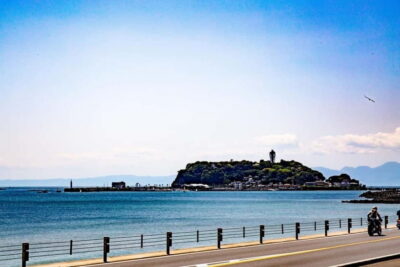
Kamakura & Enoshima Day Trip including Temple Tickets
Read our review →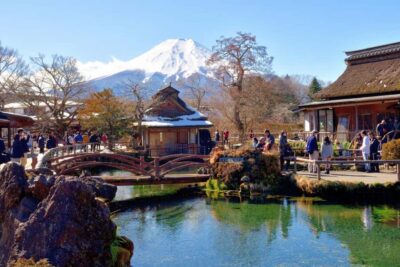
Mt. Fuji, Kamakura, Big Buddha, & Lake Ashi Day Trip
Read our review →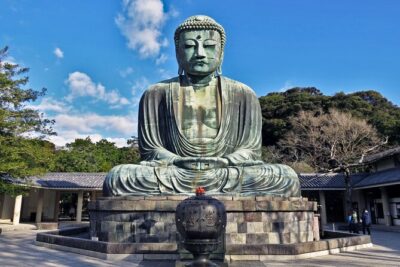
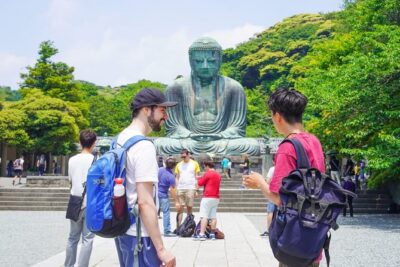
Kamakura Historical Walking Tour with the Great Buddha
Read our review →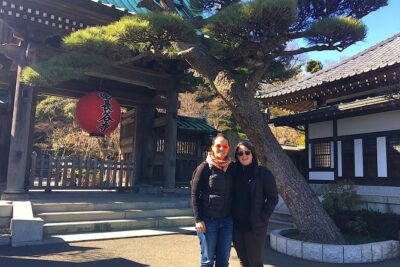
Kamakura Private Tour: Temples, Nature, and the Great Buddha
Read our review →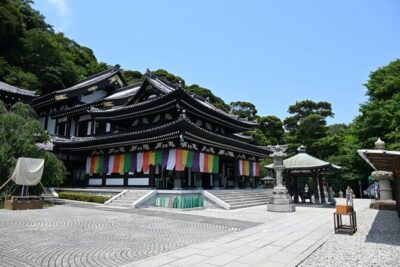
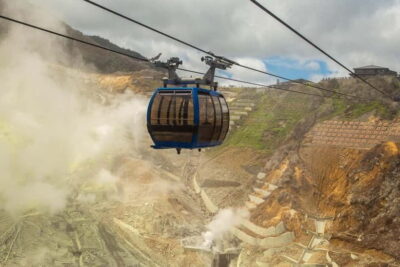
Sea of Mount Fuji, Hakone Ropeway, Ōwakudani, Enoshima
Read our review →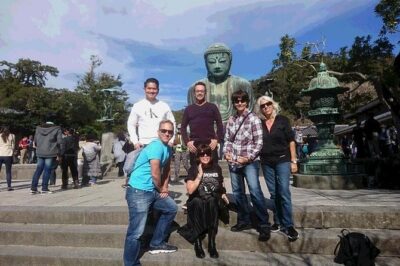
Kamakura 8 hr Private Walking Tour with Licensed Guide from Tokyo
Read our review →Browse the lists this tour appears in