
Reviewed · TEMPLE & SHRINE TOURS
Kamakura Historical Walking Tour with the Great Buddha
Kamakura packs a lot into one walk: a grand Shinto shrine, an old Buddhist temple, a forest trail, the Great Buddha, and a stretch of beach where Mt. Fuji may appear across the water. This tour gives you a useful introduction without making you arrange each admission, meal, and turn on your own.
I like the small maximum of seven people, which keeps the guide close enough to answer questions. I also like the mix of food, worship sites, and scenery. You are not spending five hours looking only at temple gates. The catch is the walking: about 5 kilometers total, including a 2.5-kilometer trail that can be steep and slippery.
In This Review
- Key points
- Why Kamakura works so well as a day trip
- Komachi Street: start with snacks, not a lecture
- Tsurugaoka Hachimangu puts Kamakura’s past in view
- Hasedera combines gardens, views, and a small cave
- The Great Buddha is the day’s essential sight
- The wooded trail is rewarding, but take the warning seriously
- Yuigahama Beach ends the tour beside the sea
- What the $98.44 price gets you
- Which guide can shape your day
- Who should book this Kamakura walk?
- Final call: a strong choice for a first Kamakura day
- FAQ
- How long does the Kamakura Historical Walking Tour last?
- Where does the tour meet?
- What is included in the tour price?
- Is transportation included?
- How much walking is involved?
- Do I need hiking shoes?
- Is lunch vegetarian or vegan?
- What happens if it rains?
- How many people can join the tour?
Key points
- The Great Buddha and Hasedera admissions are included, along with temple lunch and Komachi Street food samples.
- The 2.5-kilometer hiking trail adds real scenery, but you need proper shoes and reasonable comfort on uneven ground.
- Groups are capped at seven people, making it easier to ask about Japanese customs and local history.
- Guides such as Ken, Mark, Isao, Fujii, Yoko, and Rookie have been praised for warmth, patience, and useful local advice.
- Rain changes the route, with a train ride used to reach the Great Buddha if the trail cannot be used.
- The 10:00 a.m. start at Kamakura Station makes this a practical day trip from the Tokyo area, but arriving late can disrupt the group.
Why Kamakura works so well as a day trip
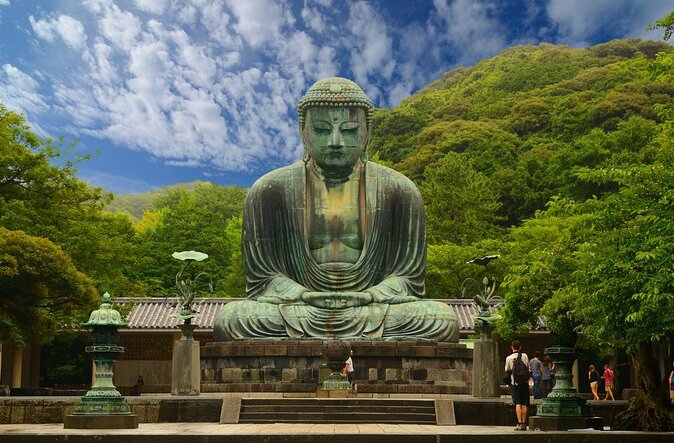
Kamakura was Japan’s political center during the medieval Kamakura period, and its religious sites still shape the town. You get the feeling of an old capital without needing a full museum day. Shrines, temples, wooded paths, shopping streets, and the sea all sit within a compact area.
This tour is built for a first visit. You begin at Kamakura Station’s west side, then move through central Kamakura before reaching the major temple and Buddha sights. By the end, you have seen the essential landmarks and sampled parts of daily Japanese life.
The pace is active rather than rushed. Five hours may sound long for a walking tour, but the schedule includes food, explanations, photo stops, temple visits, and a trail. I would not choose it if you want a slow morning with long café breaks. I would choose it if you want a clear introduction to Kamakura in one outing.
More Temple & Shrine Tours in Kamakura
- Tokyo: Kamakura & Enoshima Day Trip including Temple Tickets
★ 4.5 · 1,375 reviews - Kamakura Private Tour: Temples, Nature, and the Great Buddha
★ 5.0 · 121 reviews - From Tokyo Kamakura, Hachimangu Shrine and Enoshima Full Day Tour
★ 4.5 · 36 reviews
Komachi Street: start with snacks, not a lecture
The tour begins at 10:00 a.m. near the clock tower plaza outside Kamakura Station’s west exit. From there, you head toward Komachi Street, the shopping road that runs parallel to Wakamiya-Oji Street and leads toward Tsurugaoka Hachimangu.
You spend about 20 minutes sampling Japanese snacks and street foods. That is a smart opening. A little food gives you energy for the walking ahead, and the guide can explain what you are eating instead of leaving you to guess at unfamiliar displays.
Komachi Street is also a useful first look at Kamakura’s visitor economy. You will see shops, sweets, snacks, and small food counters rather than only formal historic sites. The included tastings are limited, so bring money if you want additional food. The tour specifically excludes extra purchases.
I would keep your hands free here. You will be walking for several more hours, and a small bag is easier than carrying shopping. Also, start with water. The tour covers around 5 kilometers, and summer conditions in Japan can be very hot.
Tsurugaoka Hachimangu puts Kamakura’s past in view
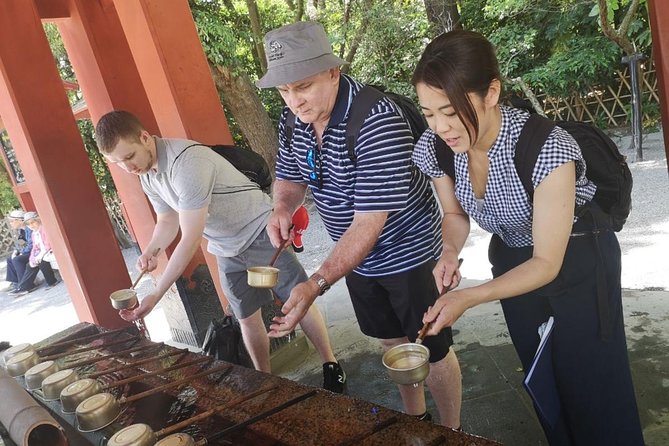
Next comes Tsurugaoka Hachimangu, Kamakura’s major Shinto shrine. You have about 30 minutes here, enough for the guide to explain the shrine’s role and basic points of Japanese culture and etiquette.
This is an important stop because it gives context to the town. The shrine is not just a photogenic entrance gate. It connects Kamakura’s religious life with the samurai government that made the city important. A guide can point out customs that are easy to miss, such as how to behave at a Shinto shrine and what the various spaces are used for.
The visit is relatively short, so do not expect to inspect every corner. That trade-off helps the tour fit in Hasedera, the Great Buddha, the trail, and the coast. If you want a very detailed study of Tsurugaoka Hachimangu alone, you will need extra time after the tour.
The guides appear to be strongest when explaining culture in plain terms. Ken, Mark, and Isao, also called Isaac, have each been praised for friendly explanations and practical help. Mark has also helped with train directions for returning toward Yokohama, which is useful if you are still finding your way around the area.
Hasedera combines gardens, views, and a small cave
Hasedera gets roughly 50 minutes, making it one of the longer temple visits. The temple is known for manicured grounds, coastal views, and a small cave that gives the stop a change of mood from the open shrine grounds.
You should expect some steps and sloped paths. The site is not simply a flat courtyard where you look at one building and leave. The views toward Yuigahama and the coast are part of the appeal, especially on a clear day.
Lunch is included here or at a temple setting during the tour. The meal is vegetarian, and vegan food is available. This adds real value, since you are not only paying for a guide and entrance tickets. You are also getting a planned Japanese-style meal in a setting that fits the day.
There is an important limit for people with strict food needs. Vegetarian choices are available but limited, and the operator cannot guarantee an allergy-free meal because the food comes from kitchens it does not control. Substitutions may not be possible at every stop. If your diet is medically strict, contact the provider before booking and be prepared to bring or buy backup food.
More Walking Tours in Kamakura
- Kamakura Walking Tour – The City of Shogun
★ 5.0 · 100 reviews - Kamakura 8 hr Private Walking Tour with Licensed Guide from Tokyo
★ 5.0 · 80 reviews - Kamakura: Private Guided Walking Tour with Local Guide
★ 4.8 · 60 reviews - Kamakura 6hr Private Walking Tour with Government-Licensed Guide
★ 5.0 · 42 reviews
The Great Buddha is the day’s essential sight
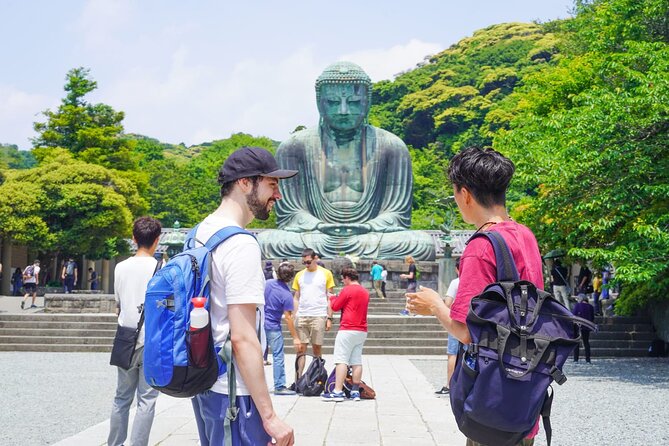
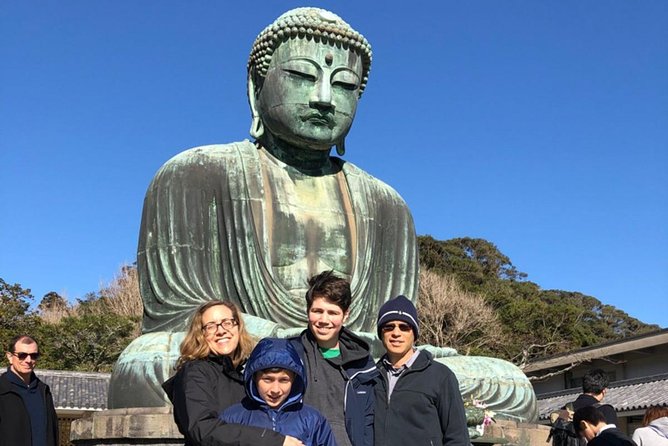
At Kotoku-in Temple, you meet Kamakura’s Daibutsu, or Great Buddha. You have about 40 minutes, including the entrance to the temple grounds.
The bronze Buddha has been in Kamakura for more than 750 years, and its scale makes it one of those sights that works even if you have seen many temples in Japan. The open-air setting also gives it a different feel from a Buddha statue inside a dark temple hall.
This is the point many first-time visitors most want to see, and the tour gives you enough time for photos and an explanation of the statue. The entrance fee is included, so you do not need to handle another ticket line or calculate the admission cost on the spot.
The route to the Great Buddha normally uses the hiking trail. In rain or poor trail conditions, the group takes a train instead. That is a sensible safety change, but it means the route may differ from the one shown in your original plan. If you are booking for the trail itself, understand that weather can remove that part of the experience.
The wooded trail is rewarding, but take the warning seriously

The hiking section is about 2.5 kilometers, and it is the part that gives this tour more character than a standard temple bus route. You pass through a wooded area and get views toward Yuigahama Beach, the Great Buddha area, and Hasedera.
Fujii has been praised for making this feel like a walk with a friend, while Yoko has led a route featuring Inari Jinja, the wooded trail, beach views, Hasedera, and a Japanese-style temple lunch. Those details show what a good guide can add: not just directions, but small adjustments based on the group and the day.
Do not treat this as a paved city stroll. The operator warns that parts of the trail can be slippery, and one account specifically describes some steep sections. Wear hiking shoes or sturdy walking shoes. Bring water and a towel, particularly in summer.
The trail may not suit anyone with limited mobility or a strong dislike of uneven ground. The general information says most people can participate, but the route still requires a fair amount of walking and hiking. If you are unsure, ask the provider about current trail conditions before you go.
Yuigahama Beach ends the tour beside the sea
The final section takes you to Yuigahama Beach and the Yuigahama area of Kamakura Seaside Park. You get about 20 minutes at each listed beach stop, mainly for photos and views.
The beach has pale sand and shallow water, and the setting gives the tour a welcome change after the temples and forest. You might see sailboats offshore, and on a clear day you may be able to photograph Mt. Fuji across the water. Fuji views depend on weather and visibility, so treat that as a possibility rather than a promise.
Enoshima Island is passed along the way rather than visited. That distinction matters. You will see it as part of the coastal scenery, but this tour does not give you time to explore the island.
The tour ends back at the original meeting point. The listed transportation cost is 440 yen and is not included in the tour price. Since the route may use a local train, keep some cash or another accepted way to pay for that expense.
What the $98.44 price gets you
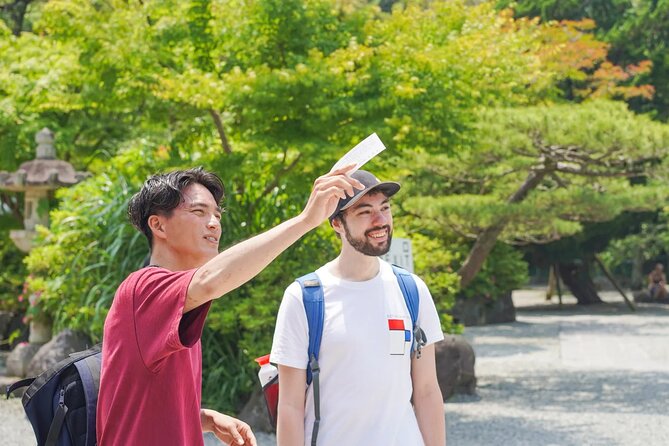
At $98.44 per person, this is not the cheapest way to walk around Kamakura. You can visit many Japanese shrines and public streets on your own for little or no admission cost. The price makes more sense when you count the pieces included:
- Admission to Hasedera
- Admission to the Great Buddha
- Street food samples on Komachi Street
- Vegetarian temple lunch, with vegan options available
- A certified MagicalTrip guide
- Photos
- A small group capped at seven
The value is strongest for a first-time visitor who wants the day organized. You avoid researching which temples to combine, learning the trail route, and figuring out how to fit the Buddha and beach into one walk.
The value is weaker if you already know Kamakura, prefer to set your own pace, or want to spend an hour or two at each temple. You are paying for structure and local explanation, not just transportation.
The 4.9 rating from 129 reviews and 98 percent recommendation rate support the idea that the format generally works well. Still, one serious practical warning matters: the meeting point is specific, and the tour starts on time. One person missed the experience after waiting in the wrong place or misunderstanding the meeting point. Confirm the exact location at Kamakura Station’s west side and arrive early.
Which guide can shape your day
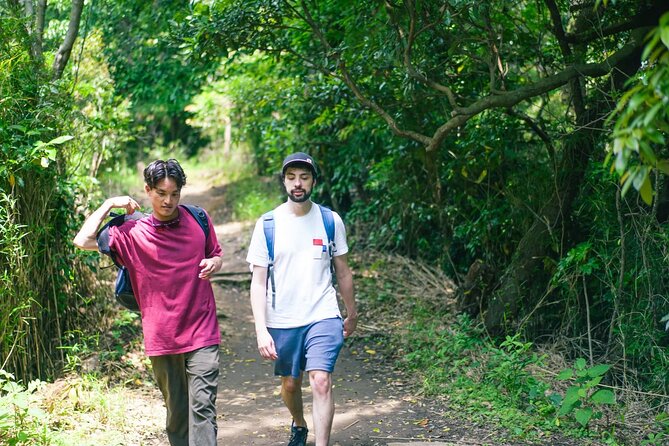
MagicalTrip assigns the guide, so you cannot count on a particular person. Names praised in the supplied feedback include Ken, Mark, Isao or Isaac, Fujii, Yoko, and Rookie.
The strongest guide qualities are consistent: friendly conversation, clear English, patience, help with train directions, and explanations of customs as well as buildings. Rookie, for example, took one group to less familiar shrines and temples and answered questions about Japanese etiquette. That kind of flexibility can make the day feel personal rather than scripted.
A small group helps here. With a maximum of seven people, you have a better chance to ask why a shrine uses a certain symbol or how to behave at a temple. It also lets the guide adjust explanations to the group’s interests, though the exact route can change with weather and trail conditions.
Who should book this Kamakura walk?
I would recommend it to first-time visitors staying in Tokyo, Yokohama, or the wider Tokyo area who want one well-shaped day outside the city. It also suits you if you want cultural explanation, included food, and a moderate hike rather than a chain of photo stops.
It is a good fit for active adults, couples, families with older children, and solo visitors who prefer company. The group size is small enough to avoid the feel of a large coach excursion.
I would hesitate if you have trouble walking 5 kilometers, do not have suitable shoes, or need guaranteed allergy-safe meals. I would also hesitate if your main goal is Enoshima, since the island is only passed by. And if rain is forecast, understand that the hiking trail may be replaced by a train ride.
Final call: a strong choice for a first Kamakura day
Book this tour if you want Kamakura’s main sights tied together with food, history, a short hike, and the coast. The combination of Tsurugaoka Hachimangu, Hasedera, the Great Buddha, and Yuigahama gives you a broad picture of the town in five hours.
Skip it if you want complete freedom or a quiet, unhurried temple visit. For most first-time visitors, though, the included admissions and lunch help justify the cost, and a good guide can make the customs and old sites far easier to understand. Wear sturdy shoes, bring water, confirm the west-side meeting point, and arrive before 10:00 a.m.
FAQ
How long does the Kamakura Historical Walking Tour last?
The tour lasts approximately five hours, starting at 10:00 a.m. and ending back at the original meeting point.
Where does the tour meet?
The meeting point is the clock tower plaza outside the west exit of JR Kamakura Station, at 12-3 Onarimachi, Kamakura, Kanagawa 248-0012, Japan.
What is included in the tour price?
The price includes entrance fees for the Great Buddha and Hasedera Temple, temple lunch, food samples on Komachi Street, photos, and a certified MagicalTrip guide.
Is transportation included?
Transportation is not included. The additional transportation fee is listed as 440 yen. In rainy conditions, the group may use a train to reach the Great Buddha instead of the hiking trail.
How much walking is involved?
The tour covers about 5 kilometers of walking and hiking. The hiking trail is about 2.5 kilometers long.
Do I need hiking shoes?
Suitable hiking clothes and shoes are recommended because some parts of the trail can be slippery. You should also bring water and a towel.
Is lunch vegetarian or vegan?
The included temple lunch is vegetarian, and a vegan menu is available. Vegetarian choices are limited, and the operator cannot guarantee allergy-free food or meet every dietary restriction.
What happens if it rains?
Routes may change if weather makes the hiking trail unusable. In rainy conditions, the group uses a train to see the Great Buddha instead of taking the hiking trail. If the activity is canceled because of poor weather, you can receive a different date or a full refund.
How many people can join the tour?
The tour has a maximum of seven travelers.
More Historical Tours in Kamakura
- Tokyo: Imperial Palace and Shogun Historical Walking Tour
★ 5.0 · 2,251 reviews - Tokyo: Imperial Palace Japanese History Walking Tour
★ 4.9 · 987 reviews - Tokyo: Shinjuku Historical Walking Tour & Secret Backstreets
★ 5.0 · 530 reviews - Yanaka Walking Tour: Historic and Traditional District of Tokyo
★ 5.0 · 530 reviews
More Temple and Shrine Visits
- Day Trip to Kamakura & Enoshima: Shrines, Seaside, Temples & Tea
★ 5.0 · 32 reviews - Tokyo: Meiji Shrine, Asakusa, Skytree Bus Tour and Cruise
★ 4.7 · 1,986 reviews - Tokyo: Asakusa Walking Tour with Sensoji Temple Visit
★ 4.8 · 1,583 reviews - Nikko: Kegon Falls, Lake Chuzenji & Toshogu Temple
★ 4.6 · 1,577 reviews
New on our Kamakura list
- Buddha, Bamboo & Zen – Bespoke Kamakura Private Walking Tours★ 5.0 · 25 reviews
- Yokohama and Kamakura 6hr Private Trip Government-Licensed Guide★ 5.0 · 25 reviews
- Tokyo: Kamakura and Yokohama Private Day Trip with Guide★ 4.6 · 27 reviews
- Private Kamakura plus Yokohama Tour – English Speaking Driver★ 4.5 · 28 reviews
- Day Trip to Kamakura & Enoshima: Shrines, Seaside, Temples & Tea★ 5.0 · 32 reviews
- Kamakura: A Journey Through Medieval Japan★ 4.9 · 32 reviews
- From Tokyo: Kamakura Private Customize Tour by Luxury Van★ 4.6 · 38 reviews
- Exciting Kamakura – One Day Tour from Tokyo★ 5.0 · 40 reviews
Temple & Shrine Tours, compared.
Meiji Shrine, Asakusa, Skytree Bus Tour and Cruise
Read our review →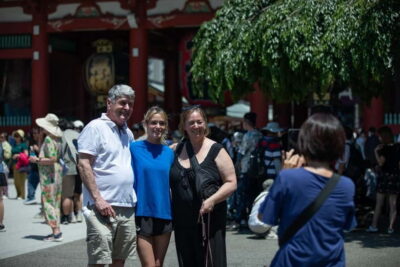
Asakusa Walking Tour with Sensoji Temple Visit
Read our review →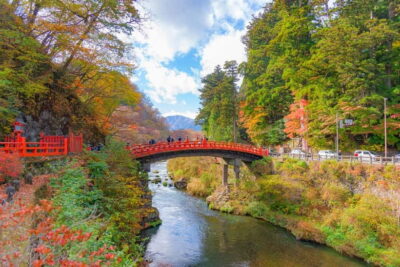
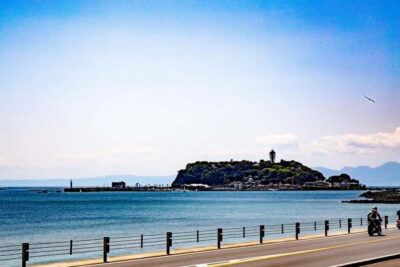
Kamakura & Enoshima Day Trip including Temple Tickets
Read our review →
Nikko Toshogu Shrine and Kegon Waterfall Tour
Read our review →
Tokyo Panoramic 1 Day: Meiji Shrine, Asakusa, Odaiba and SKYTREE®
Read our review →
Mt. Fuji Heritage Tour: Traditional Villages, Lakes & Shrine
Read our review →Browse the lists this tour appears in