
Reviewed · SAMURAI & NINJA EXPERIENCES
Kamakura Zen: Great Buddha, Nature, Bamboo & Samurai Culture
Kamakura’s best moments come from the sharp change of mood between its sites: the massive Great Buddha, a quiet bamboo grove, and the grand shrine tied to Japan’s samurai rulers. Guide Deen leads this four-hour English tour through that mix, with temple gardens, a cave, local shopping, and a little time for tea.
I like the way the tour covers several sides of Kamakura without making you choose between history and nature. I also like that entry tickets and photos are included, and that Deen can add useful advice for lunch and the rest of your afternoon. The main consideration is cost control: transport fares are extra, and the fixed public-group schedule leaves limited room to linger.
In This Review
- Key points to know before you book
- Why this four-hour route works in Kamakura
- Kotoku-in and the Great Buddha
- Hasedera’s gardens, Kannon statue, and cave
- Hokokuji and the bamboo grove
- Tsurugaoka Hachimangu and Kamakura’s samurai past
- Komachidori Street for snacks and souvenirs
- What the guide adds to the experience
- Walking, weather, and practical comfort
- Who will get the most from this tour?
- Is Kamakura Zen worth $64?
- Should you book Kamakura Zen?
- FAQ
- Where does the tour start?
- How do I find the meeting point?
- Where does the tour finish?
- How long does the experience last?
- What language is the tour conducted in?
- Is transportation included in the price?
- Are admission tickets included?
- Is matcha tea included?
- What should I bring?
- Is the tour suitable for wheelchair users?
Key points to know before you book
- The Great Buddha gives you Kamakura’s big opening moment: You see the city’s best-known statue early, with about 30 minutes at Kotoku-in.
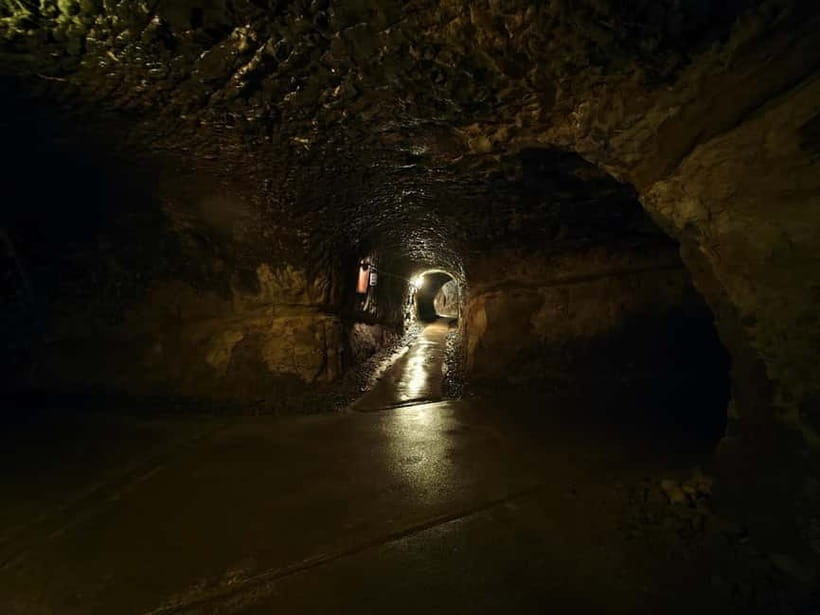
- Hasedera adds gardens, a Kannon statue, and Benzaiten’s cave: Plan on stairs and uneven walking here.
- Hokokuji’s bamboo grove is the calmest stop: The optional matcha tea is served in a special setting and costs attention, time, and possibly an extra fee.
- Tsurugaoka Hachimangu connects the tour to samurai culture: This is Kamakura’s major warrior-era shrine.
- Komachidori Street finishes the outing well: Use the final 30 minutes for snacks, souvenirs, and a look at Kamakura’s old-town side.
- The tour is led in English by Deen: His friendly manner and site knowledge received the strongest praise in the available feedback.
Why this four-hour route works in Kamakura
Kamakura can feel scattered when you first look at a map. The temples and shrines are spread across different parts of town, and the most famous places do not all sit within one easy walking loop. This tour solves part of that problem by linking the Great Buddha area, Hase, the bamboo grove, Tsurugaoka Hachimangu, and central shopping streets in one morning or afternoon.
The route starts and ends at the Kamakura City Tourist Information Center beside the East Exit of Kamakura Station. That is a sensible meeting point because you can arrive by train, find the station exit, and get your bearings before the group sets off.
You should arrive about 10 minutes early. The tour uses public transport rather than a private car, so you will take short bus, tram, and walking sections between the major stops. The listed travel times are brief, but boarding and moving as a group can still make the route feel active rather than leisurely.
For $64 per person, I see this as a reasonable choice if you want a guide and plan to visit all five main areas anyway. Temple and shrine admission is included, as are photos taken during the tour. You still pay for your own train or bus fares, food, drinks, souvenirs, and any optional tea, so the final cost will be higher than the headline price.
More Temple & Shrine Tours in Kamakura
- Tokyo: Kamakura & Enoshima Day Trip including Temple Tickets
★ 4.5 · 1,375 reviews - Kamakura Historical Walking Tour with the Great Buddha
★ 5.0 · 129 reviews - Kamakura Private Tour: Temples, Nature, and the Great Buddha
★ 5.0 · 121 reviews
Kotoku-in and the Great Buddha
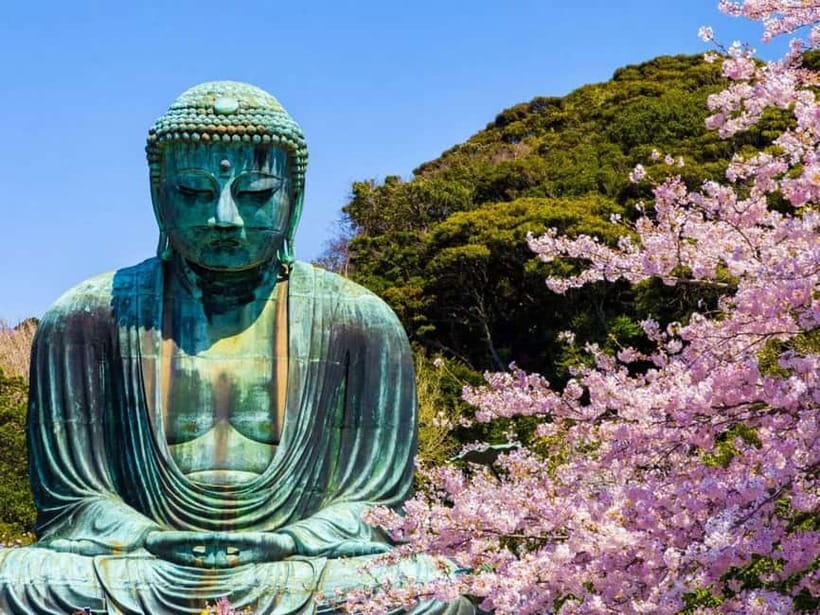
The first major stop is Kotoku-in, home of Kamakura’s famous Great Buddha. You get about 30 minutes here, which is enough to take in the statue, photograph it, and hear the basic story of the site without letting the visit swallow the rest of the afternoon.
The statue provides a strong sense of scale. It is the sort of sight that works even if you have seen many Japanese temples, because the open setting and immense seated figure create a different mood from a statue inside a dark hall.
This short visit is also useful for setting the tone. Kamakura is not only about quiet gardens and wooden buildings. It has large, memorable symbols too, and the Great Buddha is the clearest example.
Thirty minutes is a firm limit, so do not expect a long, unhurried look at every corner of the grounds. If you want to study the statue closely or explore at a slow pace, a private visit would give you more freedom. On a group tour, the advantage is that you see the essential sight quickly and keep moving.
From here, you walk about five minutes to Hasedera. Wear shoes that you can walk in comfortably, since the day includes several changes between streets, temple grounds, and steps.
Hasedera’s gardens, Kannon statue, and cave
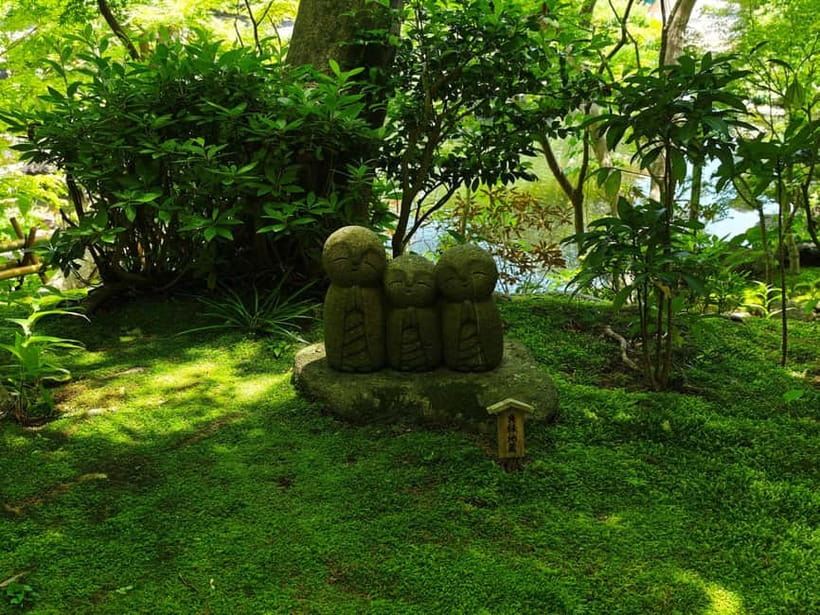
Hasedera receives about 45 minutes, making it the longest temple visit on the route. The temple is known for its elegant Kannon statue, tranquil gardens, Zen spaces, and Benzaiten’s cave.
The stop gives you more variety than a simple statue visit. You can shift from a formal religious space to garden scenery, then into a cave associated with Benzaiten. That change in setting is one reason Hasedera earns a substantial portion of the tour.
I would pay attention to the pace here. Forty-five minutes sounds generous, but the grounds offer several different points of interest, and some walking and stairs are involved. The tour information specifically recommends comfortable shoes and says the outing is not suitable for wheelchair users.
Hasedera is also a good place to listen to the guide rather than rushing for photographs. Deen is praised for being personable and for explaining the sites and Japanese culture clearly. That matters at a temple where the visual details can be easy to admire without understanding what you are seeing.
After Hasedera, the route uses a tram for about 10 minutes and then a bus for another 10 minutes. These transfers are part of the tour, but the fares are not included. Keep some cash ready, which is also recommended for snacks and other personal spending.
Hokokuji and the bamboo grove
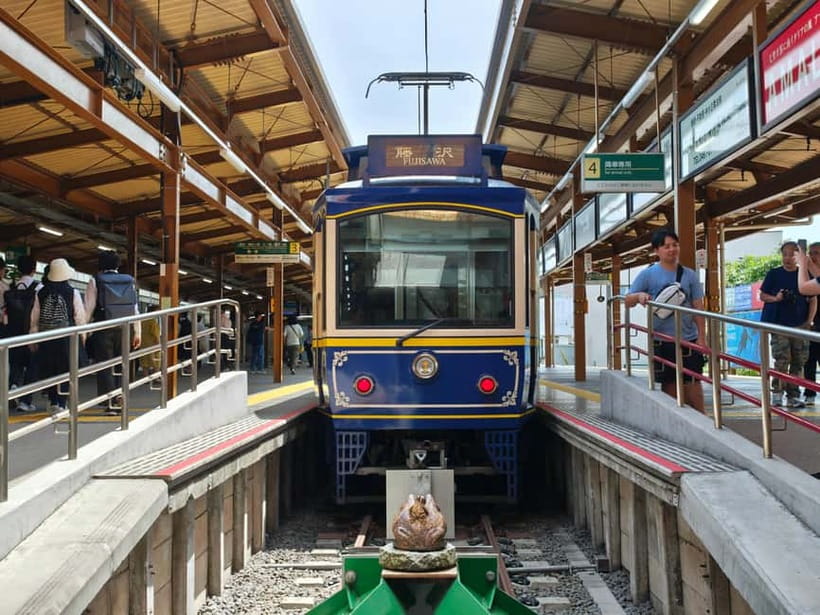
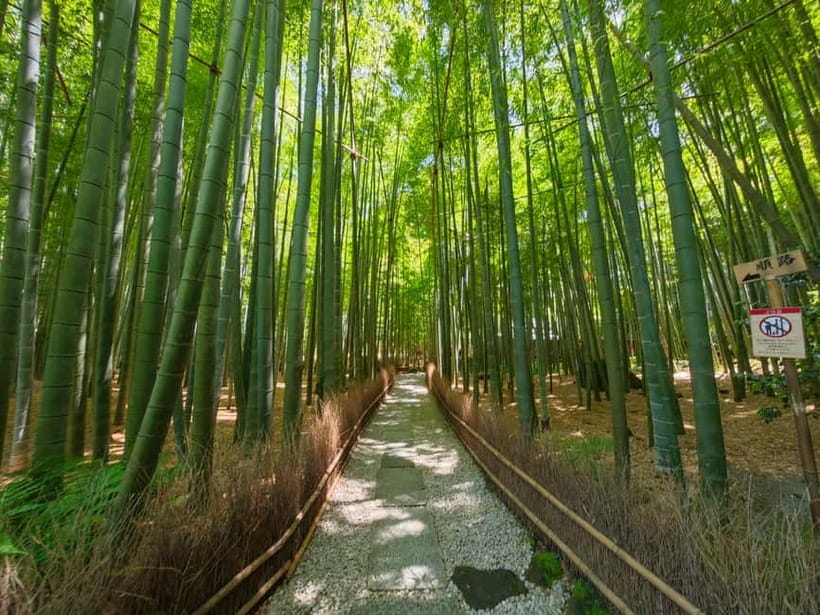
Hokokuji is the tour’s quiet nature break. You get about 30 minutes in the bamboo forest, where tall green stalks create a cooler, more sheltered feeling than the open streets around Kamakura.
The grove is not presented as a long forest walk. It is a compact stop within a tightly timed route, so think of it as a peaceful pause rather than a full afternoon in the woods. Even so, this may be the most restful part of the experience.
An optional matcha tea experience is included in the tour description as a choice, but the information does not state whether it costs extra. Check the current booking details before you count it in your budget. I would consider it if you enjoy traditional tea settings or want to slow down for a few minutes.
The tea is worth considering for the setting as much as for the drink itself. One useful tip from the tour feedback is that the location makes the experience appealing even if matcha is not your usual choice. You do not need to be a tea enthusiast to appreciate a calm pause in the bamboo grove.
The 30-minute limit means you should decide early whether you want tea. If you spend the whole visit photographing the grove, you may not have time for a relaxed tea stop. If the bamboo is your top priority, stay focused and follow the guide’s timing.
More samurai and ninja sessions:
- Kamakura; First Samurai Capital walking tour
★ 5.0 · 8 reviews - Tokyo: Samurai Ninja Museum Guided tour and Experience
★ 4.6 · 1,010 reviews - Tokyo: Samurai Sword & Archery Class from Samurai Descendant
★ 5.0 · 603 reviews - Best Samurai Experience in Tokyo
★ 5.0 · 458 reviews
Tsurugaoka Hachimangu and Kamakura’s samurai past
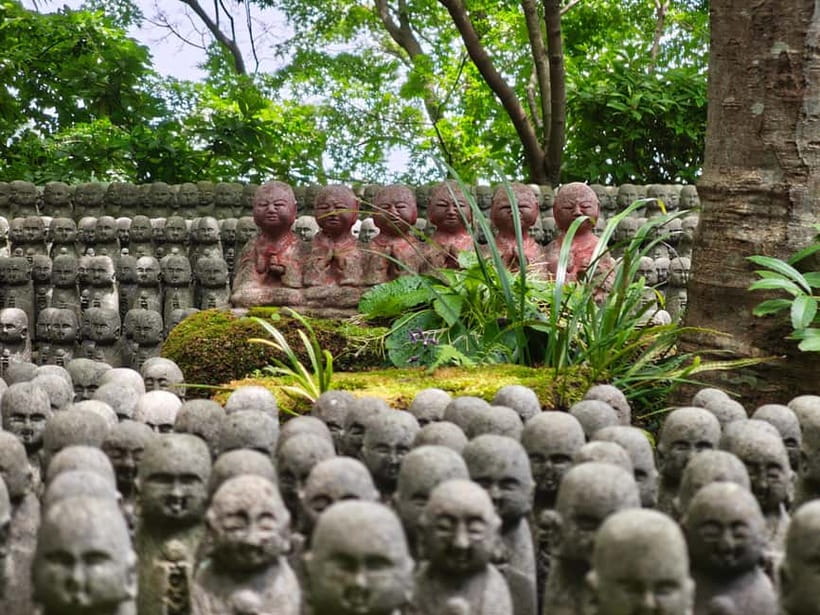
The next stop is Tsurugaoka Hachimangu, visited for about 30 minutes. This is the place that gives the tour its clearest connection to samurai culture and Kamakura’s warrior past.
The shrine is not simply another beautiful religious site. It is presented as the heart of Kamakura’s samurai story, making it an important counterpoint to the peaceful bamboo grove and Hasedera’s gardens. Here, the tour shifts back toward public ceremony, power, and the city’s role in Japan’s military history.
Thirty minutes allows you to see the main character of the shrine and hear why it matters, but it is not enough for a slow, independent exploration of every approach and building. That is the tradeoff of fitting so much into four hours. You receive a strong introduction, but you may want to return later if the shrine becomes your main interest.
The order is also worth noting. Tsurugaoka Hachimangu comes after Hokokuji rather than immediately after the Great Buddha. Public transport makes the schedule possible, but it means the day is arranged for coverage, not for a single historic walking route.
Still, the contrast works. You move from the Great Buddha to a major temple, from bamboo quiet to a shrine linked with samurai authority, then finish among shops and food stalls. The route keeps changing its character.
Komachidori Street for snacks and souvenirs
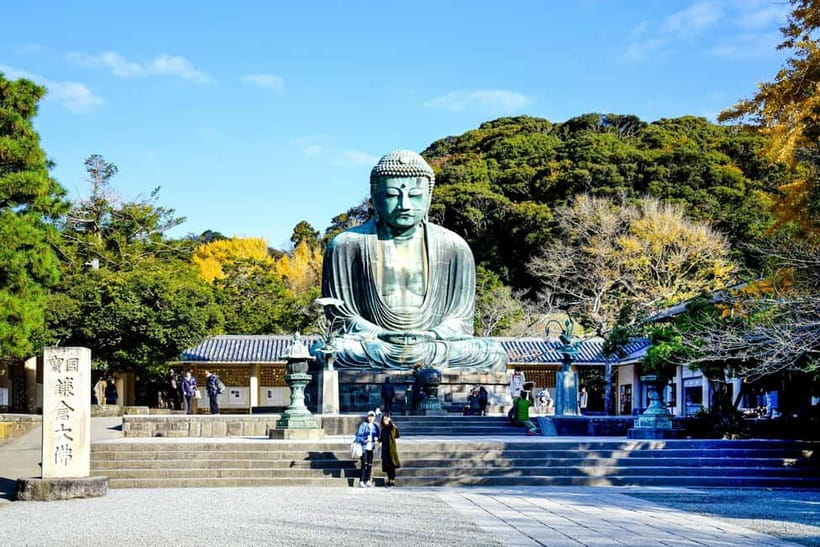
The tour ends with about 30 minutes on Komachidori Street. This is your chance to leave formal temple grounds and see Kamakura’s more social, commercial side.
You can use the time for local snacks, drinks, souvenirs, and a little old-town atmosphere. Since personal purchases are not included, bring cash. You may find the half-hour goes quickly, especially if you want to browse rather than simply walk through.
I like this ending because it gives the tour a practical finish. You are not dropped back at the station after one last shrine explanation. Instead, you get a short window to decide what you might want to eat or buy after the group portion ends.
The tour then returns on foot to the Kamakura City Tourist Information Center. From there, you can continue your own afternoon, and Deen may be able to suggest lunch or another activity. His lunch and afternoon advice was specifically praised, so it is worth asking before you part ways.
What the guide adds to the experience
The stops themselves are famous, but the guide is central to the value of this tour. Deen is the named English-speaking guide, and the strongest praise focuses on his friendly personality, patience, and ability to explain both the individual sites and Japanese culture more broadly.
That combination is useful in Kamakura. A guide can help you connect the Great Buddha to the city’s religious identity, Hasedera’s spaces to its spiritual purpose, and Tsurugaoka Hachimangu to the samurai world. Without that context, the day could become a parade of attractive buildings and statues.
You also receive photos taken during the tour. That is a small but practical benefit if you want a few pictures of yourself without asking strangers. Do not treat it as a professional photo session, but it can make the day easier for solo visitors and couples.
Because this is a public group tour with a fixed route, Deen cannot reshape the entire day around your interests. You should book it for clear guidance and broad coverage, not for a slow, private temple study.
Walking, weather, and practical comfort
This is a four-hour outing, but the walking is broken into short sections. You will walk between the station and meeting point, Kotoku-in and Hasedera, Hasedera and transport, and Tsurugaoka Hachimangu and Komachidori Street. Temple grounds also bring stairs and uneven surfaces.
Comfortable shoes are essential. Carry water, especially if the weather is warm, and bring cash for transport, snacks, drinks, and souvenirs. Since the tour runs rain or shine, pack an umbrella or other rain protection when needed. A hat and sunscreen are sensible in bright weather.
The tour is not suitable for wheelchair users. The stated reason for the practical concern is the walking and stairs, so anyone with limited mobility should consider this carefully before reserving.
English is the only listed tour language. If you need another language, this experience will not meet that need based on the available information.
Free cancellation is available up to 24 hours before the tour for a full refund, and you can reserve now and pay later. Those terms help if your Kamakura day depends on weather or a changing Japan itinerary.
Who will get the most from this tour?
I would choose this tour if you have one day in Kamakura and want a well-organized first look at its major sights. It suits you especially well if you prefer cultural explanation to wandering alone, or if you are unsure how to connect sites that are spread around town.
It is also a good fit for visitors who want variety. You see a huge Buddha, a Kannon temple with a cave and gardens, a bamboo grove, a samurai shrine, and a shopping street. Few four-hour outings offer such a broad change of mood.
Families with older children may appreciate the mix of statues, gardens, transport, samurai stories, bamboo, and snacks. The fixed timing may be harder for very young children who need frequent breaks, though the supplied information does not give a minimum age.
You may want another option if you dislike group schedules, need wheelchair access, or want to spend a long time at one temple. The route is full, and each stop has a planned duration. You will see more places, but you will not have unlimited time at any of them.
Is Kamakura Zen worth $64?
The price makes the most sense when you place a value on explanation and convenience. Entry tickets to all temples and shrines are included, as are photos and an English-speaking local guide. You still pay for transport and personal purchases, so compare the total with the cost of visiting independently.
The tour is strongest for first-time visitors. Deen’s advice can help you make better use of the rest of your day, and the route removes much of the guesswork involved in linking Kamakura’s separate sights.
The value is weaker if you already know Kamakura well or prefer a slow pace. You may spend less by choosing only two or three sites on your own, especially if you skip optional tea and shopping. The tour earns its price through coverage, interpretation, and a neatly arranged half-day.
Should you book Kamakura Zen?
Book it if you want Kamakura in miniature: the Great Buddha for scale, Hasedera for gardens and spiritual spaces, Hokokuji for bamboo and optional matcha, Tsurugaoka Hachimangu for samurai culture, and Komachidori for food and shopping.
I would be particularly comfortable recommending it to a first-time visitor who arrives by train and wants a friendly English guide. Deen’s clear explanations, personal manner, lunch advice, and help planning the afternoon add real value.
Skip it if you need a wheelchair-accessible route, dislike public-group timing, or want to explore each temple at length. For everyone else, this is a lively and practical introduction to Kamakura, with enough quiet moments to make the city feel like more than a quick stop from Tokyo.
FAQ
Where does the tour start?
The tour starts at the Kamakura City Tourist Information Center at the East Exit of Kamakura Station.
How do I find the meeting point?
After passing through the ticket gate at Kamakura Station, turn left. The Tourist Information Center is just ahead.
Where does the tour finish?
The tour returns to the Kamakura City Tourist Information Center at Kamakura Station’s East Exit.
How long does the experience last?
The tour lasts four hours.
What language is the tour conducted in?
The live tour guide service is in English.
Is transportation included in the price?
No. Train and bus fares to Kamakura, during the tour, and after the tour are not included. The tour does not provide a private car or bus.
Are admission tickets included?
Yes. Entry tickets to all temples and shrines visited on the tour are included.
Is matcha tea included?
The tour includes an optional matcha tea experience at the bamboo forest. The supplied information does not specify a separate price for the optional tea, so check the booking details.
What should I bring?
Bring comfortable shoes, water, and cash. Since the tour runs in all weather, bring suitable gear such as an umbrella, hat, or sunscreen.
Is the tour suitable for wheelchair users?
No. The tour is not suitable for wheelchair users, and the route includes walking and some stairs.
More Temple and Shrine Visits
- From Tokyo Kamakura, Hachimangu Shrine and Enoshima Full Day Tour
★ 4.5 · 36 reviews - Day Trip to Kamakura & Enoshima: Shrines, Seaside, Temples & Tea
★ 5.0 · 32 reviews - Kamakura Temples Private Guided Tour from Tokyo
★ 4.8 · 21 reviews - Kamakura Bamboo Forest and Great Buddha Private Tour
★ 5.0 · 12 reviews
New on our Kamakura list
- 1-Day trip: Kamakura City (Enoshima/Shonan/Beach)★ 4.7 · 3 reviews
- Kamakura Half Day Walking Tour with Local Experience★ 3.4 · 4 reviews
- Hiking Tour in Enoshima with a Local Guide★ 5.0 · 4 reviews
- Kamakura Tour with Pro Photographer: Anime Train & Fuji Sunset★ 5.0 · 4 reviews
- Kamakura Private Custom Tour★ 5.0 · 4 reviews
- Kamakura Historical and Cultural Day Trip with Local Cuisine★ 5.0 · 4 reviews
- Kamakura Full-Day Private Tour★ 5.0 · 4 reviews
- Whispers of Kamakura: Jean’s Full-Day Daibutsu & Hidden Walk★ 5.0 · 4 reviews
Samurai & Ninja Experiences, compared.
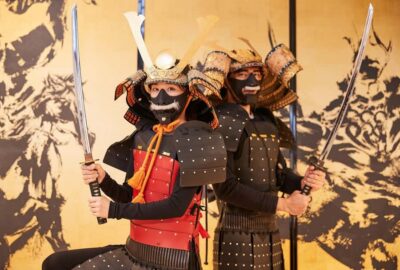
Samurai Ninja Museum Guided tour and Experience
Read our review →
Samurai Sword & Archery Class from Samurai Descendant
Read our review →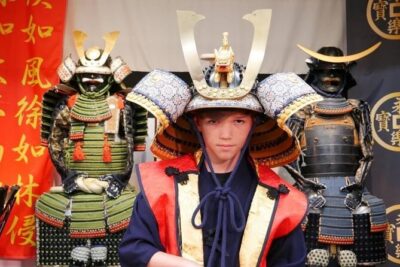
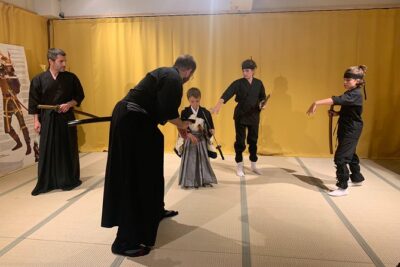
Ninja Experience (Family Friendly) at Samurai Ninja Museum TOKYO
Read our review →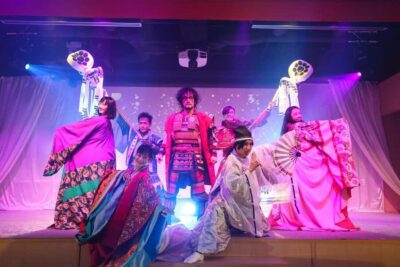
Samurai Entertainment Night Show in Kanda Shrine
Read our review →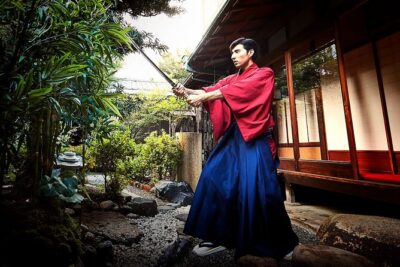
Tokyo Sword Experience – includes Museum Ticket/Ninja Experience
Read our review →
Samurai Ninja Museum Asakusa: Samurai Sword Lesson & Tour
Read our review →
Ninja Samurai 2-hour hands-on lesson by Japanese master in Tokyo
Read our review →Browse the lists this tour appears in