Reviewed · PRIVATE
Free Choice of Itineraries Tokyo Private Tour
Tokyo can feel like several cities at once, and this private tour lets you choose which four you want to see. You might spend the day among old temples and palace gardens, or mix food, city views, shopping districts, and Japan’s playful cafe culture. The choice is yours, and the guide helps connect the stops.
I like the private format, since your group does not have to follow a fixed sightseeing list. I also like the hotel pickup and public transport, which make a long Tokyo day easier to manage. The main catch is that $191.14 per person does not include admission fees, meals, or your own train and subway fares, and four major stops can make the day feel rushed.
In This Review
- Key points to know before booking
- A private Tokyo day built around your interests
- Choosing four stops that work together
- Tsukiji Outer Market for food and local color
- Senso-ji and the older side of Tokyo
- Skytree and Tokyo Tower, two very different views
- Ueno Zoo needs the biggest time commitment
- Shibuya and Meiji Jingu, modern energy beside forest
- Shinjuku Gyoen and Hama Rikyu Gardens
- The Imperial Palace East Gardens and Edo Castle remains
- Tokyo’s animal and cafe experiences
- Public transport, pickup, and the real cost
- Who will get the most from this tour
- Should you book the Free Choice of Itineraries Tokyo Private Tour?
- FAQ
- How long does the private Tokyo tour last?
- How many destinations can I choose?
- Which attractions can I choose?
- Is hotel pickup included?
- Is this a private tour?
- How do you get between the attractions?
- Are admission fees included?
- Is an English-speaking guide provided?
- Can I cancel for a refund?
Key points to know before booking
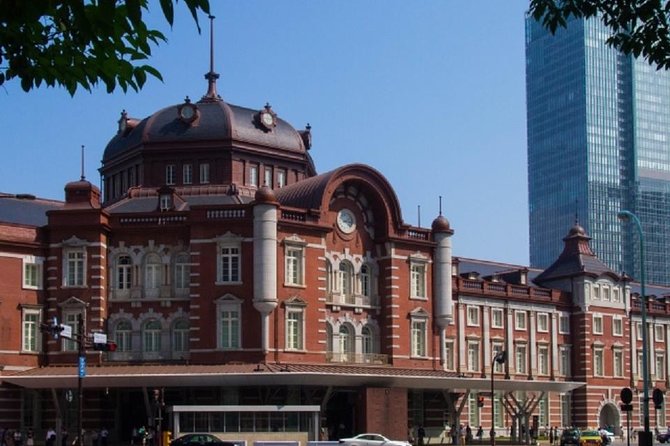
- You choose four destinations from 13 options, including Tsukiji Outer Market, Senso-ji, Shibuya Crossing, Tokyo Tower, and the Imperial Palace’s East Gardens.
- Your guide meets you at your hotel lobby, then travels with your private group by public transport.
- Admission fees are extra for places such as Tokyo Skytree, Ueno Zoo, Tokyo Tower, Shinjuku Gyoen, and the animal cafes.
- The itinerary is flexible in theme, so you can build a food-and-history day, a modern Tokyo day, or a mix of both.
- Guide Yoki has received praise for explaining Japanese history clearly and making the Imperial Palace, Skytree, and Tsukiji visits interesting.
- Free cancellation is available until 24 hours before the start time, which gives you some useful breathing room when planning.
A private Tokyo day built around your interests
The strongest idea here is simple: you pick four places, then a guide handles the day with you. Tokyo sightseeing can become a tiring exercise in crossing the city, so having one person help with directions and transport has real value.
This is not a hop-on, hop-off bus tour. You will use public transportation, walk between stations and sights, and pay your own fares. That gives you a more local way to move around, but it also means you should expect a full day on your feet.
After booking, you need to reply to the provider’s email with your four selected destinations. Do this promptly. The tour cannot be properly shaped around your interests until the choices are sent in.
The experience lasts about eight hours. You do not visit all 13 places. The listed stops are a menu, not a promise to see every attraction. That distinction matters, especially since the suggested visit times alone vary from 30 minutes at Shibuya Crossing to two and a half hours at Ueno Zoo.
A few more Tokyo bookings worth comparing
- Mt Fuji and Hakone 1-Day Bus Tour Return by Bullet Train
★ 5.0 · 26,383 reviews - 1-Day Tokyo Bus Tour
★ 5.0 · 14,250 reviews - Tokyo: TOKYO SKYTREE® Admission ticket
★ 4.5 · 11,192 reviews
Choosing four stops that work together
Your best choices depend on the kind of Tokyo day you want.
For a first visit, a strong traditional-modern mix could include Tsukiji Outer Market, Senso-ji, Shibuya Crossing, and Meiji Jingu Shrine. This gives you food, old Tokyo, a famous modern intersection, and a major shrine.
A city-view day could focus on Tokyo Skytree, Tokyo Tower, Shibuya Crossing, and Shinjuku Gyoen. The drawback is that two observation towers may feel repetitive, and entry fees can add up.
For history and gardens, consider Senso-ji, Hama Rikyu Gardens, the Imperial Palace East Gardens, and Meiji Jingu. This plan has a calmer pace, though it lacks the high-energy feel of Shibuya or Akihabara.
Families may prefer Ueno Zoo, Senso-ji, Tokyo Skytree, and Shibuya Crossing. The zoo alone is allotted two and a half hours, so the other stops will need careful timing.
You can also choose one of the unusual cafe experiences. The owl cafe in Akihabara, hedgehog cafe in Harajuku, and maid cafe in Akihabara offer a very different view of Tokyo. These are optional paid visits, and you should select them because you genuinely like the idea, not simply because they sound novel.
Tsukiji Outer Market for food and local color
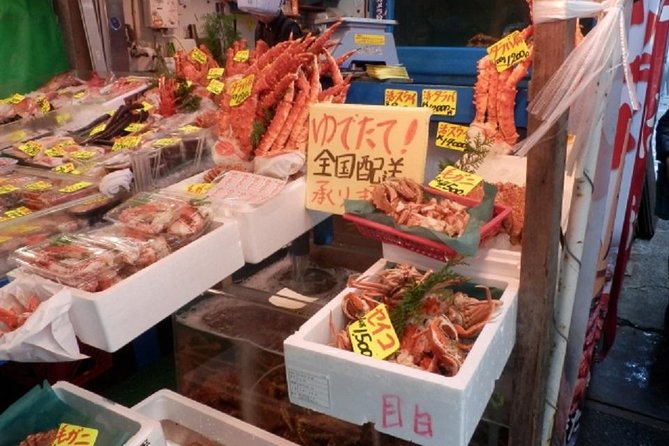
Tsukiji Outer Market is a good morning choice. The streets are lined with wholesale and retail shops, restaurants, seafood sellers, and stores offering traditional Japanese foods.
The suggested visit lasts one hour, which is enough for a quick look and a meal, but not for a slow food crawl. Food and drinks are not included, so budget separately for breakfast or lunch.
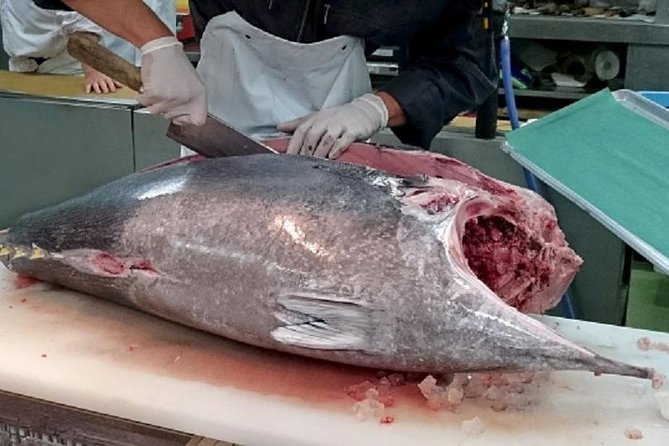
I would choose Tsukiji early in the day if possible. The market is presented as a place for fresh seafood and traditional food, making it one of the better stops for eating rather than simply looking at buildings.
The guide can also help give the market context. Still, your actual food choices and costs are your responsibility. If you want a quiet garden visit or a formal temple experience, Tsukiji may feel too commercial. If you want to taste Tokyo, it is a practical pick.
Senso-ji and the older side of Tokyo
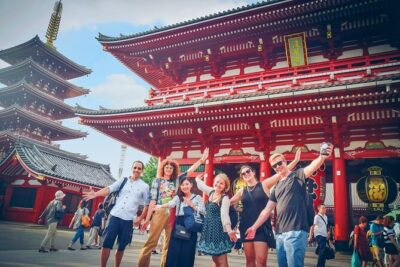
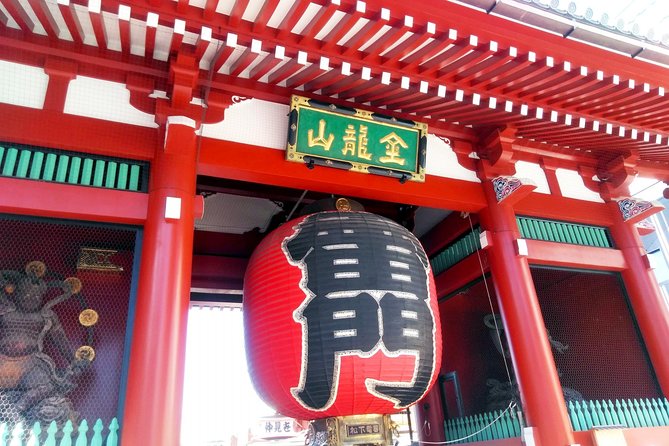
Senso-ji is one of Tokyo’s best-known temples, with a five-story pagoda and the Hozo-mon, or Treasure-House, Gate. The suggested visit is one hour, admission is free, and the temple is easy to pair with Tsukiji or Ueno.
This is a useful choice for a first-time visit because it gives you a clear look at traditional religious architecture in the middle of a modern capital. The grounds offer more than a quick photo stop, though one hour will not cover every corner at a leisurely pace.
I would ask the guide to explain the main buildings and the customs of visiting a temple. The tour promises an English-speaking professional guide, and the private setup gives you a chance to ask questions instead of listening from the back of a large group.
Senso-ji is not the right choice if your main goal is a quiet, secluded setting. It is one of Tokyo’s most popular attractions. Its appeal is the combination of history, architecture, and urban energy.
Same corner of Tokyo, a completely different plan:
- Tokyo: teamLab Planets TOKYO Digital Art Museum Entry Ticket
★ 4.6 · 9,779 reviews - Mt Fuji & Hakone Cruise, Drum Show Bullet Train 1 Day from Tokyo
★ 4.0 · 7,413 reviews - Tokyo: Sumo Show Experience with Chicken Hot Pot and a Photo
★ 4.8 · 6,678 reviews - Tokyo: Shinjuku Food Tour (13 Dishes at 4 Local Eateries)
★ 5.0 · 6,603 reviews
Skytree and Tokyo Tower, two very different views
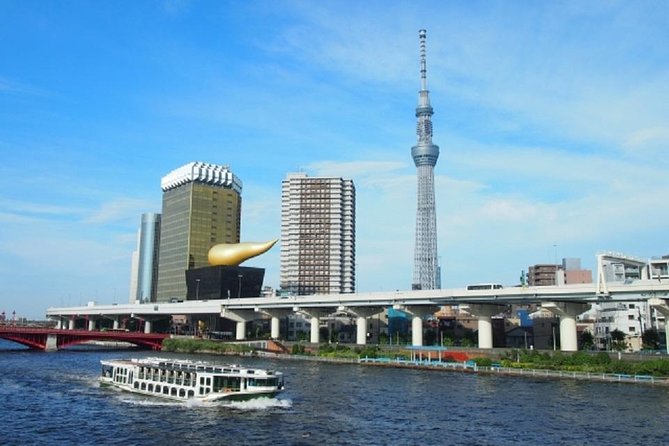
Tokyo Skytree reaches 634 meters and has observation levels at about 340 and 450 meters. There is also a cafe on an observation deck, where you can have tea while looking over the city. On a clear day, Mt. Fuji may be visible.
The suggested visit is one hour, but admission is extra. You also need to allow time for getting to the tower, entering, and returning to public transportation. If you choose Skytree, confirm with the provider how admission timing will fit your day.
Tokyo Tower is shorter at 333 meters and dates from 1958. Its viewing areas, cafe, and nearby Tower Jingu Shrine offer a different experience from Skytree. The lighting is also part of its appeal, with Landmark Light and Diamond Veil displays. Landmark lighting is white in summer and orange in winter.
I would not automatically choose both towers. Pick Skytree for height and broad city views, or Tokyo Tower for its older design and familiar place in Tokyo’s skyline. Both have extra admission costs, so choosing one may leave more time and money for a temple, market, or garden.
Ueno Zoo needs the biggest time commitment
Ueno Zoo opened in 1882 as Japan’s first zoo. It houses about 400 animal species, including the Sumatran tiger, and includes a Giant Panda Building, Japanese wild birds and animals, and sections for gorillas and other wildlife.
The planned visit is two hours and 30 minutes, longer than any other listed stop. That makes sense for a large zoo, but it also means Ueno is not an easy add-on. If you select it, think of it as the main event of the day.
Admission is extra for you and the guide. Families and anyone especially interested in animals may find the time worthwhile. If you want a broad overview of Tokyo’s major districts, however, Ueno Zoo will limit the number of other areas you can see.
Shibuya and Meiji Jingu, modern energy beside forest

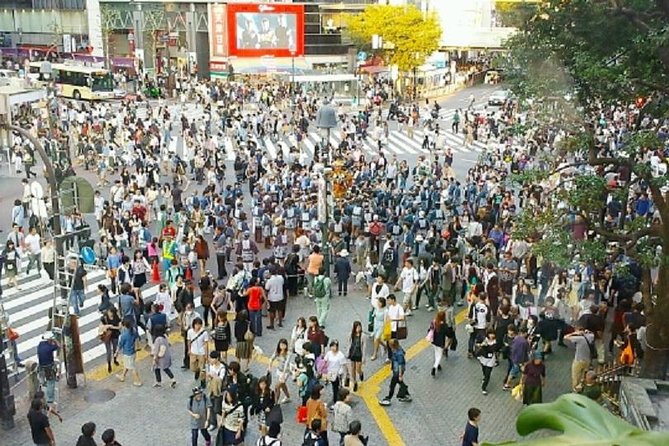
Shibuya Crossing is allotted just 30 minutes and has no admission fee. The attraction is the famous scramble, where large crowds cross in several directions when the signal changes.
This is a quick photo and people-watching stop, not a full neighborhood tour. I like it as a short break between longer visits. You get a memorable piece of modern Tokyo without spending half your day there.
Meiji Jingu Shrine offers a very different mood. Built in 1920, it honors Emperor Meiji and Empress Shoken. It is a major place of worship, and you may see a Japanese wedding ceremony during your visit.
The suggested time is one hour, with no admission fee. The shrine is also described as a spiritual power spot, so it may appeal to you if you want a cultural visit rather than another observation deck.
Pairing Meiji Jingu with Shibuya makes sense geographically and thematically. One shows Tokyo’s intense modern movement, while the other offers a formal shrine setting among trees. The tour information notes that many worshippers and foreign visitors come throughout the year, so you should treat the shrine as an active religious place, not only a photo backdrop.
Shinjuku Gyoen and Hama Rikyu Gardens
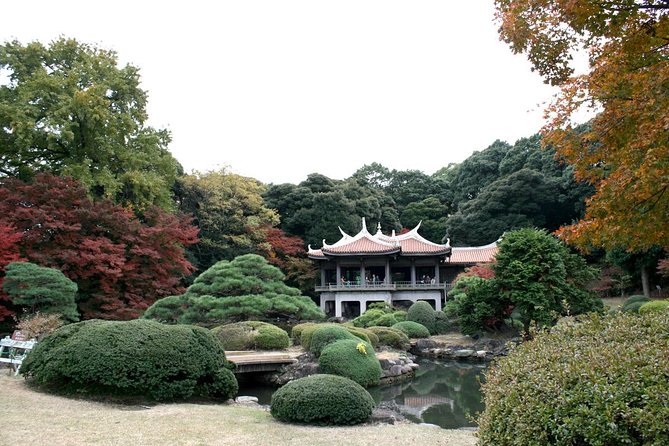
Shinjuku Gyoen National Garden combines a formal garden, a landscaped garden, and a Japanese garden. It began as an imperial garden in 1906 and contains more than 10,000 trees, seasonal scenery, and historic buildings.
The planned visit is one hour, and admission is extra. That is enough for a focused walk, but not a full exploration of such a large garden. Choose it when you want a pause from dense city streets.
Hama Rikyu Gardens covers 250,165 square meters around Shioiri Pond. A seawater moat connects the garden to Tokyo Bay, and the grounds were developed from a villa connected with the Tokugawa shogun family in the 17th century. It opened to the public in 1946.
Hama Rikyu is also allotted one hour and requires paid admission. I see it as a strong choice for anyone who wants a garden with a striking contrast between historic grounds and nearby high-rise buildings.
Both gardens in one day could be peaceful, but perhaps too similar for a short private tour. Pick one, then use your remaining choices for a temple, market, or city district.
The Imperial Palace East Gardens and Edo Castle remains
The East Gardens of the Imperial Palace occupy part of the former Edo Castle site in Chiyoda Ward. The wider palace compound includes the Emperor and Empress’s residences, the palace, and the Imperial Household Agency offices. Nijubashi Bridge is another well-known sight connected with the palace area.
The garden is free of admission according to the tour details, though your guide’s admission is generally listed as extra for paid attractions. The area offers greenery in the middle of Tokyo, with skyscrapers around it making the open grounds feel even more distinctive.
This is one of the better choices for a history-focused day. The guide can help connect the present Imperial Palace area with the Tokugawa-period Edo Castle site. A published rating specifically praised guide Yoki for making visits to the Imperial Palace, Skytree, and Outer Market interesting, with clear explanations of Japanese history.
Do not choose this stop expecting to tour every palace building. The information describes the grounds and East Gardens, not general public access to all imperial facilities.
Tokyo’s animal and cafe experiences
The three cafe choices are paid additions and have very different characters.
The Akiba Fukurou owl cafe lets you interact with owls in a room using classical music and chandelier lighting. The planned visit is one hour. It is an unusual stop, but animal-interaction cafes are a specific taste, so choose it only if this format appeals to you.
The Harry hedgehog cafe in Harajuku also allows animal interaction. It serves drinks only, not lunch or dinner, and the hedgehogs may be awake or sleeping in your hands. Again, one hour is suggested, and admission is extra.
The at-home cafe in Akihabara offers meals, singing, dancing, and maid service. Staff may draw pictures with ketchup or chocolate on an omelet and cafe latte. This is a piece of Akihabara pop culture, but food and admission are not included.
These cafes can make your day more playful and less predictable. They also create extra planning issues because they are in different districts and each adds a separate fee. For a first Tokyo visit, I would choose one cafe at most unless this is the central reason you booked a private guide.
Public transport, pickup, and the real cost
The guide meets you in your hotel lobby, which is a welcome feature in a city where the first subway connection can be confusing. From there, you and your group use public transport to reach the selected sights.
The guide’s transport is included, but your own public transportation fares are not. Admission fees for you and the guide are also excluded, as are meals and drinks. The advertised price is $191.14 per person, so the final cost depends on your four choices.
A free temple and free crossing keep expenses down. Skytree, Tokyo Tower, Ueno Zoo, Shinjuku Gyoen, Hama Rikyu Gardens, and the cafes require extra admission. You should also budget for market food or cafe purchases.
The private format gives the price some justification. You are paying for a full day of personal guidance, hotel pickup, route help, and the ability to shape the schedule around your group. A solo guest may find the price harder to defend, while a small group can see better value from the shared guide service.
Who will get the most from this tour
I would recommend this experience to first-time Tokyo visitors who want help making sense of a huge city. It also suits families, couples, and small groups with different priorities, since the four-stop choice can be built around food, temples, animals, gardens, or city views.
It is less suitable if you want a slow day. Four destinations in eight hours, with public transport between them, can involve a lot of movement. The itinerary is private, but it is not necessarily relaxed.
The tour also works well for people who want historical explanation. Guide Yoki’s reported strength is explaining Japanese history in an engaging way, and the Imperial Palace, Senso-ji, Meiji Jingu, and Tsukiji all benefit from context.
Most people can participate, and the activity is private to your group. It is near public transportation, but you should still expect walking and station transfers.
Should you book the Free Choice of Itineraries Tokyo Private Tour?
Book it if you value choice, hotel pickup, and personal guiding more than a low-cost group tour. Send a carefully chosen set of four destinations and make sure your picks fit one another geographically and by pace.
My ideal plan would include Tsukiji, Senso-ji, Meiji Jingu, and Shibuya for a balanced first day. If views matter most, replace one of those with Skytree or Tokyo Tower. If you choose Ueno Zoo or a cafe, remember that the longer visit and extra admission can reduce the time available elsewhere.
At $191.14 per person before food, fares, and entry fees, this is not a bargain sightseeing pass. It is a practical private guide service. For a group that wants help navigating Tokyo and a day shaped around its own interests, that can be worth the cost. Free cancellation is available up to 24 hours before the start time, giving you a sensible final check on weather, energy, and plans.
FAQ
How long does the private Tokyo tour last?
The tour lasts approximately eight hours.
How many destinations can I choose?
You can choose four destinations from the available list.
Which attractions can I choose?
Choices include Tsukiji Outer Market, Senso-ji Temple, Tokyo Skytree, Ueno Zoo, Shibuya Crossing, Meiji Jingu Shrine, Tokyo Tower, Shinjuku Gyoen, the owl cafe, hedgehog cafe, maid cafe, Hama Rikyu Gardens, and the Imperial Palace’s East Gardens.
Is hotel pickup included?
Yes. The guide meets you in your hotel lobby.
Is this a private tour?
Yes. Only your group participates in the private activity.
How do you get between the attractions?
The tour uses public transportation. The guide’s transportation to and from the destinations is included, but your own public transportation fares are not included.
Are admission fees included?
No. Admission fees for you and the guide are not included. Food and drinks are also excluded.
Is an English-speaking guide provided?
Yes. An English-speaking professional guide is included. Guide Yoki is identified in the available tour information and has been praised for making Japanese history interesting.
Can I cancel for a refund?
You can cancel up to 24 hours before the experience start time for a full refund. Cancellations or changes made less than 24 hours before the start time are not accepted for a refund.
New on our Tokyo list
- Sumi-e Experience in a relaxing green tea shop in Tokyo★ 5.0 · 3 reviews
- Tokyo : Kamikaze Street Drift Ride★ 5.0 · 3 reviews
- Private Zen Meditation in English in Shinjuku, Tokyo★ 5.0 · 3 reviews
- Onsen Spa in Tokyo and Asakusa Bar Hopping with Local Guide★ 5.0 · 3 reviews
- Easy for everyone! Now you can play handmade mini shamisen and show off to everyone! Musical instruments, sweets and live music★ 5.0 · 3 reviews
- Tokyo: Private Tsukiji Street Food & Sake with Local Guide★ 5.0 · 3 reviews
- Mt Fuji Exploration Tour with Free Japanese Kusa Mochi from Tokyo★ 4.5 · 3 reviews
- Tokyo Tsukiji Fish Market Walking and Exploring Hidden Gems Tour★ 5.0 · 3 reviews
Private, compared.
Tokyo 6hr Private Tour with Government-Licensed Guide
Read our review →
Private Tour to Mt. Fuji and Hakone (Fully Licenced Operator)
Read our review →
Tokyo Customized Private Tour (Must See Places in 1 Day)
Read our review →
Mount Fuji Full-Day Private Tour from Tokyo (Customizable)
Read our review →
Private City Highlights Tour with Local Guide
Read our review →
Tokyo 4hr Private Tour with Government-Licensed Guide
Read our review →