
Reviewed · SAKE & WHISKY TASTINGS
Ginza, Tokyo: Sake Experience with traditional vessels
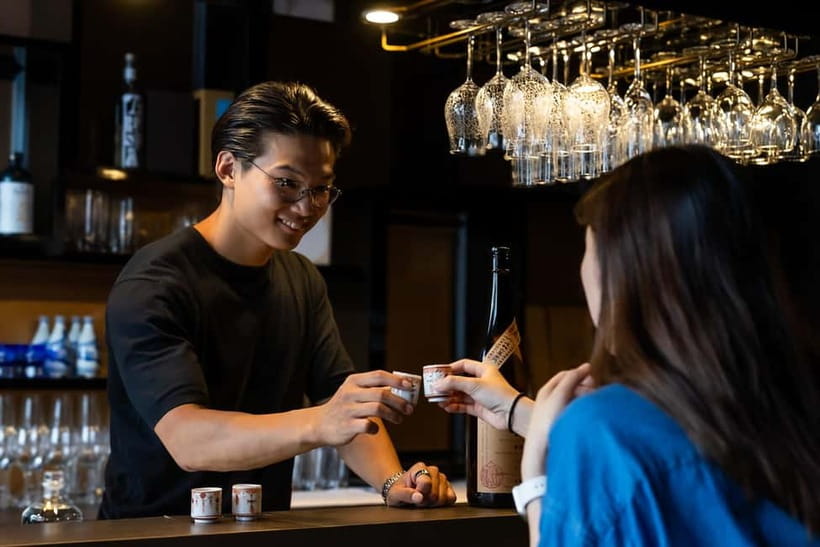
Japan’s sake culture comes into focus when you taste the same drink through different vessels. At JIDAI in Ginza, three introductory sakes are paired with wine glasses and KINTSUGI using 400-year-old Imari porcelain, giving you a small but memorable lesson in how presentation affects the experience.
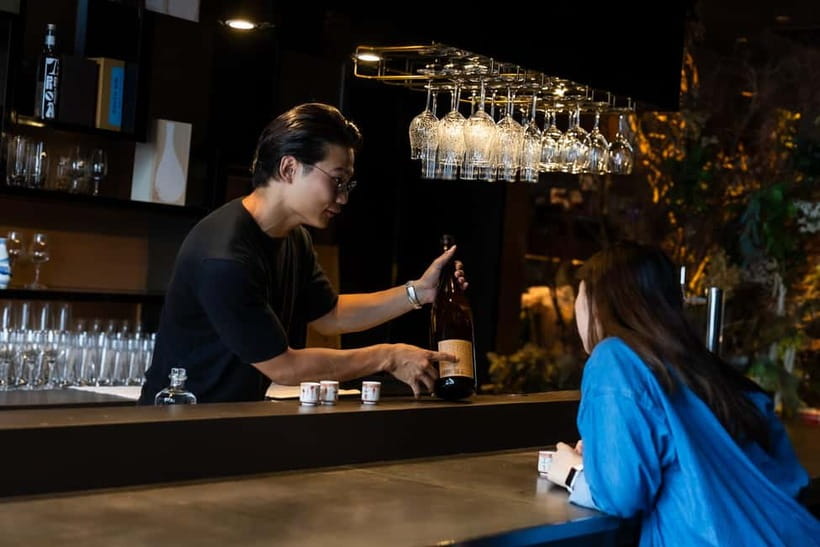
I like the small group of up to seven, which leaves room for questions and conversation. I also like the bilingual guidance, especially because hosts such as Hiyori, Nana, and Rireka have been praised for explaining sake-making clearly and offering useful Japan tips.
The main drawback is simple: three tasting pours may feel brief if you already enjoy sake. Extra drinks, snacks, and glasses cost more, and the many health restrictions mean you should check the conditions carefully before booking.
In This Review
- Key points to know before booking
- Three sakes are really three lessons in Japanese culture
- Why the vessel changes the tasting
- Arriving at JIDAI on Ginza’s 11th floor
- What the tasting session is likely to feel like
- The setting adds more than decoration
- The value of $22 per person
- Who will enjoy this most
- Small details that make the evening easier
- How this compares with a regular bar stop
- Should you book the Ginza sake experience?
- FAQ
- Where does the sake experience take place?
- How many types of sake are included?
- Are extra drinks or snacks included?
- What vessels are used during the tasting?
- Is the experience conducted in English?
- How many people can join the group?
- Is the activity wheelchair accessible?
- Can I cancel for a full refund?
- Can I reserve without paying immediately?
Key points to know before booking
- Three sakes, three vessels: Compare how sake works in wine glasses and KINTSUGI made with historic Imari porcelain.
- A Ginza high-rise setting: JIDAI sits on the 11th floor of the JEWEL BOX GINZA building, with a view toward Tokyo Bay.
- Bilingual instruction: English-speaking staff explain sake culture, brewing traditions, and regional differences.
- Helpful local advice: Hosts can offer travel tips and recommendations for the rest of your Japan trip.
- A compact first taste: The experience costs $22 per person and includes three sake samples, but not extra drinks or snacks.
- Easy booking terms: You can cancel up to 24 hours before the experience for a full refund and reserve without paying immediately.
Three sakes are really three lessons in Japanese culture
The heart of this experience is not simply drinking three samples. It is learning that sake changes character according to its region, production style, temperature, and serving vessel.
Japan has about 1,500 sake breweries. Each brewery works within a local setting and tradition, so sake is not one single flavor or style. A first-time drinker can easily feel lost when faced with a large menu. JIDAI solves that problem by selecting three types intended to make a clear introduction.
You do not need prior sake knowledge. The English-speaking staff explain what you are tasting and why each sake is served in a particular vessel. That makes the session useful for a first encounter, but it should also appeal to you if you have already tried sake and want a more focused comparison.
The three samples are designed to show different sides of the drink. The supplied information does not identify the exact labels or regions served on a particular day, so you should expect the selection to vary. That is a good reason to ask the host where each sake comes from and what local tradition shaped it.
More sake and whisky sessions:
- Ramen and Sushi Cooking Class with Sake Pairing Set in Tokyo
★ 5.0 · 291 reviews - Sake Tasting Masterclass in Shinjuku (8+ Varieties with a Pro)
★ 5.0 · 271 reviews - Sake Omakase in Tokyo: Guided Tasting by Certified Sommeliers
★ 5.0 · 239 reviews
Why the vessel changes the tasting
Many sake tastings focus only on the liquid. JIDAI adds another layer by matching each sample with a vessel chosen to bring out its character.
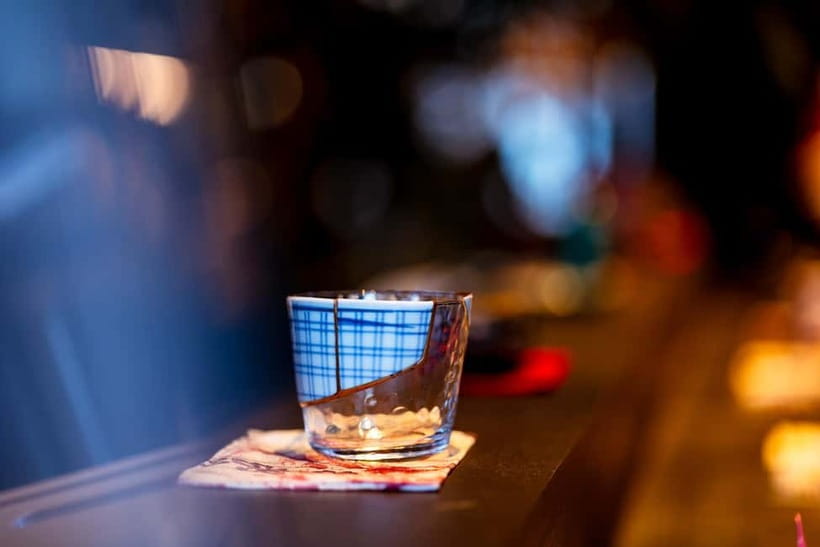
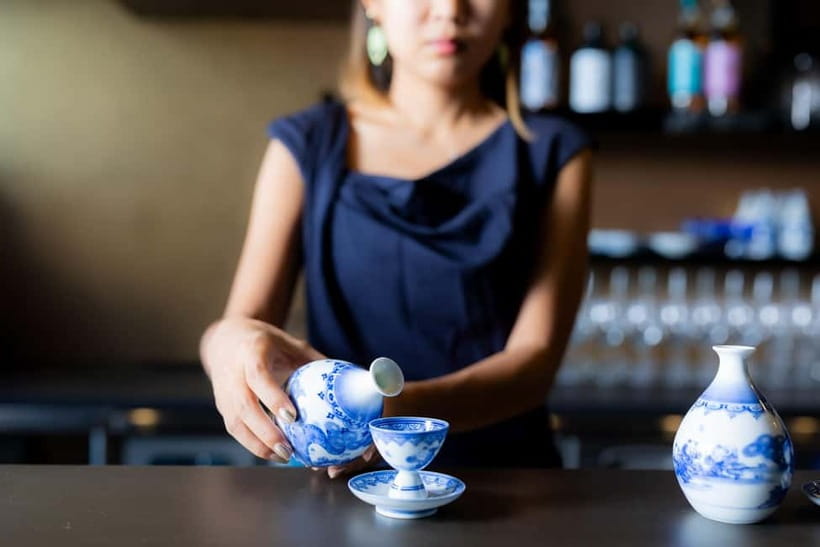
Some sake is served in wine glasses. That choice will feel familiar if you have attended a wine tasting, and it can help you notice aroma as well as flavor. Other sake is presented in KINTSUGI, using 400-year-old Imari porcelain. This brings Japanese craft and drinking customs into the experience without turning the lesson into a museum visit.
Kintsugi is associated with repairing ceramics in a way that highlights the break rather than hiding it. The experience specifically connects KINTSUGI with old Imari porcelain, giving you a chance to handle and drink from an object with a long cultural history. The precise design and repair details are not specified, so you should let the host explain the piece in front of you.
I like this approach because it gives you something concrete to remember. After the tasting, you are more likely to think about sake as a product with a setting and a proper serving style, not just as a strong Japanese drink poured into a small cup.
Arriving at JIDAI on Ginza’s 11th floor
JIDAI is in Ginza, one of Tokyo’s most polished and accessible districts. The meeting point is the JEWEL BOX GINZA building. Look for the Swarovski store on the first floor, then go up to the 11th floor.
This location matters. Ginza is convenient for an evening stop, especially if you are already shopping, sightseeing, or staying in central Tokyo. The high-floor setting also gives the tasting a different mood from a small neighborhood bar at street level.
The view toward Tokyo Bay is part of the appeal. You are not getting a full sightseeing cruise or a long city tour, but the outlook gives you something to watch while you sip. Tokyo can feel crowded and fast at street level. A high-floor bar offers a quieter pause without sending you far from the center.
Allow a little extra time to find the correct entrance and elevators. The building name and first-floor Swarovski sign are more useful than simply searching for a bar called JIDAI. You should also keep the meeting-point map available on your phone.
What the tasting session is likely to feel like
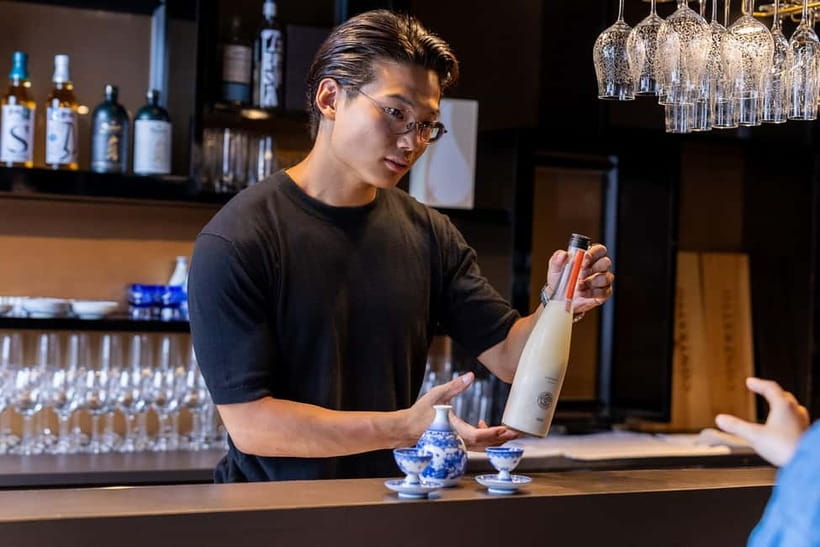
The experience is listed as valid for one day, with starting times based on availability. The exact length of the tasting is not stated, so you should think of it as one sitting at the bar rather than a full-day activity.
The session begins with an introduction to sake and its place in Japanese culture. The bilingual host then presents three samples. You can expect an explanation of the vessel used for each sake, including why one may be better suited to a wine glass and another to KINTSUGI.
The strongest part for me is the chance to ask questions as you go. Hosts named Hiyori and Nana have been singled out for explaining the sake-making process and serving delicious samples. Rireka has also been praised for offering helpful advice in a friendly way. Host assignments can change, but the activity is conducted in English.
This is not a formal lecture where you sit silently and take notes. The small group format, limited to seven people, should make it easier to ask about flavor, brewing, regional styles, or where to continue your sake education in Japan.
Do not expect food to accompany the tasting. Snacks are not included, and neither are additional glasses of sake or other drinks. If you need a meal, plan to eat before or after the session in Ginza.
A few more Tokyo bookings worth comparing
- Tokyo Bar Hopping Tour in Shinjuku (All-You-Can-Drink + Dinner)
★ 5.0 · 3,587 reviews - Best of Shinjuku: Izakaya Food Tour (4 Stops, 14+ Tastings)
★ 5.0 · 1,863 reviews - Tokyo: Shinjuku Local Bar and Izakaya Guided Walking Tour
★ 4.9 · 1,794 reviews - Shibuya Meltdown Nightlife Tour: All-You-Can-Drink Bar Hopping
★ 5.0 · 1,058 reviews
The setting adds more than decoration
A tasting room can affect how you remember a drink. Here, the Ginza address, the high-floor location, and the view toward Tokyo Bay give the activity a polished evening feel.
The atmosphere has been praised as a major part of the experience, along with the staff’s ability to explain sake traditions. That combination is important. The bar is not just a place to sample alcohol, and the session is not only a cultural talk. You get a drink, an object, a view, and a guide who connects them.
Still, keep your expectations sensible. This is not a substitute for visiting a brewery in a sake-producing region. You will not get a full production tour from the information provided. Instead, you get a compact introduction in a convenient Tokyo location, which may be the better choice if your schedule is tight.
The value of $22 per person
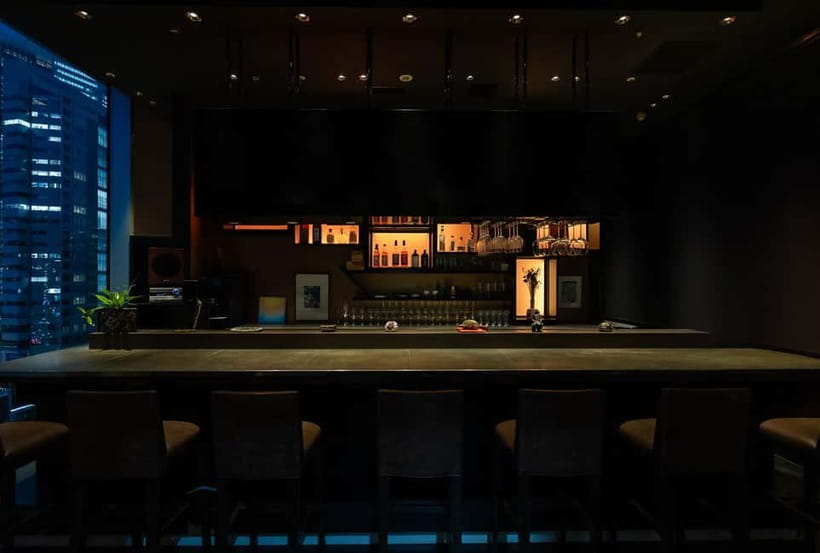
At $22, this experience is priced for an easy addition to a Tokyo evening. The included package gives you three sake samples, a bilingual explanation, and the chance to use different vessels, including historic Imari porcelain.
That is fair value if you are new to sake and want guidance instead of ordering blindly. The staff’s travel advice adds practical value, too. You can ask for recommendations that may help shape the rest of your time in Japan.
The price is less attractive if you are mainly looking for a large amount of alcohol. Three tastings are not the same as a long night at a bar, and extras are not included. You will pay separately for more sake, other drinks, or snacks.
I would view the $22 as the cost of a guided introduction rather than a drinking package. The value comes from the comparison, the explanation, and the setting. If you enjoy the session, you can decide afterward whether to order another glass.
Who will enjoy this most
This activity fits you best if you meet one or more of these conditions:
- You are trying sake for the first time.
- You want an English-language explanation of Japanese drinking culture.
- You appreciate traditional ceramics and small design details.
- You are staying in or visiting Ginza.
- You want a short cultural activity that does not require a long train ride.
- You like small groups and direct contact with a host.
- You want local suggestions for restaurants, sights, or other parts of Japan.
It is also a good choice for couples or friends who prefer a calm tasting to a loud nightlife stop. The high-floor view gives it a special occasion feel without the cost of a formal dinner.
This is not suitable for children under 18. The supplied restrictions also exclude pregnant women and people with conditions including heart problems, vertigo, respiratory issues, epilepsy, diabetes, kidney problems, high blood pressure, haemophilia, recent surgery, or other pre-existing medical conditions. People with claustrophobia, a cold, or lactose intolerance are also listed as unsuitable, as are children under 33 pounds, or 15 kilograms.
Some of these restrictions may seem unusual for a sake tasting. Do not guess about your situation. Contact the provider before booking if any condition applies to you.
Small details that make the evening easier
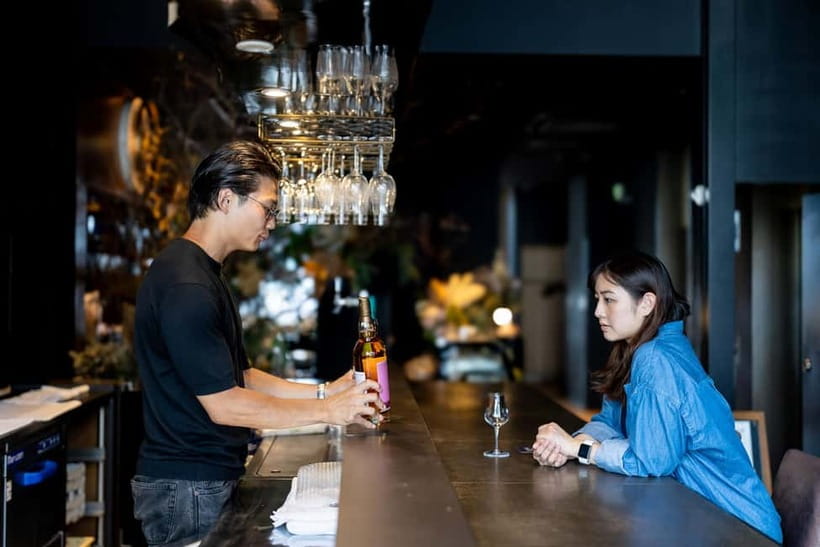
The building location is the first practical matter. Go to the JEWEL BOX GINZA building and use the Swarovski store on the first floor as your landmark. JIDAI is on the 11th floor.
The experience is wheelchair accessible, which makes the high-floor setting more workable for people who need step-free access. You should still confirm any specific access needs before arriving, since the provided information does not describe the elevators or restroom layout.
English is the listed language. The small group size gives you a better chance to speak with the host than a large bus tour would. You can use that time well by asking three direct questions: where each sake was made, why it is served in that vessel, and where to find a similar bottle in Japan.
The reserve-now-and-pay-later option is useful if your Tokyo schedule is still changing. Cancellation is free up to 24 hours in advance, with a full refund. Starting times depend on availability, so check the schedule before building the rest of your evening around it.
How this compares with a regular bar stop
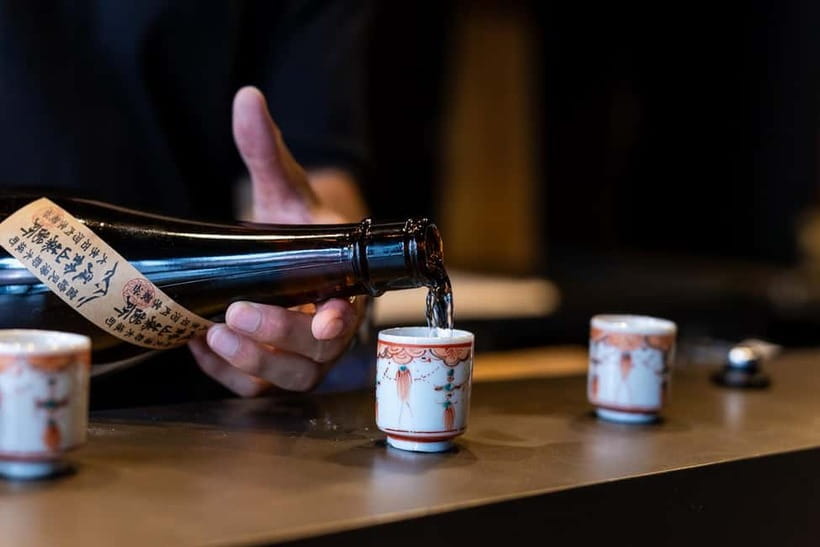
A standard sake bar may give you a longer list and more freedom to order. It may also leave you guessing about what to choose, how to taste it, or why one bottle costs more than another.
JIDAI takes away that uncertainty. You receive three selected types and a guided explanation. The tradeoff is less choice and a fixed number of included samples.
I would choose JIDAI early in a Japan trip if you want basic confidence. Afterward, you may recognize terms, ask better questions, and feel more comfortable ordering sake elsewhere. If you already know exactly what styles you like, a specialist bar with a broader menu may offer better value.
Should you book the Ginza sake experience?
Book it if you want a focused introduction to sake, value English guidance, and like the idea of comparing wine glasses with 400-year-old Imari porcelain. The $22 price is reasonable for three samples, a small group, a Ginza setting, and practical local advice.
Skip it if you want a full meal, a long drinking session, a brewery tour, or unlimited choice. Also skip it unless you can meet the stated health and age requirements.
For most first-time sake drinkers with an evening free in Ginza, I would book this as a compact cultural stop. Ask the host about the origin of each sample, take your time with the vessels, and use the travel advice. Those small questions are where the experience becomes more than three glasses at a bar.
FAQ
Where does the sake experience take place?
It takes place at JIDAI in Ginza, Tokyo, on the 11th floor of the JEWEL BOX GINZA building. Swarovski is on the first floor and serves as a useful landmark.
How many types of sake are included?
Three different types of sake are included for tasting.
Are extra drinks or snacks included?
No. Additional sake, other drinks, and snacks are not included.
What vessels are used during the tasting?
The included vessels include wine glasses and KINTSUGI using 400-year-old Imari porcelain. Each sake is matched with a vessel suited to its characteristics.
Is the experience conducted in English?
Yes. English is the listed language, and bilingual staff explain the history and culture of sake.
How many people can join the group?
The group is limited to seven participants.
Is the activity wheelchair accessible?
Yes, the activity is listed as wheelchair accessible.
Can I cancel for a full refund?
Yes. You can cancel up to 24 hours in advance for a full refund.
Can I reserve without paying immediately?
Yes. The reserve-now-and-pay-later option allows you to hold a place without paying at the time of booking.
New on our Tokyo list
- Sumi-e Experience in a relaxing green tea shop in Tokyo★ 5.0 · 3 reviews
- Tokyo : Kamikaze Street Drift Ride★ 5.0 · 3 reviews
- Private Zen Meditation in English in Shinjuku, Tokyo★ 5.0 · 3 reviews
- Onsen Spa in Tokyo and Asakusa Bar Hopping with Local Guide★ 5.0 · 3 reviews
- Easy for everyone! Now you can play handmade mini shamisen and show off to everyone! Musical instruments, sweets and live music★ 5.0 · 3 reviews
- Tokyo: Private Tsukiji Street Food & Sake with Local Guide★ 5.0 · 3 reviews
- Mt Fuji Exploration Tour with Free Japanese Kusa Mochi from Tokyo★ 4.5 · 3 reviews
- Tokyo Tsukiji Fish Market Walking and Exploring Hidden Gems Tour★ 5.0 · 3 reviews
Sake & Whisky Tastings, compared.
Ramen and Sushi Cooking Class with Sake Pairing Set in Tokyo
Read our review →
Sake Tasting Masterclass in Shinjuku (8+ Varieties with a Pro)
Read our review →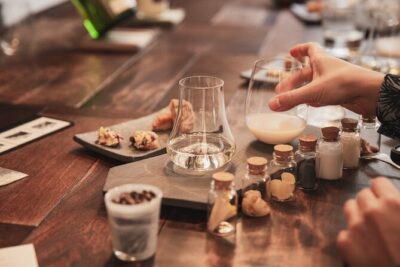
Sake Omakase in Tokyo: Guided Tasting by Certified Sommeliers
Read our review →
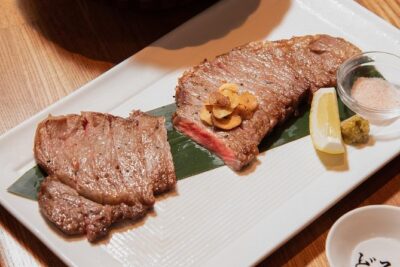
Wagyu & Sake Pairing in Shinjuku – Steak, Shabu-Shabu & More
Read our review →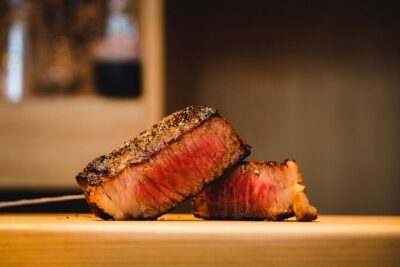
Tokyo Wagyu & Sake Pairing Tasting Experience with Local Flavors
Read our review →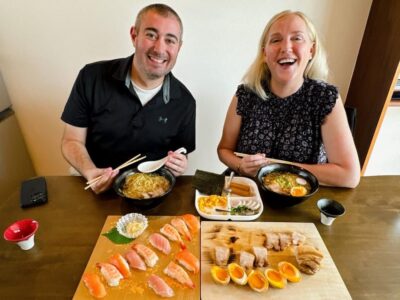
Sushi and Ramen Cooking Class with Sake Pairing Set
Read our review →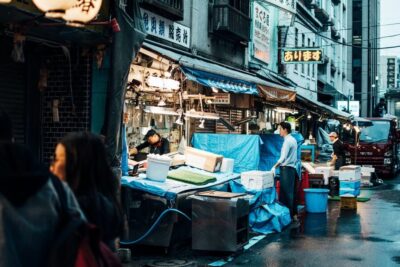
Tsukiji: Outer Market Walking Tour & Sake Tasting Experience
Read our review →Browse the lists this tour appears in