
Reviewed · WALKING TOURS
Goshuin Collecting & Garden Walk in Local Tokyo
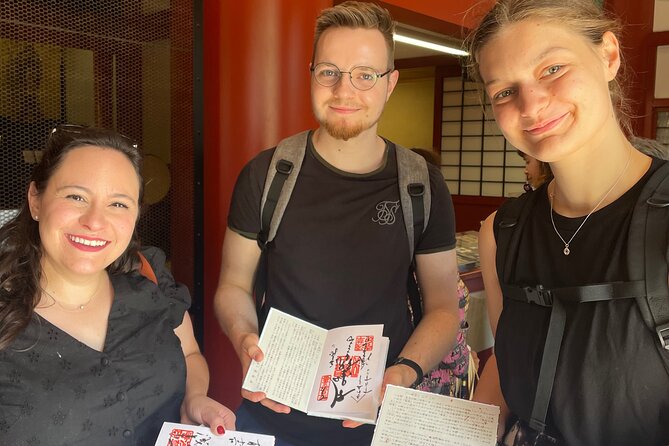
The best part of this Tokyo experience is its focus on quiet neighborhood temples and shrines rather than the city’s headline sights. Masami, also called Ma-chan, helps you understand goshuin, the calligraphy and stamps collected in a book as a record of visiting sacred places. You move at a relaxed pace through Koto City, with time for questions and small cultural details that are easy to miss alone.
I like two things right away: the private format, which lets you ask about Shinto, Buddhism, and proper etiquette without holding up a large group, and the stop at a local Japanese garden. Japanese sweets, small gifts, and help getting onward travel at Kiyosumi-shirakawa Station add useful touches. The main consideration is that the advertised price does not include the cost of the goshuin stamps themselves, and the walk requires comfortable shoes.
In This Review
- Key points to know
- Why goshuin makes a good Tokyo souvenir
- Starting in Monzennakacho at 10 a.m.
- Four Koto City stops beyond the usual route
- Learning the difference between temples and shrines
- The local garden stop
- What the private format changes
- The value at $35.14 per person
- Walking, weather, and what to bring
- Who will get the most from this experience
- Booking details worth knowing
- Should you book the goshuin walk?
- FAQ
- Where does the tour start?
- What time does the experience begin?
- Where does the tour end?
- How long does the tour last?
- Is this a private tour?
- Are goshuin stamps included in the price?
- Is the garden entrance included?
- Does the tour include food?
- What happens if the weather is poor?
Key points to know
- Five-stop route in Koto City: The walk begins in Monzennakacho and ends near Kiyosumi-shirakawa Station.
- Goshuin guidance included: Masami explains how to request stamps and how temple and shrine manners differ.
- A quieter side of Tokyo: The route visits places many first-time visitors would likely pass by.
- Japanese sweets during the walk: A 15-minute snack stop gives you a pleasant break and a taste of local treats.
- Private and flexible: Only your group participates, so you can ask questions and set a comfortable pace.
- Budget for stamp fees: The goshuin themselves are not included in the tour price.
Why goshuin makes a good Tokyo souvenir
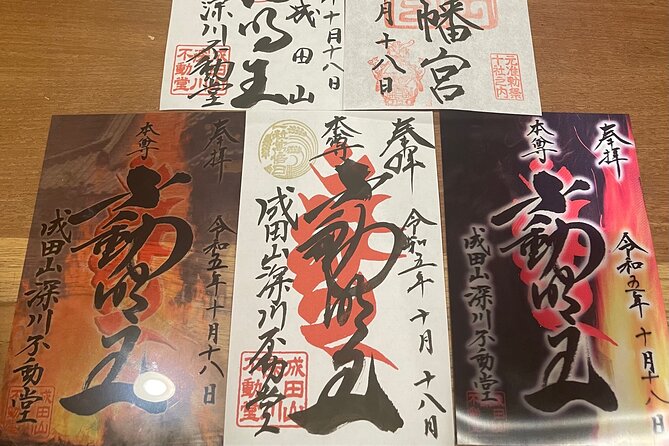
A goshuin is more than a rubber stamp. It usually combines a site’s seal with handwritten Japanese calligraphy, creating a personal record of your visit. The finished page can be beautiful, but the real value is learning where and how to request it respectfully.
That matters because temples and shrines are places of worship, not simply sightseeing stops. You may encounter different customs at Buddhist temples and Shinto shrines. The tour gives you a setting where you can ask basic questions, watch the proper process, and feel more at ease before continuing on your own.
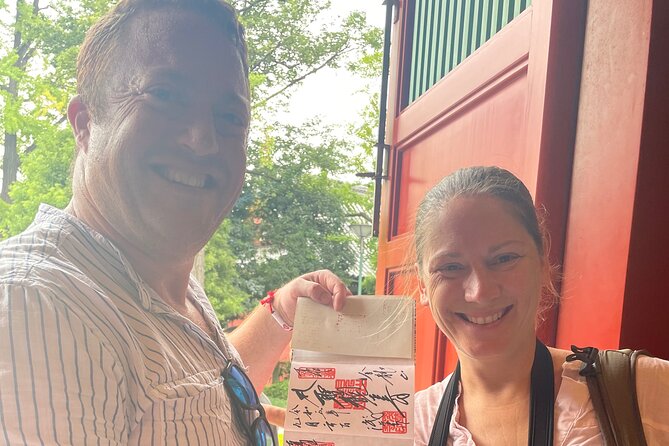
I especially like this idea for anyone who has bought a goshuincho, or goshuin book, but is unsure how to use it. One participant began collecting only recently and found the walk useful for understanding etiquette and requesting stamps. That is exactly the sort of practical help that can turn a pretty souvenir into a more meaningful part of your Japan trip.
Keep in mind that the stamp charges are extra. The tour price covers the guided experience and listed inclusions, but you should carry money for any goshuin you choose to collect.
More walking routes in Tokyo:
- Tokyo Tsukiji Fish Market Food and Culture Walking Tour
★ 5.0 · 3,184 reviews - Tokyo: Imperial Palace and Shogun Historical Walking Tour
★ 5.0 · 2,251 reviews - Tokyo: Shinjuku Local Bar and Izakaya Guided Walking Tour
★ 4.9 · 1,794 reviews
Starting in Monzennakacho at 10 a.m.
The meeting point is at 1-chōme-9-10 Tomioka in Koto City, with a 10 a.m. start. The location is near public transportation, which makes it a sensible beginning for a morning outing. Your endpoint is Kiyosumi-shirakawa Station, so the route has a clear finish rather than sending you back to the starting point.
The first listed stop is Monzennakacho, where you pause for Japanese sweets. This takes about 15 minutes and has no admission charge. It is a small detail, but a welcome one. A sweet snack gives the morning a gentle start and breaks up the walking before the temple and shrine visits begin in earnest.
Because this is a private activity, you are not trying to match the pace of a large group. You can ask Masami to explain something again, spend a little more time looking at a site, or take a short pause if needed. The tour lasts about two to three hours, so this is a compact experience rather than a full-day pilgrimage.
Four Koto City stops beyond the usual route
After the snack stop, the route continues through four additional locations in Koto City. The public details do not name each site, which is part of the experience’s local character but makes it harder to preview the exact shrines and temples in advance.
The stops are planned for roughly 30, 45, 40, and 20 minutes. That gives you enough time to do more than rush in, take a photograph, and leave. You should have room to observe the grounds, learn about the site, request goshuin if you wish, and ask Masami about the customs connected with each place.
The 45-minute stop is the longest, so it may offer the most time for explanation or stamp collecting. The 20-minute stop is more of a short visit, but the variety is useful. Several shorter stops let you compare different settings and practices instead of spending the whole tour at one major temple.
I would not book this outing expecting grand, famous monuments at every turn. Its appeal is the chance to see smaller places that are easy to miss and to understand them with context. The quiet can be just as valuable as the architecture, especially if you have already spent time around Tokyo’s busiest sights.
Learning the difference between temples and shrines
One of the strongest reasons to choose this walk is the chance to ask questions while you are actually standing at the sites. Reading about Shinto and Buddhism in advance can help, but etiquette makes more sense when you can connect it to a real entrance, worship area, or goshuin counter.
Masami’s explanations cover goshuin, Shinto, and Buddhism. Her approach, based on the information available, is friendly and generous rather than formal or academic. That suits this kind of outing. You do not need previous knowledge, and you can focus on the questions that matter to you.
The route also helps you see that temple and shrine visits are not identical. Learning how to behave, when to request a stamp, and how to treat the book respectfully can make later visits around Japan less awkward. You leave with a skill you can use far beyond this one neighborhood.
The tour is especially helpful if you are concerned about making a mistake. One person who was new to goshuin collecting felt much more comfortable requesting stamps after the walk. That is a practical benefit, not just background information.
A few more Tokyo bookings worth comparing
- Mt Fuji and Hakone 1-Day Bus Tour Return by Bullet Train
★ 5.0 · 26,383 reviews - 1-Day Tokyo Bus Tour
★ 5.0 · 14,250 reviews - Tokyo: TOKYO SKYTREE® Admission ticket
★ 4.5 · 11,192 reviews - Tokyo: teamLab Planets TOKYO Digital Art Museum Entry Ticket
★ 4.6 · 9,779 reviews
The local garden stop
A Japanese garden is included in the route, with its entrance fee covered. The exact garden is not named in the supplied details, so you should not book this expecting a particular famous garden or a specific style of scenery.
Still, the garden adds a welcome change of pace. After several sacred sites and periods of walking, a garden gives you time to slow down and notice design, planting, water, and space. It also broadens the outing beyond stamp collecting.
One person specifically enjoyed having time for a beautiful local Japanese garden and returned with a goshuin book full of new entries. That pairing makes sense: the tour offers both a physical keepsake and a calm place to appreciate the neighborhood.
The garden entrance is included, but goshuin fees are not. The tour also promises a few small surprise gifts, and groups of three or more receive an extra small souvenir. These are modest extras, not reasons by themselves to book, but they make the experience feel personal.
What the private format changes
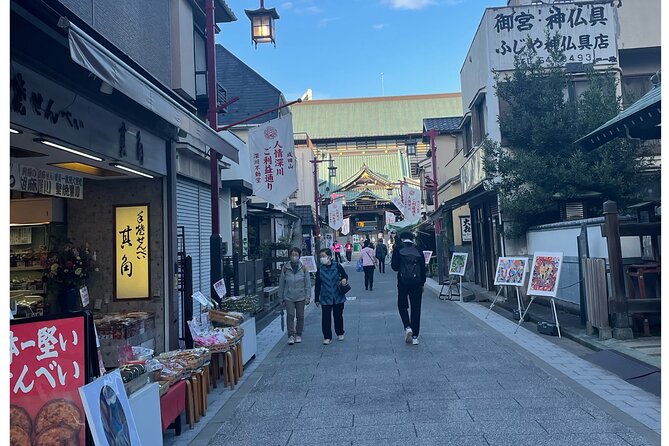
This is a private tour, so only your group participates. That makes a real difference for a subject that involves questions, pauses, and personal interests.
If you already collect goshuin, you can focus on the sites and calligraphy. If you are new to it, you can spend more time on etiquette without feeling self-conscious. You may also ask about the religious background of a place, the meaning of a ritual, or how to organize your goshuin book.
The pace is described as flexible, with plenty of time for questions. That does not mean the route is unlimited or entirely custom-built. It remains a two to three hour walk with five planned stops. Still, a private format is more forgiving than a fixed large-group schedule.
The guide’s small acts of care also matter. A previous summer outing included breaks and a UV umbrella, which suggests attention to comfort in hot weather. The tour information does not promise an umbrella for every departure, so treat that as a possible courtesy rather than a guaranteed feature.
The value at $35.14 per person
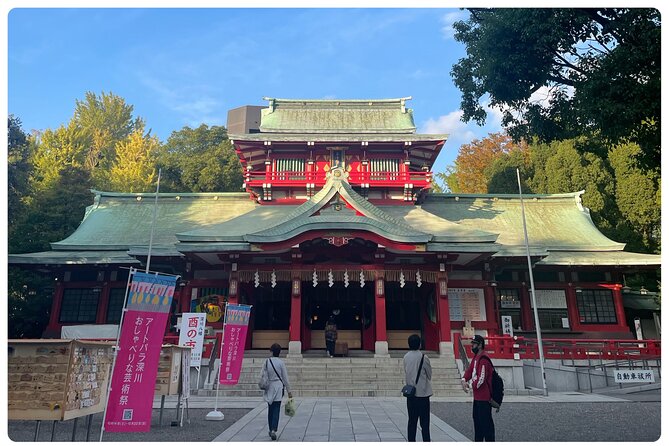
At $35.14 per person, this is reasonably priced for a private half-day cultural walk, especially if you value explanation and local access more than major-ticket attractions. The included garden entrance, Japanese sweets, small gifts, and stated one-day bus pass in the tour overview add to the package.
There is one point to clarify before booking: the detailed inclusion list names the garden entrance, surprise gifts, and the group souvenir, while the overview also says a one-day bus pass is included. Since the information is not perfectly consistent, confirm the bus-pass arrangement when your booking is confirmed.
You should also budget separately for goshuin. The stamps are not included, and the total cost depends on how many you request. That flexibility is useful because you can collect only the ones that matter to you, but it means the final spend will vary.
For a group of three or more, the extra small souvenir improves the value slightly. The private setup also means the per-person price can feel fairer when shared by a small group. For a solo visitor, the main value is the guide’s time and the confidence to visit these places correctly.
Walking, weather, and what to bring
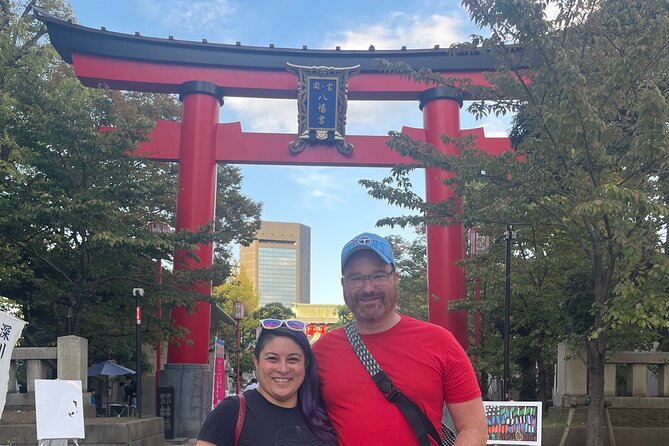
This is a walking tour, so comfortable shoes are essential. The route includes five stops, with visits lasting up to 45 minutes, and you should expect time outdoors between locations.
The experience requires good weather. If poor weather forces cancellation, you are offered another date or a full refund. That policy is useful, but you should still avoid placing this tour on a day when a weather-dependent schedule would cause problems with other fixed plans.
Wear shoes that are easy to walk in and bring whatever you normally need for a morning outside. The tour starts at 10 a.m., and the walk ends at Kiyosumi-shirakawa Station, where Masami will help you get to your next destination.
The ending is particularly handy. Kiyosumi-shirakawa is known in the supplied meeting information as the final station, and you are not simply left to work out the next step alone. That small piece of guidance can save time in a city where changing from a local neighborhood to your next stop may require a little planning.
Who will get the most from this experience
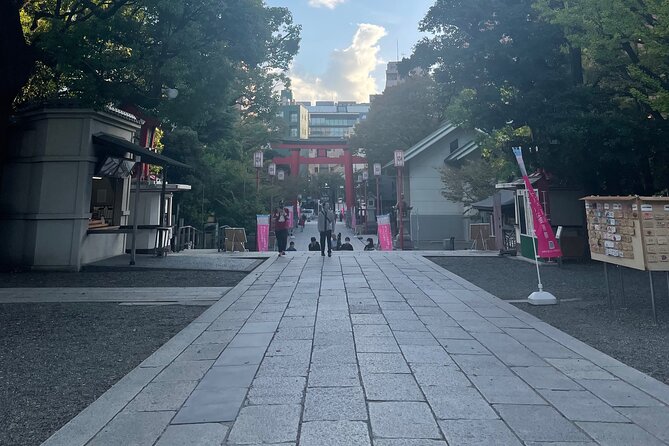
I would recommend this walk to several kinds of visitors:
- You are curious about Japanese religious customs but do not want a lecture-heavy tour.
- You have started collecting goshuin and want help with etiquette.
- You prefer quieter neighborhoods to major sightseeing hubs.
- You like small cultural souvenirs with a story behind them.
- You want a private morning activity that fits around a larger Tokyo itinerary.
- You are comfortable walking and do not need a fully indoor experience.
It is less suitable if your main goal is to see Tokyo’s most famous temples, visit large landmark gardens, or collect a guaranteed list of named shrines. The stops are intentionally less publicized, and their exact names are not provided ahead of time.
It may also be a poor fit for anyone who dislikes walking or wants a completely spontaneous route. The pace is flexible, but the activity still follows a planned sequence of stops and ends at a different station.
Booking details worth knowing
Confirmation is sent within 48 hours of booking, subject to availability. The experience uses a mobile ticket, and most people can participate. Service animals are allowed, and the route is near public transportation.
Free cancellation is available up to 24 hours before the 10 a.m. start time for a full refund. Changes or cancellations made inside that window are not accepted for a refund. The local time in Tokyo controls the cut-off, so check the time difference if you are booking from abroad.
The operator is A fun tour in Tokyo with ma-chan. The guide name presented in the experience is Masami, also referred to as Ma-chan. Her role is central here because the value comes from personal explanation and help with the small details, not from admission to a major attraction.
Should you book the goshuin walk?
Book it if you want a quiet, personal introduction to goshuin and are happy to explore Koto City without knowing every stop in advance. Masami’s friendly guidance, the private pace, Japanese sweets, garden visit, and help at the final station make this a useful addition to a first or second Tokyo visit.
Skip it if you want a major landmark tour, dislike walking, or do not want to pay separately for each goshuin. For everyone else, $35.14 is a fair price for a compact cultural outing that teaches you how to continue exploring temples and shrines on your own.
FAQ
Where does the tour start?
It starts at 1-chōme-9-10 Tomioka, Koto City, Tokyo 135-0047, Japan.
What time does the experience begin?
The start time is 10:00 a.m.
Where does the tour end?
The tour ends at Kiyosumi-shirakawa Station, at 1-chōme-6-13 Shirakawa, Koto City, Tokyo 135-0021, Japan.
How long does the tour last?
The experience lasts approximately two to three hours.
Is this a private tour?
Yes. Only your group participates.
Are goshuin stamps included in the price?
No. The goshuin stamps are not included, so you pay those fees separately.
Is the garden entrance included?
Yes. The entrance fee for the garden is included.
Does the tour include food?
A Japanese sweets snack stop is included. The tour information also lists snacks among the features.
What happens if the weather is poor?
The experience requires good weather. If it is canceled because of poor weather, you are offered a different date or a full refund.
New on our Tokyo list
- Sumi-e Experience in a relaxing green tea shop in Tokyo★ 5.0 · 3 reviews
- Tokyo : Kamikaze Street Drift Ride★ 5.0 · 3 reviews
- Private Zen Meditation in English in Shinjuku, Tokyo★ 5.0 · 3 reviews
- Onsen Spa in Tokyo and Asakusa Bar Hopping with Local Guide★ 5.0 · 3 reviews
- Easy for everyone! Now you can play handmade mini shamisen and show off to everyone! Musical instruments, sweets and live music★ 5.0 · 3 reviews
- Tokyo: Private Tsukiji Street Food & Sake with Local Guide★ 5.0 · 3 reviews
- Mt Fuji Exploration Tour with Free Japanese Kusa Mochi from Tokyo★ 4.5 · 3 reviews
- Tokyo Tsukiji Fish Market Walking and Exploring Hidden Gems Tour★ 5.0 · 3 reviews
Walking Tours, compared.
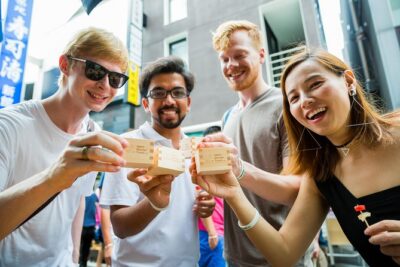
Tokyo Tsukiji Fish Market Food and Culture Walking Tour
Read our review →
Imperial Palace and Shogun Historical Walking Tour
Read our review →
Shinjuku Local Bar and Izakaya Guided Walking Tour
Read our review →
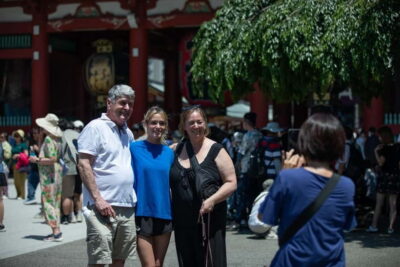
Asakusa Walking Tour with Sensoji Temple Visit
Read our review →
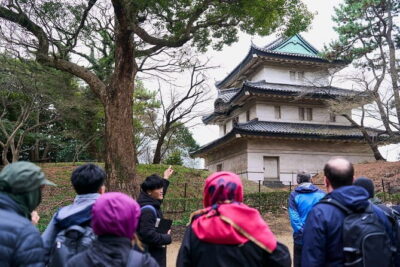
Tokyo Castle & Imperial PalaceーShogun Walking Tour
Read our review →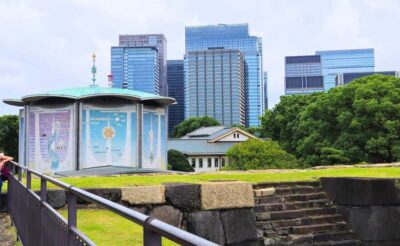
Browse the lists this tour appears in