
Reviewed · WALKING TOURS
Graffiti in Tokyo Walking Tour: Shibuya and Harajuku
Tokyo hides much of its graffiti in plain sight. On this two-hour walk through Shibuya and Harajuku, Elena Calderon points out tags, stickers, murals, and tucked-away works that most people pass without seeing. She brings more than 10 years of research and work as an art curator to a part of Tokyo that ordinary sightseeing rarely reaches.
I like two things right away: the tour takes you into back streets and lesser-known corners, and it explains the people and ideas behind the paint instead of treating graffiti as decoration. The route also connects street art with galleries, studios, exhibitions, and local hangouts, giving you a wider view of Tokyo’s art world.
The main drawback is simple: this is a walking tour focused on a niche subject. If you want Tokyo’s major sights, shopping time, or a broad city introduction, choose another outing. Also, some art is illegal or temporary, so what you see can change.
In This Review
- Key points to know before you book
- Why this graffiti walk reveals a different Tokyo
- Meeting at Manhattan Records in Shibuya
- Reading Shibuya beyond the famous crossing
- From large murals to tags and stickers
- A short look at Harajuku’s creative side
- What makes Elena Calderon a strong guide
- Is $38 good value for two hours?
- Who should take this tour?
- Practical tips for getting more from the walk
- Should you book the Shibuya and Harajuku graffiti walk?
- FAQ
- Where does the graffiti tour meet?
- How long does the tour last?
- Which languages are available?
- What does the tour include?
- Are meals, transport, and museum tickets included?
- What should I bring?
- Can I cancel the booking?
Key points to know before you book
- Start at Manhattan Records in Shibuya: The meeting point places you close to one of Tokyo’s best-known music and youth-culture districts.
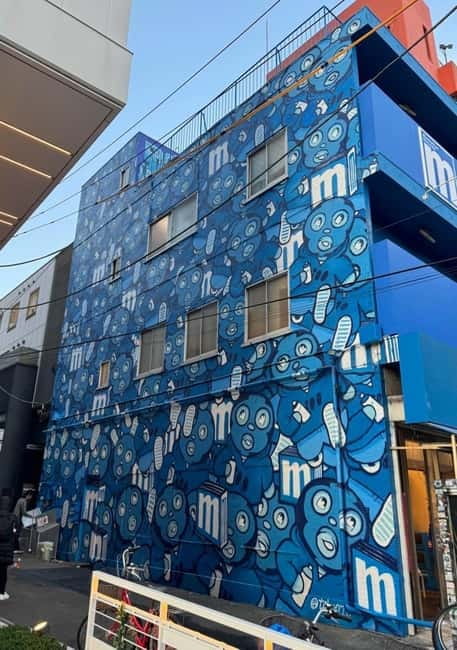
- Look closely for small works: The walk includes not just large murals, but also tags, stickers, and pieces easy to miss without a trained eye.
- Elena leads in English or Spanish: Her background includes more than a decade of graffiti research and work as an art curator.
- Shibuya and Harajuku show different sides of the city: You move from a major entertainment district into Harajuku’s creative streets and side lanes.
- The art is not always legal or permanent: Respect local rules, avoid touching or photographing restricted places, and expect the route to change over time.
- The $38 price buys interpretation, not admission tickets: Most galleries are free, but meals, drinks, transport, and paid museum entrances are extra.
Why this graffiti walk reveals a different Tokyo
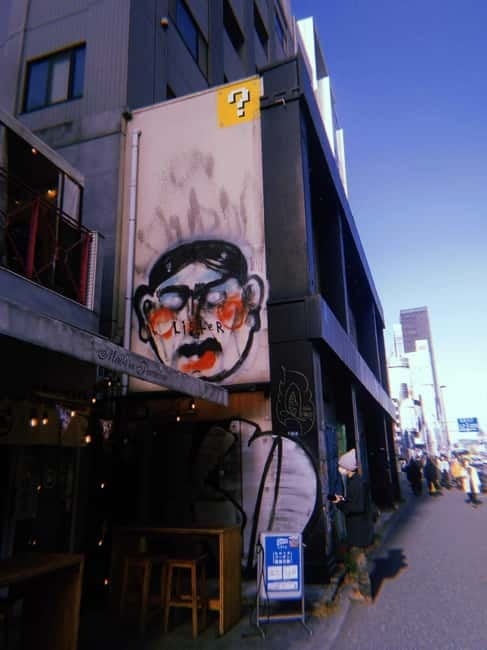
Tokyo is famous for polished design, spotless streets, and careful public order. That makes its graffiti scene especially interesting. Street art exists here, but it is often less visible than in cities where painted walls are part of the expected city view.
This tour gives you a way to read the city at street level. You might pass a shutter, utility box, alley wall, sticker-covered sign, or narrow passage without giving it a second glance. With Elena’s help, those surfaces become clues about artists, crews, styles, and the local tension between self-expression and strict rules.
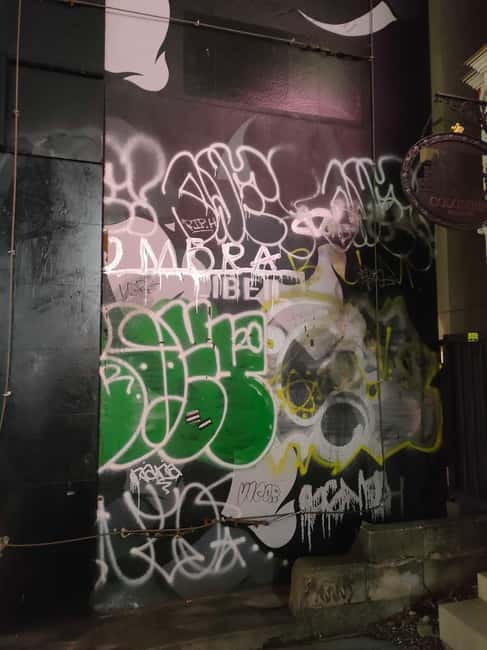
The point is not simply to collect photographs. You learn how to notice the difference between a tag, a throw-up, a sticker, and a larger mural. You also get context about Japanese graffiti culture and the local and international artists who leave their mark in Tokyo.
That guidance matters. Large public art is easy to spot. Small marks are not. Several people found that Elena showed them works they would never have noticed alone, including discreet tags and stickers. Her enthusiasm also seems to be a major part of the experience, especially if you are new to graffiti and want someone to explain what you are seeing without assuming prior knowledge.
More Shibuya plans:
- Official Street Go-Kart in Shibuya
★ 5.0 · 3,435 reviews - Tokyo: Street Kart Experience in Shibuya
★ 4.9 · 1,484 reviews - Shibuya Meltdown Nightlife Tour: All-You-Can-Drink Bar Hopping
★ 5.0 · 1,058 reviews
Meeting at Manhattan Records in Shibuya
The stated meeting point is Manhattan Records shop in Shibuya. That is a useful starting place for this subject: you are not meeting at a museum or a standard sightseeing plaza, but at a place tied to music and youth culture.
The supplied route details also name Kifune Bldg. as the starting and ending location. Because those details do not match perfectly, confirm the exact meeting instructions before setting out. Use the address supplied at booking rather than relying only on the shop name.
Arrive in comfortable shoes. Two hours on Tokyo pavement can feel longer than it sounds, particularly if you are stopping often, looking upward, and stepping into side streets. Carry water, a camera if you want photos, and some cash. There are no meals or drinks included.
Shibuya is well connected by public transport, but getting there is your responsibility. The tour price does not cover transport to the meeting point. That is a small cost, but it matters when you are comparing this walk with an attraction that includes admission or hotel pickup.
Reading Shibuya beyond the famous crossing
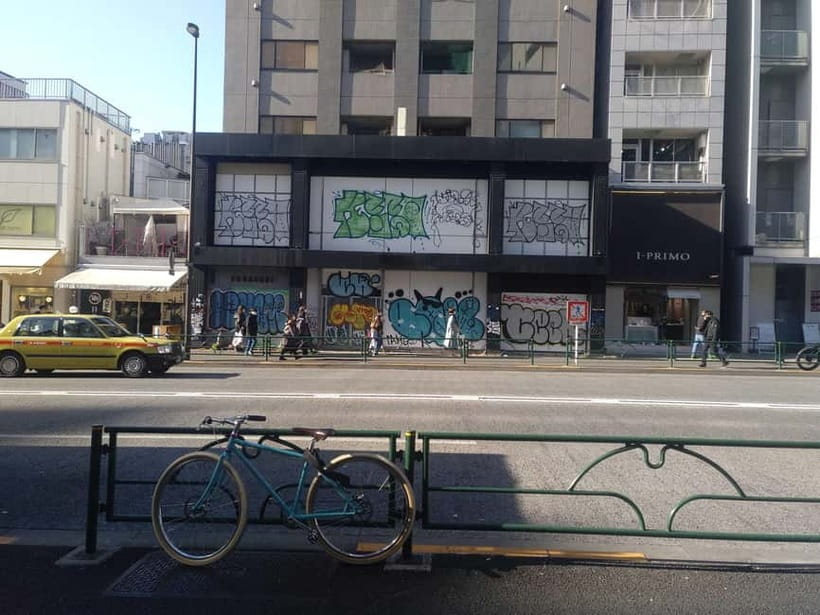
The Shibuya section is the core of the experience. The district is known for giant screens, department stores, nightlife, and the famous crossing, yet the art-focused route moves away from the postcard view.
Here, Elena can direct your attention to works that blend into the city’s visual noise. A quick tag may sit beside a more carefully planned piece. A sticker may carry a name or symbol that means little to you at first but connects to a wider artist network. A painted wall may look spontaneous until you hear about its creator, location, and place within Tokyo’s street-art culture.
I like this approach because it gives you a new habit for the rest of your trip: slow down and scan the edges. Look around shutters, service lanes, building sides, and overlooked corners. You may find that the most interesting work is not the largest work.
The walk also addresses an important point for visitors. Graffiti in Tokyo is not simply a free-for-all. Some pieces are made on legal walls or approved surfaces, while others appear in secret locations and may be removed. The activity description is clear that some of the expressions are illegal. Elena’s role is to explain the scene, not to encourage you to copy it.
That distinction is worth keeping in mind. Do not touch the art, add your own mark, block a passage, or treat private property as a photo studio. Respecting local laws is part of being a responsible visitor.
From large murals to tags and stickers
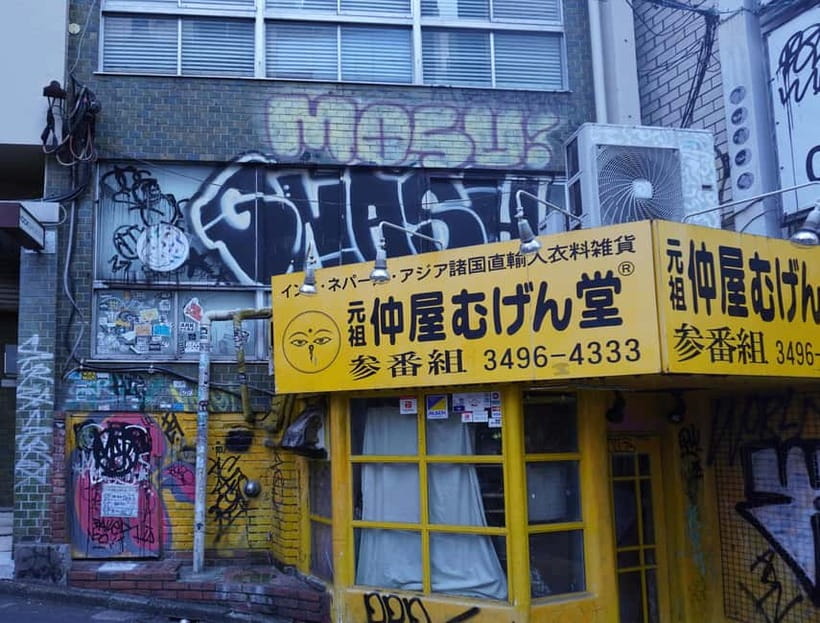
A strength of this walk is its range. You are not promised only giant murals designed for social media. The route includes the smaller, rougher, and more fleeting parts of graffiti culture.
Tags can look like quick scribbles until someone explains the lettering, repetition, and identity behind them. Throw-ups have their own visual logic. Stickers can be placed in spots where a full painting would attract too much attention. Murals may be easier to admire, but small works often tell you more about how artists use the city.
The selection can include local and international artists. Elena has spent years searching through Tokyo and learning about the artists and crews connected to its streets, so the commentary adds a personal research angle rather than a general art-school lecture.
You should also expect the route to be partly visual and partly conversational. The value comes from stopping, listening, comparing styles, and asking questions. If you want a fast parade of photo stops, the pace may feel slower. If you enjoy understanding what you see, those pauses are the reason to book.
Bring a camera, but be discreet. Street art can be sensitive, and not every location should be treated like an official attraction. Ask Elena when you are unsure about photography.
More Harajuku wanders:
- Tokyo Go-Kart Tour Shibuya-Harajuku-Shinjuku (*IDP Required)
★ 5.0 · 217 reviews - Tokyo: Guided Go Kart Tour from Harajuku to Shibuya Crossing
★ 4.5 · 166 reviews - Shibuya & Harajuku: Hidden Gems & Highlights Private Tour
★ 4.7 · 139 reviews - Harajuku Kawaii Fashion and Pop-Culture Tour
★ 5.0 · 94 reviews
A short look at Harajuku’s creative side
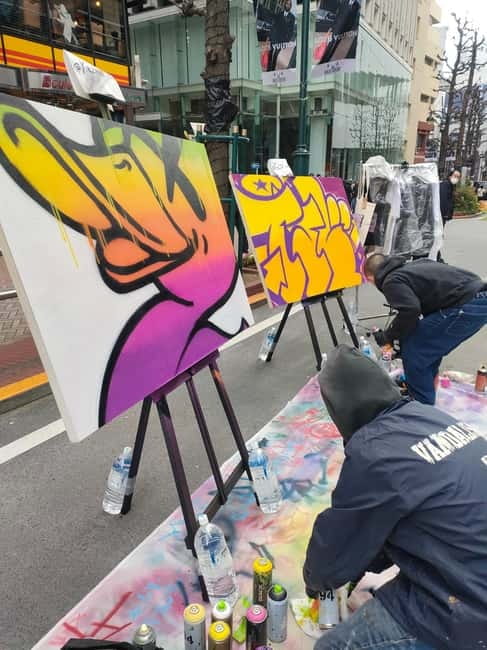
The itinerary includes a visit to Harajuku after the main Shibuya walk, with about 10 minutes listed for this part of the route. That is not enough time for a full neighborhood tour, shopping session, or extended gallery visit, so set your expectations accordingly.
Instead, Harajuku works as a brief second chapter. Its fashion culture, independent shops, youth style, and art connections make it a natural companion to Shibuya. You get a sense of how street art fits into a wider creative district rather than viewing graffiti as an isolated subject.
The route may also introduce you to galleries, art studios, exhibitions, and local places to spend more time after the tour. Gallery admission is not included, although most galleries are free of charge. The experience also includes information about top art galleries, along with discounts at some galleries and restaurants on the tour.
Those extras are useful if you want to continue exploring. They are less important if your Tokyo schedule is already packed. Ask Elena for current suggestions and directions, since exhibitions and gallery schedules change.
What makes Elena Calderon a strong guide
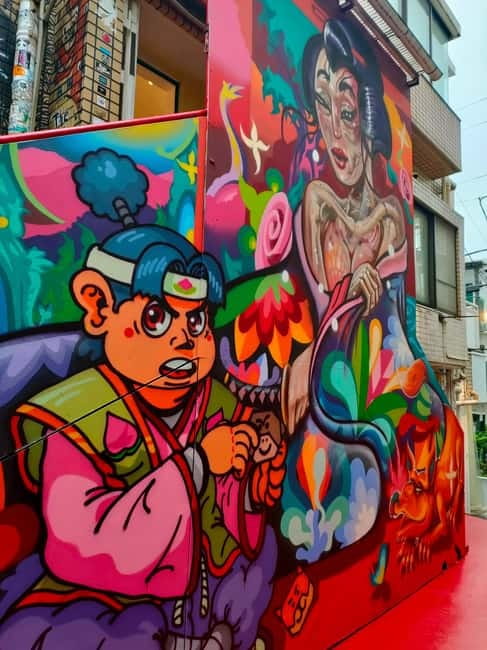
The guide is the heart of this activity. Elena Calderon is described as a graffiti researcher with more than 10 years of experience and an art curator. That combination matters because it brings together street-level observation and formal art-world context.
You can expect explanations about artists, crews, Japanese culture, and the ways street art appears in Tokyo. Her English and Spanish guiding options make the tour accessible to a wider range of visitors. Several comments also note that she is easy to understand, flexible, passionate, and able to adjust the conversation to the group.
That last point is valuable. Graffiti tours can go too far in either direction. They can become a list of artist names that means little to a beginner, or they can stay so basic that an experienced fan learns nothing. Elena’s background should help bridge that gap.
If you already follow graffiti, bring questions about styles, artists, legal walls, and the difference between local and international work. If you know little about the subject, do not worry. The walk is designed to teach you how to look.
One useful improvement would be additional visual material for pieces that are no longer present or are difficult to explain on the spot. A tablet or small image set could help place artists and past works in context. That is a minor consideration, not a reason to dismiss the tour, but it is worth knowing that the art itself may be temporary.
Is $38 good value for two hours?
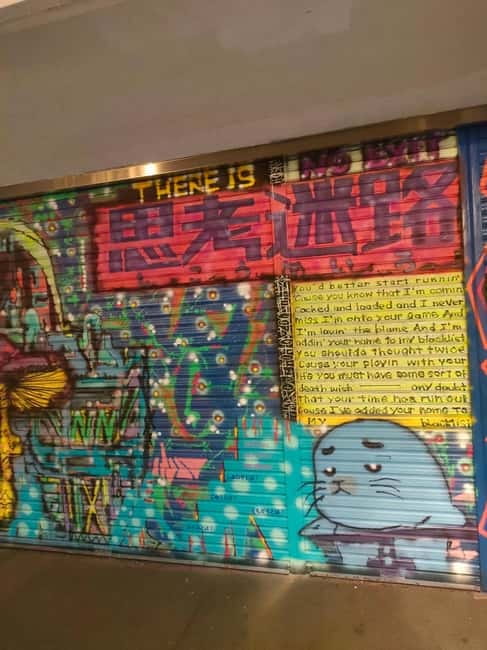
At $38 per person, this is reasonably priced for a specialist walking tour in central Tokyo. You are paying for a small slice of the city that is difficult to find on your own, plus a guide with a long record of research in the field.
The value is strongest if you care about graffiti, street photography, urban culture, independent art, or seeing familiar districts in a new way. It is also good for repeat visitors who have already handled Tokyo’s major landmarks and want something less predictable.
The value is weaker if you are mainly seeking paid attractions. There is no meal, transport, or museum ticket in the price. Most galleries you may encounter are free, but some museums or exhibitions can charge separately.
Consider the price against the alternative. You could walk around Shibuya and Harajuku alone for nothing, but you would probably miss much of the smaller work and have little way to identify artists or understand the local setting. The fee buys trained attention. That is the real product.
Who should take this tour?
I would recommend it most strongly to:
- Graffiti and street-art fans who want local and international artists in one route
- Photographers who enjoy details, textures, stickers, tags, and changing city walls
- Art students and gallery visitors looking for a street-level view of Tokyo’s art culture
- Repeat visitors who have already seen the standard Shibuya sights
- Families with older children who can manage two hours of walking and enjoy visual art
- Curious first-time visitors who prefer side streets to a standard landmark tour
It may not suit you if you have mobility limitations, need a stroller-friendly route, or want a broad introduction to Tokyo. The activity is specifically marked as unsuitable for people with mobility impairments, babies under one year, and people over 95.
The tour also requires some tolerance for weather. Wear shoes that can handle walking and prepare for changing conditions. Smoking, alcohol, drugs, and littering are not allowed.
Practical tips for getting more from the walk
Read a little about basic graffiti terms before you go, but do not feel you need expert knowledge. The best preparation is simply to arrive alert and ready to look carefully.
Keep your camera handy but not constantly raised. You will get more from Elena’s explanations if you first look at a piece with your own eyes. Then take a photograph when appropriate and ask about the artist or technique.
Leave room in your schedule after the tour. The walk returns to the stated starting area, and Elena can provide information about galleries and exhibitions. The tour itself lasts two hours, but you may want extra time to revisit a mural, visit a gallery, or continue through Harajuku.
Book for a time when you will not be rushing to a train or restaurant reservation. The route includes frequent stops, and a relaxed pace makes it easier to hear the stories and notice the smaller marks.
The activity offers free cancellation up to 24 hours before the start and allows you to reserve now and pay later. That flexibility is useful in Tokyo, where rain, heat, and a crowded sightseeing plan can change your day.
Should you book the Shibuya and Harajuku graffiti walk?
Book it if you want a focused, personal look at Tokyo’s street art and understand that the experience is about observation and explanation rather than major landmarks. Elena’s research background, strong communication, and enthusiasm make this a good choice for both dedicated graffiti fans and newcomers.
Skip it if your priority is a classic Tokyo overview, indoor attractions, or a route with guaranteed permanent works. Graffiti changes, some pieces disappear, and the walk involves ordinary city streets rather than a polished exhibition space.
For the right visitor, $38 is a fair price for access to a side of Shibuya and Harajuku that is easy to miss. You leave with more than photographs. You learn to notice the marks at the edge of the city.
FAQ
Where does the graffiti tour meet?
The meeting point is Manhattan Records shop in Shibuya. The route information also refers to Kifune Bldg. as the starting and ending location, so confirm the exact address in your booking details.
How long does the tour last?
The advertised duration is two hours. Starting times vary, so check availability when booking.
Which languages are available?
The live guide is available in English and Spanish.
What does the tour include?
The experience includes an expert guide, access to hidden graffiti locations, information about Tokyo’s graffiti scene, advice about art galleries, and discounts at some galleries and restaurants on the tour.
Are meals, transport, and museum tickets included?
No. Meals and drinks, transport to the meeting point, and entrance fees for galleries or museums are not included. Most galleries are free of charge.
What should I bring?
Bring comfortable walking shoes, water, a camera, and cash. You should also prepare for changing weather.
Can I cancel the booking?
You can cancel up to 24 hours in advance for a full refund. The activity also offers a reserve-now, pay-later option.
More Walking Tours in Tokyo
- Tokyo Tsukiji Fish Market Food and Culture Walking Tour
★ 5.0 · 3,184 reviews - Tokyo: Imperial Palace and Shogun Historical Walking Tour
★ 5.0 · 2,251 reviews - Tokyo: Shinjuku Local Bar and Izakaya Guided Walking Tour
★ 4.9 · 1,794 reviews - Tokyo: Tsukiji Fish Market Food and Walking tour
★ 5.0 · 1,724 reviews
New on our Tokyo list
- From Tokyo: Mount Fuji & Hakone Full Day Private Tour★ 4.9 · 25 reviews
- Tokyo Spectacular View Day-Cruise in 90 Minutes★ 5.0 · 25 reviews
- Real Tokyo Runner Club : Daikoku Car Meet Night Tour with JDM Car★ 5.0 · 25 reviews
- 2.5 Hour-Guided Cycle Tour in the Central Tokyo★ 5.0 · 25 reviews
- Ramen Making from Scratch +Akihabara Tour –Cooking Class★ 5.0 · 25 reviews
- [Self-Drive] Tokyo & Daikoku Custom Car Driving Tour★ 4.9 · 25 reviews
- Tokyo: 2-Hour Night Bike Tour of the City’s Hidden Gems★ 4.9 · 25 reviews
- Samurai themed Entertainment show in Shinjuku★ 4.5 · 25 reviews
Walking Tours, compared.

Tokyo Tsukiji Fish Market Food and Culture Walking Tour
Read our review →
Imperial Palace and Shogun Historical Walking Tour
Read our review →
Shinjuku Local Bar and Izakaya Guided Walking Tour
Read our review →
Asakusa Walking Tour with Sensoji Temple Visit
Read our review →
Tokyo Castle & Imperial PalaceーShogun Walking Tour
Read our review →
Browse the lists this tour appears in