
Reviewed · WALKING TOURS
Imperial Palace East Garden and Edo Castle Walking Tour in Tokyo
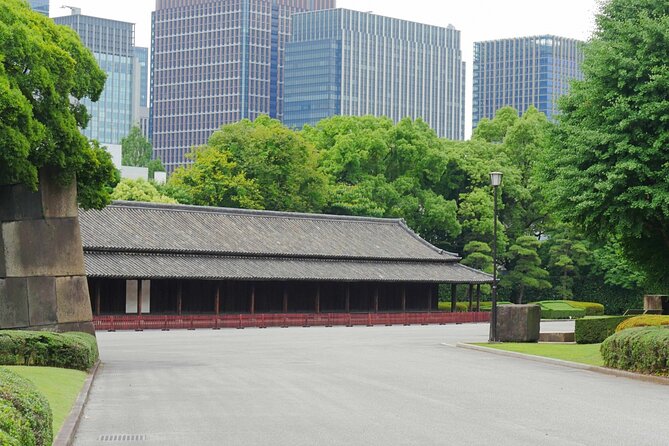
Tokyo’s Imperial Palace East Garden gives you a rare look at the remains of Edo Castle, the fortress that once anchored Japan’s shogun government. This 2.5-hour walk moves from Wadakura Fountain Park into castle ruins, formal gardens, ponds, and the former Honmaru area. You see the grounds, not the palace buildings.
I like the small group of no more than 12 people, which makes it easier to hear the guide and ask questions. I also like the range of guides, including Kenta, Glenda, Kei, Sato, Miko, and Kaz, who bring history to life with clear English, photos, humor, and stories about samurai, shoguns, emperors, and daily life.
The main caution is simple: this is a history walk, not a palace interior tour. Some people find the gardens lovely and peaceful, while others expect more flowers, grand buildings, or access inside. Wear good walking shoes, and allow the full two and a half hours.
In This Review
- Key points to know before booking
- Why Edo Castle matters in central Tokyo
- Starting at Wadakura Fountain Park
- Entering the Imperial Palace East Gardens
- Reading the Honmaru ruins and old castle site
- Ninomaru Garden and the quieter side of the palace grounds
- What the guides add to the experience
- Walking conditions, weather, and pace
- How the $25 price works out
- Who should book this East Gardens walk
- Booking, meeting details, and cancellation
- Is this Imperial Palace tour worth booking?
- FAQ
- Does this tour enter the Imperial Palace buildings?
- How long does the walking tour last?
- Where does the tour start?
- Where does the tour end?
- What is included in the price?
- How large is the group?
- Is the tour suitable for most people?
- What happens if the weather is poor?
Key points to know before booking
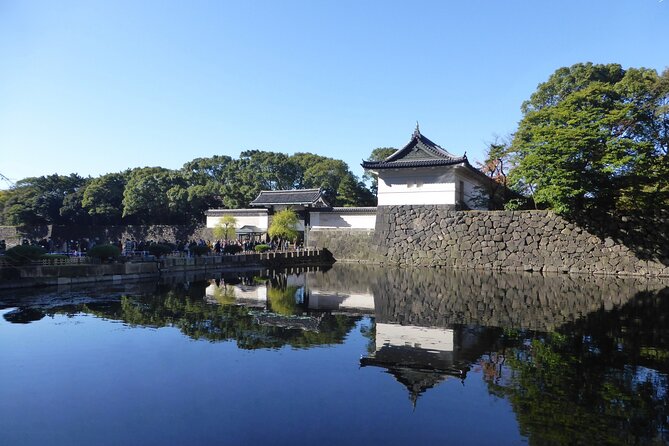
- Edo Castle ruins anchor the tour: See the former castle grounds, stone remains, Honmaru area, and the site of the old castle tower.
- Wadakura Fountain Park starts the experience: Spend about 30 minutes around its fountains before entering the East Gardens.
- The palace buildings are off limits: You explore the gardens and surrounding grounds only.
- Guides add the real value: Kenta is praised for humor and visual aids, while Glenda, Kei, Sato, Miko, and Kaz are noted for clear explanations and warm help.
- Plan for hills and changing weather: The route has some steep paths, but no stairs were reported in one tour description. Rain can affect the outing.
- The $25 price buys context, not admission: Entry to the public garden areas is free, so the fee pays mainly for the English-speaking guide and small-group format.
Why Edo Castle matters in central Tokyo
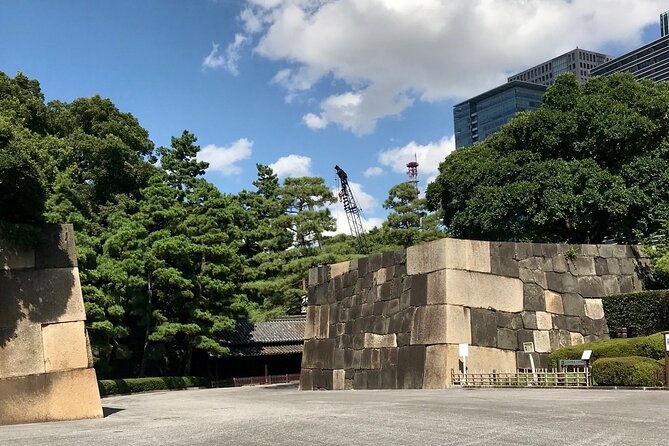
Tokyo can feel sleek, modern, and intensely busy. Then you pass through the Imperial Palace grounds and find broad paths, carefully kept plantings, ponds, stone walls, and open space. The change is striking.
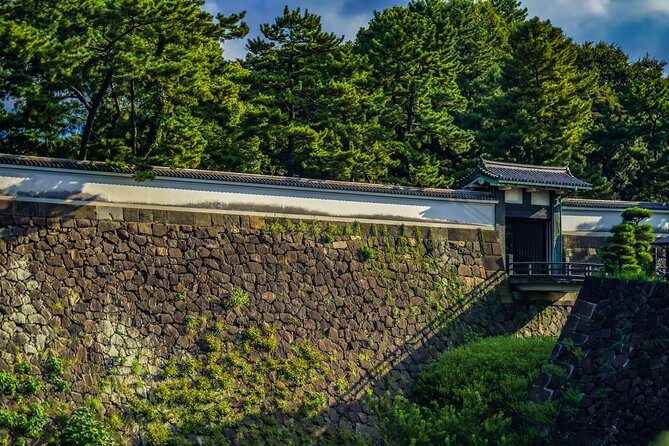
This was not simply a garden built for pretty views. The East Gardens occupy part of the former Edo Castle, the power center of the Tokugawa shoguns. From the early 1600s until the mid-1800s, the castle was tied to the military government that ruled Japan.
A guide helps you connect the stones and garden paths to that past. Without context, a large stone base may look like an old wall and little else. With a guide, you can understand the role of the castle, the samurai class, the shoguns, and the imperial family that later used the site.
That context is the heart of the experience. You will not walk through preserved castle rooms or see a grand interior. Instead, you learn to read the remaining walls, foundations, paths, gardens, and open spaces.
More walking routes in Tokyo:
- Tokyo Tsukiji Fish Market Food and Culture Walking Tour
★ 5.0 · 3,184 reviews - Tokyo: Imperial Palace and Shogun Historical Walking Tour
★ 5.0 · 2,251 reviews - Tokyo: Shinjuku Local Bar and Izakaya Guided Walking Tour
★ 4.9 · 1,794 reviews
Starting at Wadakura Fountain Park
The meeting point is the Starbucks Coffee beside Wadakura Fountain Park at 3-1 Kōkyogaien, Chiyoda City. This is a useful starting place because the park gives you a clear public location near the palace grounds.
The first stop lasts about 30 minutes. Wadakura Fountain Park is known for its water features and quiet setting. It was first built in 1961 to mark the wedding of Emperor Akihito and Empress Michiko, then redesigned and reopened in 1995 for the wedding of Crown Prince Naruhito and Crown Princess Masako.
That detail gives the tour an early connection between modern Japan and the imperial family. You are not only looking at fountains. You are standing in a place designed around royal events and public memory.
I would arrive with enough time to identify the guide and settle in. The meeting point is near public transportation, but Tokyo has many exits and large station areas, so do not treat near the palace as precise enough by itself. Check the exact meeting instructions before setting out.
Entering the Imperial Palace East Gardens
The main part of the outing takes about two hours in the East Gardens. Entry to the public garden area is free, but the tour itself includes the guide, taxes, and other listed fees.
The gardens combine formal Japanese scenery with remains of Edo Castle. You might pass ponds, trimmed plantings, seasonal trees, and sections of stonework before reaching the larger castle areas. In spring, cherry blossoms may add color. In autumn, foliage can improve the view, though the timing is never guaranteed.
One useful reality check: this is not always a flower-filled garden. A visit in October may show plenty of greenery without much color, depending on the season. If your main goal is blossoms or autumn leaves, treat those as possible bonuses rather than the reason to book.
The setting is most appealing when you enjoy quiet paths and historical remains together. The garden does not rely on a long list of spectacular structures. Its appeal comes from the contrast between open green space and the scale of the former castle.
Reading the Honmaru ruins and old castle site
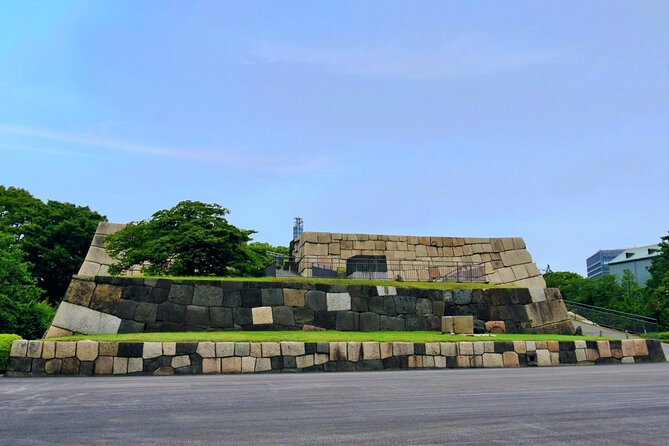
The Honmaru area is one of the key historical parts of the walk. It was once the castle’s main compound, where important buildings and activities were concentrated. Today, much of what you see is open ground and surviving foundations rather than intact architecture.
This is where a good guide makes a large difference. Kenta has been praised for bringing visual pages and photographs, which can help you picture structures that no longer exist. Miko has also used photos to explain the gardens, castle grounds, former castle tower, and related sites.
You may hear stories about samurai life, the Edo period, the shoguns, and the emperor’s role in modern Japan. The strongest guides keep the detail moving at a useful pace. Kenta is described as funny and clear, while Sato is noted for giving just enough information to keep the group interested.
That balance matters. A castle site can become a lecture if every stone receives a long explanation. It can also become a slow stroll with no meaning if the guide says too little. The best version of this tour gives you enough facts to understand the site, then lets you enjoy the gardens.
A few more Tokyo bookings worth comparing
- Mt Fuji and Hakone 1-Day Bus Tour Return by Bullet Train
★ 5.0 · 26,383 reviews - 1-Day Tokyo Bus Tour
★ 5.0 · 14,250 reviews - Tokyo: TOKYO SKYTREE® Admission ticket
★ 4.5 · 11,192 reviews - Tokyo: teamLab Planets TOKYO Digital Art Museum Entry Ticket
★ 4.6 · 9,779 reviews
Ninomaru Garden and the quieter side of the palace grounds
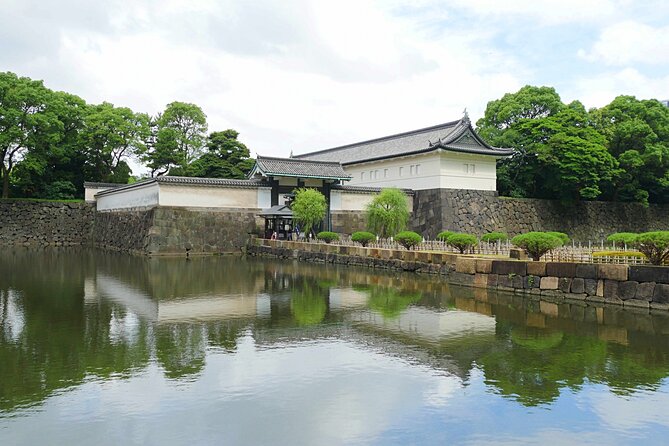
The Ninomaru Garden offers a different mood from the castle remains. It is designed in a more traditional Japanese style, with ponds, plantings, and carefully arranged views.
I would expect calm rather than spectacle here. The garden is a place to slow down, notice the layout, and see how Japanese garden design uses water, plants, paths, and changing views. Depending on the season, you may find blossoms or fall color, but the grounds can also be mostly green.
One detail from the walk is the carp in the ponds. In sunlight, they can seem to glow as they move through the water. Small moments like this help break up the historical explanations and make the garden feel like a living place rather than an outdoor museum.
The East Gardens are especially good for first-time Tokyo visitors who want an introduction to Japanese history without giving up a peaceful setting. You get a lesson in power and politics, but you are not confined to a museum room.
What the guides add to the experience
The guide is the reason to pay for this walk when the public garden entry costs nothing. The names that appear in the tour feedback include Kenta, Glenda, Kei, Sato, Miko, Miki, Kaz, Satoko, Miyu, and Loc.
Their strengths vary slightly, but the pattern is clear. Kenta is often praised for humor, energy, strong preparation, and clear explanations. Glenda is noted for careful English, a steady speaking pace, and useful suggestions for other Tokyo sights. Kei has handled rainy conditions thoughtfully and kept the group comfortable.
Sato is described as friendly and good at answering questions. Miki is praised for patience and kindness. Kaz has kept a good pace in the rain, while Loc has been appreciated for his command of Japanese culture and friendly manner.
You cannot choose a particular guide with certainty from the information provided, so book for the format rather than a guaranteed individual. Still, the range of guide styles is encouraging. Several guides use photographs or printed visual material, which is useful when explaining vanished buildings and former castle layouts.
The small-group limit is also important. With a maximum of 12 people, you have a better chance of hearing the explanation and getting an answer without holding up a large crowd. One group had 10 people, and another had eight, which created a more personal feel.
Walking conditions, weather, and pace

This is a walking tour, so comfortable shoes are essential. The route includes some hills and steep paths, though one description specifically noted no stairs. The exact effort will depend on your pace, weather, and how long the guide pauses at each site.
Rain does not necessarily end the experience. A guide named Kei adjusted the route and used more sheltered locations while continuing the discussion. Even so, the activity requires good weather, and poor conditions can lead to a different date or a full refund.
Bring water, since snacks are not included. You may also want sun protection in warmer months and rain gear if the forecast looks uncertain. There is no promise of indoor palace access, so weather affects the whole outing more than it would on a museum tour.
Families can take part, and most people can participate. One guide even helped arrange a wheelchair when a person in the group became tired and dizzy. That is a helpful sign of attentive service, but the hills mean you should still consider your own mobility before booking.
How the $25 price works out
At $25 per person, this is a modestly priced guided walk in a central Tokyo location. The public garden areas do not charge admission, so you are paying for the English-speaking guide, organization, historical interpretation, and small group.
That is good value if you would otherwise walk through the East Gardens without understanding what you are seeing. The castle foundations and garden layout become far more meaningful when someone explains their former use. The price is less compelling if you prefer to wander alone, take photographs, and read at your own pace.
The duration also matters. A tour advertised as a quick introduction could disrupt a tightly planned day, but this experience is listed at about two hours and 30 minutes. Plan around the full time, not an optimistic one-hour visit.
Since the tour ends back at the meeting point, you can continue around the palace area afterward or use nearby transport for your next stop. No snacks are included, so fit a meal or coffee into your plans before or after the walk.
Who should book this East Gardens walk
I would recommend it to a first-time Tokyo visitor who wants a clear introduction to the Edo period, samurai society, the shoguns, and the imperial family. It also suits you if you like learning while walking and prefer a calm outdoor setting to a crowded indoor attraction.
It is a good pick for solo visitors and couples who want a small social group without committing to a full-day excursion. Families can also benefit, especially if children respond well to stories, pictures, and castle ruins rather than long museum displays.
You may want to skip it if your main goal is entering the Imperial Palace buildings. Public access does not include palace interiors on this tour. You should also think twice if you want a garden at peak bloom, because the East Gardens can be leafy and well kept without many flowers.
The tour works best when you see the gardens as part of a larger historical site. If you expect a grand palace, preserved rooms, or dramatic castle architecture, the experience may feel modest.
Booking, meeting details, and cancellation
You receive confirmation at booking, and the mobile ticket is convenient for a day of sightseeing. The meeting point is Starbucks Coffee at Wadakura Fountain Park, and the tour returns there at the end.
Free cancellation is available up to 24 hours before the start time for a full refund. Changes or cancellations within 24 hours are not accepted for a refund. The cut-off follows Tokyo local time.
Service animals are allowed, and the activity is near public transportation. Since the outing depends on good weather, a cancellation caused by poor conditions offers you a different date or a full refund.
Is this Imperial Palace tour worth booking?
Book this tour if you want the story behind the stones. At $25, the guide provides the part you cannot get from a free solo walk: a clear link between Edo Castle, samurai rule, the shoguns, the imperial family, and the gardens around you.
Go in knowing that the palace interiors are not included and that seasonal flowers are not guaranteed. Allow the full two and a half hours, wear comfortable shoes, and choose this for history, quiet gardens, and good explanation rather than grand architecture. For a first visit to Tokyo, that is a fair price for a useful start.
FAQ
Does this tour enter the Imperial Palace buildings?
No. The tour does not enter the Imperial Palace buildings because they are not open to the public. It visits the East Gardens and surrounding grounds.
How long does the walking tour last?
The tour lasts approximately two hours and 30 minutes. The East Gardens portion takes about two hours, and Wadakura Fountain Park takes about 30 minutes.
Where does the tour start?
The meeting point is Starbucks Coffee at Wadakura Fountain Park, 3-1 Kōkyogaien, Chiyoda City, Tokyo 100-0002, Japan.
Where does the tour end?
The activity ends back at the meeting point at Wadakura Fountain Park.
What is included in the price?
The price includes all fees and taxes and an English-speaking local guide. Snacks are not included.
How large is the group?
The maximum group size is 12 people.
Is the tour suitable for most people?
Most people can participate, and service animals are allowed. The route is a walking tour with some hills and steep paths. One description noted that there were no stairs.
What happens if the weather is poor?
The experience requires good weather. If it is canceled because of poor conditions, you will be offered another date or a full refund.
New on our Tokyo list
- From Tokyo: Mount Fuji & Hakone Full Day Private Tour★ 4.9 · 25 reviews
- Tokyo Spectacular View Day-Cruise in 90 Minutes★ 5.0 · 25 reviews
- Real Tokyo Runner Club : Daikoku Car Meet Night Tour with JDM Car★ 5.0 · 25 reviews
- 2.5 Hour-Guided Cycle Tour in the Central Tokyo★ 5.0 · 25 reviews
- Ramen Making from Scratch +Akihabara Tour –Cooking Class★ 5.0 · 25 reviews
- [Self-Drive] Tokyo & Daikoku Custom Car Driving Tour★ 4.9 · 25 reviews
- Tokyo: 2-Hour Night Bike Tour of the City’s Hidden Gems★ 4.9 · 25 reviews
- Samurai themed Entertainment show in Shinjuku★ 4.5 · 25 reviews
Walking Tours, compared.

Tokyo Tsukiji Fish Market Food and Culture Walking Tour
Read our review →
Imperial Palace and Shogun Historical Walking Tour
Read our review →
Shinjuku Local Bar and Izakaya Guided Walking Tour
Read our review →
Asakusa Walking Tour with Sensoji Temple Visit
Read our review →
Tokyo Castle & Imperial PalaceーShogun Walking Tour
Read our review →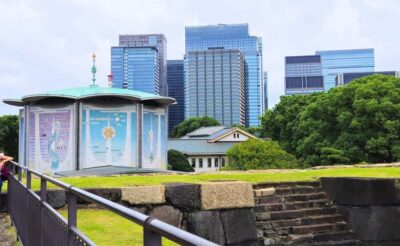
Browse the lists this tour appears in