
Reviewed · WALKING TOURS
Imperial Palace or Edo Castle Time Trip Learning Walking Tour
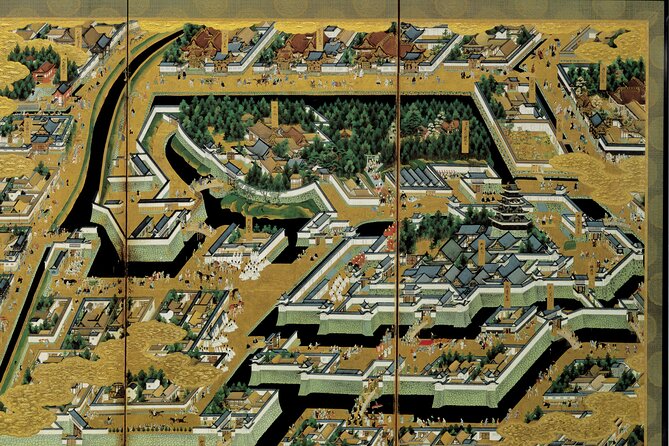
The most rewarding part of this walk is the change in scale. Tokyo’s Imperial Palace can look like a quiet formal park, but the gates, moats, bridges, huts, and massive stone walls let you picture the former Edo Castle as the center of Japan’s military government. An illustrated map of Edo in the 1650s helps connect today’s streets to that older city.
I like the small maximum group of eight, which should make it easier to hear the guide and ask questions. I also like the unusually low listed price of $3.25 per person for a 2.5-hour English tour, though you should be ready for a steady 5.4km walk and outdoor conditions.
The main drawback is the meeting point. Tokyo Station’s Marunouchi South Gate area is large, and one participant found the original map directions unclear. The explanation has since been adjusted to point people toward the ground-floor Marunouchi South Exit, but give yourself extra time to find it.
In This Review
- Key points at a glance
- Start at Tokyo Station and set your Edo time machine
- The Imperial Palace view: bridges, water, and ceremony
- Inside the former Edo Castle, now the Imperial Eastern Garden
- Why the 5.4km distance matters
- A government licensed guide makes the difference
- What the price really offers
- Ending at Hirakawa-mon Gate
- Who should book this walk?
- Practical advice before you go
- Should you book the Imperial Palace Edo Castle walk?
- FAQ
- How long does the Imperial Palace Edo Castle tour last?
- How far do you walk during the tour?
- Where does the tour begin?
- Where does the tour finish?
- Is admission included?
- What happens if the weather is poor?
Key points at a glance
- Edo in the 1650s: An illustrated map gives you a useful picture of the city before you walk through the former castle grounds.
- 5.4km on foot: This is an active history tour, not a short photo stop at the palace.
- Imperial Palace views: See the famous double bridges before continuing toward the former Edo Castle.
- Former castle defenses: Gates, moats, stone walls, bridges, and guard huts show how the complex was protected.
- Small group format: The tour accepts no more than eight people, with an English-speaking government licensed guide.
- A guide with strong English: Blanca is specifically noted for clear English, a pleasant manner, and a strong command of the subject.
Start at Tokyo Station and set your Edo time machine
The tour begins at Tokyo Station’s Marunouchi South Gate Dome, at 1-chome 9 in Marunouchi. This is a practical starting point because the station is close to the palace area, but it is also a place where a first-time visitor can lose a few minutes among large entrances and underground passages.
Look for the Marunouchi South Exit on the ground floor rather than relying only on a map pin. The meeting-point explanation was changed to make this clearer after a participant had trouble locating the start. I would arrive early, especially if you are still learning Tokyo Station’s layout.
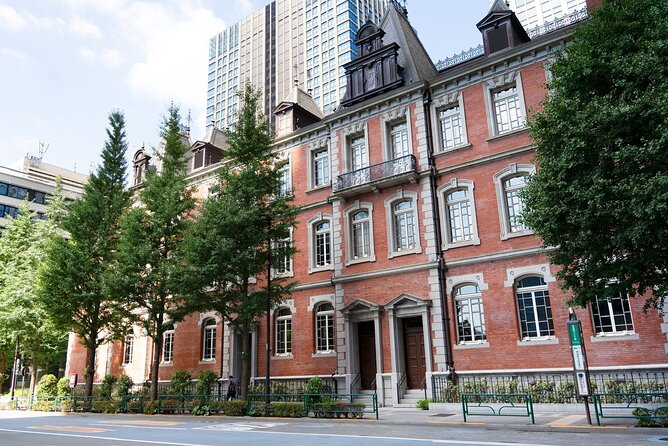
The opening stop is the Mitsubishi Ichigokan Museum. You spend about five minutes here, with no admission ticket included or needed for the tour stop. The guide gives a short explanation of the Mitsubishi Group and its major role in Japan’s economy.
This is not a museum visit with time to explore galleries. Think of it as a quick piece of modern Tokyo context before the walk turns toward the palace and the older political order. The contrast is useful: from a major business group associated with Japan’s modern economy, you move toward the former center of samurai rule.
More walking routes in Tokyo:
- Tokyo Tsukiji Fish Market Food and Culture Walking Tour
★ 5.0 · 3,184 reviews - Tokyo: Imperial Palace and Shogun Historical Walking Tour
★ 5.0 · 2,251 reviews - Tokyo: Shinjuku Local Bar and Izakaya Guided Walking Tour
★ 4.9 · 1,794 reviews
The Imperial Palace view: bridges, water, and ceremony
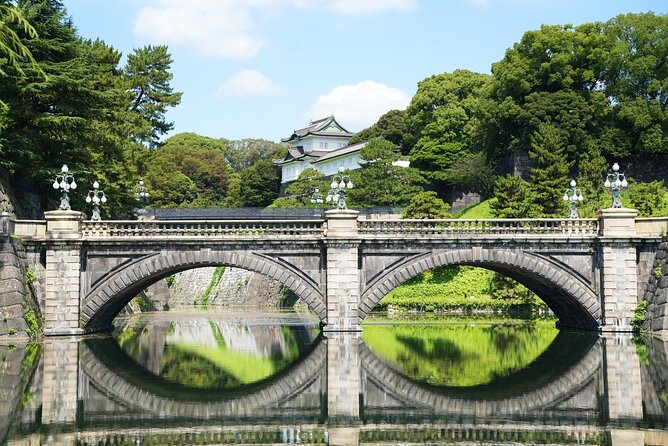
From the station area, the walk heads toward the Imperial Palace. One of the first major sights is the famous view of the palace’s double bridges. This is the classic palace scene, and it provides a clear visual introduction before the group continues to the former Edo Castle grounds.
You will also visit Sakurada Gate and bridges near the main entrance. These structures matter because they help you read the palace area as a defended seat of power rather than simply as a green open space in central Tokyo.
The Imperial Palace portion takes about two hours, so this is the main body of the experience. Your guide uses the surviving features to explain what the castle complex once meant. Gates controlled movement. Moats created distance and protection. Stone walls showed the scale and strength of the compound. Bridges marked points of entry and transition.
Some of the castle buildings no longer exist, so the tour depends on your ability to imagine the missing parts. That is where the illustrated map of Edo in the 1650s becomes important. It gives the guide a way to show how the castle related to the surrounding city and helps you picture a much larger political center than the remaining structures alone might suggest.
Inside the former Edo Castle, now the Imperial Eastern Garden
The walk continues into what was once Edo Castle and is now called the Imperial Eastern Garden. This is the section most likely to appeal to anyone who wants more than a standard palace photograph.
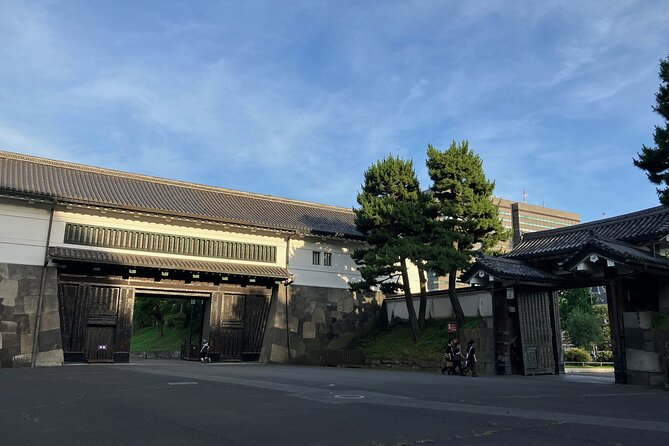
The garden preserves the setting of the former castle, including gates, walls, moats, bridges, and small guard structures. You are not simply being shown isolated monuments. The guide uses these elements together to explain how the castle worked as a place of government, defense, and social order.
The physical remains also give the tour a useful rhythm. You move from broad views to specific structures, then pause to connect them to the political system of the time. The tour’s central question is not just what happened at Edo Castle, but how the castle organized people and power.
You will hear about the Shogun, the Emperor, and the samurai ruling class. The walk also addresses people who lived outside the ruling center, including residents of Edo and women connected with the castle. That wider focus is a strength. It keeps the story from becoming only a parade of powerful men and military titles.
The emphasis on women of the Edo Castle is particularly useful because a castle was also a place of household life, rank, rules, and daily work. The supplied information does not promise a detailed account of every role, so expect an introduction rather than a specialist lecture. Still, the subject gives you another way to understand the castle as a living institution.
Why the 5.4km distance matters
The full walk covers about 5.4km in 2.5 hours. That is a fair amount of ground, especially because the experience takes place outdoors and includes the time needed for explanations and stops.
I would choose this tour when you want to connect several places on foot and understand how they fit together. It suits visitors who prefer history in the setting where it happened, rather than inside a lecture room. You should be comfortable walking at a steady pace and spending the full time outside.
The distance also means this is not the best choice if you only want a quick palace view. You can likely see the double bridges and take photographs without booking a guided walk. The value here comes from interpretation, structure, and the chance to make sense of the surviving defenses.
Good weather is required. If poor weather cancels the activity, you are offered another date or a full refund. That policy is helpful, but it also means you should keep your schedule flexible if rain is likely.
A few more Tokyo bookings worth comparing
- Mt Fuji and Hakone 1-Day Bus Tour Return by Bullet Train
★ 5.0 · 26,383 reviews - 1-Day Tokyo Bus Tour
★ 5.0 · 14,250 reviews - Tokyo: TOKYO SKYTREE® Admission ticket
★ 4.5 · 11,192 reviews - Tokyo: teamLab Planets TOKYO Digital Art Museum Entry Ticket
★ 4.6 · 9,779 reviews
A government licensed guide makes the difference
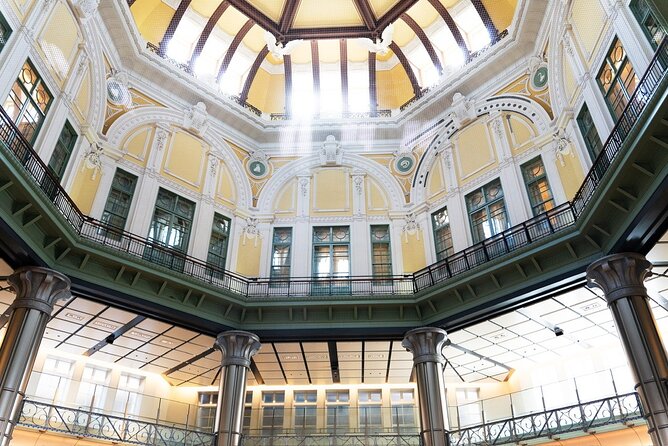
The tour includes an English-speaking government licensed guide. That credential matters here because many of the physical remains are easy to look at without knowing what they reveal. A guide can point out how gates, walls, moats, and bridges fit into the old castle plan.
Blanca is specifically associated with the experience and is noted for her strong English, pleasant manner, and broad command of the subject. Another participant praised a female guide for providing a very good history lesson. You should not assume that Blanca will lead every departure, but the available guide feedback gives you a useful sense of the standard this experience aims for.
The format also allows questions. With a maximum of eight people, you are not being led through the grounds in a large crowd. A small group is especially valuable for a history walk because you can ask for clarification when Japanese titles or social categories become confusing.
The tour includes a small gift, which is a minor extra rather than a reason to book. Meals and bottled water are not included. Bring your own water, since the walk lasts two and a half hours and the price does not cover refreshments.
What the price really offers
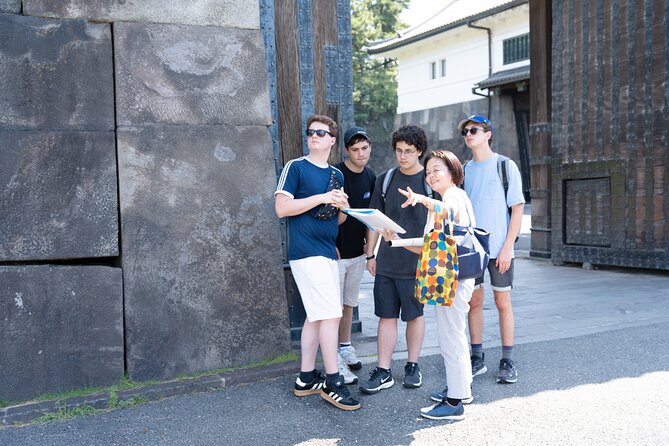
At the stated price of $3.25 per person, this is an unusually inexpensive way to spend 2.5 hours with an English-speaking licensed guide in central Tokyo. Even after allowing for the fact that prices can change, the listed cost makes the tour easy to consider for budget-conscious visitors.
The key question is not admission savings. The palace and garden stops are listed with free admission, so you are paying mainly for the guide’s time, the historical explanation, the small group setting, and the organized route from Tokyo Station to Hirakawa-mon Gate.
That is good value if you are curious about Edo Castle but would struggle to understand the remains on your own. The walls and moats are impressive, yet they do not automatically explain the Shogun’s authority, the Emperor’s place in the system, or how residents of Edo related to the castle.
The price is less compelling if you already know the history well or prefer to walk alone. You will still cover the same public area, and the experience does not include food, drinks, or entry to a paid museum. Its value depends on how much you want guided context.
Ending at Hirakawa-mon Gate
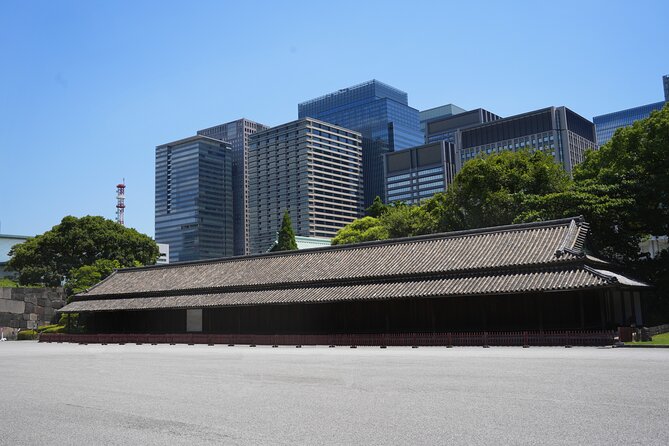
The tour ends at Hirakawa-mon Gate, in Chiyoda City. This is a sensible endpoint because the gate helps bring the story back to the defensive structure of the former castle.
A final ten-minute explanation summarizes the main ideas from the walk. You can use this closing section to connect the physical evidence to the social subjects introduced earlier: the Shogun, the Emperor, the samurai ruling class, Edo residents, and women of the castle.
The end point is different from the start at Tokyo Station. That is useful if you want to continue exploring the palace area, but you should note the change before booking. You are not being returned to the station.
The available information does not specify a guided route back to Tokyo Station or onward transport from Hirakawa-mon Gate. Since the area is near public transportation, you can plan your next stop from there, but you should handle that part yourself.
Who should book this walk?
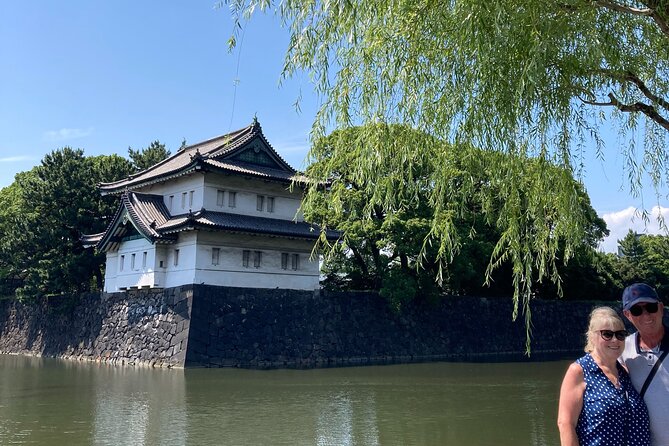
I would recommend it to first-time visitors who want a clear introduction to Tokyo’s political past. It is also a good match for anyone who has seen the Imperial Palace from the outside and wants to understand what lies behind the familiar bridges and formal views.
Families with older children may find the map and physical defenses easier to remember than a standard history talk. The tour’s format is also suitable for most people according to the supplied participation information, although the 5.4km distance still deserves attention.
History fans should like the way the tour links architecture with social structure. You are not only looking at stones. You are being asked to imagine who controlled access, who lived within the castle, and how Edo society was arranged around the ruling center.
I would hesitate if you need a fully indoor activity, have limited walking ability, or want an unhurried palace photography session. The schedule covers a lot of ground, and the experience requires good weather.
Booking is also less appealing if you expect access to palace interiors or a long visit inside the Mitsubishi Ichigokan Museum. The supplied plan focuses on outdoor sites and explanation, not indoor rooms or museum collections.
Practical advice before you go
Wear comfortable shoes. The distance is about 5.4km, and the tour lasts roughly 2.5 hours.
Bring bottled water, since it is not included. Check the weather before setting out, and remember that bad weather can lead to a rescheduled tour or full refund.
For the meeting point, use the Marunouchi South Exit on the ground floor as your reference. Tokyo Station is well connected, but its size makes a small amount of extra time worthwhile.
The tour uses a mobile ticket and confirms your booking at the time of purchase. Group size is limited to eight people, so you can expect a more personal format than a large coach or mass walking tour.
Free cancellation is available until 24 hours before the start time. Cancellations or changes made within 24 hours are not refunded or accepted, and the cut-off follows local Tokyo time.
Should you book the Imperial Palace Edo Castle walk?
Book this tour if you want the Imperial Palace to make sense as the former center of Edo, not just as a famous Tokyo photo stop. The combination of the 1650s city map, Sakurada Gate, the double bridges, the Imperial Eastern Garden, and the castle’s surviving defenses gives you a useful framework for the city’s past.
The strongest reasons to go are the small group, the English-speaking licensed guide, and the focus on both political leaders and ordinary people connected with Edo. Blanca’s clear English and strong historical command are encouraging signs, though guide assignments can vary.
Skip it if 5.4km is too much, if rain would disrupt your plans, or if you want indoor palace access. For everyone else, the very low listed price makes this an easy, practical history walk to add to a Tokyo schedule.
FAQ
How long does the Imperial Palace Edo Castle tour last?
The tour lasts approximately 2 hours and 30 minutes.
How far do you walk during the tour?
The route covers about 5.4km on foot.
Where does the tour begin?
The meeting point is Tokyo Station’s Marunouchi South Gate Dome, at the ground-floor Marunouchi South Exit area in Marunouchi, Tokyo.
Where does the tour finish?
The experience ends at Hirakawa-mon Gate in Chiyoda City.
Is admission included?
The listed stops have no admission ticket cost for this tour. Meals and bottled water are not included.
What happens if the weather is poor?
The experience requires good weather. If it is canceled because of poor weather, you can choose another date or receive a full refund.
New on our Tokyo list
- Sumi-e Experience in a relaxing green tea shop in Tokyo★ 5.0 · 3 reviews
- Tokyo : Kamikaze Street Drift Ride★ 5.0 · 3 reviews
- Private Zen Meditation in English in Shinjuku, Tokyo★ 5.0 · 3 reviews
- Onsen Spa in Tokyo and Asakusa Bar Hopping with Local Guide★ 5.0 · 3 reviews
- Easy for everyone! Now you can play handmade mini shamisen and show off to everyone! Musical instruments, sweets and live music★ 5.0 · 3 reviews
- Tokyo: Private Tsukiji Street Food & Sake with Local Guide★ 5.0 · 3 reviews
- Mt Fuji Exploration Tour with Free Japanese Kusa Mochi from Tokyo★ 4.5 · 3 reviews
- Tokyo Tsukiji Fish Market Walking and Exploring Hidden Gems Tour★ 5.0 · 3 reviews
Walking Tours, compared.

Tokyo Tsukiji Fish Market Food and Culture Walking Tour
Read our review →
Imperial Palace and Shogun Historical Walking Tour
Read our review →
Shinjuku Local Bar and Izakaya Guided Walking Tour
Read our review →
Asakusa Walking Tour with Sensoji Temple Visit
Read our review →
Tokyo Castle & Imperial PalaceーShogun Walking Tour
Read our review →
Browse the lists this tour appears in