
Reviewed · TSUKIJI & TOYOSU MARKET TOURS
Inside Tokyo’s Kitchen: Tsukiji Market, Food & Culture Tour
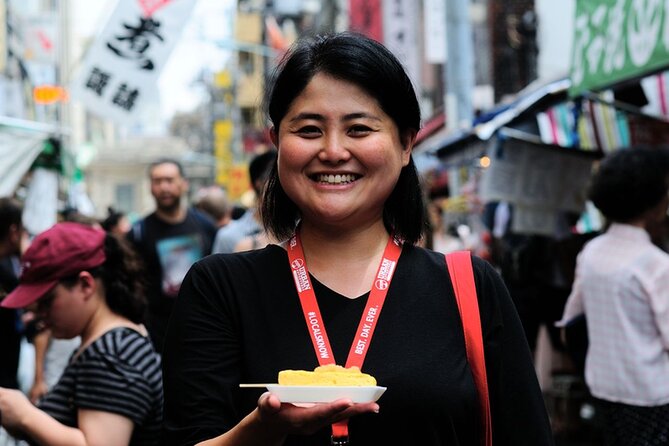
Tsukiji is easiest to enjoy when someone who knows the market leads you through it. This three-hour walk starts at Kabuki Inari Shrine, moves into the narrow food lanes, and finishes near Namiyoke Inari Shrine. Along the way, you may taste sushi, sashimi, fish cake, tamagoyaki, sweets, and other small bites.
I like the six-person limit, which matters in a market where a large group can block the aisle and miss the best stalls. I also like the mix of food and culture: you learn about fish and Japanese eating habits, then pause at two shrines and the Kabukiza theater.
The main caution is that the food portion can vary. Some tastings may be freshly prepared, while others may be packaged or bought from nearby shops. Drinks and extra food cost more, and vegetarian or vegan choices are limited.
In This Review
- Key things to know before you book
- Why Tsukiji works best with a guide
- Meeting at Kabuki Inari Shrine and Kabukiza
- Two hours through Tsukiji Outer Market
- The food is the main value
- A cultural walk, not just a food crawl
- The guides make the difference
- Timing, comfort, and getting around
- Who should book this Tsukiji experience?
- Should you book it?
- FAQ
- Where does the Tsukiji food tour begin?
- Where does the tour end?
- How long does the experience last?
- What food is included?
- Can vegetarians or vegans join?
- What should I wear?
Key things to know before you book
- Start at 8:00 a.m. near Kabukiza: Meet at Kabuki Inari Shrine, in front of the Kabukiza theater in Ginza.
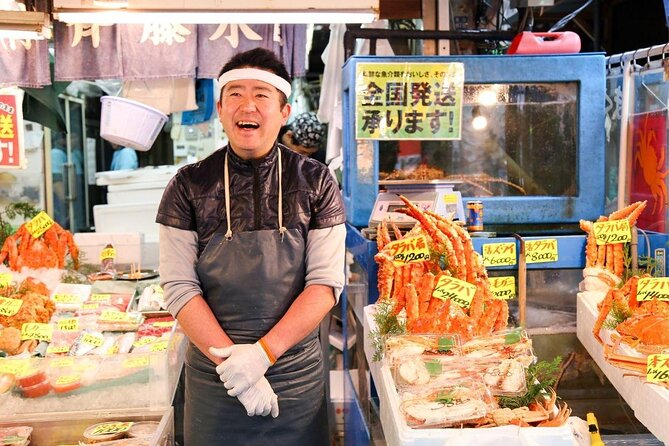
- Taste more than sushi: Possible samples include tuna sashimi, assorted tuna nigiri, eel roll, fish cake, tamagoyaki, dried anchovies, wagashi, and seasonal sweets.
- The group never exceeds six people: That makes translation, questions, and movement through tight lanes much easier.
- Food timing is not fixed: The exact mix of samples can change, and not every bite is served at a market counter.
- Wear sneakers or other closed-toe shoes: Floors in the inner market area can be wet.
- Finish near Tsukiji Station: Namiyoke Inari Shrine is the last stop, followed by about a 10-minute walk to the nearest station.
Why Tsukiji works best with a guide
Tsukiji Outer Market is not one neat hall with a clear beginning and end. It is a maze of narrow streets and small shops selling seafood, vegetables, cooking tools, prepared foods, sweets, and snacks. You can wander through it alone, but it is easy to miss the good stops or misunderstand what you are seeing.
A local guide gives the market a useful shape. You are not simply pointed toward a sushi shop. You can ask what kind of tuna you are eating, how a Japanese omelette differs from a Western one, or why certain seafood is sold in a particular form. If a seller speaks little English, your guide can help with translation.
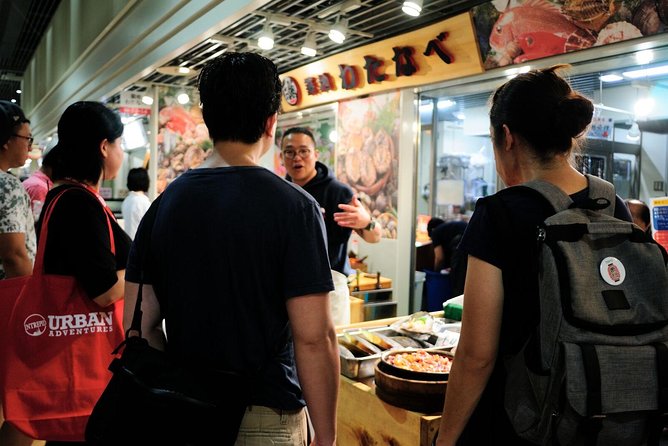
The small group is one of the tour’s strongest features. With six people at most, you can hear the guide without standing in a wide circle in the middle of an aisle. You also have a better chance of asking questions and seeing small items on crowded counters.
This is not a formal cooking class. You will not spend three hours preparing a meal. Think of it as a guided food walk with cultural stops and a series of tastings. That distinction matters, especially if you are expecting a sit-down feast.
More market mornings in Tokyo:
- Tokyo Tsukiji Fish Market Food and Culture Walking Tour
★ 5.0 · 3,184 reviews - Tokyo: Tsukiji Fish Market Food and Walking tour
★ 5.0 · 1,724 reviews - Tokyo: Tsukiji Fish Market Guided Walking Tour
★ 4.9 · 1,397 reviews
Meeting at Kabuki Inari Shrine and Kabukiza
The tour begins at 8:00 a.m. at Kabuki Inari Shrine, at 4 Chome-12 Ginza, in front of Kabukiza. The shrine sits beside the famous Kabuki theater, so the meeting point also gives you a quick introduction to one of Tokyo’s traditional performance arts.
Your guide explains kabuki, Japan’s blend of drama and dance, while you look at the striking Kabukiza building. This first stop takes about 10 minutes, so it is a short orientation rather than a full theater visit.
The location is convenient for combining with other Tokyo plans. It is near public transportation, but you should still allow time to find the exact shrine. Tokyo’s streets can make a simple meeting point feel less simple, and one person missed the group after walking past the location and arriving about five minutes late. I would save the meeting point in your phone, check the route the night before, and arrive early.
Starting in Ginza also creates a nice transition. You begin beside a grand theater, then walk toward a working food district where the focus shifts from performance to daily cooking and commerce.
Two hours through Tsukiji Outer Market
The market section takes about two hours, which is the heart of the experience. You walk through seafood and produce stalls, food counters, and small shops while your guide explains what you are seeing.
The market rewards curiosity. You might encounter different cuts of tuna, fresh seafood, Japanese vegetables, prepared fish products, sweets, and snacks that are easy to overlook if you are only searching for sushi. The guide helps connect the food on the counter to Japanese meals and cooking methods.
Food lovers can expect a broad range of tastes. Possible samples include tuna sashimi in lean, medium-fatty, and fatty cuts, assorted tuna nigiri, sea eel roll, Satsumaage fish cake, and tamagoyaki. Other tastings have included white strawberries, fish broth omelette on a stick, dried anchovies, sweetened rice balls, sake, and wagashi sweets.
One particularly hands-on touch is the chance to try real wasabi with sushi. A guide named Yuri brought a wasabi tool so the group could grate the root and taste it fresh. That sort of detail helps you understand why the green paste served with sushi is not always the same as the mild, factory-made version found outside Japan.
The exact food selection is not guaranteed. One group saw packaged tuna sushi and fried tuna from an indoor shop, then ate at a barbecue place rather than sitting at a counter where rolls were made in front of them. Another group received a generous spread and left full. You should treat the food as a changing series of samples, not a promised restaurant menu.
That variation is the tour’s main weakness. The experience description suggests freshly made sushi and local snacks, but some visits may include prepared or packaged items. If you want sushi made directly in front of you, ask your guide what is available that morning and be prepared to purchase extra food yourself.
The food is the main value
At $83.35 per person, the price is reasonable if you use the guide well and enjoy several tastings. You are paying for three hours of personal help in a confusing market, not only for the food itself.
The value improves when your guide explains what you are eating and helps with language. A plate of tuna has more meaning when you understand the cuts. A simple fish cake becomes more interesting when you learn how it fits into Japanese food traditions. A wagashi sweet is not just a colorful snack when you notice its shape, texture, and seasonal character.
The price is less compelling if you expect a large, fixed meal with drinks. Drinks are not included, and additional food is also extra. Food portions can be oddly timed, with several samples close together or a gap before the next one. Bring an appetite, but do not assume every tasting will replace breakfast or lunch.
The tasting list can be especially generous for people who enjoy seafood. One outing included sashimi, several types of tuna nigiri, eel roll, fish cake, and omelette. Another included wagashi, dried anchovies, white strawberries, and sweetened rice balls. These examples show the tour’s strength: it can introduce you to far more than a standard sushi lunch.
Vegetarians and vegans can join, but the food selection is limited. Since this is a fish market tour, you should tell the provider about dietary needs in advance and keep your expectations modest. This is not the best pick if you need a broad plant-based menu.
A few more Tokyo bookings worth comparing
- Tsukiji Fish Market Guided Tour and Sushi Making with Pro Chef
★ 5.0 · 775 reviews - Tokyo: Tsukiji Fish Market Food and Culture Walking Tour
★ 4.7 · 757 reviews - Tsukiji Fish Market: Street Food & Culture Walking Tour
★ 5.0 · 669 reviews - Tsukiji Fish Market Small-Group Food Walking Tour
★ 5.0 · 621 reviews
A cultural walk, not just a food crawl
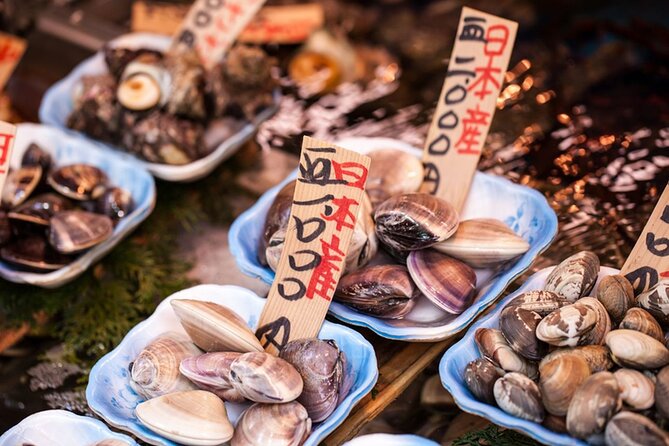
The two shrines give the morning a useful pause. Namiyoke Inari Shrine, at the Tsukiji end, is a quieter place to finish after the noise and close quarters of the market.
The shrine visit also shows how food, work, and local belief overlap in this part of Tokyo. Your guide can explain the site’s connection to the market area and point out details you might otherwise pass without notice. The stop takes about 10 minutes, so it adds context without turning the tour into a long religious sightseeing visit.
I appreciate that the experience includes Kabuki and the shrines rather than treating Tsukiji as a place to eat and leave. You see a small slice of Tokyo’s culture before and after the market. If you enjoy local customs, architecture, and everyday food as much as famous sights, this balance is useful.
At the same time, you should not book this expecting a full tour of Kabukiza or an extended shrine lecture. Both cultural stops are brief. The market and tastings take up most of the morning.
The guides make the difference
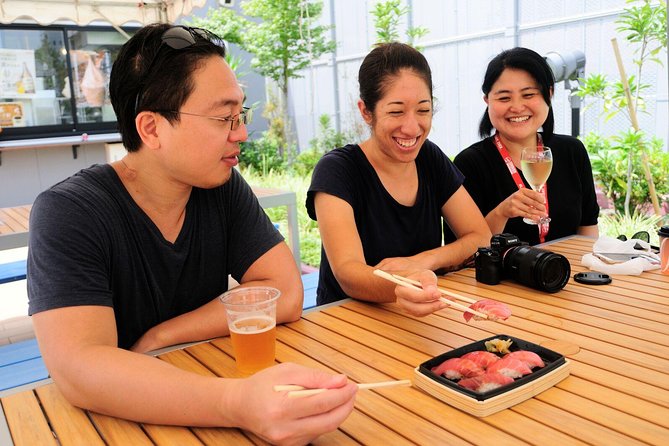
The provider uses local guides, and the experience can feel very different depending on who leads your group. Guides named Mihari, Yuri, Shino, Aya, and Koz have each been praised for making the walk welcoming and informative.
Mihari is described as someone who answered questions freely and went out of her way to make the morning work well. Yuri added the fresh-wasabi demonstration. Shino helped a group explore the food stalls and happened to lead them past a freshly caught tuna weighing more than 250 pounds as it was cut for sushi.
Aya’s food walk included a clear run through different tuna cuts, Satsumaage, tamagoyaki, and eel roll. Koz led a group that sampled white strawberries, fish broth omelette, dried anchovies, sweetened rice balls, sashimi, and sake.
These details show what you should want from the guide: not a memorized speech, but someone who notices what is happening that morning and explains it in plain language. The guide’s ability to translate and adjust the route is especially useful in Tsukiji.
The guide cannot control every shop, sample, or market condition. Still, the six-person cap gives the leader room to respond to your interests. Tell the guide early if you care most about sushi, sweets, cooking techniques, or the cultural side of the walk.
Timing, comfort, and getting around
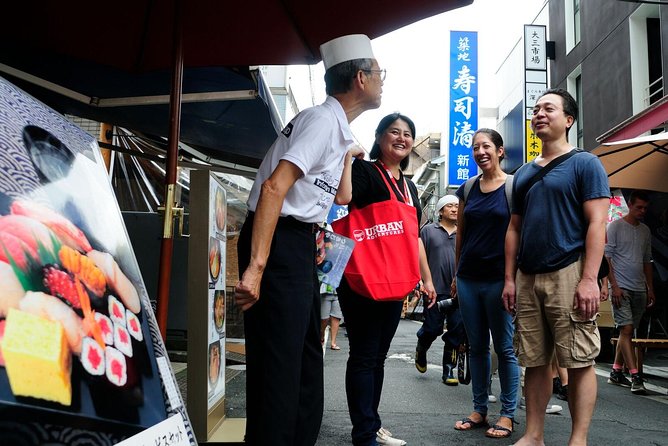
The early start is practical. At 8:00 a.m., you can visit the market before spending the rest of the day elsewhere in Tokyo. It also suits people who like to eat breakfast as they explore, though you should be ready for a full morning of standing and walking.
Wear closed-toe shoes. Sneakers are the sensible choice because the market floors can be wet. The lanes may be tight, and you will likely stop often, so comfortable shoes matter more than stylish ones.
The tour lasts about three hours. The first shrine takes 10 minutes, the market about two hours, and the final shrine about 10 minutes, with walking between stops and tasting time filling out the morning.
The tour ends at Tsukiji Outer Market near Tsukiji Station on the Hibiya Tokyo Metro Line. After Namiyoke Inari Shrine, expect about a 10-minute walk to the nearest station. The end point is useful because you can continue eating on your own, visit more of Tsukiji, or head to another Tokyo sight.
Children under six can join free, and most people can take part. The experience is child-friendly, but young children may find the wet floors, narrow lanes, and long period of walking tiring.
Who should book this Tsukiji experience?
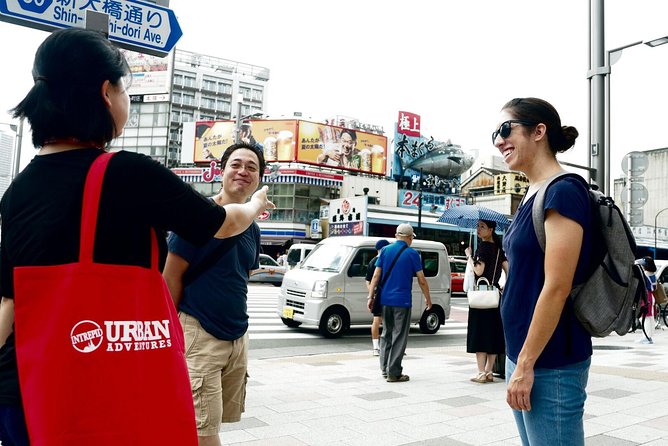
I would choose this tour for a first visit to Tsukiji, especially if you want help deciding what to taste. It is also a good match if you enjoy seafood but do not know the Japanese names for different fish, or if you want someone to handle basic translation.
The tour suits solo visitors and couples who prefer a small group rather than a large food excursion. Six people is small enough for conversation and large enough to keep the morning social.
You should also consider it if you want more than sushi. The market offers sweets, fish cakes, omelette, fruit, dried seafood, and other small bites, so the morning has more range than a standard sushi stop.
I would hesitate if you need a fixed menu, a guaranteed sit-down meal, or a wide range of vegetarian food. I would also think twice if you dislike early starts, crowded market lanes, or eating small portions at several different times.
Free cancellation is available if you cancel at least 24 hours before the 8:00 a.m. start time. Changes or cancellations inside that window are not accepted for a refund.
Should you book it?
Book this experience if you want a friendly local guide, a tiny group, and a practical introduction to Tsukiji’s food culture. The best parts are the translation help, the chance to taste several Japanese specialties, and the personal details guides such as Yuri’s fresh-wasabi demonstration can add.
Go in with the right expectation. This is a market walk with changing tastings, not a guaranteed sushi counter meal. If that sounds good, $83.35 buys a useful and flavorful start to a Tokyo morning. If you want control over every dish and a large lunch, explore Tsukiji independently and spend your budget at one restaurant instead.
FAQ
Where does the Tsukiji food tour begin?
The tour begins at 8:00 a.m. at Kabuki Inari Shrine, in front of the Kabukiza theater at 4 Chome-12 Ginza, Chuo City, Tokyo.
Where does the tour end?
It ends at Tsukiji Outer Market near Namiyoke Inari Shrine. Tsukiji Station on the Hibiya Tokyo Metro Line is accessible from the area, with about a 10-minute walk to the nearest station.
How long does the experience last?
The tour lasts about three hours. Around two hours are spent walking through Tsukiji Outer Market, with short visits to Kabuki Inari Shrine and Namiyoke Inari Shrine.
What food is included?
Included tastings can feature freshly made sushi, tuna sashimi, tuna nigiri, sea eel roll, Satsumaage fish cake, tamagoyaki, wagashi sweets, and other local snacks. The exact selection can vary. Drinks and additional food are not included.
Can vegetarians or vegans join?
Yes. Vegetarian and vegan options are available, but the food selection is limited because the tour focuses on Tsukiji’s seafood market.
What should I wear?
Wear closed-toe shoes, preferably sneakers. Floors in the inner market area can be wet.
More Shopping Tours in Tokyo
- Tokyo: Tsukiji Fish Market Sushi Making Class with Pro Chef
★ 4.9 · 506 reviews - Tokyo Food Tour Taste Fresh Delights at Tsukiji Market
★ 5.0 · 429 reviews - Tokyo Tsukiji Fish Market Tour and Sushi Making Lesson
★ 5.0 · 390 reviews - Tsukiji Fish Market: Street Food & Culture Walking Tour
★ 4.8 · 259 reviews
New on our Tokyo list
- From Tokyo: Mount Fuji & Hakone Full Day Private Tour★ 4.9 · 25 reviews
- Tokyo Spectacular View Day-Cruise in 90 Minutes★ 5.0 · 25 reviews
- Real Tokyo Runner Club : Daikoku Car Meet Night Tour with JDM Car★ 5.0 · 25 reviews
- 2.5 Hour-Guided Cycle Tour in the Central Tokyo★ 5.0 · 25 reviews
- Ramen Making from Scratch +Akihabara Tour –Cooking Class★ 5.0 · 25 reviews
- [Self-Drive] Tokyo & Daikoku Custom Car Driving Tour★ 4.9 · 25 reviews
- Tokyo: 2-Hour Night Bike Tour of the City’s Hidden Gems★ 4.9 · 25 reviews
- Samurai themed Entertainment show in Shinjuku★ 4.5 · 25 reviews
Tsukiji & Toyosu Market Tours, compared.
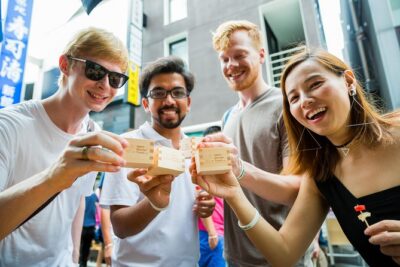
Tokyo Tsukiji Fish Market Food and Culture Walking Tour
Read our review →
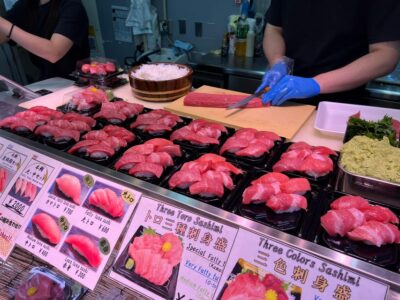
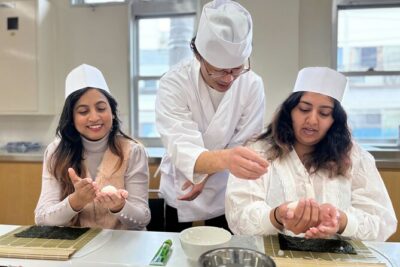
Tokyo Sushi Making Class in Tsukiji with Professional Chef
Read our review →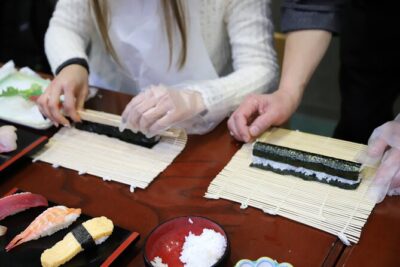
Tsukiji Fish Market Guided Tour and Sushi Making with Pro Chef
Read our review →Tsukiji Fish Market Food and Culture Walking Tour
Read our review →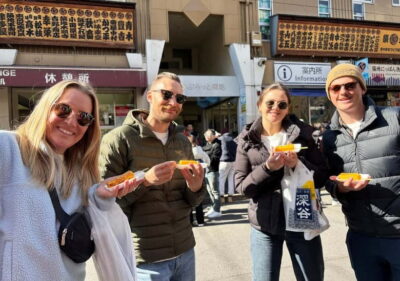
Tsukiji Fish Market: Street Food & Culture Walking Tour
Read our review →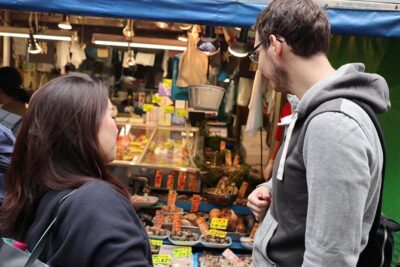
Tsukiji Fish Market Small-Group Food Walking Tour
Read our review →Browse the lists this tour appears in