
Reviewed · TSUKIJI & TOYOSU MARKET TOURS
Tokyo Tsukiji Fish Market Tour and Sushi Making Lesson
Tsukiji’s best lesson is not found behind a restaurant counter. It starts in the market, where you can see sea urchin, octopus, dried seafood, tamagoyaki, and other Japanese ingredients up close, then use that food culture in a cooking class. This three-hour experience links market tasting with hands-on sushi making.
I like two things especially. First, a guide such as Akiko, Lucy, Miho, or Yoko can explain unfamiliar foods and help you order or sample them. Second, the clean ABC Cooking Studio gives you a practical lesson in sushi, Japanese omelet, miso soup, and stock, with lunch at the end.
The main drawback is value for experienced home cooks. Some of the recipes are basic, and the market visit does not necessarily supply the ingredients used in class. You also spend only about an hour in Tsukiji before taking transport to the studio.
In This Review
- Key points to know before booking
- Why this Tokyo food tour works
- Starting at Tsukiji Hongwanji Temple
- Reading Tsukiji Outer Market with a guide
- The short ride from Tsukiji to the cooking studio
- What you make in the 90-minute class
- Lunch, drinks, and the value of eating your own work
- How the small group changes the morning
- Who will enjoy this most
- Practical ways to get more from the experience
- Should you book the Tsukiji and sushi class?
- FAQ
- Where does the tour start?
- How long does the experience last?
- Is the tuna auction included?
- What food will I make?
- Is transportation included?
- How many people can join the tour?
- Can children join?
- Can I cancel for a refund?
Key points to know before booking
- Tsukiji is now an outer-market experience: You explore the retail lanes and tasting stalls, not the old wholesale tuna auction.
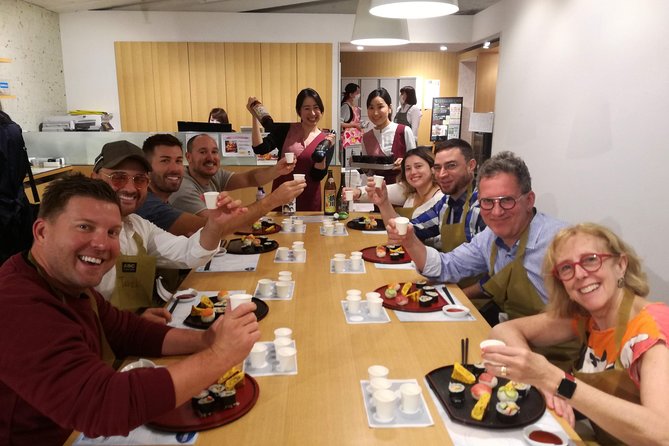
- Small groups make a difference: The maximum is six people, so guides can answer questions and help with food sampling.
- The cooking is beginner-friendly: Expect sushi rolls, nigiri, tamagoyaki, miso soup, and side dishes, with the exact menu changing by season.
- You eat what you make: The class ends with lunch and a choice of wine, plum sake, or soft drinks.
- The two parts are connected but separate: The market ingredients are for seeing and tasting, while the cooking studio provides the class supplies.
- Plan for a light breakfast: You may want room for market samples before lunch.
Why this Tokyo food tour works
Many Tokyo food activities give you either a guided market walk or a cooking class. This one combines both, which makes it useful for you if you want more than a quick sushi meal.
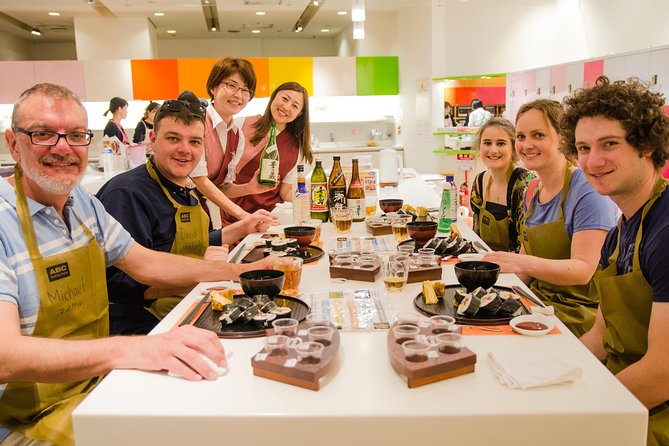
The first half puts Japanese food in context. You do not simply hear that Tsukiji is famous. You see the ingredients that support Japanese cooking, from fresh seafood to dried goods and prepared snacks. Then you move to a modern teaching kitchen and turn some of those ideas into lunch.
That change of setting is part of the appeal. The market can feel crowded and confusing, especially if you do not read Japanese. The guide helps you understand what you are looking at and points out places to taste. At the cooking school, the mood becomes calmer and more organized.
The experience is aimed at beginners rather than serious culinary students. If you have never rolled sushi or made tamagoyaki, you will have plenty to do. If you already prepare sushi at home, the techniques may feel familiar.
More market mornings in Tokyo:
- Tokyo Tsukiji Fish Market Food and Culture Walking Tour
★ 5.0 · 3,184 reviews - Tokyo: Tsukiji Fish Market Food and Walking tour
★ 5.0 · 1,724 reviews - Tokyo: Tsukiji Fish Market Guided Walking Tour
★ 4.9 · 1,397 reviews
Starting at Tsukiji Hongwanji Temple
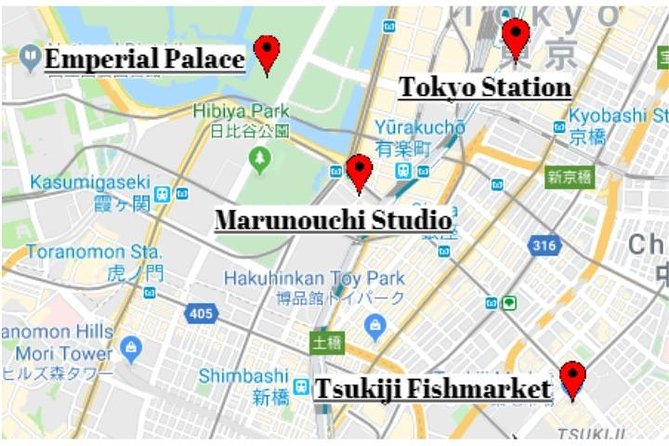
The meeting point is outside Tsukiji Hongwanji Temple, at 3-chome-15-1 Tsukiji. This is a practical place to begin because the temple is close to the market and easy to identify.
Allow a few minutes to look at the building before the walk begins. Its exterior has South Asian and Indian design influences, while the interior has a different character. The temple visit itself is brief, around five minutes, but it gives you an interesting visual marker before the food-focused part of the morning.
Your guide may be Akiko, Lucy, Miho, Yoko, Nobu, Shitomi, or another member of the team. The names vary by departure, but the important point is the English guidance. You can ask what an ingredient is, how it is used, or which foods are worth trying without relying on gestures and guesswork.
The temple is not the central reason to book this activity. Think of it as a short orientation stop rather than a full temple tour.
Reading Tsukiji Outer Market with a guide
You spend about an hour in Tsukiji Outer Market, though the time may be closer to 70 minutes on some departures. This is the retail and food-shopping district that remained active after the wholesale market moved to Toyosu.
The lanes offer a mix of seafood, produce, kitchen goods, dried foods, sweets, and ready-to-eat items. You might see large tuna, sea urchin, octopus, dried scallops, dried crabs, soy products, mochi, and Japanese omelet sold for quick eating. The exact stops depend on the day, the season, and what is available.
This is where the guide adds real value. You can walk through Tsukiji on your own, but it is easy to miss small stalls or hesitate over foods you cannot identify. Guides have personal favorite stops and can help you make sense of unfamiliar displays. They may also point out samples such as dried seafood, beans, tamagoyaki, or sweets with red bean and strawberries.
You are not taken through every corner of the market. The pace is usually efficient, with time to pause at places that interest you. That balance works well for families and small groups, since you can ask questions without turning the morning into a long lecture.
Keep your expectations sensible. This is not the former early-morning wholesale auction, and tuna auction watching is not included. You will not watch the famous wholesale bidding or shop for every item used in the class.
A few people may prefer to visit the market on their own before the tour starts. That can make sense if you want more time for breakfast, seafood, or shopping. The guided visit is most useful if you want translation, food explanations, and help finding good sampling spots.
The short ride from Tsukiji to the cooking studio
After the market, transportation to ABC Cooking Studio is included. The ride helps connect the two parts, although the studio is not right beside the market.
One point to understand before you pay: you generally do not buy the class ingredients in Tsukiji and then carry them to the kitchen. The market visit is mainly for learning and tasting. The cooking school prepares the ingredients and sets up the lesson.
That arrangement is convenient. You do not need to manage raw seafood, shopping lists, or heavy bags while moving through Tokyo. It also means the market and cooking class are related in theme rather than functioning as one continuous shopping-and-cooking exercise.
The studio is described as bright, clean, and well organized. It is part of ABC Cooking Studio, a large Japanese cooking-school network. The professional setting gives the class a more polished feel than a lesson held in a private apartment or casual restaurant kitchen.
More sushi mornings and classes:
- Sushi Making Tokyo Roll and Authentic Japanese Sushi Class
★ 5.0 · 3,971 reviews - Tokyo: Roll and Authentic Sushi Making Class in Asakusa
★ 4.9 · 1,957 reviews - Make Sushi and Create Unforgettable Memories in Tokyo
★ 5.0 · 1,413 reviews - Tokyo: Sushi Making Class in a Happi Coat near a Famous Spot
★ 4.9 · 1,377 reviews
What you make in the 90-minute class
The cooking session lasts about an hour and a half. Recipes change with the season, ingredient availability, and the cooking school’s schedule, so the photographs or menu description should not be treated as a fixed promise.
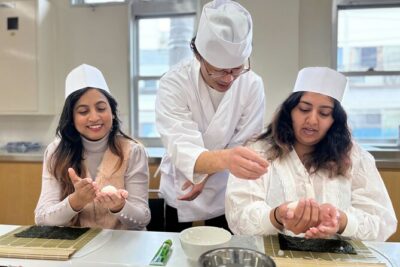
Common dishes include a sushi roll, nigiri sushi, tamagoyaki, miso soup, stock, and side dishes. The Japanese omelet is a highlight for many first-time cooks. Tamagoyaki looks simple, but rolling the egg neatly in layers takes patience and a little wrist control.
The sushi portion is hands-on. You may shape rice, add fillings, roll maki, and prepare nigiri, depending on the day’s plan. The lesson is designed so you can follow along with a teacher rather than simply watch a demonstration.
Cooking instructors such as Miwako, Miwa, Masayo, Hiromi, and Hiroko have been praised for being patient and clear. Your instructor may be someone else, but you can expect an experienced teacher supported by the market guide in at least some sessions.
The English level can vary between staff members. Several guides have been praised for clear English, humor, and useful explanations. At least one account found the English limited and wished for more detail about sushi customs and Japanese food traditions. If you want a lecture on regional sushi styles or advanced knife skills, this may feel light.
For a first lesson, though, the simple approach is a strength. You leave with techniques you can repeat at home instead of a long list of restaurant terms.
Lunch, drinks, and the value of eating your own work
The class ends with a meal made from your preparations. That gives the session a clear payoff. You are not just shaping one decorative roll and leaving hungry.
The menu can include sushi, tamagoyaki, soup, and side dishes. Drinks include wine, plum sake, or soft drinks, and drinking water is provided at the studio. Exact dishes and ingredients can change, so people with strong food preferences should ask about substitutions in advance.
You can request alternate ingredients, which is useful for some dietary needs, but the provided details do not promise a specific allergy policy or a fully vegetarian menu. Explain your needs when booking and confirm what the class can accommodate.
At $99.49 per person, this is not the cheapest way to see Tsukiji or eat sushi in Tokyo. You are paying for a guide, translation help, transport between the market and studio, an apron, ingredients, instruction, and lunch.
The value is strongest if you would otherwise book a market tour and a separate cooking class. It is also a good fit for families who want an activity with a clear beginning and end. The value is weaker if you mainly want to browse Tsukiji, since the market is open to independent visitors and the guided section is fairly short.
The class also produces something you can take home in the form of repeatable recipes. That matters more than a single meal if you enjoy cooking.
How the small group changes the morning
The maximum group size is six. That is small enough for the guide to keep people together in narrow market lanes and still give individual help in the kitchen.
Small groups are particularly useful at tasting stalls. You can ask questions, point to an unfamiliar item, and decide what to try without holding up a large crowd. In class, fewer people also means a better chance to receive help with rolling sushi or managing tamagoyaki.
The minimum to operate is two people. If that number is not reached, the activity may be canceled with a choice of another date or a full refund.
Families should note the minimum age of nine and minimum height of 4.2 feet, or 130 centimeters. No strollers or luggage are allowed, so arrive with only what you need for the morning. The experience is near public transport, but hotel pickup and drop-off are not included.
Who will enjoy this most
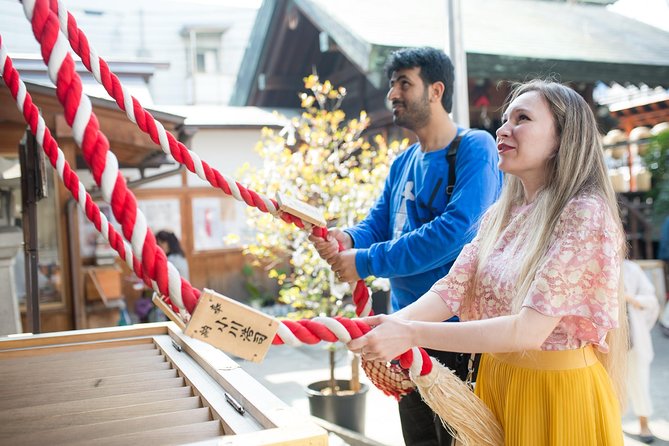
I would choose this for a first visit to Tokyo, especially if you want a guided introduction to Japanese food without spending an entire day in a classroom.
It suits:
- Families with older children and teenagers
- Couples who want a shared activity beyond sightseeing
- First-time sushi makers
- People who want help ordering and sampling at Tsukiji
- Anyone interested in home-style Japanese cooking
- Small groups who value personal attention
The experience is less suitable for you if you have already taken several sushi classes or want advanced culinary training. It may also disappoint if your main goal is the tuna auction, a long seafood breakfast, or a market-to-kitchen shopping experience.
The cooking recipes are traditional in spirit but basic in difficulty. That makes them approachable, not highly technical.
Practical ways to get more from the experience
Eat lightly before meeting the guide. Tsukiji samples can add up, and you will have lunch after the lesson.
Wear comfortable shoes. You will walk through market lanes, and the surface can be busy underfoot. Avoid bringing luggage or a stroller because neither is allowed.
Arrive at the temple meeting point early enough to find the guide. Your confirmation is sent at booking, and the activity uses a mobile ticket.
If you are booking for two families or separate reservations, make one booking for the full group if possible. Separate purchases may not automatically place you together. Contacting the operator right after booking can help, but it is better not to depend on last-minute fixes.
Leave time after the tour if you want more shopping in Tsukiji. The scheduled visit is designed to lead into class, not to cover every stall.
The menu is seasonal, and ingredients may differ from the advertising images. That is normal for a market-based food activity, but it is worth knowing before you book.
Should you book the Tsukiji and sushi class?
Book it if you want a friendly, beginner-level food morning that combines local tasting with a practical lesson. The strongest parts are the small group, the translation help in the market, the chance to sample unusual foods, and the final meal of sushi, tamagoyaki, soup, and side dishes.
Skip it if you want the old tuna auction, a long market visit, or advanced sushi instruction. You can explore Tsukiji independently for less money, and experienced cooks may find the class too simple.
For most first-time visitors who enjoy eating and want to learn a few Japanese techniques at home, the price is reasonable. Just book it for the right reason: not as an auction tour, but as a guided Tsukiji introduction followed by an organized cooking lesson.
FAQ
Where does the tour start?
It starts outside Tsukiji Hongwanji Temple at 3-chome-15-1 Tsukiji, Chuo City, Tokyo.
How long does the experience last?
The experience lasts approximately three hours. The listed schedule includes about five minutes at Tsukiji Hongwanji Temple, one hour at Tsukiji Outer Market, and 90 minutes at the cooking studio.
Is the tuna auction included?
No. Tuna auction watching is not included. The activity focuses on Tsukiji Outer Market and its shopping and tasting areas.
What food will I make?
The menu commonly includes sushi rolls, nigiri sushi, tamagoyaki, miso soup, stock, and side dishes. Recipes and ingredients can change with the season and availability.
Is transportation included?
Yes. Transportation between Tsukiji Market and the cooking studio is included. Hotel pickup and drop-off are not included.
How many people can join the tour?
The activity has a maximum of six participants. At least two guests are required for the tour to operate.
Can children join?
Children must be at least nine years old and at least 4.2 feet, or 130 centimeters, tall. Strollers and luggage are not allowed.
Can I cancel for a refund?
You can cancel at least 24 hours before the local start time for a full refund. Cancellations or changes made less than 24 hours before the start time are not accepted for a refund. If poor weather or an insufficient number of participants causes the operator to cancel, you can receive a full refund or request another date or experience.
More Shopping Tours in Tokyo
- Tokyo: Tsukiji Fish Market Sushi Making Class with Pro Chef
★ 4.9 · 506 reviews - Tokyo Food Tour Taste Fresh Delights at Tsukiji Market
★ 5.0 · 429 reviews - Tsukiji Fish Market: Street Food & Culture Walking Tour
★ 4.8 · 259 reviews - Tokyo Washoku 4-hour Cooking Class: From Market to Table
★ 5.0 · 253 reviews
More Markets in Tokyo
- Tsukiji Fish Market Guided Tour and Sushi Making with Pro Chef
★ 5.0 · 775 reviews - Tokyo: Tsukiji Fish Market Food and Culture Walking Tour
★ 4.7 · 757 reviews - Tsukiji Fish Market: Street Food & Culture Walking Tour
★ 5.0 · 669 reviews - Tsukiji Fish Market Small-Group Food Walking Tour
★ 5.0 · 621 reviews
New on our Tokyo list
- From Tokyo: Mount Fuji & Hakone Full Day Private Tour★ 4.9 · 25 reviews
- Tokyo Spectacular View Day-Cruise in 90 Minutes★ 5.0 · 25 reviews
- Real Tokyo Runner Club : Daikoku Car Meet Night Tour with JDM Car★ 5.0 · 25 reviews
- 2.5 Hour-Guided Cycle Tour in the Central Tokyo★ 5.0 · 25 reviews
- [Self-Drive] Tokyo & Daikoku Custom Car Driving Tour★ 4.9 · 25 reviews
- Tokyo: 2-Hour Night Bike Tour of the City’s Hidden Gems★ 4.9 · 25 reviews
- Ramen Making from Scratch +Akihabara Tour –Cooking Class★ 5.0 · 25 reviews
- Samurai themed Entertainment show in Shinjuku★ 4.5 · 25 reviews
Tsukiji & Toyosu Market Tours, compared.
Tokyo Tsukiji Fish Market Food and Culture Walking Tour
Read our review →
Tokyo Sushi Making Class in Tsukiji with Professional Chef
Read our review →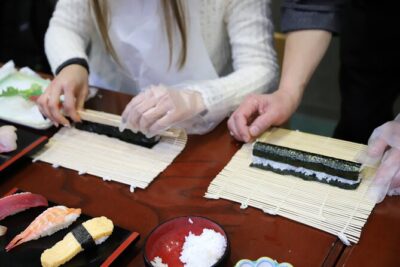
Tsukiji Fish Market Guided Tour and Sushi Making with Pro Chef
Read our review →Tsukiji Fish Market Food and Culture Walking Tour
Read our review →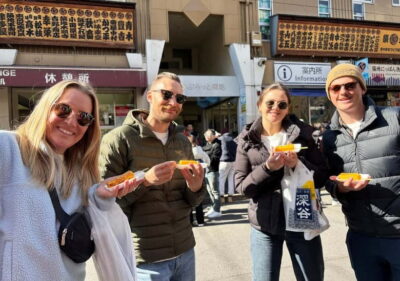
Tsukiji Fish Market: Street Food & Culture Walking Tour
Read our review →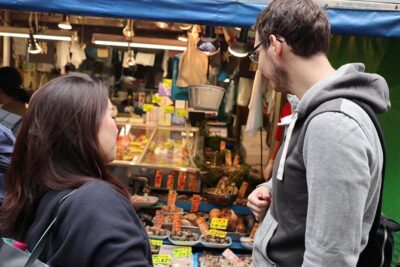
Tsukiji Fish Market Small-Group Food Walking Tour
Read our review →Browse the lists this tour appears in