
Reviewed · KAMAKURA TOURS
Introducing all the Famous Spots in Kamakura and Enoshima!
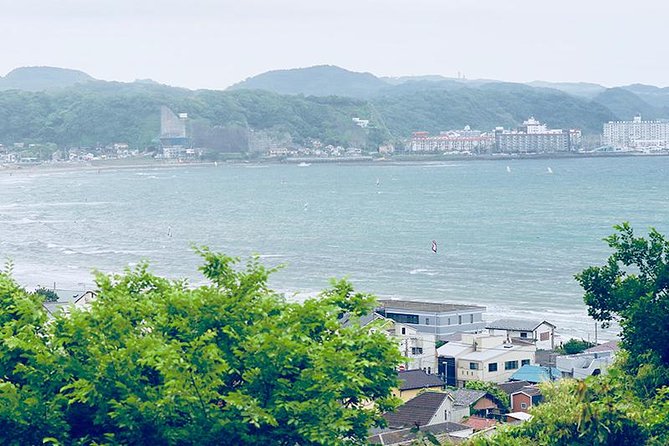
Kamakura and Enoshima pack an impressive amount into a small corner of Kanagawa. This private, train-based tour takes you from ancient shrines and the Great Buddha to seaside views, local snacks, and Enoshima’s hilltop sights without leaving you to work out every connection yourself. The guide travels with you between stops, which matters on a busy seven-hour day.
I especially like the private format, since you can adjust the pace and skip a sight if your group prefers more food time or fewer stairs. I also like the mix of major landmarks and everyday streets, from Hasedera’s gardens to Komachi Street’s small shops. The main caution is cost: the $125.42 price does not cover all transport, entrance fees, food, and drinks, and you will walk a lot.
In This Review
- Key points
- Why this private Kamakura day works well
- Tsurugaoka Hachimangu, Kamakura’s grand opening sight
- Komachi Street, where sightseeing turns into lunch
- The Great Buddha at Kotoku-in
- Hasedera, the garden temple with stairs
- Reaching Enoshima by train
- Enoshima Nakamise Dori and island food
- Enoshima Shrine and the climb uphill
- Enoshima Sea Candle and the final view
- What the $125.42 price really covers
- Who should book this day
- Should you book it?
- FAQ
- Where does the tour start?
- What time does the tour begin?
- Where does the tour finish?
- How long does the experience last?
- Is this a private tour?
- Is transportation included?
- Are entrance fees included?
- Is food included?
- What should I bring or wear?
Key points
- Seven hours by train: Your guide handles navigation between Kamakura and Enoshima.
- Private sightseeing: The day can be adjusted to suit your group, rather than a fixed large-group pace.
- Five major religious sites and viewpoints: Tsurugaoka Hachimangu, Kotoku-in, Hasedera, Enoshima Shrine, and Sea Candle all fit into one outing.
- Local food stops: Komachi Street and Enoshima’s Nakamise Dori offer Kamakura and island specialties.
- Guides who adapt the day: Kiko, Higashi, and Sandy were each praised for personal attention, explanations, and help with planning.
- Bring cash and good shoes: Some places do not accept credit cards, and the route includes substantial walking and stairs.
Why this private Kamakura day works well
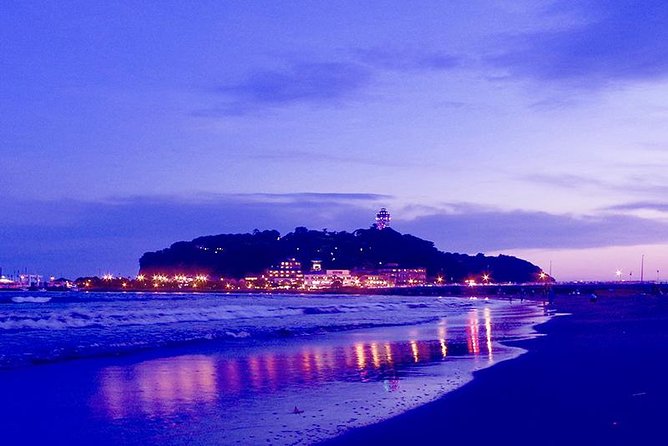
Kamakura is easy to underestimate. On a map, its sights look close together, but a day here involves trains, station exits, walking routes, temple grounds, and a separate trip toward Enoshima. Add the crowds around the Great Buddha and the island’s narrow shopping lanes, and a guide can save you time and mental effort.
This experience begins at Kamakura Station at 10:00 a.m. and finishes at Enoshima Station. That different end point is useful if you want to continue around the Shonan coast afterward, but it also means you should plan your evening from Enoshima rather than Kamakura.
The tour is private, so you are not sharing the day with strangers. That gives you room to ask questions, stop for food, or tell the guide that a particular temple is less important to you. One guide, Kiko, worked with a group to focus on the high points within limited time. Another guide, Higashi, was praised for explaining Japanese customs patiently and finding authentic local food stops. Sandy was also noted for giving a clear overview and making sure the group did not accidentally skip something important.
The assigned guide may not be Kiko, Higashi, or Sandy, but those examples show the kind of personal service this format aims to provide.
More Kamakura and Enoshima days:
- Tokyo: Kamakura & Enoshima Day Trip including Temple Tickets
★ 4.5 · 1,375 reviews - Tokyo: Mt. Fuji, Kamakura, Big Buddha, & Lake Ashi Day Trip
★ 4.5 · 867 reviews - From Tokyo: Kamakura & Enoshima 1-Day Bus Tour
★ 4.5 · 189 reviews
Tsurugaoka Hachimangu, Kamakura’s grand opening sight
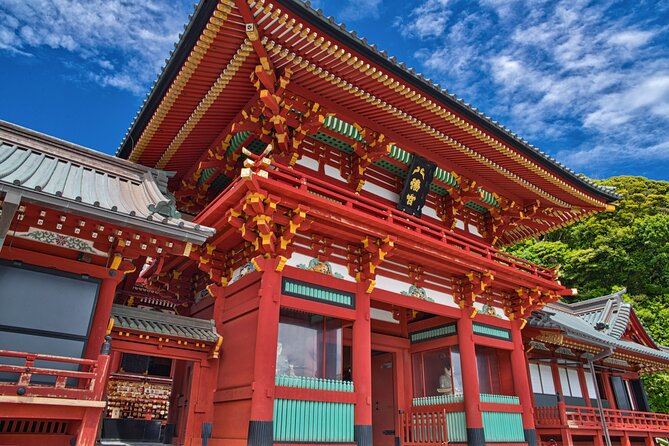
Your first stop is Tsurugaoka Hachimangu, Kamakura’s major shrine and a place with more than 1,000 years of history. It has strong ties to the Genji family and the Kamakura era, when Kamakura served as a center of political power in Japan.
You have about 45 minutes here. That is enough to see the main approach, take in the shrine buildings, and ask about the customs and traditions connected with the site. The guide can add context that you would miss if you simply walked through, especially if this is your first Japanese shrine visit.
The shrine is described as a power spot, a term commonly used in Japan for places believed to have strong spiritual energy. You do not need to share that belief to appreciate the setting and ritual life of the shrine. Watch how people approach, pray, and move through the grounds, and ask your guide about proper etiquette.
Admission is free. The main limitation is time. Tsurugaoka Hachimangu has enough presence to reward a slower visit, but this tour has six more stops ahead.
Komachi Street, where sightseeing turns into lunch
From the shrine, the route moves to Komachi Street, the shopping and food lane connecting Kamakura Station with Tsurugaoka Hachimangu. You have about 55 minutes here, making it one of the longer stops of the day.
This is where the tour becomes less formal. Instead of temple buildings and ritual spaces, you get restaurants, souvenir shops, sweets, snacks, and local food. Some specialties are associated particularly with Kamakura and may not be easy to find elsewhere. Your guide can help you choose what fits your appetite and explain what you are eating.
The advertised meal estimate is ¥1,000 per person, but food is not included in the tour price. Use the time carefully, since 55 minutes can disappear quickly if you browse every shop. If you want a sit-down meal rather than a quick bite, tell the guide early.
Komachi Street can also feel crowded, especially at popular times. Keep your group together and avoid stopping in the middle of the walking flow. This is a good place to carry cash, since not every small business accepts cards.
The Great Buddha at Kotoku-in
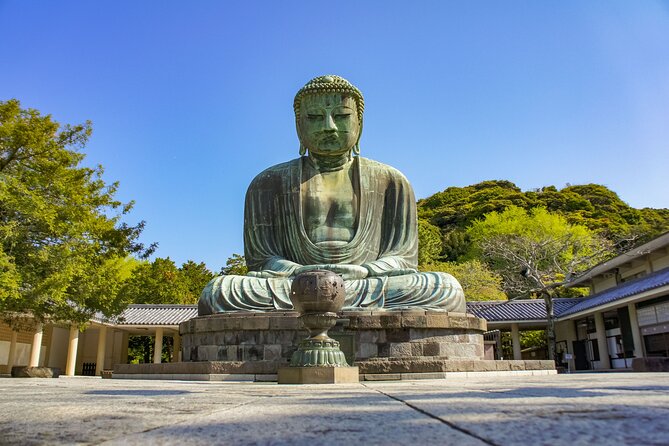
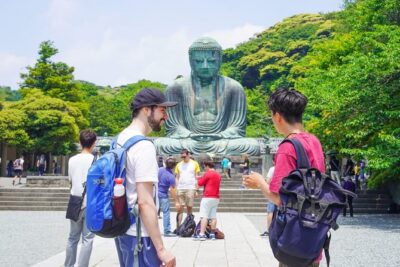
Kotoku-in is home to the Kamakura Daibutsu, a giant Buddha more than 11 meters high. You have around 25 minutes at the temple, which is enough for the main statue, photographs, and a brief look around the grounds.
The scale is the point. After the smaller details of shrine architecture and shopping streets, the Great Buddha gives the day a single, powerful focal point. You can also enter the statue, though the entrance fee is not included.
The listed fee for Kotoku-in is ¥1,050 per person. The supplied cost information also refers to ¥2,510 per person for Kamakura and Enoshima expenses, including estimated transport, admission fees, and a meal. Because the breakdown presents both figures, I would confirm the exact amount due before the tour begins.
Twenty-five minutes is a short visit. If you want a slow look at the temple grounds or time inside the statue, ask whether the schedule can be adjusted. A private tour gives you a better chance of making that request than a fixed group excursion, but the day still has to reach Enoshima.
Same corner of Kamakura, a completely different plan:
- Kamakura Historical Walking Tour with the Great Buddha
★ 5.0 · 129 reviews - Kamakura Private Tour: Temples, Nature, and the Great Buddha
★ 5.0 · 121 reviews - Kamakura Walking Tour – The City of Shogun
★ 5.0 · 100 reviews - Tokyo:Sea of Mount Fuji, Hakone Ropeway, Ōwakudani, Enoshima
★ 4.9 · 84 reviews
Hasedera, the garden temple with stairs
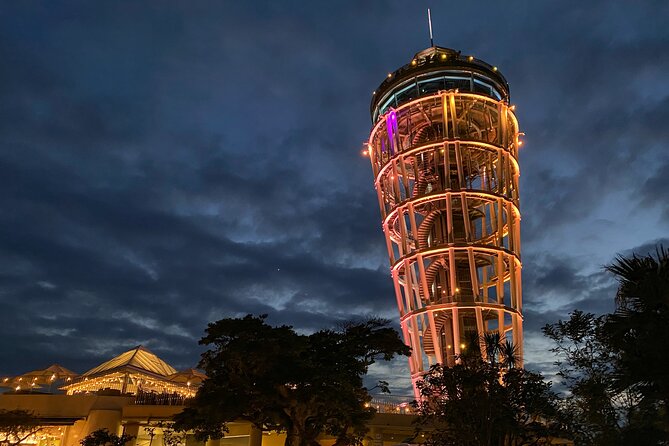
Hasedera is allotted 50 minutes and is one of the day’s most varied stops. It is known as the Flower Temple because its grounds offer plants and seasonal color throughout the year. The site is large, and the route includes walking uphill and climbing steps.
I like Hasedera in this schedule because it breaks up the grand shrine and monumental Buddha with a more layered temple visit. You can walk through the grounds, enjoy the gardens, and see how the temple uses its hillside setting. The experience is not only about one building or statue.
The tradeoff is physical effort. Comfortable clothing is specifically advised, and good walking shoes are sensible. If anyone in your group has trouble with stairs, mention it at the start so the guide can help shape the visit.
The 50-minute slot gives you a worthwhile taste, but not endless time for every corner. This is another stop where the private format helps. You can tell the guide if you want to spend more time with the plants, take photographs, or move on sooner.
Reaching Enoshima by train
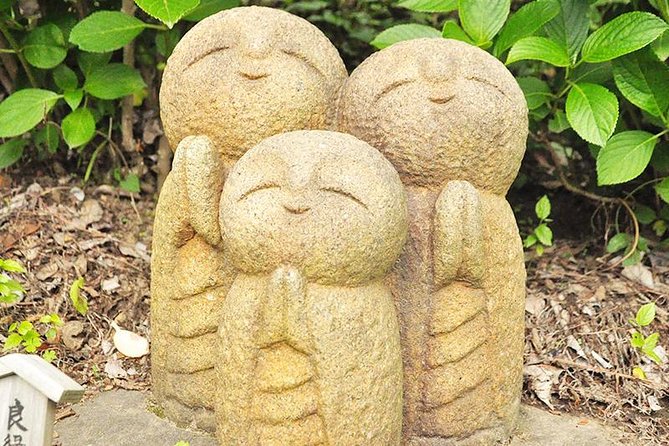
The guide accompanies you on the train between the Kamakura sights and Enoshima. That is one of the most practical parts of the experience. You do not have to keep checking routes, decide which train to take, or wonder where to change.
The tour does not provide private transport. It uses public transportation, and the estimated transport cost is ¥460 per person. Since the guide’s necessary expenses are included, you are mainly paying your own fare and other personal costs.
Train travel also gives the day a local rhythm. You move from inland temple districts toward the island rather than spending the entire day inside a private vehicle. The benefit is efficiency, but delays, crowds, or bad weather can affect the route. If conditions are poor, transportation, destinations, and routes may change.
Enoshima Nakamise Dori and island food
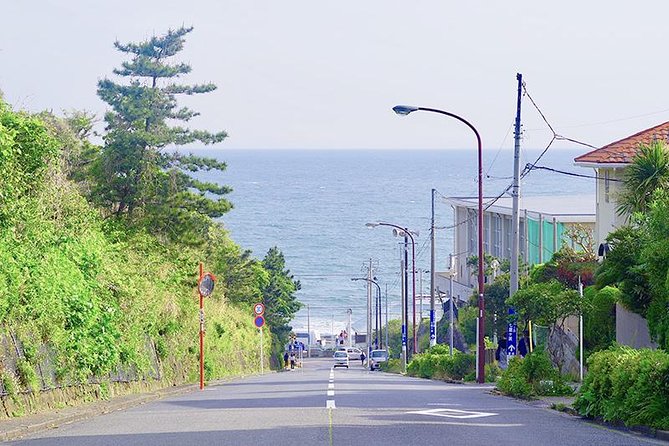
The Enoshima portion begins along Benzaiten Nakamise Dori, the shopping street leading toward Enoshima Shrine. The scheduled visit is about 20 minutes, so this is a quick taste rather than a long shopping session.
Look for island specialties such as takosen and bowls featuring whitebait. Food is not included, so your appetite and budget will shape what you try. A guide can point out local options and help explain foods that may be unfamiliar.
The street is also the practical approach to the shrine. You will be walking through a narrow commercial area before reaching the religious sites, so keep loose belongings secure and stay aware of other pedestrians.
This stop works best if you treat it as part of the island experience rather than a separate meal break. If food is a priority, say so when the day begins. The earlier Komachi Street stop and this Enoshima street together offer two chances to build local food into the tour.
Enoshima Shrine and the climb uphill
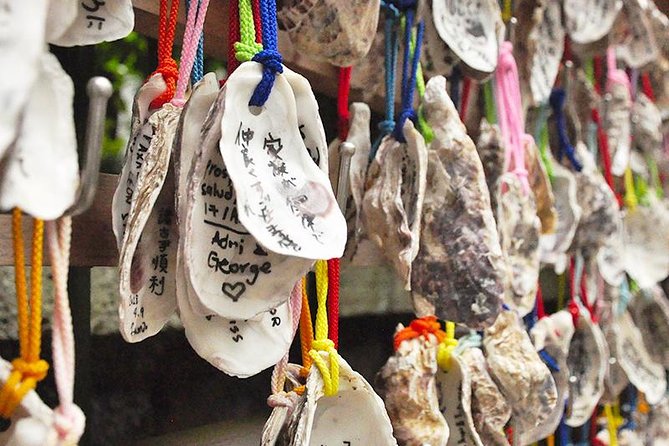
Enoshima Shrine receives about 40 minutes. Like Tsurugaoka Hachimangu, it has more than 1,000 years of history and is regarded as an important power spot. It is also connected with prayers for marriage.
The route toward the upper parts of the island includes Japan’s first outdoor escalator. The escalator is an optional convenience rather than a replacement for the whole walk, and the experience still includes movement through a hilly site. Your guide can help you understand the layout and decide how much of the climb fits your group.
This stop offers a different feel from Kamakura’s shrine. You are on an island, moving through a more compact setting with shopping streets, religious sites, and viewpoints gathered along an uphill route. The mix keeps the final part of the day from feeling like another temple in the same pattern.
The time is not generous. If you want prayers, photos, food, and a full climb, you may need to choose. A private guide can help you set priorities, but you should not expect to see every part of Enoshima at leisure during a seven-hour tour.
Enoshima Sea Candle and the final view
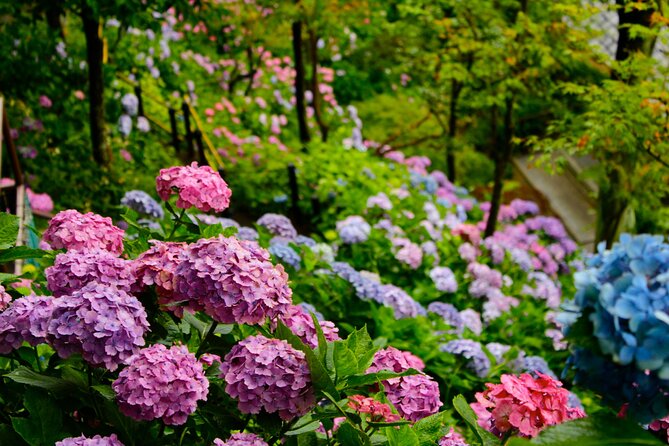
The last listed stop is Enoshima Sea Candle, a lighthouse and observatory that has become a symbol of the Shonan area. You have about 20 minutes at the observation deck.
The main reward is the 360-degree panorama. On a clear day, you may see Mt. Fuji from Enoshima, along with broad views over the surrounding coast. Weather matters greatly here. A cloudy or rainy day can reduce the payoff, and the tour provider may change routes or destinations if conditions are poor.
The observation deck admission is not included. Add that fee to your spending plan, along with the other entrance costs and food. Even with the extra charge, the stop gives the day a strong finish because it shifts your attention from temples and streets to the coast.
The tour ends at Enoshima Station, not back at Kamakura Station. That is convenient for continuing your plans in the Enoshima area, but inconvenient if you have luggage or a fixed return plan from Kamakura.
What the $125.42 price really covers
At $125.42 per person, this is not a cheap sightseeing day. Its value comes from the private guide, the planning, and the help with public transportation rather than from included admissions or meals.
Included are the tour guide, private tour format, and the guide’s necessary expenses during the outing. You still pay your own transportation, entrance fees, food, and drinks. The estimated additional cost is ¥2,510 per person, with a stated breakdown of ¥460 for transportation, ¥1,050 for admission fees, and ¥1,000 for meals.
There is also a separate line showing ¥1,050 for Kotoku-in and another showing ¥2,510 for Kamakura and Enoshima. Since those figures overlap in a confusing way, ask for the current exact cost before booking or at the start of the day.
The price makes the most sense for a small group that wants personal attention. Group discounts may improve the per-person value if several people travel together. For a solo visitor or pair comfortable with Japanese trains and advance planning, doing the same route independently could cost less, but it would require more research and organization.
Who should book this day
I would consider this tour for a first visit to Kamakura and Enoshima, especially if you want the major sights in one day and do not want to manage every train connection yourself. It also suits families or small groups who value flexibility and want to ask questions as they go.
It is a strong fit if you enjoy a full schedule. Seven hours includes seven stops, train travel, food opportunities, temple grounds, shopping streets, and uphill walking. You will not have much unplanned time.
I would think twice if you want a slow temple day, extensive shopping, or a long meal. Hasedera, Kotoku-in, Enoshima Shrine, and Sea Candle all receive compact visits. The tour is designed for coverage, not lingering.
Wear comfortable clothes and shoes. Bring cash, since some places do not accept credit cards. If your group has specific interests, tell the guide early. Past guide feedback points to the best use of this private format: Kiko helped a group focus on its priorities, Higashi explained customs patiently, and Sandy made sure the group understood the day before setting off.
Should you book it?
Book this tour if you want an efficient introduction to both Kamakura and Enoshima, with a private guide handling train navigation and helping you make choices along the way. The combination of Tsurugaoka Hachimangu, Komachi Street, the Great Buddha, Hasedera, Enoshima Shrine, and Sea Candle is ambitious but appealing.
Skip it if your main goal is saving money or spending a long time at one or two sites. The extra fees add up, and the schedule moves quickly. For many first-time visitors, though, the convenience and personal pacing can justify the price, particularly when shared by a group.
Free cancellation is available up to 24 hours before the 10:00 a.m. start for a full refund. Confirmation is sent within 48 hours, subject to availability.
FAQ
Where does the tour start?
It starts at Kamakura Station, at 1-chōme-1-15 Onarimachi, Kamakura, Kanagawa 248-0012, Japan.
What time does the tour begin?
The scheduled start time is 10:00 a.m.
Where does the tour finish?
It finishes at Enoshima Station in Fujisawa, rather than returning to Kamakura Station.
How long does the experience last?
The tour lasts approximately seven hours.
Is this a private tour?
Yes. Only your group participates in the private activity.
Is transportation included?
The guide’s necessary expenses are included, but you pay your own transportation costs. The estimated transportation cost is ¥460 per person.
Are entrance fees included?
No. Entrance fees are paid by the customer. Kotoku-in is listed at ¥1,050 per person, and the Sea Candle also requires an admission fee.
Is food included?
No. Food and drinks are paid for separately. The estimated meal cost is ¥1,000 per person.
What should I bring or wear?
Wear comfortable clothing because the tour involves considerable walking and some uphill movement. Bring cash because some visited sites do not accept credit cards.
New on our Kamakura list
- 1-Day trip: Kamakura City (Enoshima/Shonan/Beach)★ 4.7 · 3 reviews
- Kamakura Zen: Great Buddha, Nature, Bamboo & Samurai Culture★ 5.0 · 3 reviews
- Kamakura Half Day Walking Tour with Local Experience★ 3.4 · 4 reviews
- Hiking Tour in Enoshima with a Local Guide★ 5.0 · 4 reviews
- Kamakura Tour with Pro Photographer: Anime Train & Fuji Sunset★ 5.0 · 4 reviews
- Kamakura Private Custom Tour★ 5.0 · 4 reviews
- Kamakura Historical and Cultural Day Trip with Local Cuisine★ 5.0 · 4 reviews
- Kamakura Full-Day Private Tour★ 5.0 · 4 reviews
Kamakura Tours, compared.
Kamakura & Enoshima Day Trip including Temple Tickets
Read our review →
Mt. Fuji, Kamakura, Big Buddha, & Lake Ashi Day Trip
Read our review →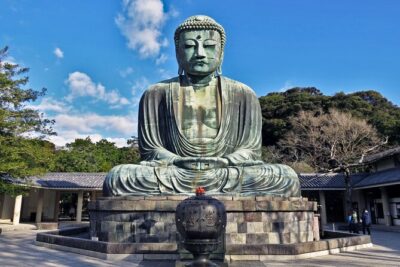
Kamakura Historical Walking Tour with the Great Buddha
Read our review →
Kamakura Private Tour: Temples, Nature, and the Great Buddha
Read our review →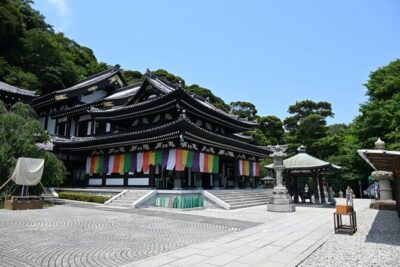
Sea of Mount Fuji, Hakone Ropeway, Ōwakudani, Enoshima
Read our review →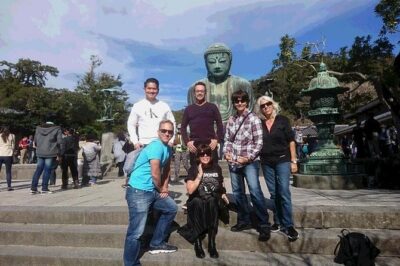
Kamakura 8 hr Private Walking Tour with Licensed Guide from Tokyo
Read our review →Browse the lists this tour appears in