
Reviewed · SAKE & WHISKY TASTINGS
Japanese Sake Tasting and Masu Crafting Experience in Tokyo
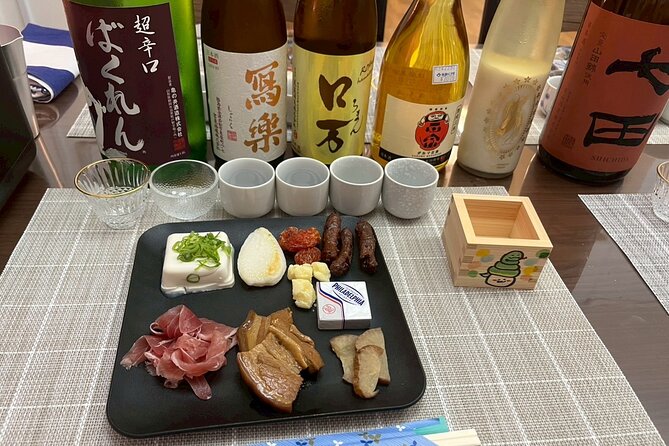
Japanese sake can look simple in a glass, but five or six samples quickly show how much variety hides inside it. At this 90-minute tasting near Ikebukuro, you compare different aromas, flavors, and serving temperatures, including warm kanzake, then make a wooden cup to take home.
I like the clear introduction to sake and the small snack pairings, especially because the food can surprise you. I also like the personal touch of decorating your own masu cup, rather than leaving with another generic Tokyo souvenir.
The main consideration is the food policy. Vegetarian and vegan options are not offered, and alcohol is only available to people age 20 or older under Japanese law.
In This Review
- Key points before you book
- A sake lesson with a creative finish
- What happens during the 90 minutes
- Why the snack pairings matter
- Decorating a traditional masu cup
- A creative Ikebukuro setting
- Is the $60 price fair?
- Who will enjoy this sake tasting?
- Practical details for a smooth evening
- How this compares with a standard Tokyo night out
- Should you book the Manga Dojo sake experience?
- FAQ
- Where does the Japanese sake tasting take place?
- How long does the experience last?
- What time does the activity start?
- How many types of sake will I taste?
- Is warm sake included?
- Is the activity held in English?
- Can I decorate a masu cup?
- Are vegetarian or vegan food options available?
- What is the cancellation policy?
Key points before you book
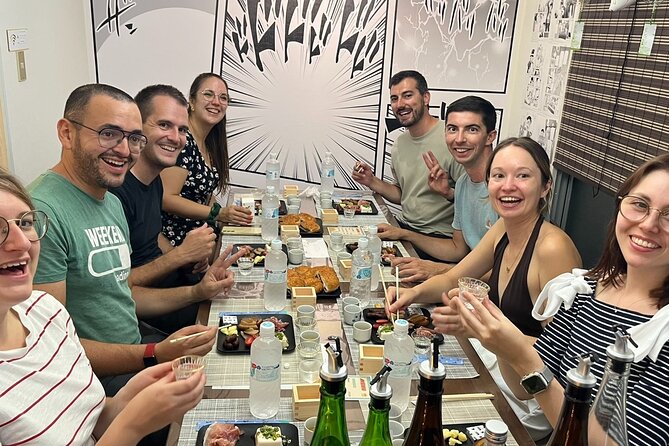
- Five to six sake varieties: Compare several styles instead of judging Japanese sake from one bottle.
- Warm kanzake included: Taste how heating can bring out different aromas and flavors.
- Snack pairings: Small bites accompany the sake, with seasonal selections that may change.
- Masu crafting: Decorate a traditional wooden sake cup with Japanese brush pens and keep it.
- Small English-language group: The maximum is eight people, making conversation and questions easier.
- Convenient evening timing: The 6 pm start near Ikebukuro fits well after sightseeing, shopping, or a museum visit.
A sake lesson with a creative finish
This experience works because it combines three things that are often separate: instruction, tasting, and making. You do not simply sit down for a flight of drinks. You first learn the basic ideas behind sake, taste several examples, and then use your hands to create a small object connected to the drink.
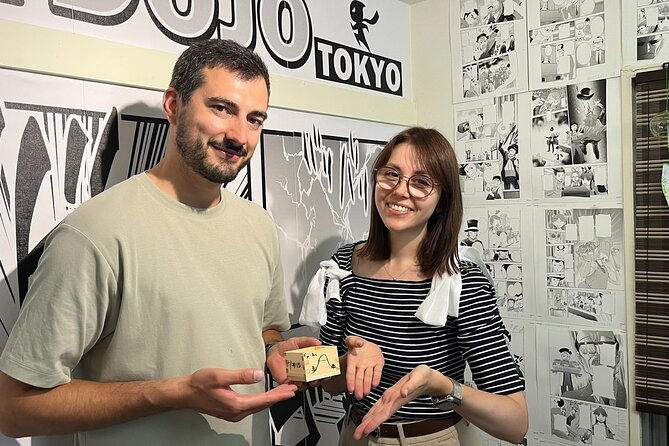
The setting is Manga Dojo Tokyo, a creative venue in Higashiikebukuro. It is in a room in an apartment building, not a grand brewery or formal restaurant. That matters. You get a small, informal setting with manga artwork and a chance to chat with the host and other people in the group.
Aki-san leads the session. The available information describes an English-language class, so you can ask questions and follow the explanations without needing Japanese. The style is aimed at beginners, yet the tasting also has enough range to interest people who already enjoy sake.
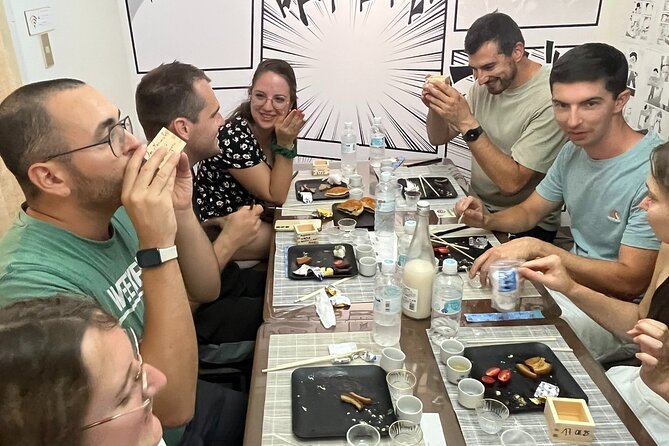
The group limit of eight is a real advantage. In a large tasting room, you may hear a lecture and then lose the chance to ask about a particular bottle. Here, the smaller format should make the experience more conversational. It also makes it easier to compare notes with the people sitting nearby.
More sake and whisky sessions:
- Ramen and Sushi Cooking Class with Sake Pairing Set in Tokyo
★ 5.0 · 291 reviews - Sake Tasting Masterclass in Shinjuku (8+ Varieties with a Pro)
★ 5.0 · 271 reviews - Sake Omakase in Tokyo: Guided Tasting by Certified Sommeliers
★ 5.0 · 239 reviews
What happens during the 90 minutes
The evening begins at 6 pm at Manga Dojo Tokyo. The meeting point is at 1-chome 31-6 Higashiikebukuro, in the Sansho Building, room 602. It is a few minutes from Ikebukuro Station and close to Animate, a useful landmark if you are already exploring the area.
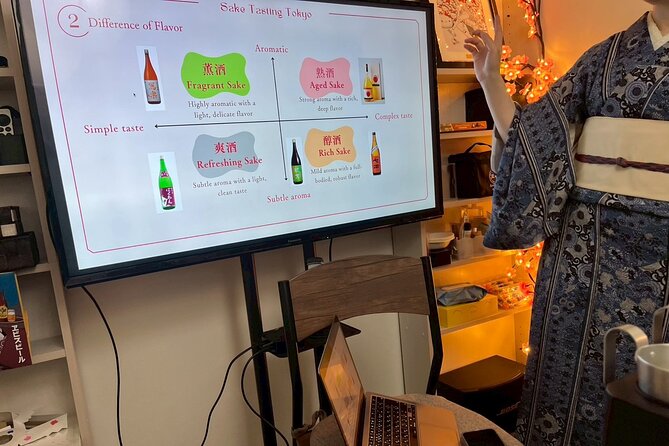
Once you arrive, the host welcomes you and explains the basic sake-making process. You learn how sake is produced, how to taste it, and why different types can have very different characters. The lesson gives you a framework for the tasting, so you can pay attention to more than simply deciding which one tastes best.
You then sample five to six varieties. The selection is not fixed in every detail, and the menu can change with the season. That is worth keeping in mind if you are hoping to try one particular label or style.
The point is comparison. One sake may seem light and clean, while another may have a fuller taste or a more pronounced aroma. The class also explains terms such as ginjo and daiginjo, distinctions that even some Japanese drinkers may not know well.
A hot sake is part of the lineup. Warm sake, called kanzake, can show a different side of the same drink. Heat can change how the aromas reach you and how the flavor feels on your palate. For a first-time drinker, this is one of the more useful lessons because it shows that serving temperature is not just a matter of preference.
Take your time with each sample. Notice the smell before drinking, then compare the first taste with the finish. You do not need a trained palate. The host’s explanations give you useful words and ideas, and the small group format lets you ask when a flavor seems hard to describe.
Why the snack pairings matter
Each sake comes with light snacks. These are not a full dinner, so plan to eat beforehand if you arrive hungry. Their role is to show how food changes the drink and how the drink changes the food.
The pairings can be playful rather than strictly traditional. One especially unexpected combination is curry bread with sake. It sounds unlikely, but rich, savory food can give a sake a different balance than it has on its own. That kind of surprise is useful because it moves the tasting beyond formal rules.
The snacks also help pace the alcohol. You are trying several varieties in a short session, and food makes the experience more comfortable. Still, you should drink responsibly and remember that the activity centers on alcohol rather than a meal.
The menu changes by season, so you should think of the food as part of the discovery rather than a guaranteed list of dishes. Vegetarian and vegan options are not available. If you have a food allergy, tell the provider in advance, since allergy-friendly options can be arranged.
Decorating a traditional masu cup
After the tasting, you decorate your own masu cup with Japanese brush pens. A masu is a traditional wooden vessel associated with serving sake. It is small, light, and easy to pack, making it a practical souvenir.
This part changes the mood from tasting to making. You do not need artistic training. The appeal is in creating something personal, even if your design is simple. Japanese brush pens also connect the craft to the manga and illustration setting of the venue.
The cup is yours to keep. That gives the experience more staying power than a tasting alone. Back home, the masu can remind you which styles you enjoyed, serve as a small display piece, or become a conversation starter.
The craft also makes this a good choice for couples and friends who want something to do together. You can compare your designs and talk while the sake lesson is still fresh. Solo visitors may appreciate the same activity because it provides a natural way to interact with the small group.
A few more Tokyo bookings worth comparing
- Tokyo Bar Hopping Tour in Shinjuku (All-You-Can-Drink + Dinner)
★ 5.0 · 3,587 reviews - Best of Shinjuku: Izakaya Food Tour (4 Stops, 14+ Tastings)
★ 5.0 · 1,863 reviews - Tokyo: Shinjuku Local Bar and Izakaya Guided Walking Tour
★ 4.9 · 1,794 reviews - Shibuya Meltdown Nightlife Tour: All-You-Can-Drink Bar Hopping
★ 5.0 · 1,058 reviews
A creative Ikebukuro setting
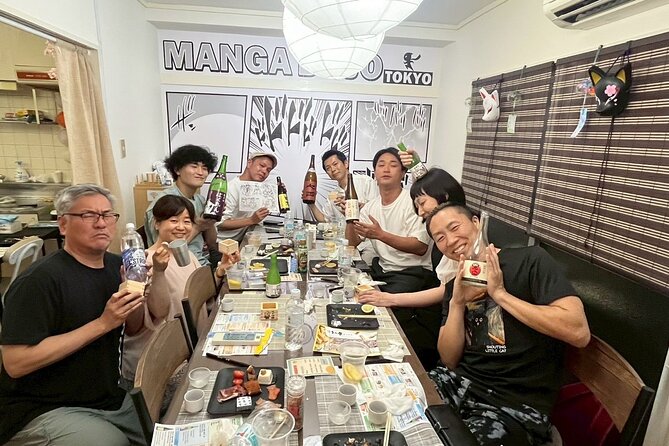
Ikebukuro is a practical place for this evening activity. The venue is close to public transportation and near Animate, so you can combine the tasting with the neighborhood’s manga and anime shops. The room itself includes manga-related displays, which gives the sake class a different feel from a hotel bar or large commercial tasting counter.
That setting is part of the experience, but it also creates a possible surprise. If you expect a polished sake brewery, a spacious restaurant, or a formal classroom, this may feel modest. You are entering an apartment-style room in a creative venue. I see that as a strength for people who prefer a personal cultural activity, but it is worth knowing before you book.
The evening start is convenient. At 6 pm, you can spend the afternoon in another part of Tokyo and arrive for a focused night activity. The experience ends at the same meeting point, so you are free to continue exploring Ikebukuro afterward.
Is the $60 price fair?
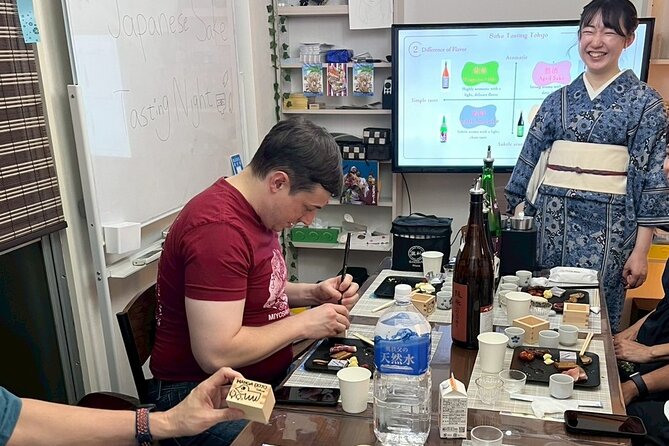
At $60 per person, this is not the cheapest way to drink sake in Tokyo. You can buy a single glass or bottle for less. The price makes more sense when you count the full package: five to six tastings, an English explanation, snack pairings, a warm sake comparison, a guided craft activity, and a masu cup to take home.
The value depends on what you want. If your goal is simply to drink as much sake as possible, a bar may offer better choice and flexibility. If you want to understand the differences between styles and leave with a handmade souvenir, this experience gives you more structure for the money.
The maximum group size of eight also supports the price. You are paying for a small class rather than a crowded tasting line. The opportunity to ask questions and discuss flavors with Aki-san adds value, especially if you are new to sake.
I would view the included cup as part of the cost rather than an unexpected bonus. It is a modest item, but it has a personal connection to the evening. You made it yourself, and that makes it more meaningful than a standard branded souvenir.
Who will enjoy this sake tasting?
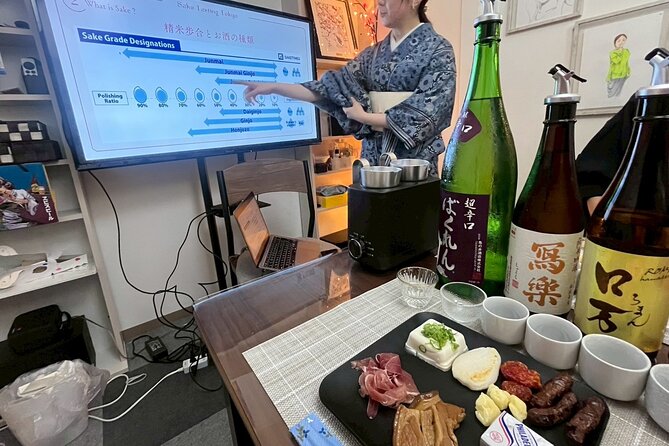
I would recommend it most strongly to first-time sake drinkers, curious food lovers, couples, and solo visitors who like small group activities. You do not need prior knowledge. The format begins with basic instruction and then lets you learn by comparing several drinks.
It also suits people who have tried sake but want to understand labels and styles better. The discussion of ginjo and daiginjo can help you make more informed choices at restaurants and bottle shops later in your trip.
The creative setting may appeal to manga fans, but you do not need to be interested in manga to enjoy the tasting. The venue simply adds a distinctive Tokyo setting and a natural bridge to the brush-pen craft.
I would not choose this for anyone under 20, since Japanese law prohibits alcohol for people younger than 20. It is also a poor match if you need vegetarian or vegan food. Anyone with allergies should contact the provider before the activity rather than waiting until arrival.
Practical details for a smooth evening
Use the mobile ticket and allow enough time to find the building and room. The address is in Higashiikebukuro, and the venue is near public transportation, but an apartment building can be less obvious than a storefront.
Confirmation is sent within 48 hours of booking, subject to availability. Since the experience is limited to eight people and is often booked well ahead, planning early is sensible if your Tokyo dates are fixed.
The listed start time is 6 pm, and the session lasts about an hour and a half. Arrive ready to pay attention, taste several samples, and take part in the craft activity. You will get more from the class if you treat it as a lesson with drinks, not just a bar stop.
Free cancellation is available until 24 hours before the start time for a full refund. Cancellations or changes made less than 24 hours before the activity are not accepted for a refund, and the cut-off follows Tokyo local time.
How this compares with a standard Tokyo night out
A normal sake bar gives you freedom. You can order at your own pace, choose a bottle, and stay as long as you like. It may also offer a wider menu.
This class gives you context. Instead of guessing at a sake list, you taste several examples in a guided order and learn why they differ. The snacks make the comparison easier, and the hot sake adds a serving-temperature lesson you may not think to request at a bar.
The craft activity is the biggest difference. You leave with a decorated masu cup and a clearer sense of what you tasted. For a short visit to Tokyo, that combination can be more memorable than an unstructured drink.
The tradeoff is flexibility. The tasting begins at a set time, ends after about 90 minutes, and follows the host’s selection. The menu may vary by season, so book it for the experience rather than for a particular sake label.
Should you book the Manga Dojo sake experience?
Book it if you want an approachable introduction to Japanese sake, a small English-language group, and a souvenir you create yourself. The strongest parts are the range of five to six samples, the warm kanzake comparison, and the snack pairings that can include unexpected choices such as curry bread.
I also like the location and timing. A 6 pm start near Ikebukuro Station fits neatly into a Tokyo itinerary, and the manga-themed room gives the class a local, personal character.
Skip it if you want a full meal, a large brewery tour, or complete control over what you drink. Keep the food limits in mind, and book early if your schedule is tight. For most adults who want to understand sake without making the subject feel formal, the $60 fee is reasonable for the teaching, tastings, craft session, and small group setting.
FAQ
Where does the Japanese sake tasting take place?
The activity takes place at Manga Dojo Tokyo, at 1-chome 31-6 Higashiikebukuro, Toshima City, Tokyo, in the Sansho Building, room 602.
How long does the experience last?
The session lasts approximately 1 hour and 30 minutes.
What time does the activity start?
The listed start time is 6 pm.
How many types of sake will I taste?
You will taste five to six different sake varieties. The selection may vary depending on the season.
Is warm sake included?
Yes. The tasting includes warm sake, known as kanzake, so you can compare how temperature changes the drink.
Is the activity held in English?
Yes. The session is conducted in English.
Can I decorate a masu cup?
Yes. You will decorate a traditional wooden masu cup using Japanese brush pens, and you can take the finished cup home.
Are vegetarian or vegan food options available?
No. Vegetarian and vegan options are not offered. Allergy-friendly options are available if you inform the provider in advance.
What is the cancellation policy?
You can cancel at least 24 hours before the start time for a full refund. Cancellations or changes made less than 24 hours before the activity are not accepted for a refund.
New on our Tokyo list
- Tokyo : Kamikaze Street Drift Ride★ 5.0 · 3 reviews
- Private Zen Meditation in English in Shinjuku, Tokyo★ 5.0 · 3 reviews
- Sumi-e Experience in a relaxing green tea shop in Tokyo★ 5.0 · 3 reviews
- Onsen Spa in Tokyo and Asakusa Bar Hopping with Local Guide★ 5.0 · 3 reviews
- Easy for everyone! Now you can play handmade mini shamisen and show off to everyone! Musical instruments, sweets and live music★ 5.0 · 3 reviews
- Tokyo: Private Tsukiji Street Food & Sake with Local Guide★ 5.0 · 3 reviews
- Mt Fuji Exploration Tour with Free Japanese Kusa Mochi from Tokyo★ 4.5 · 3 reviews
- Tokyo Tsukiji Fish Market Walking and Exploring Hidden Gems Tour★ 5.0 · 3 reviews
Sake & Whisky Tastings, compared.
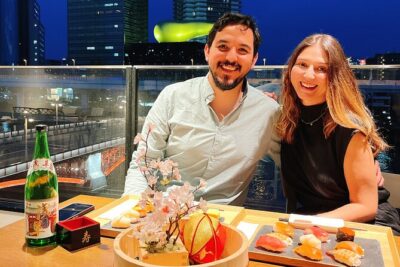
Ramen and Sushi Cooking Class with Sake Pairing Set in Tokyo
Read our review →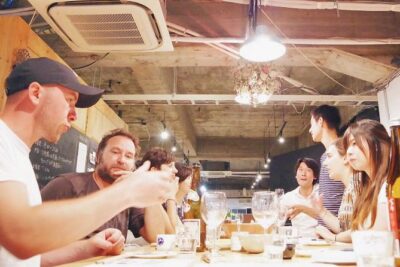
Sake Tasting Masterclass in Shinjuku (8+ Varieties with a Pro)
Read our review →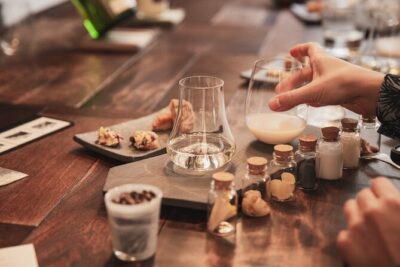
Sake Omakase in Tokyo: Guided Tasting by Certified Sommeliers
Read our review →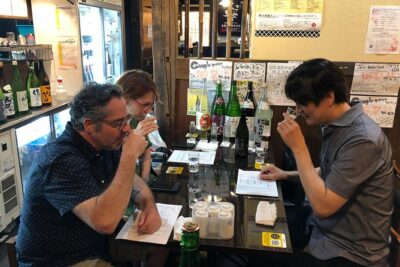
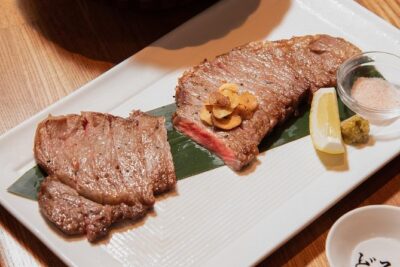
Wagyu & Sake Pairing in Shinjuku – Steak, Shabu-Shabu & More
Read our review →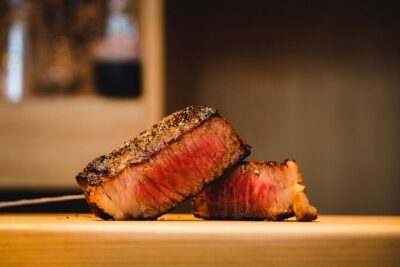
Tokyo Wagyu & Sake Pairing Tasting Experience with Local Flavors
Read our review →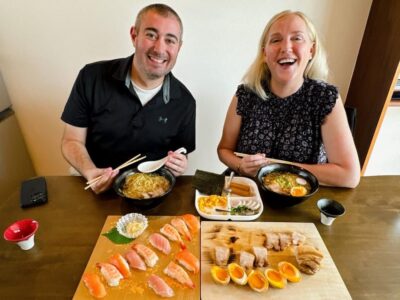
Sushi and Ramen Cooking Class with Sake Pairing Set
Read our review →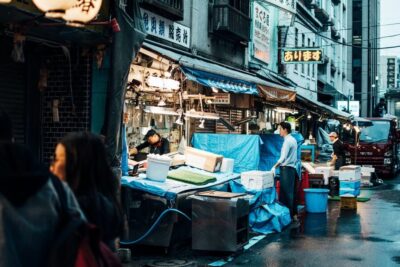
Tsukiji: Outer Market Walking Tour & Sake Tasting Experience
Read our review →Browse the lists this tour appears in