
Reviewed · SAKE & WHISKY TASTINGS
Japanese Wine Omakase in Shibuya – Guided Tasting, Not Sake
Japanese wine is the surprise here. In a quiet corner of Shibuya, steps from Meiji Jingu, you taste five Japanese wines that are rarely found outside the country, including bottles made from native grapes. This is a useful counterpoint to Tokyo’s better-known sake, beer, and whisky culture.
I like the small, 12-person format and the English guidance. I also like the chance to stay after the tasting, order more by the glass, and arrange delivery of selected bottles to your hotel or airport. The main consideration is price: at $97.98 per person, this is not a casual drink stop, and the tasting itself is fairly short.
In This Review
- Key points at a glance
- Why Japanese wine is worth your time
- Finding the Sangū Building near Meiji Jingu
- Inside the 75-minute tasting
- How the small plates change the tasting
- A polished room with a relaxed mood
- What you get for $97.98
- The best time to fit it into your Tokyo day
- Who will enjoy this most
- Booking, cancellation, and practical details
- Should you book the Japanese Wine Omakase?
- FAQ
- Is this a sake tasting?
- How many wines are included?
- How long does the experience last?
- Where does the experience start?
- Where does the activity end?
- How many people can join?
- Is the experience available in English?
- Can I buy Japanese wine afterward?
Key points at a glance
- Five Japanese wines: Taste a set of local bottles, including wines made from native Japanese grapes.
- A 75-minute English session: A wine expert explains the grapes, regions, and flavors as you taste.
- Small plates with each glass: The food is designed to support the wine rather than fill you up.
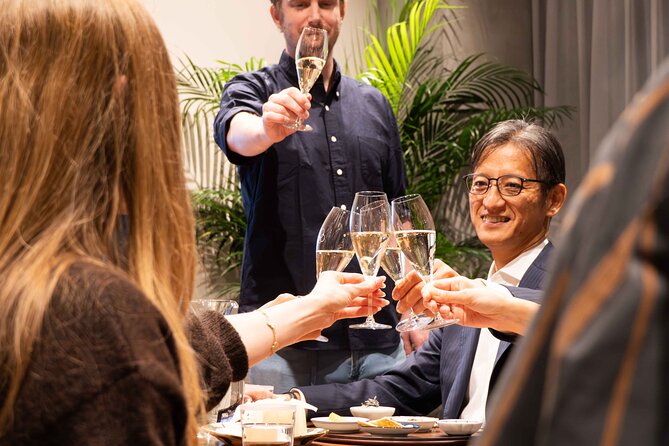
- Only 12 people: The compact group makes questions and conversation easier.
- Near Meiji Jingu: Pair the tasting with a shrine visit in a quieter part of the city.
- Optional bottle shopping: Stay for extra glasses and arrange hotel or airport delivery for purchases.
Why Japanese wine is worth your time
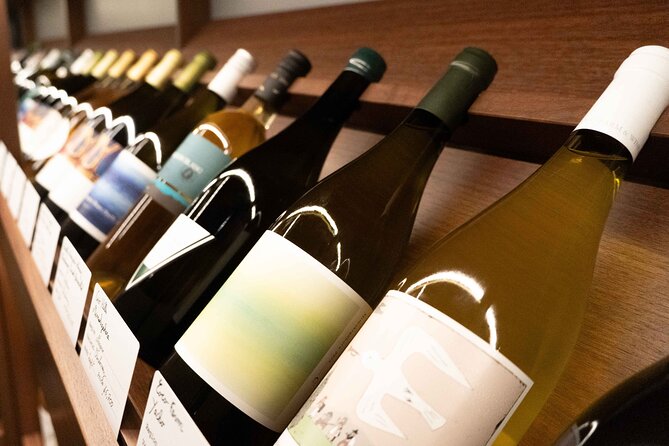
Japan is far better known abroad for sake than for wine. That makes this tasting useful. You are not simply drinking familiar international varieties in a Tokyo setting. You are learning how grapes, weather, soil, and local winemaking choices produce something that can be hard to find beyond Japan.
The focus is on local bottles, native grapes, and the character of Japanese wine. You may encounter styles that do not fit neatly into the usual French, Italian, Australian, or Californian categories. That is part of the appeal. The tasting gives you a way to understand a developing wine culture without needing prior knowledge.
The experience is also a good fit for a mixed group. If one person in your party loves wine and another normally chooses sake, beer, or whisky, the guided format gives both of you a reason to pay attention. One participant who usually avoided alcohol described the experience as more than simply drinking. That is an important point: the explanation and setting are central to the activity.
More sake and whisky sessions:
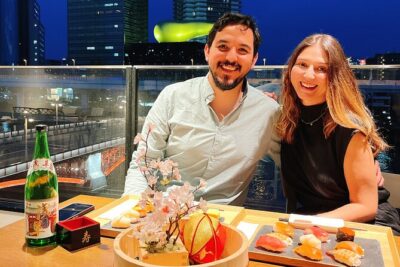
- Ramen and Sushi Cooking Class with Sake Pairing Set in Tokyo
★ 5.0 · 291 reviews - Sake Tasting Masterclass in Shinjuku (8+ Varieties with a Pro)
★ 5.0 · 271 reviews - Sake Omakase in Tokyo: Guided Tasting by Certified Sommeliers
★ 5.0 · 239 reviews
Finding the Sangū Building near Meiji Jingu
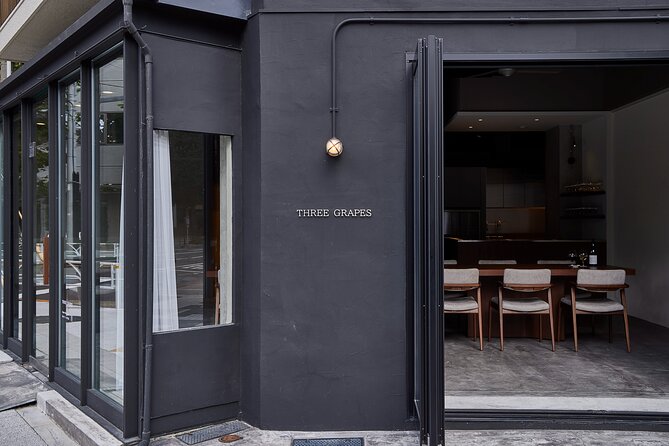
The meeting point is the Sangū Building at 3-chōme-38-12 Yoyogi, Shibuya, Tokyo 151-0053. The location is near public transportation and close to Meiji Jingu, making it easy to combine with sightseeing.
I would plan to visit the shrine before the tasting, not after. Meiji Jingu is one of Tokyo’s most peaceful major sights, and a wine session makes a pleasant change from the city’s crowded shopping streets. The surrounding area is also described as quieter than the most heavily visited parts of Kyoto and central Tokyo. That matters if you want a break from packed streets and busy restaurant districts.
Allow a little extra time to find the building. The experience ends where it begins, so you do not need to arrange a second pickup point or figure out a new neighborhood after drinking. A mobile ticket is provided, which keeps the booking simple.
Inside the 75-minute tasting
The guided wine portion lasts about 75 minutes, while the full activity is listed at approximately 1 hour and 30 minutes. The difference likely allows for settling in, serving, and the transition to optional bar time, so do not schedule a train, show, or timed attraction immediately afterward.
The session centers on five Japanese wines. Each glass gives the wine expert a chance to explain what you are tasting and why the bottle matters. The emphasis is not only on whether a wine is dry, sweet, light, or full-bodied. You also learn about Japanese grapes and the conditions that shape the finished wine.
The guide’s role is especially important here. The experience is available in English, and Alex is singled out for friendly service, clear suggestions, and a strong grasp of the wines. You should expect an informative conversation rather than a formal lecture. That makes the session approachable if you know very little about wine, while still giving experienced drinkers something to consider.
One bottle mentioned with particular enthusiasm is an ice wine. Since the exact lineup can change, I would not book this expecting that specific bottle every time. Still, it gives you a sense of the range. Japanese wine may include styles that feel unexpected beside standard table wines.
How the small plates change the tasting
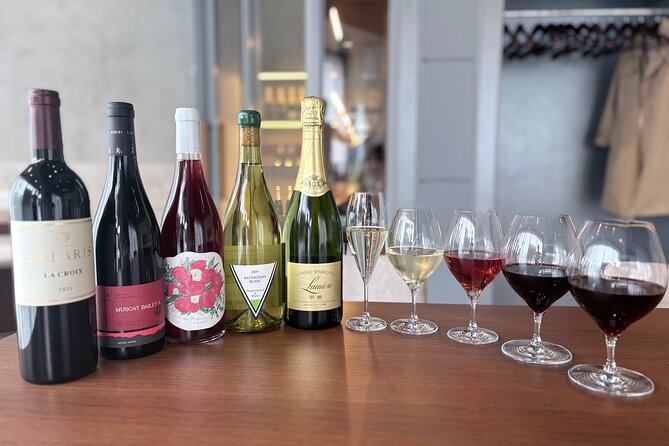
The five wines are paired with refined small plates. These are not presented as a full meal, so you should eat something beforehand if you are arriving hungry. Their purpose is to show how food alters the taste of each wine and to make the 75-minute session more comfortable.
This is one of the better reasons to choose a guided tasting instead of simply ordering a random bottle at a bar. Food can soften acidity, bring out fruit, or make a wine seem drier or fuller. Even if you are new to tasting, the pairing gives you a practical way to notice those changes.
The portions also keep the attention on the wines. You are not spending the session at a dinner table with long gaps between explanations. Instead, the food acts as a series of small companions to the glasses. That format suits an afternoon or early evening stop, especially after visiting Meiji Jingu.
More Shibuya plans:
- Official Street Go-Kart in Shibuya
★ 5.0 · 3,435 reviews - Tokyo: Street Kart Experience in Shibuya
★ 4.9 · 1,484 reviews - Shibuya Meltdown Nightlife Tour: All-You-Can-Drink Bar Hopping
★ 5.0 · 1,058 reviews - Shibuya Official Street Go-Kart in Shibuya Annex
★ 5.0 · 972 reviews
A polished room with a relaxed mood
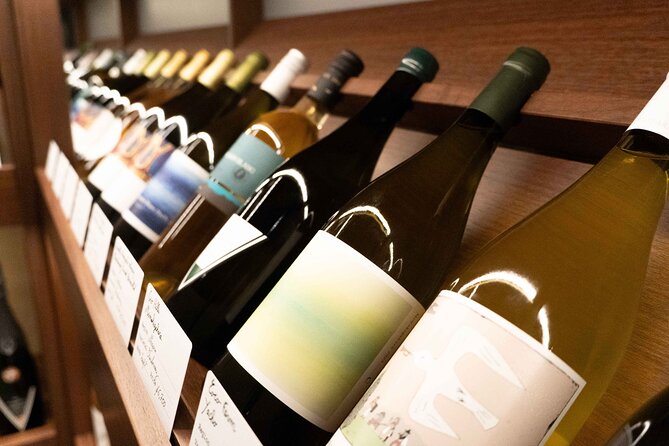
The bar has a stylish, intimate feel, with eye-catching window art and a setting that feels more personal than a large restaurant. The design is part of the experience, but it does not replace the wine. The strongest praise has been directed toward the friendly staff, easy conversation, and calm atmosphere.
I would choose this for a date, a small celebration, or a solo afternoon when you want more structure than simply sitting at a counter. The limit of 12 people is small enough for the expert to answer questions, yet large enough that the room should not feel overly formal.
The social side can work well, too. One person arrived spontaneously, found space for a tasting, and stayed for two additional glasses. You should not count on last-minute availability, especially since the experience is booked an average of 49 days ahead, but the option to continue is useful when the mood is right.
What you get for $97.98
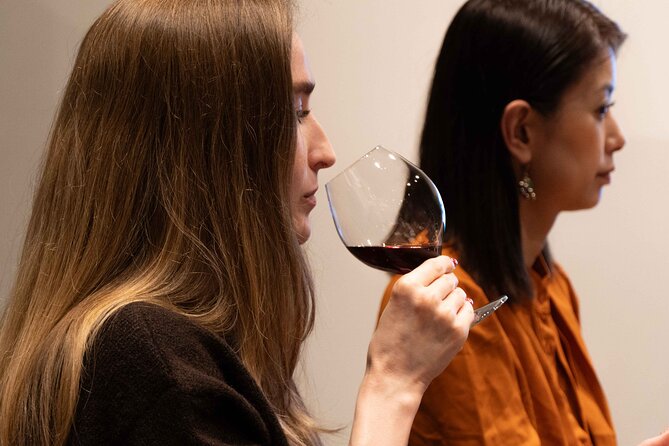
At $97.98 per person, the price is high for a 75-minute tasting. You are paying for five wines, small plates, English instruction, a small group, and access to bottles that may be difficult to find elsewhere. You are not paying only for the liquid in the glasses.
The value is strongest for anyone who actively wants to understand Japanese wine. If you are happy with a standard glass of wine and do not care where it comes from, the cost may feel hard to justify. Tokyo has plenty of places to drink for less.
For a wine enthusiast, though, the price can make sense. Imported Japanese bottles may be difficult to locate once you leave the country, and the guided context helps you remember what you tasted. The optional bottle service adds practical value. You can choose bottles after the session and have them sent to your hotel or airport, rather than carrying them through the rest of your trip.
I would also consider the cost of time. The activity takes about an hour and a half, begins near a major sight, and ends at the same point. That makes it easier to fit into a Tokyo day than a long excursion outside the city. If you are already visiting Meiji Jingu, the tasting adds a focused cultural stop without requiring a separate journey.
The best time to fit it into your Tokyo day
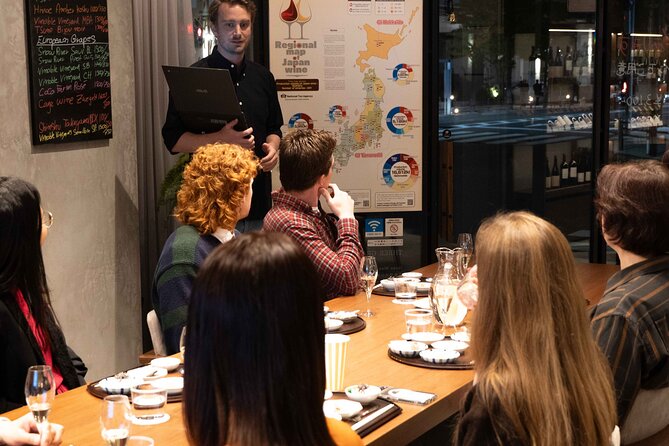
A visit to Meiji Jingu followed by wine is the most natural pairing. The shrine offers a quiet change of pace, while the tasting introduces a less familiar part of modern Japanese food and drink culture.
You can also use the experience as a break from shopping and sightseeing in Shibuya. The location is in Shibuya, but the setting is described as quieter than the busiest tourist areas. That can be a relief after crossing crowded streets or spending hours in department stores.
Keep the alcohol in mind when planning the rest of your day. Five wines in 75 minutes is a proper tasting, not a token sip. Avoid placing a demanding activity immediately afterward, and make sure you are old enough to participate. Sessions are open to people aged 20 and over.
Who will enjoy this most
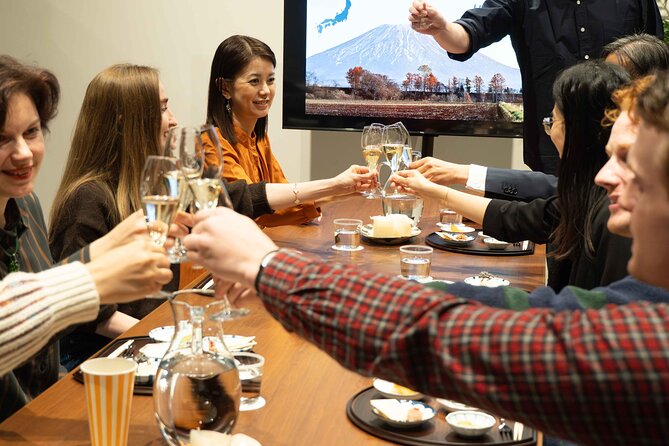
I would recommend this experience to:
- Wine drinkers who want bottles connected to Japan rather than imported labels.
- Curious first-time tasters who want an English explanation of what is in the glass.
- Couples and small groups looking for a quiet, polished activity.
- People who have already tried sake, beer, and whisky and want a different side of Japanese drinking culture.
- Visitors planning to buy Japanese wine and wanting help choosing bottles.
- Anyone staying near Shibuya or visiting Meiji Jingu.
It is less suitable if you want a full meal, a long winery tour, or a low-cost night out. There is no information about vineyard visits or travel into wine country. This is an urban tasting at a wine bar, with the focus placed on explanation, comparison, food pairings, and access to Japanese bottles.
Booking, cancellation, and practical details
The experience accepts a maximum of 12 people. That limit is a real advantage, but it also means popular dates can fill early. Since bookings are often made well ahead of time, I would reserve before your Tokyo schedule becomes fixed.
You receive confirmation when you book, and the ticket is mobile. The activity is near public transportation, and most people can participate. The start and finish point are the same, at the Sangū Building.
Free cancellation is available if you cancel at least 24 hours before the local start time. Within 24 hours, you receive no refund and changes are not accepted. The session can also be canceled if weather is poor or the minimum number of participants is not reached. In those cases, you are offered another date or experience, or a full refund.
Should you book the Japanese Wine Omakase?
Book it if you want a thoughtful introduction to Japan’s wine culture, especially if you value local grapes, expert guidance, and a small setting. The combination of five wines, paired plates, English explanation, and optional bottle delivery is unusual in Tokyo.
Skip it if your priority is saving money or eating a substantial meal. At nearly $100, this needs to be a planned experience, not an impulse drink. For the right person, though, it offers something you may not easily find again outside Japan: a clear, friendly introduction to wines made for and shaped by the country itself.
FAQ
Is this a sake tasting?
No. This is a Japanese wine tasting. The session focuses on five Japanese wines, including wines made from native Japanese grapes.
How many wines are included?
Five Japanese wines are included in the guided tasting.
How long does the experience last?
The guided tasting is described as lasting 75 minutes. The overall activity duration is approximately 1 hour and 30 minutes.
Where does the experience start?
It starts at the Sangū Building, 3-chōme-38-12 Yoyogi, Shibuya, Tokyo 151-0053, Japan.
Where does the activity end?
It ends back at the meeting point.
How many people can join?
The group has a maximum of 12 participants.
Is the experience available in English?
Yes. It is an English-guided tasting led by a wine expert. Alex is named as one of the friendly English-speaking staff members associated with the experience.
Can I buy Japanese wine afterward?
Yes. Optional bar time is available after the tasting, and you can choose bottles to take home. Hotel or airport delivery is also available.
More Drinking Tours in Tokyo
- Tokyo Bar Hopping Tour in Shinjuku (All-You-Can-Drink + Dinner)
★ 5.0 · 3,587 reviews - Best of Shinjuku: Izakaya Food Tour (4 Stops, 14+ Tastings)
★ 5.0 · 1,863 reviews - Tokyo: Shinjuku Local Bar and Izakaya Guided Walking Tour
★ 4.9 · 1,794 reviews - Tokyo: Pub Crawl and Bar Tour
★ 4.5 · 951 reviews
New on our Tokyo list
- Sumi-e Experience in a relaxing green tea shop in Tokyo★ 5.0 · 3 reviews
- Tokyo : Kamikaze Street Drift Ride★ 5.0 · 3 reviews
- Private Zen Meditation in English in Shinjuku, Tokyo★ 5.0 · 3 reviews
- Onsen Spa in Tokyo and Asakusa Bar Hopping with Local Guide★ 5.0 · 3 reviews
- Easy for everyone! Now you can play handmade mini shamisen and show off to everyone! Musical instruments, sweets and live music★ 5.0 · 3 reviews
- Mt Fuji Exploration Tour with Free Japanese Kusa Mochi from Tokyo★ 4.5 · 3 reviews
- Tokyo Tsukiji Fish Market Walking and Exploring Hidden Gems Tour★ 5.0 · 3 reviews
- Tokyo: Private Tsukiji Street Food & Sake with Local Guide★ 5.0 · 3 reviews
Sake & Whisky Tastings, compared.
Ramen and Sushi Cooking Class with Sake Pairing Set in Tokyo
Read our review →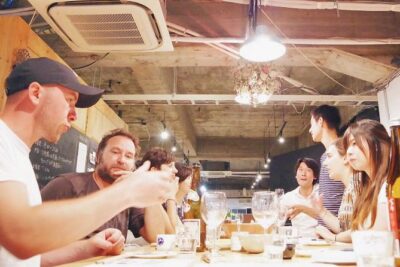
Sake Tasting Masterclass in Shinjuku (8+ Varieties with a Pro)
Read our review →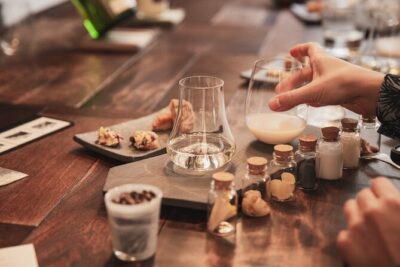
Sake Omakase in Tokyo: Guided Tasting by Certified Sommeliers
Read our review →
Wagyu & Sake Pairing in Shinjuku – Steak, Shabu-Shabu & More
Read our review →
Tokyo Wagyu & Sake Pairing Tasting Experience with Local Flavors
Read our review →
Sushi and Ramen Cooking Class with Sake Pairing Set
Read our review →
Tsukiji: Outer Market Walking Tour & Sake Tasting Experience
Read our review →Browse the lists this tour appears in