
Reviewed · KAMAKURA TOURS
Kamakura: A Journey Through Medieval Japan
Kamakura packs nearly 900 years of Japanese history into a seaside town you can reach from Tokyo. This tour links Zen temples, samurai politics, and Buddhist food in one clear route, rather than leaving you to piece the story together from temple signs.
I especially like two things here: guide John’s lively storytelling, and the smart use of trains and buses between distant sights. The main catch is simple: this is still a walking tour. The route is not suitable for wheelchair users or people with mobility impairments, and entrance fees, transport, and lunch cost extra.
In This Review
- Key points to know before you book
- Why Kamakura makes a fine break from Tokyo
- Meeting John at Kita-Kamakura Station
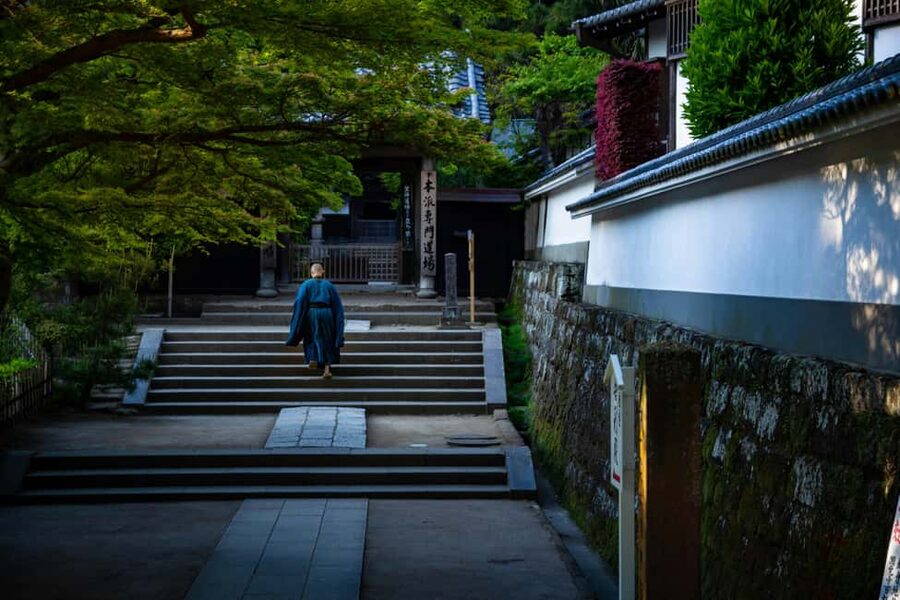
- Engaku-ji and the rise of Zen
- Tokei-ji, a nunnery with a different story
- Shojin-ryori, Buddhist food with a purpose
- Tsurugaoka Hachimangu and the samurai government
- The Great Buddha at Kotoku-in
- Enoshima adds two hours by the sea
- How much walking should you expect?
- Four hours or eight hours?
- What the 35 dollar price really buys
- Who will enjoy this Kamakura tour?
- Practical details that matter
- Should you book Kamakura: A Journey Through Medieval Japan?
- FAQ
- Where does the tour start?
- Where can the tour finish?
- How long does the experience last?
- Is the tour private?
- What language is the tour offered in?
- Is lunch included?
- Can I eat vegetarian or vegan food?
- Is shojin-ryori part of the tour?
- Are entrance fees included?
- Is public transportation included?
- Is the tour suitable for wheelchair users?
Key points to know before you book
- Engaku-ji gives the tour its spiritual start: Learn how Zen shaped Japanese religion, art, politics, and warrior culture.
- John is the guide to request: His history stories, clear English, flexibility, and knack for good photo spots receive especially strong praise.
- Shojin-ryori adds a real taste of temple life: The vegetarian Buddhist cuisine is usually part of the 8-hour tour and can be arranged for the 4-hour option.
- The Great Buddha is paired with wider Kamakura history: You see more than a famous statue, with context about Buddhism and the city’s past.
- Enoshima turns the full-day tour into a seaside escape: The island mixes sacred sites, family amusements, couples’ views, and coastal scenery.
- The private format can save time: John can adjust the route, pace, and lunch choice to fit your group.
Why Kamakura makes a fine break from Tokyo
Kamakura was the base of Japan’s first major warrior government, founded about 900 years ago. That gives the town a different feel from Tokyo’s imperial districts and modern shopping streets. Here, the big story is the rise of the samurai and the way Buddhist and Shinto traditions shaped daily life.
I like this tour because it does not treat temples as isolated photo stops. Engaku-ji introduces Zen. Tokei-ji adds the story of women and pilgrimage. Tsurugaoka Hachimangu connects religion with political power. The Great Buddha shows the enduring appeal of Buddhism, and Enoshima widens the day into a coastal outing.
You can book a 4-hour or 8-hour version. The shorter tour works well as a focused half-day from Tokyo, while the longer route adds lunch and Enoshima. A private or small-group setting also means you can ask questions and adjust the pace instead of following a fixed crowd.
More Kamakura and Enoshima days:
- Tokyo: Kamakura & Enoshima Day Trip including Temple Tickets
★ 4.5 · 1,375 reviews - Tokyo: Mt. Fuji, Kamakura, Big Buddha, & Lake Ashi Day Trip
★ 4.5 · 867 reviews - From Tokyo: Kamakura & Enoshima 1-Day Bus Tour
★ 4.5 · 189 reviews
Meeting John at Kita-Kamakura Station
Your day begins outside the East Exit of Kita-Kamakura Station. This is a practical starting point because Engaku-ji and Tokei-ji are close by, letting you begin with temples before reaching the busier central sights.
John’s strongest quality is his ability to turn names and dates into stories. He explains the personalities of Kamakura’s past, the Tokugawa shogunate, the Imperial Family, Japanese religion, and ordinary cultural habits. His English is described as especially clear, which matters when history and religious terms come quickly.
He also knows how to adjust. One visitor with a six-person group found that John set a comfortable pace for a half-day visit. Another had a customized route that used public transport to reach more sites without making the day exhausting. If you care about photographs, tell him early. He is good at choosing scenic spots and avoiding some of the worst crowding.
Engaku-ji and the rise of Zen
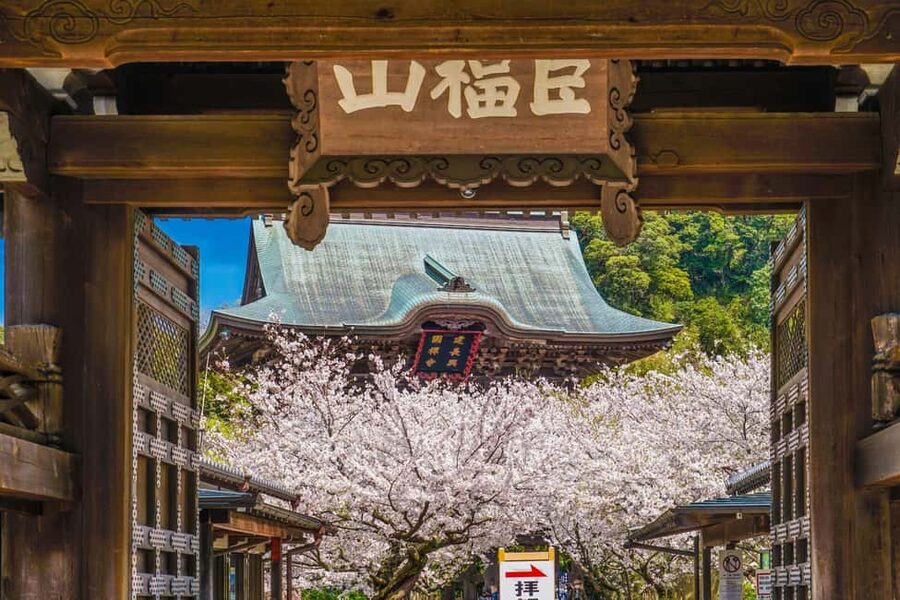
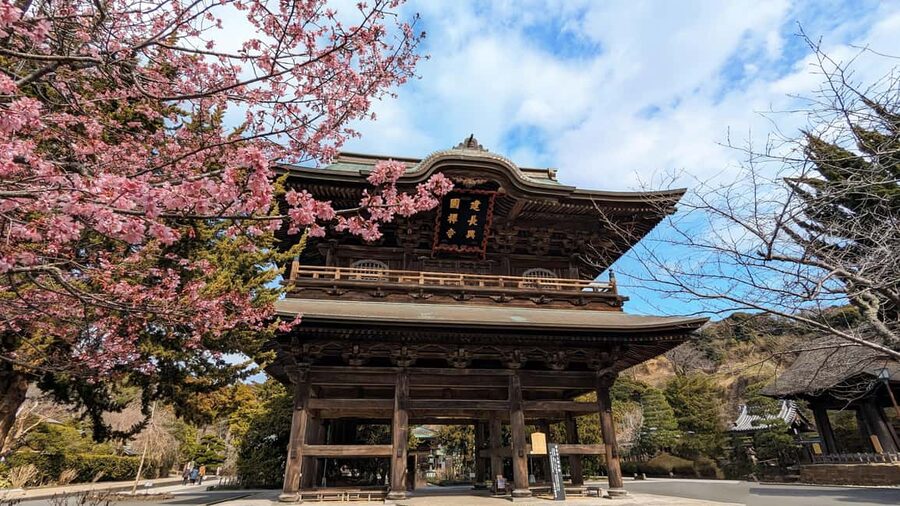
Engaku-ji receives about an hour of guided attention, and it is the intellectual heart of the route. It is one of Japan’s most important Zen temples, so this is where the tour explains why Zen mattered far beyond private prayer.
You will hear about Zen’s influence on politics, art, and religious practice. That context helps you read the temple grounds with more purpose. Instead of simply admiring wooden buildings and gardens, you begin to understand why warrior leaders supported Zen institutions and why the tradition became tied to Japanese cultural ideals.
This is also a good first stop because the pace is unhurried. An hour gives John room to explain the setting and answer questions. You should still expect outdoor walking and temple paths, so wear shoes that can handle a full day on your feet.
Tokei-ji, a nunnery with a different story
The short visit to Tokei-ji lasts about 15 minutes, but its subject adds an important counterpoint to the male warrior and religious figures usually associated with Kamakura.
Tokei-ji was once a nunnery and a pilgrimage site for women from across Japan. That makes it more than another beautiful religious compound. It opens a window onto the choices and protections available to women in earlier Japanese society.
The stop is brief, so do not expect a long independent visit here. Its value comes from John’s explanation and from how it changes the story of Kamakura. After Engaku-ji’s focus on Zen institutions and warrior culture, Tokei-ji brings the experience back to personal lives.
Same corner of Kamakura, a completely different plan:
- Kamakura Historical Walking Tour with the Great Buddha
★ 5.0 · 129 reviews - Kamakura Private Tour: Temples, Nature, and the Great Buddha
★ 5.0 · 121 reviews - Kamakura Walking Tour – The City of Shogun
★ 5.0 · 100 reviews - Tokyo:Sea of Mount Fuji, Hakone Ropeway, Ōwakudani, Enoshima
★ 4.9 · 84 reviews
Shojin-ryori, Buddhist food with a purpose
On the 8-hour tour, lunch usually features shojin-ryori, the vegetarian cuisine associated with Buddhist monks. It is available on the 4-hour tour upon request, and vegetarian or vegan needs can be accommodated if you provide notice.
The appeal is not simply that the meal is meat-free. Shojin-ryori connects food with Buddhist practice, giving you a chance to understand another part of temple life through taste and routine. Lunch also gives your feet a break before the central Kamakura sights.
The listed lunch estimate is about 1,000 yen per person, including the guide’s meal. That cost is separate from the tour price. If you have a serious dietary restriction, tell John ahead of time. One person with celiac disease received help finding a gluten-free restaurant, but advance notice is still the sensible approach.
Tsurugaoka Hachimangu and the samurai government
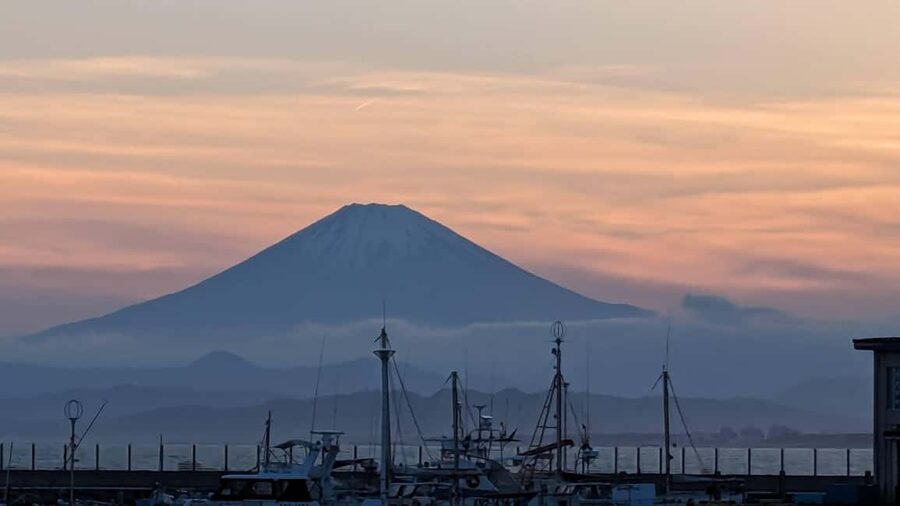
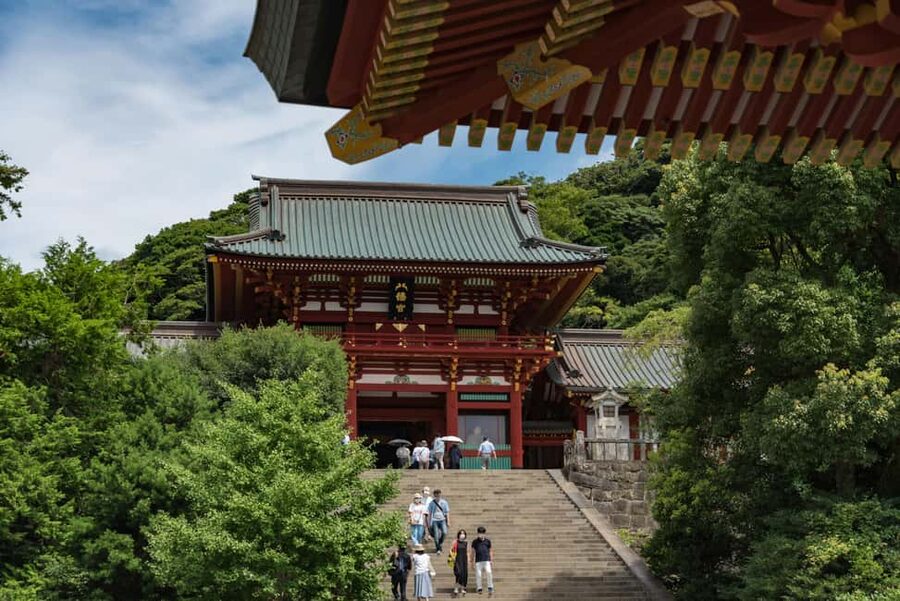
Tsurugaoka Hachimangu is one of the largest and most popular shrines in the region. Its position in downtown Kamakura makes it a sharp contrast to the quieter temple visits near Kita-Kamakura.
This is where the story returns to politics. The shrine was central to Kamakura-period power, so John can connect religious ceremony with the warrior government that made Kamakura Japan’s political center. You get a better sense of how shrines were not separate from public life. They could support authority, identity, and community all at once.
The guided portion lasts about 30 minutes. That is enough for an informed introduction, but the grounds are popular and can feel busy. If you prefer a slower look at details, tell John. The private format gives you more control than a large scheduled group, though the 4-hour option still requires sensible time management.
The Great Buddha at Kotoku-in
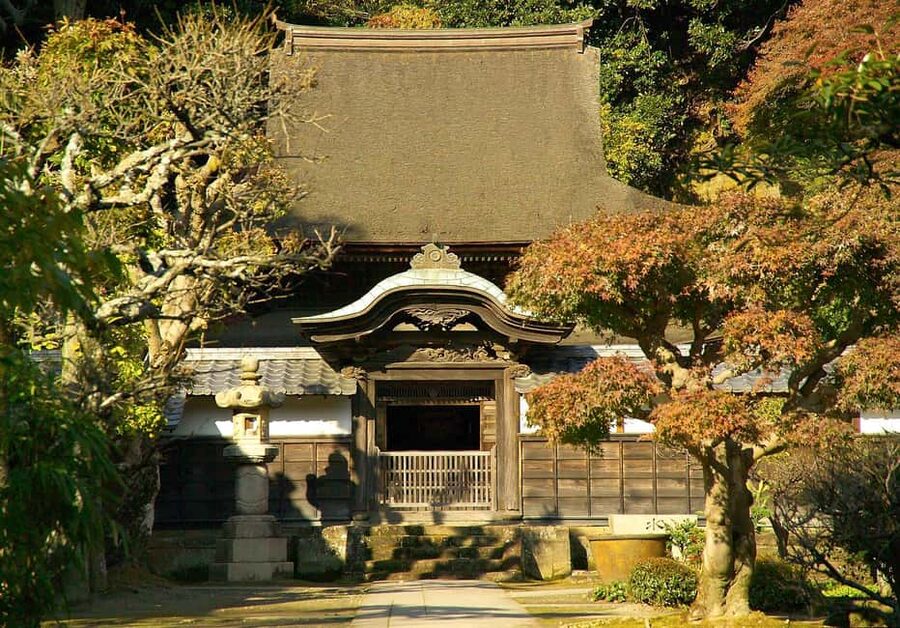
From Tsurugaoka Hachimangu, the group uses a bus or coach for about 20 minutes. This is a welcome choice. Walking the entire distance would take energy away from the Great Buddha and the rest of the day.
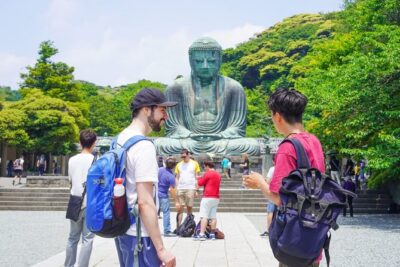
At Kotoku-in, you spend about 30 minutes with the Great Buddha of Kamakura, one of Japan’s largest Buddha statues. Its scale makes an immediate impression, but John’s historical explanation gives the stop more weight than a quick photograph.
The statue is also one of the day’s clearest links between Kamakura and Buddhism. After learning about Zen as an institution, you encounter a major image of Buddhist devotion in a very direct form. The stop is compact, so people who want a long, quiet visit may find the schedule brisk. For a half-day overview, it is a sensible amount of time.
Entry fees are not included. Across the tour, expect roughly 800 to 1,500 yen per person for admissions, with the guide’s fees included in that estimate as well. Transport is about 400 yen per person, and lunch is separate.
Enoshima adds two hours by the sea
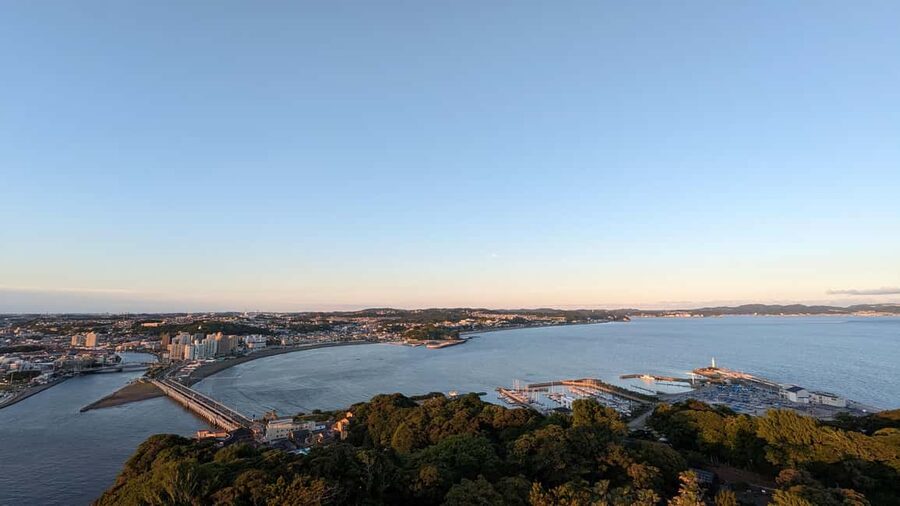
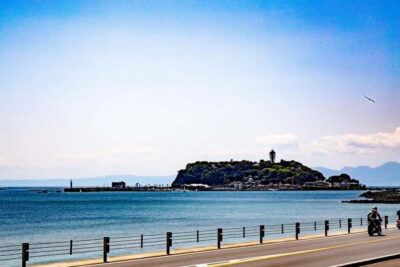
The 8-hour private tour continues by train, taking about 15 minutes to reach Enoshima. The island changes the mood completely. Kamakura’s main story is temples, shrines, and warrior rule. Enoshima adds holiness, seaside scenery, family outings, couples’ walks, and a touch of kitsch.
That mix is exactly why it works as a final stop. You are not getting another solemn temple visit. You are seeing how a sacred place can also become a popular leisure destination. John guides you for about two hours, and he can help you make the most of the island’s views and photo locations.
The timing may also suit people who want late-day scenery. One account of the tour describes an Enoshima walk timed for sunset, with John choosing particularly beautiful viewpoints. Do not assume every departure will produce the same light, since start times vary, but the island gives the full-day route a strong finish.
The tradeoff is time. Enoshima is only part of the 8-hour version, so you must choose the longer tour if the island matters to you. On the 4-hour route, focus stays on the central Kamakura sights.
How much walking should you expect?
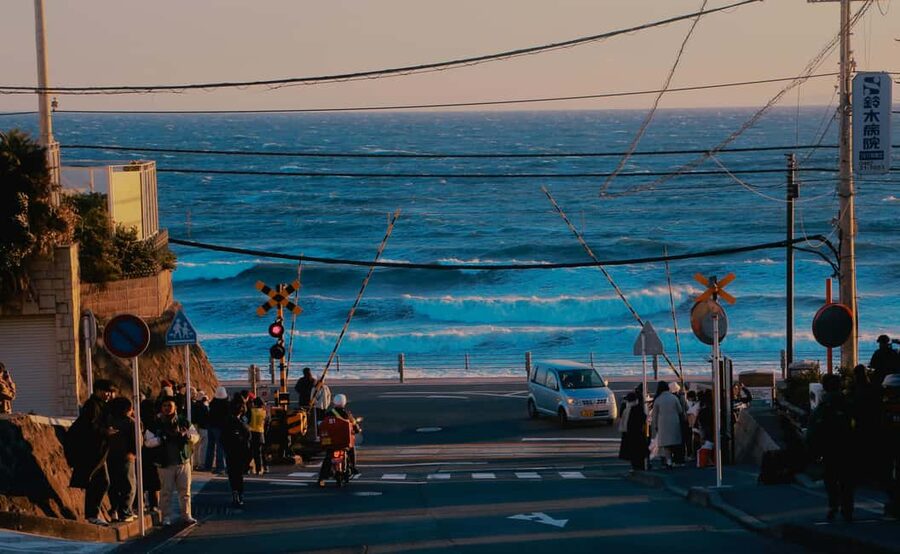
The tour uses public transport well, but it is not a ride-based sightseeing trip. You walk between temples, shrines, stations, and viewpoints, with places to sit along the route. One person specifically advised being ready for a lot of walking, while another found that John’s transport choices prevented the day from becoming too tiring.
For most visitors who can walk comfortably for several hours, the mix of short rides and rest points should be manageable. Still, heat, humidity, crowds, and temple paths can make the day feel longer than the timetable suggests.
This experience is not suitable for wheelchair users or people with mobility impairments. If you have a physical disability that does not prevent walking but may affect your pace, contact John in advance. The tour can be adjusted as far as possible, but the historic sites and walking format place real limits on access.
Four hours or eight hours?
Choose the 4-hour tour if you want a strong introduction to Kamakura during a day trip from Tokyo. You can cover Engaku-ji, Tokei-ji, Tsurugaoka Hachimangu, and the Great Buddha with public transport helping you cover ground. Lunch may be possible if arranged beforehand, but it is generally associated with the longer option.
Choose the 8-hour tour if you want the fuller story and a more relaxed rhythm. You have time for lunch, shojin-ryori, and the two-hour visit to Enoshima. The longer format also gives a private group more room for questions, photographs, and small itinerary changes.
The tour ends at either Kita-Kamakura Station or Kamakura Station. That makes it easy to continue your own plans after the guided portion, though the exact end point should match the route you choose.
What the 35 dollar price really buys
The listed price is $35 per person, which is low for a private or small-group guided day built around several major sights. The main value is not transport or admission. It is the guide’s ability to connect the sites and keep a half-day route moving.
You should budget extra for entry fees, local transport, and lunch. The additional costs are modest by Japanese sightseeing standards, but they matter when comparing the headline price with your final spend.
John’s flexibility improves the value. He has adjusted routes for groups, helped with food restrictions, shared practical advice for the rest of a Japan trip, and used public transport to reach more sites. If you already know Kamakura well and only need directions, you may not need a guide. If the city’s history feels hard to organize, the fee is easier to justify.
Who will enjoy this Kamakura tour?
I would choose this tour for a first visit to Kamakura, especially after several days in Tokyo. It gives you a clear change of pace without asking you to plan several train connections, temple stops, and meal decisions on your own.
It suits people who like history explained through places, families who want a flexible pace, and couples who want to include Enoshima. It is also a good fit if you want English explanations that go beyond basic facts.
The tour may not suit you if you dislike walking, need fully step-free access, or want a slow private meditation at each temple. The 4-hour option can also feel tight if you want long visits and extensive shopping or independent wandering.
Practical details that matter
You meet John outside the East Exit of Kita-Kamakura Station. The tour is offered in English, with private and small-group options.
You can cancel up to 24 hours before the start for a full refund, and you can reserve without paying immediately. Starting times vary, so check availability against your Tokyo plans.
Tell John about dietary restrictions or physical limitations before the day. Vegetarian and vegan meals are possible, and special food needs can be addressed more effectively when arranged in advance.
Should you book Kamakura: A Journey Through Medieval Japan?
Book it if you want Kamakura to make sense, not just look attractive. John’s strongest qualities are his storytelling, clear English, practical knowledge of public transport, and willingness to tailor the day. Those strengths received repeated top marks, and the overall rating is 4.9 from 32 ratings.
I would pick the 4-hour route for a first overview from Tokyo, then choose the 8-hour version if shojin-ryori and Enoshima are priorities. Just budget for the extra costs, wear comfortable shoes, and accept that this is an active day on foot. For an accessible or very slow-paced visit, choose another format.
FAQ
Where does the tour start?
The meeting point is outside the East Exit of Kita-Kamakura Station.
Where can the tour finish?
The tour can finish at Kita-Kamakura Station or Kamakura Station.
How long does the experience last?
The tour lasts between 4 and 8 hours, depending on the option you book.
Is the tour private?
Private and small-group options are available.
What language is the tour offered in?
The live tour guide speaks English.
Is lunch included?
No. Lunch costs about 1,000 yen per person and is paid separately. The guide’s meal is also included in the estimated lunch budget.
Can I eat vegetarian or vegan food?
Yes. Vegetarian and vegan-friendly arrangements are available if you notify the guide beforehand.
Is shojin-ryori part of the tour?
Shojin-ryori is generally included in the 8-hour route. It can be arranged for the 4-hour tour upon request.
Are entrance fees included?
No. Allow roughly 800 to 1,500 yen per person for entrance fees, including the guide’s admissions.
Is public transportation included?
No. Transport costs about 400 yen per person and are paid separately.
Is the tour suitable for wheelchair users?
No. The experience is not suitable for wheelchair users or people with mobility impairments.
New on our Kamakura list
- Buddha, Bamboo & Zen – Bespoke Kamakura Private Walking Tours★ 5.0 · 25 reviews
- Yokohama and Kamakura 6hr Private Trip Government-Licensed Guide★ 5.0 · 25 reviews
- Tokyo: Kamakura and Yokohama Private Day Trip with Guide★ 4.6 · 27 reviews
- Private Kamakura plus Yokohama Tour – English Speaking Driver★ 4.5 · 28 reviews
- Day Trip to Kamakura & Enoshima: Shrines, Seaside, Temples & Tea★ 5.0 · 32 reviews
- From Tokyo: Kamakura Private Customize Tour by Luxury Van★ 4.6 · 38 reviews
- Exciting Kamakura – One Day Tour from Tokyo★ 5.0 · 40 reviews
- When Emperors Reigned and Shoguns Ruled★ 5.0 · 43 reviews
Kamakura Tours, compared.
Kamakura & Enoshima Day Trip including Temple Tickets
Read our review →
Mt. Fuji, Kamakura, Big Buddha, & Lake Ashi Day Trip
Read our review →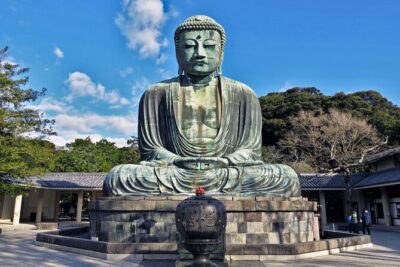
Kamakura Historical Walking Tour with the Great Buddha
Read our review →
Kamakura Private Tour: Temples, Nature, and the Great Buddha
Read our review →
Sea of Mount Fuji, Hakone Ropeway, Ōwakudani, Enoshima
Read our review →
Kamakura 8 hr Private Walking Tour with Licensed Guide from Tokyo
Read our review →Browse the lists this tour appears in