
Reviewed · JAPANESE CULTURE WORKSHOPS
Kintsugi Experience with Arita Ware in Tokyo (English Guide)
Kintsugi turns a broken plate into something worth keeping, using gold to mark the damage instead of hiding it. This 90-minute workshop lets you try the craft with Arita ware, Japan’s first porcelain, inside Nihonbashi Mutoh, a lacquerware and glassware shop founded in 1923.
I like the small group size, limited to 10 people, and the fact that you leave with a finished plate. I also like the English guidance, clear enough for beginners even when the instructor first explains a step in Japanese. The main drawback is choice: the activity may offer only a limited range of pieces, and your finished object is decorative rather than safe for food or drink.
In This Review
- Key points to know before booking
- Why this Tokyo kintsugi class feels different
- Entering Nihonbashi Mutoh Main Store
- What happens during the 90 minutes
- The appeal of Arita porcelain
- What makes the gold repair meaningful
- Is $139 a fair price?
- Taking your finished plate home
- Group size, English support, and access
- Who will enjoy this experience most
- Practical tips for a smoother class
- Should you book the Nihonbashi kintsugi workshop?
- FAQ
- Where is the kintsugi workshop held?
- How long does the experience last?
- What time slots are available?
- Is the workshop conducted in English?
- How many people can join the workshop?
- What is included in the price?
- Can I bring my own broken item?
- Can I take the finished plate home?
- Can I use the repaired plate for food or drinks?
- How old must participants be?
- Is the workshop wheelchair accessible?
- What should I wear?
- How long should the finished item dry?
- What is the cancellation policy?
Key points to know before booking
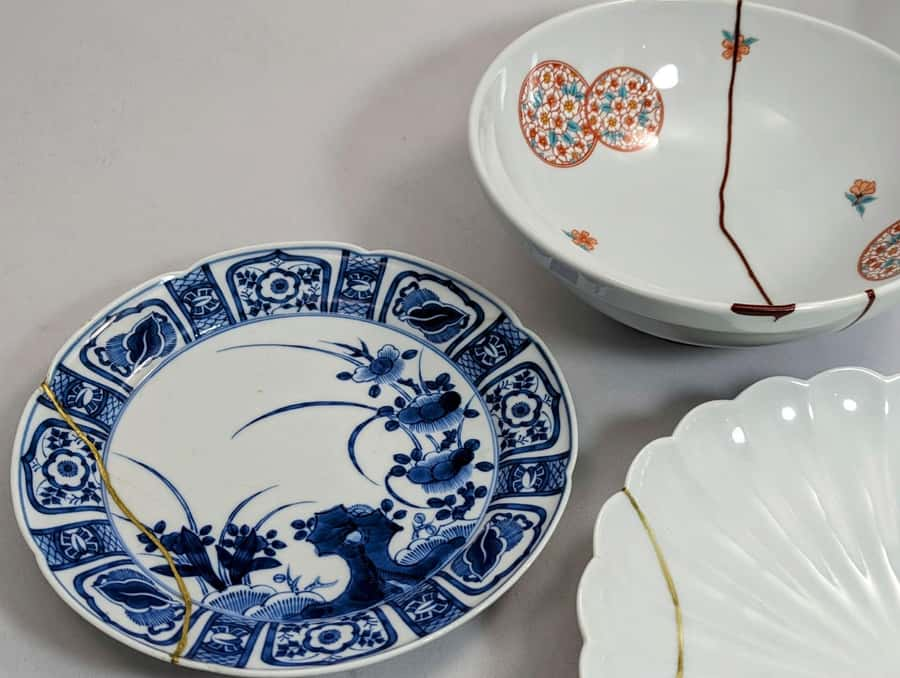
- Use 400-year-old Arita ware: The supplied plate comes from one of Japan’s best-known porcelain traditions.
- Work inside a 1923 craft shop: Nihonbashi Mutoh Main Store sells high-quality lacquerware and glassware in a traditional setting.
- Make a souvenir yourself: Your completed plate is included and can go home with you.
- Bring your own broken item: Ceramic or porcelain pieces are accepted if they are no larger than about 15 centimeters across and 15 centimeters high, with one or two breaks.
- Plan for careful aftercare: Your piece must dry indoors for about a week, then be hand-washed only and used for decoration.
- Allow exactly 90 minutes: Late arrivals do not receive extra time, and the workshop can take place alongside regular customers.
Why this Tokyo kintsugi class feels different
Many craft activities leave you with a souvenir bought in a shop. Here, you make the souvenir yourself. That changes the mood of the experience. The plate is not simply a reminder of Tokyo. It carries the visible marks of your own work.
Kintsugi is the Japanese practice of repairing broken pottery with gold. The repaired line becomes part of the object’s appearance. The idea is linked with wabi-sabi, a Japanese way of appreciating imperfection, age, and change. The craft is often traced to the 15th century, so this is not just a modern art project dressed up with Japanese labels.
The workshop uses Arita ware, which has a 400-year history and is recognized as the first porcelain made in Japan. That gives the class a stronger cultural base than a generic pottery repair lesson. You are handling a piece connected to one of Japan’s major ceramic traditions, then giving it a new mark of its own.
You do not need an artistic background. The class is designed as an introduction, and the allotted time is long enough to complete one object. A participant who has lived in Japan for more than a year described it as accessible to all skill levels, which is useful guidance if you are worried that your hands are not especially steady.
More craft workshops in Tokyo:
- Tokyo Shinjuku Chopsticks Making Class
★ 5.0 · 1,763 reviews - Kintsugi Experience: Art of Golden Joinery in Tokyo
★ 5.0 · 467 reviews - Authentic Pure Gold Kintsugi Workshop with Master Taku in Tokyo
★ 5.0 · 217 reviews
Entering Nihonbashi Mutoh Main Store
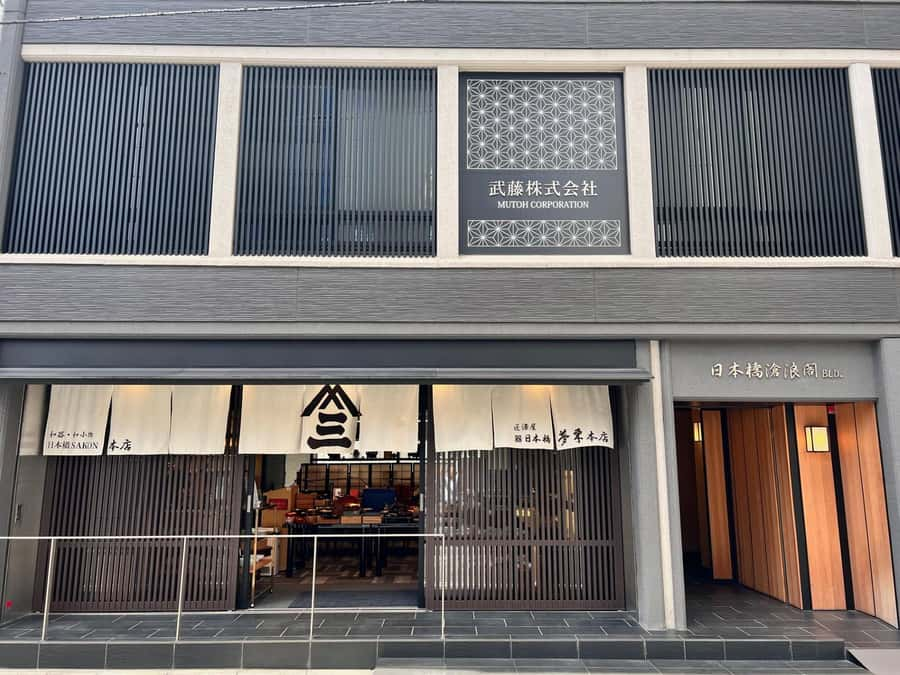
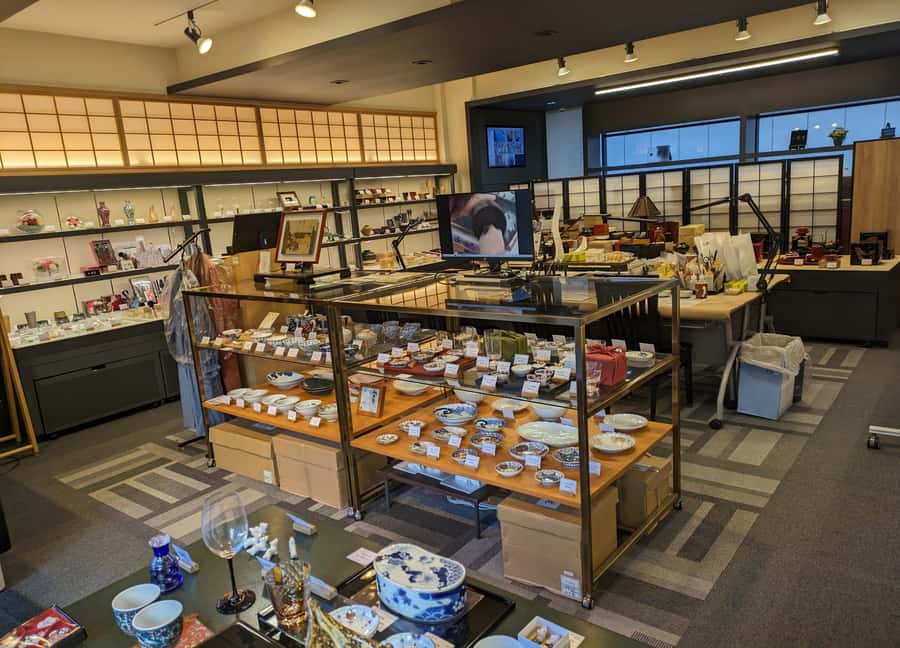
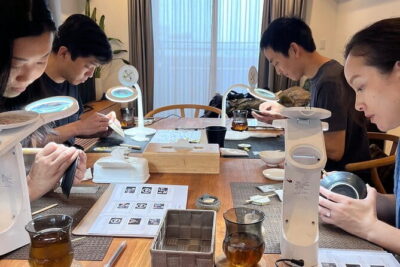
The meeting point is Nihonbashi Mutoh Main Store at 1-8-3 Honcho, Nihonbashi, Chuo City, Tokyo 103-0023. The shop dates to 1923 and works as a wholesale dealer of lacquerware and glassware. The setting matters because you are not practicing kintsugi in a blank classroom. You are surrounded by traditional craft goods and finished objects.
That atmosphere gives the 90 minutes some context. Before you begin, you can see the sort of careful workmanship associated with Japanese lacquer and porcelain. The shop itself is part of the experience, not just a place to check in.
The activity can be held with regular customers present. If you want a private class with only your own party, this is not the right choice. The benefit is a working shop environment, but the trade-off is that the room may not feel like a fully private tour.
The scheduled times are:
- 10:30 to 12:00
- 13:30 to 15:00
- 15:30 to 17:00
Choose carefully when booking. The workshop ends at the scheduled time even if you arrive late, so this is not an activity to squeeze between uncertain train connections.
What happens during the 90 minutes
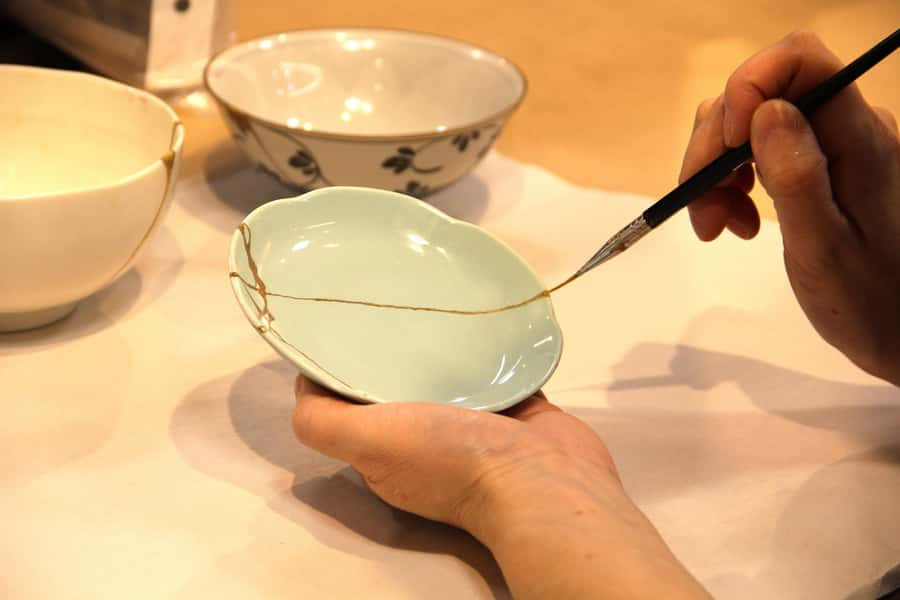
The class gives you one focused session rather than a long, multi-day course. You receive the necessary materials and work on a plate supplied for the activity. If you bring your own object, it must be ceramic or porcelain, no more than about 15 centimeters in diameter and 15 centimeters high, and have one or two broken sections.
The instructor speaks English. In practice, the session may include instructions first in Japanese, followed by English translation. That format worked well for participants who wanted clear guidance, though you should expect a shared class rather than a private English tutorial.
The timing is sensible for a first introduction. You have enough time to complete one object without committing half a day to a craft that may be new to you. It also keeps the class manageable during a busy Tokyo itinerary. You can visit in the morning, have lunch afterward, or choose an afternoon slot after sightseeing.
Do not expect to repair several pieces. The 90-minute format is built around completing one object. One participant felt the class was just long enough to finish a single item, which is the right way to view it. This is a first taste of kintsugi, not professional restoration training.
The exact working stages are not specified in the activity details, so I would avoid booking with the expectation of learning every technical method used by a professional restorer. You will learn the craft through a guided hands-on project, but the class is aimed at making one souvenir during a short session.
The appeal of Arita porcelain
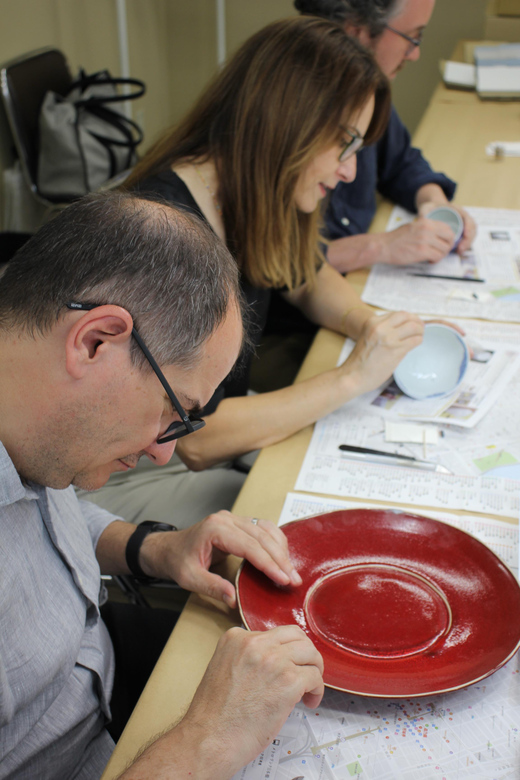
Arita ware comes from the town of Arita in Saga Prefecture on Kyushu. For this workshop, the important point is its age and status. Arita ware represents Japan’s first porcelain tradition, with 400 years of development behind it.
The plate used in the class comes from Shobido Honten, a maker whose Arita ware is sold in Japan and abroad. That makes the base object more interesting than an anonymous craft blank. You are not merely decorating a disposable plate. You are working with a piece from a recognized Japanese porcelain tradition.
You can also bring your own item instead. This is a good option if you already have a chipped or broken ceramic object that means something to you. The limits are strict enough to check before you go: the object must fit within approximately 15 centimeters in diameter and 15 centimeters in height, and the damage must consist of one or two broken parts.
The supplied plate is the safer choice if you do not have a suitable object. It is included in the price and is available to take home. Bringing your own item adds personal meaning, but it also creates more risk if the size or damage does not meet the rules.
A few more Tokyo bookings worth comparing
- Mt Fuji and Hakone 1-Day Bus Tour Return by Bullet Train
★ 5.0 · 26,383 reviews - 1-Day Tokyo Bus Tour
★ 5.0 · 14,250 reviews - Tokyo: TOKYO SKYTREE® Admission ticket
★ 4.5 · 11,192 reviews - Tokyo: teamLab Planets TOKYO Digital Art Museum Entry Ticket
★ 4.6 · 9,779 reviews
What makes the gold repair meaningful
The visual idea behind kintsugi is simple. A break is not erased. It becomes a visible line, often highlighted with gold. The object’s history remains part of its appearance.
That idea gives the activity more weight than a standard paint-and-take-home class. The finished piece may not look perfect, and that is the point. You are not trying to make a factory-new plate. You are learning to accept the scar as part of the design.
This is also why the class can appeal to people who do not think of themselves as artists. There is no need to produce a flawless decorative object. The repair itself creates the character. I would still wear clothes you do not mind getting dirty, since the activity involves craft materials and hands-on work.
The class is not suitable for children under 13. Older teenagers may find the theme and careful work engaging, but the minimum age means this is better suited to adults, older families, couples, and solo visitors who want a quiet cultural activity.
Is $139 a fair price?
At $139 per person, this is not a cheap souvenir-making session. The value comes from several parts working together: a 90-minute guided class, an English-speaking instructor, all materials, an Arita ware plate, and access to a historic specialist shop.
The price makes more sense if you care about the setting and the cultural background. You are paying for a small group experience in a shop connected with traditional lacquerware and glassware, not just for the raw plate. The group limit of 10 also helps keep the instruction usable.
It is less compelling if you only want a low-cost craft activity or a ready-made Japanese souvenir. Tokyo has many places to buy attractive ceramics for less than $139. This experience earns its price through participation and memory. You are paying to make the object, not simply own it.
The included plate is important for the value calculation. You do not need to buy a separate piece before arriving, and you can take the finished object home. Food and drinks are not included, though none are needed during the 90-minute session.
Taking your finished plate home
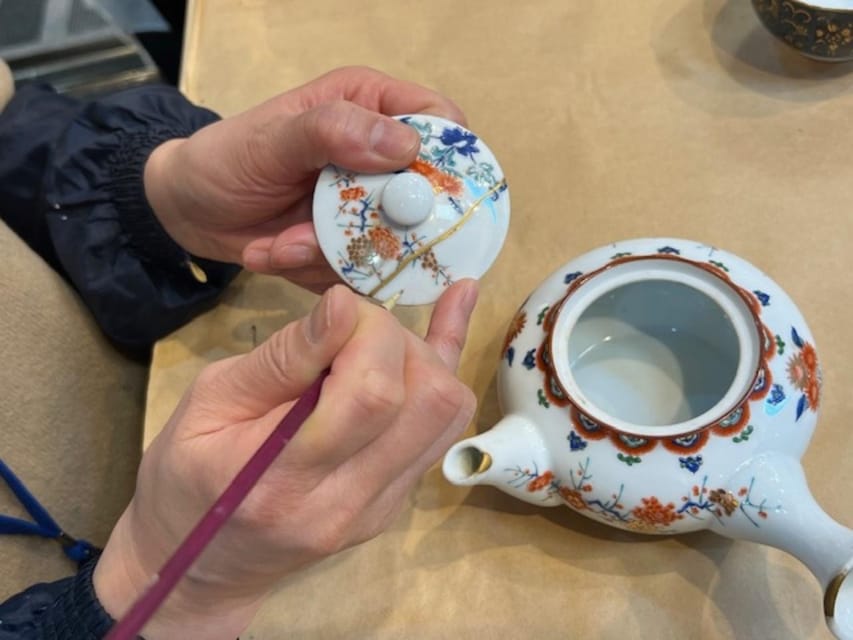
Your work is not ready for immediate daily use. After the workshop, you should dry it indoors for about one week. Plan this before you pack your suitcase, especially if you are leaving Japan soon after the class.
The finished plate must be hand-washed with dishwashing detergent. It should not go in a dishwasher or microwave. It is also for decoration, not for eating or drinking.
That restriction is easy to overlook. Think of the plate as a display piece, a small work of craft, or a personal keepsake. Do not plan to use it as your everyday breakfast plate.
Pack it with care after it has dried. The activity information does not specify special transport packaging, so I would ask the staff what protection is available before leaving the shop. At minimum, leave room in your luggage for a delicate object and avoid placing heavy items on top of it.
Group size, English support, and access
The class accepts up to 10 participants. That is small enough for a practical workshop, though the atmosphere depends on the number booked for your time. One session had eight people and still felt uncrowded, which gives you a useful sense of scale.
The instructor teaches in English. Instructions may be given in Japanese first and then translated, so the pace may feel slightly different from a workshop conducted only in English. The key point is that English assistance is provided throughout the activity.
The workshop is wheelchair accessible. That makes it easier to consider for people who need step-free access, although the supplied information does not describe the exact room layout or restroom facilities. If you have specific access needs, confirm the details before booking.
Free cancellation is available up to three days in advance for a full refund. There is no refund if you fail to attend on the scheduled day. These rules are worth noting because the fixed time slots and strict end time leave little room for a last-minute change.
Who will enjoy this experience most
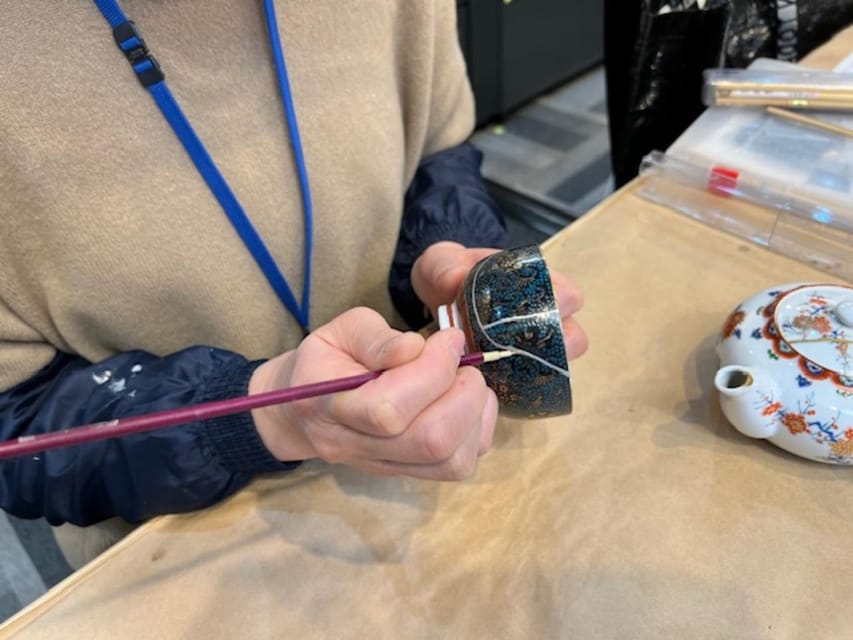
I would recommend this class to you if you want a souvenir with a story behind it. It suits couples, solo visitors, older families, and anyone interested in Japanese craft, design, or the philosophy of wabi-sabi.
It is especially appealing if you have already seen Tokyo’s major sights and want a quieter activity. The workshop gives you time to concentrate on one object rather than rush through another attraction.
You will also get more from it if you are interested in Arita porcelain or lacquerware. The shop setting adds a useful layer for anyone who wants to see traditional Japanese goods in a working retail environment.
I would hesitate if you need a private group, want a detailed professional restoration course, or hope to make several pieces. The class may run beside regular customers, the selection of objects may feel limited, and the 90-minute schedule is deliberately compact.
Practical tips for a smoother class
- Arrive with enough time to find the Nihonbashi address and check in. Late arrival cuts into your working time.
- Wear clothing that can handle craft materials.
- Bring a personal ceramic or porcelain item only if it meets the size and damage limits.
- Choose the supplied plate if you are unsure about your own object.
- Leave space in your luggage for a fragile decorative plate.
- Remember that the finished item needs about one week of indoor drying.
- Do not use the plate for food, drinks, a microwave, or a dishwasher.
- Pick your time slot with care: 10:30, 13:30, or 15:30.
- Treat the class as a one-object introduction, not a full technical course.
Should you book the Nihonbashi kintsugi workshop?
Book it if you want to make something personal and do not mind paying for a guided craft session rather than a simple souvenir. The combination of Arita porcelain, a shop dating to 1923, English instruction, and a small group gives the activity real substance.
The strongest reason to go is the finished plate. You take home an object that shows the repair instead of hiding it, along with a direct connection to a Japanese craft tradition. The calm pace and beginner-friendly format also make it approachable.
Skip it if $139 feels high for a decorative plate, if you need a private class, or if your schedule is too tight for a fixed 90-minute appointment. For the right person, though, this is a thoughtful Tokyo keepsake and a practical introduction to kintsugi without requiring a full day.
FAQ
Where is the kintsugi workshop held?
It is held at Nihonbashi Mutoh Main Store, 1-8-3 Honcho, Nihonbashi, Chuo City, Tokyo 103-0023.
How long does the experience last?
The workshop lasts 90 minutes, or 1.5 hours.
What time slots are available?
The listed time slots are 10:30 to 12:00, 13:30 to 15:00, and 15:30 to 17:00.
Is the workshop conducted in English?
Yes. An English-speaking instructor leads the experience. Instructions may first be given in Japanese and then translated into English.
How many people can join the workshop?
The group is limited to 10 participants.
What is included in the price?
Admission to the 90-minute workshop, all necessary materials, an English-speaking instructor, and a plate used during the activity are included.
Can I bring my own broken item?
Yes. You may bring a ceramic or porcelain item that is approximately 15 centimeters or less in diameter, 15 centimeters or less in height, and has one or two broken parts.
Can I take the finished plate home?
Yes. The plate used in the experience is available to take home.
Can I use the repaired plate for food or drinks?
No. The finished piece is for decoration only. It should be hand-washed with dishwashing detergent and must not be placed in a microwave or dishwasher.
How old must participants be?
The experience is not suitable for children under 13.
Is the workshop wheelchair accessible?
Yes, the activity is listed as wheelchair accessible.
What should I wear?
Wear clothes that you do not mind getting dirty.
How long should the finished item dry?
The completed piece should dry indoors for about one week after the workshop.
What is the cancellation policy?
You can cancel up to three days in advance for a full refund. No refund is provided if you do not attend on the scheduled day.
New on our Tokyo list
- Tokyo : Kamikaze Street Drift Ride★ 5.0 · 3 reviews
- Private Zen Meditation in English in Shinjuku, Tokyo★ 5.0 · 3 reviews
- Sumi-e Experience in a relaxing green tea shop in Tokyo★ 5.0 · 3 reviews
- Onsen Spa in Tokyo and Asakusa Bar Hopping with Local Guide★ 5.0 · 3 reviews
- Easy for everyone! Now you can play handmade mini shamisen and show off to everyone! Musical instruments, sweets and live music★ 5.0 · 3 reviews
- Tokyo: Private Tsukiji Street Food & Sake with Local Guide★ 5.0 · 3 reviews
- Mt Fuji Exploration Tour with Free Japanese Kusa Mochi from Tokyo★ 4.5 · 3 reviews
- Tokyo Tsukiji Fish Market Walking and Exploring Hidden Gems Tour★ 5.0 · 3 reviews
Japanese Culture Workshops, compared.
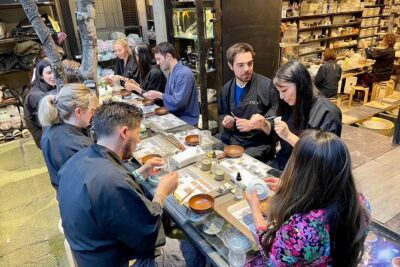
Kintsugi Experience: Art of Golden Joinery in Tokyo
Read our review →
Authentic Pure Gold Kintsugi Workshop with Master Taku in Tokyo
Read our review →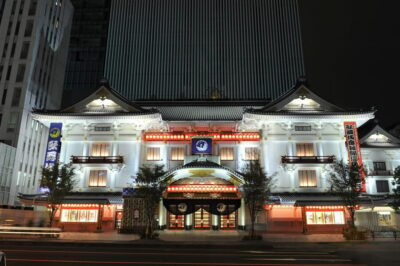
KABUKI Show at Kabukiza Theatre Admission Ticket
Read our review →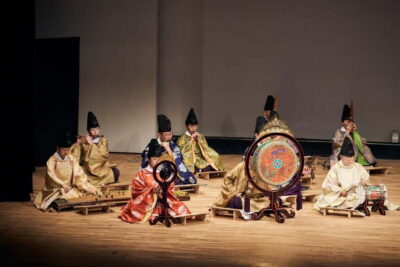
KABUKI, BUNRAKU, etc. presented by National Theatre
Read our review →
Kintsugi Workshop Class in Shibuya, Tokyo with mon cadeau
Read our review →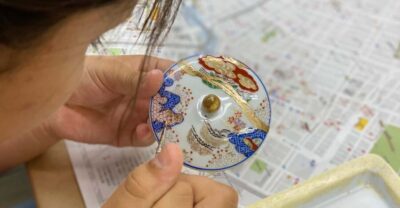
Browse the lists this tour appears in