
Reviewed · YANAKA & OLD TOKYO WALKS
Make Rice Balls and Enjoy a Japanese Home-Style Lunch in Yanaka
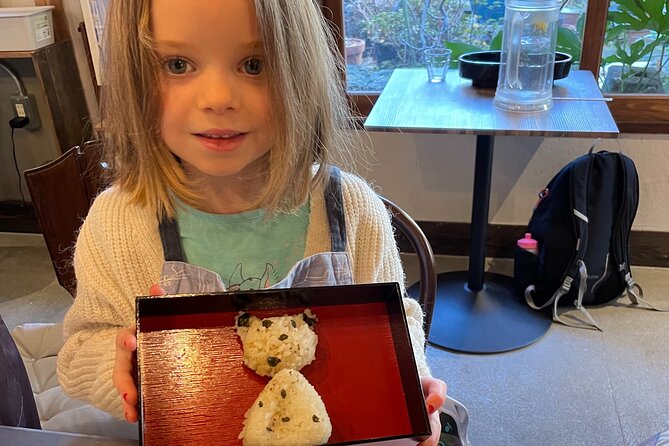
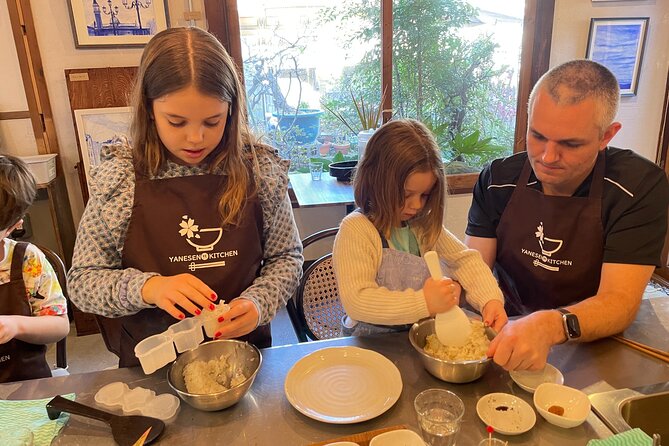
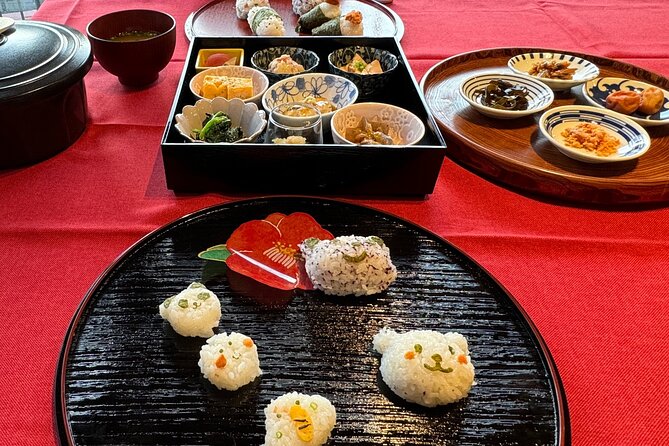
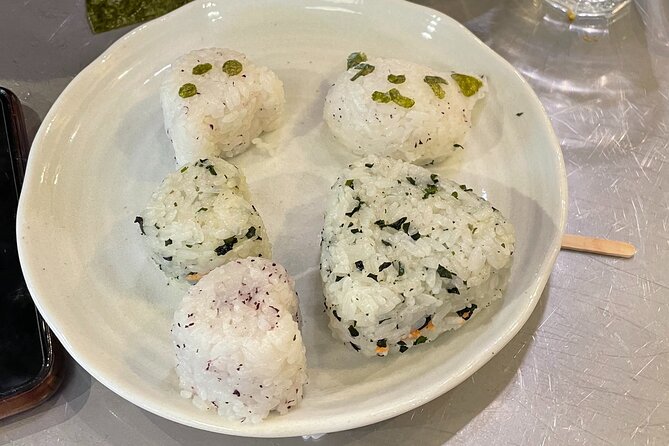
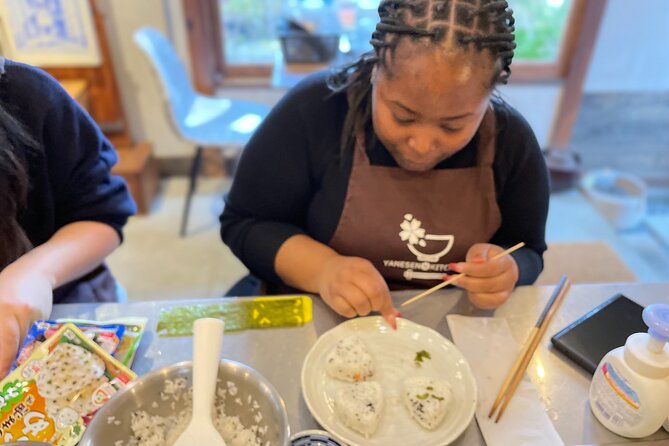
The heart of this Yanaka experience is simple: you make your own onigiri, then turn it into a full Japanese lunch. You shape rice balls, add toppings and rice sprinkles, arrange them in a bento box, and sit down to eat with dishes such as tamago-yaki, teriyaki chicken, karaage, salad, pickles, and miso soup.
I like the hands-on pace and the warm teaching style associated with Yuki, Masayo, and Eiko. I also like that the meal connects food to Yanaka itself, with tips on neighborhood delis and shops rather than just a recipe to take home. The main thing to watch is the timing: the description gives a roughly 90-minute experience, while the detailed schedule runs from around 11:30 or noon until 2:30, so confirm your exact start time before setting your day around it.
In This Review
- Key points at a glance
- Why onigiri makes such a good Tokyo food class
- Meeting Yanaka near Yuyake Dandan
- From rice and toppings to a finished bento
- A home-style lunch with miso soup
- More than cooking for families
- What the schedule really means for your day
- Is $60.62 a fair price?
- Dietary needs and what to clarify
- Who should book this Yanaka lunch?
- Should you book it?
- FAQ
- Where does the onigiri and bento experience meet?
- Where does the activity end?
- How long does the experience last?
- What food will I make and eat?
- Can dietary requests be accommodated?
- What happens if I need to cancel?
Key points at a glance
- Shape onigiri from scratch: Learn the basic method, then personalize your rice balls with toppings, pickles, and rice sprinkles.
- Build a real bento lunch: Practice arranging homemade onigiri beside Japanese side dishes, not just cooking one isolated item.
- Meet in old Yanaka: The class begins at the YANESEN Tourist Information & Culture Center near Yuyake Dandan.
- Expect a small group: The maximum is 12 people, a useful size for questions and close guidance.
- Good for families: Children can help prepare food, with origami and calligraphy also available as extra distractions.
- Plan for a generous midday activity: The published schedule includes food preparation, presentation, lunch, coffee, tea, and conversation about local dishes.
Why onigiri makes such a good Tokyo food class
Onigiri looks humble. It is rice shaped by hand, often wrapped or topped with simple ingredients. That simplicity is exactly why it works well in a short class. You can see the technique, try it yourself, and understand how a common Japanese meal comes together without spending the day in a professional kitchen.
You will prepare the rice balls, toppings, pickles, and rice sprinkles before arranging them in a bento box. This gives you several small jobs rather than one long demonstration. I find that more useful than watching a chef do everything while you take pictures.
The fun also comes from choice. You can customize the onigiri, and past sessions have included playful shapes such as cats. That detail makes the activity especially appealing for children, though adults who enjoy Japanese food culture will find plenty to learn as well.
The teachers focus on practical methods and small tips. You may leave knowing how to shape rice more neatly, how to use different toppings, and how to make a lunch box look balanced. The goal is not fancy restaurant cooking. It is the kind of food you can reasonably try again at home.
More old-Tokyo backstreet walks:
- The Old Quarter of Tokyo – Yanaka Walking Tour
★ 4.5 · 590 reviews - Yanaka Walking Tour: Historic and Traditional District of Tokyo
★ 5.0 · 530 reviews - Tokyo: Old Quarter Yanaka Walking Tour
★ 4.8 · 406 reviews
Meeting Yanaka near Yuyake Dandan
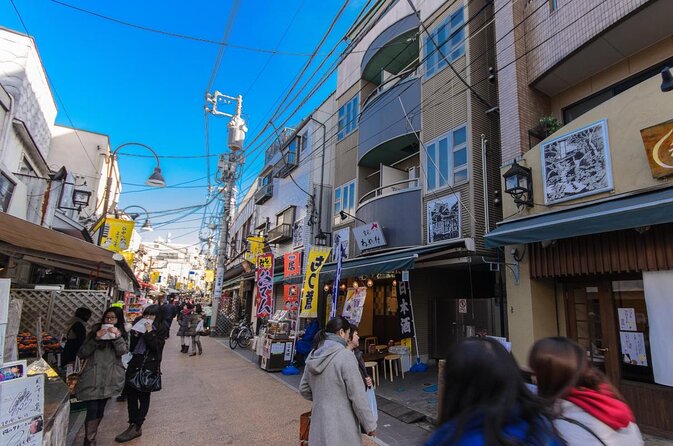
The meeting point is the YANESEN Tourist Information & Culture Center at 3-chōme-13-7 Yanaka, in Taito City. The activity also identifies Yuyake Dandan as a stop, placing the experience in one of Tokyo’s more old-fashioned neighborhoods.
That setting matters. Yanaka gives the class a local frame instead of making it feel like an activity floating free of the city. The teachers explain where you can buy home-style dishes in the area, including food from neighborhood delis and shops. You are not only learning what goes into a bento. You are learning how that sort of lunch fits into daily life in Tokyo.
The meeting point is near public transportation, and the experience ends back there. That makes it easy to pair with a walk through Yanaka before or after the meal. Still, allow time to find the center, especially if you are working from the listed noon start. The schedule also shows an 11:30 introduction, so I would check the confirmed booking details rather than relying on one time alone.
From rice and toppings to a finished bento
The food preparation begins with the onigiri. You will work with rice, toppings, pickles, and furikake-style rice sprinkles. The class is designed to let you participate, not simply watch a teacher assemble a plate.
The shaping stage is the main practical lesson. Onigiri can look easy until you try to make a firm, attractive shape without crushing the rice. A patient instructor makes a difference here, and the class has been led by teachers such as Yuki, Masayo, and Eiko. Their approach is described as kind, attentive, and encouraging, which suits a first attempt.
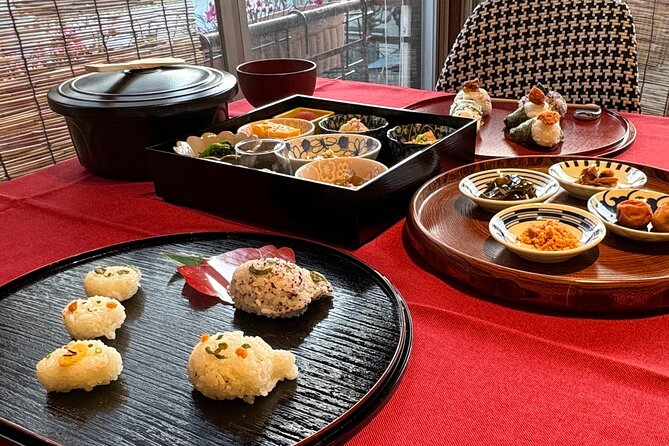
Next comes the bento layout. This is more than putting food into an empty box. You learn how to place the rice balls with side dishes so the lunch looks inviting and feels complete. For many people, this will be the most useful part to repeat at home because presentation is a big part of Japanese meal culture.
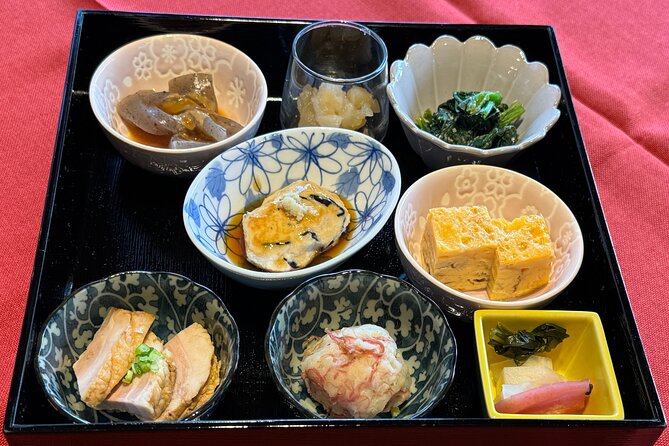
The side dishes, called okazu, are purchased from local delis and shops. Depending on the day, these can include karaage, korokke, yakitori, and tamago-yaki. The broader meal description also includes teriyaki chicken and fresh salad. Since the exact selection may vary, think of the class as a bento-making lesson built around onigiri, with a changing selection of familiar Japanese dishes.
A home-style lunch with miso soup
After the bento is arranged, the group presents the boxes, sets the table, and takes photos before eating. Then comes itadakimasu, the customary phrase said before a meal. This transition from preparation to a shared table is one of the strongest parts of the experience.
You eat the onigiri you made alongside local side dishes and miso soup. The food is not presented as a formal tasting menu. It is closer to a friendly home-style lunch, which makes the experience feel relaxed and approachable.
The meal can also include Japanese-style omelet, salad, teriyaki chicken, pickles, karaage, or other deli foods. One especially useful piece of advice is not to skip the radish. It has apparently won over people who might otherwise leave it untouched, a small reminder that Japanese side dishes often reward curiosity.
Coffee is part of the table setting, with Tokyo-roasted coffee mentioned in the schedule. Tea and a sweet have also been part of the hospitality during sessions. These touches extend the meal and give you time to ask questions instead of rushing straight out after the last bite.
The teachers explain the home-style dishes served that day and point you toward places to buy similar food in Yanaka. That local shopping advice adds value because it helps you continue the food experience after the class. You might not recreate every dish at home, but you can look for comparable items during the rest of your Tokyo stay.
A few more Tokyo bookings worth comparing
- Tokyo: Mt.Fuji & Lake Kawaguchiko 1-Day Bus Tour w/Optional Lunch
★ 4.5 · 839 reviews - Tokyo: Sumo Experience and Chanko Nabe Lunch
★ 4.8 · 257 reviews - Tokyo: Tsukiji Fish Market Tour with 6 Stops & Seafood Lunch
★ 4.5 · 165 reviews - Tokyo: 1 Day Bus Tour with Meiji-Jingu,Odaiba,lunch&Skytree
★ 4.6 · 156 reviews
More than cooking for families
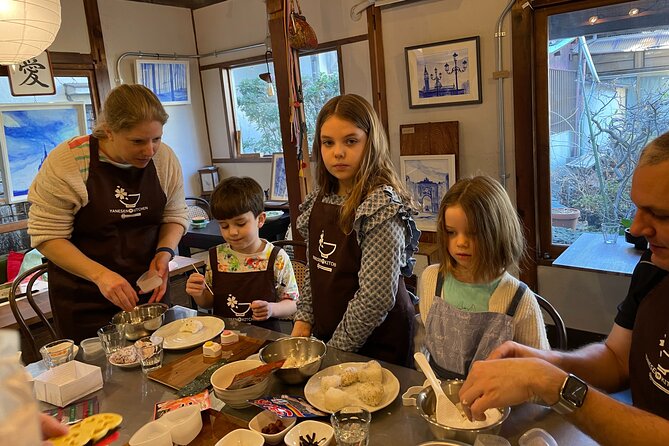
Families are a particularly good match for this activity. Children can shape part of their own lunch, choose toppings, and see the direct result on the table. The hands-on work gives them something concrete to do, while the finished bento provides a satisfying payoff.
Origami and calligraphy are also available as activities for children. That can help during moments when one child finishes early or loses interest in food preparation. The group limit of 12 people should also keep the setting more manageable than a large cooking demonstration.
Adults do not need to be experienced cooks. The focus is on approachable Japanese food, not complex knife work or restaurant-level technique. If you enjoy food, neighborhood culture, and learning a few phrases or customs along the way, you should find the session worthwhile.
The class has also worked well for friends and couples who want a quieter midday activity. It is a good change from rushing between major Tokyo sights. You spend time sitting, making something with your hands, and talking with local teachers.
What the schedule really means for your day
The published details show an introduction around 11:30, food preparation, bento presentation around 1 PM, and lunch ending around 2:30 PM. Elsewhere, the experience is described as about 1 hour and 30 minutes with a noon start.
That is a meaningful difference. If the shorter duration is correct, this is an easy lunch activity to fit between sightseeing stops. If the longer schedule is used, you should reserve a larger part of your day. I would not book a museum ticket or timed attraction immediately afterward without confirming the current schedule.
The longer version makes sense if you include the introduction, hands-on preparation, photos, lunch, coffee, and discussion about Yanaka food shops. It may feel leisurely rather than rushed. That is good for families and anyone who wants conversation, but less suitable if you want a quick meal before the next appointment.
The activity ends at the meeting point, which simplifies your plans. You can continue exploring Yanaka on foot or use public transportation from there. The experience itself does not include a broader guided neighborhood tour, so plan separately if you want a full walking tour of the district.
Is $60.62 a fair price?
At $60.62 per person, this is more expensive than buying an onigiri and a bento from a convenience store or deli. You are paying for instruction, ingredients, tastings, a prepared lunch, drinks or small sweets mentioned in the schedule, and the time of the local teachers.
The value depends on what you want from lunch. If you only need food, this is not the economical choice. If you want a cultural activity that also feeds you, the price is easier to justify. You get to make the central item yourself, learn how the bento is arranged, and ask about dishes and shopping in Yanaka.
The small maximum group of 12 helps. A class where the teacher can watch your technique and answer questions has more value than a large room where you only follow a video or distant demonstration.
I would also consider the family price in practical terms. One shared meal plus a child-friendly activity can be easier than arranging separate entertainment and lunch. The value is strongest for people who will use the ideas again, perhaps by making onigiri at home or seeking out Japanese deli food during the rest of the trip.
Dietary needs and what to clarify
Allergies, vegetarian requests, vegan requests, and other food needs can be arranged if you share them when booking. Do not wait until you arrive. Japanese dishes can contain fish stock, soy, egg, or other ingredients that are not always obvious, so early notice is important.
The exact side dishes are not fixed in the information provided. Ask about the planned okazu if you have a serious allergy or need to avoid particular ingredients. The class includes rice balls, pickles, sprinkles, miso soup, and local prepared dishes, so the final meal may include several separate ingredients.
Most people can participate, and the activity is near public transportation. No special skill level is required. The mobile ticket makes access convenient, but you still need to arrive at the correct Yanaka meeting point and follow the confirmed start time.
Free cancellation is available if you cancel at least 24 hours before the start time. Changes or cancellations inside that window are not accepted for a refund.
Who should book this Yanaka lunch?
I would book this for families, first-time visitors who want a gentle introduction to Japanese food, and anyone who likes learning through a meal instead of sitting through a lecture. It also suits people who want a break from major sights and prefer a small local setting.
The experience is less suitable if you are seeking a full cooking course with several complex recipes. Onigiri is the clear focus, while the other dishes are described as local prepared foods arranged into the bento. The class teaches useful food customs and presentation, but it is not a professional culinary workshop.
It may also be a poor fit for a tightly scheduled day because the published timing is inconsistent. Confirm whether your session begins at 11:30 or noon and how long the lunch portion lasts. That one check can prevent a rushed afternoon.
Should you book it?
Book this experience if you want to make something simple, eat a complete Japanese lunch, and learn how food shops and home-style dishes fit into Yanaka life. The strongest reasons are the friendly instruction, the chance to shape your own onigiri, the family-friendly format, and the meal that follows.
Skip it if you only want a fast, cheap lunch or if you need a tightly timed activity without checking the schedule. At $60.62, the value comes from the teaching and cultural setting, not from the food alone. For many visitors, that combination makes the midday cost worthwhile.
FAQ
Where does the onigiri and bento experience meet?
It meets at the YANESEN Tourist Information & Culture Center, 3-chōme-13-7 Yanaka, Taito City, Tokyo 110-0001, Japan.
Where does the activity end?
The activity ends back at the meeting point.
How long does the experience last?
The tour summary gives an approximate duration of 1 hour and 30 minutes. The detailed schedule shows preparation beginning around 11:30 or noon, bento presentation around 1 PM, and lunch ending around 2:30 PM. Confirm the exact timing for your booking.
What food will I make and eat?
You will make onigiri with toppings, pickles, and rice sprinkles, then arrange the rice balls in a bento box. The meal can include miso soup and home-style dishes such as tamago-yaki, salad, teriyaki chicken, karaage, korokke, or yakitori.
Can dietary requests be accommodated?
Allergies, vegetarian requests, vegan requests, and other requests are available if you provide the information when making your reservation.
What happens if I need to cancel?
You can receive a full refund if you cancel at least 24 hours before the experience start time. Cancellations or changes made less than 24 hours in advance are not accepted for a refund.
New on our Tokyo list
- From Tokyo: Mount Fuji & Hakone Full Day Private Tour★ 4.9 · 25 reviews
- Tokyo Spectacular View Day-Cruise in 90 Minutes★ 5.0 · 25 reviews
- Real Tokyo Runner Club : Daikoku Car Meet Night Tour with JDM Car★ 5.0 · 25 reviews
- 2.5 Hour-Guided Cycle Tour in the Central Tokyo★ 5.0 · 25 reviews
- Ramen Making from Scratch +Akihabara Tour –Cooking Class★ 5.0 · 25 reviews
- [Self-Drive] Tokyo & Daikoku Custom Car Driving Tour★ 4.9 · 25 reviews
- Tokyo: 2-Hour Night Bike Tour of the City’s Hidden Gems★ 4.9 · 25 reviews
- Samurai themed Entertainment show in Shinjuku★ 4.5 · 25 reviews
Yanaka & Old Tokyo Walks, compared.
Yanaka Walking Tour: Historic and Traditional District of Tokyo
Read our review →
Small Town in the Big City: Tasting Tokyo’s Kichijoji
Read our review →
Stroll in Old traditional culture towns~Yanaka & Nezu
Read our review →
Yanaka Historical Walking Tour in Tokyo’s Old Town
Read our review →
Private Home Cooking in Yanaka – Local Flavors in a Warm Setting
Read our review →
Browse the lists this tour appears in