
Reviewed · JAPANESE CULTURE WORKSHOPS
Make Your Own Bonsai with a Professional Bonsai Artist in Tokyo
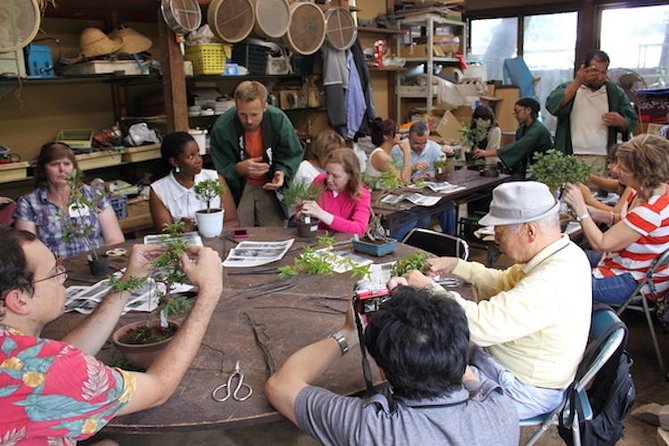
The most memorable part of this Tokyo experience is that you do not just look at bonsai behind a display area. You wire and shape your own juniper, guided by a professional at Shunkaen Bonsai Museum. The class is capped at six people, so the instruction can stay personal rather than turning into a quick demonstration.
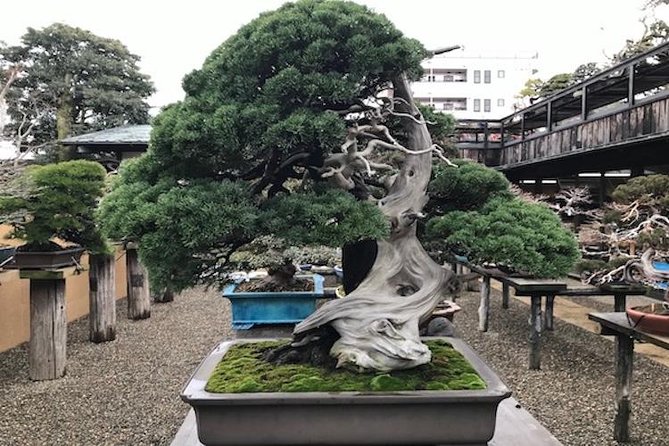
I like two things right away: the workshop gives you a real introduction to a demanding Japanese art, and your museum admission lets you spend time with an extraordinary collection, including a tree described as roughly 1,000 years old. The setting is peaceful, and tea may be served during some classes.
The main consideration is transport. Shunkaen is in Edogawa City, well outside the areas most visitors picture when they think of central Tokyo. You also pay separately if you want your bonsai shipped, and the assistant or translator is included only if you select that option.
In This Review
- Key points to know before booking
- Why shaping a juniper is more memorable than a museum visit
- Inside Shunkaen Bonsai Museum in Edogawa
- What happens during the two-hour lesson
- The museum tour adds real value
- How much value do you get for $78.83?
- Who will enjoy this quiet Tokyo activity?
- Practical details that can make the day easier
- What the praise gets right, and what it leaves out
- Should you book this bonsai workshop?
- FAQ
- Where does the bonsai workshop take place?
- How long does the activity last?
- How many people can join the class?
- Is museum admission included?
- Is translation assistance included?
- Can I take the bonsai home?
- What is the cancellation policy?
Key points to know before booking
- You shape a real bonsai: The hands-on lesson includes basic wiring and early styling work on a juniper.
- The group is limited to six: Small numbers make it easier to ask questions and get help with delicate techniques.
- Shunkaen is part museum, part working bonsai world: You can see many styles, browse the courtyard and raised display areas, and learn how much care these trees need.
- Kunio Kobayashi is connected with the experience: The celebrated bonsai master may be present, while apprentices often lead the practical class and tour.
- Translation help is an option: Choose the assistant option if you need more support communicating during the lesson.
- Plan for extra cost and time if taking the tree home: Shipping is not included, and transport to the museum is also your responsibility.
Why shaping a juniper is more memorable than a museum visit
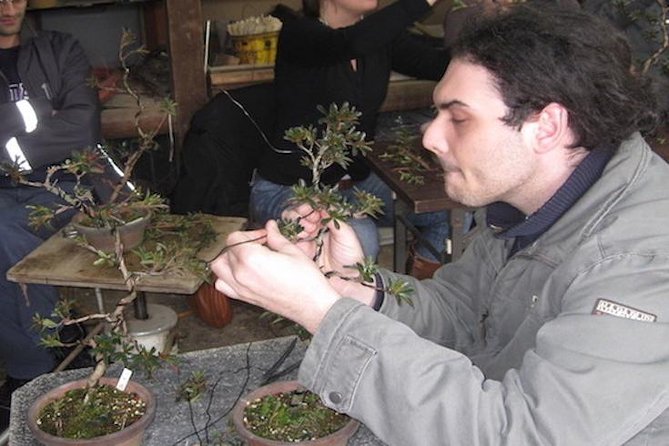
Bonsai can look calm and simple from a distance. Up close, it is a careful conversation between the grower, the tree, and time. A branch is wired into position, foliage is arranged, and the shape is guided without losing the sense that the plant is alive.
This class gives you a first taste of that process. You are not expected to arrive with pruning skills or a background in horticulture. The instructor takes you through the basic steps, answers questions, and helps you see why a branch is placed in one position rather than another.
The practical work centers on wiring a juniper. That detail matters. You are not simply decorating a prepared pot or assembling a souvenir. You are learning one of the techniques that gives bonsai its form, while working under supervision so the lesson stays approachable.
I especially like the way this turns a cultural topic into something you can do with your hands. You may leave with a small tree, but the bigger souvenir is the ability to look at bonsai differently. After the class, the twisted trunk, angled branch, and carefully trimmed foliage begin to make more sense.
The two-hour format also fits neatly into a busy Tokyo schedule. It is long enough to include instruction and time in the museum, but short enough to pair with another activity on the same day. Do not treat the museum as a quick stop, though. The collection deserves unhurried attention.
More craft workshops in Tokyo:
- Tokyo Shinjuku Chopsticks Making Class
★ 5.0 · 1,763 reviews - Kintsugi Experience: Art of Golden Joinery in Tokyo
★ 5.0 · 467 reviews - Authentic Pure Gold Kintsugi Workshop with Master Taku in Tokyo
★ 5.0 · 217 reviews
Inside Shunkaen Bonsai Museum in Edogawa
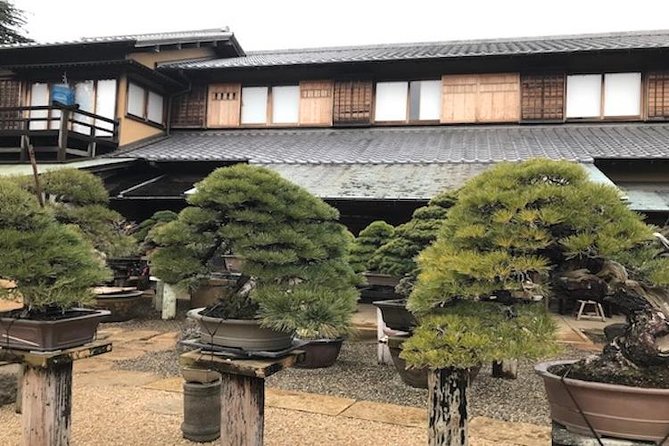
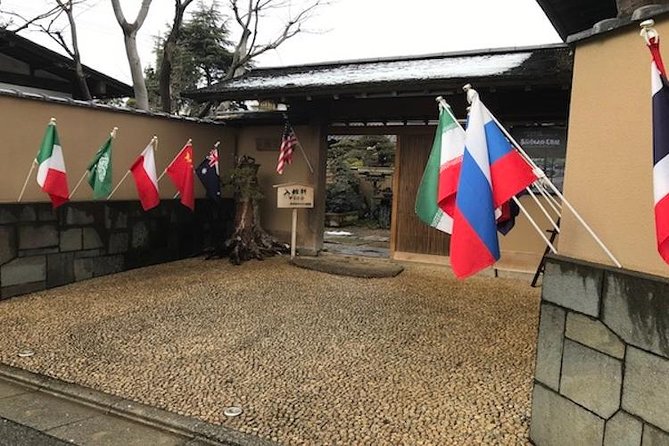
Shunkaen Bonsai Museum is at 1-chōme-29-16 Niihori in Edogawa City. The experience begins and ends there, rather than at a central Tokyo hotel or a major station. You will need to arrange your own transport, with public transportation available nearby and a taxi also practical if you prefer a simpler arrival.
The museum itself is an important part of the value. The grounds include a courtyard and raised display areas filled with bonsai. You can see different forms and styles, compare the scale of the trees, and notice how each plant has been trained over many years.
One tree is described as roughly 1,000 years old. That kind of specimen changes the way you think about the class. Your own tree will be young by comparison, and your first wiring attempt will be modest. That is precisely the point. Bonsai is not a one-afternoon project. The workshop shows you the beginning of a relationship with a plant that may continue for decades.
The collection also helps put the lesson in context. Instead of learning a technique in isolation, you can see what patient care may produce. The museum visit makes the workshop feel connected to a living tradition rather than a craft activity designed only for tourists.
The atmosphere is another reason to allow time here. Descriptions of the setting repeatedly point to its quiet garden feel, family-like welcome, and peaceful mood. If you have spent several days moving through Tokyo’s crowded shopping streets and train stations, this can be a welcome change of pace.
What happens during the two-hour lesson
The precise order may vary, but you can expect the experience to begin with an introduction to bonsai and the basic principles behind its care. The instructor may explain the history of the art, how trees are shaped, and what you need to do to keep one healthy after the lesson.
Then comes the hands-on work. You learn the first steps in creating a bonsai, including how to wire a juniper. Wiring requires a light touch. The aim is to guide a branch, not force it into an unnatural position or damage the plant. Having an instructor nearby is useful here, especially when you are unsure how tightly to wrap the wire or how to support a branch.
The class is designed for questions. That sounds ordinary, but it matters with bonsai. A short explanation of pruning or watering can lead to several practical concerns once you begin working. Small groups let the teacher stop, look at your tree, and offer a correction instead of leaving you to copy a demonstration from several feet away.
Some sessions are led by an apprentice. That is not a lesser version of the experience. Apprentices at a serious bonsai museum have spent substantial time learning the craft, and the class descriptions point to patient instruction and personal guidance. Joseph is one guide associated with the experience, and Kunio Kobayashi, the master behind the museum, may also be present.
You may also receive tea during the visit. This is a small detail, but it suits the setting. The lesson is not built around rushing from one step to the next. It gives you a quiet window to focus on the tree and the care required to shape it.
Translation assistance is available when you select the assistant option. If you are not comfortable discussing plant care in English or Japanese, this is worth considering. The class depends on clear explanations, especially when the instructor is showing fine hand movements and answering questions about future care.
The museum tour adds real value
The class alone would be a pleasant activity, but the collection gives it more weight. After learning the basics, you can walk through the museum and recognize some of the choices that create a bonsai’s character.
You might notice how a tree leans, where its visual center sits, and how empty space is used around the branches. You may also begin to spot differences in style. The museum presents many examples, so you can compare formal and informal shapes rather than seeing only one approved version of bonsai.
This is where the visit becomes useful for anyone considering buying a bonsai. The workshop gives you a better sense of what you are taking on. You hear about care, see mature examples, and learn that the beauty of a bonsai comes with regular attention.
The collection can also make you want more time than the schedule allows. One visitor described wishing for a longer stay after learning about the history and care of the trees. I would plan your transport with a little breathing room, especially if you want to browse the displays before or after the class.
Do not assume the workshop replaces a full museum visit. You have admission included, but the activity is built around the lesson. If your main goal is to study every tree in detail, you may need to keep the class pace in mind.
A few more Tokyo bookings worth comparing
- Mt Fuji and Hakone 1-Day Bus Tour Return by Bullet Train
★ 5.0 · 26,383 reviews - 1-Day Tokyo Bus Tour
★ 5.0 · 14,250 reviews - Tokyo: TOKYO SKYTREE® Admission ticket
★ 4.5 · 11,192 reviews - Tokyo: teamLab Planets TOKYO Digital Art Museum Entry Ticket
★ 4.6 · 9,779 reviews
How much value do you get for $78.83?
At $78.83 per person, this is not the cheapest cultural activity in Tokyo. It becomes a better deal when you use all of what is included: the bonsai-making lesson, admission to Shunkaen, small-group guidance, and the chance to ask direct questions of a practitioner.
The price is easier to justify if you are genuinely interested in plants, Japanese culture, or hands-on learning. You are paying for access to a specialist setting and instruction that would be hard to reproduce by simply walking through a garden.
It is less compelling if you want a fast photo stop or a decorative souvenir with no follow-up care. Bonsai is a slow art, and the workshop works best when you are curious about the responsibility that comes with taking a living tree home.
Remember the extra charges. Transport is not included, food and drinks are not included, and shipping is not included. If you live in Japan, you may be able to take the tree with you for a fee. For an international visitor, shipping arrangements matter, so ask about the cost before assuming the bonsai can travel home easily.
The mobile ticket is convenient, and confirmation arrives within 48 hours, subject to availability. Since the activity is usually booked about 34 days ahead, I would not leave it until the last part of your Tokyo planning, particularly if you need the assistant option.
Who will enjoy this quiet Tokyo activity?
I would recommend it most strongly to you if you like plants, gardens, crafts, or cultural experiences that involve participation. It also suits repeat visitors who have already seen major sights and want something slower and more local in character.
Families and couples can appreciate the small group, though the activity requires a moderate level of physical fitness. The information provided does not give detailed seating or mobility guidance, so you should ask the provider if you have specific access needs.
The workshop is also useful for a person who is thinking about buying bonsai in Japan. You can learn basic care before making a purchase, and the lesson may help you choose a tree with more confidence.
It is not the best choice if you want a centrally located activity with no travel planning. Edogawa City requires a separate journey, and the meeting point is not near Tokyo’s biggest tourist hubs. You will also need patience. Bonsai rewards attention, not speed.
The experience can work well for solo visitors because the group limit keeps the class personal. It also has enough structure for someone who knows very little about bonsai. You do not need to understand the art beforehand to take part.
Practical details that can make the day easier
Use the exact museum address when planning your route: 1-chōme-29-16 Niihori, Edogawa City, Tokyo 132-0001, Japan. The museum is near public transportation, but transport costs are your responsibility. A taxi may be useful for the final section if you are carrying luggage or want to avoid confusion.
Build in time to arrive without rushing. A late arrival would be particularly unhelpful in a hands-on class, since the instructor needs to explain each stage and may not be able to repeat the full lesson.
Choose the assistant option if you want translation support. The class can involve specialized terms and small technical movements, so communication is part of the experience, not a minor extra.
Wear something that allows comfortable movement and does not worry you if it brushes against soil or plant material. The supplied information does not specify a dress code, so this is simply sensible preparation for horticultural work.
The experience lasts about two hours, although the listed museum stop is shown as one hour. Treat two hours as the overall activity estimate and keep your schedule flexible around it. The activity returns you to the original meeting point.
Free cancellation is available if you cancel at least 24 hours before the local start time. Changes or cancellations inside that window are not accepted for a refund.
What the praise gets right, and what it leaves out
The strongest part of the experience is the combination of personal instruction and a remarkable collection. That pairing comes through again and again in the details: patient answers, guidance with wiring, tea, apprentices who explain the work, and a garden where you can see mature bonsai at close range.
The staff’s warmth is another clear strength. The setting is described as friendly and family-like, and that matters when you are learning a delicate skill for the first time. A formal lesson could feel intimidating. Here, the tone appears more welcoming and practical.
The connection with Kunio Kobayashi adds special interest for people who follow bonsai closely. Meeting the master is not guaranteed, so you should not book solely for that possibility. Still, knowing that his work and apprentices are part of the museum gives the setting real credibility.
The less glamorous side is logistics. The museum is not in the center, shipping costs extra, and food and drinks are not part of the price. The class also cannot teach you everything about bonsai in two hours. It gives you a sound first step, not mastery.
That balance is important. You are buying an introduction to a living art, not a finished professional tree or a full training course. If you approach it with that expectation, the experience offers much more than a standard sightseeing stop.
Should you book this bonsai workshop?
Book it if you want to do something with your hands, meet the Japanese tradition of bonsai at its source, and spend time in a calm museum setting. The small group, practical juniper lesson, museum admission, and access to experienced instructors make the $78.83 price reasonable for the right person.
I would skip it if your Tokyo schedule is packed, you dislike plant care, or you want an activity in central Tokyo. I would also check shipping arrangements before booking if you hope to take your bonsai home internationally.
For plant lovers, craft-minded visitors, and anyone who values a quiet cultural experience, this is a strong choice. You will not leave as a bonsai master, but you should leave with a shaped tree, a clearer understanding of the art, and a new respect for the patience it demands.
FAQ
Where does the bonsai workshop take place?
The experience takes place at Shunkaen Bonsai Museum, 1-chōme-29-16 Niihori, Edogawa City, Tokyo 132-0001, Japan.
How long does the activity last?
The overall experience lasts approximately two hours. The listed museum stop is shown as one hour.
How many people can join the class?
The group is limited to a maximum of six travelers.
Is museum admission included?
Yes. Admission to Shunkaen Bonsai Museum is included with the bonsai-making lesson.
Is translation assistance included?
An assistant is included if you select that option when booking. The experience description specifies that tailored instruction is available with translator support.
Can I take the bonsai home?
Shipping is not included. If you live in Japan, you may be able to take the tree with you for an additional fee. The supplied information does not specify international shipping arrangements.
What is the cancellation policy?
You can cancel at least 24 hours before the local start time for a full refund. Cancellations or changes made less than 24 hours before the start time are not accepted for a refund.
New on our Tokyo list
- Sumi-e Experience in a relaxing green tea shop in Tokyo★ 5.0 · 3 reviews
- Tokyo : Kamikaze Street Drift Ride★ 5.0 · 3 reviews
- Private Zen Meditation in English in Shinjuku, Tokyo★ 5.0 · 3 reviews
- Easy for everyone! Now you can play handmade mini shamisen and show off to everyone! Musical instruments, sweets and live music★ 5.0 · 3 reviews
- Onsen Spa in Tokyo and Asakusa Bar Hopping with Local Guide★ 5.0 · 3 reviews
- Tokyo: Private Tsukiji Street Food & Sake with Local Guide★ 5.0 · 3 reviews
- Mt Fuji Exploration Tour with Free Japanese Kusa Mochi from Tokyo★ 4.5 · 3 reviews
- Tokyo Tsukiji Fish Market Walking and Exploring Hidden Gems Tour★ 5.0 · 3 reviews
Japanese Culture Workshops, compared.
Kintsugi Experience: Art of Golden Joinery in Tokyo
Read our review →
Authentic Pure Gold Kintsugi Workshop with Master Taku in Tokyo
Read our review →
KABUKI Show at Kabukiza Theatre Admission Ticket
Read our review →
KABUKI, BUNRAKU, etc. presented by National Theatre
Read our review →
Kintsugi Workshop Class in Shibuya, Tokyo with mon cadeau
Read our review →
Browse the lists this tour appears in