
Reviewed · SUSHI EXPERIENCES
Premium 14-Piece Sushi & Cultural Discovery with Chef Interaction
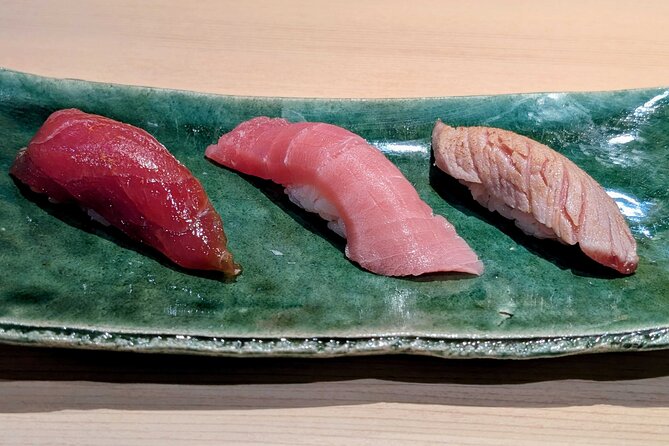
The most interesting part of this Tokyo experience is the chance to watch sushi being made at close range, then taste the results piece by piece. At the chef’s counter, you see how searing, simmering, marinating, wrapping, rice preparation, and wasabi can change a small piece of fish into something quite different.
I like the small maximum of five people, which should make it easier to ask questions and see the demonstrations. I also like the comparative tastings, especially the contrast between freshly grated wasabi and standard paste, and between different rice preparations. The main consideration is price: at $171.73 per person, this is not a casual sushi lunch, and drinks cost extra.
In This Review
- Key points to know before booking
- A close look at Edomae sushi in Kanda
- What the 14-piece sushi course adds
- Comparing rice, wasabi, and premium ingredients
- Watching the chef work with traditional tools
- The route through Chiyoda, Kanda, and Akihabara
- Sake, soft drinks, and the real final cost
- Children, seating, and food restrictions
- Who will get the most from this sushi session?
- My booking verdict
- FAQ
- Where does the sushi experience begin?
- Where does the activity end?
- How long does the sushi experience last?
- How many people can join the experience?
- Is an English-speaking guide included?
- How many pieces of sushi are included?
- Are drinks included?
- Can children join the experience?
- Do children receive the same sushi course as adults?
- Can the restaurant accommodate food allergies or dietary restrictions?
Key points to know before booking
- Fourteen-piece premium course: The adult booking includes a full omakase sushi meal, not just a demonstration.
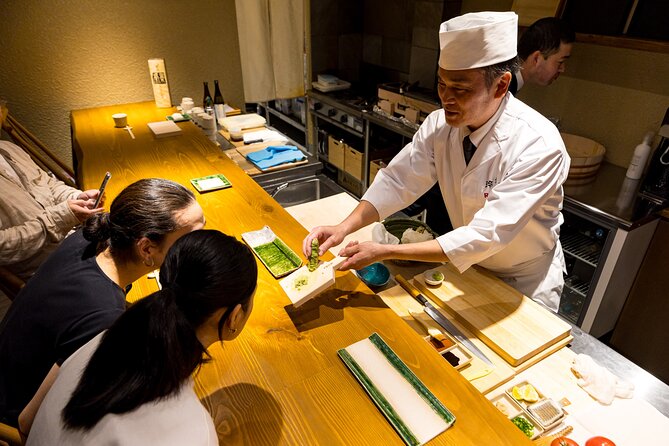
- Chef interaction at the counter: You watch practical Edomae methods including searing, simmering, marinating, and wrapping.
- Ingredient comparisons: You taste differences in premium and standard ingredients, rice preparation, and wasabi.
- Small-group format: The maximum is five people, with an English-speaking guide helping explain the session.
- Behind-the-counter visit: You can step into the chef’s workspace and take photos at the end.
- Children follow a different plan: Child bookings include a kids’ meal and Kids’ Room access, not the adult sushi course or counter seating.
A close look at Edomae sushi in Kanda
You begin at 3-chōme-3-6 Kanda Surugadai, in Tokyo’s Chiyoda City. The experience takes place at an authentic sushi restaurant and returns to this same meeting point, so you do not need to manage a complicated transfer between several restaurants.
An English-speaking guide welcomes you and seats you at the exclusive chef’s counter. That seating matters. Sushi is often presented as a finished product, but the counter lets you see the hands, tools, timing, and small decisions behind each piece.
The session lasts about two hours, with the course sometimes taking up to two and a half hours. That gives the chef time to demonstrate techniques without turning the meal into a rushed parade of sushi. I would still leave the rest of your evening open, especially if you plan to order sake or spend more time around Kanda and Akihabara afterward.
The group limit is five people. This is one of the strongest practical features. A larger food tour can leave you watching from the back or waiting for a turn to ask something. Here, the format should feel more personal, although the exact amount of individual conversation can vary with the pace of the meal.
More sushi mornings and classes:
- Sushi Making Tokyo Roll and Authentic Japanese Sushi Class
★ 5.0 · 3,971 reviews - Tokyo: Roll and Authentic Sushi Making Class in Asakusa
★ 4.9 · 1,957 reviews - Make Sushi and Create Unforgettable Memories in Tokyo
★ 5.0 · 1,413 reviews
What the 14-piece sushi course adds
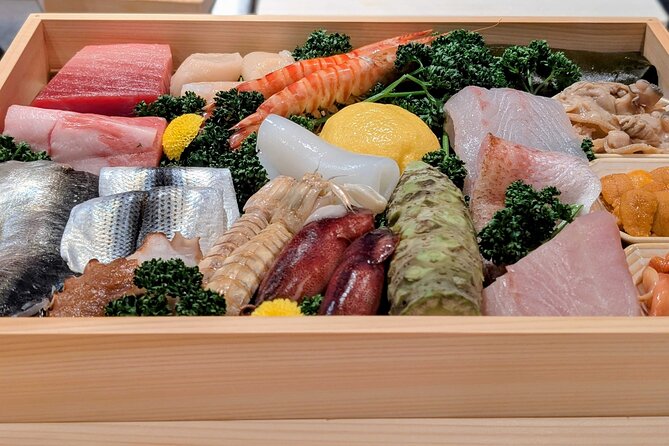
The 14-piece premium sushi course is the heart of the experience. You are not paying only to watch a chef work. You also receive a substantial meal, served as an omakase course.
Omakase means the chef makes the selections and guides the order. The supplied details do not list the exact fish or the order of the pieces, so you should not book this expecting a fixed menu you can inspect in advance. Instead, think of it as a structured tasting built around the chef’s choices.
Fourteen pieces is enough to make this feel like a proper meal rather than a sample. It also gives you time to notice contrasts from one bite to the next. The value improves if you already enjoy sushi and want to understand why two pieces that look similar can taste quite different.
The session also works for people who are unsure about sushi. One diner who did not usually like fish still enjoyed the dishes and the process of learning how authentic sushi is made. That does not remove the need to check the menu and restrictions, but it suggests the teaching can make unfamiliar food easier to approach.
Comparing rice, wasabi, and premium ingredients
The comparative tastings are more useful than a general talk about sushi because they give you something immediate to taste. You can compare sushi made with premium ingredients against versions made with standard ingredients, then judge the difference yourself.
Rice receives special attention. Sushi rice is not just a neutral base. Its seasoning, texture, temperature, and preparation affect the balance of the whole bite. The experience explains how variations in rice preparation influence flavor, giving you a better reason to pay attention to the rice the next time you visit a sushi restaurant.
The wasabi comparison is another practical lesson. Freshly grated wasabi has a different character from ordinary prepared paste. Tasting both side by side helps explain why chefs treat wasabi as part of the dish rather than as a generic green condiment.
These comparisons make the experience useful beyond Tokyo. You leave with a clearer sense of what you are paying for when a sushi restaurant charges more. You may also become better at spotting the difference between careful preparation and decoration that simply looks impressive.
Watching the chef work with traditional tools
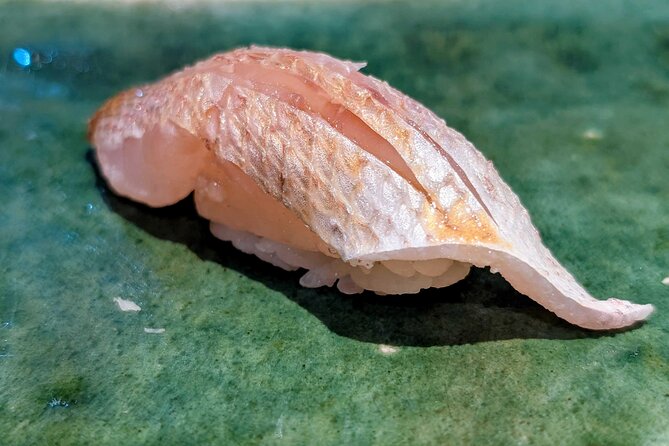
The chef demonstrates several Edomae techniques, including simmering, searing, marinating, and wrapping. These methods show that sushi is not always about serving raw fish without alteration.
Searing can add aroma and change texture. Marinating can season the fish and affect how its flavor meets the rice. Simmering requires control, while wrapping shows how the chef handles ingredients that need a different presentation. The demonstrations are practical rather than purely historical, so you can connect each method to what you taste.
You also learn about the tools used by sushi chefs. The details do not promise a hands-on knife lesson, so you should expect explanation and observation rather than a cooking class where you prepare the sushi yourself. Still, seeing the equipment at the counter can clarify why sushi chefs work with such precision.
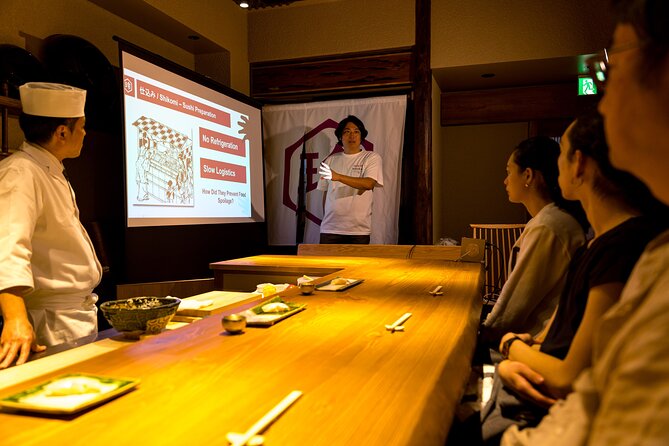
Visual aids and videos are part of the teaching style. They help explain the background and methods in a way that does not depend on recognizing every Japanese term. If you learn best by seeing a process, this should be more helpful than a lecture alone.
A few more Tokyo bookings worth comparing
- Mt Fuji and Hakone 1-Day Bus Tour Return by Bullet Train
★ 5.0 · 26,383 reviews - 1-Day Tokyo Bus Tour
★ 5.0 · 14,250 reviews - Tokyo: TOKYO SKYTREE® Admission ticket
★ 4.5 · 11,192 reviews - Tokyo: teamLab Planets TOKYO Digital Art Museum Entry Ticket
★ 4.6 · 9,779 reviews
The route through Chiyoda, Kanda, and Akihabara
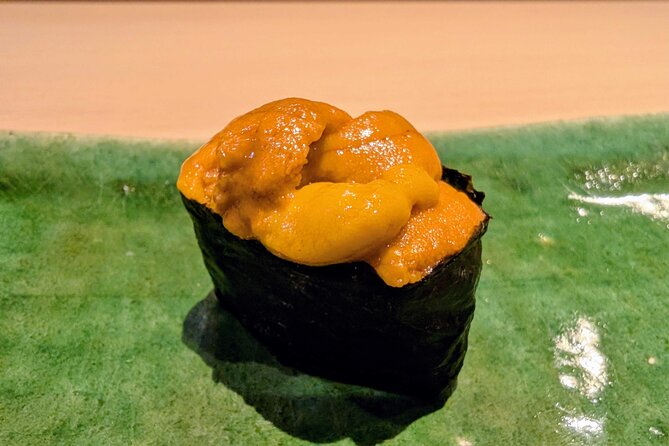
The itinerary lists Chiyoda, Ochanomizu, Akihabara, Kanda, Tokyo Prefecture, and the Kanda Jimbocho bookstore area. These names help place the experience in central Tokyo, but this is not a walking tour through each neighborhood.
The actual activity begins and ends at the Kanda Surugadai meeting point. The listed areas are best understood as location markers around the restaurant rather than separate sightseeing stops with scheduled visits. Do not expect a guided tour of bookstore shelves, electronics shops, or city landmarks as part of the two-hour session.
That said, the setting is useful for planning. Kanda and Ochanomizu make practical bases for a food-focused afternoon or evening, while Akihabara is close enough to pair with the experience if your schedule allows. Kanda Jimbocho is known for its bookstore area, but visiting it is separate from the sushi session.
Because the activity ends where it starts, you can continue exploring without arranging a return transfer. The mobile ticket also makes entry simple, though you should keep the meeting address handy and allow enough time to reach it.
Sake, soft drinks, and the real final cost
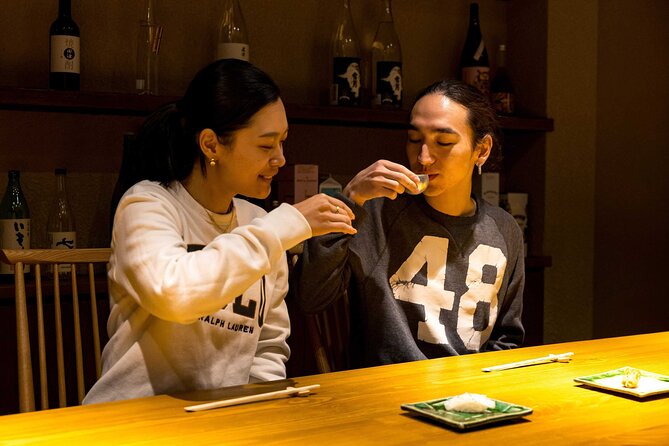
Beverages are not included. You can order sake pairings after arriving, with selections intended to match the sushi, or choose soft drinks.
The included food makes the $171.73 price easier to justify than a simple 14-piece meal would be. You are also paying for the chef demonstrations, ingredient comparisons, tool explanations, English-speaking guidance, and the small group. If you value instruction and access at the counter, the package offers more than a standard restaurant bill.
Still, the total rises if you add sake. I would decide before booking whether you want the educational portion, the meal, or both. Sushi enthusiasts who would otherwise book a premium omakase may find the added explanation worthwhile. Someone seeking the least expensive way to eat sushi in Tokyo will likely find this too costly.
The experience is often reserved about 39 days ahead, so it makes sense to book early if your Tokyo dates are fixed. Free cancellation is available until 24 hours before the start time. Changes or cancellations inside that period are not refundable.
Children, seating, and food restrictions
Families can bring children, but the child plan is not a smaller version of the adult counter experience. Child bookings include a kids’ meal and access to a Kids’ Room for children up to 12 years old.
Childcare is not provided. Children sit in the Kids’ Room or in a designated child seat rather than at the sushi counter. If your child wants the full 14-piece sushi course beside the adults, you must book that child under the adult plan.
This distinction is easy to miss, so check your reservation carefully. A family may prefer the Kids’ Room, while older children who already enjoy sushi may want the counter. The booking choice determines both the meal and the seating.
The restaurant cannot accommodate allergies or dietary restrictions involving rice, soy, or seafood. That is a firm limitation, not a minor menu adjustment. If any of those ingredients create a health concern, this is not the right experience.
Service animals are allowed, and the restaurant is near public transportation. The activity is also suitable for people who want a compact, structured food session rather than a full-day tour.
Who will get the most from this sushi session?
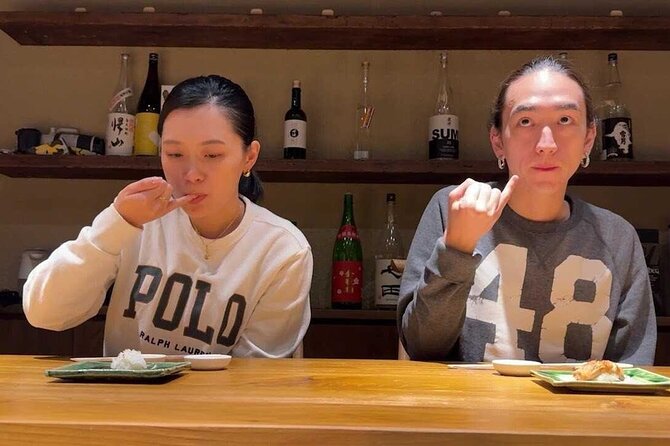
I would recommend it most strongly to you if you fit one of these descriptions:
- You enjoy sushi and want to understand the work behind a premium course.
- You are curious about Japanese food traditions but prefer a guided explanation in English.
- You want an intimate experience with a maximum of five people.
- You are comparing omakase options and want a meal with a teaching element.
- You are traveling with children and are comfortable with separate kids’ seating.
- You want a two-hour activity that leaves the rest of the day free.
It is less suitable if you need a fully customizable menu, avoid seafood, rice, or soy, or want to prepare sushi yourself. It is also not the best fit if your priority is a cheap meal or a broad neighborhood sightseeing tour.
The strongest praise attached to the experience centers on the welcome, the clear teaching, the visual aids, and the pleasure of comparing different styles. That matches the design of the session. The chef interaction gives the meal a human side, while the tastings keep the lesson grounded in what is on your plate.
My booking verdict
Book this if you want to understand sushi while eating a serious 14-piece course. The small group, chef demonstrations, comparison tastings, and behind-the-counter photo opportunity give the session more substance than a normal restaurant meal.
At $171.73, it is a splurge. I would reserve it for someone who values access and explanation, not someone simply looking for the lowest-priced sushi in Tokyo. Check the food restrictions, decide if you want to add sake, and choose the adult plan for anyone who wants the full counter course.
FAQ
Where does the sushi experience begin?
It begins at 3-chōme-3-6 Kanda Surugadai, Chiyoda City, Tokyo 101-0062, Japan.
Where does the activity end?
The experience ends back at the meeting point.
How long does the sushi experience last?
The standard experience lasts about two hours. The sushi course may take up to two and a half hours.
How many people can join the experience?
The maximum group size is five people.
Is an English-speaking guide included?
Yes. A professional English-speaking guide welcomes you and helps explain the session.
How many pieces of sushi are included?
The adult plan includes a 14-piece premium omakase sushi course.
Are drinks included?
No. Sake pairings and soft drinks can be ordered after arrival at the restaurant.
Can children join the experience?
Yes. Children can use the Kids’ Room and receive a child-friendly meal. Childcare is not provided.
Do children receive the same sushi course as adults?
No. Child bookings include a kids’ meal rather than the 14-piece sushi course. Children also sit in the Kids’ Room or a child-designated seat instead of at the sushi counter.
Can the restaurant accommodate food allergies or dietary restrictions?
The restaurant cannot accommodate restrictions related to rice, soy, or seafood.
New on our Tokyo list
- From Tokyo: Mount Fuji & Hakone Full Day Private Tour★ 4.9 · 25 reviews
- Tokyo Spectacular View Day-Cruise in 90 Minutes★ 5.0 · 25 reviews
- Real Tokyo Runner Club : Daikoku Car Meet Night Tour with JDM Car★ 5.0 · 25 reviews
- 2.5 Hour-Guided Cycle Tour in the Central Tokyo★ 5.0 · 25 reviews
- Ramen Making from Scratch +Akihabara Tour –Cooking Class★ 5.0 · 25 reviews
- [Self-Drive] Tokyo & Daikoku Custom Car Driving Tour★ 4.9 · 25 reviews
- Tokyo: 2-Hour Night Bike Tour of the City’s Hidden Gems★ 4.9 · 25 reviews
- Samurai themed Entertainment show in Shinjuku★ 4.5 · 25 reviews
Sushi Experiences, compared.
Sushi Making Tokyo Roll and Authentic Japanese Sushi Class
Read our review →
Roll and Authentic Sushi Making Class in Asakusa
Read our review →
Make Sushi and Create Unforgettable Memories in Tokyo
Read our review →
Sushi Making Class in a Happi Coat near a Famous Spot
Read our review →
Tokyo Sushi Making Class in Tsukiji with Professional Chef
Read our review →
Tokyo Night Foodie Tour in Shinjuku – Seasonal Sushi, Wagyu Beef
Read our review →
Tsukiji Fish Market Guided Tour and Sushi Making with Pro Chef
Read our review →
Tsukiji Fish Market Sushi Making Class with Pro Chef
Read our review →Browse the lists this tour appears in