
Reviewed · WALKING TOURS
Private Full-day Tokyo Walking Subway Tour by Japan Gray Line
Tokyo can feel like several cities stitched together by rail. This private tour gives you a useful first look at that puzzle, taking you from the quiet forest of Meiji Jingu to Shibuya Crossing, Tokyo Tower, Tsukiji, Asakusa, and Senso-ji in about seven hours.
I like two things right away: hotel pickup removes the morning guesswork, and the guide teaches you how to use the subway instead of keeping you sealed inside a tour bus. Guides such as Yuki, Yuko, Yoshi, and Reiko have been praised for patience, clear explanations, family-friendly help, and adapting the day to your pace.
The tradeoff is simple: you earn those six sights with your feet. This is an active day with outdoor walking, station transfers, stairs, crowds, and possible heat. If you want a gentle sightseeing ride, this is not it. If you want to get your bearings fast, it can be a very smart first day.
In This Review
- Key things to know before booking
- Why this private Tokyo tour works well on a first day
- Meiji Jingu gives you a quiet start
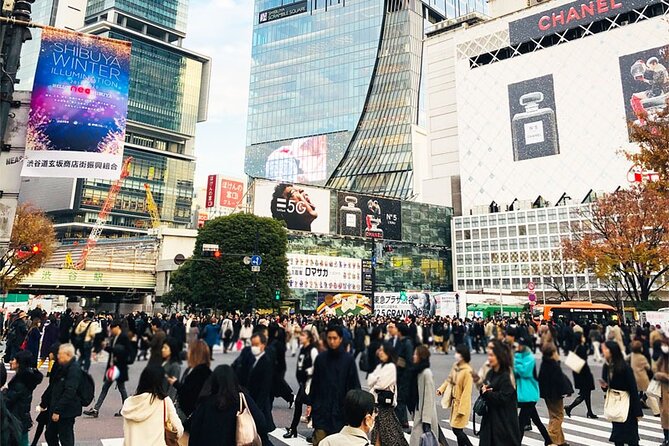
- Shibuya Crossing shows Tokyo at full speed
- Tokyo Tower adds a high view and a paid admission
- Tsukiji Outer Market is the best stop for a food break
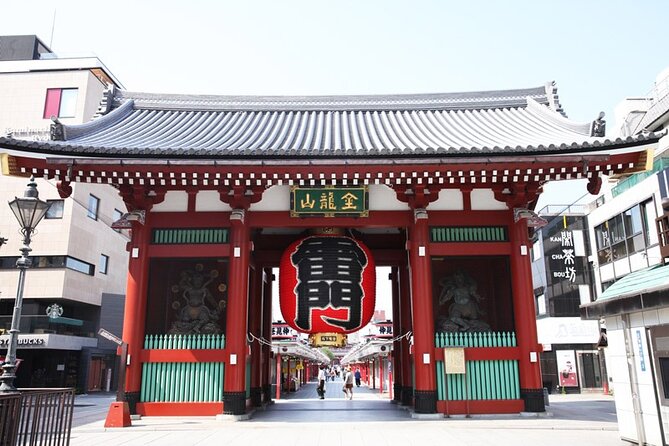
- Asakusa brings you into old Tokyo
- Senso-ji closes the day with centuries of history
- How the subway changes the value of the day
- What the private guide adds
- Price, inclusions, and the real value
- Weather, shoes, and pacing matter
- Who should book this experience
- Should you book the Japan Gray Line Tokyo subway tour?
- FAQ
- How long does the Tokyo walking subway tour last?
- Is this a private tour?
- Which sights are included?
- Is hotel pickup included?
- Is public transportation included?
- Is Tokyo Tower admission included?
- Is lunch included?
- How much walking is involved?
- What happens if the weather is poor?
- What is the cancellation policy?
Key things to know before booking
- Six major Tokyo stops in one day: Meiji Shrine, Shibuya Crossing, Tokyo Tower, Tsukiji Outer Market, Asakusa, and Senso-ji.
- A private guide, not a shared group: Your party has the guide to itself, making it easier to ask questions or adjust the pace.
- The subway is part of the lesson: You receive a one-day Metro pass and learn how to move around Tokyo on your own.
- Tokyo Tower admission is included: The tour covers the 150-meter Main Deck, not just the view from street level.
- Expect a lot of walking: Comfortable shoes, water, and rain gear are practical necessities.
- Lunch is your responsibility: The guide can help with the midday stop, including specific food needs, but the meal is not included.
Why this private Tokyo tour works well on a first day
The best feature here is not simply the number of sights. It is the way the day links Tokyo’s different moods. You begin at a major Shinto shrine, move through youth culture and city lights, look over the metropolis from Tokyo Tower, browse the food stalls around Tsukiji, then finish among old temple streets in Asakusa.
That range is hard to arrange neatly on your own, especially if you are still learning Tokyo’s rail system. The city has multiple subway operators, large stations, and exits that can put you several blocks from where you expected to be. Your guide handles the route while explaining what you are seeing.
You also get a private format. That matters more than it might seem. You can ask why a shrine custom works a certain way, stop for a photo, spend less time at a place that does not interest you, or request help finding lunch. One family had Yoshi show them extra sights along the way, while another group had its guide adjust the route to skip one location.
The advertised start is 9:30 a.m., with hotel pickup. The listed sightseeing times total roughly three and a half hours, leaving the rest of the seven-hour day for pickup, subway rides, walking between stations and sights, and lunch. That is a sensible arrangement for Tokyo, where a short distance on a map can take time underground.
More walking routes in Tokyo:
- Tokyo Tsukiji Fish Market Food and Culture Walking Tour
★ 5.0 · 3,184 reviews - Tokyo: Imperial Palace and Shogun Historical Walking Tour
★ 5.0 · 2,251 reviews - Tokyo: Shinjuku Local Bar and Izakaya Guided Walking Tour
★ 4.9 · 1,794 reviews
Meiji Jingu gives you a quiet start
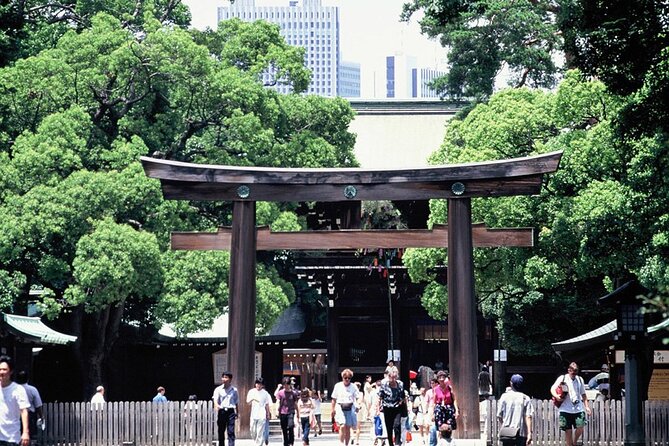
Your first major stop is Meiji Jingu, reached by subway from the station nearest your hotel. The shrine was completed in 1920 and honors Emperor Meiji, an important figure in Japan’s move into the modern era during the nineteenth century.
The setting is the point. After the city commute, you enter a broad wooded approach and a more measured space. The 40-minute visit gives your guide time to explain basic Shinto customs and the role of the shrine without turning the stop into a long lecture.
This is a good place to begin because it gives you cultural context before the day gets louder. You can learn how to approach a shrine, where to pause, and how to behave respectfully. The exact amount of walking depends on where your guide brings you, but this is an outdoor stop on a broad shrine grounds, so good shoes help.
Meiji Jingu was the favorite stop for at least one visitor, precisely because it felt peaceful. I can see why. It offers a needed pause before the bright signs and crowds of Shibuya.
Shibuya Crossing shows Tokyo at full speed
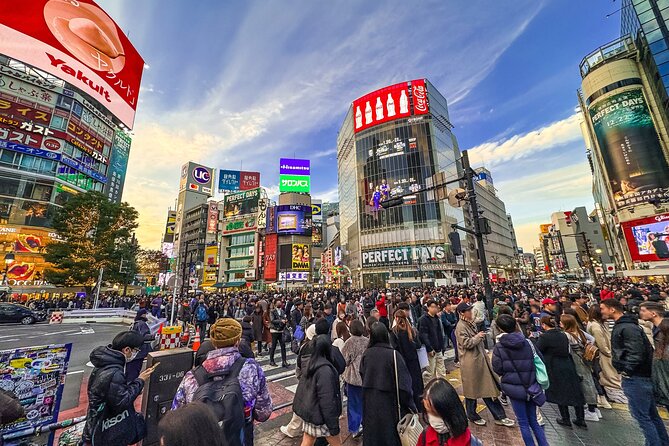
From Meiji Shrine, the trip to Shibuya Station takes only a few minutes by rail. The stop at Shibuya Crossing is short, about 20 minutes, so think of it as a focused introduction rather than a long neighborhood tour.
This is where your guide can help you understand Tokyo’s scale and movement. You will see one of the city’s best-known pedestrian scenes, with the station and surrounding streets forming a wall of shops, signs, and traffic.
The short timing is useful because the day has a lot ahead. You can take photographs, cross the intersection, and hear how Shibuya fits into Tokyo’s 23-ward structure before moving on. The drawback is that 20 minutes will feel brief if you want to shop or explore the district.
Do not plan to buy much here unless you are comfortable carrying purchases through the rest of the day. This is a sightseeing stop, not a shopping session.
Tokyo Tower adds a high view and a paid admission
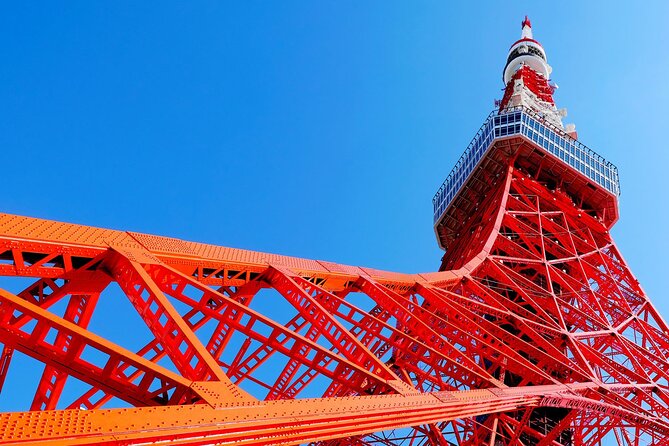
Tokyo Tower dates from 1958 and was once the world’s tallest structure. The tour includes admission to the 150-meter Main Deck, reached by a high-speed elevator.
That inclusion improves the value of the package. You are not merely being taken to the tower for an exterior photograph. You get a proper look over Tokyo from above, and the guide can point out parts of the city that you have already visited or will see later.
The 40-minute stop is enough for the elevator ride, the deck, and a look around. It may feel tight if the tower is busy or if you want to linger over every view, but the private guide helps keep the visit moving.
Tokyo Tower is also a useful contrast with Meiji Jingu. One is a sacred wooded site tied to imperial-era history. The other is a bold piece of postwar engineering. Seeing both on the same day gives you a clearer sense of how old and new Tokyo sit side by side.
The Main Deck admission is included, but extra purchases at the tower are not mentioned as part of the tour. Keep your wallet handy for personal expenses.
A few more Tokyo bookings worth comparing
- From Tokyo: Mount Fuji Full-Day Sightseeing Trip
★ 4.5 · 4,970 reviews - Mount Fuji Full-Day Private Tour from Tokyo (Customizable)
★ 4.9 · 1,470 reviews - Tokyo Private Full-Day Tour by Car or Van
★ 5.0 · 684 reviews - From Tokyo: Must-Visit Mount Fuji Highlight Full-Day Tour
★ 4.7 · 532 reviews
Tsukiji Outer Market is the best stop for a food break
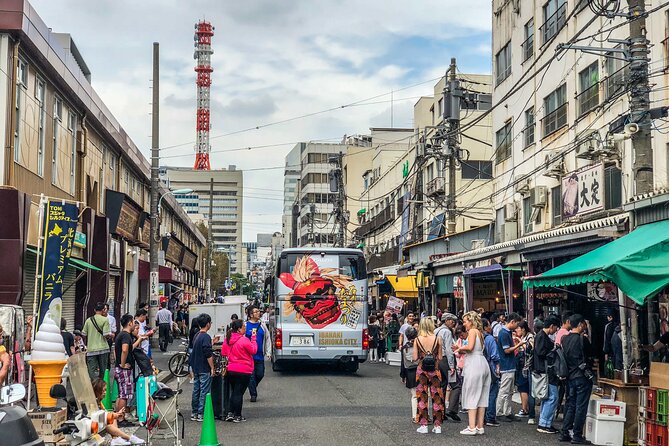
The former Tsukiji wholesale market moved to Toyosu in 2018, but Tsukiji’s Outer Market remains in its original area. This is the place for fresh seafood, sushi, small food stalls, kitchen goods, and a look at Tokyo’s food culture at street level.
The planned visit lasts about 50 minutes, making it one of the longer stops. That is welcome. You have time to browse, sample street food, and decide what you want for lunch rather than rushing past the stalls.
Food is not included, so budget separately. The guide may help you choose a place, and one guide found a lunch venue that met a visitor’s specific dietary needs. Another group especially enjoyed the fish market and its street food.
The market can be crowded, and the walking surface may be uneven in places. Keep your group together and watch what you are carrying. This is also a stop where a private guide adds real practical value. You can ask what a food is, how to eat it, and where to pause without wasting half your visit trying to decide.
If food is a major reason for booking this tour, tell the operator about your needs in advance. The provided details confirm that lunch is not included, but they do not promise a particular restaurant or menu.
Asakusa brings you into old Tokyo
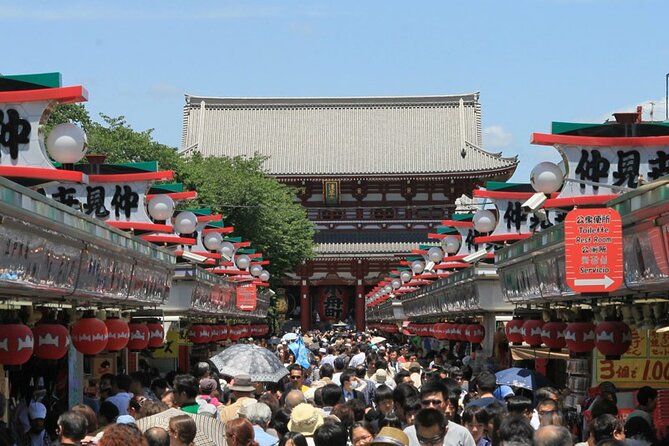
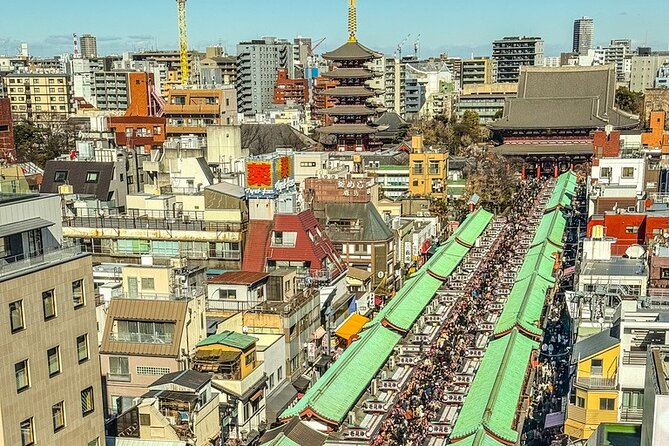
Asakusa is the short transition into Tokyo’s traditional side. The listed visit is about 20 minutes, but the area connects directly with the longer Senso-ji stop that follows.
You can expect shops selling traditional crafts, souvenirs, and street food. This is a good place to notice the difference between a modern commercial district such as Shibuya and an area built around a major Buddhist temple.
The timing means you should not expect a full shopping expedition. Instead, use your guide to identify the main street, useful food stops, and the approach to Senso-ji. If you see something you want to buy, make a note of it, but remember that you still have the final temple visit and the journey back or onward.
Asakusa can be busy, especially around the temple approach. Your private guide can help you keep moving through the crowds, but the area will not feel quiet. The activity level is part of its appeal, though it may be tiring late in the day.
Senso-ji closes the day with centuries of history
Senso-ji is one of Tokyo’s oldest and largest Buddhist temples, with a founding date of 628. The 40-minute visit gives you time to see the temple precinct, take photographs, and hear about its religious and historical importance.
This is a strong final stop. By this point, you have seen a Shinto shrine, a modern shopping center, a landmark tower, a food market, and a traditional district. Senso-ji pulls those threads together in one of Tokyo’s most recognizable settings.
Your guide can explain what you are looking at and help you approach the temple respectfully. The visit is free, but the route involves more outdoor walking. If the day is hot, pace yourself. One group completed the tour in extreme heat by staying hydrated, but heat can make the long day feel longer.
Senso-ji is also a good place to decide what you want to revisit later. You may prefer the calm of Meiji Jingu, the food at Tsukiji, or the old streets of Asakusa. The tour gives you a useful menu of options for the rest of your trip.
How the subway changes the value of the day
Tokyo’s subway is not just transport here. It is part of the experience. A one-day Metro pass is included, and your guide shows you how to get between major areas without relying on taxis or a private vehicle.
That has lasting value. After the tour, you may feel more confident going to another neighborhood on your own. Several people specifically appreciated learning the train system, and one family said the guidance helped them avoid getting lost later.
The subway also keeps the itinerary efficient. Tokyo’s roads can be slow, while rail lines connect the city’s major districts more directly. You still spend time walking to and from stations, but you avoid sitting in traffic for much of the day.
There is a catch. Stations can involve long corridors, stairs, transfers, and plenty of standing. The tour requires a moderate level of fitness, and you should expect a good number of steps. This is not a mobility-light sightseeing option.
Hotel pickup makes the start easier, but confirm the pickup area. If your hotel is outside the designated range and public transport is not a workable alternative, you may need to pay the guide’s transportation costs to the first stop and back from the final stop.
What the private guide adds
The strongest part of this tour is the guide’s role. You are not simply following someone from one photo stop to the next. The guide explains local history and customs, manages the subway route, answers questions, and adjusts the pace.
Yuki has been praised for being informative, respectful of pace, and helpful with onward directions. She also helped one couple find a suitable lunch and gave another group directions to a baseball stadium after the tour.
Yuko has been appreciated for patience and for making first-time subway use less intimidating. Reiko has helped with photographs and made the rail system easier to manage. Yoshi has worked well with children, shared local information, and added extra stops when time allowed.
Those details point to what you should expect from the private format: practical help rather than a fixed speech. Still, guides differ in personality, and the exact guide is not guaranteed. The operator may assign Yuki, Yuko, Yoshi, Reiko, or another English-speaking guide.
The best way to get more from the day is to share your interests early. Tell the guide if food, architecture, photography, temples, shopping, or train skills matter most. The schedule is full, but the private setup allows some adjustment.
Price, inclusions, and the real value
The listed price is $203.63 per person. That is a serious cost, especially for a family, but it covers a private English-speaking guide, hotel pickup and drop-off, a one-day Metro pass, and Tokyo Tower’s 150-meter Main Deck.
For two people, the private attention can be easier to justify than for a larger group. Families may also find value in having one person handle train directions, explain customs to children, and help select lunch. Group discounts are offered, though the exact reduction is not provided.
Lunch is extra, as are gratuities. Gratuity is not obligatory, but you may choose to thank a guide who has spent the day managing transport, questions, photos, and special requests.
I would compare this price with the cost of booking Tokyo Tower separately, paying for subway trips, and losing time to route planning. The tour is not the cheapest way to see Tokyo, but its value comes from time saved and confidence gained. If you already know Tokyo’s rail system and enjoy planning, you may prefer independent sightseeing. If you are here for a short stay, the price can make sense.
Weather, shoes, and pacing matter
The tour runs outdoors in all six sightseeing areas, with subway travel between them. Wear sneakers or other comfortable shoes. Bring an umbrella or raincoat, even if the morning looks fine.
Bad weather or operational issues can cause the route to change. Some visits may be omitted or replaced, and the tour may still operate without a fare refund in those circumstances. If poor weather causes the experience to be canceled, you will be offered another date or a full refund.
The schedule also depends on the day’s conditions. A crowded station, hot weather, or a slower group can affect how long you spend at each place. The private format helps, but it does not remove Tokyo’s crowds or the physical demands of the route.
Start with breakfast, carry water, and avoid booking a major evening activity too close to the expected end. One group had a baseball game afterward and received written directions, but leaving extra time is the safer plan.
Who should book this experience
I would recommend this tour to first-time visitors who want a broad introduction without spending days planning rail routes. It is especially useful if you are nervous about Tokyo’s subway, want hotel pickup, or prefer having one person explain the cultural details as you go.
Families can benefit from the private setup. The guide can keep children engaged, help with lunch, and avoid the stop-and-start feel of a large group. Couples and small groups who want to ask many questions may also find the format worthwhile.
I would think twice if you have limited walking ability, dislike public transport, or want long visits at each attraction. The itinerary covers a lot, but each stop is timed. Shibuya and Asakusa are introductions, not free afternoons.
The tour is also less suitable if your priority is shopping. You will pass through excellent shopping areas, but the main goal is seeing several sides of Tokyo in one day.
Should you book the Japan Gray Line Tokyo subway tour?
Book it if you want an efficient first day, a private guide, and a practical lesson in Tokyo’s rail system. The combination of Meiji Jingu, Shibuya, Tokyo Tower, Tsukiji, Asakusa, and Senso-ji gives you a broad first impression, while the guide keeps the complicated parts manageable.
Skip it if you prefer a slow pace or already feel comfortable planning Tokyo’s subway routes. At $203.63 per person, the tour earns its price through convenience, explanations, included transport, and personal help. It does not earn it through luxury transport or leisurely time at every stop.
For most first-time visitors with good walking stamina, I see this as a strong orientation day. Put on good shoes, bring rain gear, tell your guide what matters to you, and treat the subway lessons as part of what you are paying for.
FAQ
How long does the Tokyo walking subway tour last?
The experience lasts approximately seven hours. It begins at 9:30 a.m., with remaining time used for hotel pickup, subway travel, walking between attractions, and lunch.
Is this a private tour?
Yes. Only your group participates in the activity, with an English-speaking private guide.
Which sights are included?
The route includes Meiji Jingu Shrine, Shibuya Crossing, Tokyo Tower, Tsukiji Outer Market, Asakusa, and Senso-ji Temple.
Is hotel pickup included?
Yes, hotel pickup and drop-off are included within the designated pickup range. If your hotel is outside that range and subway travel is not feasible, you may need to pay the guide’s transportation fare.
Is public transportation included?
Yes. A one-day Metro pass is included in the tour price, and the guide uses Tokyo’s subway system to reach the stops.
Is Tokyo Tower admission included?
Yes. Admission to the 150-meter Main Deck is included.
Is lunch included?
No. Lunch is not included in the tour price. You should budget separately for your meal and any food or shopping at Tsukiji or elsewhere.
How much walking is involved?
The tour involves a good amount of outdoor walking and requires a moderate level of physical fitness. Comfortable shoes are recommended, along with water and rain gear.
What happens if the weather is poor?
If poor weather causes the tour to be canceled, you will be offered another date or a full refund. Weather or operational conditions may also lead to itinerary changes, omitted stops, or substitutions while the tour still operates.
What is the cancellation policy?
You can cancel for a full refund up to 24 hours before the experience start time. Cancellations or changes made less than 24 hours before the start are not refunded or accepted.
New on our Tokyo list
- Sumi-e Experience in a relaxing green tea shop in Tokyo★ 5.0 · 3 reviews
- Tokyo : Kamikaze Street Drift Ride★ 5.0 · 3 reviews
- Private Zen Meditation in English in Shinjuku, Tokyo★ 5.0 · 3 reviews
- Onsen Spa in Tokyo and Asakusa Bar Hopping with Local Guide★ 5.0 · 3 reviews
- Easy for everyone! Now you can play handmade mini shamisen and show off to everyone! Musical instruments, sweets and live music★ 5.0 · 3 reviews
- Mt Fuji Exploration Tour with Free Japanese Kusa Mochi from Tokyo★ 4.5 · 3 reviews
- Tokyo Tsukiji Fish Market Walking and Exploring Hidden Gems Tour★ 5.0 · 3 reviews
- Tokyo: Private Tsukiji Street Food & Sake with Local Guide★ 5.0 · 3 reviews
Walking Tours, compared.
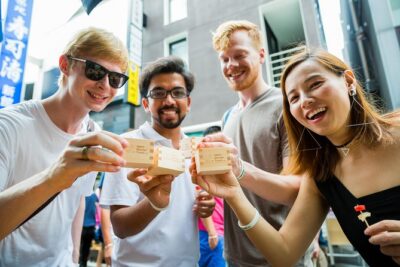
Tokyo Tsukiji Fish Market Food and Culture Walking Tour
Read our review →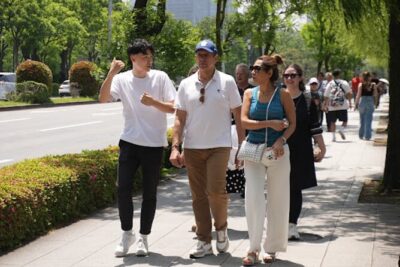
Imperial Palace and Shogun Historical Walking Tour
Read our review →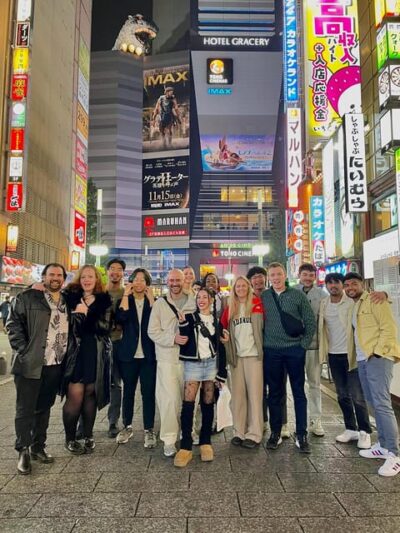
Shinjuku Local Bar and Izakaya Guided Walking Tour
Read our review →
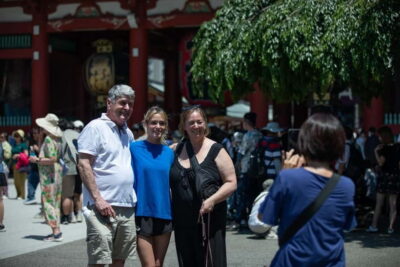
Asakusa Walking Tour with Sensoji Temple Visit
Read our review →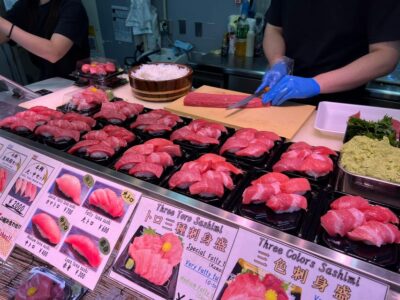
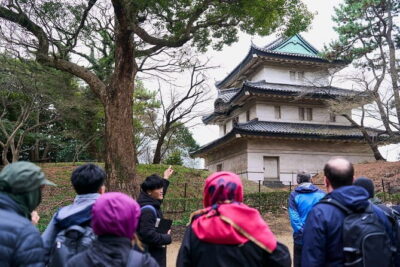
Tokyo Castle & Imperial PalaceーShogun Walking Tour
Read our review →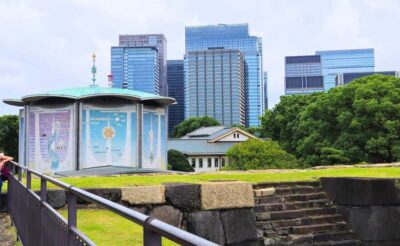
Browse the lists this tour appears in