Reviewed · PRIVATE
Private Ginza Architecture Tour
Ginza is more than luxury shops and polished storefronts. This private walk shows you how Tokyo layers Indian-inspired temple design, traditional theater, postwar Japanese architecture, and new commercial buildings within a compact part of the city. The route also includes a short side trip into a quieter backstreet area, a useful counterpoint to Ginza’s grand avenues.
I like the mix of famous buildings and lesser-known examples, and I like that the tour explains the Japanese Metabolism movement rather than treating architecture as a string of photo stops. The private format also lets you ask questions as you go. The main drawback is the price: at $129 per person, this is best for visitors who care deeply about design and want focused guidance, not for anyone simply looking for a general Ginza stroll.
In This Review
- Key points to know
- Starting beneath the unusual face of Tsukiji Hongwan-ji
- Kabuki-za and the 2013 meeting of old and new
- Ginza’s modern storefronts become architectural examples
- The Metabolism movement and Japan’s bold urban ideas
- The Okuno Building and Ginza’s older character
- Finishing at Ginza 4-chome and the Wako building
- What the private format adds to a three-and-a-half-hour walk
- Is $129 per person fair value?
- Practical planning for Tsukiji and Ginza
- Who should book this architecture walk?
- Should you book the Private Ginza Architecture Tour?
- FAQ
- Where does the Private Ginza Architecture Tour meet?
- Where does the tour finish?
- How long does the tour last?
- Is the tour conducted in English?
- Is this a private group activity?
- Are drinks, meals, and transportation included?
Key points to know
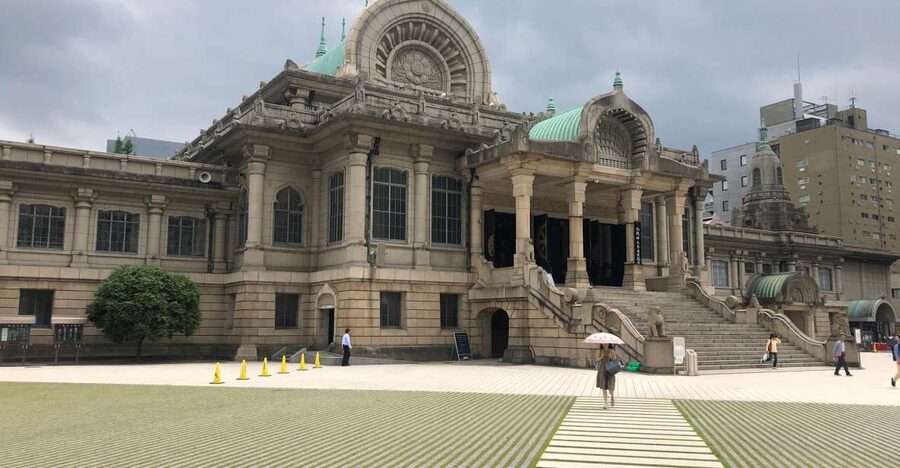
- Tsukiji Hongwan-ji begins the tour with a surprise: Its exterior draws on Indian design, while the interior feels like a European church.
- Kabuki-za links modern construction to older traditions: The 2013 theater carries forward a recognizable traditional style.
- The route covers several major Ginza buildings: You will see Nicolas G. Hayek Center, Maison Hermès, Tokyu Plaza Ginza, Mikimoto Ginza 2, and the Okuno Building.
- Japanese Metabolism gets proper attention: The movement proposed new forms of urban life during the 1960s and 1970s.
- A backstreet detour adds contrast: You get a look at a quieter side of the district beyond its famous avenues.
- The private English tour lasts 210 minutes: A drink break is included, but meals and transport to and from Ginza are not.
Starting beneath the unusual face of Tsukiji Hongwan-ji
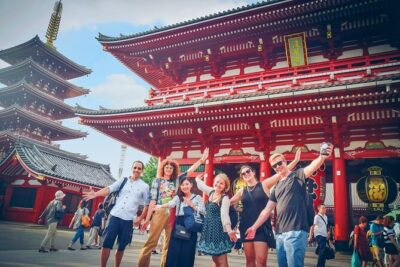
Meet in front of the main gate of Tsukiji Hongwan-ji temple. The meeting point is easy to reach: leave Exit 1 of Tsukiji Station on the Tokyo Metro Hibiya Line, turn left, and walk straight for less than a minute.
The temple is an excellent first stop because it immediately resets your idea of what a Tokyo religious building should look like. Its exterior uses an Indian style, while the inside has a European church-like feel. That contrast gives your guide a useful opening topic: architecture in Japan is not locked into one visual tradition.
I like beginning here instead of at a department store or a Ginza crossing. Tsukiji is often reduced to its former fish market, but the temple gives the neighborhood another identity. You can expect the guide to focus on visible design choices and the way different cultural references have been brought together in one building.
Because this is a walking tour, the temple visit also sets the pace. You are not rushing from one distant landmark to another. The route gradually carries you from Tsukiji toward Ginza, allowing the city around you to change as the buildings become more commercial and fashion-focused.
A few more Tokyo bookings worth comparing
- Mt Fuji and Hakone 1-Day Bus Tour Return by Bullet Train
★ 5.0 · 26,383 reviews - 1-Day Tokyo Bus Tour
★ 5.0 · 14,250 reviews - Tokyo: TOKYO SKYTREE® Admission ticket
★ 4.5 · 11,192 reviews
Kabuki-za and the 2013 meeting of old and new
The next major stop is the Kabuki theater, built in 2013. Its importance is not simply that it is a theater. The building continues the traditional style associated with earlier generations of Kabuki-za, even though it belongs to a modern city and a newer construction date.
That makes it a useful lesson in how Japan handles continuity. You are not looking at an old theater preserved unchanged. You are looking at a newer building that carries recognizable traditional forms into the present.
I find this kind of stop more helpful than a basic explanation of dates and architects. The real question is how a city keeps a familiar public symbol while meeting modern needs. Your guide can point out the relationship between the theater’s traditional appearance and the surrounding Ginza streets, where glass, metal, and brand-driven design quickly take over.
You should also expect the route to remain focused on architecture rather than theater performance. The supplied details do not include admission to a Kabuki performance, so plan to view the building as part of the walk, not as a show ticket.
Ginza’s modern storefronts become architectural examples
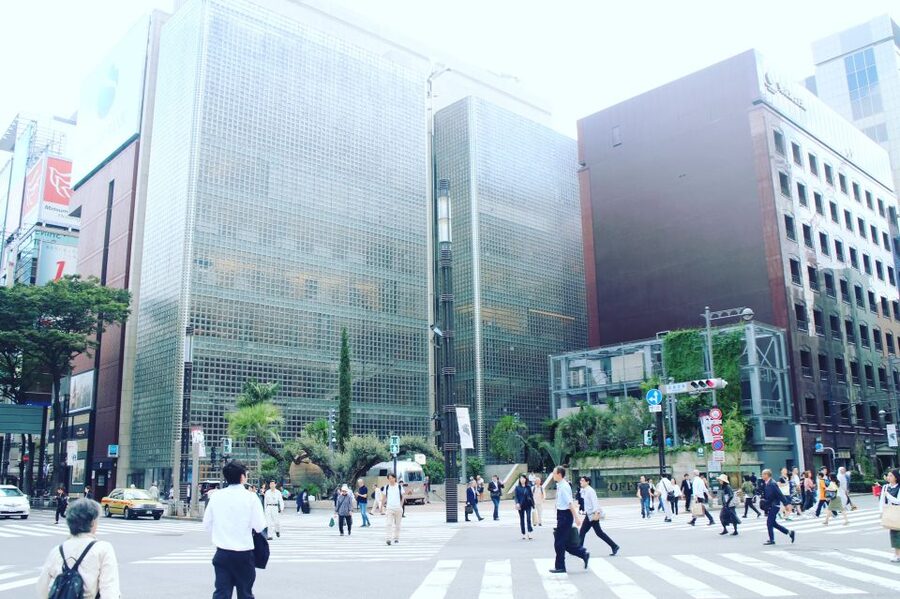
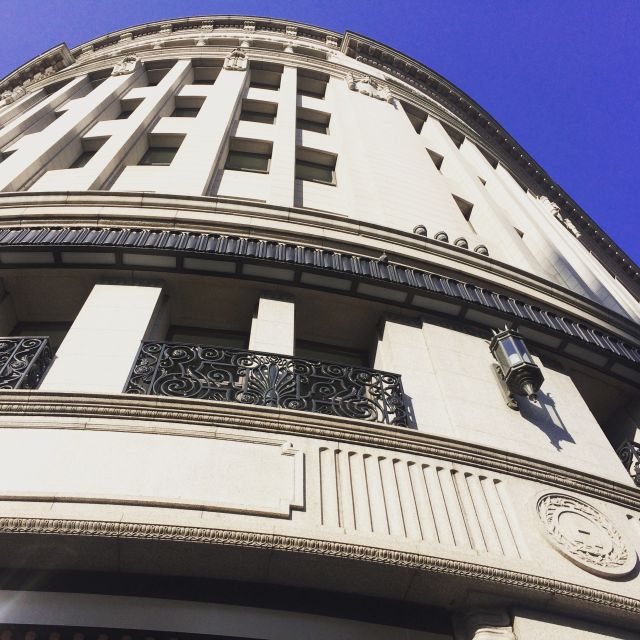
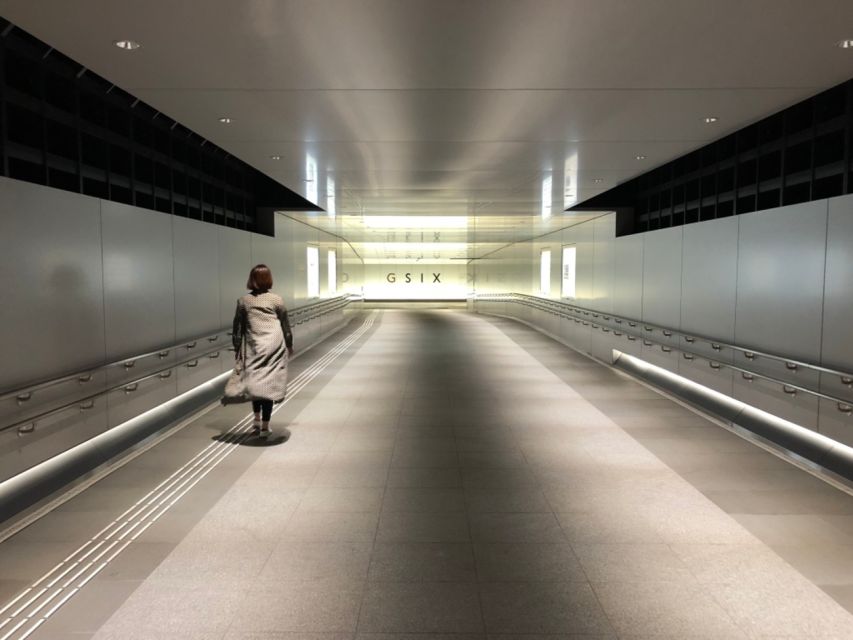
From Kabuki-za, the tour moves through a group of buildings that many people would otherwise pass without a second look. Nicolas G. Hayek Center, Maison Hermès, Tokyu Plaza Ginza, and Mikimoto Ginza 2 each offer a different approach to the commercial building.
This is where the private format earns its keep. On your own, you may notice that one façade is more striking than another, but you may not know why. A guide can help you compare materials, proportions, windows, structure, and the way each building meets the pavement.
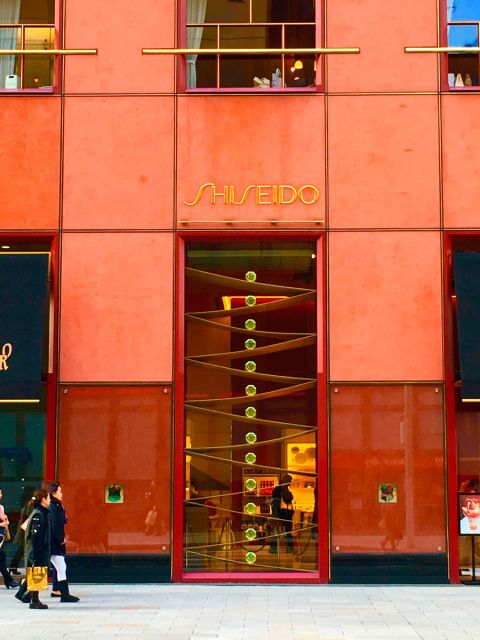
Maison Hermès is especially useful for thinking about architecture as part of a luxury brand’s identity. Tokyu Plaza Ginza presents another expression of contemporary commercial design. Mikimoto Ginza 2 adds a further variation, giving you several buildings close enough together to compare without spending the day crossing Tokyo.
The Nicolas G. Hayek Center adds another point of reference. Together, these stops show that Ginza is not defined by one architectural era. It is a district where high-end retail, corporate identity, and experimental building design share the same streets.
You should keep your expectations practical. The details do not promise interior access to each building, special exhibits, or shopping benefits. The value is in seeing the buildings from the street and learning how to read them.
The Metabolism movement and Japan’s bold urban ideas
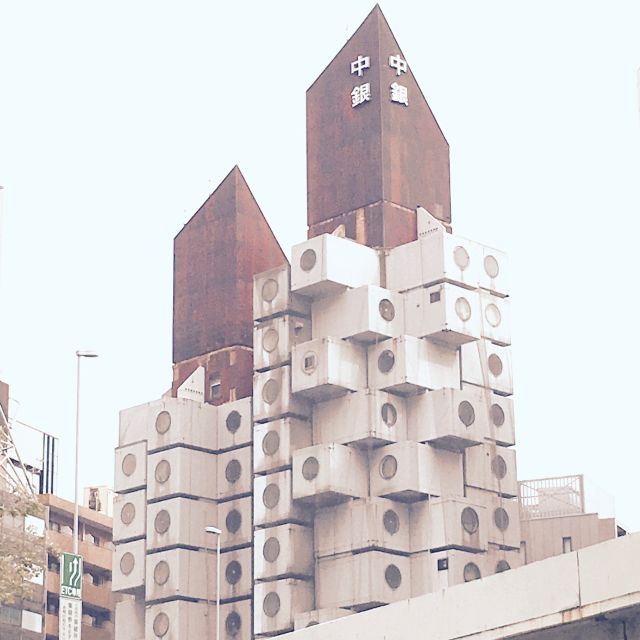
One of the strongest reasons to book this tour is its focus on the Japanese Metabolism movement. In the 1960s and 1970s, architects associated with this movement proposed new forms of urbanism. Their ideas considered how cities could grow, change, and support new patterns of life.
For someone who enjoys architecture, this context matters. A striking building is more memorable when you understand the problem its designers were trying to solve. The movement belongs to a period when Japanese architects were thinking on a large scale about the future of crowded cities and the demands of rapid change.
The tour does not present Ginza as a collection of unrelated façades. It connects particular buildings to wider ideas about the city. That makes the walk more useful for you if you want to understand modern Japanese architecture rather than simply photograph it.
At the same time, the route also includes more balanced works that sit between traditional and modern design. This keeps the tour from becoming a narrow survey of radical architecture. You get a broader view of how Japanese designers work with inherited forms, new materials, retail demands, and changing urban needs.
Same corner of Tokyo, a completely different plan:
- Tokyo: teamLab Planets TOKYO Digital Art Museum Entry Ticket
★ 4.6 · 9,779 reviews - Mt Fuji & Hakone Cruise, Drum Show Bullet Train 1 Day from Tokyo
★ 4.0 · 7,413 reviews - Tokyo: Sumo Show Experience with Chicken Hot Pot and a Photo
★ 4.8 · 6,678 reviews - Tokyo: Shinjuku Food Tour (13 Dishes at 4 Local Eateries)
★ 5.0 · 6,603 reviews
The Okuno Building and Ginza’s older character
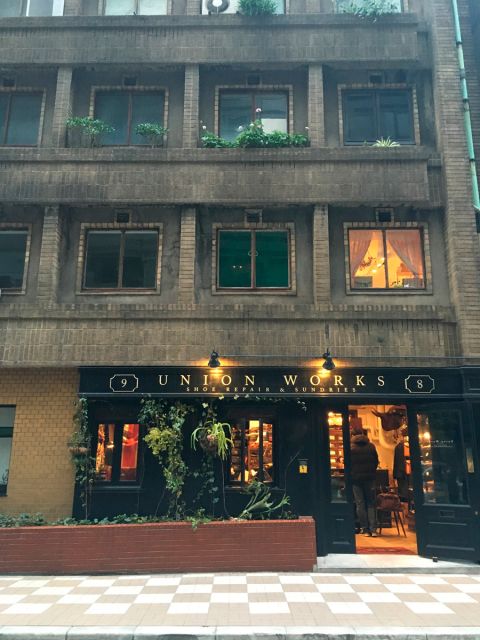
The Okuno Building provides a change of mood. After the sleek commercial façades, this building helps you see another side of Ginza’s architectural story. It belongs to the part of the route where the contrast between polished modernity and older urban fabric becomes clearer.
The building is paired with a secret side trip into a backstreet neighborhood. The exact route is not specified, but the purpose is clear: to show you an aspect of Ginza that the main avenues hide.
This detour is important because major streets can give a distorted picture of a district. On the avenues, Ginza can feel highly planned and brand-conscious. In the smaller lanes, you might find a different scale and a less formal relationship between buildings and daily life. The side trip does not replace the famous landmarks. It gives them context.
I especially like that the tour makes room for this contrast. Architecture is not only about headline buildings. It is also about how ordinary streets, narrow passages, and older structures fit beside newer projects.
Finishing at Ginza 4-chome and the Wako building
The walk finishes at the intersection of Ginza 4-chome, marked by the Wako building with its SEIKO watch association. This is one of the district’s clearest visual endpoints, and it gives the route a natural final scene.
By this point, you will have moved through religious design, theater architecture, commercial façades, Metabolism ideas, an older building, and a backstreet neighborhood. Ending at Wako brings the focus back to Ginza’s public image and its role as a high-profile shopping district.
The finish is also practical. You are not returned to the starting point, so think of the tour as a one-way walk through the district. That suits anyone who plans to continue exploring Ginza afterward, but it may require a little planning if you need to return to Tsukiji.
What the private format adds to a three-and-a-half-hour walk
The tour lasts 210 minutes, or three and a half hours. That is long enough to cover the route at a thoughtful pace, but not so long that architecture becomes a test of endurance.
A private group gives you a more personal experience than a large public walk. You can ask about a building that catches your eye, spend more time on a topic you care about, or seek clarification when a design idea feels abstract. If you already know some architecture, this format should be more satisfying than a fixed script aimed at a broad crowd.
The guide speaks English, and one verified booking praised the guide as both highly capable and pleasant. No guide name is provided, so you should not book expecting a particular named architect or lecturer. Still, the focus of the route suggests that the guide’s role is central, especially when explaining the Metabolism movement and the links between traditional and modern design.
A break with drinks is included. That is a small but welcome detail during a 210-minute walk. Meals are not included, so plan to eat before or after the tour rather than expecting a restaurant stop.
Is $129 per person fair value?
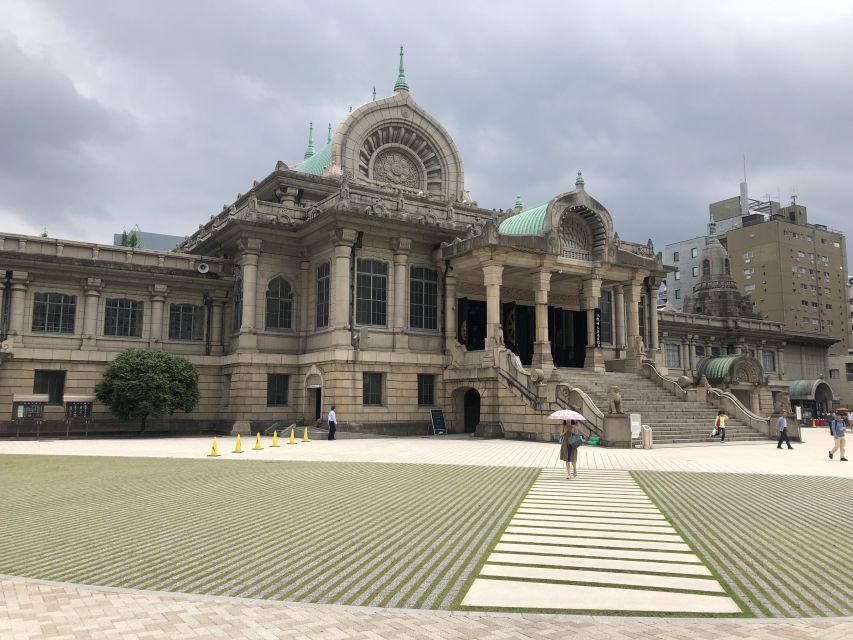
At $129 per person, this is not a bargain sightseeing walk. The price makes more sense if you value a private guide, a specialized subject, and a carefully chosen route through buildings you might otherwise see only from the outside.
You are paying for interpretation as much as for movement through the city. The guide connects individual sites to broader architectural ideas, and the private setting gives you room to ask questions. For a couple or a small group with a serious interest in design, that can be good value.
The calculation is less favorable if you want general sightseeing, shopping time, or entry into attractions. The tour does not include meals, transportation to or from the Ginza area, or stated interior access to the buildings. You should also remember that the $129 rate is per person, even though the group is private.
A simple test helps. If you would happily spend an afternoon comparing Tokyo buildings and discussing why they look the way they do, the fee may be justified. If you mainly want to see Ginza’s famous sights quickly, you can cover the area on your own for much less.
Practical planning for Tsukiji and Ginza
Wear comfortable shoes. The tour is on foot and lasts three and a half hours, with a short drink break rather than a full meal stop.
Arrive at the main gate of Tsukiji Hongwan-ji, not simply in the general Tsukiji neighborhood. Exit 1 of Tsukiji Station is the simplest approach. From the exit, turn left and walk straight for less than a minute.
Allow time before the start if you want to orient yourself. The meeting point is near the station, but the tour itself is a one-way progression toward Ginza 4-chome. Since transport to and from the Ginza area is not included, your subway or other local transport costs remain your responsibility.
The activity can be canceled up to 24 hours in advance for a full refund. You can also reserve and pay later, which helps if your Tokyo schedule is still changing. Starting times vary, so check availability for the date you want.
Who should book this architecture walk?
I would recommend it most strongly to people who want to understand Tokyo through its buildings. It suits design students, architecture fans, photographers, and curious visitors who prefer a focused walk to a broad city tour.
It also works for anyone who has already seen the standard Ginza shopping streets and wants a more thoughtful reason to return. The balance between famous works, newer architecture, traditional references, and the backstreet detour gives the district more depth.
Families and mixed-interest groups should think about the subject carefully. A private guide lets you adjust questions, but the tour remains architecture-focused for 210 minutes. If some members of your group have little interest in buildings, the price may be hard to justify.
Should you book the Private Ginza Architecture Tour?
Book it if you want a specialist subject, a private English-speaking guide, and a route that links Tsukiji Hongwan-ji, Kabuki-za, Ginza’s major commercial buildings, the Okuno Building, and Wako at Ginza 4-chome.
Skip it if you mainly want shopping, a food tour, or fast access to Ginza’s sights. At $129 per person, the tour asks you to care about the built city. For the right audience, its best feature is the balance: famous landmarks are paired with Metabolism ideas, traditional forms, and a quieter backstreet view of Ginza.
FAQ
Where does the Private Ginza Architecture Tour meet?
It meets in front of the main gate of Tsukiji Hongwan-ji temple. From Exit 1 of Tsukiji Station on the Tokyo Metro Hibiya Line, turn left and walk straight for less than a minute.
Where does the tour finish?
The walk finishes at the Ginza 4-chome intersection, where the Wako, or SEIKO watch, building is located.
How long does the tour last?
The tour lasts 210 minutes, which is three and a half hours.
Is the tour conducted in English?
Yes. The tour has a live English-speaking guide, and the listed language is English.
Is this a private group activity?
Yes. The activity is offered for a private group.
Are drinks, meals, and transportation included?
A break with drinks is included. Meals and transportation fees to and from the Ginza area are not included.
New on our Tokyo list
- Sumi-e Experience in a relaxing green tea shop in Tokyo★ 5.0 · 3 reviews
- Tokyo : Kamikaze Street Drift Ride★ 5.0 · 3 reviews
- Private Zen Meditation in English in Shinjuku, Tokyo★ 5.0 · 3 reviews
- Onsen Spa in Tokyo and Asakusa Bar Hopping with Local Guide★ 5.0 · 3 reviews
- Easy for everyone! Now you can play handmade mini shamisen and show off to everyone! Musical instruments, sweets and live music★ 5.0 · 3 reviews
- Tokyo: Private Tsukiji Street Food & Sake with Local Guide★ 5.0 · 3 reviews
- Mt Fuji Exploration Tour with Free Japanese Kusa Mochi from Tokyo★ 4.5 · 3 reviews
- Tokyo Tsukiji Fish Market Walking and Exploring Hidden Gems Tour★ 5.0 · 3 reviews
Private, compared.
Tokyo 6hr Private Tour with Government-Licensed Guide
Read our review →
Private Tour to Mt. Fuji and Hakone (Fully Licenced Operator)
Read our review →
Tokyo Customized Private Tour (Must See Places in 1 Day)
Read our review →
Mount Fuji Full-Day Private Tour from Tokyo (Customizable)
Read our review →
Private City Highlights Tour with Local Guide
Read our review →
Tokyo 4hr Private Tour with Government-Licensed Guide
Read our review →