
Reviewed · JAPANESE CALLIGRAPHY CLASSES
Private Japanese Calligraphy Class in Shibuya Tokyo
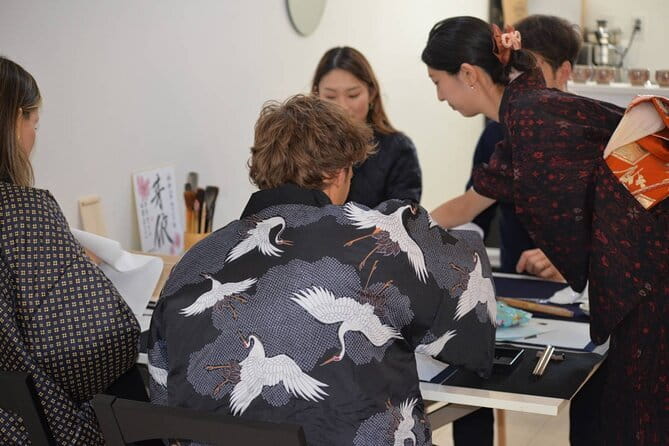
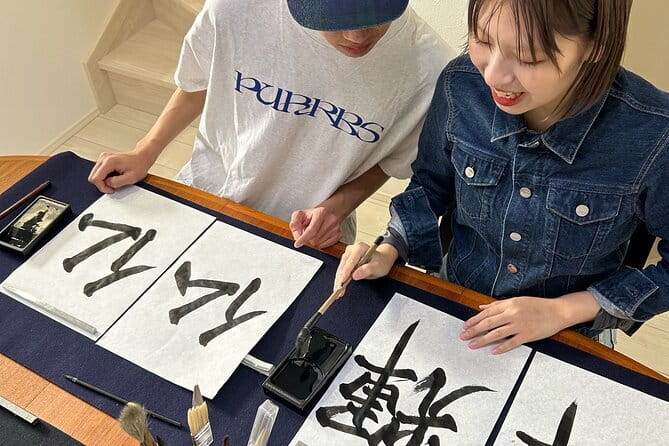
Japanese calligraphy becomes much more meaningful when you hold the brush yourself. In this private Shibuya-area class, certified calligrapher Koka teaches the basic movements of Shodo, then helps you create a finished piece with your name, a favorite kanji, or another Japanese word.
I like the personal format and the clear souvenir payoff. You are not just watching a demonstration. You practice, receive patient guidance, and take home something you made. I also like the small tea ritual, with matcha offered after the lesson if you want it.
The main consideration is the price: $95 per person for about 90 minutes to two hours. That is a fair rate for a private cultural lesson, but it is not a quick, low-cost tourist stop. You should book it because you want hands-on instruction, not simply a photo opportunity.
In This Review
- Key points to know before booking
- Why this Shodo class feels personal
- Meeting Koka near Hatagaya Station
- The first lesson: brush, ink, and basic technique
- Writing your name and choosing a favorite kanji
- The quiet reward of optional matcha
- A good choice for families and first-time learners
- What $95 per person gets you
- Timing, transport, and practical planning
- Who should book this class
- Should you book the Koka Calligraphy Workshop?
- FAQ
- Where does the Japanese calligraphy class begin?
- What time does the class start?
- How long does the activity last?
- Is the calligraphy class private?
- Can children join the class?
- Is matcha included in the lesson?
Key points to know before booking
- Private lesson with Koka: Only your group participates, so the pace can suit beginners, families, and children.
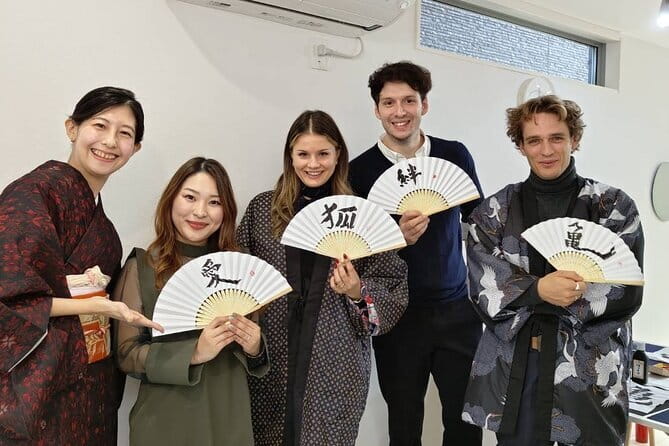
- Create a personal souvenir: You learn to write your name and can choose a favorite kanji or Japanese word.
- Located near Hatagaya Station: The meeting point is in Shibuya, at the Hatagaya area of Tokyo.
- About 90 minutes to two hours: The class has enough time for instruction, practice, and a finished calligraphy piece.
- Optional matcha after class: The tea adds a calm Japanese touch without making it part of the required lesson.
- Free cancellation up to 24 hours ahead: Last-minute changes are not covered, so watch the local cut-off time.
Why this Shodo class feels personal
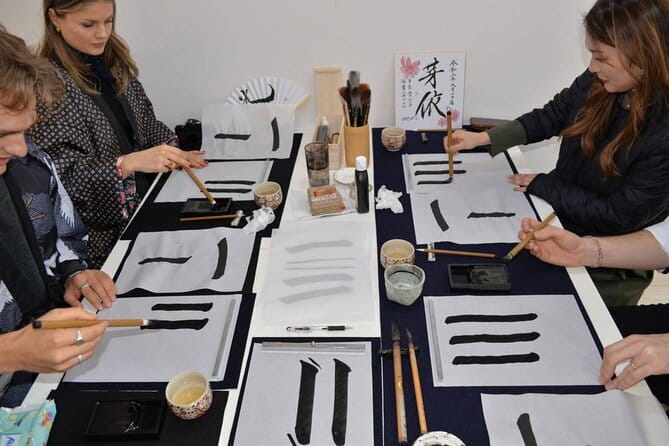
Shodo, or Japanese calligraphy, is more than writing with an attractive brush. The order of each stroke matters. So do pressure, speed, balance, and the amount of ink on the brush. A simple character can look awkward if one line is too heavy or placed slightly off-center.
That is why a private class can be more useful than a large workshop. Koka can focus on your hand position and help you correct small problems as they appear. You do not have to keep pace with a room full of strangers, and you can ask questions without interrupting anyone else.
The format also works well if you are new to Japanese writing. You do not need to read Japanese before arriving. The class includes writing your name in Japanese, along with a favorite kanji or another Japanese word. That gives you a clear goal even if the characters are unfamiliar.
The finished piece is the practical reward. Instead of buying a mass-produced souvenir, you leave with a work connected to your time in Tokyo. It may not look like a master’s calligraphy, and it should not. Its value is that you made it with guidance.
More calligraphy tables:
- Tokyo: Calligraphy on Kanji Fan & Scroll with Drink
★ 5.0 · 210 reviews - Let’s experience calligraphy in YANAKA, Taito-ku, TOKYO !!
★ 5.0 · 127 reviews - Experience all of Japanese culture and Japanese food experience classes “origami, udon, Japanese food, green tea, calligraphy” in 4 hours
★ 5.0 · 105 reviews
Meeting Koka near Hatagaya Station
The class begins at 9:00 am near Hatagaya Station in Shibuya. The listed meeting point is in the Hatagaya area, at the address provided for the activity. Since the experience uses a mobile ticket and takes place near public transportation, you can keep the morning fairly simple.
I would allow extra time to find the exact meeting point. The information names Hatagaya Station and gives a street address, but the station area can still require a few minutes of orientation. Have the activity details open on your phone before leaving your hotel, and avoid arriving at the last second.
The early start has one clear benefit. You can complete the class before the main part of your sightseeing day. Afterward, you are already in Shibuya for shopping, food, or other plans, though you should allow time to return to central Tokyo if that is where you are staying.
The early hour may not suit everyone. If you have just arrived after a long flight, or if your hotel is far from Hatagaya, the 9:00 am start requires planning. Families should also consider the morning timing when deciding if children will be ready to concentrate.
The first lesson: brush, ink, and basic technique
The opening part of the class focuses on the foundations of Japanese calligraphy. You learn the basic technique before attempting the final piece. The supplied information does not give a minute-by-minute lesson plan, so the exact order and amount of practice can vary.
Expect the lesson to center on how to handle the brush and form strokes. In Shodo, a character is built from separate marks rather than drawn as one loose picture. Koka’s role is to show you how those marks should begin, move, and finish.
This is where the private setting matters most. A beginner often makes the same mistake several times without noticing it. Direct correction can make the process less frustrating, especially when the character looks simple but requires careful control.
The class is not described as an advanced master course. It is aimed at learning the basics and producing your own work. That makes it a good match for a first introduction, but less suitable if you already have serious calligraphy training and want technical study at a high level.
You should also keep your expectations sensible. The word perfect appears in the description as an aim for your souvenir, but calligraphy is a skill that takes years to master. The pleasure here comes from learning the process and making a personal piece, not from producing professional work in one sitting.
Writing your name and choosing a favorite kanji
One of the strongest parts of the class is the choice of subject. You can learn to write your name in Japanese, then work on a favorite kanji or another Japanese word. That gives you room to make the finished piece personal.
A name is often the easiest choice for a first lesson because it connects directly to you. A kanji can make a more decorative souvenir, but you should choose a word that has meaning for you. The experience allows either approach, so you are not locked into a single design.
If you are booking for a family, each person can have a different goal. One child may prefer a name, while an adult may choose a favorite character. The private format helps keep the class from feeling like a one-size-fits-all activity.
The supplied details do not specify how many finished pieces each person creates or whether framing is included. You should not assume that either is part of the price. The firm promise is that you will create your own calligraphy work by the end.
That distinction matters when comparing this with a larger craft activity. The appeal is not the number of objects you take home. It is the chance to learn from Koka and produce one piece with a story behind it.
More Shibuya plans:
- Official Street Go-Kart in Shibuya
★ 5.0 · 3,435 reviews - Tokyo: Street Kart Experience in Shibuya
★ 4.9 · 1,484 reviews - Shibuya Meltdown Nightlife Tour: All-You-Can-Drink Bar Hopping
★ 5.0 · 1,058 reviews - Shibuya Official Street Go-Kart in Shibuya Annex
★ 5.0 · 972 reviews
The quiet reward of optional matcha
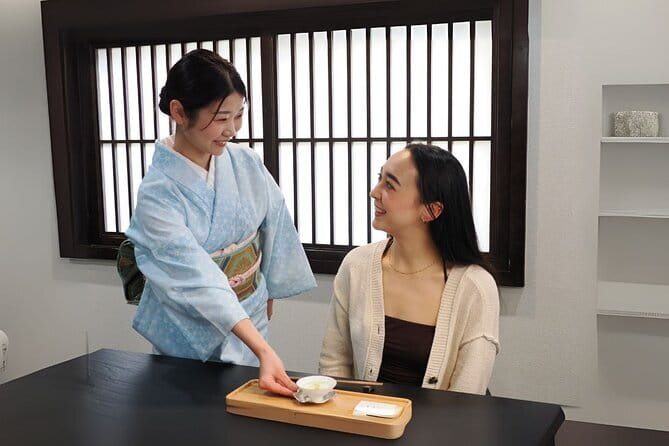
After the lesson, you can enjoy matcha if you wish. The tea is optional, which is useful if your group includes children or anyone who does not care for matcha. You can focus on the calligraphy without feeling that you must take part in a second activity.
The tea also gives the class a natural ending. You have time to look at your finished work, talk with Koka, and let the lesson settle before returning to the city. One detailed account praised both the welcoming tea at the start and the authentically prepared matcha afterward, so hospitality is clearly part of the intended experience.
Still, tea is an extra touch rather than the main reason to book. If you are comparing activities, put the calligraphy lesson first in your decision. The matcha makes the visit feel more complete, but the quality of the experience depends mainly on instruction and the private setting.
A good choice for families and first-time learners
Children are welcome, and the private format is a real advantage for families. Young learners can need more time with brush control, while adults may want to work at a different pace. A private lesson gives Koka room to be patient with each person.
A family account described the instructor as kind and careful with beginners. That fits the design of the activity: learn step by step, practice without pressure, and finish with a piece everyone can enjoy.
The class can also work well for couples, friends, or a solo visitor who wants a quieter cultural activity. You do not need to be artistic to take part. Calligraphy rewards attention and patience more than drawing skill.
The 90-minute to two-hour duration is long enough to feel like a proper lesson. It is not so long that the activity takes over your day. If you are traveling with small children, concentration may fade before the end, but the private format gives you a better chance than a crowded class would.
Because only your group participates, the experience can feel more relaxed and conversational. That is especially helpful if you want to ask about Japanese characters, brush technique, or the meaning of your chosen word.
What $95 per person gets you
At $95 per person, this is not the cheapest cultural activity in Tokyo. You are paying for a private lesson, a certified calligrapher, instruction, practice, and a finished work. You also receive the time and attention that a shared class may not provide.
The value depends on your priorities. If you want a quick souvenir and have little interest in learning the technique, the price may feel high. A shop-bought print costs less and takes no time. But that comparison misses the central point: here, the souvenir is tied to an activity and personal instruction.
The private format improves the value for families and small groups. One booking lets your group learn together, without strangers setting the pace. It may also be worth more to people who want a meaningful morning rather than another crowded sightseeing stop.
The class is booked an average of 25 days ahead, which suggests you should not wait until the last day of your Tokyo stay. That does not guarantee that every date sells out, but it is a useful planning signal. If the morning matters to your schedule, reserve early.
I would consider the price reasonable for someone who values authentic instruction and a personal keepsake. I would hesitate if your budget is tight or if you prefer to spend your money on major museums, food, or transport.
Timing, transport, and practical planning

The meeting point is near Hatagaya Station, with a 9:00 am start. The activity returns to the meeting point at the end, so you do not have to work out a separate finishing location.
Plan for the full stated range of time. Although the duration is listed as approximately one hour and 30 minutes, the description also says the whole class can take one and a half to two hours. If you have a timed reservation afterward, leave a buffer.
The mobile ticket is convenient. You can keep your confirmation on your phone rather than carrying a printed voucher. Confirmation is received at booking, and public transportation is nearby.
Free cancellation is available if you cancel at least 24 hours before the start time. Changes or cancellations inside that window are not accepted for a refund. The cut-off follows Tokyo local time, so check carefully if you are arranging plans from another time zone.
The supplied details do not specify accessibility information, equipment requirements, or the exact language used during instruction. If any of those points matter to your group, ask Koka before booking rather than guessing.
Who should book this class
I would point this experience toward you if you want:
- A private cultural activity in Tokyo
- A calm morning near Shibuya
- A hands-on introduction to Japanese calligraphy
- A personal souvenir made during your trip
- A family-friendly lesson with a patient teacher
- A small-group activity instead of a large workshop
It is especially useful for first-time learners. You will get a clear introduction without needing prior knowledge of Japanese characters.
I would choose another activity if you want a long sightseeing tour, a low-cost drop-in workshop, or a highly advanced calligraphy course. This class has a narrow focus, and that is part of its appeal. You spend the time learning one craft well enough to make something of your own.
Should you book the Koka Calligraphy Workshop?
Book it if the idea of slowing down, holding a brush, and making a Japanese character appeals to you. Koka’s patient teaching, private format, name-writing option, and optional matcha give the activity more substance than a simple souvenir stop.
The $95 price is easiest to justify when you are sharing the lesson with family or friends and care about the finished work. Allow extra time around the 9:00 am meeting, choose your kanji before class if you can, and reserve ahead if your Tokyo schedule is fixed.
Skip it if you only want a fast photo or a cheap keepsake. For everyone else, this is a thoughtful way to spend part of a morning in the Shibuya area, with a personal piece of calligraphy to carry home.
FAQ
Where does the Japanese calligraphy class begin?
The class begins near Hatagaya Station in Shibuya, Tokyo. The provided meeting address is in the Hatagaya area.
What time does the class start?
The listed start time is 9:00 am.
How long does the activity last?
The duration is approximately one hour and 30 minutes, though the full class may take up to two hours.
Is the calligraphy class private?
Yes. Only your group participates in the activity.
Can children join the class?
Yes. Children are welcome.
Is matcha included in the lesson?
You may enjoy matcha after the lesson if you wish. It is presented as an optional part of the experience.
More Workshops in Tokyo
- Sushi Making Tokyo Roll and Authentic Japanese Sushi Class
★ 5.0 · 3,971 reviews - Tokyo: Roll and Authentic Sushi Making Class in Asakusa
★ 4.9 · 1,957 reviews - Tokyo Shinjuku Chopsticks Making Class
★ 5.0 · 1,763 reviews - Tokyo: Sushi Making Class in a Happi Coat near a Famous Spot
★ 4.9 · 1,377 reviews
New on our Tokyo list
- Sumi-e Experience in a relaxing green tea shop in Tokyo★ 5.0 · 3 reviews
- Tokyo : Kamikaze Street Drift Ride★ 5.0 · 3 reviews
- Private Zen Meditation in English in Shinjuku, Tokyo★ 5.0 · 3 reviews
- Onsen Spa in Tokyo and Asakusa Bar Hopping with Local Guide★ 5.0 · 3 reviews
- Easy for everyone! Now you can play handmade mini shamisen and show off to everyone! Musical instruments, sweets and live music★ 5.0 · 3 reviews
- Tokyo: Private Tsukiji Street Food & Sake with Local Guide★ 5.0 · 3 reviews
- Mt Fuji Exploration Tour with Free Japanese Kusa Mochi from Tokyo★ 4.5 · 3 reviews
- Tokyo Tsukiji Fish Market Walking and Exploring Hidden Gems Tour★ 5.0 · 3 reviews
Japanese Calligraphy Classes, compared.
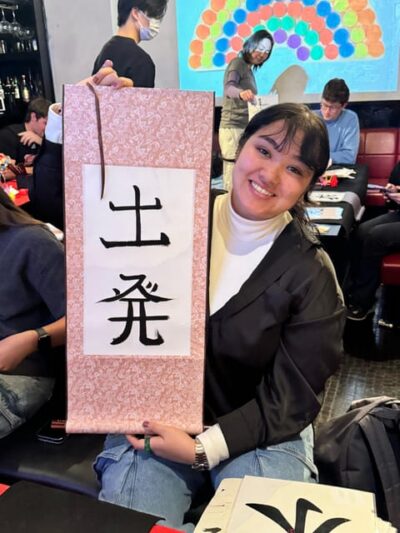
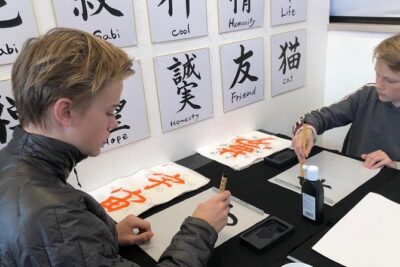
Let’s experience calligraphy in YANAKA, Taito-ku, TOKYO !!
Read our review →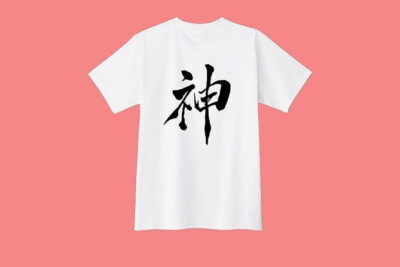
Calligraphy Workshop & Original T-Shirt Creation
Read our review →
Calligraphy Workshop & Original T-Shirt Creation
Read our review →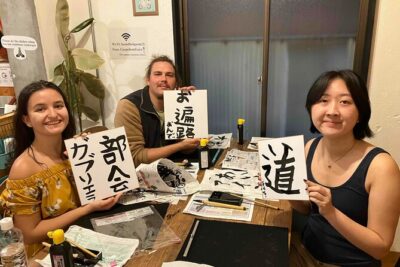
Calligraphy &Make your original folding fan in Asakusa
Read our review →
Tokyo Asakusa:Calligraphy & Make T-shirt Activity
Read our review →Browse the lists this tour appears in